
July 6, 2026
Pokémon Card Grading and Selling Service: A Guide
Get expert tips on pokemon card grading and selling service, from choosing a grader to selling your cards for the best value in the collector’s market.
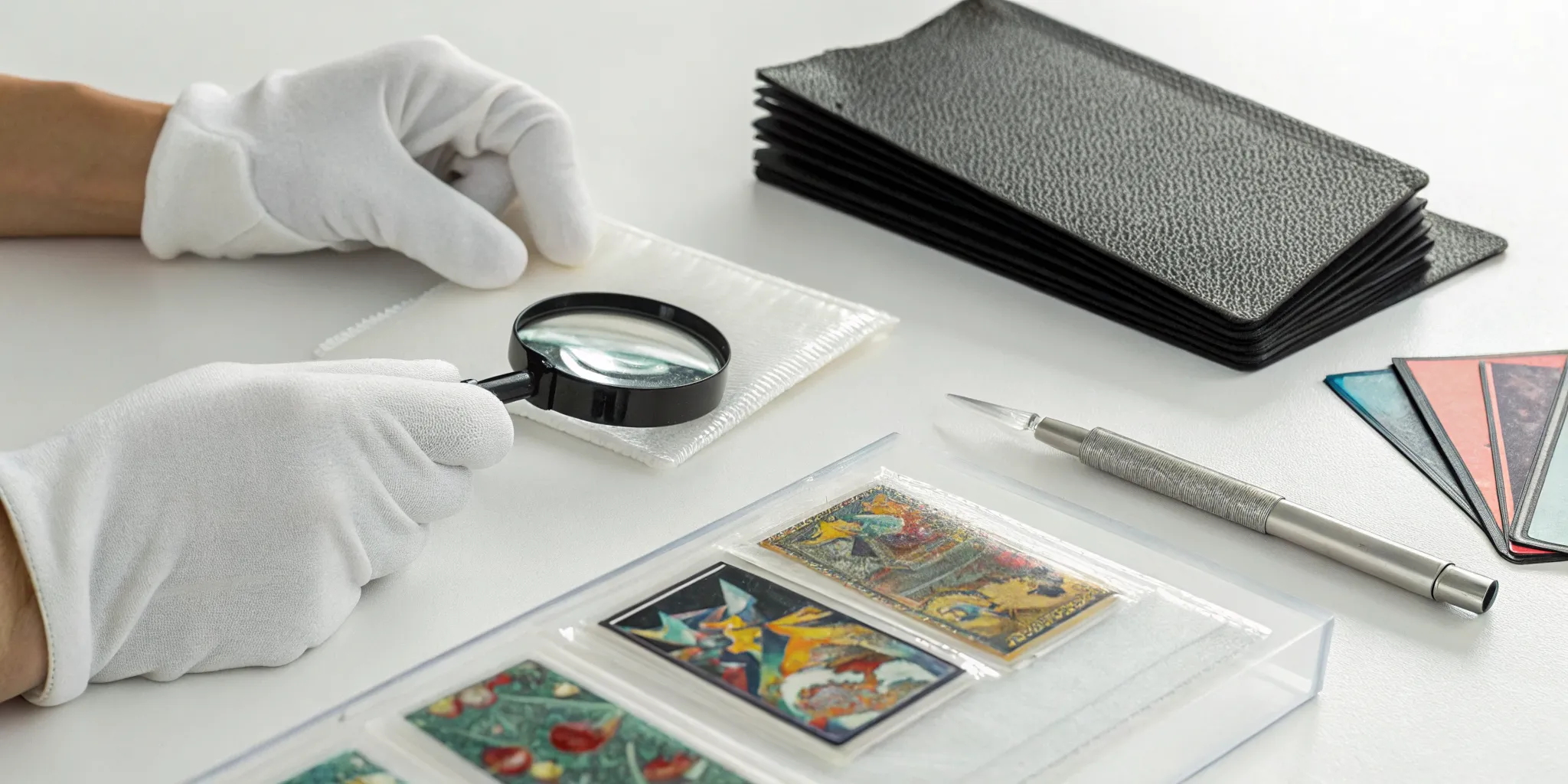
If you love the thrill of opening digital packs and seeing a graded card pop up, you already understand the excitement. But have you ever wondered about the story behind that slab? This guide pulls back the curtain on the entire grading process. We’ll explore why a graded card is so valuable and show you how to get your own cards from your personal collection ready for their big evaluation. You’ll learn how to inspect your cards like a pro, choose the right company, and prepare your submission for the best results. This is your complete manual for understanding the world of the pokemon card grading and selling service.
Key Takeaways
- Treat grading as a strategic investment: Professional grading authenticates a card's condition and can increase its value, but only for cards that are already rare, popular, and in great shape. A high grade is never a guarantee, as graders strictly evaluate centering, corners, edges, and surface.
- Set your cards up for success: The grade you receive heavily depends on your preparation. This involves carefully inspecting your cards for flaws, choosing the right company for your goals (like PSA for resale value), and precisely following submission rules to avoid delays.
- Always do the math first: Grading is a business decision, so weigh the submission cost against the potential profit. Research recent sales of your exact card at different grades to confirm that the potential value increase is worth the time and money.
What Is Pokémon Card Grading?
So, you’ve pulled a card that looks special, and you keep hearing people talk about getting it “graded.” What does that actually mean? Pokémon card grading is the process of sending a card to a professional, third-party company to have its physical condition officially evaluated. Think of it like getting a diamond certified or a comic book appraised.
These expert graders place your card under intense scrutiny, examining every detail from the centering of the artwork to the sharpness of the corners. Based on their assessment, the card receives a numerical grade, typically on a scale from 1 to 10. A 1 represents a card in poor condition, while a 10, or "gem mint," is reserved for a card that is virtually flawless.
After grading, the card is encapsulated in a durable, tamper-proof plastic case, often called a "slab." This slab not only protects the card from damage but also displays the grade and other important details, like the card’s name and set. This entire process authenticates the card, preserves its condition, and assigns it a clear, objective quality score that collectors everywhere recognize and trust. It takes the guesswork out of determining a card's quality, making it easier for everyone to know exactly what they have.
Why Should You Grade Your Cards?
The main reason to grade your cards is to officially certify their authenticity and condition. When you decide to sell, a high grade from a reputable company acts as a verified guarantee of quality. This gives potential buyers the confidence to pay a premium because they know exactly what they’re getting without having to inspect the card themselves. It removes doubt and builds trust, especially in an online marketplace. This certified quality is essential when you want to accurately price your trading cards and get top dollar. A graded card is simply easier to sell and often commands a higher price than an ungraded, or "raw," card in similar condition.
How Grading Impacts a Card's Value
Grading a card can definitely increase its value, but it’s not a sure thing for every card. The final value depends heavily on a few key factors. First, the card itself needs to be desirable. We’re talking about vintage cards, rare holographic prints, or cards featuring fan-favorite characters like Charizard or Pikachu. Second, the card must be in excellent shape to begin with. A card with noticeable bends, scratches, or worn edges won’t receive a high score, and a low grade can sometimes be worth less than the cost of grading itself. Ultimately, buyers feel safer purchasing graded cards because they know a professional has verified the card's condition and confirmed it's the real deal.
What Do Graders Look For?
When you send a card off for grading, it feels a bit like sending your kid to their first day of school. You’ve done your best, and now you just have to hope for a good report card. But what are the teachers, or in this case, the graders, actually looking for? It’s not as subjective as you might think. Professional graders follow a strict, consistent process to evaluate every card that crosses their desk. They focus on four key physical attributes that together determine the card’s final grade. Understanding these four pillars of grading will not only demystify the process but also help you get better at spotting high-value cards in your own collection.
Centering
First up is centering. This refers to how the artwork and text are framed by the card's borders. Ideally, you want the borders to be perfectly even on all four sides, both on the front and the back. For Pokémon cards, the iconic yellow borders make it pretty easy to spot when the centering is off. A card that’s heavily skewed to one side or the top will receive a lower score. While perfect 50/50 centering is the dream for a Gem Mint 10, grading companies do allow for a little bit of leeway. Each company has its own guide to their standards, which specifies the acceptable centering ratios for each grade.
Corners
Next, graders zoom in on the corners. Think of the corners as a primary indicator of the card's history and how well it's been handled. A pack-fresh card should have four sharp, perfectly pointed corners. Over time, or with even minor handling, corners can become slightly soft, rounded, or even start to fray. Any whitening, which is when the top layer of the card wears away to show the white paper underneath, is a major red flag for graders. Even a tiny, almost invisible touch of white on one corner can be the difference between a 10 and a 9. It’s a good idea to use a magnifying glass to get a close look at your own cards.
Edges
While related to corners, the edges refer to the four straight sides of the card. Graders inspect each edge for any imperfections that could bring down the score. The most common issue is "whitening" or "chipping," where the ink has flaked off along the sides, revealing the white cardstock beneath. This is especially common on the back of Pokémon cards, where the dark blue border makes any flaw stand out. Graders will look for nicks, dents, or any roughness along the edges that suggest wear. A card with smooth, clean edges is one step closer to achieving a top grade, as outlined in the detailed CGC grading scale.
Surface
Finally, the card’s surface is put under the microscope. Graders are looking for anything that disrupts the clean finish of the card. This includes scratches, scuffs, stains, fingerprints, or even print lines left over from the factory printing process. For holographic cards, the surface is even more critical, as any scratch on the foil pattern is immediately noticeable and can significantly lower the grade. To check a card’s surface yourself, hold it under a bright light and tilt it back and forth. This simple trick helps reveal subtle flaws you might otherwise miss. A pristine, flawless surface is the final piece of the puzzle for a high-grade card.
Who Are the Top Pokémon Card Graders?
Once you’ve decided to get a card graded, the next big question is: who do you send it to? While there are many grading services out there, the trading card community generally recognizes three companies as the top players. Each one has its own reputation, grading scale, and impact on a card's final market value. Choosing the right one often comes down to your personal goals. Are you looking for the highest possible resale value, a detailed report on your card's condition, or a balance of speed and quality?
The truth is, there's no single "best" grader for every card. The right choice depends entirely on what you're grading and what you hope to achieve. A vintage Charizard you plan to sell might benefit most from one company, while a modern Japanese promo card could be better suited for another. Let's break down the "big three" so you can pick the best fit for your cards and your collection strategy.
PSA (Professional Sports Authenticator)
If you're looking for the king of resale value, look no further than PSA. As the oldest and most recognized name in the industry, PSA grading often adds the most significant price increase to a card. Collectors and investors trust the PSA name, so cards in their slabs frequently command the highest prices on the market. Their simple 1-10 grading scale is easy to understand, with a PSA 10 Gem Mint being the gold standard for most modern cards. If your primary goal is to sell your Pokémon cards for top dollar, PSA is almost always the safest and most profitable choice.
BGS (Beckett Grading Services)
Beckett is another giant in the grading world, known for its incredibly detailed approach. Unlike PSA's single grade, BGS provides four subgrades on its label for centering, corners, edges, and surface. This gives you a much clearer picture of your card's specific strengths and weaknesses. BGS is famous for its elusive "Black Label," a perfect Pristine 10 with all 10 subgrades, which can make a card worth even more than a PSA 10. If you have a card you believe is absolutely flawless and want a shot at that legendary Black Label, or if you simply appreciate a more thorough grading report, BGS is an excellent option.
CGC (Certified Guaranty Company)
CGC is a newer player in the Pokémon card space but has quickly earned a strong reputation. Originally known for grading comic books, CGC brought its expertise to trading cards with a focus on quality, consistency, and transparency. Collectors often praise their crystal-clear, durable slabs and detailed population reports. A CGC Pristine 10 is considered a true gem and can compete with top grades from PSA and BGS in value. CGC is also known for its faster turnaround times and expertise in grading international cards, making it a fantastic all-around choice for collectors who value both quality and efficiency.
How to Get Your Pokémon Cards Graded, Step-by-Step
Getting your Pokémon cards graded can feel like a big undertaking, but it’s a straightforward process when you break it down. Think of it as preparing your prized card for its big debut. Taking the time to follow these steps carefully can make a huge difference in the final grade your card receives, which directly impacts its value and appeal to other collectors. From giving your card a thorough once-over to choosing the right grading service and packing it securely, every step matters. Let’s walk through the entire process together, so you can feel confident sending your cards off for their official evaluation. By the end, you’ll have a clear roadmap to follow for every card you want to get graded in the future.
Step 1: Inspect and Prep Your Cards
Before you even think about shipping your card, you need to play detective. Give your card a close look under a good light to get a sense of its condition. You don’t need a magnifying glass, but you should carefully assess the centering, corners, edges, and surface for any flaws. Look for things like print lines, whitening on the edges, or tiny scratches on the holographic area. This initial inspection helps you set realistic expectations for the grade and decide if the card is even worth the grading fee. It’s better to spot a major flaw yourself than to pay for a low grade later.
Step 2: Pick a Grading Company and Service
Once you’ve decided a card is a good candidate for grading, it’s time to choose a company. The three main players in the Pokémon world are PSA (Professional Sports Authenticator), BGS (Beckett Grading Services), and CGC (Certified Guaranty Company). Each one has a different reputation, slab design, and pricing structure. PSA is often the go-to for vintage cards, while BGS is known for its detailed subgrades. Do some research to figure out which card grading company aligns with your goals and budget. Consider factors like turnaround time, cost, and how each grader is perceived in the market for your specific card.
Step 3: Fill Out the Submission Form and Pay
This is the paperwork part of the process. Head to your chosen company’s website and find their online submission form. You’ll need to fill out details about each card you’re sending, including the set and card number. This is also where you’ll select a service level, which usually determines the turnaround time and cost. Grading fees can range from around $15 to over $100 per card, depending on the card’s declared value and how quickly you want it back. Double-check that all your information is accurate before you submit and pay, as mistakes can cause significant delays.
Step 4: Safely Pack and Ship Your Cards
All your careful prep work means nothing if your card gets damaged on its way to the grader. Proper packing is essential. The standard method is to place your card in a penny sleeve and then slide it into a semi-rigid card holder, often called a Card Saver. Avoid using hard plastic toploaders, as most grading companies prefer semi-rigids. Once your cards are sleeved, sandwich them between two pieces of cardboard and secure them with rubber bands. This bundle should then go into a shipping box with plenty of padding. Following a guide on how to submit Pokémon cards can help ensure you do it right.
Step 5: Get Your Graded Cards Back
After a period of waiting, which can be weeks or months depending on the service you chose, your graded cards will arrive back home. This is the exciting part. Your card will be sealed in a clear, protective case, often called a "slab," with its official grade displayed on the label. This slab not only keeps your card safe from damage but also serves as a certificate of authenticity and condition. With its grade officially recognized, your card is now much easier to value, sell, or trade. This final step is the payoff for all your patience and careful preparation.
Which Cards Are Worth Grading?
Deciding which Pokémon cards to send off for grading can feel like a high-stakes game. You might have a binder full of cards, but the truth is, not every one is a good candidate. Sending a card to a professional grader is an investment of both time and money, so you want to be strategic about which ones you choose. Making the right call comes down to carefully looking at four key factors: the card’s rarity, its current physical condition, the market demand for it, and whether its potential value outweighs the cost of the grading service.
Think of it as building a business case for each card. A rare card in perfect condition might seem like an obvious choice, but if no one is actively buying it, you might not see the return you expect. On the other hand, a less rare but highly popular card in decent shape could be a winner. Before you spend a dime on grading fees, it’s essential to do your homework. By breaking down the decision into these four areas, you can focus your efforts on the cards that have the best chance of earning a high grade and, ultimately, a higher value.
Consider the Card's Rarity
First things first, how special is your card? Rarity is a huge driver of value in the Pokémon TCG world. A card that was hard to find from the start is more likely to be worth grading. This includes vintage cards from early sets like Base Set, rare holographic cards, or special promotional releases. Cards featuring fan-favorite Pokémon, such as Charizard, Blastoise, and Mewtwo, also tend to have a built-in demand that makes them strong contenders. If your card is a common one that was printed in massive quantities, grading it probably won’t add much value, even if it’s in great shape. Focus on the cards that were special from the day they were pulled.
Assess the Current Condition
A card’s condition is what graders are paid to judge, so you need to be critical. Before sending anything in, inspect your cards closely for any flaws. Look for perfect centering, sharp corners, clean edges, and a flawless surface free of scratches or stains. A card needs to be in near-mint or better condition to have a shot at earning a top grade of 9 or 10, which is where the big value jumps happen. If a card has obvious damage like bends, creases, or tears, it simply won’t get a high score. In those cases, the cost to get your card graded might be more than the card is worth, so it’s best to keep it in your personal collection.
Check the Market Demand
A high grade doesn’t mean much if no one wants to buy the card. Market demand is the pulse of the hobby, and it determines what a card is actually worth. A professional grade from a company like PSA acts as a certified guarantee of authenticity and condition, which gives buyers the confidence to pay more. You can price your trading cards by researching recent sales of cards similar to yours. Look up the card on online marketplaces to see what it has sold for with different grades. This research will give you a realistic idea of what you can expect and help you decide if the potential profit is worth the grading process.
Weigh the Cost vs. Potential Value
Finally, it’s time to do the math. Grading isn’t free, and the fees can range from around $25 to hundreds of dollars per card, depending on the card’s value and the turnaround time you choose. Before you commit, you need to weigh this cost against the card’s potential increase in value. For example, if a raw, ungraded card is worth $50 and a graded 9 version sells for $200, spending $25 on grading is a great investment. However, if grading only increases the card’s value to $70, you’re not left with much profit after fees and shipping. Always compare the grading cost to the potential market value to ensure it’s a worthwhile financial decision.
Common Grading Mistakes to Avoid
Sending your Pokémon cards off for grading is an exciting step, but it’s also one where a few common missteps can cost you time, money, and a shot at the grade you’re hoping for. I’ve seen it happen time and again. A little preparation goes a long way in making the process smoother and more rewarding. By learning from the mistakes others have made, you can give your cards the best possible chance of success. Let’s walk through some of the most frequent errors so you know exactly what to watch out for.
Skipping the Pre-Inspection
It’s easy to get caught up in the excitement and rush to send your cards in, but skipping a detailed pre-inspection is a major gamble. Before you even think about packing a card up, you need to look at it as critically as a grader would. Check for tiny scratches, whitening on the edges, or off-center printing. Many collectors lose money grading cards they should have inspected more closely before submitting them. Taking just ten minutes to examine your card under a good light with a magnifying tool can help you spot flaws that might drop the grade significantly, saving you from paying to grade a card that won’t hit the mark.
Picking the Wrong Service
Not all grading services are created equal, and choosing the wrong one can directly impact your card’s final value and appeal. PSA, BGS, and CGC each have different reputations, specialties, and grading scales. A PSA executive has even pointed out that collectors often make mistakes by not understanding these differences. For example, some buyers prefer PSA for vintage cards, while others might favor BGS for modern cards with subgrades. Do your homework on which service best fits your specific card and your goals for selling or collecting. Learning how to submit cards for expert evaluation includes picking the company that will give your card the most credibility in the market.
Not Following Submission Rules
This might sound like basic advice, but you’d be surprised how many submissions get delayed or even rejected because of simple paperwork errors. Each grading company has very specific guidelines for how to fill out forms, label your cards, and package your submission. Take the time to read every instruction on the company’s website. As collectors often discuss, many grading submission issues come from not reading the guidelines carefully. Double-checking your work before you ship can save you weeks of delays and a lot of frustration. Make sure your card list is accurate, your service level is correct, and your payment information is complete.
Expecting a Perfect 10
We all dream of getting that perfect Gem Mint 10, but it’s important to have realistic expectations. A 10 is reserved for flawless cards, and even pack-fresh cards can have minor imperfections from the factory. Sending in a card assuming it will get a 10 is a recipe for disappointment. The grading process is incredibly strict, and different companies have different standards. Some collectors have shared that the process can be more stringent than anticipated, especially with certain graders. Hope for the best, but be prepared for a grade of 8 or 9, which are still fantastic scores that add significant value to your card.
Grading Low-Value Cards
The hard truth is that not every card is worth grading. The cost of grading can range from $15 to hundreds of dollars per card, depending on the service level. If the raw, ungraded value of your card is only a few dollars, you’re unlikely to make your money back, even with a high grade. It’s a tough lesson many learn, but collectors often lose money on cards that should not have been submitted in the first place. Before submitting, research the card’s current market value at different grade levels. If a graded 9 or 10 doesn’t sell for much more than the grading fee, it’s probably best to keep that card in your personal collection as-is.
How to Prep Your Cards for a Better Grade
Sending your cards off for grading can feel like a leap of faith, but you have more control over the outcome than you might think. The work you put in before your cards ever leave your hands can make a significant difference in the final grade. Think of it as setting your cards up for success. A high grade isn't just about luck; it's about preservation and preparation. From the moment you pull a card, every action you take can affect its condition, for better or worse.
By focusing on proper storage, careful handling, and a bit of self-assessment, you can protect your cards from damage and make smarter submission choices. These simple prep steps help ensure that the grader sees your card in its best possible light, giving you a better shot at securing that high grade you’re hoping for. It’s about presenting the card in its most pristine state, free from fingerprints, dust, or preventable wear. This attention to detail shows you respect the card and the grading process, and it can be the deciding factor between a good grade and a great one. Let’s walk through exactly how to get your cards ready for their big moment.
Use Proper Card Storage
The first rule of card collecting is to protect your assets. Before you even think about grading, your cards should be living in a safe environment. Proper storage is your best defense against dings, scratches, and fading that can lower a card’s grade. The moment you pull a card you think might be valuable, your first step should be to place it in a soft plastic “penny sleeve.” From there, transfer it into a rigid holder like a top loader or a semi-rigid holder like a Card Saver. Storing them this way helps experts check its condition without issue and prevents the minor damages that can turn a potential 10 into an 8 or 9.
Handle and Clean Cards Carefully
When you’re ready to inspect your cards for submission, handle them as little as possible and always with clean hands. Hold them by the edges to avoid getting fingerprints on the surface, which can affect the grade. If you notice any dust or minor smudges, you can gently wipe the card’s surface with a clean microfiber cloth. Be extremely careful, as rubbing too hard can create micro-scratches. The goal is to remove surface-level debris, not to perform a deep clean. Learning how to spot common flaws before you submit will help you decide if a card is truly ready for grading or if it’s better left as a binder card.
Try Pre-Grading Your Own Cards
Before you spend money on submission fees, it’s a great idea to play grader yourself. Pre-grading is the process of closely examining your own cards using the same criteria a professional would: centering, corners, edges, and surface. Use a magnifying glass or a bright light to get a close look at every detail. You can even find centering tools online to help you assess how well the artwork is aligned. This process helps you identify the strongest candidates for grading and manage your expectations. As one collector noted, learning how to pre-grade my cards is an initial investment in time that pays off by helping you choose which cards are actually worth the submission fee.
Where Can You Sell Graded Pokémon Cards?
Once you have your graded cards back, the next exciting step is deciding where to sell them. The right platform can make a huge difference in your final payout and the overall experience. Your choice will depend on whether you prioritize convenience, the highest possible price, or a quick cash transaction. From instant buyback programs to bustling auction houses, there are several great options available for collectors. Let's look at some of the most popular places to turn your graded Pokémon cards into cash.
Packz
If you're looking for a straightforward and fast way to sell, Packz offers a unique buyback program. After you pull a graded card from one of our digital mystery packs, you have a choice. You can have the physical card shipped to your doorstep, or you can sell it back to us instantly for 100 percent of its market value. The credit goes directly into your account balance, so you can keep the fun going and open more packs right away. It’s a fantastic way to get cash for your graded cards without the hassle of listing, shipping, or waiting for a buyer. This option is perfect for anyone who loves the thrill of the rip and wants to reinvest their earnings immediately.
Online Marketplaces
Online marketplaces like eBay are popular for a reason: they give you access to a massive pool of potential buyers. A high grade from a service like PSA or BGS acts as a certified guarantee of quality, which gives buyers the confidence to pay premium prices for your cards. Listing your graded Pokémon cards here puts them in front of collectors worldwide. While you can set your own price or run an auction, keep in mind that you’ll have to manage the listing, handle shipping, and pay platform fees. For many sellers, the wide reach of these platforms makes the extra effort worthwhile, especially for in-demand cards. You can often find helpful guides on how to sell Pokémon cards on eBay to get started.
Auction Platforms
For exceptionally rare or high-value cards, specialized auction platforms like Goldin or Heritage Auctions are an excellent choice. These platforms cater to serious collectors who are willing to spend top dollar for premier items. Because graded cards often fetch higher sale prices, auction houses are an attractive option for sellers looking to maximize their profits on a trophy card. These companies handle the marketing, photography, and transaction for a consignment fee, presenting your card to a curated audience of high-end buyers. This route is best for cards valued in the thousands, where the professional handling and marketing muscle of an auction house can lead to a record-breaking sale.
Local Card Shows and Events
Participating in local card shows and events offers a direct way to connect with buyers who are passionate about Pokémon cards. This face-to-face interaction can lead to better deals and immediate cash transactions, which is a huge plus. You can rent a table to display your collection or simply walk the floor to network with vendors and other collectors. It’s a great way to avoid platform fees and shipping costs. Plus, the in-person haggling can be part of the fun. You can find a card show near you to meet fellow enthusiasts and make a sale on the spot.
How to Price Your Graded Pokémon Cards
Once you have your graded card back, the next big question is: what’s it worth? Pricing your graded Pokémon cards correctly is key to getting a fair deal, whether you’re selling or just tracking your collection’s value. It’s not just about the number on the slab; several elements come together to determine the final price. Let’s walk through the most important factors to help you pinpoint your card’s market value.
Factor in the Grade and Grader
The grade itself is the most obvious starting point. A Gem Mint 10 will always be worth more than a 9, but who gave it that grade is just as important. A high grade from a reputable grading service acts as a certified guarantee of quality, giving buyers the confidence to pay a premium. Think of it this way: a PSA 10 and a CGC 10 might both be beautiful cards, but the market often values the PSA slab more. You can learn more about pricing trading cards by researching how different graders influence final sale prices.
Look at Popularity and Rarity
Not all graded cards are created equal. A graded Caterpie, while cool, won’t fetch the same price as a graded Charizard. The Pokémon on the card and its rarity play a huge role in its value. First Edition cards, Shadowless cards, and holographic versions are almost always in high demand. As one grading service notes, grading often increases a card's value, especially if it is rare or features popular characters. Always research the specific card you have to understand its place in the Pokémon universe and its history with collectors. A popular character on a rare card is the ultimate combination for high value.
Consider Market Trends
The Pokémon card market is always changing, so a price you saw last year might not be accurate today. Keeping an eye on market trends is essential. Check recent sales of your exact card (same Pokémon, same set, same grade, and same grader) on marketplaces like eBay. You can also see what collectors are saying in online communities. For example, some collectors believe that only PSA and Beckett will remain strong and valuable choices over many years. Staying informed about these conversations helps you understand buyer confidence and price your card competitively for the current market.
Related Articles
- Pokémon Graded Cards: Everything You Need to Know | Packz Blog
- How to Grade Pokémon Cards: Everything You Need to Know | Packz Blog
- What Is a Graded Card? A Beginner's Guide | Packz Blog
- How to Sell Pokémon Cards for Cash (For Max Profit) | Packz Blog
Frequently Asked Questions
How much does it cost to grade a Pokémon card and how long will I wait? The cost and wait time for grading depend entirely on the company and service level you choose. Basic, or "bulk," services can start around $15 to $25 per card, but these often come with longer turnaround times that can stretch for several months. If you want your card back faster or if it's a high-value card, you'll need to pay for a higher service tier, which can cost anywhere from $50 to several hundred dollars. It's a trade-off: paying more typically gets your card back in a matter of weeks instead of months.
Is grading my card guaranteed to make it more valuable? No, grading is not a magic ticket to a higher value. A grade simply certifies a card's authenticity and condition. While a high grade on a desirable card will almost certainly increase its price, a low grade on a common card might make it worth less than the grading fee you paid. The final value depends on the card's rarity, the character's popularity, and the overall market demand. Grading removes uncertainty for a buyer, but it can't create demand that isn't already there.
Is it worth grading a card if I know it won’t get a perfect 10? Absolutely, especially for the right card. While a Gem Mint 10 is the goal for modern cards, vintage cards operate under different rules. For a highly sought-after card, like a 1st Edition Base Set Charizard, even a grade of 4 or 5 can be worth thousands of dollars. In these cases, grading serves to authenticate the card and preserve its current condition, which gives buyers confidence. It proves the card is real and protects it from further wear, which is incredibly valuable for rare pieces of Pokémon history.
Which company is better for vintage cards versus modern cards? This often comes down to your goal, but there are some general collector preferences. PSA is widely considered the top choice for vintage cards, as their long-standing reputation often brings the highest resale value for classic sets. For modern cards, the field is more open. BGS is a popular choice if you believe your card is absolutely flawless and you want to try for their prestigious Black Label. CGC is another excellent option, praised for its durable slabs, consistent grading, and expertise with Japanese and other international cards.
How do I know if a card's potential graded value is worth the cost? This requires a little bit of homework. Start by looking up recent sales for your specific card on a site like eBay. Search for the raw, ungraded version and then search for graded versions at different levels, like PSA 8, PSA 9, and PSA 10. Compare the price jump between the raw card and a potential high grade. If a graded 9 sells for $300 and the raw card sells for $50, spending $25 on a grading fee is a smart move. If the graded version only sells for $70, you might not make a profit after fees and shipping.
Recommended Reading
Cash for Graded Sports Cards: The Fastest Ways to Sell
Get cash for graded sports cards faster. Compare auction houses, marketplaces, and instant buyback options to pick the route that fits your timeline.
How to Compare Value in Sports Card Packs
Learn how to compare sports card packs using card quality, available pulls, pricing clarity, and Packz’s 100% buyback option.
How to Buy Pokemon Packs Online for Ripping
Ready to buy pokemon packs online for ripping? Get transparent pack value and clear pull odds so you never overpay for the thrill of the hunt. Start collecting safely.