
February 12, 2026
Pokémon Graded Cards: Everything You Need to Know
Get the full scoop on pokemon graded cards—how grading works, what affects value, and smart tips for buying, selling, and collecting with confidence.
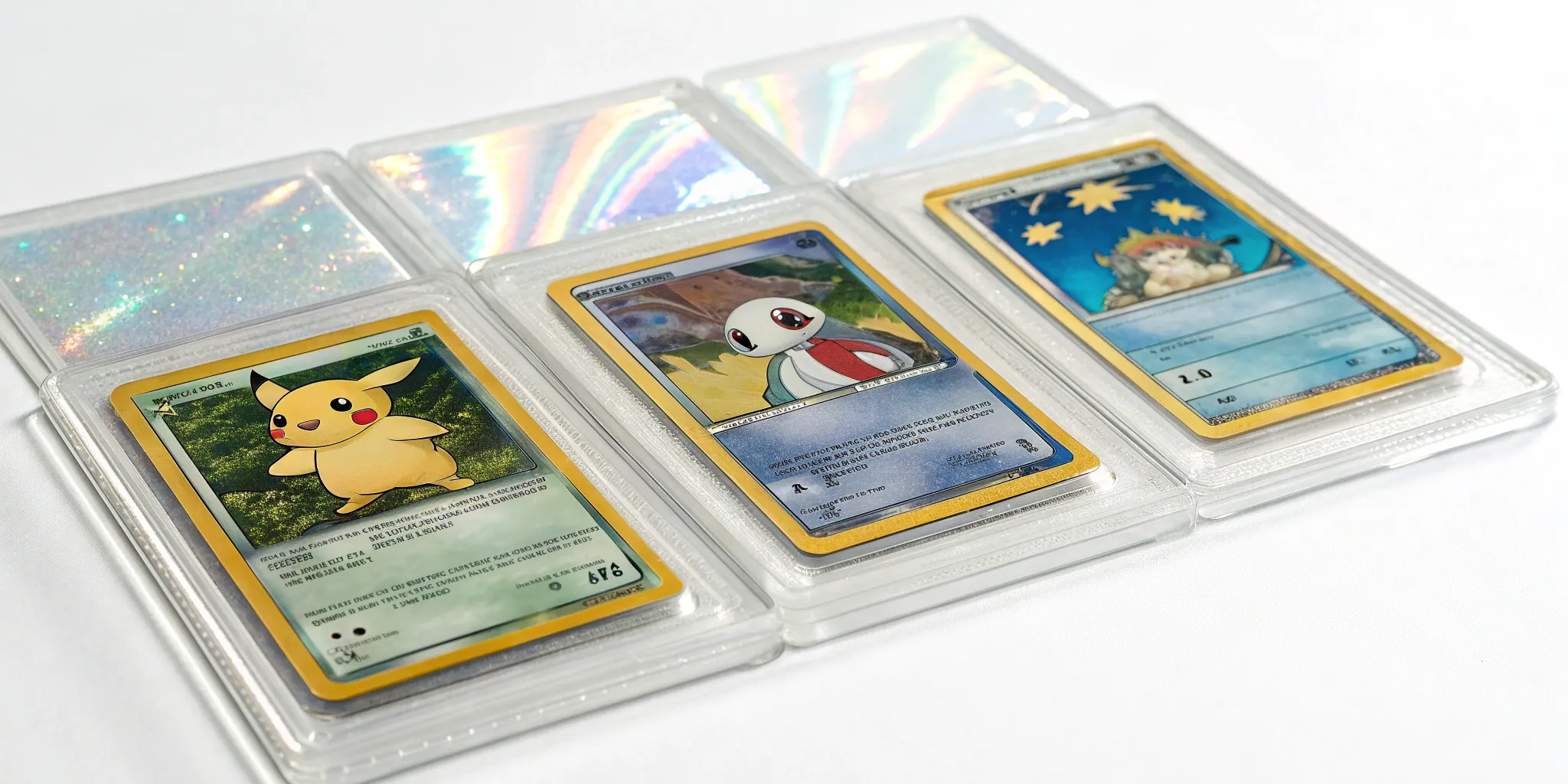
There’s nothing quite like the thrill of pulling a rare, holographic card from a fresh pack. It’s a feeling that keeps collectors coming back for more. But what’s the next step for that prized pull? For serious collectors, it’s getting it graded. A high grade from a reputable company transforms a great card into a certified treasure, locking in its condition and confirming its authenticity for everyone to see. This is where the real hunt begins. This article will walk you through everything you need to know about Pokémon graded cards, from understanding the grading scale to finding them in the wild and knowing what they're truly worth.
Key Takeaways
- Grade for Security and Certainty: Grading provides two key benefits: it seals your card in a durable case for long-term protection and offers an official, third-party opinion on its condition and authenticity. This removes the guesswork when you buy, sell, or trade.
- Understand the True Drivers of Value: A card's grade is a value multiplier, not the source of its value. The foundation is always the card's rarity and the Pokémon's popularity, which is why an imperfect 1st Edition Charizard can be worth far more than a perfect, common card.
- Curate Your Collection with a Clear Goal: The most impressive collections are built with a purpose. Instead of buying randomly, focus on a theme that excites you, like a specific artist or a vintage set. This strategic approach makes collecting more rewarding and helps you build a more valuable set of cards.
What Are Pokémon Graded Cards?
Simply put, a graded Pokémon card is a card that has been sent to a professional third-party company for evaluation. These experts carefully inspect the card’s physical condition and verify its authenticity. Once the assessment is complete, the card is assigned a numerical grade, typically on a scale of 1 to 10, that represents its quality. The card is then sealed in a durable, tamper-proof plastic case, often called a "slab," with a label detailing its grade and other key information.
This process does two important things for collectors. First, it provides a standardized, unbiased opinion on the card's condition, which is a huge factor in determining its market value. A high-grade card is almost always worth more than an ungraded, or "raw," version of the same card. Second, it authenticates the card, giving you peace of mind that you’re holding the real deal. In a market where fakes can be a real concern, having a card verified by a trusted company is invaluable. For anyone serious about collecting, grading is the best way to protect your cards from damage while officially certifying their quality for your collection or for a future sale. It takes the guesswork out of assessing a card's condition and provides a universal language for its quality that collectors everywhere can understand.
How Are Cards Professionally Graded?
Getting a card graded involves sending it to a specialized grading company. Once your card arrives, a team of trained professionals examines it under magnification, looking at four key attributes: the centering of the artwork, the sharpness of the corners, the smoothness of the edges, and the quality of the card’s surface. They check for any imperfections like print lines, scratches, or whitening along the borders. After this thorough inspection, the card is assigned its final grade and encapsulated in the protective slab. This slab not only displays the grade but also preserves the card in its current condition, protecting it from environmental factors like humidity and UV light. This entire process is what gives graded cards their premium status and helps them retain their value over time.
Understanding the PSA and CGC Grading Scales
When it comes to grading, a few names stand out, but two of the most recognized companies in the hobby are PSA (Professional Sports Authenticator) and CGC (Certified Guaranty Company). PSA is one of the oldest and most respected names in the industry, known for its strict grading standards and strong resale value. CGC, while newer to card grading, has built a solid reputation, particularly for its clear cases and detailed sub-grades on labels. Both companies use a 10-point scale to rate cards, where a 10 represents a "Gem Mint" card in virtually perfect condition. As the number decreases, so does the card's condition. While the scales are similar, the market often has its preferences, and a PSA 10 might command a different price than a CGC 10. Understanding the PSA grading scale is a great starting point for any new collector.
What Determines a Card's Grade?
A card’s final grade is a composite score based on four physical traits. Graders meticulously inspect:
- Centering: How well the image is centered from top to bottom and left to right. Perfect centering is rare and highly desirable.
- Corners: The sharpness of the card’s four corners. Any wear, rounding, or fuzziness will lower the score.
- Edges: The border of the card. Graders look for any chipping or white spots, especially on the back of the card.
- Surface: The overall condition of the card’s face and back. Scratches, print defects, stains, or dents will all impact the grade.
It’s important to remember that grade alone doesn’t create value. An imperfect or low-graded card of a highly sought-after character, like a 1st Edition Charizard, can still hold significant value due to its rarity and popularity.
What Makes Graded Pokémon Cards So Valuable?
A graded Pokémon card’s value comes from a mix of factors, not just the number on its label. Think of it as a three-part equation: the card’s inherent appeal, its physical condition, and what the market is willing to pay for it. Understanding how these elements work together is key to knowing why one card might be worth a few dollars while another could be worth thousands. Let's break down what truly drives the value of these collectible treasures.
How Rarity and Popularity Affect Value
One of the biggest misconceptions in the hobby is thinking the grade alone creates value. It doesn't. A card’s rarity and the popularity of the Pokémon on it are the true foundation of its worth. An imperfect or low-graded card of a highly sought-after character, like a 1st Edition Charizard, can easily be worth more than a perfect card of a less popular Pokémon.
Features like being a first edition, shadowless, or holographic make a card much rarer and, therefore, more desirable. Combine that rarity with a fan-favorite character, and you have a recipe for high value. The most valuable Pokémon cards are almost always a combination of extreme rarity and iconic status.
Why the Grade and Condition Matter
While rarity sets the foundation, the card's grade and condition are what multiply its value. A higher grade from a reputable company like PSA or CGC tells a buyer that the card is in near-perfect, or "gem mint," condition. Collectors are willing to pay a significant premium for this level of quality because it’s so difficult to find older cards without flaws like whitening on the edges, scratches on the holo, or imperfect centering.
Grading your Pokémon cards is the best way to increase their value while also protecting them from potential damage. The protective slab, or case, that graded cards are sealed in preserves their condition, ensuring they remain a high-quality piece for years to come.
The Role of Market Demand and Authentication
Ultimately, a card is only worth what someone is willing to pay for it. This is where market demand and authentication come in. The main reason to grade a card is to authenticate it and maximize its price discovery. Authentication is crucial because it confirms the card is real, giving buyers the confidence to spend top dollar. In a market where fakes can be common, this guarantee is essential.
Grading also helps the market settle on a fair price. It creates a clear standard that everyone can understand, making it easier to buy and sell. Demand can shift based on trends, new game releases, or even nostalgia. Keeping an eye on market prices can help you understand what’s currently in demand and how that affects the value of your collection.
Why Buy Graded Pokémon Cards?
So, you've seen those Pokémon cards sealed in hard plastic cases and wondered what the big deal is. Buying graded cards is a strategic move with serious advantages over raw cards. It’s about adding security, certainty, and potential value to your collection. Whether you're a seasoned collector or just starting, understanding the "why" behind grading can completely change how you approach the hobby.
Treating Cards as an Investment
Many collectors view their cards as more than just a hobby—they're tangible assets. Getting cards graded is one of the surest ways to formalize their value. When a card is graded, its condition is professionally assessed and locked in, which can significantly increase its market price. As one collector explains, "grading your Pokemon cards is the best way to increase their value while also protecting them from potential damage." This dual benefit makes graded cards a popular choice for those treating their collection as a serious investment, creating clear value for buying, selling, or trading.
Protecting and Preserving Your Collection
One of the most immediate benefits of grading is the top-notch protection it provides. Graded cards are sealed in a durable, tamper-proof plastic case, often called a "slab." This encased card is shielded from common threats like spills, bends, and scratches that can ruin a card's condition and value. The hard plastic holder also guards against environmental factors like humidity and UV light, preserving the card's color and integrity for years. This means your prized Charizard will look just as crisp decades from now as it does today.
Getting Guaranteed Quality and Peace of Mind
The world of trading cards can be tricky, with fakes and disagreements over condition being common headaches. Graded cards cut through that noise. When you buy a graded card, you get a third-party guarantee of its quality and authenticity. This is a huge deal, because as any collector knows, authenticating real cards is essential for the integrity of the hobby. A grade from a reputable company like PSA or CGC removes the guesswork. You know exactly what you're paying for, giving you the confidence that your purchase is legitimate and accurately represented.
Where to Buy Graded Pokémon Cards
Once you decide to add graded Pokémon cards to your collection, the next step is figuring out where to find them. You have plenty of options, each offering a different kind of buying experience. You can find everything from the thrill of a surprise pull on a modern digital platform to the straightforward purchase of a specific card from a specialty online retailer. The right place for you depends on whether you’re hunting for a specific card, looking for a fun way to discover new ones, or simply want to see what’s out there.
Rip Digital Mystery Packs with Packz
If you love the excitement of opening a pack but want the convenience of a digital experience, you should check out Packz. This platform offers a fresh way to collect by letting you rip digital mystery packs that contain graded Pokémon cards. It perfectly captures the suspense and joy of discovering what’s inside, all from your computer or phone. After you open a pack, you can have the physical cards shipped directly to you. Or, if a card isn’t quite what you’re looking for, you can sell it back instantly for account credit. It’s a fun, fast-paced way to build your collection.
Browse Online Retailers and Marketplaces
For collectors who know exactly what they’re looking for, online retailers and marketplaces are the way to go. Websites like Over the Brick have a huge selection of graded Pokémon cards from various sets, so you can hunt for that one specific card you need. Similarly, Cash Cards Unlimited offers a straightforward way to browse and buy graded slabs directly from their site. These stores are great because you can see the card, its grade, and the price upfront. This approach takes the guesswork out of buying and lets you strategically add authenticated cards to your collection.
Check Out Auction Sites and Specialty Stores
Don’t forget about major online marketplaces and auction sites. You can often find hidden gems or competitive deals on platforms like Amazon and eBay. For instance, you might find listings for a random PSA graded Pokémon card, which adds an element of surprise while still guaranteeing you get a professionally authenticated item. These sites are perfect for collectors who enjoy the thrill of the hunt, bidding in auctions, or taking a chance on a mystery slab from a trusted seller. It’s always a good idea to check seller reviews, but these platforms remain a popular source for finding graded cards.
How Much Do Graded Cards Cost?
The price of a graded Pokémon card can swing from the cost of a nice dinner to the price of a new car. It all comes down to the card's rarity, popularity, and, most importantly, its grade. Understanding the general price ranges for different grades can help you set a budget and make smarter decisions, whether you're buying your first slab or hunting for a grail card. Let's break down what you can expect to pay.
Entry-Level Buys: Lower-Grade Cards (1-6)
If you're just getting into collecting graded cards, the lower grades are a fantastic place to start. Cards graded between 1 and 6 offer an accessible entry point, with prices that can range from around $55 to $1,000. The final price tag depends heavily on the card's rarity—a lower-grade Charizard will still command a higher price than a common card in the same condition. This tier is perfect for building out your collection with a variety of Pokémon graded slabs without a massive financial commitment. You get the security of a professionally graded card and a piece of Pokémon history you can hold in your hand.
Solid Investments: Mid-Grade Cards (7-8)
Cards graded 7 (Near Mint) and 8 (Near Mint-Mint) often represent the sweet spot for many collectors. These cards are in excellent condition with only minor flaws, making them visually appealing and a solid investment. While a large number of modern cards get a 9 or 10, finding vintage cards in this condition is a significant achievement. Mid-grade cards strike a great balance between quality and affordability, appealing to both dedicated collectors and those looking to invest in cards that will hold their value. They are a reliable choice for adding quality pieces to your collection that look great on display.
The Premium Tier: High-Grade Cards (9-10)
Welcome to the top tier. Cards graded 9 (Mint) and 10 (Gem Mint) are the crown jewels of the Pokémon TCG world. These cards are in nearly flawless condition, making them incredibly rare and highly sought after. The prices reflect this exclusivity, often reaching into the thousands. For example, a PSA 10 'Delivery Bidoof' promo card can be priced at nearly $3,000. For serious collectors and investors, these premium graded cards are the ultimate goal. Landing a Gem Mint card is a huge win, representing the best possible version of that card in existence.
How to Sell Your Graded Pokémon Cards
So, you’ve got a graded Pokémon card and you’re ready to sell. Cashing in on a valuable card is exciting, but a little strategy goes a long way in getting the best possible price. It’s not as simple as just throwing it online and hoping for the best. You need to do a bit of homework on its value, pick the right place to sell, and list it at a time when buyers are most active. Let’s walk through the three key steps to make sure you get what your card is truly worth.
Determine Your Card's Market Value
Before you even think about listing your card, you need a solid understanding of its current market value. The best way to do this is to research what similar cards have recently sold for. Hop onto platforms like eBay and TCGPlayer and look up your exact card with its specific grade. Pay attention to the "sold" listings, not just what people are asking for, as this tells you what buyers are actually willing to pay. While grading services have price guides, real-world sales data is your most accurate source. This research will help you set a realistic price and avoid leaving money on the table.
Choose the Right Selling Platform
Where you sell your card can have a huge impact on your final profit. Each platform has its own audience, fees, and format. eBay is a popular choice because of its massive user base and auction feature, which can create bidding wars and drive up the price. For a more focused audience, a dedicated marketplace like TCGPlayer connects you directly with serious trading card collectors. Don’t forget about offline options, either. Local card shows can be a great way to make a quick sale without dealing with shipping or online fees, though your pool of potential buyers will be smaller.
Time Your Sale for the Best Price
Just like with stocks, timing is everything when selling a collectible. The Pokémon card market has its own peaks and valleys, and listing your card at the right moment can significantly increase your return. Keep an eye on general market trends—is the hobby buzzing right now? You can often get higher prices during periods of peak interest, such as around a major anniversary, a new video game release, or the launch of a popular new set. By regularly monitoring sales on different platforms, you can get a feel for when demand is high and list your card to take full advantage.
Smart Strategies for Collecting Graded Cards
Jumping into the world of graded Pokémon cards is exciting, but it’s easy to get caught up in just chasing high numbers. A truly great collection isn’t just about having a binder full of PSA 10s. It’s about building something with personal meaning and lasting value. Having a game plan helps you spend your money wisely and create a collection you’re genuinely proud of.
Think of yourself as a curator, not just a consumer. A smart strategy involves more than just buying what’s popular at the moment. It means understanding what makes a card desirable, recognizing market trends, and knowing how to protect your cards for the long haul. By focusing on a few key principles, you can move from randomly acquiring cards to strategically building a collection that stands out. The following tips will help you refine your approach, whether you’re just starting or looking to add some structure to your existing collection.
Build a Focused Collection
One of the biggest mistakes new collectors make is buying cards without a clear goal. A focused collection is almost always more impressive and valuable than a random assortment. Instead of trying to get every card, pick a theme that excites you. You could aim to collect every Eeveelution, focus on cards illustrated by a specific artist like Ken Sugimori, or try to complete a classic set like Base Set or Jungle.
This approach helps you make better buying decisions. A common misconception is that only the grade creates value. In reality, a lower-graded card of a highly sought-after Pokémon can be worth much more than a perfect 10 of a less popular one. By defining your collecting goals, you can hunt for specific cards that fit your vision, making the process more like a fun treasure hunt.
Time Your Purchases Wisely
The Pokémon card market is always moving, with prices that can rise and fall based on new releases, community hype, and even speculation about grading companies. Patience is your best friend here. Instead of buying a card at its peak popularity, watch the market and wait for the excitement to cool down. You can often get a much better deal by waiting a few months.
Some collectors even track grading populations—the number of cards graded at each level. There’s ongoing discussion in the community about whether grading services engage in "population control" to maintain the rarity of PSA 10s. While it’s just speculation, being aware of these market dynamics can help you make more informed decisions about when to buy a card that’s already graded versus when to take a chance on grading one yourself.
Store and Care for Your Cards
Getting a card graded is a huge step in authenticating it and preserving its condition, but the job isn’t done once it’s in a slab. Graded card cases offer great protection, but they aren’t invincible. Proper storage is essential to protect your investment from damage over time.
The biggest enemies of your collection are UV light, humidity, and extreme temperatures. Keep your graded cards out of direct sunlight, which can cause the colors on the label and the card itself to fade. Store them in a cool, dry place with a stable temperature. Many collectors use specialized, hard-shell cases or display boxes designed to hold graded slabs securely. Taking these simple storage steps ensures your prized cards stay in the exact condition they were in when they were graded.
Related Articles
- How to Collect Pokémon Cards: A Beginner's Guide | Packz Blog
- All Pokémon EX Cards: History, Value & Fakes | Packz Blog
- Best Websites to Check Pokémon Card Prices | Packz Blog
Frequently Asked Questions
Is it always worth it to get my cards graded? Not necessarily. Grading is a strategic choice that depends on your goals. If you have a rare, popular, or vintage card in excellent condition, grading can significantly increase its market value and make it easier to sell. However, for more common cards or personal favorites you never plan to sell, the cost of grading might not be worth the investment. In those cases, you might just want to grade a card for the excellent protection and to officially preserve its condition for your own collection.
What's the real difference between a grade 9 and a grade 10? The difference between a Mint 9 and a Gem Mint 10 often comes down to perfection under magnification. A grade 9 card is nearly flawless, but it might have a very minor imperfection, like being slightly off-center or having a tiny print dot that you wouldn't notice at first glance. A grade 10 is considered perfect in every way—impeccable centering, sharp corners, clean edges, and a pristine surface. Collectors pay a huge premium for that Gem Mint status because it represents the absolute best possible version of a card in existence.
Can a card with a low grade still be valuable? Absolutely. A card's grade is a value multiplier, but it doesn't create value from scratch. The foundation of a card's worth comes from its rarity and the popularity of the Pokémon. A 1st Edition Base Set Charizard with a low grade, say a 2 or 3, is still an incredibly rare and iconic card that will be worth thousands of dollars. It will always be more valuable than a common, modern card that receives a perfect 10.
How can I tell if one of my raw cards is a good candidate for grading? Before sending a card in, give it a close look under a bright light. Carefully examine the four key areas that graders focus on: centering, corners, edges, and surface. Check if the borders are even on all sides. Look for any whitening or chipping along the edges, especially on the back. Scan the surface for any scratches, print lines, or dents. If the card looks clean and sharp to the naked eye and is a desirable Pokémon, it’s likely a strong candidate for grading.
What’s the best way to store my graded cards to protect them? Once a card is graded and sealed in its slab, the main goal is to protect it from the environment. The biggest threats are UV light, which can fade the card and label over time, and extreme temperature or humidity changes. Store your slabs in a cool, dry place away from direct sunlight. Many collectors use specialized storage cases designed to hold graded cards securely, while others keep their most valuable pieces in a fireproof safe for maximum security.
Recommended Reading
Cash for Graded Sports Cards: The Fastest Ways to Sell
Get cash for graded sports cards faster. Compare auction houses, marketplaces, and instant buyback options to pick the route that fits your timeline.
How to Compare Value in Sports Card Packs
Learn how to compare sports card packs using card quality, available pulls, pricing clarity, and Packz’s 100% buyback option.
How to Buy Pokemon Packs Online for Ripping
Ready to buy pokemon packs online for ripping? Get transparent pack value and clear pull odds so you never overpay for the thrill of the hunt. Start collecting safely.