
December 15, 2025
How to Get Cash for Your Graded Cards Today
Learn how to get cash for your graded cards today with practical tips, top selling options, and advice to help you earn the best payout for your collection.
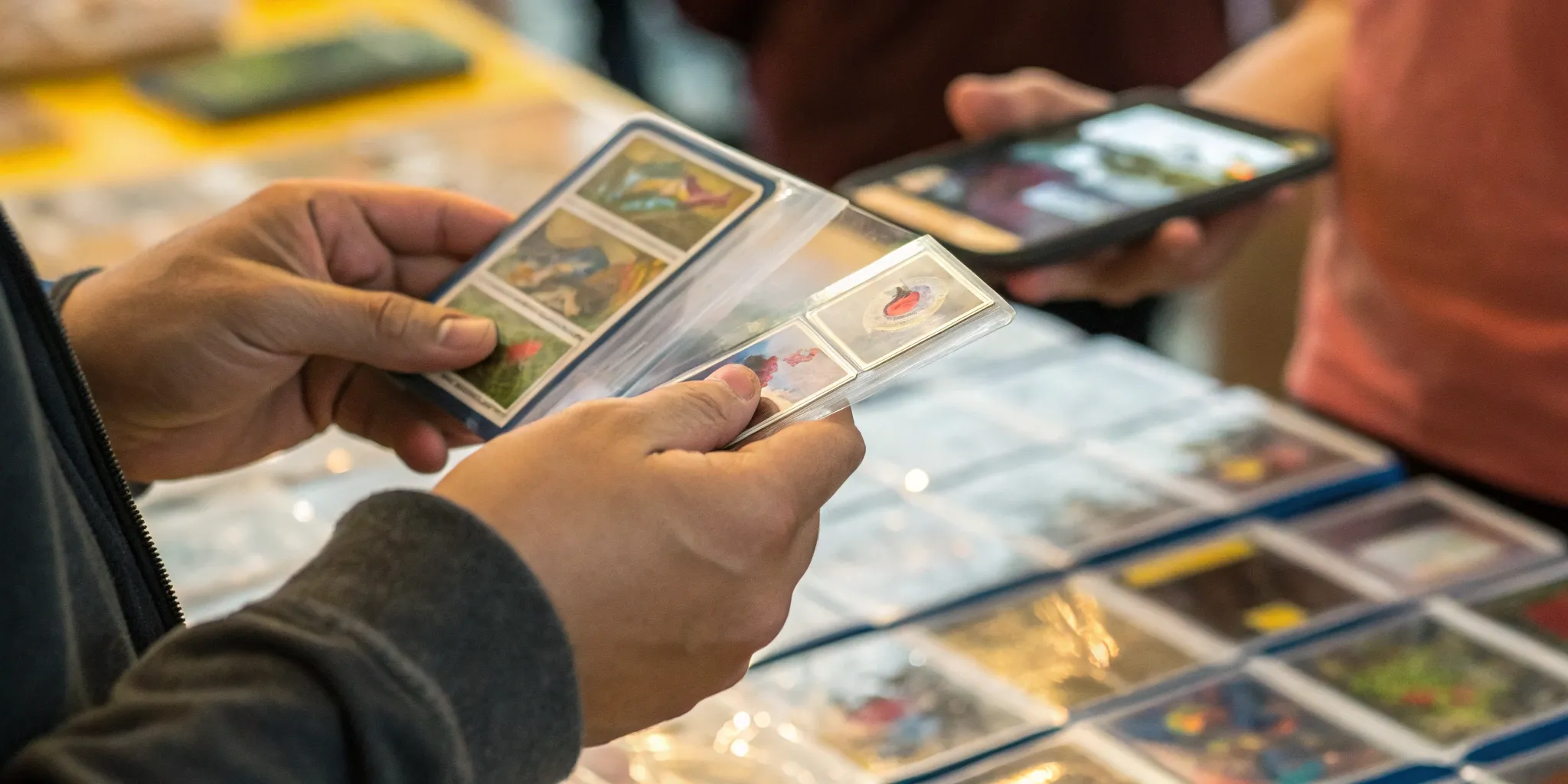
That moment after your cards come back from the grader is a thrill. You’re holding a certified asset, a piece of your collection now sealed in plastic with a number that confirms its value. But what comes next? Turning that slabbed card into actual money can feel like a whole new challenge. Between choosing a platform, understanding the fees, and figuring out the right price, the process can seem overwhelming. This guide is here to cut through the noise. We’ll break down every option, from instant buyback programs to online auctions, so you can choose the path that fits your goals and confidently get cash for your graded cards today.
Key Takeaways
- Grading Is the Foundation of Value: A card's final sale price is directly tied to its professionally verified condition. Selling a card graded by a top-tier company like PSA, Beckett, or CGC builds buyer trust and almost always results in a higher payout.
- Choose Your Selling Path Wisely: Decide what matters more to you: speed or maximum profit. Instant buyback programs offer immediate cash for convenience, while selling on your own through marketplaces can bring a higher return but requires more time and effort.
- A Strong Listing Gets the Best Price: When selling on your own, your listing is your most important tool. Attract serious buyers by researching your card's current market value, taking clear photos of the slab, and writing a detailed, honest description.
What Makes a Graded Card Valuable?
If you’ve spent any time in the trading card world, you’ve seen them: cards sealed in hard plastic cases with a number grade at the top. So, what’s the big deal? Why is a graded card often worth so much more than a “raw” or ungraded one? It all comes down to trust and certainty. A graded card has been authenticated and its condition has been verified by a neutral third party.
This process removes the guesswork for a potential buyer. They don’t have to take your word for it that your 1999 Pokémon Charizard is in mint condition; a professional has already confirmed it. This assurance is why collectors and investors are willing to pay a premium, especially for high-end cards where the difference between a grade of 9 and a perfect 10 can mean thousands of dollars. Think of it as a certified appraisal that travels with the card, making it easier and safer for everyone to buy and sell.
How Card Grading Works
The grading process is a meticulous inspection done by a professional service. When you submit a card, an expert evaluates its physical condition based on four key criteria: the centering of the image, the sharpness of the corners, the smoothness of the edges, and the quality of the surface. They look for any imperfections, like print defects, scuffs, or scratches.
Based on this assessment, the card is assigned a numerical grade, typically on a scale from 1 to 10, with 10 being a flawless, gem mint card. The card is then encapsulated in a tamper-proof plastic holder, often called a "slab," with a label detailing the card’s information and its final grade. This professional evaluation is what gives the card its standardized, trusted value in the market.
What Determines a Card's Value?
While the grade is a huge piece of the puzzle, it’s not the only thing that gives a card its value. Several factors work together to determine what your card is worth. The most important ones are the card’s condition (the grade), its rarity, and the overall market demand. A rare card of a popular player in high demand—like a Michael Jordan rookie card—will be valuable even in lower grades.
The reputation of the grading service also plays a major role. A card graded by a top-tier company like PSA or Beckett will typically fetch a higher price than one graded by a lesser-known service. Understanding how these elements interact is the key to getting the most cash for your collection. It helps you avoid the biggest rookie mistake: undervaluing your cards and selling them for less than they're truly worth.
Where to Sell Your Graded Cards for Cash
Once you have a graded card in your hands, the next step is deciding how to turn that slab into cash. The right path for you depends on how quickly you need the money and how much work you’re willing to put in. You can go for the speed and convenience of an instant buyback, tap into the huge audience of an online marketplace, let an expert handle the sale through consignment, or make a deal in person at a local shop. Each option comes with its own pros and cons when it comes to payout, speed, and effort.
Think about what matters most to you. Are you looking for the absolute highest dollar amount, even if it means waiting a bit and handling logistics? Or do you prefer a straightforward, immediate transaction? Understanding the different avenues will help you choose the best way to sell your cards and get a fair price for your collection. Let’s walk through the most popular options so you can make a smart decision.
Packz: Get Instant Cash for Your Cards
If you’re looking for the fastest way to get value from your cards, Packz is your best bet. After you open a pack on our platform, you have the choice to either have the physical card shipped to you or sell it back to us instantly. Our buyback program gives you 100% of the card’s value back as account credit right away. This is perfect for when you pull a great card that isn’t quite right for your personal collection and you want to keep the excitement going. No listings, no waiting for auctions to end, and no shipping hassles—just immediate credit to open more packs.
Online Marketplaces and Auction Sites
For those willing to put in a bit more work for a potentially higher payout, online marketplaces like eBay are a classic choice. You get access to a global audience of collectors actively searching for cards like yours. If your cards are graded by top companies, you can even use services like the PSA Vault to help you sell directly on eBay. After platform fees, which can include listing fees and a final value fee, you can generally expect to walk away with about 80% of the final sale price. This route gives you more control over the pricing but requires you to manage the listing, answer buyer questions, and handle the shipping yourself.
Consignment Services
Don’t have the time to manage your own sales? Consignment services are a fantastic, hands-off alternative. You simply ship your cards to a trusted seller, and they handle everything else—from professional photography and listing creation to customer service and shipping. Companies like GotBaseballCards will list your cards in auctions under their reputable brand name. In exchange for their expertise and effort, they take a commission. For example, a common rate is around 25% of the final sale price for cards sold under $1,000, leaving you with 75%. It’s a great option for valuable cards when you want an expert to manage the process.
Local Card Shops and Shows
If you prefer doing business in person, selling to a local card shop or a vendor at a card show is a solid option. The biggest advantage here is the immediacy—you can walk in with your cards and walk out with cash in hand the same day. There’s no need to worry about shipping or online fees. Dealers like CardsHQ will typically offer around 70% of a card’s market value in cash. While the payout is often lower than selling directly to a collector online, the convenience is unmatched. It’s a fast, simple way to liquidate parts of your collection without any hassle.
How to Sell Your Graded Cards, Step-by-Step
Selling your graded cards on your own can be a rewarding process, but it requires a bit of strategy to get the best possible price. Unlike an instant buyback program where the value is set for you, a private sale puts you in the driver's seat. Your goal is to present your card in a way that attracts serious buyers and convinces them your price is fair. This means doing your homework, preparing your card for its close-up, and writing a listing that leaves no room for doubt.
Think of it as a three-part mission. First, you become a market analyst, figuring out exactly what your card is worth right now. Next, you become a photographer and prep expert, making sure the card and its slab look pristine. Finally, you become a copywriter, crafting a listing that’s clear, compelling, and trustworthy. Following these steps will help you manage the selling process with confidence and secure a great return on your prized collectibles. It takes more effort than a simple sell-back, but for many collectors, controlling the sale from start to finish is part of the fun.
Step 1: Research Your Card's Market Value
Before you even think about listing your card, you need to know what it’s worth. The trading card market is dynamic, with prices that can change based on player performance, pop culture trends, and overall collector demand. Pricing your card correctly is the single most important factor in making a successful sale. Price it too high, and buyers will scroll right past it. Price it too low, and you’re leaving cash on the table.
To find the sweet spot, you need to look at recent sales data for the exact same card with the same grade from the same grading company. A great way to check recent sales is by using online tools that compile data from major auction sites. Keep an eye on current market trends to set a competitive price and maximize your potential earnings.
Step 2: Prepare Your Cards for Sale
Presentation is everything. A buyer can’t hold the card in their hands, so your photos have to do all the work. Start by making sure the graded slab is spotless. Use a microfiber cloth to wipe away any fingerprints, dust, or smudges from the case. You want it to look as clean as the day it was graded.
Next, focus on your photography. You don’t need a professional studio, but you do need good lighting and a neutral background. Natural light from a window is often best. Take clear, high-resolution photos of the front and back of the card. Capture close-ups of the grade on the label and any corners or edges a discerning buyer might want to inspect. High-quality images build trust and show buyers you’re a serious seller who takes care of their collection.
Step 3: Create a Winning Listing
Your listing is your sales pitch. It’s where your research and preparation come together to attract a buyer. Start with a clear, descriptive title. Include all the key information: the year, player or character name, card manufacturer, card number, grading company, and the numerical grade. This helps your card show up in the right searches.
In the description, be honest and thorough. Reiterate the card’s details and mention the condition of the slab itself—are there any light scratches on the case? Transparency is key. Upload the fantastic photos you took in the previous step. A well-crafted online marketplace listing with sharp images and a detailed description gives buyers the confidence they need to hit the “buy” button.
Understanding the Fees for Selling Graded Cards
Selling your graded cards is exciting, but it’s easy to get caught off guard by the fees that pop up along the way. From platform commissions to shipping costs, these charges can take a bite out of your final payout. The key isn’t to avoid fees altogether—that’s usually not possible—but to understand them. Knowing what to expect helps you price your cards correctly and choose the selling method that puts the most money back in your pocket.
Platform and Commission Fees
Most platforms that help you sell your cards will take a percentage of the final sale price. This is known as a commission or consignment fee, and it typically covers the costs of listing your item, processing the payment, and using the marketplace. The fee structure can vary quite a bit. For example, some services use a tiered system. A platform might charge a 25% fee on sales under $1,000, but that rate could drop to 20% for cards that sell for more. Always read the fine print to see exactly what percentage you’ll be paying, so you can accurately calculate your potential profit before you list.
Cash Payouts vs. Store Credit
When you sell your card, you’ll often face a choice: take a cash payout or opt for store credit. Many platforms incentivize you to keep your money with them by offering a better deal on store credit. For instance, you might be offered 70% of your card’s value in cash, but 80% if you take it as store credit. If your goal is to immediately reinvest in more cards, the store credit option gives you more buying power. Here at Packz, our buyback option works similarly, adding credit to your account so you can keep the fun going. If you simply need the cash, just be prepared for a slightly lower payout.
Shipping and Insurance Costs
Don’t forget to account for the cost of getting your card safely to its new owner. For valuable graded cards, standard shipping just won’t cut it. You’ll want to use a service that includes both tracking and insurance to protect your investment during transit. Many experienced sellers also require a signature upon delivery for an added layer of security. These features cost extra and can add up, especially for high-value items. It’s a smart move to factor these potential shipping and insurance costs into your pricing from the start. This way, you won’t be surprised when it’s time to mail your card out.
Which Grading Companies Get You the Most Cash?
The name on the plastic slab holding your card can have a huge impact on its final sale price. While dozens of grading companies exist, the market has clear favorites. Buyers trust certain brands to provide accurate, consistent grades, and they’re willing to pay a premium for that confidence. Think of it like a brand name—a high grade from a top-tier company acts as a powerful stamp of approval that can significantly increase your card's value.
The "Big Three" in the grading world are generally considered to be PSA, Beckett (BGS), and CGC. Each has its own strengths and reputation within different segments of the hobby. A PSA 10 is often the industry benchmark for modern and vintage cards, while a Beckett Black Label is seen as a pinnacle of perfection that can fetch astronomical prices. CGC has quickly become a major player, especially for Pokémon and other trading card games. Understanding how the market perceives each company is key to knowing which graded cards will bring you the most cash.
Selling PSA-Graded Cards
Professional Sports Authenticator (PSA) is one of the most recognized and respected names in the industry. For many collectors, especially in the sports card and vintage Pokémon markets, PSA is the gold standard. A high grade from PSA often results in the highest sale prices compared to the same card graded by other companies. Their simple red-and-white label is instantly recognizable and trusted by buyers worldwide.
If you have PSA-graded cards, you can also use the PSA Vault, a service that stores your cards and helps you sell them directly on platforms like eBay. This is a fantastic option because it adds a layer of security to your sale, helping protect you from potential scams where a buyer might falsely claim the card wasn't as described.
Selling Beckett-Graded Cards
Beckett is another powerhouse in the grading world, known for its detailed grading scale. Unlike PSA, Beckett provides subgrades for centering, corners, edges, and surface, giving buyers a more detailed look at the card's condition. This transparency is highly valued by many collectors.
Cards graded by Beckett can command top dollar, especially if they receive the elusive "Black Label," which is awarded to a card that receives a perfect 10 on all four subgrades. A BGS Black Label is considered even more difficult to achieve than a PSA 10 and can make a card’s value skyrocket. When listing a Beckett card, be sure to highlight the overall grade and the individual subgrades to attract serious buyers who appreciate Beckett's grading scale.
Selling Cards from CGC and Others
Certified Guaranty Company (CGC) has rapidly become a major force in the trading card market, particularly for Pokémon, Magic: The Gathering, and other TCGs. Known for its sharp-looking slabs and detailed grading, CGC has gained popularity for its consistency and expertise in this niche. While a CGC grade might not always reach the same peak prices as a PSA grade for certain vintage sports cards, their reputation is incredibly strong, and their graded cards sell for excellent prices.
Don’t overlook other reputable companies, either. SGC, for example, is highly regarded for grading vintage pre-war sports cards. The key is to research the current market demand for cards graded by each company to price yours effectively and maximize your return.
Common Mistakes to Avoid When Selling Your Cards
Selling your graded cards should be exciting, not stressful. But a few common missteps can turn a great sale into a disappointing one. By being aware of these potential pitfalls, you can make sure you get the best possible price for your collection and create a smooth experience for both you and the buyer. Let's walk through the biggest mistakes to avoid so you can sell with confidence.
Pricing Your Cards Too Low
Nothing stings more than realizing you left money on the table. Pricing your cards too low is one of the most frequent errors, especially for those new to selling. It’s easy to underestimate a card's value without doing your homework. Before you list anything, spend time researching recent sales of the exact same card with the same grade on different platforms. Failing to understand the current market is one of the biggest rookie mistakes you can make. A few extra minutes of research ensures you’re not giving away a valuable asset for a fraction of its worth.
Creating a Poor Listing
Your listing is your sales pitch. A blurry photo or a one-sentence description isn't going to cut it. A poor listing can make buyers scroll right past your card, even if it’s a gem. To attract serious offers, you need high-quality, well-lit images that show the card from every angle. Your description should be clear and detailed, including the card's name, year, set, grade, and certification number. Highlighting what makes your card special—like perfect centering or a low population count—can also make a huge difference. Investing a little effort into creating a professional-looking listing builds buyer confidence and can directly lead to higher sale prices.
Ignoring Key Condition Details
Transparency is everything when selling collectibles. Even though a card is graded, savvy buyers will still scrutinize it for any minor flaws. Things like print lines, tiny edge chips, or whitening on the back of the card can still be present on a high-grade slab. It's your job to be upfront about them. Take clear, close-up photos of any imperfections you notice and mention them in your description. As collectors often discuss, providing detailed pictures is the best way to build trust. A buyer who feels you've been completely honest is much more likely to complete the purchase and leave you positive feedback.
How to Maximize Your Card's Value
Getting top dollar for your graded cards isn't just about what you have, but how and when you sell it. A little strategy goes a long way in turning a good sale into a great one. By focusing on how you present your cards, understanding market movements, and actively promoting your collection, you can significantly increase your final payout. Think of it as giving your cards the best possible chance to shine in a competitive market. Let's walk through the key steps to make sure you're not leaving any money on the table.
Perfect Your Storage and Presentation
First impressions are everything, even for a card in a slab. Proper storage is your first line of defense. Keep your graded cards in a cool, dry place away from direct sunlight to prevent any potential damage to the case or label. When it’s time to sell, your photos are your sales pitch. Use professional-looking photos that show the graded card and its case clearly from all angles. A simple, clean background and good lighting can make a huge difference. This shows buyers you’re a serious seller who has taken care of their collection, which builds trust and helps them feel confident hitting that "buy" button.
Learn to Time the Market
The trading card market is dynamic, with prices that can change quickly. Selling a card at the right moment can be the difference between a decent profit and a massive one. It's essential to keep an eye on current market trends and values for your specific cards. For sports cards, a player having a breakout season or hitting a major milestone can cause their card values to spike. For Pokémon, a character's popularity in a new game or show can do the same. Patience is a virtue here. Instead of selling immediately, track the market and list your card when demand is at its peak to get the best possible return.
Market Your Cards Effectively
A great card can get lost in the shuffle without solid marketing. Your sales listing is the foundation. Beyond high-quality images, write a clear, detailed description that includes the player or character name, card number, year, and grading company. Be transparent about the card's condition and grade. You can also use social media to reach a wider audience. Share your best cards on platforms like Instagram or X (formerly Twitter) using relevant hashtags to connect with the collector community. For those with a larger collection or store, collaborating with influencers can introduce your cards to thousands of potential buyers.
How Fast Can You Get Paid for Your Cards?
When you decide to sell your graded cards, one of the biggest questions is how quickly you can get that cash in your hand. The answer really depends on which path you take. Some methods are built for speed, getting you paid almost instantly, while others might take a bit more time but could potentially put more money in your pocket. It’s a classic trade-off between convenience and maximizing your return.
Think of it this way: are you looking for quick cash to fund your next big purchase, or are you willing to play the long game for the highest possible price? Instant buyback programs are your fastest route, but they typically offer a percentage of the card's market value. On the other hand, selling through auctions or direct marketplace listings can take weeks or even months, but you have more control over the final sale price. Understanding these timelines is key to choosing the right selling strategy for your goals and your collection. Let's break down what you can expect from each option.
Instant Buyback Programs
If you need cash today, instant buyback programs are your best bet. These services are designed for speed and simplicity. You sell your cards directly to a company for an immediate cash offer, cutting out the hassle of finding a buyer yourself. For example, some platforms will offer you around 70% cash for cards valued over a certain amount, like $5. It’s a straightforward way to liquidate parts of your collection without any waiting.
Here at Packz, we offer a similar instant option. When you pull a card you’d like to sell, you can use our buyback feature to get 100% of its value credited to your account balance right away. It’s perfect for when you want to keep the fun going and open more packs immediately.
Auction Payout Timelines
Using an auction service is a popular middle ground. It can get your cards in front of a large audience of eager buyers, but it operates on a set schedule. Consignment services will often list your cards in 7-day eBay auctions. While the auction itself has a clear end date, that’s not when the money hits your account.
After the auction closes, you have to wait for the buyer to pay. Then, the consignment service processes the payment, takes its cut, and sends the rest to you. All in all, you’re typically looking at a timeline of two to three weeks from the time the auction starts to when you actually get paid.
Direct Sale Timelines
Selling your cards directly on a marketplace like eBay gives you the most control, but it also comes with the most unpredictable timeline. You set the price, create the listing, and handle the shipping. While you might keep a larger chunk of the profit—often around 80% of the sale price after fees—the timing is completely out of your hands.
Your card could sell within hours if it’s a hot item priced competitively. Or, it could sit for weeks or even months before you find the right buyer. Once it sells, you still have to wait for the buyer’s payment to clear and for the platform to release the funds to you, which can add several more days to the process.
Should You Sell Single Cards or Full Sets?
It’s a classic collector's dilemma: do you break up the band or sell the whole album? Deciding whether to sell your graded cards one by one or as a complete set comes down to a trade-off between maximizing your profit and saving yourself time. There’s no single right answer, but understanding the pros and cons of each approach will help you make the best choice for your collection.
Selling cards individually often yields the highest total return. When you sell singles, you can cater to buyers who are hunting for that one specific card to finish their own collection. This targeted demand can drive up the price for individual cards, especially for popular players or rare Pokémon. You also have more flexibility in where you sell. Collectors on forums often discuss the best ways to offload graded cards, comparing the fees and audiences on sites like eBay versus niche communities. The major downside? It’s a significant time investment. Listing, managing, packing, and shipping dozens of individual cards can feel like a part-time job.
On the other hand, selling a full set is all about convenience. You create one listing, find one buyer, and handle one shipment. It’s a fast and efficient way to turn your entire collection into cash without the hassle of piecemeal sales. Some services even specialize in helping you sell your sports cards as a complete lot, taking care of the entire process for you. The trade-off is that you might leave some money on the table. Buyers often expect a slight discount for purchasing in bulk, and your pool of potential buyers is smaller, as not everyone is in the market for a full set.
So, what’s the right move? If your primary goal is to squeeze every last dollar out of your collection and you have the time to manage individual sales, selling singles is your best bet. If you value a quick and simple transaction, selling as a set is the clear winner. You could also try a hybrid approach: pull out the most valuable "chase" cards to sell individually, then bundle the rest as a partial set to get the best of both worlds.
Turn Your Graded Cards Into Cash
Ready to turn that stack of graded cards into actual cash? It’s a straightforward process once you know the best ways to approach it. With a little preparation, you can get a great price for your collection without a ton of hassle. Here are some effective strategies to help you get paid for your cards.
First, decide where you want to sell. Online platforms give you access to the largest pool of potential buyers. If you’re looking for a simple, hands-off experience, some companies will manage the entire sales process for you. They’ll handle everything from listing your cards on major marketplaces to dealing with shipping and customer service, which can save you a lot of time. Of course, you can also list them yourself on sites like eBay, which gives you more control over the sale.
Next, and most importantly, you need to know what your cards are worth. The market for collectibles can change quickly, so don't rely on old information. Before you set a price, research recent sales of the exact same card with the same grade. This is the best way to understand the current market and avoid the common mistake of undervaluing your assets. Using a reliable price guide for collectibles can give you the data you need to set a competitive price.
Finally, think about your presentation. If you’re selling online, high-quality photos and a clear, detailed description are non-negotiable. Good pictures not only attract buyers but also help justify your asking price. Make sure your photos are well-lit and show the entire graded slab, including the label and any important details. Whether you choose to sell directly to a buyer, use a consignment service, or visit a local card shop, a well-presented card always has a better chance of selling quickly and for a good price.
Related Articles
- 9 Best Places to Sell Sports Cards for Cash | Packz Blog
- How to Sell Pokémon Cards for Cash (For Max Profit) | Packz Blog
- Cheap Graded Cards: The Ultimate Buyer's Guide | Packz Blog
Frequently Asked Questions
Is it worth getting my cards graded before I sell them? That really depends on the card. Grading makes the most sense for cards that are rare, in high demand, and in near-mint or better condition. For a valuable rookie card or a vintage holographic Pokémon card, the cost of grading can lead to a massive increase in its final sale price. For more common or lower-condition cards, the grading fee might actually be more than the value you'd gain, so it's best to research your specific card's potential value before submitting it.
Why is a direct cash offer from a shop or buyback program lower than the card's market value? When you sell directly to a business, you're paying for speed and convenience. That business has its own costs to cover, like rent, employee salaries, and the risk of holding onto the card until they find their own buyer. They build these costs and a necessary profit margin into their offer. So while you get less than the full market value, you get your money instantly without any of the work involved in finding a private buyer.
How do I choose the best selling method for my situation? Think about what you value most: maximum profit or minimum hassle. If your goal is to get the absolute highest price and you don't mind putting in the work to list, pack, and ship, then selling on an online marketplace is your best route. If you want cash in your hand immediately with zero effort, a local card shop or an instant buyback program like Packz is the way to go. Consignment services offer a great middle ground, letting an expert handle the sale for a fee.
What's the most important thing to get right when selling on my own? Your pricing. You can have the most beautiful photos and a perfectly written description, but if your card is priced incorrectly, it will either never sell or you'll lose out on money. Before you do anything else, you must research recent, actual sales of the exact same card with the same grade. This data-driven approach is the only way to find that sweet spot that attracts serious buyers and gets you a fair price.
What should I do if my card isn't selling on a marketplace? Don't panic if your card doesn't sell right away. First, check the market again to see if prices have shifted since you listed it. If your price is still competitive, take a critical look at your listing. Could your photos be clearer or better lit? Could your title or description be more detailed? Sometimes, a simple refresh of the listing is all it takes. If it still sits for a few weeks, you may need to consider a small price reduction to attract new interest.
Recommended Reading
Cash for Graded Sports Cards: The Fastest Ways to Sell
Get cash for graded sports cards faster. Compare auction houses, marketplaces, and instant buyback options to pick the route that fits your timeline.
How to Compare Value in Sports Card Packs
Learn how to compare sports card packs using card quality, available pulls, pricing clarity, and Packz’s 100% buyback option.
How to Buy Pokemon Packs Online for Ripping
Ready to buy pokemon packs online for ripping? Get transparent pack value and clear pull odds so you never overpay for the thrill of the hunt. Start collecting safely.