
January 14, 2026
How to Price Trading Cards: A Step-by-Step Guide
Learn how to price trading cards with clear, actionable steps. Find out what affects card value and use top tools to get accurate, up-to-date prices.
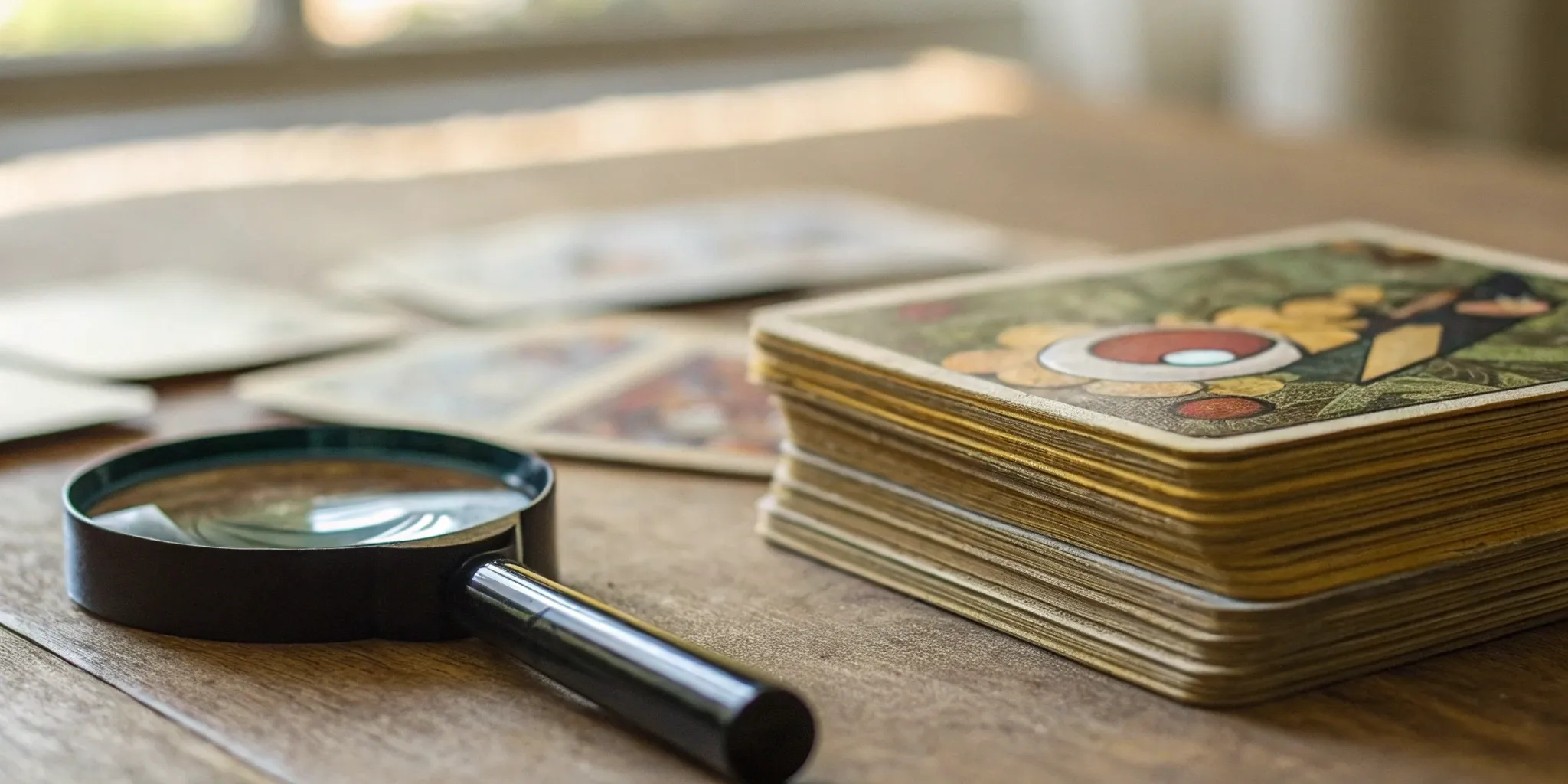
There’s nothing like the rush of opening a pack and seeing a rare card staring back at you. That initial excitement is quickly followed by a practical question: what’s the real value of what I’m holding? While our instant buyback feature at Packz gives you a quick and easy option, understanding the market for yourself is a powerful tool. Knowing how to price trading cards gives you the knowledge to decide whether to hold, sell, or grade your biggest hits. This guide will walk you through the same methods the experts use, so you can confidently assess your collection’s value.
Key Takeaways
- Trust Sales Data, Not Asking Prices: A card is only worth what someone has recently paid for it. Always use the "Sold Items" filter on marketplaces to see real transaction data, as this gives you the most accurate picture of a card's current market value.
- Condition, Rarity, and Popularity Determine Value: A card's price is a mix of its physical condition (certified by grading), its scarcity (low print runs or pop counts), and the player or character's long-term appeal. Understanding how these factors work together is key to accurate pricing.
- Build Your Case with Multiple Sources: Never rely on a single website or app. Cross-reference data from sold listings, professional price guides, and market trackers to establish a confident and realistic price range for any card in your collection.
What Makes a Trading Card Valuable?
Ever wonder why one card sells for a few bucks while another fetches thousands? It’s not random magic. A card’s value is a mix of four key ingredients: its physical condition, how rare it is, the popularity of the player or character, and the current market buzz. Understanding these factors is the first step to accurately pricing your collection and spotting great buys. Whether you’re holding a rookie card or a classic Pokémon, these are the elements that separate the common finds from the true treasures. Let’s break down what you need to look for.
How Condition and Grading Impact Price
A card's physical condition is one of the biggest drivers of its value. A pristine card with sharp corners, clean edges, perfect centering, and a flawless surface will always be worth more than one with visible wear and tear. This is where professional grading comes in. Companies like PSA and Beckett assess cards on a detailed scale, with a "Gem Mint 10" being the holy grail for collectors. A high grade from a reputable grading service acts as a certified guarantee of quality, giving buyers the confidence to pay a premium. Even a half-point difference in a grade can mean a difference of hundreds or even thousands of dollars in the final sale price.
Why Rarity and Print Runs Matter
Simple supply and demand is a huge factor in the trading card world. The rarer a card is, the more valuable it’s likely to be. Rarity can come from a few different sources. Some cards have intentionally low print runs, like special editions or parallels numbered to 100, 10, or even one-of-one. Others are rare because they’re old and few have survived in good condition. Error cards, which have a mistake from the printing process, can also be incredibly scarce and sought-after. When you have a card that tons of collectors want but only a few copies exist, its price is naturally going to climb.
The Role of Player Popularity and Performance
For sports cards, the person on the card is just as important as the card itself. Cards featuring legendary athletes like Michael Jordan or modern superstars like LeBron James consistently hold high values because of their massive fan bases and historic careers. A player’s performance also creates major price swings. If an athlete has a breakout season, wins a championship, or gets inducted into the Hall of Fame, demand for their cards—especially their rookie cards—can skyrocket overnight. The same principle applies to Pokémon; iconic characters like Charizard will always command more attention and higher prices than less popular ones.
Understanding Market Demand and Trends
The trading card market is alive and constantly changing. A card is ultimately only worth what someone is willing to pay for it right now. Market demand can shift based on player performance, new movie releases, or even just nostalgia-driven collecting trends. A player getting hot during the playoffs can cause their card prices to spike, while a market flooded with a specific card can cause its value to dip. Staying on top of current trends and watching sales data is crucial for knowing when to buy, sell, or hold. This is why checking recent sales is more reliable than looking at old price guides.
How to Find a Card's Current Market Price
Figuring out what a trading card is worth is less about finding a single magic number and more about understanding its current market value. A card is ultimately worth what someone is willing to pay for it right now. Asking prices can be all over the place, but recent sales data tells the real story. This process takes a little bit of detective work, but it’s the most important skill you can develop as a collector. By looking at what cards have actually sold for, consulting expert price guides, and comparing different sources, you can get a clear and realistic picture of your card's value. This approach not only helps you make smarter buying and selling decisions but also gives you a deeper appreciation for the market's dynamics. Let's walk through the three key steps to accurately price your cards.
Check eBay's Sold Listings
One of the most reliable ways to find a card's current value is to check eBay's sold listings. Because eBay is such a massive marketplace, its sales data provides a great snapshot of what buyers are actively paying. To do this, search for your card using all the key details: player or character name, year, brand, set, and card number. Once you get the search results, look for the filter options and select “Sold Items.” This will show you a list of all the recent, completed sales for that specific card. This step is crucial because it filters out the aspirational asking prices and shows you the concrete prices that led to a transaction.
Consult Professional Price Guides
While eBay shows you real-time market activity, professional price guides offer a more curated look at a card's value. These guides are often maintained by industry experts who track sales data from various sources, including major auction houses and marketplaces. A fantastic free resource is the PSA Online Price Guide, which is updated regularly and covers everything from vintage baseball cards to modern Pokémon cards. These guides are especially helpful for graded cards, as they typically provide price points for different condition grades. Using a price guide gives you a stable benchmark to compare against the fluctuating prices you might see in individual listings.
Compare Multiple Sources for Accuracy
There isn't one single, official source for trading card prices. Values can vary between eBay, auction sites, and professional price guides. Because of this, the smartest approach is to never rely on just one number. Instead, compare multiple sources to get a well-rounded view. Check the sold listings on eBay, look up the card in the PSA Price Guide, and maybe even see what it’s listed for on other collector marketplaces. By gathering data from a few different places, you can establish a realistic price range. This method protects you from overpaying when you buy and ensures you don't leave money on the table when you sell.
How Professional Grading Affects a Card's Price
Getting a card professionally graded is like having a certified expert authenticate and evaluate its condition. Instead of relying on subjective terms like "good condition" or "near mint," grading assigns a definitive score that tells you exactly what you have. This process removes the guesswork for both buyers and sellers, creating a trusted, standardized market. A professional grader encapsulates the card in a protective, tamper-proof slab that displays its grade, which not only preserves the card but also certifies its authenticity and quality.
This certification is why graded cards almost always sell for more than their "raw" or ungraded counterparts. A high grade from a reputable company provides peace of mind and can dramatically increase a card's market value. For valuable cards, the difference between a raw card and a Gem Mint 10 can be thousands, or even tens of thousands, of dollars. Think of it as the ultimate seal of approval that transforms a collectible into a legitimate investment asset.
What Do Grading Scales Mean for Value?
Professional grading services use a 10-point scale to rate a card's condition, with a 10 being a flawless, "Gem Mint" card. Graders meticulously examine four key attributes: the sharpness of the corners, the smoothness of the edges, the centering of the image, and the quality of the card's surface. Even a tiny flaw, like a microscopic print dot or slightly off-center printing, can be the difference between a 9 and a 10.
That single point difference can have a massive impact on price. For many iconic cards, a PSA 10 can be worth five to ten times more than a PSA 9. This is because pristine cards are exceptionally rare and highly sought after by serious collectors. Understanding what your trading cards are worth at different grade levels is essential to grasping their true market potential.
Choosing a Grading Service: PSA vs. Beckett
The two biggest names in the industry are PSA (Professional Sports Authenticator) and Beckett (BGS or BVG). While both are highly respected, they have different reputations within the hobby. PSA is often the preferred service for vintage and modern sports cards, and its PSA 10 grade is widely considered the industry benchmark. Many collectors feel that PSA grades yield the highest resale value for their sports cards.
Beckett, on the other hand, is very popular for modern cards, especially Pokémon and other trading card games. One of Beckett's unique features is its use of subgrades for centering, corners, edges, and surface. If a card receives a perfect 10 on all four subgrades, it earns the legendary "Black Label," a pristine grade that can sometimes command an even higher price than a PSA 10. Your choice of how to properly price your sports and trading cards might start with which grading service best fits your collection.
When Is It Worth It to Grade a Card?
Grading isn't free, so it’s important to be strategic. Before sending a card in, do some research to see if the potential value increase justifies the cost. A great first step is to look up recent sales of your exact card in different graded conditions on sites like eBay. Search for "1989 Ken Griffey Jr. Upper Deck PSA 9" and then "PSA 10" to see the price difference.
If the value of a potential PSA 8 or 9 is significantly higher than the grading fees, it’s likely a good candidate. High-end rookie cards, vintage classics, and rare inserts are almost always worth grading. However, modern base cards that were printed in high quantities usually aren't worth the investment unless you are confident they will receive a perfect 10.
The Best Online Tools for Pricing Your Cards
Figuring out what your cards are worth doesn't have to be a guessing game. Thanks to some incredible online tools, you can get accurate, up-to-date pricing information with just a few clicks or a quick photo. Think of these tools as your personal pricing assistants, each with a specific job. Some are great for getting a fast estimate when you're sorting through a big stack of cards, while others provide deep market analytics that help you track a card's value over time. The days of flipping through outdated paper price guides are long gone.
Using a mix of these resources is the best way to get a well-rounded view of a card's market price. A scanning app can give you a quick snapshot, a price guide can offer a stable benchmark, and a market tracker can show you where the value is heading. This approach removes the emotion and guesswork from pricing, allowing you to make data-driven decisions. By combining these insights, you can price your collection with confidence, whether you're looking to sell, trade, or just appreciate what you have. Let's look at some of the most reliable and user-friendly tools available to collectors today.
Scan and Value Instantly with CollX
If you have a large collection and need a fast way to get a ballpark value, CollX is a game-changer. This app turns your phone’s camera into a card scanner. Simply take a picture of a card, and the app’s image recognition technology identifies it and instantly provides an average market price based on recent sales. It’s perfect for quickly sorting through cards to find hidden gems or for getting an initial idea of what your collection is worth without manually looking up every single card. It saves a ton of time and makes the initial valuation process much more manageable.
Track Market Trends with TCGPlayer and CardLadder
For a deeper understanding of the market, you’ll want to use a platform that tracks pricing trends. For Pokémon and other trading card games, TCGplayer is an essential resource that shows you real-time market prices and sales history. If you’re more focused on sports cards, CardLadder is the industry standard. It provides detailed charts and data on population reports and sales trends over time, helping you see if a card's value is rising or falling. Using these tools helps you move beyond a single price point and understand the market dynamics driving a card's value.
Use Platforms like PSA CardValue and PriceCharting
When you need a trusted and established price reference, professional price guides are the way to go. The PSA Price Guide is one of the most respected sources in the hobby, offering pricing data for millions of cards, especially those that have been professionally graded. It’s regularly updated by experts and serves as a benchmark for the industry. Another excellent resource is PriceCharting, which aggregates sales data from multiple online marketplaces, like eBay and Amazon, to give you a comprehensive look at what cards are actually selling for across different platforms.
Get an Instant Price with Packz Buyback
If you’re looking for a straightforward way to get value for your cards without the hassle of selling, the Packz buyback feature is a fantastic option. After you open a digital pack on Packz, you can see the card’s value and choose to sell it back to us instantly for 100 percent of its market price. The funds are immediately credited to your account balance, allowing you to open more packs right away. This gives you a guaranteed price and instant liquidity, removing the guesswork and time involved in finding a buyer and negotiating a sale.
How to Price Rare Cards with Limited Data
So, you’ve pulled a monster card—a 1-of-1, a super short print, or a vintage piece in pristine condition. You rush to look up its value, but you find… nothing. No recent sales, no price guide entries. This is where the real detective work begins. Pricing a rare card isn’t about finding a single number; it’s about building a strong case for its value based on the available evidence. It requires you to look at similar cards, understand market dynamics, and sometimes, lean on the collective knowledge of the hobby community.
It can feel a little daunting, but learning how to do this is a skill that separates casual collectors from savvy ones. When you can’t find a direct price match, your goal is to establish a logical and defensible value. By looking at comparable sales, factoring in the card's true scarcity, and getting input from experts, you can arrive at a confident price for your prized possession. Think of it less like looking up a number and more like becoming an appraiser for your own collection.
Find and Research Comparable Sales
When you can't find a price for your exact card, the next best thing is to find its closest relatives. These are called "comparable sales," or "comps." Look for sales of cards from the same player and year, but perhaps a different parallel or a slightly different grade. For example, if you have a /10 Gold parallel, check what the /25 Orange or /50 Blue parallels sold for. Use online marketplaces and always filter your search to show "Sold Items" to see what people actually paid, not just what sellers are asking. This gives you a realistic baseline and helps you build a logical price range for your rarer version.
Account for Scarcity and Market Gaps
The basic rule of supply and demand is the engine of the card market. If a card is incredibly scarce and highly desired, its price will reflect that. For graded cards, scarcity isn't just about the print run; it's about the "pop count"—or how many cards have received a specific grade. You can check this using a grading company's population report. A common card can become exceptionally rare and valuable if it's one of only a handful to receive a perfect PSA 10. When there are big gaps in the market with no recent sales, this scarcity becomes the primary driver of value. You have to estimate what a collector who needs that specific card would be willing to pay.
Ask Experts and Online Communities for Input
Sometimes, the data just isn't there, and you need a human touch. Don't be afraid to tap into the hobby's collective brainpower. You can get valuable feedback by sharing clear photos of your card in online collector communities, like the Blowout Cards Forums, or on Reddit. Be specific with your question—"What's a fair market value for this?"—and provide all the details. For potentially high-end cards, consider visiting a reputable local card shop for an in-person opinion. For truly elite, five-figure-plus cards, contacting a major auction house for a consultation might be your best move. These experts see rare cards every day and can provide insights you won't find anywhere else.
Common Pricing Mistakes to Avoid
Pricing trading cards can feel more like an art than a science, and it’s easy to make a misstep. Whether you’re just starting or have been collecting for years, avoiding a few common pitfalls can make a huge difference in how accurately you value your collection. Getting a handle on these mistakes will help you buy smarter, sell for a better price, and have more confidence in your decisions. Let’s walk through the most frequent errors collectors make so you can sidestep them completely.
Relying on a Single Price Source
It’s tempting to find one website you like and use it as your go-to price guide, but this is one of the biggest mistakes you can make. There isn't a single official source for card values, and prices can vary wildly from one platform to another. A card’s listed price on a collector’s forum might be completely different from its recent sale price on eBay. To get a true sense of a card's market value, you need to compare multiple sources. Think of it as getting a second (and third) opinion. This approach gives you a more balanced and realistic price range, protecting you from overpaying as a buyer or underselling as a collector.
Ignoring Recent Sales and Market Trends
An asking price is just a wish. The real story is in what people are actually paying. A common error is looking at active listings and assuming those prices are the standard, without checking what the card has recently sold for. The trading card market moves fast, and old data can be misleading. Always filter your search on platforms like eBay to see “Sold Items.” This shows you the concrete transaction history, not just what sellers are hoping to get. Following recent sales data ensures your pricing is based on current market activity and demand, which is the only way to stay accurate.
Pricing Based on Emotion, Not Data
We all have cards we love. Maybe it’s your favorite player from childhood or the one that completed a set you worked on for months. It’s easy to let that emotional attachment influence your valuation, causing you to price a card higher than its market value. On the flip side, you might overpay for a card simply because you really want it. To price cards effectively, you have to separate your personal feelings from the objective data. Look at the numbers, the sales history, and the card’s condition. This data-driven approach helps you make logical decisions and prevents you from leaving money on the table or overspending on a new addition.
Misjudging a Card's True Condition
A card’s condition is one of the most critical factors in its value, and small details can mean a difference of hundreds or even thousands of dollars. Simply thinking a card looks “pretty good” isn’t enough. You need to examine it closely for things like corner wear, surface scratches, print defects, and centering. It’s also vital to identify special versions, like parallels, refractors, or serial-numbered cards, as these are often much more valuable than a base card. Learning the basics of card grading and being honest about your card’s flaws will help you determine a much more accurate and fair price.
How to Track Your Collection's Value Over Time
Pricing your cards isn't a one-time task. The trading card market is constantly moving, with values shifting based on player performance, new releases, and collector demand. Staying on top of your collection’s value helps you make smarter decisions about when to buy, sell, or hold. Think of it as managing a portfolio; you need to keep an eye on the market to protect your investment and spot new opportunities. With the right approach and tools, you can create a simple system for monitoring your cards and identifying key moments to make a move.
Set Up Price Alerts and Monitoring Tools
To keep a pulse on your collection’s value, let online tools do the heavy lifting. Many free and paid platforms help you find and track card prices. For a deeper analysis, consider paid services like CardLadder or Market Movers, which offer detailed information on how prices have changed over time and broader market trends. Many of these tools also let you set up price alerts for specific cards, so you get notified instantly when a value hits a certain threshold. This is a great way to stay informed and react quickly to market changes.
Spot Opportunities in the Market
Actively tracking prices helps you identify the perfect moments to buy or sell. A great way to research a card's true market value is to check recent sales on marketplaces like eBay. Don’t just look at what sellers are asking for—filter your search to show “Sold Items.” This tells you what people are actually paying for a card right now. Remember, a price from last month isn't always what a card is worth today. By regularly checking completed sales, you can get a clearer picture of its current value.
Adapt to Player and Market Changes
The trading card market can be unpredictable, especially for active athletes. A player’s breakout season can cause their card prices to soar, while an injury can have the opposite effect. Because of this, it’s important to check values often. The principle of supply and demand is always at play: if few cards are available and many people want them, the price will be high. Staying informed about player stats, team news, and general hobby trends is crucial. This knowledge allows you to anticipate market shifts and adapt your strategy.
Related Articles
Frequently Asked Questions
Why are "sold" prices on eBay more important than the prices I see on active listings? An active listing price is just what a seller is hoping to get for their card, which can often be based on emotion or a misunderstanding of the market. A sold price, however, is hard proof of what someone was actually willing to pay for that card recently. Focusing on sold listings gives you a realistic, data-backed view of a card's true market value, cutting through the noise of wishful thinking.
My card looks perfect to me. Does that mean it will get a Gem Mint 10 grade? Not necessarily. Professional graders examine cards under magnification and look for tiny flaws that are often invisible to the naked eye. Things like microscopic print dots, faint surface lines, or centering that is off by even a fraction of a millimeter can be the difference between a 9 and a 10. A card can look flawless in your hand and still fall just short of that perfect grade.
Is it always a good idea to get my cards professionally graded? Grading is a strategic decision, not an automatic one. It makes the most sense for cards where the potential increase in value is much higher than the cost of the grading service itself. Before sending a card in, research what it sells for in different graded conditions. If a high grade could turn a $20 card into a $200 card, it's a great candidate. For a common card worth only a few dollars, the cost usually isn't justified.
What's the best way to price a super rare card that has no recent sales data? When you can't find a direct price match, you have to become a bit of a detective. Start by looking up sales of the most similar cards you can find—perhaps a different color parallel of the same card or one from a player of a similar caliber. You should also check the grading company's population reports to see just how few of your cards exist. This helps you build a logical case for its value based on comparable sales and true scarcity.
Besides condition and rarity, what's the biggest factor that makes a card's price go up or down? The biggest driver is market demand, which is often tied to the popularity and performance of the person on the card. A player having a monster season or getting inducted into the Hall of Fame can cause demand for their cards to spike overnight. The same goes for Pokémon; when a character gets a spotlight in a new game or movie, interest in their cards follows. This real-world buzz can create huge price swings.
Recommended Reading
Cash for Graded Sports Cards: The Fastest Ways to Sell
Get cash for graded sports cards faster. Compare auction houses, marketplaces, and instant buyback options to pick the route that fits your timeline.
How to Compare Value in Sports Card Packs
Learn how to compare sports card packs using card quality, available pulls, pricing clarity, and Packz’s 100% buyback option.
How to Buy Pokemon Packs Online for Ripping
Ready to buy pokemon packs online for ripping? Get transparent pack value and clear pull odds so you never overpay for the thrill of the hunt. Start collecting safely.