
February 27, 2026
What Is a Graded Card? A Beginner's Guide
Learn what a graded card is, how grading works, and why it matters for collectors. Get tips on choosing grading companies and protecting your collection.
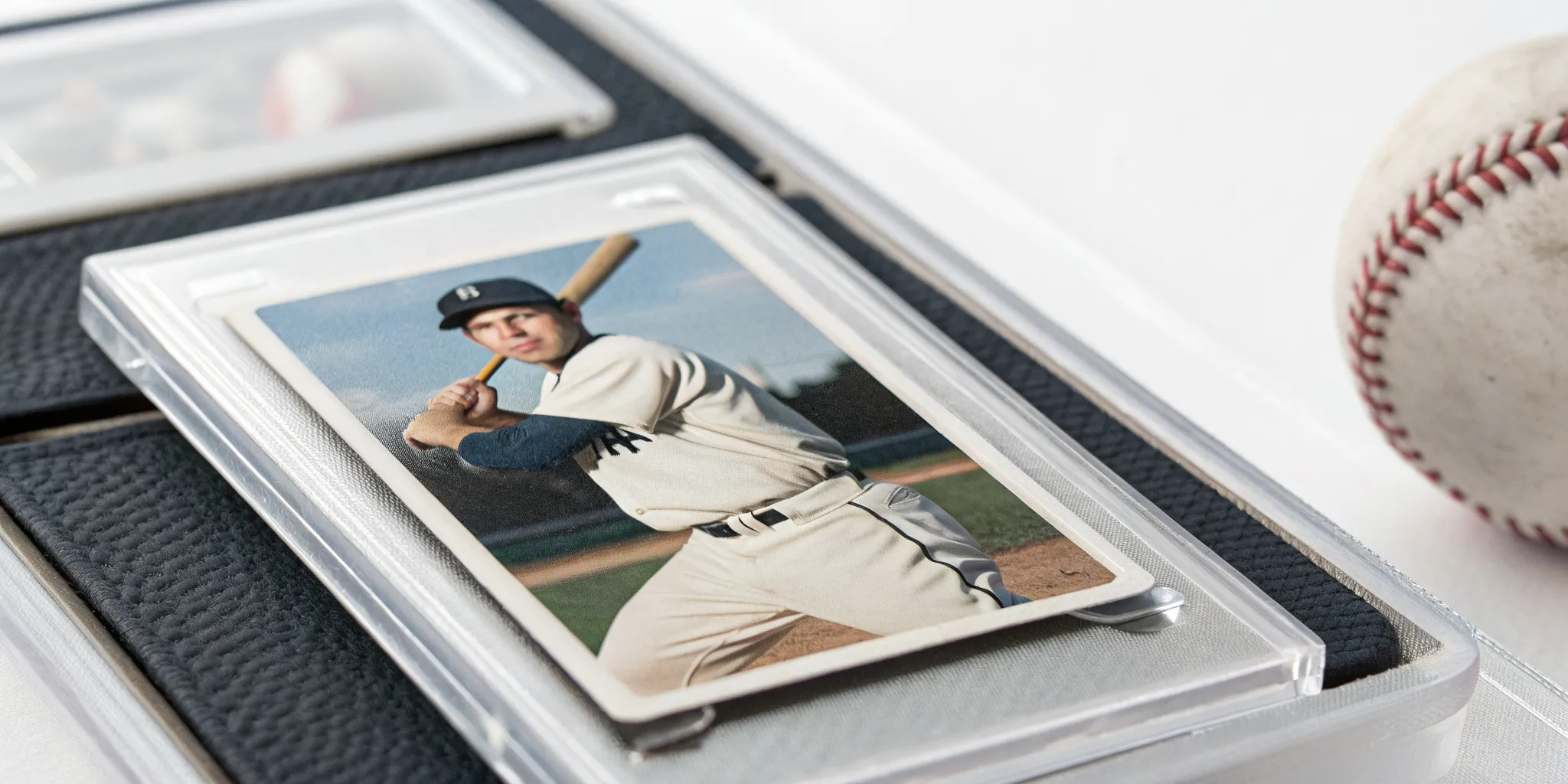
There’s nothing like the thrill of discovering a rare card. But what makes that discovery even better? Finding out it’s a professionally graded card in perfect condition. Grading turns a great pull into a verified treasure, protected in a case and assigned a score that proves its quality. It’s the gold standard for any serious collector and the ultimate prize when you're hunting for hits. Whether you're pulling cards from a pack or buying them online, understanding the grading process is essential. We'll cover what a grade means, which companies to trust, and how to build a valuable collection.
Key Takeaways
- Grading is about trust and protection: Getting a card graded does more than assign it a score; it officially authenticates the card, preserves its condition inside a durable case, and provides a clear, objective standard for its market value.
- Choose a grading company that fits your goals: The right service depends on your specific cards and what you want to achieve. PSA is the standard for maximizing resale value, BGS offers detailed subgrades, SGC is a favorite for vintage cards, and CGC is a great all-around affordable option.
- A smart strategy prevents costly mistakes: Before submitting a card, weigh the grading fee against the card's potential value to see if it's worth it. When buying, always check recent sales prices for the same card and grade, and verify the slab's certification number online to confirm it's legitimate.
What Are Graded Cards and Why Do They Matter?
If you’re getting into card collecting, you’ve probably heard the term “graded card.” So, what does it actually mean? Simply put, grading is the process of having a trading card’s condition professionally evaluated and certified by a third-party company. This isn't just about getting a score; it's about establishing a card's authenticity, preserving its quality, and understanding its true market value. For serious collectors, graded cards are the gold standard. They remove the guesswork and subjectivity, turning a beloved collectible into a verified asset. Understanding the grading process is a key step in building a valuable and lasting collection.
How Card Grading Works
The process of trading card grading involves sending your card to a professional company where experts examine it under magnification. They assess four key criteria: the sharpness of the corners, the smoothness of the edges, the quality of the card’s surface, and the centering of the printing. Each of these aspects is carefully inspected for any flaws, like scratches, print defects, or wear. Based on this detailed evaluation, the card receives a final numeric grade, typically on a scale from 1 to 10, with 10 being a flawless, gem mint card. This standardized score gives everyone a clear and objective measure of the card's physical condition.
Graded vs. Raw Cards: What's the Difference?
A “raw” card is any card that hasn't been professionally graded. Its condition is subjective and open to interpretation, which can lead to disagreements over its value. A graded card, on the other hand, is sealed in a transparent, tamper-proof case often called a "slab." This slab includes a label that clearly states the card's identifying details, its unique certification number, and its official grade. The biggest difference is trust. With a raw card, you’re relying on your own judgment or the seller's opinion. With a graded card, you have an impartial, expert assessment of its condition and authenticity, which provides a solid foundation for its value.
The Benefits of Protection and Authentication
Two of the biggest advantages of grading are protection and authentication. Once a card is graded, it’s sonically sealed inside the hard plastic slab. This durable case protects it from common hazards like spills, bends, moisture, and UV light, preserving its condition for years to come. You can handle and display your prized cards without worrying about causing damage. Equally important, the grading process confirms your card is real and hasn't been altered or counterfeited. This verification is crucial in a market where fakes can be a problem, giving you peace of mind and making it much easier to buy or sell with confidence.
Common Myths About Card Grading
It’s easy to get the wrong idea about grading when you’re just starting out. One common myth is that a card that looks perfect except for one major flaw can still get a high grade. In reality, a single significant defect, like a deep scratch or a bent corner, can dramatically lower the score, regardless of how great the rest of the card looks. Another misunderstood aspect of grading is the idea that you can accurately judge a card’s condition yourself with a magnifying glass. Professional graders use specialized tools and have years of experience identifying tiny imperfections that most people would miss. Their expertise is what makes the grade reliable.
Which Grading Companies Should You Trust?
Choosing a grading company is a big decision. The company you pick can significantly impact your card's perceived value and marketability. While dozens of grading services exist, the collecting world generally revolves around a few key players known for their consistency and reputation. Think of them as the major leagues of card grading. Getting your card graded by a trusted company provides peace of mind and adds a layer of legitimacy that collectors and buyers look for. We'll walk through the most respected names in the business so you can confidently decide which service is the right fit for your collection.
PSA (Professional Sports Authenticator)
PSA is often seen as the king of the grading world, and for good reason. They are the industry's most recognized name, and their slabs are a common sight at card shows and online marketplaces. Because of this widespread trust, PSA-graded cards typically fetch the highest prices on the resale market. If your main goal is to maximize the value of a modern Pokémon card or a key rookie sports card, PSA is almost always a safe bet. Their simple, clean label and 1-10 grading scale are straightforward and understood by collectors everywhere. While their turnaround times can sometimes be long due to high demand, many believe the potential return on investment is well worth the wait.
BGS (Beckett Grading Services)
If you're a collector who loves the nitty-gritty details, Beckett Grading Services (BGS) might be your perfect match. What sets BGS apart is its use of "subgrades." In addition to the overall grade, they score your card on four key attributes: centering, corners, edges, and surface. This detailed report card gives you a precise breakdown of your card's condition. BGS is highly respected, especially for modern sports and Pokémon cards. Their premium "Black Label" designation, awarded to a card that receives perfect 10s on all subgrades, is incredibly rare and highly sought after. You can learn more about their unique grading system on their website.
SGC (Sportscard Guaranty Corporation)
SGC has built a stellar reputation, particularly among collectors of vintage cards. If you have cards from the pre-1980s era, SGC is a fantastic choice. They are known for their expertise in handling older, more fragile cardboard. Collectors also love SGC's signature slab design. The sleek black background, often called the "tuxedo," makes the colors of any card pop, giving it a premium look. In recent years, SGC has also become a popular option for modern cards due to their competitive pricing and impressively fast turnaround times. Their strong standing in the current card grading market makes them a reliable and stylish option for any collection.
CGC Trading Cards
CGC originally made its name as the top grading service for comic books, so they know a thing or two about certifying collectibles. Their expansion into trading cards has been a huge success, bringing their expertise and reputation for impartiality to the hobby. CGC is praised for its crystal-clear slabs and detailed grading standards. They offer a high-quality service that is often more affordable than some of the other big names, making them an excellent option for collectors who want to get a large number of cards graded without breaking the bank. Their commitment to expert certification services ensures that every card is authenticated and graded with precision and consistency.
How to Choose the Right Grading Company
So, how do you pick the right one? It really comes down to your cards and your goals. If you're looking for top resale value on a modern hit, PSA is often the answer. If you appreciate detailed feedback and are grading modern cards, BGS is a strong contender. Have a collection of vintage classics? SGC is a trusted specialist. And if you want a reliable, budget-friendly option, CGC is an excellent choice. When making your decision, consider the company's reputation, the look of their slab, and their specific grading standards. Thinking about these factors will help you find the perfect trading card grading service to protect and add value to your collection.
How Much Does Card Grading Cost?
So, you're thinking about getting a card graded, but the big question is: what's it going to cost? The truth is, there's no single price tag. Grading costs can swing from around $20 for a standard card to thousands for a high-end collectible. It all comes down to a few key factors: the grading company you choose, how valuable your card is, and how fast you want it back. Think of it like shipping a package; the more valuable the contents and the faster you need it to arrive, the more you'll pay. Let's break down the costs so you can figure out the best approach for your collection.
A Look at Standard Grading Fees
For most cards, you can expect the standard grading fees to be in the ballpark of $19 to $60. This is the sweet spot for the majority of Pokémon and sports cards that collectors send in. The final price within this range usually depends on the "declared value" of your card, which is what you estimate it will be worth after it's graded. A higher declared value puts your card in a more expensive service tier. This ensures it's properly insured and handled by the grading company, but it also means a higher upfront cost for you.
What Affects the Price of Grading?
The two biggest factors that determine your grading bill are the card's value and the turnaround time. Every grading company has different service levels tied to these two things. For example, if you're submitting a modern Pokémon card you believe is worth under $500, you might choose a "Value" tier that costs around $25. If you're submitting a vintage rookie card worth thousands, you'll have to select a premium service level that costs much more. Faster, express services will also cost a premium, while economy options have longer wait times but save you money.
Understanding Express and Bulk Options
If you want to save some cash, bulk submissions are your best friend. Most grading companies offer a discount if you send in a large number of cards at once, typically 20 or more. This is the most cost-effective way to get modern, lower-value cards graded. Some of these bulk deals require a PSA Collectors Club membership to access the best pricing. On the flip side, if you have a high-value card you want back quickly, you can pay for an express service. It's the most expensive option, but you'll get your card back in days instead of months.
Is Grading Worth the Cost?
This is the million-dollar question, isn't it? Grading is almost always worth it for rare, vintage, or high-demand cards, especially if they're in excellent condition. A gem mint 10 grade can increase a card's value exponentially, turning a great card into a serious investment. However, it's usually not worth the cost for common, modern cards or cards with obvious flaws like creases or soft corners. The grading fee could easily be more than the card is worth, even with a decent grade. Before submitting, always weigh the potential value against the upfront cost.
Buying Graded Cards: What to Look For
Once you start shopping for graded cards, you’ll want to be sure you’re making smart purchases. Knowing what to look for helps you build a collection you’re proud of and protects you from overpaying or buying a fake. It’s not just about the number on the label; it’s about understanding the card, the case it’s in, and its true market value. Let’s walk through the key things to check before you add a graded card to your collection.
How to Spot a Fake Slab
The protective plastic case, or "slab," is a key part of a graded card's security. Unfortunately, counterfeit slabs exist. First, always inspect the label. It should have a unique certification number, the card’s details, and the grade. You can usually verify this certification number directly on the grading company’s website to see if it matches their records. Also, look at the slab itself. Official slabs from companies like PSA and BGS have specific security features, like holograms or unique welding patterns. Fake slabs might look cloudy, feel flimsy, or have sloppy, inconsistent text on the label.
How Grades Impact a Card's Value
A card’s grade has a massive impact on its price. A higher grade from a reputable company authenticates the card and confirms its condition, giving buyers confidence. This is why a Gem Mint 10 can be worth exponentially more than a 9. For example, a 1st Edition Charizard graded PSA 10 is one of the most valuable Pokémon cards in the world, while the same card with a lower grade is far more accessible. The grade essentially removes guesswork, creating a clear standard for assessing a card's condition and, by extension, its market value.
Common Buying Mistakes to Avoid
One of the biggest mistakes new collectors make is trusting the grade without actually looking at the card. Two cards can have the same grade but look very different. One might have better centering, while the other has a cleaner surface. Decide what’s important to you. Another common error is assuming that just because a card is graded, it’s a good investment. Some cards cost more to grade than they’re actually worth. Always do your homework on a card’s value before buying, regardless of the grade it received. Don’t get caught up in the hype; buy cards you genuinely love.
How to Research Prices
So, how do you know if you’re getting a fair price? The best way is to look up recent sales of the exact same card with the same grade. Marketplaces like eBay have a filter to show you only "Sold Items," which gives you a realistic picture of what people are actually paying. These are often called "comps," or comparable sales. Websites that track trading card prices can also be a huge help, as they aggregate sales data from multiple sources. Avoid using active listing prices as your guide, since sellers can ask for any price they want.
How to Save Money on Card Grading
Getting your cards graded is an investment, and like any good investment, it requires a bit of strategy. The cost of grading can add up quickly, and it’s important to remember that a high grade doesn’t automatically guarantee a profit. Sometimes, the grade assigned to a card doesn't increase its value enough to cover the fee. The good news is that you don’t have to pay top dollar every time. With a little planning, you can significantly lower your grading expenses, giving your cards the best possible chance to turn a profit or simply look amazing in your collection without breaking the bank. Let’s walk through some of the best ways to save money on card grading.
Find Promotions and Memberships
One of the easiest ways to save is by keeping an eye out for special promotions from the major grading companies. Sign up for their email newsletters and follow them on social media to be the first to know about discounts. Beyond one-off deals, consider joining a company’s membership club. For example, the PSA Collectors Club offers discounted grading tiers for its members. While there’s an annual fee, it can easily pay for itself if you plan on submitting cards regularly. Think of it as a backstage pass to better pricing, helping you cut down the per-card cost on every submission you send.
Submit Your Cards at the Right Time
Patience can be your best friend when it comes to grading. The trading card market has its own seasons, with submission volumes often spiking after a new Pokémon set drops or a rookie athlete has a breakout season. When grading companies are flooded with orders, turnaround times get longer and promotions become scarce. Instead of rushing to submit during these peak periods, try to time your submissions strategically. Waiting for a lull can not only get your cards back faster but also might line up with a new promotion designed to bring in more business. Watching market trends can give you a better sense of when to hold back and when to send in your stack.
Save Money With Bulk Submissions
If you have a lot of cards you want to grade, bulk submissions are your most cost-effective option. Most grading companies offer "Value" or "Bulk" tiers that have a much lower price per card, but they require you to send in a minimum number of cards, often 20 or more. This is the perfect solution for clearing out that stack of cards you’ve been meaning to get graded. Don’t have enough to meet the minimum on your own? Team up with a friend or join a collector group online to create a group submission. By pooling your cards together, everyone can take advantage of the cheaper rates, making it a win-win.
Consider Budget-Friendly Alternatives
While PSA, BGS, and SGC are the titans of the industry, they aren’t your only options. A growing number of alternative and budget-friendly grading companies are entering the market, offering reliable services at a lower price point. Some collectors are also turning to companies that use AI for grading. Proponents find that AI card grading offers a high level of transparency and consistency, which is building trust in the community. While cards from these alternative services may not always fetch the same premium as those from the big three, they are an excellent and affordable way to get your cards authenticated, protected, and slabbed for your personal collection.
Create Your Graded Card Collection Strategy
Having a plan is the best way to build a collection you’re proud of. Whether you’re collecting for fun, for profit, or a little of both, thinking strategically will help you make smart decisions and get the most enjoyment out of the hobby.
Where to Buy and Sell Graded Cards
Once you’re ready to buy, you’ll find graded cards in many places. Online marketplaces like eBay are popular, along with specialized hobby shops and local card shows. For a more modern approach, digital platforms like Packz offer the excitement of discovering graded cards in mystery packs right from your computer, blending the thrill of the hunt with online convenience.
How to Store and Protect Your Collection
Proper storage is essential for protecting your investment. Graded cards come in a strong, sealed plastic case called a "slab." This case is your card's first line of defense, protecting it from spills, humidity, and physical damage. To keep your slabs in top shape, store them in a cool, dry place away from direct sunlight. Taking care of your collection ensures it will maintain its condition and value for years to come.
Digital vs. Physical Collecting
The trading card world is evolving, and digital collecting has become a major game changer. Physical collecting gives you the satisfaction of holding a piece of history, while digital collecting offers incredible convenience. Platforms that combine both worlds give you the best of each. You can open packs digitally to see what you’ve got, then choose to have the physical, slabbed cards shipped directly to your door, creating a seamless link between your online and real-world collections.
Develop a Long-Term Approach
It’s easy to get caught up in the excitement, but a long-term approach will serve you best. Remember that grading costs money, and that cost isn't always returned if the grade doesn't significantly increase the card's value. Before you buy or submit a card, ask yourself what your goal is. Are you building a personal collection or aiming for investment returns? Set a budget, research card prices, and be patient. A thoughtful strategy is your key to building a valuable collection.
Related Articles
- Cheap Graded Cards: The Ultimate Buyer's Guide | Packz Blog
- Cards Worth Grading: A Step-by-Step Guide | Packz Blog
Frequently Asked Questions
Is it actually worth the money to get my cards graded? That really depends on your goals and the cards you have. For rare, high-demand cards in excellent condition, grading is almost always a smart move. It can significantly increase their value and make them easier to sell. However, for more common cards or those with noticeable damage like soft corners or scratches, the grading fee can often be more than the card is worth. A good rule of thumb is to first research the card's potential value in a high-grade condition and then decide if the cost makes sense.
How do I choose between PSA, BGS, and SGC for my cards? Think about what you want to achieve with the card. If your main goal is to get the highest possible resale value for a popular modern card, PSA is generally considered the industry leader. If you appreciate a detailed analysis and are grading modern sports or Pokémon cards, BGS is a fantastic choice because of its subgrades. For vintage cards or if you want a fast turnaround with a sleek, premium look, SGC is a highly respected and excellent option.
How can I be sure a graded card I'm buying is legitimate? This is a great question, and it's smart to be cautious. The first thing you should always do is look up the certification number on the slab's label. You can enter this number on the grading company’s official website to confirm that the card and grade in their database match what you're holding. Also, take a close look at the plastic case itself. Official slabs have specific security features and a clean, professional look; fakes often appear cloudy, feel flimsy, or have spelling errors on the label.
What's the biggest mistake people make when submitting cards for grading? One of the most common mistakes is submitting cards without managing expectations. Many people send in cards that look perfect to their own eyes, only to be disappointed by a lower grade. Professional graders use magnification and are trained to spot tiny imperfections that most of us would miss. Another frequent error is paying to grade a card that has no chance of earning back the fee. Always do a quick search for a card's value before deciding to submit it.
I have a lot of cards I want to grade. Should I send them all in at once? If you have a large number of cards, especially modern ones, submitting them together in a bulk order is the most cost-effective strategy. Most grading companies offer a significant discount per card when you meet their minimum requirement, which is often around 20 cards. This is the best way to save money on grading fees. If you don't have enough cards to meet the minimum yourself, you can even consider teaming up with friends or other collectors to create a group submission.
Recommended Reading
Cash for Graded Sports Cards: The Fastest Ways to Sell
Get cash for graded sports cards faster. Compare auction houses, marketplaces, and instant buyback options to pick the route that fits your timeline.
How to Compare Value in Sports Card Packs
Learn how to compare sports card packs using card quality, available pulls, pricing clarity, and Packz’s 100% buyback option.
How to Buy Pokemon Packs Online for Ripping
Ready to buy pokemon packs online for ripping? Get transparent pack value and clear pull odds so you never overpay for the thrill of the hunt. Start collecting safely.