
July 9, 2026
Graded Pokémon Cards 101: A Complete Guide
Get the essentials on graded Pokémon cards—how grading works, top companies, value factors, and tips for collectors looking to buy or sell with confidence.
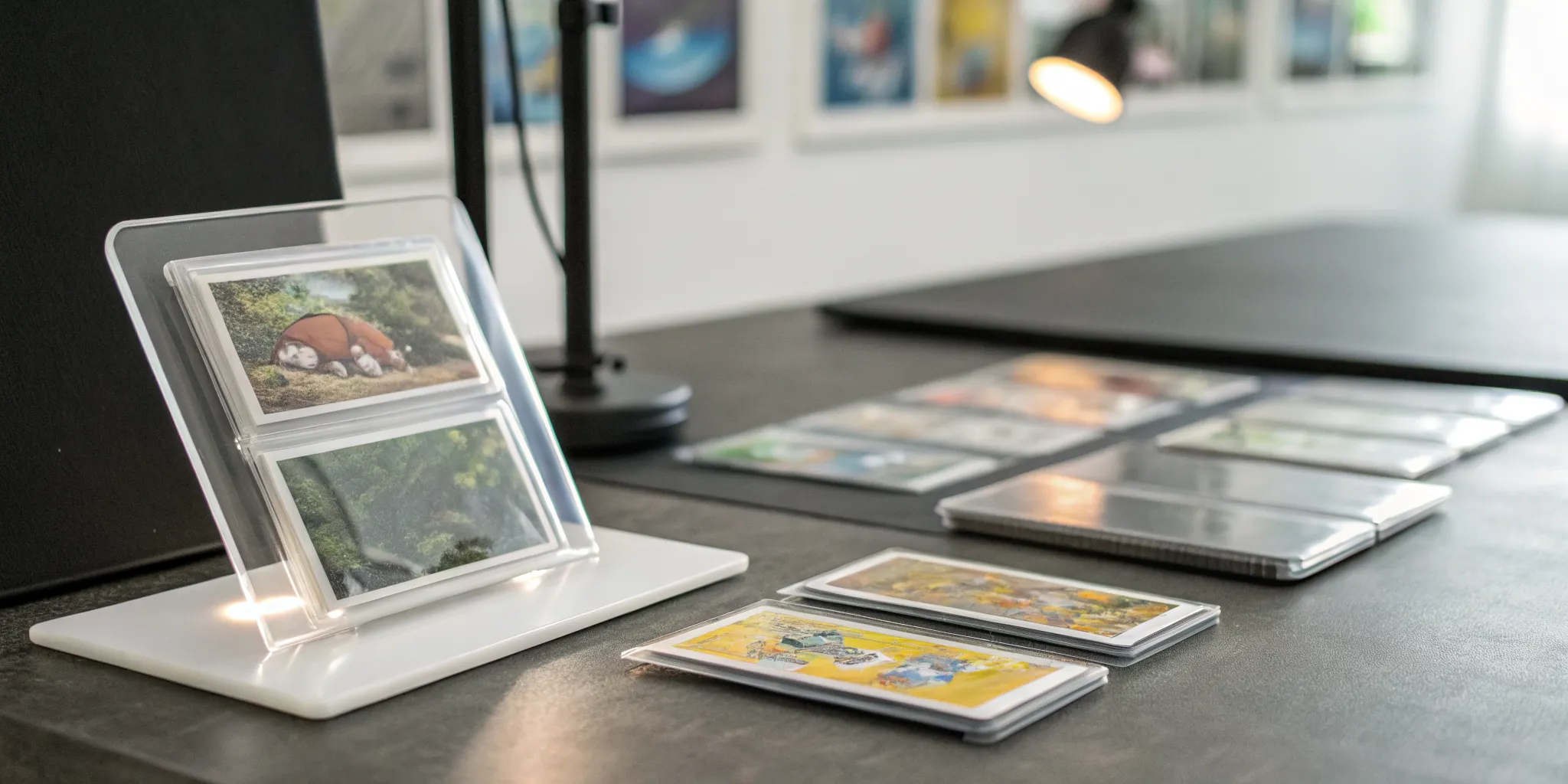
That holographic Charizard you pulled as a kid could be more than just a fond memory; it might be a serious asset. The difference between a card in a binder and one worth thousands often comes down to a single number on a plastic case. This is the world of graded Pokémon cards, where professional evaluation turns collectibles into certified investments. Understanding this process is the key to realizing your collection's true financial potential. This guide will walk you through everything you need to know, from what a "Gem Mint 10" really means to how you can prepare your own cards for their expert review.
Key Takeaways
- A professional grade is the biggest factor in a card's value: Getting a card graded by a reputable company like PSA, BGS, or CGC provides a certified score of its condition, which is essential for authenticating it and understanding its market price.
- Be selective about which cards you grade: To make the investment of time and money worthwhile, focus on submitting cards that are rare, popular, and in excellent condition. A little prep work, like cleaning and protecting your card, can also make a difference.
- Research is your best tool when buying: Before purchasing a graded card, always check its recent sales history to avoid overpaying. Remember that the grading company's reputation matters, as a grade from one service can be valued differently than the same grade from another.
What Is a Graded Pokémon Card?
A graded Pokémon card is one that has been professionally evaluated for its condition and authenticity. Think of it like getting a collectible coin appraised. Experts at a grading company examine the card, assign it a score based on its physical state, and then seal it in a protective case. This process gives you a clear, third-party assessment of the card's quality, which is a huge factor in determining its market value. For collectors, a high grade can turn a cool card into a serious investment.
How does the grading process work?
The card grading journey begins when you send your card to a professional grading company like PSA, Beckett, or CGC. There, trained experts put the card under a microscope, figuratively speaking. They meticulously inspect every detail to judge its condition. After the evaluation is complete, the card is given a final score and encapsulated in a hard, tamper-proof plastic case. This case, often called a "slab," not only protects the card from damage but also displays its official grade for everyone to see, locking in its authenticated condition.
The four key factors: corners, edges, surface, and centering
Graders assign a score on a scale from 1 to 10, with a 10 representing a virtually flawless card. This final number is determined by a close look at four critical criteria. First is the corners, which should be perfectly sharp with no whitening or rounding. Next are the edges, which are checked for any chips or wear. The surface is examined for any scratches, print lines, or smudges. Finally, centering is judged by how evenly the card’s artwork is framed by its borders. A card needs to excel in all four areas to earn a top score.
Why grading matters for your collection
Grading is a game-changer for both serious collectors and casual investors. A graded card is much easier to price and sell because its condition is certified by a trusted source. This removes the guesswork and helps create a standard for its market value. The difference in price can be staggering; a pristine, graded card can be worth anywhere from five to 50 times more than the same card in its raw, ungraded form. This makes understanding card value and condition an essential part of building a valuable collection.
Who Are the Top Grading Companies?
Once you decide to get a card graded, the next big question is: who do you send it to? The company you choose matters, a lot. Think of them as the official appraisers of the trading card world. Their reputation directly influences your card's perceived value and liquidity in the market. While many services are available, the collecting community generally recognizes a few key players as the most reliable and respected. A grade from a top-tier company is a stamp of approval that buyers trust, which is why it's so important to choose wisely.
Choosing the right one depends on your goals. Are you looking for the absolute highest potential resale value? Do you prefer a more detailed breakdown of your card's condition? Or are you grading a specific type of card, like a Japanese import? Each of the top companies has its own strengths, weaknesses, and reputation among collectors. We’ll walk through the "big three" in the Pokémon card space: PSA, BGS, and CGC. Understanding the differences will help you make an informed decision for your collection and protect your investment. This isn't just about getting a number on a slab; it's about partnering with a service that aligns with your collecting strategy.
PSA (Professional Sports Authenticator)
If you’ve spent any time in the hobby, you’ve heard of PSA. It’s widely considered the industry leader, especially when it comes to maximizing a card’s worth. For many investors, PSA is the only way to go because its grades tend to command the highest resale value. A card graded as a PSA 10 Gem Mint can be worth many times more than the exact same card in its raw, ungraded form.
However, no company is perfect. Some collectors point out occasional inconsistencies in PSA’s grading and feel their plastic slabs are less durable than competitors'. There’s also the possibility of surprise upcharges if your card gets a very high grade. Despite these points, PSA's market dominance makes it an essential player for anyone serious about the financial side of collecting.
Beckett Grading Services (BGS)
Beckett Grading Services, or BGS, is another top-tier choice and a strong alternative to PSA. What really sets BGS apart is its use of sub-grades. On a BGS slab, you’ll see individual scores for centering, corners, edges, and surface, giving you a much more detailed report card on your card’s condition. Many collectors love this transparency.
BGS is also famous for its pristine "Black Label." This is awarded to a card that receives a perfect 10 on all four sub-grades, a truly rare feat. A Black Label card is the pinnacle of modern collecting and can fetch astronomical prices. It's worth noting that the grading industry is consolidating, as Collectors Holdings (PSA's parent company) also owns SGC and has a pending deal for BGS.
CGC Trading Cards
CGC has quickly built a solid reputation as a reliable grading service, especially within the Pokémon community. While newer than PSA or BGS, their grades are trusted by serious collectors. They have become a particularly popular choice for grading Japanese Pokémon cards, where their opinion often carries more weight than other secondary grading companies.
When you get a card graded by CGC, it’s sealed in a sturdy, tamper-proof plastic case, often called a slab. This protective shell not only preserves the card’s condition but also provides a clear display for the grade and certification details. For collectors who value robust protection and a respected name, CGC is an excellent option that continues to grow in popularity and influence in the market.
How to Read a Grading Scale
Getting a graded card is exciting, but the label can look like a secret code if you’re new to the scene. Each grading company has its own scale, but they all share the same goal: to provide an objective, standardized assessment of a card’s condition. Once you know what to look for, you’ll be able to understand a card’s grade and value in a single glance.
The PSA grading scale
PSA is one of the most recognized names in the industry, and its 10-point scale is a common benchmark for collectors. A PSA 10 is called "Gem Mint," representing a virtually perfect card. To earn this top grade, a card needs incredible centering (around 55/45 on the front and 75/25 on the back), sharp corners, clean edges, and a flawless surface. A PSA 9, or "Mint," is still a fantastic grade but allows for a minor flaw or slightly less precise centering. A detailed look at how PSA grades Pokémon cards reveals that even a card with perfect corners can get a lower score if the centering is off, showing how every detail matters.
The BGS grading scale
Beckett also uses a 10-point system, but with a twist that many collectors love: sub-grades. BGS provides individual scores from 1 to 10 for centering, edges, corners, and surface, which then determine the final grade. This transparency lets you see exactly why a card received its score. A BGS 10 is known as "Pristine" and is incredibly hard to get, as it requires perfect 10s on all four sub-grades. A BGS 9.5 is considered "Gem Mint," while a 9 is "Mint." The detailed feedback from sub-grades is a key reason collectors often compare the BGS system to the PSA grading scale in Pokemon when deciding where to send their cards.
The CGC grading scale
CGC, which originally made its name grading comic books, has become a major player in the trading card world. It also uses a 10-point scale, with a CGC 10 "Pristine" grade being the highest possible score. Like the others, CGC’s graders carefully inspect centering, corners, edges, and surface quality. The company is known for its rigorous and consistent standards, which has helped it build a strong reputation for accuracy among collectors. This commitment to consistency is why you'll often see CGC mentioned in discussions where collectors are trying to understand the nuances of different services, like in this guide to PSA grading where community members compare options.
What Makes a Graded Pokémon Card Valuable?
Figuring out what a graded Pokémon card is worth can feel like a puzzle, but it’s not as complicated as it seems. A card’s value isn’t tied to a single attribute. Instead, it’s a combination of its history, physical condition, and popularity in the market. When you see a card with a high price tag, it’s because it checks all the right boxes for collectors.
Understanding these key factors will help you spot true treasures and make smarter decisions, whether you’re buying, selling, or just appreciating your collection. Think of it as learning the language of the Pokémon card market. Once you know what to look for, you can better understand why one Charizard might be worth a few dollars while another is worth thousands. Let’s break down the three main components that determine a graded card’s value.
Rarity and set
First and foremost, a card's rarity is a massive driver of its value. Cards from early releases, like the 1999 Base Set, are often more valuable than modern ones simply because fewer of them exist, especially in good condition. Special cards, such as 1st Edition prints, Shadowless cards, or limited promotional releases, are even scarcer. The set a card belongs to also plays a huge role. Collectors often refer to these protected, graded cards as Pokémon slabs, and they are essential pieces of the modern collectibles market. A card from a popular and iconic set will almost always command more attention than one from a less memorable expansion.
The final grade
The grade a card receives is arguably the most significant multiplier of its value. When you grade your Pokémon card, you’re sending it to experts who meticulously examine its condition and assign it a score, usually from 1 to 10. A "Gem Mint 10" is the holy grail, indicating a virtually perfect card. The difference in value between grades can be staggering. For example, a PSA 10 graded card can be worth anywhere from 5 to 50 times more than an identical ungraded card. This premium exists because the grade provides a trusted, objective assessment of the card's condition, removing guesswork for buyers and sellers.
Collector demand
At the end of the day, a card is only worth what someone is willing to pay for it. Collector demand is the invisible hand that shapes the market. Popular Pokémon like Charizard, Pikachu, and Blastoise tend to have higher, more consistent demand than less iconic characters. This demand is also influenced by trust. Buyers feel more confident purchasing a graded card because they know a professional has verified its authenticity and condition. It’s also worth noting that the grading company itself affects value. For instance, a PSA 10 often sells for more than a CGC 10, showing how a company's reputation can sway collector preference and resale value.
How to Prepare Your Cards for Grading
Getting a card graded is an investment, so you want to give it the best possible chance of scoring high. A little prep work can go a long way in preventing a lower grade due to a simple fingerprint or a speck of dust. Before you fill out a submission form, you need to get your cards ready for their close-up. This process involves three key steps: a thorough inspection, a gentle cleaning, and secure packaging. It’s the final bit of care you can give your card before it goes off to be officially evaluated. Taking these extra minutes helps ensure the grade reflects the card's true condition, not a preventable mistake.
Inspect your cards for flaws
First, you need to play detective. Put your card under a bright light and examine it from every angle. You’re looking for any imperfections that could bring down the grade, like tiny scratches on the holo, whitening on the edges, or soft corners. A magnifying glass can be your best friend here, helping you spot things the naked eye might miss. Pay close attention to the four key factors: corners, edges, surface, and centering. This initial inspection is crucial because it helps you manage expectations and decide if a card is a strong candidate for grading or if it’s better kept as a binder copy.
Clean and protect your cards
Once you’ve inspected your card, it’s time for a gentle cleaning. The golden rule is to handle the card as little as possible, and always by the edges, to avoid adding fingerprints or oils to the surface. Use a clean, dry microfiber cloth to lightly wipe away any dust or debris from the front and back. Be very gentle; you’re not trying to scrub it, just give it a light polish. After cleaning, immediately slide the card into a new penny sleeve. Then, for added security, place the sleeved card into a semi-rigid holder. This two-step protection method is the industry standard for keeping your cards safe.
Ship your submission safely
The final step is to pack your cards for their journey to the grading company. Place your card, already in its semi-rigid holder, between two pieces of sturdy cardboard that are slightly larger than the card itself. Secure the cardboard sandwich with rubber bands, making sure they aren’t too tight. This prevents the card from moving around during transit. Some collectors use special products to address minor surface issues, but this is an advanced technique that carries risk. Finally, complete your submission form accurately and place everything in a well-padded box or bubble mailer. Following the grading company’s official shipping guide is always the best practice.
Is Grading Your Cards Worth It?
So, you’ve pulled a card that looks special, and the big question pops into your head: should I get this graded? It’s a thought every collector has. Sending a card off for grading can feel like buying a lottery ticket. You hope it comes back with a gem mint 10, transforming it into a prized possession with a serious price tag. And sometimes, it does. A perfectly graded card can be worth many times more than its raw, ungraded counterpart.
But grading is more than just a shot at a high score. It’s a way to authenticate your card, verifying that it’s the real deal. It also preserves its condition for the long haul by encasing it in a protective slab. However, it’s also an investment of both time and money. The process isn’t free, and it’s not always fast. Deciding whether to grade is a strategic choice. You have to weigh the potential reward against the costs and the risk that the card might not score as high as you hope. Before you send your treasures away, it’s smart to understand exactly what you’re getting into.
Weighing the fees and turnaround times
First things first, let's talk about the cost. Getting a card graded involves a fee, which can range from around $15 to over $100 per card. The exact price depends on the grading company you choose, the declared value of your card, and how quickly you want it back. Faster service levels cost more, so you’ll pay a premium to skip the long queue.
You also need to factor in the wait. Turnaround times can vary wildly, from a few weeks for express services to several months for more economical options. This is a cost of a different kind: patience. Before you commit, check the current services and pricing on the company’s website. Make sure the total cost, including shipping and insurance, makes sense for the card you’re submitting.
Which cards should you grade?
Not every card in your binder is a good candidate for grading. To make the investment worthwhile, you need to be selective. The best cards to grade are typically rare, in high demand, and in excellent condition. Think vintage holographic cards, first editions, or cards featuring fan-favorite characters like Charizard and Pikachu. Condition is king, as cards with flawless corners, clean edges, and perfect centering are the ones that receive the highest scores.
Do a little math before making a decision. Look up the card’s potential value at different grade levels and compare it to the grading fee. If a raw card is worth $5 and a perfect 10 is only worth $30, the grading fee might eat up most of your potential profit. Focus on cards where a high grade would create a significant jump in value.
Understanding long-term value
Grading does more than just assign a number to your card; it secures its place in the collectibles market. A graded card, often called a "slab," is seen as a more legitimate and stable asset. It confirms the card's authenticity and condition, making it easier to buy, sell, or trade with confidence. This is why graded cards are essential parts of the modern collecting scene.
The potential for increased value is significant. A PSA 10 gem mint card can be worth anywhere from five to 50 times more than the same ungraded card. By grading, you’re not just protecting a piece of cardboard; you’re formalizing its value and turning it into a recognized collectible. For serious collectors, this process is a key step in building a valuable portfolio.
What are the risks?
While the rewards can be high, grading is not without its risks. The biggest one is receiving a lower grade than you expected. A common card that gets a low score might not see any increase in value at all; in fact, you could lose money after paying the grading fee. It’s a tough lesson to learn when you pay for an expert opinion and it comes back with a grade of 5.
The truth is, not all graded cards are worth more. The value increase is most dramatic for rare cards in near-mint or better condition. Understanding what graders look for is the key to making a smart submission. Learning to assess your cards for flaws like whitening, scratches, or off-center printing can save you from paying for a disappointing result.
Beginner Mistakes to Avoid When Collecting
Getting into graded Pokémon cards is an incredible thrill. That feeling of finally owning a mint-condition card you’ve always wanted is hard to beat. But when you’re just starting, it’s easy to make a few common mistakes that can cost you time, money, and a lot of frustration. Think of this as your friendly guide to sidestepping those early hurdles. By keeping a few key things in mind, you can build your collection with confidence and make smarter choices from your very first purchase. Let's walk through the most common slip-ups so you can avoid them like a pro.
Buying without researching market value
It’s so easy to get caught up in the excitement of an auction or a "buy it now" listing for a card you've been hunting. Before you click that button, take a deep breath and do a little homework. One of the biggest beginner mistakes is overpaying because you didn't research the card's market value. Prices for graded cards can change quickly based on recent sales and overall market trends. Make it a habit to check recent sale prices on different marketplaces for the exact card and grade you're considering. This simple step helps you understand what a fair price looks like and ensures you’re making a solid addition to your collection, not just an emotional one.
Assuming all grading companies are equal
You might see a card with a "10" on the label and think it's the best of the best, period. While that grade is fantastic, it’s crucial to know that not all grading companies are viewed the same way by the collecting community. Each company has different standards, reputations, and specialties. For example, a PSA 10 is often seen as the industry benchmark for value, while a BGS 10 Black Label is considered a "perfect" card and is exceptionally rare. Learning the key differences between PSA, BGS, and CGC will help you better assess a card's true market standing and potential value.
Valuing rarity over demand
Finding an obscure, rare card can feel like uncovering a hidden gem, but rarity alone doesn't guarantee value. The other side of the equation is collector demand. A card is only worth what someone is willing to pay for it, and if very few people are looking for that specific card, its price will reflect that. Think about iconic characters like Charizard, Blastoise, and Pikachu. Cards featuring these fan-favorites often have high demand, which helps them hold their value and makes them easier to sell later on. Always try to strike a balance between a card's rarity and its popularity within the community.
Ignoring return policies
When you're buying graded cards online from individual sellers or marketplaces, the return policy is your safety net. It’s a detail that’s easy to overlook in the heat of the moment, but ignoring it can be a costly mistake. What happens if the card arrives with a cracked case or you feel the card's condition doesn't quite match its grade? A clear and fair return policy protects you from these worst-case scenarios. Before you commit to a purchase, always read the seller’s terms. This is one advantage of using a platform like Packz, where you can instantly sell your card back without worrying about a complicated return process.
Where to Find Graded Pokémon Cards
Once you know what you're looking for, the next step is finding it. Luckily, there are more places than ever to buy graded Pokémon cards, whether you prefer browsing online or hunting for gems in person. Let's walk through the best spots to grow your collection and what you should keep in mind before making a purchase.
Online marketplaces
The internet is your biggest resource for finding graded cards. Huge platforms like Amazon and eBay have a massive selection, where you can find everything from specific chase cards to random PSA graded cards if you enjoy a bit of a surprise. The sheer volume means you can compare prices easily, but you'll need to be diligent about checking seller reviews and photos. Beyond the big sites, you'll also find specialized online stores that focus entirely on graded collectibles. These shops, like Over the Brick, often provide a more curated experience, offering a wide variety of Pokémon cards from different sets and languages, all professionally graded and ready for your collection.
Local card shops and conventions
Don't underestimate the power of shopping in person. Your local card shop is a fantastic place to find graded cards. You get to see the slab with your own eyes, inspect it for any imperfections, and chat with knowledgeable staff. It's also a great way to connect with your local collector community. Conventions take this experience to the next level. You'll find rows of vendors with incredible inventory, including rare and high-grade cards. Plus, you can trade and talk with fellow enthusiasts. A common piece of advice you'll hear at these events is to focus on buying the singles you want instead of spending your whole budget on opening packs.
Digital mystery packs like Packz
If you love the thrill of opening a pack but want the chance to pull a graded card, digital mystery packs are for you. Platforms like Packz combine the excitement of the unknown with the value of graded collectibles. Here’s how it works: you buy and open a digital pack online, revealing a graded Pokémon card inside. The card you get is random, which adds to the fun. From there, you have a choice. You can have the physical, slabbed card shipped directly to your door. Or, if it’s not quite what you were looking for, you can sell it back instantly and use the credit to open more packs. It’s a modern, flexible way to hunt for your next big hit.
What to look for before you buy
No matter where you decide to shop, a little preparation goes a long way. Before you hit "buy," it's smart to have a plan. First, set a clear budget for yourself. Next, do some homework on the card's current market value to make sure you're getting a fair price. It's also important to understand the seller's return policies, especially when buying online. Finally, remember what the grade itself represents. Grading is a process where experts meticulously check a card's condition. Familiarize yourself with the top grading companies like PSA, BGS, and CGC so you know what you're looking at and can purchase with confidence.
Related Articles
- Pokémon Graded Cards: Everything You Need to Know | Packz Blog
- What Is a Graded Card? A Beginner's Guide | Packz Blog
- Card Grading 101: A Complete Beginner's Guide | Packz Blog
- How to Grade Pokémon Cards: Everything You Need to Know | Packz Blog
Frequently Asked Questions
What's the real difference between a PSA 10 and a BGS 10? While both are top scores, they mean slightly different things. A PSA 10 is called "Gem Mint," and it's the highest grade PSA offers. A BGS 10 is called "Pristine," but Beckett has an even higher, much rarer grade: the Black Label, which is for a card with perfect 10s on all four sub-grades. Because of this, many collectors see the BGS 9.5 "Gem Mint" as the direct equivalent to a PSA 10.
Should I buy an already graded card or try to grade one myself? This really depends on your goals and how much risk you're comfortable with. Buying a card that's already graded gives you certainty; you know the exact condition and authenticity, which is great for building a specific collection. Grading a card yourself is more of a gamble. You have the potential to turn a raw card into something much more valuable, but you also risk paying grading fees only to get a lower score than you hoped for.
What does "sub-grades" mean and why do only some cards have them? Sub-grades are a feature specific to Beckett Grading Services (BGS). When you get a card graded by them, the label shows four individual scores for centering, corners, edges, and surface, in addition to the final overall grade. This gives you a very transparent look at the card's strengths and weaknesses. Companies like PSA and CGC do not include sub-grades on their standard labels, instead providing just the single final score.
Is there any risk in buying a graded card online? Yes, but you can protect yourself with a few simple checks. The biggest risk is buying a counterfeit slab. Before you purchase, you can verify the card's certification number on the grading company's official website. This confirms that the slab in the photo matches their records. Also, always inspect the listing's photos for any cracks in the protective case and check the seller's reputation and return policy.
I have a card that looks perfect. Is it guaranteed to get a 10? Unfortunately, no. A card that looks flawless to the naked eye might still have tiny imperfections that only a professional grader can spot under magnification. Things like microscopic surface scratches, minor print lines from the factory, or centering that is off by just a millimeter can be the difference between a 9 and a 10. Getting a perfect grade is incredibly difficult, which is why Gem Mint 10 cards are so valuable.
Recommended Reading
Cash for Graded Sports Cards: The Fastest Ways to Sell
Get cash for graded sports cards faster. Compare auction houses, marketplaces, and instant buyback options to pick the route that fits your timeline.
How to Compare Value in Sports Card Packs
Learn how to compare sports card packs using card quality, available pulls, pricing clarity, and Packz’s 100% buyback option.
How to Buy Pokemon Packs Online for Ripping
Ready to buy pokemon packs online for ripping? Get transparent pack value and clear pull odds so you never overpay for the thrill of the hunt. Start collecting safely.