
March 2, 2026
How to Grade Pokémon Cards: Everything You Need to Know
Learn how to grade Pokémon cards with clear steps, grading criteria, and tips to protect your collection and understand card values before submitting.
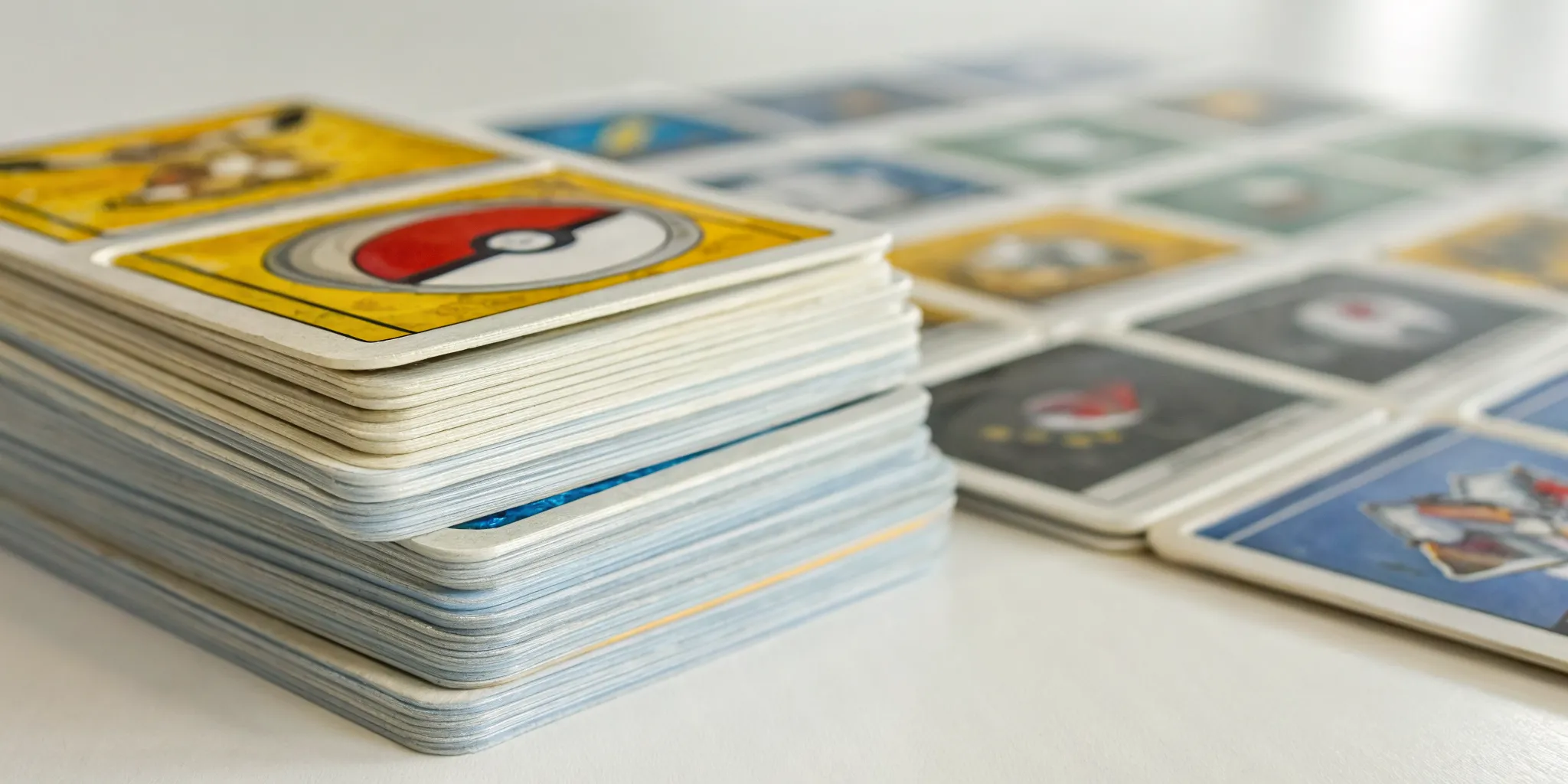
You’ve just pulled a rare holographic Charizard. The excitement is real, but so is the next question: what is this card actually worth? In the world of Pokémon TCG, the difference between a raw card and a professionally graded one can be thousands of dollars. Grading is the industry standard for verifying a card's authenticity and condition, transforming it from a piece of cardboard into a certified, high-value collectible. But the process can seem intimidating. This guide will demystify everything you need to know about how to grade pokemon cards, from assessing your collection at home to choosing the right service and preparing your submission for its big moment.
Key Takeaways
- Know the Four Core Criteria: Professional grading authenticates and protects your card, but its final score comes down to four key areas: centering, corners, edges, and surface. Learning to spot flaws in these areas is your first step.
- Choose Your Grading Service Strategically: The right company depends on your goals, so consider PSA for top resale value or BGS for detailed subgrades. Always compare their current costs and turnaround times before making a decision.
- Treat Grading as a Financial Decision: Before sending a card, research its potential value at different grades. If the expected increase in value doesn't comfortably cover the grading fees, shipping, and insurance, it might be better to keep the card raw.
What Is Pokémon Card Grading and Why Does It Matter?
If you’ve spent any time in the Pokémon card collecting world, you’ve probably heard the term “grading.” So, what’s it all about? Simply put, Pokémon card grading is the process of sending your cards to a professional, third-party company to have them evaluated. An expert will carefully inspect your card, assign it a score based on its condition, and seal it in a protective, tamper-proof case, often called a "slab." This service essentially gives your card a certified report card that stays with it forever.
This process does three crucial things: it authenticates your card, protects it from damage, and officially establishes its condition. For serious collectors, grading is a fundamental step. It transforms a beloved piece of cardboard into a verified collectible with a clear market value. Whether you’re looking to preserve a nostalgic favorite from your childhood or sell a rare pull for a profit, understanding the basics of card grading is essential. It’s the industry standard for verifying a card’s quality and legitimacy, giving both buyers and sellers complete confidence in what they’re trading. It takes the guesswork out of assessing a card's condition and provides a universal language for its quality.
How Grading Authenticates and Protects Your Cards
First and foremost, grading confirms your card is the real deal. With so many convincing fakes out there, authentication is a huge relief. The grading process involves a detailed inspection by experts who can spot counterfeits and alterations that the average collector might miss. Once verified, the card is sonically sealed in a hard plastic case.
This slab does more than just look official; it’s your card’s best line of defense against the elements. The durable case protects it from bends, scratches, moisture, and UV light, preserving its condition for years to come. Think of it as a permanent suit of armor that not only proves your card is genuine but also keeps it in the exact condition it was in when it was graded.
The Impact of Grading on Card Value
This is where things get exciting for many collectors. A professionally graded card can be worth significantly more than an ungraded, or "raw," card. Why? It all comes down to trust and certainty. When a buyer sees a high grade from a reputable company, they know exactly what they’re getting. There’s no guesswork about the card’s condition, which removes a major risk from the transaction.
This confidence often translates to a higher selling price. A card that receives a high grade, like a Gem Mint 10, can see its market value skyrocket. Collectors are willing to pay a premium for cards that are certified to be in pristine condition. You can even track the prices of graded cards to see how a top score from a trusted service can dramatically increase a card’s worth on the open market.
The 4 Main Criteria Graders Look For
When you submit a card for grading, professional assessors place it under intense scrutiny. They aren’t just giving it a quick once-over; they’re using a standardized system to assign a precise score. While each grading company has its own nuances, they all focus on the same four pillars of card condition: centering, corners, edges, and surface. Understanding these criteria is the first step to learning how to evaluate your own collection and predict what grade a card might receive.
Think of these four points as a card’s report card. Acing one category is great, but you need high marks across the board to get that coveted Gem Mint 10. A tiny scratch or a slightly off-center image can be the difference between a good grade and a perfect one, which can translate to a huge difference in value. Before you even think about shipping your prized Charizard, you should get familiar with inspecting these four areas under a good light. This will help you manage your expectations, save money by not submitting cards that won't score well, and decide which cards are truly worth the investment of grading. It's all about making an informed decision before you spend a dime.
Centering
Centering refers to how well the artwork is framed by the card’s borders. In a perfect world, the borders would be exactly the same width on all four sides, both on the front and the back. However, printing isn't always perfect. Graders measure the ratio of the borders to check for imbalances. For a top grade like a PSA 10, the image on the front must be centered exceptionally well, with an allowance of about a 55/45 split. This means one border can be slightly thicker than the opposite one, but not by much. Interestingly, grading standards are often a bit more lenient for the back of the card, allowing for up to a 75/25 split in some cases.
Corners
The corners are one of the first places to show wear and tear. A perfect card has four sharp, 90-degree angles. When you’re inspecting your cards, look closely for any signs of damage. Are the corners still perfectly square, or have they become slightly rounded over time? Even a tiny bit of fuzziness can be enough to lower the grade. You’ll also want to check for any bends, dings, or layering issues where the corner has started to peel apart. Using a magnifying glass under good lighting can help you spot subtle flaws that you might otherwise miss. Sharp, crisp corners are a hallmark of a high-grade card.
Edges
Just like the corners, the edges of a Pokémon card are highly susceptible to damage from handling. When you examine the edges, you’re looking for any chipping or whitening. This happens when the printed layer of the card gets worn away, revealing the white cardstock underneath. This is especially common on the back of the card, where the dark blue border makes any white specks stand out. Run your eyes along all four sides of the card, paying close attention to any imperfections. A card that has been shuffled or played with will almost always show some form of edge wear, which will prevent it from getting a top score.
Surface
The surface is the final, and perhaps most detailed, part of the inspection. This covers the entire front and back of the card, including the artwork, text, and holographic areas. You’ll need to check for any scratches, scuffs, dents, print lines, or stains. The best way to do this is by holding the card at an angle under a bright light. Tilting it back and forth will help you catch any imperfections that disrupt the flat, clean surface. For holographic cards, pay special attention to the foil area, as scratches are most common and visible there. Any flaw, no matter how small, can impact the final grade.
How Different Grading Scales Work
Once you understand the four core criteria for grading, the next step is to learn how different companies apply them. The three biggest names in the trading card industry are PSA, BGS, and CGC, and each has its own unique grading scale. While they all operate on a 10-point system, the details of what constitutes a "10" can vary quite a bit. For example, one company might offer half-point grades for more precision, while another has special labels for cards that are absolutely flawless, setting them apart from a standard perfect score.
Understanding these differences is crucial. A top grade from one company might be viewed differently than a top grade from another, which can impact a card's market value and desirability. Some collectors prefer the straightforward approach of one service, while others value the detailed feedback provided by another. Knowing the nuances of each scale helps you make smarter decisions, whether you're buying a graded card for your collection or deciding where to send your own prized pulls. Let's break down how each of the major grading services works so you can see which one aligns best with your goals.
PSA's 1-10 Scale
Professional Sports Authenticator (PSA) is arguably the most recognized name in card grading, and their scale is known for its simplicity. They use a straightforward 1-to-10 grading system, with a 10, or "Gem Mint," being the highest possible score. For a card to earn a PSA 10, it must have four sharp corners, clean edges, and be well-centered. The card should be virtually perfect, with no visible flaws or staining upon close inspection.
Because of its long-standing reputation, the PSA grading scale has become an industry benchmark, especially for vintage Pokémon cards. Many collectors see the PSA 10 as the gold standard, and these cards often command premium prices at auction. The clear, no-frills scale makes it easy for newcomers to understand a card's condition at a glance.
BGS's Detailed Scoring
Beckett Grading Services (BGS) takes a more detailed approach to its grading. While they also use a 10-point scale, they provide subgrades for four key attributes: Centering, Corners, Edges, and Surface. Each of these categories receives its own score, and the final grade is a calculated average. This system also includes half-point grades, like 8.5 or 9.5, offering a more precise assessment of a card's condition.
The ultimate prize from BGS is the legendary "Black Label." A card receives this special designation only if it scores a perfect 10 on all four subgrades. A BGS Black Label is considered by many to be a step above a standard Gem Mint 10, representing a truly flawless card. This detailed scoring system appeals to collectors who appreciate a transparent and technical breakdown of their card's quality.
CGC's Grading Standards
CGC Cards has quickly become a major player in the hobby, known for its modern technology and strict grading standards. Like the others, CGC uses a 10-point scale, but they have introduced additional tiers at the very top to distinguish the best of the best. A card can receive a Gem Mint 9.5, but CGC also offers a Pristine 10 and the incredibly rare Perfect 10.
To earn a Pristine 10, a card must have 10s for all four subgrades: Centering, Corners, Edges, and Surface. The Perfect 10 is even more exclusive, reserved for cards that meet the Pristine 10 criteria but also have perfect registration and no microscopic imperfections. The CGC grading scale is one of the toughest in the industry, making their top grades highly sought after by collectors who value precision.
How to Choose a Grading Service
Picking a grading service is a big step. The company you choose will have a direct impact on your card's perceived value and how much you enjoy the process. There isn't a single "best" service for everyone; the right choice depends on your goals. Are you grading for your personal collection, or are you hoping to sell for the highest possible price? Do you need your cards back quickly, or are you willing to wait to save some money?
The three biggest names in the industry are PSA (Professional Sports Authenticator), BGS (Beckett Grading Services), and CGC (Certified Guaranty Company). Each has its own reputation, grading scale, and pricing structure. PSA is often seen as the top choice for resale value, especially for vintage cards. BGS is known for its detailed subgrades and is popular among modern card collectors. CGC has built a strong reputation in comics and is quickly gaining ground in the trading card world with its focus on transparency. Before you send off your prized Charizard, let's walk through the key factors you need to weigh to find the service that fits your needs.
Compare Costs and Turnaround Times
First things first: let's talk money and time. Grading isn't an instant process, and it comes with a fee. The cost to grade a single card can range from around $15 to over $50, and sometimes much more for high-value cards or expedited service. This price is usually tied to two things: the card's declared value and how fast you want it back. Faster service tiers cost more. It’s also crucial to check the current turnaround times on each company's website. These can change often and sometimes stretch for several months, especially when demand is high. Budgeting for both the cost and the wait is a key part of the grading process.
Consider Market Recognition and Resale Value
If your goal is to sell your cards, the grading company's reputation is everything. A high grade from a well-respected company can significantly increase a card's market value. Currently, PSA is widely considered the industry leader, and their graded cards often fetch the highest prices on the secondary market. Buyers trust the PSA name and their consistent grading standards. This doesn't mean other companies are a bad choice, but it's important to understand how the market perceives them. Do some research on eBay or other marketplaces to see what cards graded by different companies are selling for. You'll quickly see how much a brand name can influence the final sale price.
Review the Service Tiers
Most grading companies don't have a one-size-fits-all option. Instead, they offer different service tiers based on your needs. These tiers are mainly structured around turnaround time and the maximum declared value of your card. If you want your card back in a week, you'll pay a premium. If you can wait a few months, you can choose a more economical option. If you're submitting a large number of cards at once, look for bulk submission discounts, which can save you a lot of money. Some companies also offer extra features, like CGC's detailed GradeReport, which explains why your card received the grade it did. This can be a great tool for understanding your card's condition in detail.
How to Prepare and Submit Your Cards for Grading
Getting your cards ready for their big moment with a professional grader is a process you don’t want to rush. Think of it like preparing for a job interview; you want to make the best possible impression. This preparation phase is where you have the most control over the outcome. It’s your chance to ensure your valuable cards are protected, your submission is processed efficiently, and your expectations are realistic. Rushing through these steps can lead to disappointment, like getting a lower grade than you hoped for, or logistical headaches, like having your package returned because it wasn't packed correctly.
Taking the time to carefully assess, select, and package your cards not only protects your investment but also sets you up for a smoother submission process. Each step builds on the last. A thorough assessment helps you choose the right cards to grade, which in turn prevents you from spending money on cards that won't see a significant value increase. Proper packaging ensures those carefully selected cards arrive safely. And finally, following the submission guidelines is the last piece of the puzzle, making sure all your hard work pays off. Let’s walk through exactly how to get your cards from your collection into the hands of the graders, safe and sound.
Assess Your Cards Before Sending
Before you even think about filling out a submission form, you need to become your own toughest critic. Learning how to accurately pre-grade your cards is one of the most important skills you can develop. Look at your cards under a bright light and inspect them closely for any flaws. Remember, a card pulled straight from a pack isn’t guaranteed to be a perfect 10. In fact, "pack fresh" cards often have minor imperfections that can keep them from the highest grades. The more cards you handle and examine, the better you'll get at spotting the subtle issues that professional graders look for, giving you a realistic expectation of the outcome.
Choose Which Cards to Grade
Not every card in your binder is a good candidate for grading. The key is to be selective and strategic. A good rule of thumb is to focus on cards that have the potential for a significant increase in value, like popular Pokémon, rare holographic cards, and exclusive promos. Ask yourself if the cost of grading is justified by the card's potential market value. A common Charizard might not be worth the fee, but a first-edition one in great condition almost certainly is. Do a little research on sites that track Pokémon card prices to see what your graded card could be worth before you commit to sending it in.
Package Your Cards Securely
How you package your cards for shipping is critical. You want them to arrive in the exact same condition you sent them in, and that means protecting them from any bumps or shifts during transit. The industry standard is to first place the card in a new, clean penny sleeve. Then, slide the sleeved card into a semi-rigid card holder, like a Card Saver I. These are preferred by grading companies over hard plastic toploaders because they’re easier to open safely. Once your cards are secured, pack them snugly in a sturdy box with plenty of bubble wrap to prevent them from moving around.
Follow Submission and Shipping Guidelines
Every grading company has its own specific set of rules for submissions, and it’s essential to follow them to the letter. Start by carefully filling out the online submission form on the company’s website, making sure to include all the correct details for each card, like its name, set, and year. Most companies, including PSA, provide detailed instructions on how to pack and label your shipment. Ignoring these guidelines can lead to your submission being delayed, hit with extra handling fees, or even sent back to you ungraded. Taking a few extra minutes to double-check everything ensures a hassle-free process.
How Much Does Pokémon Card Grading Cost?
Alright, let's talk numbers. The cost of grading isn’t a single flat fee; it really depends on what you're sending in and how quickly you want it back. Think of it less like buying a stamp and more like booking a flight. Prices change based on speed, value, and how many cards you’re sending at once. Understanding the fee structure is key to making sure the investment is worth it for your specific cards. We'll break down the main costs you can expect, from the service fees themselves to those extra charges that can sometimes catch you by surprise.
Breaking Down Service Tier Pricing
Most grading companies structure their pricing in tiers. These tiers are usually based on two main things: how fast you want your card back (turnaround time) and the card's declared value. Generally, you can expect costs to range from $15 to over $50 per card, sometimes much more for high-value cards or super-fast service. The cheaper "economy" or "value" tiers might take several months, while the pricier "express" options can get your card back in just a few weeks. It’s a classic trade-off between time and money, so you'll need to decide what your priority is for each card you submit.
Finding Bulk Submission Discounts
If you have a stack of cards ready for grading, this tip is for you. Many services offer bulk submission discounts, which can seriously lower the cost per card. This is a fantastic way to save money, but there are usually requirements, like a minimum number of cards (often 25 or more) and sometimes a maximum declared value for each card in the batch. It’s the perfect option for grading a bunch of your modern hits or cards from the same set. Always check the fine print on the grading company’s website to see if your submission qualifies for a group discount.
Watching for Hidden Fees and Insurance
The price on the website isn't always the final price. You also need to account for shipping both ways, plus insurance, which is non-negotiable for protecting your investment. When you fill out the submission form, you have to declare a value for your cards. This is for insurance purposes, and it’s important to estimate the card’s potential graded value, not its current raw value. While it might be tempting to lowball the value to save on fees, you’d be taking a huge risk if anything happened during shipping. Also, be aware that if a grader determines your card is worth more than the tier you paid for, they may contact you for an upcharge.
Common Grading Mistakes to Avoid
Sending your cards off for grading is a big step, but a few common missteps can cost you time, money, and a lot of frustration. The good news is that they’re all completely avoidable. By learning what to look out for, you can make sure your submission process is smooth and that your expectations are realistic. Let's walk through the most frequent mistakes collectors make so you can sidestep them entirely.
Overestimating Your Card's Condition
It’s easy to get excited about a card you just pulled, but one of the biggest mistakes is assuming that "pack fresh" automatically means a perfect 10. As one collector put it, a brand-new card isn't always a 9, let alone a 10. Printing and cutting processes can introduce minor flaws like off-centering or tiny print lines before the card even leaves the factory. To avoid disappointment, learn what the grading companies look for and inspect your cards with a critical eye. Using a magnifying glass and a bright light can help you spot imperfections you might otherwise miss. Being realistic about your card's condition from the start will save you from spending money grading a card that won't hit the high marks you're hoping for.
Forgetting the Cost-Benefit Analysis
Before you even think about packaging a card, you need to do some quick math. Grading isn't free, and the goal is usually to increase a card's value. The problem is, if a graded card at a 9 is worth the same as its raw, ungraded version, you've lost money. You have to factor in the grading fee, shipping and insurance both ways, and any seller fees if you plan to sell it later. A great first step is to research recent sales of your card in both raw and graded conditions. If the value jump isn't significant enough to cover all your costs and leave a profit, it might be better to keep the card in your personal collection as-is.
Making Shipping and Packaging Errors
Your card’s journey to the grading company is a perilous one, and improper packaging can lead to the exact kind of damage you’re trying to avoid. Don’t just toss it in a toploader and an envelope. The standard practice is to place the card in a penny sleeve and then into a semi-rigid card holder, like a Card Saver 1. From there, sandwich the holder between two pieces of cardboard for stability and wrap it securely in bubble wrap. Finally, place it in a sturdy, well-padded box. Each grading company has specific shipping guidelines, so always check their website to make sure you’re following their exact instructions. Taking a few extra minutes here can prevent a lot of heartache later.
Is Grading Your Pokémon Cards Worth It?
So, you’ve pulled a card that looks special, and now you’re facing the big question: should you get it graded? It’s a common crossroads for collectors, and the answer really depends on your personal goals. Grading isn’t just about getting a number slapped on a piece of cardboard; it’s an investment in your collection. The process involves sending your card to a professional service where experts verify its authenticity and assess its condition, sealing it in a protective case, often called a "slab," with a label detailing its grade.
For many, the primary motivation is financial. A high grade from a reputable company can significantly increase a card's market value. It removes guesswork for potential buyers, assuring them of the card's condition and legitimacy. But grading is also about preservation. That protective slab shields your card from environmental damage, fingerprints, and accidental bends, keeping it in pristine condition for years to come. Whether you’re looking to sell a high-value card, protect a piece of personal nostalgia, or simply confirm you have the real deal, grading offers a clear path forward. The key is to weigh the costs against the potential benefits for each specific card in your collection.
When Grading Makes Financial Sense
Let's talk money. The decision to grade often comes down to a simple cost-benefit analysis. You need to consider if the price of grading is justified by the card's potential increase in value. The two main financial reasons to grade are to authenticate a card, proving it’s real, and to establish its precise condition, which helps determine its top market price. If you're aiming to sell, you have to get good at pre-grading your cards. This means learning to look at your cards with the critical eye of a professional grader. A card that looks perfect to you might have minor flaws that could result in a lower-than-expected grade, potentially making the grading fee a sunk cost. Researching recent sale prices for your card at various grade levels is a crucial first step.
Alternatives for Protection and Display
What if you’re not looking to sell? If your main goal is simply to protect and enjoy your collection, professional grading is still the gold standard. The durable, sealed case offers unparalleled protection from damage that can happen even inside soft sleeves or binders. However, it’s not the only option, and it can be expensive if you have a lot of cards. For a more budget-friendly approach, you can create a fantastic display and keep your cards safe with other products. High-quality penny sleeves, rigid top loaders, and one-touch magnetic cases are excellent for individual cards. For entire sets, look into archival-quality binders with side-loading pages to prevent dust and debris from reaching your prized possessions. These methods keep your cards secure and accessible without the grading fees.
Helpful Tools and Resources for Assessment
Before you even think about sending a card off, you should give it a thorough inspection. A solid pre-grading routine will save you time, money, and potential disappointment. You don’t need a high-tech lab, just a few simple tools. Start with a bright lamp to illuminate the card’s surface and a soft, microfiber cloth to gently wipe away any dust. A magnifying glass or a jeweler's loupe is essential for spotting tiny scratches or print defects. To avoid getting natural oils from your hands on the card, always handle it with powder-free gloves. You’ll also want to check the centering, which you can do with a special ruler or a centering tool app on your phone. Taking these steps will give you a much clearer idea of what grade to expect.
Related Articles
- Pokémon Graded Cards: Everything You Need to Know | Packz Blog
- How to Sell Pokémon Cards for Cash (For Max Profit) | Packz Blog
Frequently Asked Questions
Which grading company is the best one to use? There isn't a single "best" company; the right choice really depends on your goal. If you're looking to sell a card for the highest possible price, especially a vintage one, PSA is often considered the industry leader and their slabs tend to command top dollar. If you appreciate a more detailed breakdown of your card's condition with subgrades, BGS is a fantastic choice, and their "Black Label" is seen as the pinnacle of perfection. CGC is a strong contender known for its tough standards and clear, protective cases, making it a great option for modern cards and collectors who value precision.
Should I grade every rare holographic card I pull? Definitely not. Grading is an investment, and it's important to be selective. Before sending a card in, do a quick cost-benefit analysis. Look up what the card sells for ungraded versus what it sells for with a high grade, like a 9 or 10. If the potential profit doesn't comfortably cover the grading fees, shipping, and insurance, it's probably better to keep it safe in your personal collection. Focus on grading cards that are highly popular, have low populations, or are known to be valuable.
Can a card get a lower grade than I expect, even if it looks perfect? Yes, and it happens all the time. A card that comes straight from a pack can still have flaws that keep it from getting a perfect 10. Things like slightly off-center printing or tiny print lines from the factory are often invisible to the naked eye but are easily spotted by professional graders under magnification and bright lights. This is why learning to pre-grade your own cards is so important; it helps you set realistic expectations before you spend any money.
How long does it actually take to get a card graded? The turnaround time can vary dramatically, ranging from a couple of weeks to several months. It all depends on the grading company's current backlog and the service tier you choose. Cheaper, economy-level services will have the longest wait times, while premium, express services can get your card back much faster but at a significantly higher cost. Always check the company's website for their most up-to-date estimates before you submit your cards.
Does grading always increase a card's value? Grading is not a magic wand that automatically makes a card more valuable. A high grade (like a 9 or 10) on a desirable card will almost certainly increase its worth because it provides buyers with trusted verification of its condition. However, a mid-to-low grade (say, a 7 or below) might not increase the value enough to even cover the cost of the grading service. In some cases, a low grade can make a card harder to sell than a clean, ungraded copy.
Recommended Reading

Cash for Graded Sports Cards: The Fastest Ways to Sell
Get cash for graded sports cards faster. Compare auction houses, marketplaces, and instant buyback options to pick the route that fits your timeline.
How to Compare Value in Sports Card Packs
Learn how to compare sports card packs using card quality, available pulls, pricing clarity, and Packz’s 100% buyback option.
How to Buy Pokemon Packs Online for Ripping
Ready to buy pokemon packs online for ripping? Get transparent pack value and clear pull odds so you never overpay for the thrill of the hunt. Start collecting safely.