
April 9, 2026
The Ultimate Pokémon 151 Price Guide for Collectors
Find the latest values for singles and sealed products with this 151 price guide. Get collector tips and track Pokémon 151 card prices with confidence.
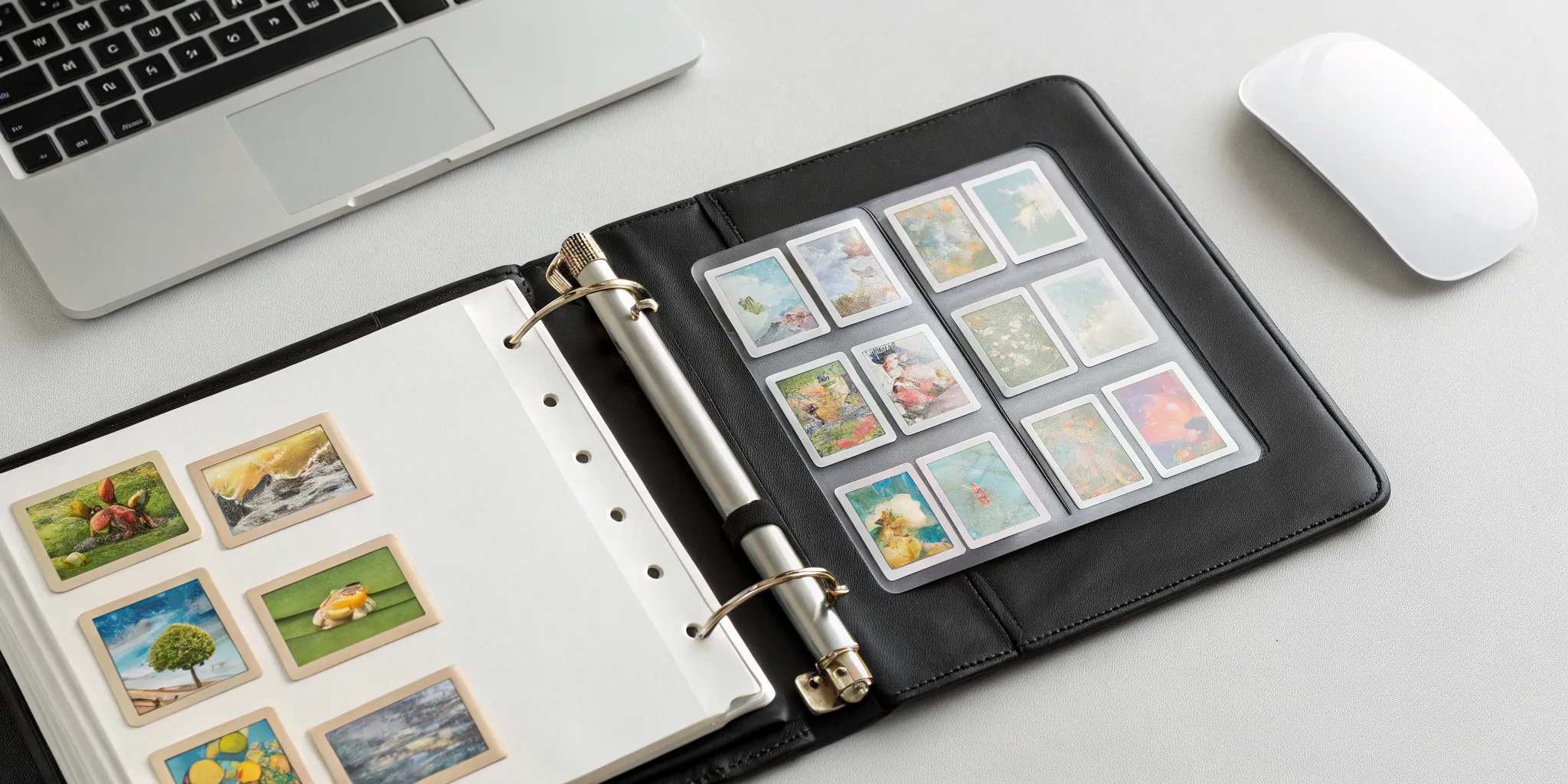
Whether you just pulled a stunning Special Illustration Rare or you’re thinking about investing in a sealed box, the first question is always the same: What is it actually worth? Figuring out the value of your Pokémon 151 cards can feel overwhelming, with prices that seem to change daily. It all comes down to a few key factors: the card’s rarity, its physical condition, and the current collector demand. Learning to assess these elements is the most important skill you can develop as a collector. This 151 price guide is designed to be your go-to resource, walking you through how to evaluate your cards and find their true market value.
Key Takeaways
- Know What Drives the Market: The Pokémon 151 set's high value is a direct result of its powerful nostalgic appeal and limited print runs. Understanding that this combination of high demand and low supply keeps prices strong will help you make smarter buying and selling decisions.
- Prioritize Card Condition for Maximum Value: A card's physical state is the single most important factor in determining its price. For your best pulls, professional grading is essential to lock in their top market value, as a pristine grade can dramatically increase what a card is worth.
- Collect with a Clear Goal: Decide if you want to complete the set efficiently by buying single cards or invest in sealed products for potential long-term growth. Once you have a plan, use online price guides and portfolio trackers to monitor your collection's value and stay on top of market trends.
Why Are Pokémon 151 Cards So Valuable?
The Pokémon TCG: Scarlet & Violet—151 set has taken the collecting world by storm, and for good reason. It’s not just another release; it’s a carefully crafted experience that hits all the right notes for both new and veteran fans. The high value of these cards comes down to a powerful combination of nostalgia, limited availability, and stunning artwork. This trifecta has created a massive demand that continues to drive prices up, making it one of the most sought-after sets in recent memory. Let's break down exactly what makes these cards so special.
The Appeal of the Original 151
For many collectors, the 151 set is a trip back in time. It was specifically designed to resonate with fans of the original Pokémon games, featuring the iconic first-generation Pokémon like Bulbasaur, Charmander, and Squirtle. This isn't just about collecting cards; it's about reconnecting with a piece of childhood. The strong emotional connection fuels a desire to complete the set, creating a consistent and passionate demand. When you pull a card you’ve loved for decades, the feeling is unmatched, and that shared experience is a huge part of what makes this set so popular and valuable.
Scarcity and Limited Print Runs
A major factor behind the soaring prices is simple supply and demand. The 151 set had a more limited print run compared to other modern sets, meaning there are fewer cards to go around. As collectors and investors snapped up booster bundles and boxes, the available supply quickly dwindled. Once major retailers sell out, the prices on the secondary market tend to climb and rarely come back down. This scarcity creates a competitive environment where collectors are willing to pay a premium to get their hands on the cards they need, especially the rarer ones.
Unforgettable Card Artwork
Beyond nostalgia, the artwork in the 151 set is truly exceptional. The special illustration rares, in particular, are masterpieces that tell a story and showcase Pokémon in unique, captivating ways. Condition is also king when it comes to value. A perfectly graded card, like a PSA 10, can be worth significantly more than an ungraded or lower-grade version of the same card. The combination of beautiful art and pristine condition turns a piece of cardboard into a high-value collectible, with some of the top cards fetching hundreds or even thousands of dollars.
The Most Valuable Cards in Pokémon 151
The Pokémon 151 set is packed with nostalgia, but it also holds some serious value for collectors. If you're hunting for the biggest hits, you'll want to keep your eyes peeled for a few specific cards that stand out from the rest. These are the "chase cards" of the set, the ones that can make opening a pack an unforgettable experience. From iconic starters to beloved trainers, the Special Illustration Rares are where you'll find the most excitement and the highest price tags. Let's get into the top cards you should be looking for and what makes them so special.
Charizard ex Special Illustration Rare
It’s no surprise that Charizard sits near the top of the list. The Charizard ex Special Illustration Rare (#199) is the ultimate chase card for many collectors in the 151 set. The artwork is absolutely stunning, showing a powerful Charizard surrounded by fiery energy. This card consistently commands high prices, often selling for hundreds of dollars depending on its grade. Its value comes from a perfect storm of factors: Charizard's legendary popularity, the card's incredible visual appeal, and its rarity. You can track its current market price to see how it fluctuates.
Mew ex Ultra Rare Cards
While Charizard might be the king, Mew is pure magic. The most sought-after Mew in this set is the Mew ex Special Illustration Rare (#205). This card features a breathtaking cityscape with Mew playfully floating above it all, capturing the Pokémon's whimsical nature. Because of its beauty and Mew's fan-favorite status, this card is another high-value pull. There's also the gold Mew ex Hyper Rare (#232), which offers a different kind of visual flair and holds significant value. For either card, professional grading can dramatically increase its worth, turning a great pull into a top-tier collectible.
Erika's Invitation Special Illustration Rare
It’s not just about the Pokémon; trainer cards can be incredibly valuable. The Erika's Invitation Special Illustration Rare (#203) is a perfect example. This card is a huge hit with collectors due to its beautiful, serene artwork featuring the popular Celadon City Gym Leader. Full-art trainer cards, especially those depicting beloved characters, have a dedicated following in the community. This keeps their prices strong, and you can see the current value of Erika's Invitation online. It's one of the most valuable trainer cards in the Scarlet & Violet era, making it a fantastic find.
Other High-Value Cards to Look For
Beyond the top three, the 151 set is full of other valuable hits. You can’t forget the other original starters! The Blastoise ex (#200) and Venusaur ex (#198) Special Illustration Rares are also highly sought after. Both feature dynamic artwork that brings the classic Pokémon to life and they command impressive prices. Other notable pulls include the Special Illustration Rares for Zapdos ex (#202) and Alakazam ex (#201). While they might not reach Charizard's heights, these cards are still major pulls that add significant value. Checking a complete Pokémon 151 price guide can help you spot all the hidden gems.
What Drives a Card's Value?
Ever wonder why one Pokémon card is worth a few bucks while another commands thousands? It’s not random magic. A card's market price comes down to a combination of its history, condition, and what the community thinks about it. Understanding these key factors is the first step to thinking like a serious collector. When you know what to look for, you can better estimate a card's potential and make smarter decisions for your collection. Let's break down the three main drivers behind a card's value.
Rarity and Print Run Size
At its core, a card's value is tied to basic supply and demand. The fewer copies of a card that exist, the more valuable it becomes. This is why cards from limited print runs or special sets often fetch high prices. The Pokémon 151 set is a perfect example. It was specifically created to appeal to fans of the original games, featuring iconic Pokémon like Bulbasaur, Charmander, and Squirtle. This built-in nostalgia created a massive wave of demand. When that high demand meets a finite supply, you get a huge jump in price as collectors compete for a piece of the pie.
How Grading Affects Price
Condition is everything in the trading card world. A card fresh from the pack is worth more than one that’s been sitting in a shoebox for years. This is where professional grading comes in. Companies like PSA (Professional Sports Authenticator) evaluate a card's condition based on its corners, edges, centering, and surface, then assign it a score from 1 to 10. A perfectly graded Gem Mint 10 card can be worth many times more than the exact same card in an ungraded condition. Looking at 151 card prices, you can see a massive difference between the value of a raw card and its PSA 10 equivalent.
Collector Demand
A card is ultimately only worth what someone is willing to pay for it. This is the "hype" factor, driven by character popularity, artwork, and overall market trends. A Charizard card, for example, will almost always have high demand because he's a fan-favorite character. Demand is what makes the market move, and it’s tracked by following what cards have actually sold for on sites like eBay. Collector behavior also plays a huge role. When many collectors decide to keep their booster bundles sealed instead of opening them, it reduces the number of single cards entering the market, driving up the value of the cards that are available.
How to Grade Your Cards for Accurate Pricing
Figuring out what your Pokémon 151 cards are worth starts with a close, honest look at their condition. A card’s grade is one of the most significant factors driving its price. A pristine, perfectly preserved card can be worth hundreds or even thousands more than the exact same card with a few scuffs and softened corners. While professional grading services like PSA, Beckett, and CGC provide the official scores that seal a card’s market value, learning to assess your cards yourself is a vital skill. It helps you manage your expectations, decide which cards are worth the grading fees, and price your collection accurately if you decide to sell.
Grading might seem intimidating, but it really just comes down to carefully examining four key areas: the centering, corners, edges, and surface. Think of yourself as a detective looking for clues. You’ll want a soft, clean surface to work on and a good light source, maybe even a magnifying glass, to catch every little detail. By being thorough and objective, you can get a solid idea of your card’s potential grade and its standing in the market. This initial self-assessment is your first step toward understanding the true value of your collection.
Check the Surface and Centering
First, let’s talk about centering. This refers to how well the artwork is framed by the card’s yellow borders. In a perfectly centered card, the borders will be the same width on all four sides. You can use a ruler or just eyeball it. If the art is shifted too far to one side, top, or bottom, the card will score lower. Next, examine the surface under a bright light, tilting the card to see it from different angles. You’re looking for any imperfections like scratches, scuffs, print lines, or fingerprints. A detailed Pokémon card condition guide can give you visual examples of what to look for on both the front and back.
Inspect the Corners and Edges
The corners and edges are quick indicators of how much a card has been handled. Ideally, all four corners should be perfectly sharp and pointed. Any rounding, softness, or fraying will bring the grade down. Next, run your eyes along all four edges. You’re looking for any signs of wear, which often appears as white specks or chipping along the blue border on the back of the card. This "whitening" is very common on cards that have been played with or stored improperly. Even a few tiny nicks can prevent a card from getting a top grade, as TCGplayer's card conditioning overview explains.
Avoid These Common Grading Mistakes
One of the easiest traps to fall into is what I call "collector's bias." It’s natural to want your favorite card to be in perfect condition, but letting your hopes cloud your judgment will only lead to disappointment. Be your own toughest critic and look at the card as if you were the one buying it. Ignoring a card's true condition is one of the biggest mistakes new collectors make, so it pays to be objective. Also, remember that damage can happen in an instant. Always handle your cards with clean hands and never place them on a rough surface to avoid adding new scratches or dings.
How 151 Prices Stack Up Against Other Sets
It’s easy to get caught up in the excitement of a new set, but smart collectors always keep an eye on the bigger picture. The Pokémon 151 set isn’t just popular; it’s performing in a way that sets it apart from many of its contemporaries. While other sets from the Scarlet & Violet era are seeing a general cooling off in demand and prices, 151 is heating up. This contrast makes it a fascinating set to watch, whether you’re ripping packs for fun or building a long-term collection.
The unique position of 151 in the market is a hot topic among collectors. Its blend of modern card design with the original Kanto Pokémon creates a powerful nostalgic pull that other recent sets just can’t match. This has helped it maintain momentum and value where others have started to dip. Understanding how 151 compares to the rest of the field is key to making informed decisions about what you buy, hold, or trade.
Comparing 151 to Other Popular Sets
If you follow the card market, you’ve probably noticed a trend with recent Scarlet & Violet releases. Many sets experience an initial hype cycle, followed by a gradual decline in single card prices as supply catches up with demand. However, 151 has largely bucked this trend. While other modern sets are seeing softer prices, 151 continues to show strong and sustained interest. This resilience is a major reason why it’s become a standout favorite for both players and collectors, creating a distinct energy around its cards that you don’t see everywhere else.
Where 151 Stands in the Current Market
Right now, 151 holds a special place in the Pokémon TCG world. It’s not just another release; it’s a cultural event that has captured the attention of the entire community. Market-watching series and pricing platforms consistently feature 151 because of its dynamic performance. The values for its cards are constantly being updated across active Pokémon Scarlet & Violet 151 listings, reflecting a robust and active market. This high level of engagement shows that the set has moved beyond its launch phase and has established itself as a modern classic with serious staying power.
Will 151 Cards Hold Their Value?
This is the big question for anyone thinking about their collection long-term. While no one has a crystal ball, the signs for 151 are promising. The consistent rise in value for sealed products like booster boxes and the strong prices for key singles suggest a bright future. Cards like the Charizard ex, Zapdos ex, and Alakazam ex are not just popular; they’re becoming staples for modern collectors. Online, collectors are discussing how these cards may be wise investments as the market continues to evolve. The combination of iconic Pokémon and stunning artwork gives this set a foundation for lasting value.
What Are Sealed 151 Products Worth?
While pulling that one chase card is an incredible feeling, there's a whole other side to collecting: sealed products. Keeping a product in its original shrink-wrap can be a great investment, as its value often appreciates over time. For a set as popular as Scarlet & Violet—151, the sealed products have become collectibles in their own right. The nostalgia-fueled demand means that many of these items were snatched up quickly, driving their market prices well above their original retail cost. Whether you have a few boxes stashed away or are thinking of buying some, understanding their current worth is key to making smart decisions for your collection. Let's look at the market values for the most popular sealed 151 products.
Booster Box Values
The Pokémon TCG: Scarlet & Violet—151 set is unique because it didn't have a traditional 36-pack booster box in its English release. Instead, fans could buy the Booster Bundle, which contains six booster packs. Originally retailing for just under $27, this bundle has seen a massive jump in value. The intense hype surrounding the set caused a significant price spike, with current market prices hovering around $188 to $195. This incredible increase shows just how much demand there is for a chance to open more 151 packs, making the Booster Bundle a hot commodity for both investors and dedicated collectors.
Elite Trainer Box (ETB) Values
The Elite Trainer Box is often a collector's favorite, and the 151 version is no exception. Packed with nine booster packs, a full-art foil Snorlax promo card, and various accessories, it offers a ton of value right out of the box. While its retail price was around $50, its popularity has kept its sealed value strong. Currently, the 151 Elite Trainer Box is valued at approximately $47, holding its ground well after release. It’s a fantastic display piece and a cornerstone of any sealed 151 collection, making it a sought-after item for both new and seasoned collectors.
Ultra-Premium Collection (UPC) Values
For those looking for the ultimate 151 experience, the Ultra-Premium Collection (UPC) is the top-tier product. This box is loaded with exclusive items, including 16 booster packs, a special gold metal Mew ex card, a promo Mew ex, and a promo Mewtwo. Retailing at $120, its limited availability and high-end collectibles made it an instant must-have. The UPC’s market value is currently around $91, reflecting its desirability. The exclusive cards, especially the metal Mew, make this a standout piece that is highly appealing to serious collectors who want a centerpiece for their collection.
Singles vs. Sealed Products: Which Should You Buy?
One of the biggest questions every collector faces is whether to buy individual cards, known as "singles," or to take a chance on sealed products like booster packs and boxes. There’s no single right answer; it really comes down to your personal goals. Are you trying to complete a set as efficiently as possible, hunting for a high-value investment, or are you just in it for the thrill of the rip? This choice defines your collecting journey. Let's break down the pros and cons of each approach to help you decide where to put your money.
Weighing the Risks and Rewards
Buying singles is the most straightforward path. You know exactly what you’re getting, which is perfect for filling those last few spots in your binder. The risk is minimal; you pay the market price for the card you want. The trade-off is that you miss out on the excitement of discovering a rare card on your own.
On the other hand, sealed products are all about potential. Every pack holds the possibility of pulling a card worth many times its cost. However, the value of Pokémon 151 cards can be volatile, making it a risky investment. You might open an entire booster box and not find the one card you’re chasing. Interestingly, some collectors have started treating sealed products themselves as the investment, keeping them unopened in hopes their value will rise over time.
Choosing an Investment Strategy
Your personal collecting style should guide your strategy. If you’re a completionist aiming to finish the 151 set, buying singles is almost always the most budget-friendly way to get there. For those with an investor mindset, both paths have merit. Keeping 151 products sealed could pay off down the road, while buying a high-potential single and getting it graded can also yield great returns. Remember, the condition of a card makes a huge difference in its value. A PSA 10 grade can turn a great card into an incredible asset. And if you’re here for the adrenaline rush, nothing beats the fun of opening a pack and seeing what’s inside.
Where to Find the Best Deals on 151 Cards
Knowing where to look is half the battle when you're trying to score great deals on Pokémon 151 cards. Whether you're hunting for that last card to complete your set or just starting your collection, the right marketplace can make all the difference. From the thrill of digital pack openings to the community feel of a local shop, you have plenty of options. Let's walk through the best places to find competitive prices and maybe even a few hidden gems for your 151 collection.
Packz Digital Mystery Packs
If you love the excitement of opening a pack, you should check out Packz Digital Mystery Packs. This is a really fun way to get your hands on cards from the Scarlet & Violet 151 set, often at great prices. Instead of buying physical packs, you open them digitally, which adds a whole new layer of fun to the experience. It’s an innovative approach that lets you explore a wide variety of cards without leaving your house. Plus, the instant reveal is perfect for anyone who enjoys the thrill of the hunt.
Online Marketplaces
For collectors who know exactly which single they need, online marketplaces are your best friend. Sites like TCGplayer are trusted hubs where you can buy and sell cards with other collectors. You’ll find a massive selection of 151 cards, making it easier to compare prices and find what you’re looking for. To make sure you’re paying a fair price, you can use a resource like PriceCharting. It gives you a detailed price guide based on actual sales data for both graded and ungraded cards, so you always know the current market value.
Local Card Shops
Don’t forget to check out your local card shops. These stores are more than just a place to buy cards; they’re community centers where you can trade, connect with other collectors, and sometimes find exclusive deals you won’t see online. Visiting a local shop can lead to discovering unique cards and building relationships with people who are just as passionate about collecting as you are. That personal connection can really enrich your collecting experience and might even help you track down that one card you’ve been searching for.
How to Track Your Collection's Value
Knowing the value of your Pokémon 151 collection is key to making smart moves, whether you're looking to sell, trade, or just appreciate what you've got. Staying on top of market fluctuations can feel like a full-time job, but with the right tools, it's actually pretty straightforward. It’s all about having accurate, up-to-date information at your fingertips so you can spot trends and make decisions with confidence. Here’s how you can accurately track your collection’s value without getting overwhelmed.
Use Price-Tracking Tools
To get a real-time pulse on your collection's worth, price-tracking websites are your best friend. These platforms aggregate sales data from major marketplaces like eBay, giving you a clear picture of what cards are actually selling for. Instead of guessing, you get hard numbers. For instance, you can find a comprehensive price guide that shows values for both ungraded and graded cards from the Scarlet & Violet 151 set. This data is constantly updated, ensuring you’re working with the most current market information available. It’s the easiest way to get a reliable baseline for any card in your collection.
Set Up Price Alerts
If you’re watching a specific card and waiting for the right moment to buy or sell, price alerts are a game-changer. Many tracking sites allow you to set up notifications for individual cards. When a card’s price hits a certain threshold or a new sale is recorded, you’ll get an alert. This feature lets you monitor price history and track value fluctuations over time without having to check the site constantly. It’s a simple, proactive way to stay informed and seize opportunities when they arise, helping you make calculated decisions based on real market movement rather than just a gut feeling.
Create a Collection Portfolio
For a more organized and big-picture view, use a tool that lets you build a digital portfolio of your collection. Platforms like Collectr allow you to manage your raw cards, graded slabs, and even sealed products all in one place. By cataloging everything you own, you can see the total value of your entire collection at a glance and watch how it changes over time. This is incredibly useful for understanding your overall investment and identifying which parts of your collection are performing best. It turns a shoebox of cards into a well-managed portfolio.
What's the Future for Pokémon 151 Prices?
Predicting the future of any collectible is part of the fun, and the Pokémon 151 set is no exception. While no one has a crystal ball, we can look at current market behavior and the set's unique appeal to get a good idea of where prices might be headed. The powerful nostalgia for the original Kanto Pokémon gives this set a staying power that many others lack, making its future particularly exciting to watch.
The Long-Term Investment Potential
The 151 set has all the makings of a solid long-term investment. Its focus on the original Generation One Pokémon creates a deep, nostalgic connection with collectors who grew up with the franchise. We're already seeing this play out with sealed products; once prices for items like the 151 Booster Bundle jump, they rarely fall back to their original retail cost. For individual cards, condition is everything. A perfectly graded card can be worth significantly more than an ungraded one, making high-grade copies of chase cards a smart focus for any serious investor. This set isn't just a fleeting trend; it's a celebration of where it all began, which gives it lasting appeal.
Key Market Trends to Watch
The current market for Pokémon 151 is incredibly strong. In just a few months, the value of some sealed products, like the Booster Bundle, has skyrocketed. This isn't happening across the board; while other sets from the Scarlet & Violet era are experiencing softer demand, 151 continues to stand out. This tells us that the demand is specific and driven by the set's unique theme. Keep an eye on the prices of both sealed products and key single cards. These are your best indicators of the set's overall health. The recent price spikes show just how quickly things can change, so staying informed is crucial for making smart buying or selling decisions.
Related Articles
- How to Collect Pokémon Cards: A Beginner's Guide | Packz Blog
- How to Find Accurate Pokémon Card Values | Packz Blog
- Pokémon Graded Cards: Everything You Need to Know | Packz Blog
Frequently Asked Questions
Is it worth getting my Pokémon 151 cards professionally graded? That really depends on the specific card and your goals. For the big-hitter cards, like the Charizard ex or Mew ex Special Illustration Rares, getting a high grade from a service like PSA can multiply its value. If you've self-assessed a card and it looks nearly perfect, grading is a smart move. For more common cards or those with visible wear, the cost of grading likely won't give you a good return.
Why is the Charizard ex from this set so much more valuable than other cards? Charizard has been the face of high-value Pokémon cards for decades, and that legacy creates a huge amount of collector demand. In the 151 set, its Special Illustration Rare card combines that immense popularity with breathtaking artwork and a low pull rate. It’s the perfect combination of a fan-favorite character, beautiful art, and scarcity, which is why it stands out as the set's ultimate chase card.
I'm new to collecting. Should I buy individual cards or sealed packs? This comes down to what you want out of collecting. If your main goal is to complete the 151 set, buying individual cards (singles) is the most cost-effective way to do it. You get exactly what you need without the gamble. If you enjoy the surprise and the thrill of the hunt for a rare pull, then buying sealed products like booster packs is where the fun is.
Will the prices for Pokémon 151 cards ever go down? While the card market always has small ups and downs, it's unlikely that the key cards and sealed products from 151 will see a major, permanent price drop. The set's limited print run and its powerful connection to the original 151 Pokémon give it a strong foundation for long-term value. As sealed products become harder to find, the prices for both the boxes and the cards inside tend to hold steady or climb over time.
What makes a "Special Illustration Rare" different from other rare cards? A Special Illustration Rare is a full-art card that features unique, story-driven artwork. Instead of just showing the Pokémon in a standard pose, these cards often depict them in their natural environment or interacting with other characters, creating a small scene. This exceptional level of artistry and detail makes them feel more like miniature masterpieces than simple playing cards, which is why they are so highly sought after by collectors.
Packz offers a 100% buyback option on eligible pulls, subject to current terms.
Recommended Reading
Cash for Graded Sports Cards: The Fastest Ways to Sell
Get cash for graded sports cards faster. Compare auction houses, marketplaces, and instant buyback options to pick the route that fits your timeline.
How to Compare Value in Sports Card Packs
Learn how to compare sports card packs using card quality, available pulls, pricing clarity, and Packz’s 100% buyback option.
How to Buy Pokemon Packs Online for Ripping
Ready to buy pokemon packs online for ripping? Get transparent pack value and clear pull odds so you never overpay for the thrill of the hunt. Start collecting safely.