
May 4, 2026
How to Use Trading Card Comps to Value Your Cards
Learn how trading card comps help you find accurate card values, set fair prices, and make smarter buying, selling, and trading decisions in your collection.
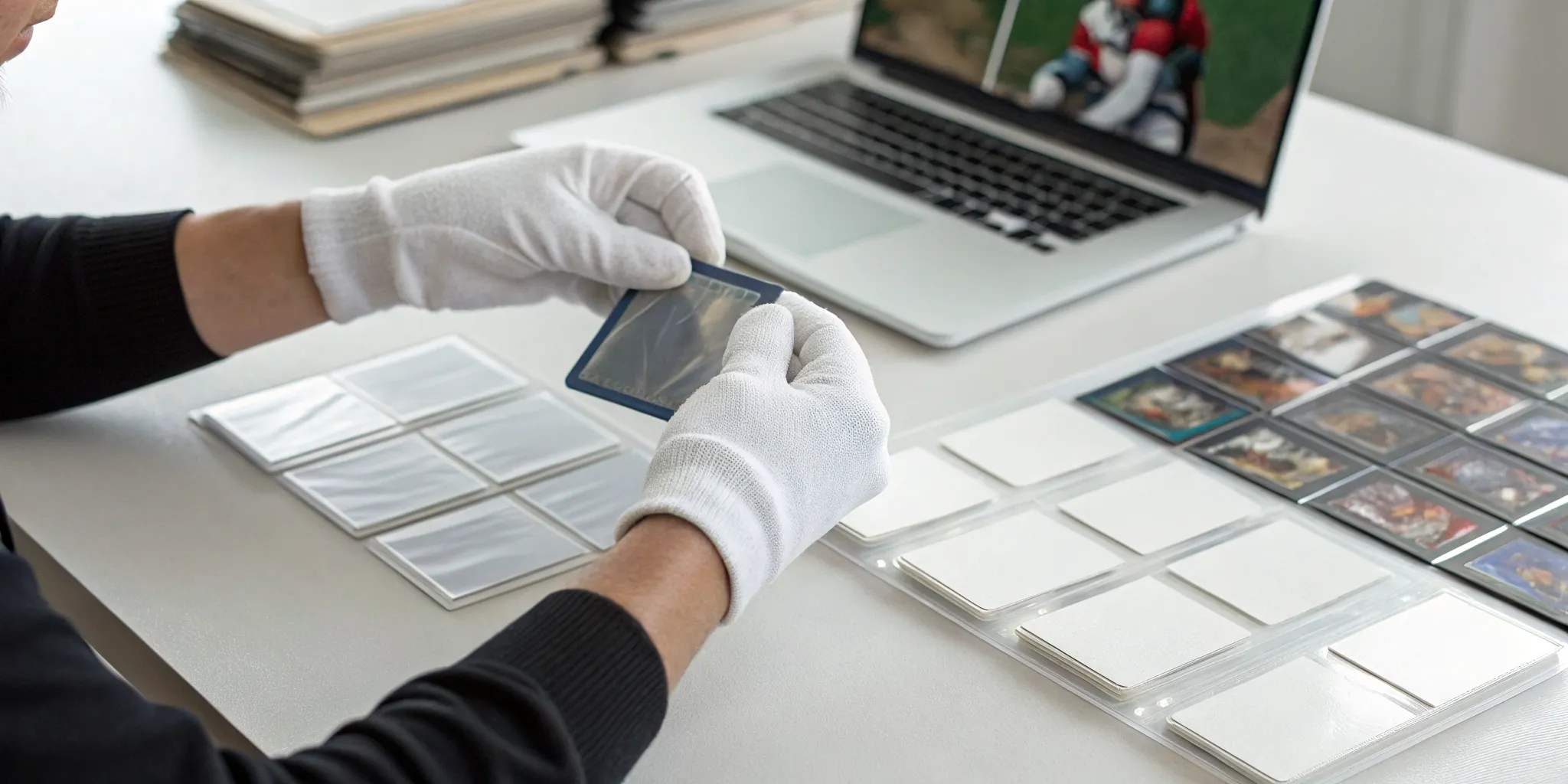
There’s nothing like the thrill of pulling a monster card from a pack. That initial excitement is quickly followed by a big question: What is this actually worth? To answer that, you need to look beyond asking prices and dive into the real market data. This is where understanding trading card comps becomes essential. They show you what identical cards have recently sold for, giving you a true snapshot of its value. This knowledge empowers you to decide whether to have your new card shipped, hold onto it, or sell it back to us here at Packz for the best possible value.
Key Takeaways
- Focus on what cards actually sell for, not what sellers are asking: A card's true market value is based on completed sales, known as comps. Using this data is the most reliable way to determine a fair price and avoid overpaying for a card or selling one for too little.
- Always consider the context behind the price: A single sale price doesn't tell the whole story. To make an accurate comparison, you must look at the card's grade, the date of the sale, and prices across different platforms to get a complete picture of its value.
- Use comps as your strategic playbook for collecting: This data is more than just a pricing tool; it empowers you to negotiate better deals, spot undervalued cards, and identify market trends, helping you build a smarter, more valuable collection over time.
What Are Trading Card Comps and Why Do They Matter?
Whether you’re looking to sell a prized card, snag a deal, or just understand the value of what’s in your collection, you need a reliable way to determine what a card is worth. Asking prices can be all over the place, and what a price guide said last year might be completely outdated. This is where trading card comps come in, and they are the single most important tool for any collector. Learning how to use them effectively is a game-changer.
Comps are the bedrock of card valuation, giving you a real-time look at the market based on what buyers are actually paying. By understanding how to find and analyze them, you can move from guessing a card's price to knowing its true market value. This knowledge is your best tool for making smart decisions, whether you're buying a single card, trading with a friend, or deciding whether to sell a card back to us here at Packz. It protects your investments, helps you spot great opportunities, and lets you get the most out of the hobby. Think of it as your secret weapon for building an amazing collection. In the following sections, we'll break down exactly what comps are, how they work, and where you can find them.
What Are Comparable Sales?
"Comps" is collector shorthand for "comparable sales." It simply refers to the prices that cards identical or very similar to yours have recently sold for. Think of it like valuing a house. A real estate agent doesn't just guess a price; they look at what similar homes in the same neighborhood have sold for recently. In the card world, comps serve the same purpose. They provide a benchmark based on actual, completed transactions, not just what sellers are asking. This is the most accurate way to get a snapshot of a card's current market value and is a fundamental concept for any serious collector.
How Comps Determine a Card's Value
Comps are the data points that reveal a card's true market value. A card is ultimately worth what someone is willing to pay for it, and comps show you exactly that. Instead of relying on listed prices, which can be inflated, you're looking at real money that has changed hands. For example, some services help collectors find deals by comparing current "Buy It Now" prices on eBay to the average recent sale price of the same card. This direct comparison shows whether a card is priced fairly, is a great deal, or is completely overpriced. Using recent sales data is the most reliable method for valuation.
Debunking Common Myths About Card Values
A common myth in the hobby is that it's too late to start collecting and that you've missed the boat on all the valuable cards. That couldn't be further from the truth. The reality is that collecting has very few barriers to entry, and everyone starts from the same place: square one. Learning to use comps is one of the fastest ways to get up to speed. It gives you the same information that seasoned collectors use to make decisions. Your success in the hobby isn't about when you start; it's about your willingness to learn the market. Understanding comps is a key skill that empowers you to build a great collection, regardless of your experience level.
Where to Find Reliable Trading Card Comps
Knowing where to look for comps is the first step toward accurately valuing your collection. Relying on a single source can give you a skewed picture, so it’s best to consult a few different places to get a well-rounded view of a card's market value. Think of it like getting a second opinion. Some sources are great for tracking real-time sales, while others provide historical data that shows you long-term trends.
The most reliable comps come from actual, completed sales. An asking price on a listing isn't a comp; it's just what a seller hopes to get. The real value is what someone was willing to pay for it. Luckily, there are several excellent resources that track this exact information. From sprawling online marketplaces to niche price guide websites, you have plenty of tools at your disposal. By combining data from these different sources, you can build a much more confident and accurate assessment of what your cards are truly worth.
Online Marketplaces and Auction Sites
The most direct way to find comps is to see what cards are actually selling for. Websites like eBay are a goldmine for this, but you have to know how to look. Don’t just search for a card and look at the current listings. Instead, use the advanced search filters to show only "Sold Items." This will give you a list of what buyers have recently paid. For an even easier approach, you can use a tool like 130point.com, which gathers recent sales data from eBay and other major auction houses. It’s a fantastic resource for getting a quick, accurate snapshot of the market.
Dedicated Price Guide Websites and Apps
If you want a more organized database of card values, dedicated price guide sites are your best friend. These platforms aggregate sales data and present it in an easy-to-digest format, often with charts showing a card's price history. A great example is SportsCardsPro, which offers free price guides for a huge range of sports cards, including values for both graded and ungraded versions. These sites are perfect for quick lookups and for tracking how a card’s value is trending over time. Just remember to cross-reference the prices with recent sales to confirm their accuracy.
Professional Grading Company Databases
For higher-end cards, the grade is a massive factor in its value. Professional grading companies like PSA, BGS, and CGC are the industry standard, and their databases are an essential resource. Many collectors of valuable cards will expect them to be graded before a sale. These companies often provide population reports, which tell you how many cards have received a certain grade, giving you a clear idea of its rarity. PSA also has its own price guide based on auction results for the cards it has graded, making it a crucial tool for valuing top-tier collectibles.
Community Forums and Trading Groups
Never underestimate the power of the collecting community. Online forums like Reddit, along with dedicated Facebook and Discord groups, are buzzing with constant chatter about card values, trades, and recent sales. These communities are a fantastic place to get real-time market insights that data-driven sites might miss. You can ask for price checks, see what cards are currently in high demand, and learn from seasoned collectors. Your best strategy for growth in the hobby is often to simply talk to other people who share your passion.
How to Analyze Trading Card Comps
Finding a list of recent sales is just the first step. The real skill lies in knowing how to interpret that data. A comp is more than just a number; it’s a snapshot of a specific transaction at a particular moment in time. To truly understand a card's market value, you need to look at the context surrounding that sale. Factors like the card's physical condition, the timing of the sale, and even the platform it was sold on can dramatically affect its price. By digging into these details, you can move from simply looking at comps to actually analyzing them, which is the key to making smarter decisions for your collection.
Check the Card's Condition and Grade
The most important factor in a card’s value is its condition. A pristine, gem mint card will always be worth more than the same card with soft corners or surface scratches. This is why you must compare apples to apples. When you look at a comp, check if the card was graded by a reputable company like PSA, BGS, or SGC. A PSA 10 comp is not a valid comparison for a raw, ungraded card you’re trying to value. If you’re collecting for fun, raw cards are a great, affordable option. But if you’re investing, grading can protect your card’s value and make it easier to sell later.
Consider Market Timing and Recent Sales
The trading card market moves fast. A player getting hot, a big announcement, or a shift in collector interest can cause prices to swing wildly in just a few weeks. A comp from six months ago might as well be from another era. Always prioritize the most recent sales data you can find, ideally from the last 30 days. This gives you the most accurate picture of the card's current market value. Not all comps are created equal, and understanding these nuances will help you avoid overpaying for a card or selling one for less than it's worth. Stay informed and focus on what’s happening right now.
Spot Fake Sales and Incorrect Listings
Unfortunately, not every sale you see online is legitimate. Some prices are inflated by shill bidding, where sellers use fake accounts to bid on their own items. Others are simply unpaid auctions that create a false impression of a card’s value. Always be skeptical of outliers that seem too good to be true. It’s also common for sellers to not title their listings correctly, which can lead to comp tools showing you the wrong card. Always click through to the original listing to verify that the card, year, and specific parallel match the one you’re researching.
Compare Prices Across Different Platforms
Where a card is sold can influence its final price. A card might sell for one price on eBay, another on a specialized marketplace like Goldin, and a different price entirely in a private deal on a forum. Each platform has a unique audience and fee structure. To get a complete view of a card’s value, pull comps from several different sources. This helps you establish a realistic price range rather than relying on a single data point. The rise of digital tools has made it easier than ever to access real-time data from multiple platforms, giving you a more powerful way to analyze the market.
Weigh Rarity Against Market Demand
A card’s rarity is a huge piece of the value puzzle, but it’s not the only one. A super rare card of a forgotten player probably won’t have much value because there’s no demand for it. On the other hand, a relatively common rookie card of a superstar like Michael Jordan or Tom Brady can be incredibly valuable because so many people want it. The card market isn’t always rational, but you can get ahead by understanding the dynamics of rarity and demand. Look at print runs and population reports to gauge supply, then consider the player’s popularity to estimate demand. The sweet spot is finding a rare card that everyone wants.
Use Comps to Make Smarter Trades
Once you get comfortable finding and analyzing comps, you can start using them to make more strategic moves. This data is your key to turning a fun hobby into a rewarding one. Instead of just reacting to the market, you can use comps to actively shape your collection, get better deals, and make smarter decisions every step of the way. It’s about moving from simply knowing a card’s price to understanding its true market value and potential.
Set Fair Buy and Sell Prices
The most direct way to use comps is to set fair prices for your cards. Whether you’re buying or selling, this data acts as your anchor, preventing you from overpaying or underselling. As one collector puts it, "Knowing the 'comps' helps collectors figure out a fair price to buy or sell a card." Before you list a card for sale or make an offer on one you want, a quick check of recent comparable sales gives you a realistic price range. This simple step builds confidence and ensures you’re making transactions that are fair for everyone involved.
Negotiate Better Deals with Comp Data
Walking into a negotiation armed with data is a game-changer. Instead of relying on feelings or opinions, you can ground the conversation in facts. If you think a card is overpriced, you can point to recent sales data to support your offer. This approach is more effective and respectful. One trader on Reddit advises to "bring reason to the table as sometimes sellers price" their cards based on emotion or outdated information. By presenting solid comps, you shift the negotiation from a confrontation to a collaborative discussion about reaching a fair price based on current market value. This is an especially useful tactic when you attend a card show.
Find Undervalued Cards and Market Opportunities
For many collectors, the real thrill is in the hunt for a great deal. Comps are your treasure map. By regularly monitoring sales data, you can spot cards listed for less than their recent average sale price. This could happen because a seller needs a quick sale or isn't aware of a recent spike in value. Some tools are even built specifically for this purpose. For example, the "Cards Under Comps" feature from Sports Card Investor "compares active Buy It Now listings to the most recent daily average sales price for the same card" to find the best deals. This is how you can find undervalued gems and add serious value to your collection.
Build a Long-Term Trading Strategy
Comps aren't just for single transactions; they're essential for building a long-term strategy. By looking at sales data over weeks or months, you can identify trends. Is a certain player’s market heating up? Is a specific Pokémon set gaining momentum? Looking at a 30-day average sale price gives you a more stable picture of a card's value than a single sale. With data that is often "95-99% accurate," you can make informed decisions about which cards to hold and which to sell. This historical perspective helps you move beyond short-term flips and build a collection that grows in value over time.
Related Articles
Frequently Asked Questions
What’s the difference between a price guide and a comp? Think of it this way: comps are the raw ingredients, and a price guide is the finished meal. A price guide website gathers data from recent sales (the comps) to create an estimated value. This is helpful for a quick look, but the data can sometimes be a little old. Looking at the comps yourself gives you the most current, unfiltered information directly from the market, which is why it's the most accurate method for valuation.
How recent does a sale need to be to be a reliable comp? The card market can change quickly, so the more recent the sale, the better. A good rule of thumb is to focus on sales from the last 30 days. If a player gets hot or a new set is released, a card's value can shift in a matter of weeks. A comp from six months ago might not reflect the card's true value today, so always prioritize the freshest data you can find.
What should I do if I can't find any recent sales for my exact card? This is common with rare or obscure cards. When this happens, you have to do a little detective work. Look for comps of the next closest thing. This could be the same card with a slightly different grade (like a PSA 8 instead of a 9), a different parallel version of the same card, or even a similar card of a player with a comparable career. You can then adjust your estimated value up or down based on those differences.
How do I use comps for my raw, ungraded cards? Valuing raw cards with comps is a bit trickier because condition is so subjective. Your best bet is to look for other raw card sales of the exact same card. Pay very close attention to the pictures and descriptions in those sold listings to see if their card's condition matches yours. Be prepared for a wider range of sale prices, as a raw card that looks perfect will sell for much more than one with visible flaws.
Is it better to use an average of several comps or just the single most recent sale? While the most recent sale is important, relying on just one can be misleading. That single sale could have been unusually high or low for any number of reasons. It's much smarter to look at the last five to ten sales and find an average price. This gives you a more stable and realistic picture of the card's market value and helps you ignore any single outlier that doesn't fit the pattern.
Recommended Reading

Cash for Graded Sports Cards: The Fastest Ways to Sell
Get cash for graded sports cards faster. Compare auction houses, marketplaces, and instant buyback options to pick the route that fits your timeline.

How to Compare Value in Sports Card Packs
Learn how to compare sports card packs using card quality, available pulls, pricing clarity, and Packz’s 100% buyback option.

How to Buy Pokemon Packs Online for Ripping
Ready to buy pokemon packs online for ripping? Get transparent pack value and clear pull odds so you never overpay for the thrill of the hunt. Start collecting safely.