
May 5, 2026
How to Value Bowman Autograph Cards Like a Pro
Learn how to value Bowman autograph cards with confidence. Get expert tips on rarity, grading, and player potential to make smarter collecting decisions.
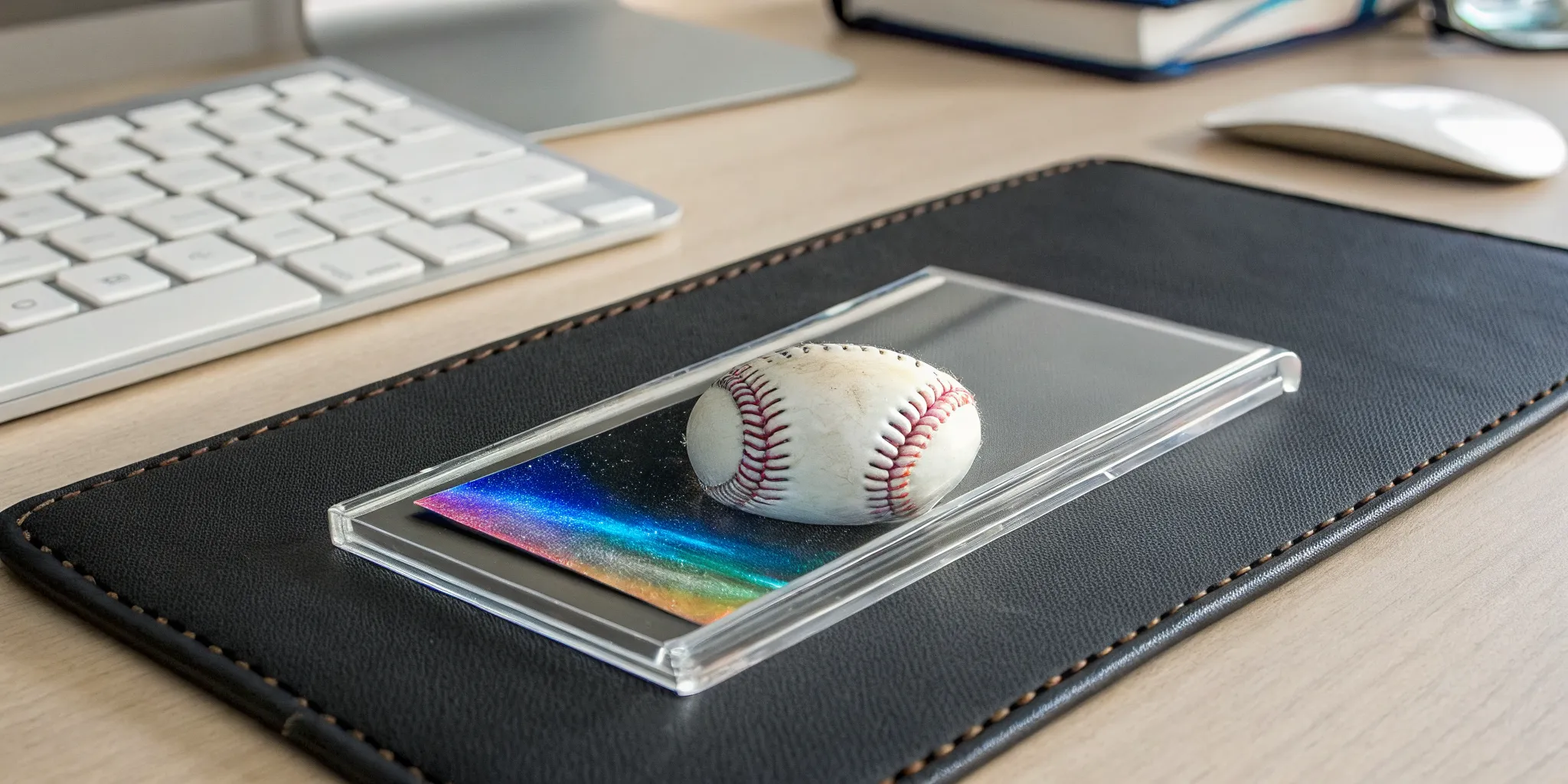
The thrill of collecting is often about the hunt for the next big thing. You’re not just buying a piece of cardboard; you’re investing in a player's potential. This is the entire idea behind Bowman autograph cards. While other brands focus on established stars, Bowman is famous for being the first to print cards of promising minor league players. Getting a player’s signature on their very first professional card is a huge deal for collectors. It’s a tangible piece of their journey from the very start. If that prospect gets called up and becomes a superstar, the value of that first signed card can skyrocket.
Key Takeaways
- Prioritize the "1st Bowman" Logo: This is the single most important feature on a prospect card, signifying it's the player's debut in a Bowman set. Owning this card is like getting in on the ground floor, as its value is directly tied to the player's future career success.
- Scarcity and Condition Drive Price: A player's potential is just the start; a card's real market value comes from its rarity and physical shape. Seek out cards with low serial numbers, rare color parallels, and high grades from services like PSA to find the most desirable collectibles.
- Buy the Player, Not the Hype: The smartest collectors avoid overpaying during release-day excitement. Instead, do your own research to find undervalued players, learn to spot market cycles for better entry points, and always confirm a card's condition before you buy.
What Is a Bowman Autograph Card?
If you’ve spent any time in the sports card world, you’ve probably heard the name Bowman. Bowman autograph cards are some of the most sought-after collectibles in the hobby, especially for baseball. But what exactly makes them so special? In short, these cards represent a bet on the future. They are often the very first cards featuring up-and-coming prospects, complete with a certified autograph. Finding the right Bowman auto can feel like discovering a future Hall of Famer before anyone else knows their name. To really get what makes these cards tick, it helps to understand where they came from and what to look for.
A Brief History of Bowman Cards
The story of Bowman is a big part of the history of sports cards. While trading cards first appeared in the 19th century, the hobby exploded after World War II. The Bowman Gum Company jumped into the market, competing directly with rivals like Topps and Leaf. This competition fueled a golden age for collectors in the 1950s, with Bowman producing some of the most iconic baseball sets of the era. Though Topps eventually acquired Bowman in 1956, it revived the brand name in 1989. Today, Bowman is synonymous with prospect cards, carrying on a legacy that has captivated collectors for decades.
What Makes These Autographs So Special?
What really sets Bowman autographs apart is their focus on the future. While other brands feature established stars, Bowman is famous for being the first to print cards of promising minor league players. Getting a player’s autograph on their very first professional card is a huge deal for collectors. It’s a tangible piece of their journey from the start. This focus isn't limited to just baseball; the Bowman brand) has also produced football and basketball cards over the years. Owning a Bowman autograph is like holding a lottery ticket. If that prospect gets called up and becomes a superstar, the value of that first signed card can skyrocket.
Understanding the "1st Bowman" Logo
When you're looking at Bowman cards, the most important detail to find is the "1st Bowman" logo. This small icon, usually printed on the card front, signifies that this is the very first time that player has been featured in a Bowman product. For collectors, this is the card to own. It’s considered the player’s true prospect card, and its value reflects that status. As you might expect, these cards are highly sensitive to player performance. A "1st Bowman" card's value can jump right after a new set is released and again just before a player gets their call-up to the major leagues. Always check for that "1st" logo; it’s the key to finding a player’s most desirable card.
Why Are Bowman Autographs So Valuable?
Bowman autographs are a cornerstone of the modern baseball card hobby, and their value comes from a perfect storm of factors. It’s not just about a player's signature on a piece of cardboard. It’s about timing, rarity, and the collective excitement of the entire collecting community. Understanding these key drivers is the first step to spotting a valuable card. When you see a Bowman auto commanding a high price, it's usually because of the player's potential, the card's limited availability, and the intense demand from fellow collectors.
The Hunt for Future Superstars
The biggest thrill of collecting Bowman autographs is the chase for the next big thing. These cards, especially those with the "1st Bowman" logo, are often a player's very first autographed card on the market. Think of it as getting in on the ground floor. You're betting on a prospect's talent before they become a household name. This speculative nature is a huge part of the value. As a player climbs through the minor leagues, the price of their 1st Bowman auto can climb with them. The value often spikes right after a product is released and then again just before a player gets called up to the majors, as excitement reaches a fever pitch.
Scarcity: The Power of a Limited Print Run
Like any collectible, rarity is a massive factor in a Bowman autograph's value. Base autograph cards are great, but the real money is in the parallels. These are special, color-based versions of the main card that are printed in much smaller quantities. You can identify them by the serial number stamped on the card, which looks something like /499, /150, or even 1/1. The lower the number, the rarer the card. Many cards come in special versions called 'parallels' (like Blue, Green, and Gold), and a low-numbered parallel of a top prospect can be worth thousands more than its base counterpart. That 1/1 Superfractor is the ultimate treasure for many collectors.
High Demand from Collectors
When you combine the excitement of prospecting with the thrill of finding a rare card, you get intense demand. The market for Bowman autographs is deep and active, with everyone from casual fans to serious investors trying to land the next superstar's key card. This widespread interest keeps prices strong and creates a liquid market where cards are constantly being bought and sold. Online marketplaces are buzzing with activity, and you can find Bowman Autograph Baseball Cards at every price point. This high demand ensures that if you pull a great card, there will almost always be someone out there who wants it.
How to Value a Bowman Autograph Card
Figuring out the value of a Bowman autograph card isn't just about looking up a price. It’s about understanding the story behind the card and the player. Several key factors work together to determine what a card is worth, from the player's latest home run to the tiny serial number on the back. Getting a handle on these elements is what separates a casual collector from someone who can spot a great deal. Think of it as developing your own scouting report, but for the cards themselves. By learning to weigh these different factors, you can make smarter decisions, whether you're buying, selling, or just enjoying the cards in your collection.
A Player's Performance and Potential
The biggest driver of a card's value is the player who signed it. A hot prospect hitting tape-measure home runs in the minor leagues will see their card prices climb. You’re investing in their future, betting that they’ll become the next big star. The market is always looking ahead, which is why Bowman 1st cards often see a price spike right before a player gets called up to the majors. Keep an eye on player stats, scouting reports, and even injury news. A player’s consistent performance or a sudden breakout can send their card values soaring, while a slump or injury can cause them to dip. It’s a dynamic market tied directly to what happens on the field.
The Impact of Condition and Grading
A card’s physical condition is critical to its value. A card with sharp corners, clean edges, and a centered image is always more desirable than one with flaws. This is where professional grading comes in. Companies like PSA and BGS assess a card’s condition and encase it in a protective slab with a grade from 1 to 10. Cards that are graded, especially with a high grade like a PSA 10, are usually worth much more than ungraded or "raw" cards. The grade provides a trusted, third-party verification of quality, removing any doubt for a potential buyer and solidifying the card's place in the market.
Market Cycles and When to Buy
Timing can be everything in the card market. When a new Bowman product is released, the excitement is at its peak. As a result, release day prices are often inflated due to the hype. If you buy during this initial rush, it can be tough to get a good return unless you sell very quickly. Often, prices will settle down in the weeks and months following a release. Patient collectors can find better entry points by waiting for the initial excitement to fade. Paying attention to these market cycles, including the offseason when player news is slow, can help you find opportunities to buy low before a player's next big season.
Serial Numbers and Rare Parallels
Not all Bowman autographs are created equal. Many cards have rarer, alternate versions called parallels, which are distinguished by different colors and foil patterns. These parallels are short-printed, meaning a limited number of them are produced. You can usually find a serial number on the card (like 25/99) that tells you exactly how many exist. The simple rule is: the lower the serial number, the rarer the card. Many cards come in special versions called 'parallels' like Blue, Green, Gold, and the ultra-rare Red or Platinum. A Gold Refractor autograph numbered to /50 will almost always command a higher price than a base autograph from the same player.
What to Look for When Buying Bowman Autographs
When you’re ready to add a Bowman autograph to your collection, knowing what to look for can make all the difference between a good buy and a great one. It’s about more than just finding a player you like; it’s about inspecting the card itself with a critical eye. Think of it as a four-point inspection you can run through before any purchase. By checking for authenticity, grade, player potential, and any unique variations, you can feel confident that you’re getting exactly what you paid for and making a smart addition to your collection.
This process helps you understand the true worth of a card and ensures you're building a collection you can be proud of for years to come. It’s the same approach seasoned collectors use to spot gems and avoid costly mistakes. Taking a few extra minutes to verify these details protects your investment and deepens your appreciation for the hobby. Whether you're buying from an online marketplace, a local shop, or pulling a card from a Packz mystery pack, these fundamentals are your best friend. Let's walk through each of these four key areas so you know exactly what to focus on.
Confirm the Card's Authenticity
First things first, you need to be sure the card is the real deal. With valuable cards, counterfeits are always a risk. Start by familiarizing yourself with the look and feel of genuine Bowman cards. Pay close attention to the quality of the autograph; is it crisp and clear, or does it look printed on? Another key detail is the serial number. Many cards are limited edition, meaning only a certain number were made. For example, a stamp like #50/50 means it's the 50th card out of only 50 produced. You can cross-reference these details with official product checklists from various Bowman baseball card sets to confirm the card is a legitimate part of the release.
Check the Grade and Slab
A card’s physical condition has a massive impact on its value. Even a tiny corner ding or a surface scratch can make a difference. That’s where professional grading comes in. Companies like PSA, BGS, and SGC evaluate cards and assign them a grade on a 10-point scale before sealing them in a protective case, often called a "slab." As a general rule, cards that are graded, especially with a high grade like a PSA 10 Gem Mint, are usually worth a lot more than ungraded or "raw" cards. When buying a graded card, always inspect the slab for any cracks or signs of tampering. The grade gives you a reliable, third-party opinion on the card's quality.
Evaluate the Player's Long-Term Potential
You aren't just buying a piece of cardboard; you're buying a piece of a player's career. The value of a Bowman autograph is directly tied to the player's performance and popularity. A "1st Bowman" autograph of a player who becomes a Hall of Famer will be worth exponentially more than one from a player who never makes it out of the minor leagues. Before you buy, do your homework. Look at the player's stats, read scouting reports, and see what experts are saying about their future. The value of a card often reflects how promising the player is, so investing in talent you believe in is a solid strategy.
Look for Variations and Errors
Sometimes, the most interesting cards are the ones with a little something extra. Keep an eye out for parallels, which are variations of a base card that come in different colors and are typically much rarer. You should also look for short prints (SPs) or super short prints (SSPs), which are image variations that are harder to find. Even production mistakes can create a valuable collectible. For example, Topps once acknowledged specific numbering errors on some 2022 Bowman Draft cards, making those particular cards unique. These quirks and rarities are what make the hunt so exciting and can turn a regular card into a prized possession.
Where to Find Bowman Autograph Cards
Knowing what makes a Bowman autograph valuable is half the battle; the other half is knowing where to find them. Your approach will depend on whether you enjoy the thrill of the hunt, the convenience of online shopping, or the community of in-person collecting. Luckily, you have more options than ever to track down that next big card for your collection.
Online Marketplaces
For sheer volume and variety, it’s tough to beat major online marketplaces. Sites like eBay are a fantastic resource where you can find an endless stream of Bowman Autograph Baseball Cards from every year and series. You can search for specific players, graded cards, or rare parallels, and you can often find great deals if you’re patient. Whether you want to bid in an auction or use a "Buy It Now" option, these platforms give you direct access to sellers all over the world, making it easier to find exactly what you’re looking for.
Local Card Shops and Shows
There’s something special about digging through boxes at a local card shop or walking the floor of a card show. These spots are perfect for inspecting cards in person before you buy and connecting with fellow collectors who share your passion. You can also find the latest sealed products, like hobby boxes that give you a fresh chance at pulling a monster autograph. For new releases, the official MLB Shop is another great place to get the newest Bowman baseball card sets right when they drop, giving you first crack at the year’s hottest prospects.
Digital Mystery Packs from Packz
If you love the excitement of opening packs but want a modern twist, you have to check out digital mystery packs. Here at Packz, you can buy and rip packs instantly from your computer or phone. You get the same thrill of revealing the cards inside, with the chance to pull a massive Bowman autograph. The best part? You decide what to do next. You can have any card shipped directly to you, or you can use our buyback feature to instantly sell it for 100% of its value. That credit goes right into your account, letting you open even more packs and continue the hunt.
Auctions and Private Sales
For high-end and investment-grade cards, specialized auction houses are the way to go. Platforms like Goldin and PWCC are where you’ll find professionally graded, rare Bowman autographs, including those coveted PSA 10s that command top dollar. These auctions attract serious collectors, so it’s a great place to see what the market is willing to pay for premier cards. You can also find private sales through collector forums and social media groups, but always be sure to do your homework and verify the seller’s reputation before making a deal.
Common Mistakes to Avoid
We all make mistakes, especially when we're starting out or get caught up in the excitement of a new release. The key is to learn from them. When it comes to valuing and collecting Bowman autographs, a few common missteps can cost you time and money. But don't worry, they're easy to sidestep once you know what to look for. Let's walk through some of the most frequent pitfalls so you can approach your collection with confidence and build a portfolio of cards you're truly proud of.
Buying Into Release-Day Hype
It’s incredibly tempting to jump on a card the second it drops. The buzz around a new Bowman release is electric, and prices for top prospects can soar immediately. The same thing happens right before a player gets their big call-up to the majors. This excitement often creates a bubble, leading to inflated prices that may not hold up over time. While it feels like you need to buy right now, patience is often your best strategy. Waiting for the initial hype to settle can give you a much clearer picture of a card's true market value and save you from overpaying for a player who hasn't proven themselves yet.
Skipping Your Homework on Players
The card market is often driven by a handful of big names everyone is talking about. It's easy to focus only on these top-tier prospects, but that's where you'll find the most competition and the highest prices. The real value can often be found with mid-tier players who are flying under the radar. This is where your research pays off. Instead of just following the crowd, dig into player stats, read scouting reports, and watch game footage. Understanding a player's skills and potential beyond the headlines is how you spot a future star before everyone else does. As many veteran collectors will tell you, hype and projection can drive prices, but solid performance builds long-term value.
Forgetting to Verify Condition and Authenticity
You’ve found the card you want and it looks great online, but it’s crucial to look closer. Even cards straight from the pack can have issues. For example, Topps once acknowledged that a production error led to duplicative numbering on some 2022 Bowman Draft cards. This is why verifying a card's condition and authenticity is a non-negotiable step. Always check for surface scratches, corner wear, and centering issues. If you're buying a raw card, ask for high-resolution photos. For graded cards, confirm the certification number on the grading company's website. A small detail can make a huge difference in a card's final value.
How to Spot a Counterfeit Card
Unfortunately, where there's value, there are fakes. Learning how to identify counterfeit cards is an essential skill for any serious collector. Start by familiarizing yourself with what a real Bowman autograph card looks and feels like. Pay close attention to the card stock; fakes often feel flimsier or have a different texture. Examine the print quality under magnification. Authentic cards have crisp, clean lines, while counterfeits may appear blurry or pixelated. The Bowman "1st" logo and the autograph itself are also key areas to inspect. Compare the card in question to verified examples online. If something feels off, trust your gut and walk away.
How to Spot a Great Deal
Finding a great deal on a Bowman autograph card feels like hitting a home run. It’s about more than just luck; it’s about knowing what to look for and when to act. The real value often lies in cards that the rest of the market hasn't caught onto yet. While everyone else is chasing the hottest names, you can find incredible opportunities by looking just beyond the spotlight. By developing a keen eye for potential and understanding market dynamics, you can find cards with massive upside. Here are a few strategies I use to pinpoint those hidden gems before they become the next big thing.
Find Prospects Before They Break Out
It’s easy to get caught up in the excitement surrounding top-tier prospects, but that hype often comes with a hefty price tag. The real opportunity for a great deal is often with mid-tier players who have solid potential but aren't yet on everyone's radar. As one veteran collector noted, "hype and projection really drive prices," which means you can find better value by looking at players who are still developing. Do your homework on prospects who are a level or two away from the majors. Look for consistent performance, good fundamentals, and positive scouting reports. By investing in these players before they have their breakout season, you position yourself to benefit when the rest of the market finally takes notice.
Follow Market Trends
The sports card market has its own rhythm, and understanding it is key to getting a good price. Bowman 1st autograph cards, for example, often see their value jump right after a new product is released. This is when excitement is at its peak. Prices can then dip a bit before spiking again as a player gets closer to making their major league debut. By following these trends, you can time your purchases strategically. Buying during the quieter periods, like the offseason or mid-season slumps, can save you a lot of money. Patience is your best friend here; wait for the right moment to buy, not when everyone else is rushing in.
Watch for Major League Call-Ups
One of the most predictable and exciting moments for a prospect's card value is their call-up to the major leagues. The anticipation leading up to a player’s MLB debut creates a surge in demand for their Bowman 1st autograph. As one analyst pointed out, this is one of the two main times these cards spike in value. If you’ve been tracking a player in the minor leagues and see them performing well, keep a close eye on team news and prospect reports. Getting your hands on their card just before the official call-up announcement can lead to a quick and significant return as the hype machine kicks into full gear. It’s a classic case of buying the rumor.
Discover Undervalued Players
Sometimes the best deals are hiding in plain sight. These are the players who have the talent but haven't captured the market's imagination yet. Finding them requires a bit of research, but the payoff can be huge. For example, one writer noted that a player's ungraded autograph card was selling for about $10. If that player lives up to the comparisons scouts have made, "that $10 investment could yield significant returns." Look for players who might be recovering from an injury, playing in a smaller market, or simply being overshadowed by a flashier teammate. You can often find these discussions on collector forums.
Top Resources for Tracking Card Values
Knowing a card's true market value is what separates a good collection from a great one. But you don't have to figure it out alone. The hobby is full of incredible resources that can help you track prices, understand trends, and make smarter decisions. Tapping into these tools will give you the confidence to buy, sell, and trade like a seasoned pro.
Price Guides and Sales Data Tools
To get a solid baseline for a card's value, start with price guides and sales data aggregators. Websites like Sports Cards Pro offer a fantastic list of card values, showing you recent sales for both graded and ungraded cards. This helps you see what people are actually paying, not just what sellers are asking. Another great strategy is to keep an eye on auction results. You can see the most watched Bowman Chrome cards on major platforms to get a feel for which players are generating the most buzz and commanding the highest prices in real time.
Collector Forums and Social Media Groups
Sometimes the best information comes directly from the community. Collector forums and social media groups are goldmines for insights you won't find in a price guide. Active communities on platforms like Reddit and Facebook let you ask questions and learn from the collective wisdom of others. You can find Reddit threads where veteran collectors offer advice to newcomers on what to look for. Similarly, Facebook groups often feature detailed discussions about buying strategies, helping you understand the finer points of prospecting for Bowman 1st autos.
Grading Company Population Reports
For a deeper level of analysis, you'll want to look at population reports from grading companies like PSA and BGS. These reports tell you exactly how many of a specific card have been graded and what grades they received. This data is crucial because it directly relates to scarcity. A card with a low population in a high grade (like a PSA 10) is much rarer and more valuable. As some collectors have noted, understanding population counts for Bowman autos is essential when you're trying to determine a card's long-term potential and market ceiling.
Content from Hobby Experts
Learning from people who have been in the hobby for years can save you a lot of time and money. Many experts share their knowledge through blogs, podcasts, and YouTube channels. You can find a great beginner's guide to baseball card prospecting that breaks down market dynamics and what to look for when buying Bowman cards. Even major publications have recognized the growing interest in the hobby, offering guides on how to invest in baseball cards and identify promising players. Following these experts helps you stay informed and build your collection strategically.
Are Bowman Autographs a Smart Investment?
Thinking about Bowman autographs as an investment is a lot like being a scout for a major league team. You’re trying to spot talent early, banking on future success, and hoping for a huge return. While some cards have produced incredible profits for collectors, it’s not a guaranteed home run. Like any investment, it carries risks, and success often comes down to your knowledge, strategy, and timing.
The value of these cards is tied to a player's career, which can be unpredictable. An injury or a slump can cause a card's price to drop, while a breakout season can send it soaring. The key is to approach it with a clear plan. By understanding the history of these collectibles, recognizing market trends, and building your collection with intention, you can give yourself a better shot at making smart moves. Let’s break down what you need to know to decide if this investment is right for you.
A Look at Historical Value
Sports cards are not a new phenomenon; they have a rich history that adds to their appeal. These collectibles first appeared in the 19th century when companies used them to drive sales of products like candy and cigarettes. After World War II, the Bowman Gum Company became a major player, helping to kick off what many collectors call the golden era of sports cards. This long-standing legacy is a big reason why the Bowman brand is so respected today. Its history is woven into the fabric of the hobby, giving its cards an enduring appeal that goes beyond the latest hot prospect. This historical significance provides a solid foundation for their value as long-term collectibles.
Understanding the Risks and Market Swings
The sports card market can be just as exciting and unpredictable as the games themselves. Prices can change quickly, and it’s important to understand why. For example, Bowman 1st cards often see a price spike right after a new product is released, as collectors rush to get the newest cards. Values can jump again right before a promising prospect gets called up to the major leagues. While these swings create opportunities to buy low and sell high, they also create risks. Buying a card at its peak price during a wave of hype could lead to a loss if the player doesn't live up to expectations. Understanding these market cycles is crucial to making informed decisions instead of emotional ones.
How to Build Your Collection Strategically
Building a valuable collection isn’t about luck; it’s about strategy. The first step is always research. Before you even think about buying a card, you should look into its sales history to get a sense of its market value. Many online resources allow you to see a card’s past sales and price history, which helps you avoid overpaying. Another key factor is scarcity. Many cards come in special, limited-edition versions called parallels, which feature different colors or foil patterns. Because fewer of these parallels exist, they are often more valuable than the base version. Focusing on rare cards of promising players is a great way to build a collection with strong potential.
Related Articles
- Topps Autograph Cards: A Collector's Guide | Packz Blog
- Sports Cards 101: Your Guide to Smart Collecting | Packz Blog
Frequently Asked Questions
What's the difference between a "1st Bowman" card and other Bowman cards? The "1st Bowman" logo is the most important detail for a prospect card. It signifies that this is the very first time a player has appeared on a Bowman card, making it their true rookie-era collectible. Any subsequent Bowman cards of that same player will not have this logo and are generally considered less desirable by collectors, even if they also have an autograph.
Are graded cards really worth paying more for? Yes, in most cases. A graded card has been professionally authenticated and its condition has been evaluated on a 10-point scale by a third-party company like PSA or BGS. This grade provides a trusted standard of quality, removing any doubt for a potential buyer. A high grade, especially a Gem Mint 10, almost always makes a card more valuable and easier to sell than an ungraded, or "raw," equivalent.
What's a "parallel," and why does it matter? A parallel is a special, rarer version of a base card. You can spot them by their different colors or foil patterns, and most importantly, they are short-printed with a serial number stamped on the card, such as /499, /50, or even 1/1. This built-in scarcity is what makes them so valuable. A low-numbered parallel of a top prospect will always be worth significantly more than their standard base autograph.
When is the best time to buy a prospect's card? Timing is a huge part of collecting. Prices are often at their highest right when a new product is released or just before a player gets called up to the majors, all due to market excitement. A more strategic approach is often to wait for this initial hype to settle down. You can frequently find better deals during the offseason or after a player has been in the league for a bit and the initial buzz has faded.
How can I find good players to invest in besides the big names? The best value is often found by looking past the top 5 or 10 prospects that everyone is chasing. Do your own research by digging into stats and reading scouting reports on players in the lower levels of the minor leagues. Look for players with consistent performance and strong fundamentals, not just hype. Spotting a talented player a year or two before they become a household name is how you find the best deals.
Recommended Reading
Cash for Graded Sports Cards: The Fastest Ways to Sell
Get cash for graded sports cards faster. Compare auction houses, marketplaces, and instant buyback options to pick the route that fits your timeline.
How to Compare Value in Sports Card Packs
Learn how to compare sports card packs using card quality, available pulls, pricing clarity, and Packz’s 100% buyback option.
How to Buy Pokemon Packs Online for Ripping
Ready to buy pokemon packs online for ripping? Get transparent pack value and clear pull odds so you never overpay for the thrill of the hunt. Start collecting safely.