
May 5, 2026
How to Use a Magnetic Card Holder the Right Way
Learn how to use magnetic card holder correctly to protect, display, and maintain your valuable trading cards with simple, practical steps.
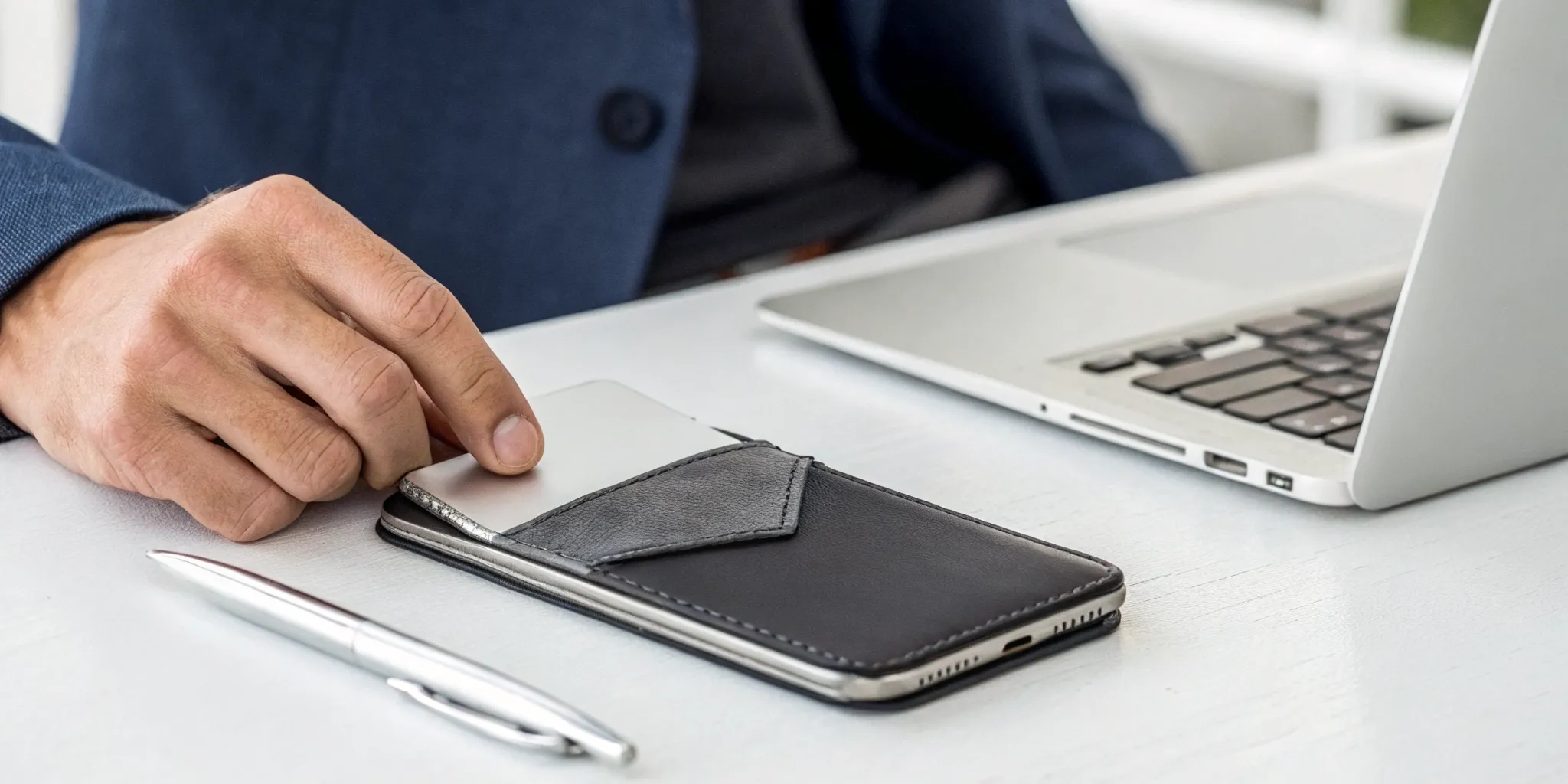
We’ve all been there: you open a pack from Packz and pull the one card you’ve been chasing for months. The adrenaline rush is real, and so is the immediate need to protect it. You know this card is too special for a simple penny sleeve. It needs the best. Magnetic holders are the answer, providing a secure, hard-shell enclosure that keeps your card safe while looking incredible. But moving up to this level of protection involves a small learning curve. To truly safeguard your investment, you need to understand how to use magnetic card holder cases the right way. Let’s walk through the simple steps for opening, inserting, and closing them securely.
Key Takeaways
- Match the holder to your card: A perfect fit is crucial. Select a holder with the correct point (PT) thickness for your card to prevent it from shifting or being compressed, and always opt for UV-protective, acid-free plastic for long-term preservation.
- Always use a protective sleeve: Before placing a card into a magnetic holder, put it inside a soft penny sleeve. This simple, inexpensive step is the best way to guard against surface scratches and helps create a more secure fit inside the case.
- Handle and store with care: Open cases gently using the top indentation instead of force or tools. To maintain the condition of your collection, store your holders upright in a dedicated box, away from direct sunlight and extreme temperatures.
What Is a Magnetic Card Holder and Why Use One?
If you’ve ever pulled a high-value card, you know that feeling of excitement mixed with a little bit of panic. How do you keep it safe? A magnetic card holder is a rigid, two-piece plastic case that snaps together with a strong magnet, creating a secure and crystal-clear enclosure for your most prized trading cards. Think of it as a mini vault for your collection.
These holders are a huge step up from flimsy penny sleeves or even standard toploaders. For any serious collector, they are a game-changer for preserving the value and appearance of your sports, gaming, and collectible cards. The magnetic closure offers seamless access when you need it, but the sturdy construction provides peace of mind that your investment is safe from dust, dirt, and accidental damage. Whether you’re looking to protect a rare Pokémon card or showcase a rookie sports card, a magnetic holder is an essential tool.
Protect your most valuable cards
When it comes to your top-tier cards, protection is everything. A magnetic card holder fully covers your card on all sides, unlike cases that are open at the top. This complete seal is your best defense against the elements that can degrade a card’s condition over time, like dust, dirt, and moisture. The hard-shell plastic also prevents bends, corner dings, and surface scratches that can happen during handling or storage. The beauty of these holders is that they combine robust protection with easy access. The magnetic closure is strong enough to stay shut but simple enough to open without any tools, so you can get to your card without risking damage. It’s the ideal way to preserve the condition of your cards, ensuring they maintain their value for years to come.
Display your collection with pride
While basic toploaders are great for everyday protection and bulk storage, magnetic holders are for showcasing your best cards. They have a clean, professional look that makes your cards seem like they belong in a museum. The crystal-clear plastic and recessed card area frame your card perfectly, drawing attention to its artwork and details without any distraction. For many collectors, choosing the right storage solution has become almost as important as the cards themselves. Putting your favorite card in a magnetic holder shows that you value it. It’s a statement piece, perfect for putting on a stand at your desk or displaying on a shelf. It turns a simple collectible into a true showpiece, allowing you to share your passion with anyone who sees your collection.
How to Open a Magnetic Card Holder
Magnetic card holders are a fantastic way to protect and display your most prized cards. They’re sturdy, look sharp, and the magnetic seal feels so satisfying. But if you’re new to them, figuring out how to open one without damaging your card (or the case itself) can feel a little stressful. You don’t want to accidentally scratch that holographic Charizard or rookie sports card you just pulled.
The good news is there’s a simple technique to it. These holders are designed to be opened with minimal effort, as long as you know where to apply pressure. Once you get the hang of it, you’ll be able to swap cards in and out with confidence. Let’s walk through the right way to do it and cover a few common mistakes to steer clear of.
A step-by-step guide
Opening your magnetic holder is easy when you know the trick. Just follow these simple steps to safely access your card without any fuss.
- Locate the top indentation. Hold the case so the brand logo is at the top. You’ll notice a small lip or recessed area right in the center of the top edge. This is your starting point, designed to give your fingernail a bit of leverage.
- Gently pry the halves apart. Place your thumbnail into that indentation and apply gentle upward pressure. The top piece should pop right off the magnet. You shouldn't need to force it. The right opening technique requires very little strength, just the right angle.
- Swing the top piece open. Most magnetic holders have small hinges at the bottom. Once the magnet is released, the top half will swing open like a door, giving you clear access to the card inside.
Avoid common opening mistakes
Protecting your collection is priority number one, so let’s make sure you’re not accidentally putting your cards at risk. Here are a few things to avoid when opening your magnetic holder.
- Don’t use brute force. If the case isn’t opening, don’t try to wrench it apart. You’ll risk cracking the plastic or, even worse, bending the card inside. The key is finesse, not force.
- Don’t use sharp tools. It might be tempting to grab a knife or a flathead screwdriver to pry the case open, but this is a recipe for disaster. You can easily scratch the holder, and one slip could cause irreversible damage to your card’s surface.
- Don’t slide the halves. These cases are designed to be lifted open, not slid apart. Sliding them can create scuffs on the clear plastic, obscuring the view of your card. Many collectors on forums share tips to avoid these exact issues.
How to Insert a Card Into a Magnetic Holder
You’ve got the perfect magnetic holder, and now it’s time for the main event: placing your prized card inside. This part might seem simple, but doing it correctly is key to making sure your card stays in mint condition. A little care here goes a long way in preventing scratches, corner dings, or other accidental damage. Let’s walk through the right way to do it, step by step, so you can feel confident your collection is secure.
Start with a protective sleeve
Before your card even touches the magnetic holder, it needs to go into a protective sleeve. This is a non-negotiable first step. A soft sleeve, often called a penny sleeve, acts as the first line of defense against surface scratches and scuffs. For an even better fit, many collectors prefer using a “perfect fit” or inner sleeve, which is designed to be extra snug.
This sleeve does more than just prevent scratches; it also helps the card fit securely within the magnetic case, stopping it from shifting around. A card that moves inside its holder is at risk of damaged edges or corners, which is exactly what you’re trying to avoid.
Position your card correctly
With your card safely in its sleeve, it’s time to place it in the holder. Open the magnetic case and identify the back piece, which is the side with the recessed, card-shaped area. Handle your sleeved card by its edges to avoid getting fingerprints on the case or the card itself.
Gently lay the card into this recessed slot. It should fit perfectly within the designated space. Make sure it’s lying completely flat and isn't caught on any edges. Taking a moment to get the positioning right ensures the top of the case will close evenly without putting pressure on the card.
Ensure a secure fit
Once your card is resting in the recessed back, take the front piece of the holder and align it with the back. The powerful magnets will do most of the work, snapping together with a satisfying click. Now for the final, crucial check. Hold the case and give it a very gentle shake. The card should not move or rattle inside.
If you see or hear any movement, the holder might be too thick. A secure, motionless fit is the goal, as this means your card is fully protected from shock and movement. This simple demonstration shows how a properly secured card should look.
How to Securely Close Your Magnetic Holder
You’ve carefully placed your prized card inside its holder, and now it’s time for the final, crucial step: sealing it up. Closing your magnetic holder correctly is what creates that protective barrier against the elements. It might seem simple, but a little attention to detail here goes a long way in keeping your collection in mint condition. Let's walk through how to get that perfect, secure seal every time.
Align the magnets for a perfect seal
Getting a tight seal all comes down to proper alignment. If the two halves of the case are even slightly off, you can leave a tiny gap for dust to sneak in. To close it correctly, gently pull the two pieces apart at the top. Then, align the front piece back onto the holder and simply let the magnets snap together. You should hear a satisfying click, which tells you the magnets have made a solid connection. This ensures the case is sealed tightly, creating a secure environment that protects your card from dust and potential damage. It’s a quick motion that becomes second nature once you’ve done it a few times.
Double-check that it's closed
Once you hear that snap, give the holder a quick once-over. Gently try to wiggle the top and bottom pieces to make sure there’s no give. A securely closed case will feel like a single, solid unit. You should also ensure the card is not moving around inside the recessed area. If it is, you might need a penny sleeve to create a snugger fit. For an extra layer of protection, many collectors place the entire magnetic case into a resealable, clear sleeve. This is a great way to prevent scratches on the case itself and adds another barrier against moisture, keeping your most valuable cards in pristine condition for years to come.
What to Look For in a Magnetic Card Holder
When you pull a card worth protecting, the last thing you want is a case that does more harm than good. While many magnetic holders look the same, the small details make a huge difference in keeping your collection safe. Choosing the right one comes down to three key factors: the materials it’s made from, the strength of its magnetic seal, and getting the perfect size for your card. Let's walk through what makes a great magnetic holder so you can invest in protection that truly lasts.
UV protection and archival-safe materials
Think of your card holder as a long-term home for your prized possessions. You want that home to be built from the best stuff, and that’s where archival-safe materials come in. Look for holders made from non-PVC, acid-free plastic. Cheaper plastics can contain acids that cause your cards to yellow or degrade over time, ruining their condition and value. High-quality holders also offer UV protection, which is essential if you plan on displaying your cards. Just like a painting, your cards can fade from exposure to sunlight or even strong indoor lighting. A UV-protective case acts like sunscreen for your collection, preserving those vibrant colors for years to come.
A strong magnetic closure
The main event of a magnetic holder is, of course, the magnet. A weak or poorly aligned magnet makes for a flimsy case that can pop open unexpectedly. The best holders have a strong magnetic closure that snaps shut with a confident click, creating a tight seal. This is your first line of defense against dust, moisture, and other environmental troublemakers that can sneak in through gaps. More importantly, a secure seal means your card won’t go flying if the case is accidentally dropped or jostled. When you’re shopping, look for holders that feel solid and close securely without any wiggle room. It’s a small detail that provides major peace of mind.
The right size for your cards
This might be the most overlooked, yet critical, part of choosing a holder. Magnetic cases aren't one-size-fits-all. They come in different thicknesses, measured in "points" (PT), and you need to match the 'PT' size of the holder to the thickness of your card. For example, a standard Pokémon or sports card is usually 35pt, while thicker memorabilia or patch cards can be 100pt, 130pt, or even more. Using a holder that’s too thin will squeeze your card, potentially damaging its edges and surface. If the holder is too thick, the card will slide around inside, leading to scuffs and corner wear. The goal is a snug fit where the card is held securely in place without being compressed.
Types of Magnetic Card Holders
When you search for a "magnetic card holder," you'll find a few different products, and it's important to know which one you need. The term can refer to cases for your prized trading cards, but it also describes accessories for your phone. Understanding the difference will help you find the perfect holder to protect and display your collection. Let's walk through the main types so you can get exactly what you’re looking for.
One-touch holders for trading cards
These are the go-to for protecting individual trading cards. Often called "one-touch" holders, they are made from hard, clear acrylic designed to snap shut with a strong magnet. This creates a secure, rigid case that prevents bends, corner damage, and surface scratches. To use one, you simply place your card inside. For extra safety, many collectors place a thin plastic sleeve, or a penny sleeve, over the card first. This small step protects the card’s surface from any potential scuffing against the internal plastic of the holder itself.
Magnetic holders for phones
You might also come across magnetic card holders designed for your phone. These are not for trading cards. Instead, they use Apple's MagSafe technology to attach a small wallet directly to the back of a compatible iPhone. A magnetic ring inside the case aligns with the magnets in the phone, creating a secure connection. These holders are a slim, convenient way to carry your ID and a credit card without the bulk of a traditional wallet. While they are great for your everyday essentials, they won't offer any protection for your Pokémon or sports cards.
Specialty holders for graded cards
If you have cards that have already been graded by services like PSA, CGC, or BGS, you'll need a specialty holder. Graded cards are sealed in their own plastic slabs, which won't fit in a standard one-touch case. Specialty magnetic holders are built specifically for the dimensions of these slabs. They provide a beautiful and secure way to display your most valuable graded cards on a shelf or desk. Since slabs from different grading companies vary in size, make sure you choose a holder that is specifically designed for the type of graded card you own.
Common Mistakes That Can Damage Your Cards
Magnetic holders are fantastic for protecting and showing off your prized cards, but they aren't foolproof. A few simple mistakes in how you use them can lead to the very damage you're trying to prevent. It’s heartbreaking to think you’re keeping a card safe, only to find a corner ding or surface scratch later on. Let's walk through some of the most common slip-ups so you can make sure your collection stays in mint condition for years to come.
Using the wrong size holder
This is probably the most frequent mistake I see. Not all cards are the same thickness, and magnetic holders are designed with specific measurements in mind. Trying to force a thick patch card into a standard holder can pinch the edges and cause permanent damage. On the other hand, putting a thin card into a holder that’s too big leaves it loose. As the Vaulted Collection blog points out, a loose card can "shift and rattle," leading to scuffed surfaces and softened corners. The same goes for graded slabs; they require specialty holders, not standard ones. Always match the holder’s point size to your card’s thickness for a snug, secure fit.
Skipping the protective sleeve
To sleeve or not to sleeve inside a one-touch holder, that is the question. While many magnetic holders are designed for a raw card to fit perfectly, adding a penny sleeve provides an extra buffer against micro-scratches. Think of it as an inexpensive insurance policy for your card's surface. Some collectors worry a sleeve will dull the card's look, but modern sleeves are incredibly clear. Plus, as users on Reddit have noted, some one-touch cases are actually made with enough room to hold a card that's already inside a penny sleeve. It’s best to use a fresh, clean sleeve to avoid trapping any dust or debris against the card.
Storing your collection improperly
Once your card is in its magnetic holder, your job isn't quite done. How you store the holder is just as important. Magnetic holders are a definite upgrade from toploaders and are perfect for showcasing your best cards, but they don't make your collection invincible. Storing them in direct sunlight is a huge no-no, as UV rays can cause fading over time, even with a UV-protective case. You also want to avoid extreme temperatures and humidity, so keep them out of attics and basements. Instead, store your holders upright in a dedicated storage box or on a display stand in a stable, climate-controlled environment to prevent any long-term warping or pressure damage.
How to Clean and Maintain Your Magnetic Holders
Your magnetic holder is the bodyguard for your most prized cards, so it deserves a little care and attention too. Over time, even the best holders can collect fingerprints, dust, and smudges that obscure the view of your card’s beautiful artwork and holographic details. Think of it as keeping the window to your collection sparkling clean. Beyond just looks, a dirty holder can pose a risk. Dust and grit can potentially work their way into the seams, and a holder that’s scratched or compromised can’t offer the top-tier protection your cards deserve. A clear case allows for the best presentation, which is half the fun of collecting.
Maintaining your holders is a simple practice that goes a long way in preserving the condition and value of your collection. It’s not just about preventing damage; it’s also about presentation. When you show off that chase card you just pulled, you want it to look its absolute best, encased in a crystal-clear, pristine holder. Taking a few minutes to clean your cases and inspect them for wear is an easy habit to build. It ensures your cards remain safe, secure, and ready for display. The following steps will guide you on how to clean your holders safely, store them properly, and know exactly when it’s time for a replacement.
Safe cleaning methods
To keep your magnetic holders looking brand new, a gentle cleaning is all you need. Start by wiping the surface with a clean, soft microfiber cloth to remove any dust and fingerprints. For more stubborn smudges, you can lightly dampen the cloth with water. If you need something a bit stronger, a small amount of rubbing alcohol on the cloth works wonders, as it cleans effectively and evaporates quickly without leaving residue. Always apply the cleaner to the cloth, not directly onto the holder. Following these simple cleaning steps ensures your view of the card remains crystal clear without risking scratches or damage to the case itself.
Proper storage tips
How you store your cased cards is just as important as the holders you choose. To preserve both the card and the holder, keep them in a stable, climate-controlled environment away from direct sunlight. Even with UV-protective holders, prolonged exposure to sunlight can cause fading and discoloration over time. Avoid stacking holders directly on top of each other, as this can cause surface scratches and scuffs. Instead, consider storing them vertically in a dedicated, appropriately sized storage box. This method provides a secure and protective environment that prevents them from shifting and keeps your collection organized and in mint condition.
When to replace a worn holder
Even the most durable holders have a lifespan. It’s important to inspect them periodically and know when to swap one out. The most obvious sign is a poor fit. If you notice your card or graded slab can shift or rattle inside, the holder is no longer providing adequate protection. You want the card to securely fit without being too tight. Also, look for deep scratches that obstruct the view of the card, any cracks in the plastic, or a weakened magnetic seal that doesn’t snap shut firmly. Replacing a worn-out holder is a small price to pay to ensure your valuable cards remain safe from potential damage.
Will a Magnetic Holder Affect Your Phone or Credit Cards?
It’s a fair question that comes up a lot: will the magnets in a card holder mess with your phone or credit cards? You’ve invested in your collection and your tech, so the last thing you want is for one to damage the other. The short answer is no, you don’t need to worry. The magnets used in trading card holders are designed specifically for their purpose and aren't strong enough to cause the kind of magnetic mayhem you might be picturing. Let’s break down why your cards and phone are perfectly safe.
Understanding magnetic field strength
One of the biggest concerns is that a magnet could wipe the data from a credit card. While a powerful magnet certainly could interfere with a card’s magnetic stripe, the small magnets in a one-touch holder are nowhere near strong enough to do so. Plus, credit card technology has improved significantly. Most cards now rely on EMV chips, which are immune to magnets, for transactions. The magnetic stripe is often just a backup. So, while the fear is understandable, the risk of a card holder demagnetizing your credit card is extremely low with modern cards.
Safe use with electronics
What about your phone? It’s natural to be cautious about putting magnets near sophisticated electronics. However, modern smartphones are built to withstand minor magnetic fields. In fact, many companies, including Apple with its MagSafe technology, intentionally build magnets into their phones and accessories. The magnets in a trading card holder are designed with one job in mind: to create a firm seal that protects your card. The magnetic force is just strong enough to keep the holder snapped shut, ensuring your cards remain secure without risk of damage or interference with nearby devices.
Related Articles
Frequently Asked Questions
Do I really need to put my card in a soft sleeve before placing it in a magnetic holder? While some collectors prefer the look of a raw card in a holder, I always recommend using a sleeve. Think of it as an inexpensive insurance policy. A soft penny sleeve or a perfect fit sleeve provides a crucial buffer between your card's surface and the hard interior of the case, protecting it from potential micro-scratches. Most modern holders are even designed with enough space to accommodate a sleeved card, so you can get that extra protection without compromising the fit.
How do I know what "PT" size holder to buy for my card? This is a great question, and getting it right is key to keeping your card safe. "PT" stands for point, and it's a measurement of the card's thickness. A standard Pokémon or sports card is typically 35pt. Thicker cards, like those with patches or memorabilia, require a much higher point size, such as 100pt or 130pt. Using a holder that's too small can pinch the card, while one that's too large will let it slide around. If you're unsure, you can find printable card thickness guides online to measure your card accurately.
What’s the main difference between a magnetic holder and a standard toploader? Think of it as the difference between everyday storage and a gallery display. Toploaders are flexible, open at the top, and perfect for protecting a large number of cards affordably. Magnetic holders, however, are rigid and fully enclose the card, offering superior protection from dust, pressure, and corner dings. They also provide a much cleaner, more professional presentation, making them the ideal choice for showcasing your most valuable and cherished cards.
Can the magnet itself damage my card or affect its grading potential? You can rest easy on this one. The magnets used in these holders are small and designed only to create a secure seal. Their magnetic field is not strong enough to have any effect on the card's material, ink, or holographic foil. Grading companies are focused on the physical condition of the card, like its corners, edges, and surface. A properly used magnetic holder actually helps preserve that condition, which is exactly what you want.
Is it okay to stack my magnetic holders for storage? I would advise against stacking them directly on top of one another. While the cases are durable, stacking can cause the clear plastic surfaces to rub together, leading to scuffs and scratches that obscure the view of your card. For long-term storage, it's much better to place them upright in a dedicated storage box. This keeps the cases pristine and prevents any unnecessary pressure on the holders or the cards inside.
Recommended Reading

Cash for Graded Sports Cards: The Fastest Ways to Sell
Get cash for graded sports cards faster. Compare auction houses, marketplaces, and instant buyback options to pick the route that fits your timeline.
How to Compare Value in Sports Card Packs
Learn how to compare sports card packs using card quality, available pulls, pricing clarity, and Packz’s 100% buyback option.
How to Buy Pokemon Packs Online for Ripping
Ready to buy pokemon packs online for ripping? Get transparent pack value and clear pull odds so you never overpay for the thrill of the hunt. Start collecting safely.