
June 15, 2026
8 Best Places to Sell Pokémon Cards for Cash Near Me
Find out where to sell Pokémon cards for cash near me with this guide to the best local and online options for turning your collection into money.
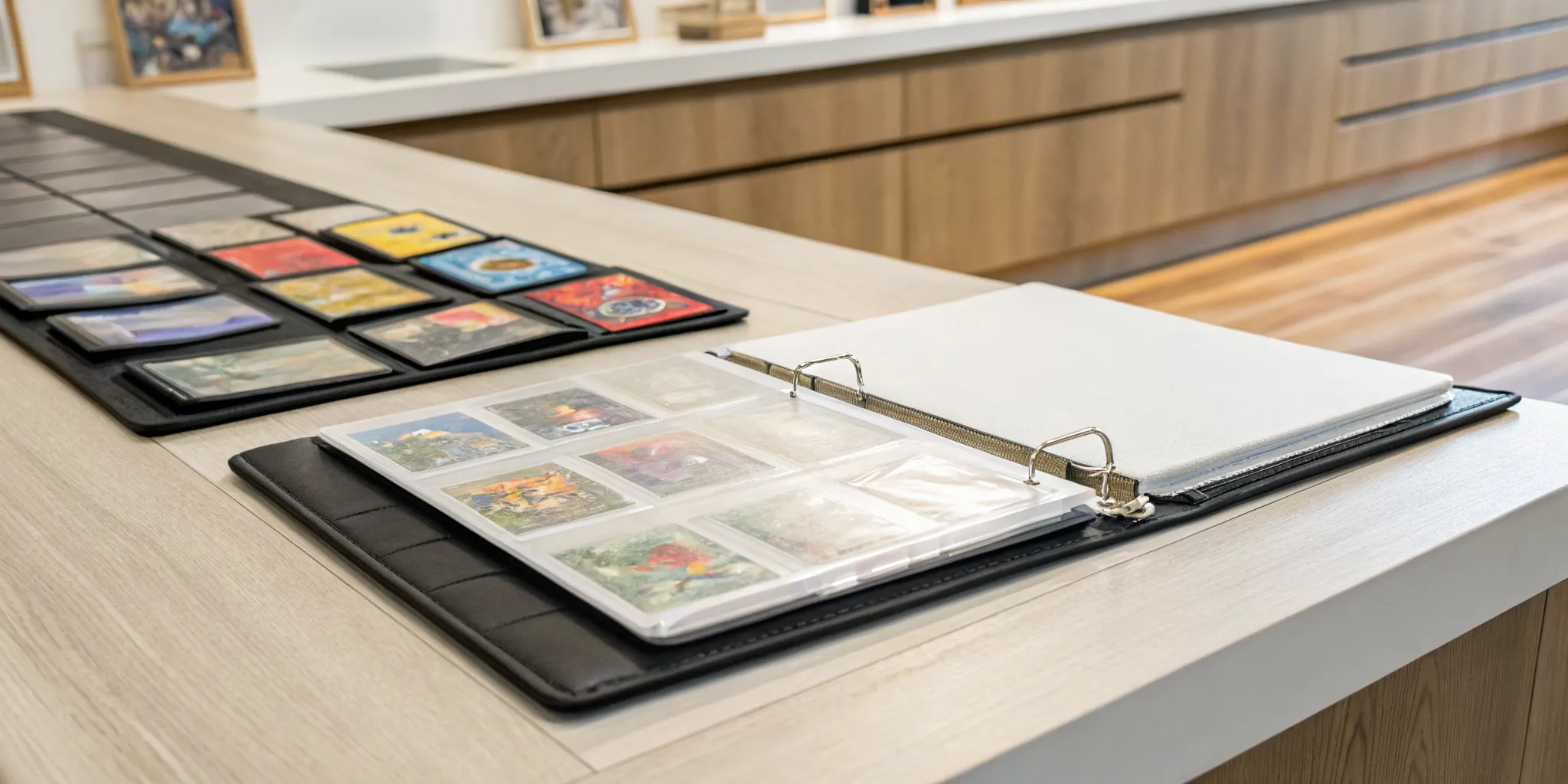
That moment you pull a high-value graded card is thrilling. But what comes next? For many, the goal is to reinvest that value back into the hobby. If you’re looking to “sell pokemon cards for cash near me,” you’ll find plenty of local shops willing to make an offer. However, these offers often come in at around 60% of the card’s market value. Before you settle for less, it’s important to know all your options. This guide will compare the different ways you can sell, from local dealers to online platforms. We’ll even show you how our own buyback option at Packz gives you 100% of your card’s value instantly, providing a powerful alternative for continuing your collection journey.
Key Takeaways
- Know your card's true value: Before you sell, check the sold listings on eBay and the market price on TCGPlayer. This data shows you what buyers are actually paying, giving you the confidence to negotiate a fair price and avoid getting lowballed.
- Choose between profit and convenience: Selling online through platforms like eBay will get you the highest price but takes more effort. For a fast and simple sale, a local card shop is great, just expect to get around 60 percent of the card's market value in cash.
- Control the negotiation: To get the best price, sell your high-value cards separately and decide on your minimum "walk-away" price beforehand. Having a clear plan and the willingness to decline a low offer puts you in the strongest position to get what your cards are worth.
How to Figure Out What Your Pokémon Cards Are Worth
So you’ve rediscovered your old binder of Pokémon cards, and now you’re wondering if you’re sitting on a small fortune. It’s a fun thought, but before you start planning how to spend your windfall, the most important first step is to figure out what your collection is actually worth. The value of a Pokémon card isn’t just about its rarity or that shiny holographic pattern. It’s a complex mix of its physical condition, the current market demand, and what real collectors are willing to pay for it right now. This value can change quickly, so up-to-date information is everything.
Getting a realistic idea of your cards' value is the key to getting a fair price. It’s your best defense against being lowballed at a local shop and your secret weapon for setting competitive prices if you decide to sell online. Think of it this way: knowledge is power. The more you know about your cards, the more confident you'll be during a sale. Taking the time to do this research puts you in control of the entire process. Let’s walk through the exact steps you can take to accurately price your Pokémon cards, from checking market data to assessing their physical condition like a professional.
Check Recent Sales on eBay and TCGPlayer
The golden rule of pricing any collectible is to look at what it has actually sold for, not what sellers are asking. Asking prices can be speculative, but sold listings show you the true market value. A great place to look is eBay. You can search for your card and then use the filters to show only "Sold Items." This will give you a list of recent, real-world transactions for that exact card. Another essential resource is TCGPlayer, a massive online marketplace for trading card games. You can look up any Pokémon card and see its current market price, which is based on recent sales data from hundreds of sellers. Using both eBay's sold listings and TCGPlayer will give you a well-rounded and reliable estimate of your card's worth.
What Is Card Grading? (PSA, BGS, CGC)
You’ve probably heard collectors talk about "graded" cards, and for good reason. Card grading is the process of having a third-party company authenticate and evaluate the physical condition of your card. Companies like PSA (Professional Sports Authenticator), BGS (Beckett Grading Services), and CGC (Certified Guaranty Company) are the industry leaders. They examine every aspect of a card for imperfections, then seal it in a protective slab with a grade, usually on a scale from 1 to 10. A Gem Mint 10 is a virtually flawless card. Getting a rare or valuable card graded can significantly increase its value and make it much easier to sell to serious collectors.
Assess Your Card's Condition Like a Pro
Even if you don’t plan on getting your cards professionally graded, you still need to know how to assess their condition. Understanding the difference between a "Near Mint" and a "Lightly Played" card is crucial for pricing and trading. The main condition categories are:
- Near Mint (NM): Looks like it was just pulled from a pack. It might have a tiny speck of whitening on the back edge, but that’s it.
- Lightly Played (LP): Has minor wear, like light scratching on the surface or slight whitening along the edges.
- Moderately Played (MP): Shows more obvious wear, like scuffing, moderate edge wear, or minor creasing.
- Heavily Played (HP) / Damaged: Has major flaws like heavy creases, tears, or water damage.
Be honest and critical when you evaluate your cards; it will help you set fair and realistic prices.
Use a Magnifying Glass for a Closer Look
If you want to get serious about assessing your cards, grab a magnifying glass or a jeweler's loupe. This simple tool allows you to spot the tiny imperfections that can separate a Near Mint card from a Lightly Played one. Under magnification, you can easily see faint scratches on the holographic foil, minor print lines from the factory, and the exact amount of wear on the corners and edges. Taking the time to closely inspect your cards for any flaws will help you price them with much greater accuracy and confidence, preventing any disputes or surprises down the line.
8 Best Places to Sell Pokémon Cards for Cash
Once you have a good idea of what your Pokémon cards are worth, it’s time to find the right place to sell them. Your best option depends on how quickly you need cash and how much of the card’s market value you want to keep. From instant online buybacks to local card shows, here are the top places to turn your collection into cash.
1. Packz
If you’re already enjoying the thrill of opening mystery packs on Packz, selling your cards is incredibly simple. Our platform offers a unique buyback option that lets you sell your newly pulled graded cards back to us instantly. You’ll get 100% of the card’s market value credited directly to your account balance. This means you can skip the hassle of shipping, listing, and finding buyers. It’s the perfect way to keep the fun going and immediately reinvest in opening more packs. The entire process is seamless, giving you a straightforward way to sell your cards without ever leaving the site.
2. Local Card and Game Shops
Your neighborhood card shop is a convenient place for a quick sale. Just walk in with your cards and you can often walk out with cash. The trade-off for this convenience is a lower payout. Most shops will offer around 60% of a card's value since they need to cover their own costs and make a profit on the resale. For highly sought-after cards (think over $50), some shops might offer a better rate, maybe 70% to 80%. It’s a solid choice if you want to sell fast and support a local business, but you won’t get full market value.
3. Pawn Shops
Pawn shops are another option for getting cash on the spot, but your experience can be a bit of a gamble. Since they deal in all sorts of items, the staff may not be Pokémon card experts. Their offers are based on what they think they can get for the card, which might be much lower than its actual value. If you decide to go this route, make sure you’ve done your homework and know what your cards are worth. A pawn shop can be a last resort for quick cash, but you’ll almost always get a better offer elsewhere.
4. Card Shows and Conventions
For those willing to put in a little more effort, card shows and conventions are fantastic places to sell. These events bring together dozens of vendors and serious collectors, all looking to buy. This competition works in your favor, often driving offers up to 70% or 80% of the market price. You can shop your cards around to different booths to see who gives you the best deal. It’s also a fun way to immerse yourself in the collector community. You can find a list of upcoming shows in your area online.
5. eBay
If your goal is to get the highest possible price, eBay is hard to beat. It’s a massive marketplace where you can reach buyers from all over the world. The key is to do your research by checking the "sold" listings to see what your cards have actually sold for recently. Keep in mind that you’ll have to handle listing, shipping, and paying seller fees, which can take time and cut into your profit. But for valuable cards, the extra effort can translate into a much bigger payout.
6. Facebook Marketplace
Facebook Marketplace is a great way to sell your cards locally without paying platform fees. You can list your cards and connect directly with buyers in your area. For pricing, a good rule of thumb is to ask for 70% to 80% of what the card is selling for on eBay or TCGPlayer. This gives local buyers a fair deal while still getting you a decent return. The main benefits are avoiding shipping costs and getting paid in cash, but always remember to arrange a safe, public place to meet for the exchange.
7. TCGPlayer
TCGPlayer is a specialized online marketplace built for trading card game enthusiasts. It’s one of the most trusted sources for card pricing and a popular platform for selling. You can list your cards individually or use their buylist feature, which lets you sell your cards directly to verified vendors on the site for a quick payout. Many local card shops even use TCGPlayer’s pricing data to determine their offers, so it’s a great resource to have whether you sell online or in person.
8. Reddit (r/pkmntcgtrades)
If you’re comfortable with peer-to-peer transactions, the r/pkmntcgtrades subreddit is a community of collectors who buy, sell, and trade directly with each other. Because you’re cutting out the middleman, you can often get a great price for your cards. However, this platform runs on trust and reputation. You’ll need to follow the community’s rules carefully and build a positive transaction history. It takes more effort than other options, but it can be a rewarding way to connect with fellow fans and get a fair price for your collection.
What to Expect at Local Card and Pawn Shops
Walking into a local card or pawn shop to sell your Pokémon cards can feel a little intimidating, but it doesn't have to be. The key is to go in with realistic expectations. These are businesses, and their goal is to buy your cards for a price that allows them to make a profit when they resell them. This means you won't get 100% of the online market value. However, for the convenience of getting cash in hand immediately, it can be a great option. Knowing what to expect will help you feel more confident and make the best decision for your collection.
How Much Will Local Shops Pay for Pokémon Cards?
Let's get straight to the point: local shops will offer you less than your card's market value. Most of the time, you can expect an offer of around 60% of a card's current worth. They need to cover their overhead and ensure they can make money on the sale. For highly sought-after cards, especially those valued over $50, some shops might offer a bit more, potentially in the 70% to 80% range. This depends entirely on the shop's inventory, local demand, and their specific policies. Some collectors have shared that these percentages are pretty standard across the board.
Cash vs. Store Credit: Which Should You Choose?
When you get an offer, you’ll often have two choices: cash or store credit. A cash offer will almost always be lower, sometimes falling between 25% and 50% of the card's value. It’s the fastest way to get money in your pocket, but you sacrifice a good chunk of the card's worth for that convenience. On the other hand, opting for store credit can result in a much more generous offer. If you plan on buying more cards anyway, taking the credit can be a smart move that stretches the value of your trade. Think about your goal before you go; if you need cash, be prepared for a lower number.
Red Flags to Watch For
While most shop owners are fair, it’s wise to be cautious. The biggest red flag is a buyer who gives you a lowball offer without any explanation. Some dealers might test your knowledge to see if they can get a valuable card for cheap. This is why doing your homework on your card's value beforehand is so important. You should also be wary of anyone who pressures you to make a quick decision. A reputable buyer will respect your need to think it over. If an offer feels off or the vibe is unprofessional, don't be afraid to politely decline and walk away. You can always negotiate a better price or simply try another shop.
Online vs. In-Person: Which Gets You More Cash for Your Cards?
Deciding where to sell your Pokémon cards often comes down to a simple trade-off: maximum profit versus immediate convenience. Selling online typically gets you more money, but it requires more effort. Selling in-person is fast and simple, but you'll likely walk away with less cash. There’s no single "best" way; it all depends on your goals. Let's look at the pros of each method so you can decide which path is right for you and your collection.
The Pros of Selling Online
If your main goal is to get the most money for your cards, selling online is almost always the way to go. Platforms like eBay and Facebook Marketplace connect you with a global audience of collectors, which means more competition and higher final sale prices. You have full control over your listings and can set your own prices. Before you list anything, it’s smart to check the market price on sites like TCGPlayer to see what your cards are actually selling for. The downside is that selling online takes more work. You’ll need to take clear photos, write detailed descriptions, pack your cards carefully, and handle shipping. But for high-value cards, the extra effort can translate into hundreds or even thousands of extra dollars.
The Pros of Selling In-Person
The biggest advantage of selling your cards in person is speed. You can walk into a local card shop and walk out with cash in hand the same day. There’s no need to worry about taking photos, writing listings, or dealing with shipping and potential returns. This is a great option if you need money quickly or just want to offload a bulk collection without much hassle. Attending local card shows can also be a good middle ground. With multiple vendors competing for your cards, you might get slightly better offers than at a single shop. Just remember that brick-and-mortar stores have overhead costs, so you should expect offers around 50 to 60 percent of a card's market value.
How You'll Get Paid for Your Pokémon Cards
Once you’ve agreed on a price for your Pokémon cards, the final step is getting paid. The process can be as simple as a cash handshake or as modern as a digital transfer. Different buyers offer different payment methods, and the best one for you often depends on your goals. Are you looking for quick cash to spend anywhere, or are you hoping to trade up for a grail card you’ve been hunting?
Understanding your options ahead of time helps you make the best decision when you’re standing at the counter or finalizing an online sale. Some payment methods are instant, while others might involve a short wait. Likewise, some offers might give you more value, but only if you spend it in a specific place. Let’s walk through the most common ways you’ll get paid and what you can realistically expect from each.
Cash, Digital Payments, and Other Options
Cash is king for a reason: it’s simple, immediate, and universally accepted. For in-person sales at local shops or conventions, getting paid in cash is often the default. However, many buyers now prefer digital payments for their convenience and traceability. Services like PayPal or Venmo allow for quick and easy transfers directly to your account, often within minutes. When selling online, these digital methods are the standard. Just be sure you understand the platform’s policies on seller protection to ensure a smooth transaction. Finally, some stores will offer trade-in credit, which can be a fantastic option if you’re also a collector.
Understanding Store Credit and Trade-In Offers
You might notice that a shop’s trade-in or store credit offer is significantly higher than its cash offer. There’s a good reason for this. When a shop buys your cards for cash, they typically offer 25% to 50% of the card’s market value because they need to cover overhead and still make a profit when they resell it. However, when they offer store credit, they can afford to give you a higher percentage of the card’s worth. This is because they are essentially securing a future sale and keeping the money within their business. If you’re an active collector who frequently buys from that shop, taking the store credit can be a smart move to maximize the value of your trade.
What Percentage of Market Value Should You Aim For?
Setting realistic expectations is key to a successful sale. You won’t receive 100% of a card’s market value from a reseller; they are a business, after all. A good rule of thumb for a local card shop is to expect an offer of around 60% of the card’s current value in cash. Online buy lists, like those on TCGplayer, might offer closer to 50% of their listed low price. You can use the TCGplayer price guide to get a solid idea of what your cards are worth before you start selling. Remember that these percentages are just estimates. The final offer will always depend on your card’s condition, rarity, and the current market demand.
How to Find Local Card Shows and Events
Card shows are one of the best places to connect with other collectors, find rare cards, and get a feel for the market firsthand. They bring together dozens of vendors under one roof, creating a competitive environment that can lead to better prices for buyers. But first, you have to find them. Here’s how to track down local events and show up prepared so you can make the most of the experience.
Where to Look for Upcoming Events
Your search for local card shows can start right from your phone. Social media is a fantastic tool for this; search on Facebook for groups dedicated to Pokémon or sports card collectors in your city or state. These communities are often the first to know about upcoming events. You can also check online forums and community boards like Reddit.
Don’t forget to go analog, too. Your local card or comic book shop is a hub for this kind of information. Stop in and ask if they know of any upcoming shows. Many shops even host their own trade nights. Keeping an eye on a dedicated show calendar is another great way to see what’s happening in your area.
How to Prepare and What to Bring
Walking into a card show without a plan can be overwhelming. Before you go, make a list of the specific cards you’re looking for and set a budget for yourself. It’s easy to get swept up in the excitement. As you walk the floor, take notes on which vendors have cards you’re interested in so you can easily find your way back.
Always bring cash, as some sellers might prefer it or offer a small discount for it. If you plan on trading, keep your cards protected in sleeves and a binder. A backpack is also a good idea for stashing your new finds. Finally, be ready to talk to people. Building relationships with vendors and other collectors is part of the fun and can lead to great deals down the road.
How to Get the Best Price for Your Pokémon Cards
Getting top dollar for your Pokémon cards isn’t about luck; it’s about strategy. Whether you’re selling to a local shop or at a big convention, a little preparation goes a long way. By knowing your cards’ worth and having a clear plan, you put yourself in the best position to get a fair price. Think of it as your final Pokémon battle, but this time, you’re negotiating for cash. Here are a few proven tactics to make sure you come out on top.
Do Your Research Before You Go
Knowledge is power, especially when you’re selling collectibles. Before you walk into any shop, you need to know what your cards are actually worth. Don’t just look at asking prices on sites like eBay; focus on what cards have actually sold for. You can find this by using the advanced search filters to see completed sales. This gives you a realistic picture of the current market value. Walking in with this data means you can have a conversation based on facts, not just a shop owner’s opening offer. It shows you’ve done your homework and helps you start the negotiation from a much stronger position.
Sell Your High-Value Cards Separately
It’s tempting to sell your entire collection in one go, but you’ll almost always get more money by pulling out your most valuable cards first. Local shops and dealers need to make a profit, so they typically offer 25 to 50 percent of a card’s market value. For your common and uncommon cards, that might be a fair trade for convenience. But for a rare Charizard or a high-grade promo card, you’re leaving a lot of money on the table. Consider selling these top-tier cards individually online or to a serious collector to maximize your return. This way, you get the convenience of bulk selling the low-value cards without sacrificing the profit on your best pulls.
Set Your Minimum Price and Stick to It
Negotiation can be intimidating, but you can make it easier by setting your boundaries before you start. For each high-value card or for your collection as a whole, decide on the absolute lowest price you’re willing to accept. This is your "walk-away" number. Having this price in your head keeps you from accepting a lowball offer out of pressure or convenience. A shop owner’s job is to buy low, and your job is to sell for a fair price. Sticking to your minimum ensures you meet your goal, even if it means saying "no thanks" and trying somewhere else. It’s a simple but effective way to stay in control of the sale.
Time Your Sale with Market Demand
The Pokémon card market has its own rhythm. You can get a better price by selling when demand is high. One of the best places to find motivated buyers is at a local card show or convention. With multiple dealers competing for inventory, you’re more likely to receive competitive offers. Keep an eye on trends, too. Did a new video game or movie just feature a certain Pokémon? Demand for that character’s cards might see a temporary spike. Selling during these moments of peak interest can add a significant amount to your final payout. A little patience and market awareness can make a huge difference in your pocket.
Know When to Walk Away
This is the most important part of any negotiation: being willing to walk away. If an offer doesn’t meet the minimum price you set for yourself, it’s okay to politely decline and leave. A low offer isn’t personal; it’s just business. Thank the shop owner for their time and move on. Your research gives you the confidence to know what your cards are worth, and there are always other buyers. Remember, you can always sell your cards back to us at Packz for 100 percent of their value, giving you a strong and reliable alternative to a lowball offer. Never feel pressured to take a deal that doesn't feel right.
Common Mistakes to Avoid When Selling Pokémon Cards
Selling your Pokémon cards can be exciting, but it's easy to make a few missteps that cost you money. I've seen it happen time and again. A little bit of prep work can make a huge difference in how much cash you walk away with. By avoiding these common pitfalls, you can make sure you're getting a fair price for your collection, whether you're selling a single Charizard or a shoebox full of commons.
Don't Overestimate What Local Shops Will Pay
Walking into a local card shop and getting an instant cash offer is tempting, but it's important to have realistic expectations. Remember, that shop is a business with overhead like rent and employee salaries. To make a profit, they have to buy your cards for less than they can sell them for. Most shops will offer around 60% of a card's market value. For very popular or high-value cards, you might get a bit more, maybe 70% to 80%, but that’s not the norm. Think of it as paying for convenience. You get cash in hand immediately without the hassle of shipping or dealing with individual buyers, but you sacrifice a portion of the card's total value for that service.
Don't Skip Your Research on Market Value
Before you sell a single card, you need to know what it's actually worth. A common mistake is looking at the asking prices on sites like eBay and assuming that's the market value. Anyone can ask for any price. What you need to look at are the sold listings. This shows you what people are actively paying for a card right now. You can check recent sales by using the "Sold Items" filter on eBay. Another great resource is TCGPlayer, which shows a market price based on recent sales from multiple sellers on its platform. Doing this research takes a few minutes, but it prevents you from getting lowballed or accidentally selling a valuable card for pocket change.
Always Read the Fine Print on Trade-In Offers
Many online stores and even some local shops have buylists where they post the prices they're willing to pay for specific cards. This can seem like a straightforward way to sell, but you have to read the terms and conditions carefully. Pay close attention to their card condition guidelines. If you send in a card you believe is Near Mint, but they grade it as Lightly Played, your payout will be lower. Check their policies on how they handle rejected cards and how long it takes to get paid. Understanding the buylist terms before you ship your collection will save you from any unpleasant surprises later.
Make Sure You Consider All Your Options
Don't just go with the first offer you get. The best place to sell your cards depends entirely on your goals. If you want the absolute highest price and don't mind putting in some work, selling directly to other collectors on eBay or Facebook Marketplace is often your best bet. If you need cash quickly and value convenience above all, a local shop is a solid choice. And then there are hybrid options. For example, with Packz, you can sell your cards back instantly for 100% of their value, which is a much higher percentage than most shops offer. By weighing the pros and cons of each method, you can choose the one that works best for you and your collection.
Related Articles
- Pokémon Card Pricing: Find Your Card's True Worth | Packz Blog
- How to Sell Pokémon Cards: The Ultimate Guide | Packz Blog
Frequently Asked Questions
Is it worth getting my cards professionally graded before I sell them? That’s a great question, and the answer really depends on the card. Grading is an investment, so it’s most effective for cards that are already valuable and in excellent condition, like a rare holographic or a first edition card. The high grade from a company like PSA can significantly increase its final sale price. For more common cards or anything with noticeable wear and tear, the cost of grading would likely be more than the value it adds, so it’s better to sell those as-is.
What’s the fastest way to sell a huge collection of low-value common cards? If you have a large number of common or uncommon cards and your main goal is to sell them quickly, your best bet is to sell them as a "bulk lot." The most straightforward way is to take them to a local card shop. They won't pay much per card, but you can get cash on the spot for the entire collection without any extra work. Alternatively, you could list the whole lot on Facebook Marketplace for a set price and local pickup, which saves you the trouble of shipping.
How do I know if my card is a "first edition," and does it really matter? It absolutely matters. A first edition stamp can make a card significantly more valuable. For the original Base Set cards, you can find the stamp just below the bottom left corner of the artwork; it looks like a small, black circle with a "1" in it. If your card has this mark, you should definitely research its value separately from the unlimited version. It’s one of the first things collectors look for when determining a card's rarity and worth.
I'm a little nervous about meeting a stranger from Facebook Marketplace. Do you have any safety tips? Your safety should always be the top priority, so it’s smart to be cautious. Always arrange to meet in a busy, public place during the daytime, like inside a coffee shop or a local game store. Some police departments even have designated "safe exchange zones" in their lobbies or parking lots, which are perfect for this. Let a friend know where you're going, and if possible, bring someone with you. Never give out your home address or invite a buyer to your house.
Why is the TCGPlayer "market price" so much higher than what my local card shop offered me? This is a common point of confusion. The market price you see on a site like TCGPlayer reflects what one collector is willing to pay another collector. A local card shop, on the other hand, is a business with expenses like rent and payroll. Their cash offer, which is often around 60% of the market price, has to be low enough for them to cover their costs and still make a profit when they resell the card. You are essentially trading a portion of the card's full value for the convenience of an instant, guaranteed sale.
Recommended Reading
Cash for Graded Sports Cards: The Fastest Ways to Sell
Get cash for graded sports cards faster. Compare auction houses, marketplaces, and instant buyback options to pick the route that fits your timeline.
How to Compare Value in Sports Card Packs
Learn how to compare sports card packs using card quality, available pulls, pricing clarity, and Packz’s 100% buyback option.
How to Buy Pokemon Packs Online for Ripping
Ready to buy pokemon packs online for ripping? Get transparent pack value and clear pull odds so you never overpay for the thrill of the hunt. Start collecting safely.