
February 5, 2026
How to Sell Pokémon Cards: The Ultimate Guide
Learn how to sell Pokémon cards with confidence. Get tips on pricing, prepping, and finding buyers so you can get the best value for your collection.
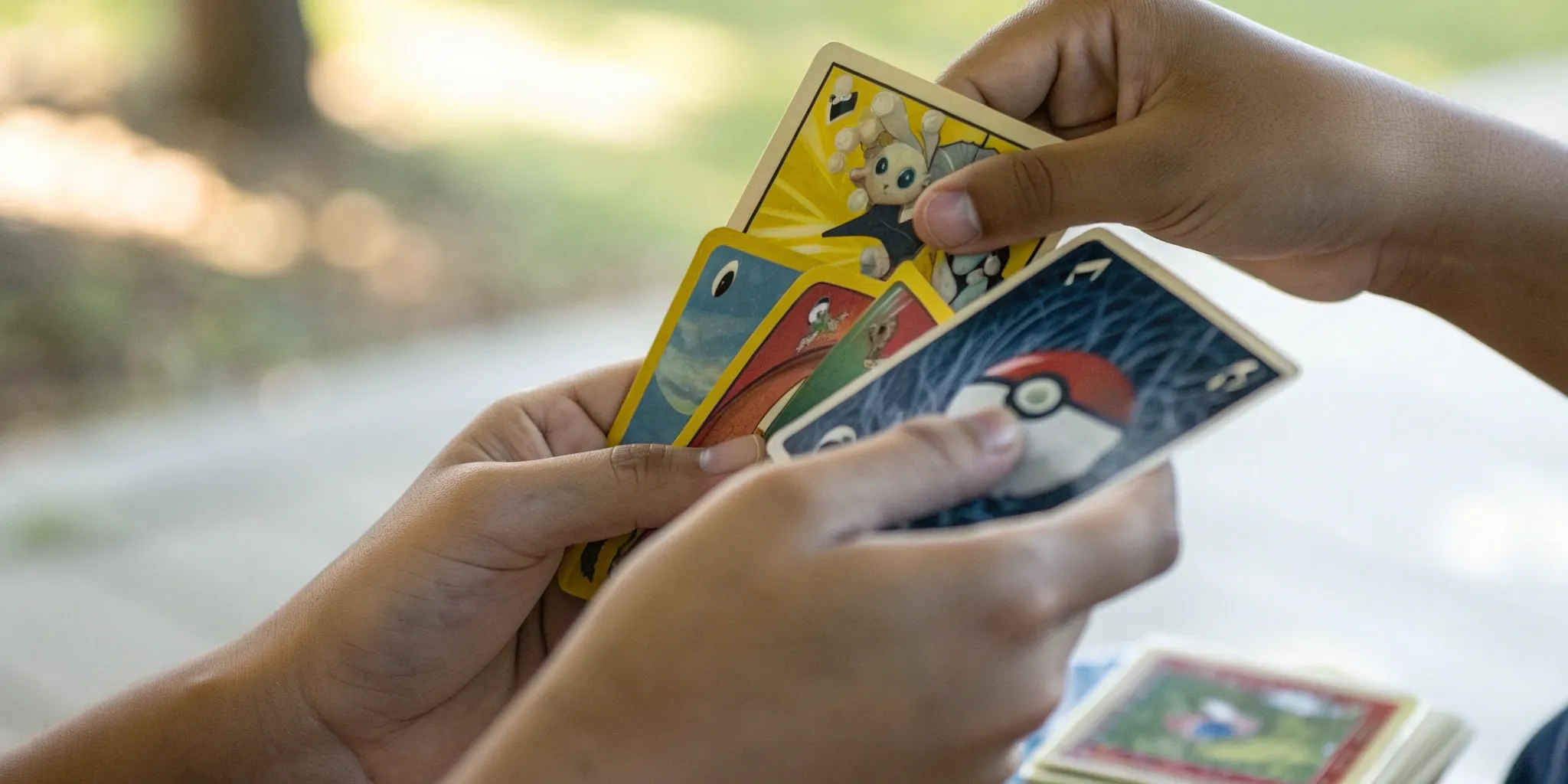
That old binder of Pokémon cards sitting in your closet could be more than just a nostalgic trip down memory lane—it might be a serious asset. The market for these cards has seen incredible growth, turning childhood collections into valuable investments. But figuring out how to turn those holographic treasures into actual cash can feel overwhelming. Where do you start? How do you know what they're worth? This guide is designed to give you a clear, straightforward plan. We'll walk through everything from accurately pricing your cards to finding the right buyers, so you can confidently and effectively sell your Pokémon cards for what they’re truly worth.
Key Takeaways
- Price your cards based on data, not feelings: The most accurate way to value your collection is by researching recently sold listings on marketplaces like eBay and TCGplayer. This shows you what buyers are actually willing to pay right now.
- Professional presentation builds buyer trust: Invest time in taking clear, well-lit photos and writing honest descriptions that point out any flaws. A card that is cleaned, protected, and accurately represented is more likely to sell quickly for your asking price.
- Match your selling method to your goal: If you want top dollar and don't mind the effort, use an online marketplace. If you need fast cash, a local card shop is your best bet. For a seamless way to fund more pack openings, the Packz buyback program offers instant value.
Where to Sell Your Pokémon Cards
Once you know what your cards are worth, it’s time to find the right buyer. The best place to sell your Pokémon cards depends on your goals. Are you looking for top dollar on a rare holographic Charizard, or do you want to quickly offload a bulk collection for cash? Each option has its pros and cons, so let’s walk through the most popular choices to find the perfect fit for you.
Online Marketplaces
If you want to reach the largest possible audience, online marketplaces are your best bet. Platforms like TCGplayer are designed specifically for trading card games, connecting you with millions of dedicated collectors who are actively looking to buy. It’s a fantastic place to list individual cards and get fair market value.
For your most valuable cards, eBay is a strong contender. It offers robust buyer and seller protection, including authentication services for high-end sales, which gives buyers peace of mind. Just be mindful of the fees, which typically run between 11% and 13% of the final sale price. The trade-off for that large audience and security is a slightly smaller cut of the profit.
Local Card and Game Shops
Need cash fast? Your local card shop is a great option for convenience. Most shops will buy collections outright, saving you the time and effort of listing, selling, and shipping individual cards. This is especially useful if you’re selling a large volume of common or uncommon cards.
The downside is that you’ll get less than the full market value. Shops have to make a profit, so they typically offer around 30% to 40% less than what the cards are worth. Think of it as paying for a quick and easy transaction. It’s a solid choice when speed is more important than maximizing your return on every single card.
Social Media Groups
For a more personal selling experience, you can connect directly with other fans. Reddit’s r/pkmntcgtrades subreddit is a popular and highly recommended community for buying, selling, and trading cards with fellow collectors. Selling to another enthusiast often means they’ll appreciate the card as much as you did.
Beyond Reddit, joining other online communities on platforms like Facebook or Discord can be a great way to find interested buyers. Engaging with these groups not only helps you sell but also allows you to learn more from experienced collectors and stay on top of what’s in demand.
The Packz Buyback Program
If you’re already a part of the Packz community, our buyback program is the most seamless way to sell your cards. After you open a digital pack, you have the option to sell the cards right back to us for 100% of their market value. There’s no need to take photos, write descriptions, or deal with shipping.
The value is instantly credited to your account balance, so you can use it to open more packs right away. It’s the perfect solution for anyone who loves the thrill of the reveal and wants to keep the fun going without the hassle of traditional selling. It’s fast, fair, and lets you get right back to the action.
How to Price Your Pokémon Cards
Figuring out what your Pokémon cards are worth is the most important step before you sell. Price them too high, and they’ll sit around collecting dust. Price them too low, and you’re leaving money on the table. The good news is that you don’t have to guess. The Pokémon card market is full of data that can help you find that sweet spot.
Pricing your collection accurately involves a bit of detective work. You’ll need to identify your most promising cards, get honest about their condition, and see what similar cards have actually sold for recently. It’s a process of comparing what you have to what buyers are currently paying. By taking the time to research, you can confidently set prices that attract serious buyers and get you the best possible return for your collection. Let’s walk through the four key steps to pricing your cards like a pro.
Identify Valuable Card Types
First things first, you need to sift through your collection to find the heavy hitters. Not all Pokémon cards are created equal, and some have features that make them much more desirable. Start by looking for holographic cards—the ones with a shiny, reflective image. Beyond the basic holo, check for special patterns, reverse holos (where the card is shiny except for the art box), and full-art cards.
Pay close attention to the rarity symbol in the bottom corner of the card. A circle means it’s common, a diamond is uncommon, and a star indicates it’s rare. Some cards have special symbols or no symbol at all, which can signify a unique promo or first edition. Cards featuring popular characters like Charizard or Pikachu, especially from early sets, often carry a higher value.
Assess Your Card's Condition
The condition of your card is one of the biggest factors in its final price. A card straight from the pack is considered mint, while one that’s been through the wringer is considered heavily played or damaged. Be objective here. Look for scratches on the holographic part, whitening on the edges, and any bends or creases. Even minor wear can significantly lower a card’s value.
For cards you believe are worth over $100, consider getting them professionally graded. A high grade from a reputable service like PSA can seriously increase a card's market value and make it easier to sell. However, Pokémon card grading costs money, so it doesn’t make sense for common cards or cards in poor condition. Those are often better sold ungraded in lots or bundles.
Research Current Market Prices
Once you know what you have and what condition it’s in, it’s time to see what the market is paying. The best way to do this is to look at recently sold listings on platforms like eBay or TCGplayer. It’s crucial to look at sold prices, not just what people are asking. Anyone can list a card for a high price, but that doesn't mean anyone is buying it.
When you search, be specific. Include the card name, number, and any special characteristics like "1st Edition" or "Holo." Compare your card’s condition to the ones that have sold to get the most accurate price range. This research will protect you from common misconceptions and help you set a competitive, realistic price from the start.
Understand Market Trends
The Pokémon card market is dynamic, with prices that can shift based on new game releases, community hype, and collector demand. It’s helpful to have a basic understanding of these trends. For example, a character's popularity might surge after being featured in a new game or show, causing their card prices to rise.
Be aware of practices that can skew your perception of a card’s value. Some sellers might try to artificially inflate prices, so always trust the data from multiple recent sales over a single outlier. By staying informed, you can make smarter decisions about when to sell. A little patience can sometimes make a big difference, especially when you're selling high-value Pokémon cards that are sensitive to market shifts.
How to Prep Your Cards for Sale
Putting in a little effort before you list your cards can make a huge difference in how quickly they sell and for how much. Think of it like staging a house—you want to present your cards in the best possible light to attract serious buyers and get the price you deserve. A well-prepped, well-presented card shows buyers you’re a professional who cares about the collection. This builds trust and can lead to better reviews and repeat customers. Taking these extra steps also streamlines your own process, making it easier to manage your inventory, price your cards accurately, and ship them out safely once you’ve made a sale.
Clean and Protect Your Cards
First things first: make sure your cards are clean. You can gently wipe away any dust or fingerprints from the surface with a soft, dry microfiber cloth. Be careful not to use any liquids or chemicals, as they can permanently damage the card. Once clean, every card you plan to sell individually should be protected. The standard method is to first place the card in a soft plastic “penny sleeve.” Then, for added rigidity and protection, slide the sleeved card into a hard plastic top loader. This simple two-step process is the best way to prevent scratches, corner dings, and bends during handling and shipping.
Sort and Organize Your Collection
An organized collection is much easier to sell. Start by sorting your cards to figure out exactly what you have. A great way to do this is by set, which you can identify using the small symbol on the bottom right or left of the card. From there, you can organize them by card number within the set. It’s also helpful to separate your holographic and reverse holographic cards from the non-holos, as they are typically more valuable. Using a reliable Pokémon card database can help you identify sets and rarities, making the entire process of pricing and listing much smoother for you and easier for buyers to browse.
Take High-Quality Photos
When selling online, your photos are your sales pitch. You don’t need a fancy camera; a modern smartphone will do the trick. The key is to use good, natural lighting to capture the card’s true colors and condition. Place the card on a solid, dark background to make it stand out, and avoid using your phone’s flash, which can create glare and hide important details. Take clear, focused shots of both the front and the back. For more valuable cards, be sure to include close-ups of the corners and edges so potential buyers can see the condition for themselves. This transparency helps buyers feel confident in what they’re purchasing.
Write Clear Descriptions
Your photos need a great description to go with them. Start with the basics: the Pokémon’s name, the card number, and the set it belongs to. The most important part of your description is an honest assessment of the card’s condition. Mention any visible flaws, such as whitening on the back edges, surface scratches, or soft corners. Using widely accepted card grading standards like Near Mint (NM), Lightly Played (LP), or Damaged can give buyers a clear and immediate understanding of what to expect. Being upfront about a card’s condition builds trust and helps prevent returns or disputes down the line.
Package Your Cards for Safe Shipping
Once you’ve made a sale, your job isn’t done. Ensuring the card arrives safely is crucial for a successful transaction and a happy customer. Never ship a card in a plain envelope. For maximum protection, keep the card in its penny sleeve and top loader, and place it inside a small plastic team bag to seal it from moisture. Then, sandwich the protected card between two small pieces of rigid cardboard and tape the sides so the card can’t slip out. Place this secure package inside a bubble mailer for shipping. This method ensures your card is protected from bending, moisture, and impact during its journey.
How to Maximize Your Profit and Avoid Mistakes
Selling your Pokémon cards can be just as exciting as collecting them, but turning those prized possessions into cash requires a bit of strategy. It’s not enough to just know what you have; you also need to know how to market it, protect yourself, and connect with buyers. Making a few smart moves can be the difference between a decent sale and a truly profitable one. Think of it as the final evolution of your journey as a collector—mastering the art of the sale. This is where you transition from enthusiast to entrepreneur, and a little preparation goes a long way.
To get the most value from your collection, you need to go beyond simply listing a card online. This means doing your homework on pricing to ensure you’re not leaving money on the table or scaring away buyers with unrealistic numbers. It also means being aware of the common pitfalls and scams that can trip up even experienced sellers. Timing is another huge factor; the Pokémon market has its own seasons, and selling at the right moment can significantly increase your returns. Finally, your reputation is your most valuable asset. Building trust with potential buyers will not only help you make sales but also build a network of repeat customers. By focusing on these key areas, you can create a selling process that is both profitable and enjoyable.
Avoid Common Pricing and Listing Errors
One of the quickest ways to sabotage a sale is by setting the wrong price. Many new sellers make the mistake of pricing their cards based on what others are asking, but active listings don't reflect what people are actually willing to pay. Always base your prices on recently sold listings. You should also be strategic about grading. While a high grade can increase a rare card’s value, the cost of grading can outweigh the profit for more common cards. Heavily played or common cards often sell better ungraded, so weigh the potential return against the upfront cost before sending your cards in.
Protect Yourself from Scams
Whenever money changes hands online, it’s wise to be cautious. The trading card world is generally full of passionate fans, but scams like shill bidding (where fake bids are used to inflate a price) do happen. Protect yourself by using reputable platforms with strong seller protection policies. Always document the condition of your cards with clear photos and videos before shipping, and keep records of your conversations with buyers. Before you agree to a sale, check the buyer’s profile for feedback and history. Being diligent is your best defense against dishonest practices and ensures a secure transaction for both you and the buyer.
Time Your Sale for the Best Price
The Pokémon card market is dynamic, with prices that can rise and fall based on current trends and events. Selling a card at the right time can make a huge difference in your final profit. Pay attention to what’s happening in the Pokémon universe. A new video game, a movie release, or an anniversary event can create a surge of interest in specific characters, driving up the value of their cards. To catch these waves, stay informed about Pokémon news and community buzz. Timing your sales to align with these moments of peak interest is a pro-level move that can help you get the best possible price for your collection.
Build a Strong Seller Reputation
In the world of online collecting, trust is everything. A strong reputation as a reliable seller will attract more buyers and can even allow you to command higher prices. Start by providing excellent customer service: take high-quality photos, write honest and detailed descriptions, and ship your cards quickly and securely. Beyond individual sales, get involved in the community. Participating in online forums and social media groups, like the r/pkmntcgcollections subreddit, helps you build a recognizable and trustworthy name. When people know you’re a knowledgeable and fair seller, they’ll be more confident buying from you again and again.
Related Articles
Frequently Asked Questions
Is it better to sell my Pokémon cards one by one or as a whole collection? This really comes down to what you value more: your time or your money. Selling cards individually on a platform like eBay or TCGplayer will almost always get you the highest total profit, especially for your rare and holographic cards. However, it's a lot of work. You have to photograph, list, and ship each card separately. Selling your collection as a single lot is much faster and easier, but you'll get a lower price for it, as the buyer is taking on the work of sorting and reselling the valuable singles themselves.
When is it actually worth the cost to get a card professionally graded? Getting a card graded is an investment, so you want to be strategic. A good rule of thumb is to only consider grading cards that are already valued at over $100 in near-mint condition. The goal of grading is to confirm a card's excellent condition and authenticity, which can significantly increase its value. If a card is already showing obvious wear like scratches or whitening on the edges, the cost of grading probably won't be worth the small increase in value you might get.
What's the single biggest mistake most new sellers make? The most common mistake is pricing cards based on what other people are asking for them online. An active listing price doesn't mean a card is actually selling for that amount. You should always base your prices on what cards have actually sold for recently. Most online marketplaces have a filter that lets you see sold listings. This data shows you what buyers are truly willing to pay and is the most accurate way to find a competitive price.
How should I handle shipping so my cards don't get damaged in the mail? Proper packaging is non-negotiable for earning a good reputation. Never just drop a card in a standard envelope. At a minimum, the card should be in a soft penny sleeve, which then goes into a rigid top loader. For extra security, you can sandwich that top loader between two pieces of cardboard and tape the sides. Always use a bubble mailer instead of a plain envelope to provide cushioning during transit. This protects the card from bends, dings, and moisture.
I have thousands of common and uncommon cards. Are they basically worthless? They're definitely not worthless, but they aren't lottery tickets, either. While you won't be retiring off your bulk cards, they do have value. The fastest way to sell them is to take them to a local card shop, which will often buy bulk by the thousand. You can also bundle them into lots of 500 or 1,000 and sell them on online marketplaces. Players and collectors often buy these lots to help complete sets or build new decks.
Recommended Reading
Cash for Graded Sports Cards: The Fastest Ways to Sell
Get cash for graded sports cards faster. Compare auction houses, marketplaces, and instant buyback options to pick the route that fits your timeline.
How to Compare Value in Sports Card Packs
Learn how to compare sports card packs using card quality, available pulls, pricing clarity, and Packz’s 100% buyback option.
How to Buy Pokemon Packs Online for Ripping
Ready to buy pokemon packs online for ripping? Get transparent pack value and clear pull odds so you never overpay for the thrill of the hunt. Start collecting safely.