
March 3, 2026
How to Find Accurate Pokémon Card Values
Get clear, up-to-date Pokémon card values with practical tips on pricing, grading, and market trends to help you confidently assess your collection.
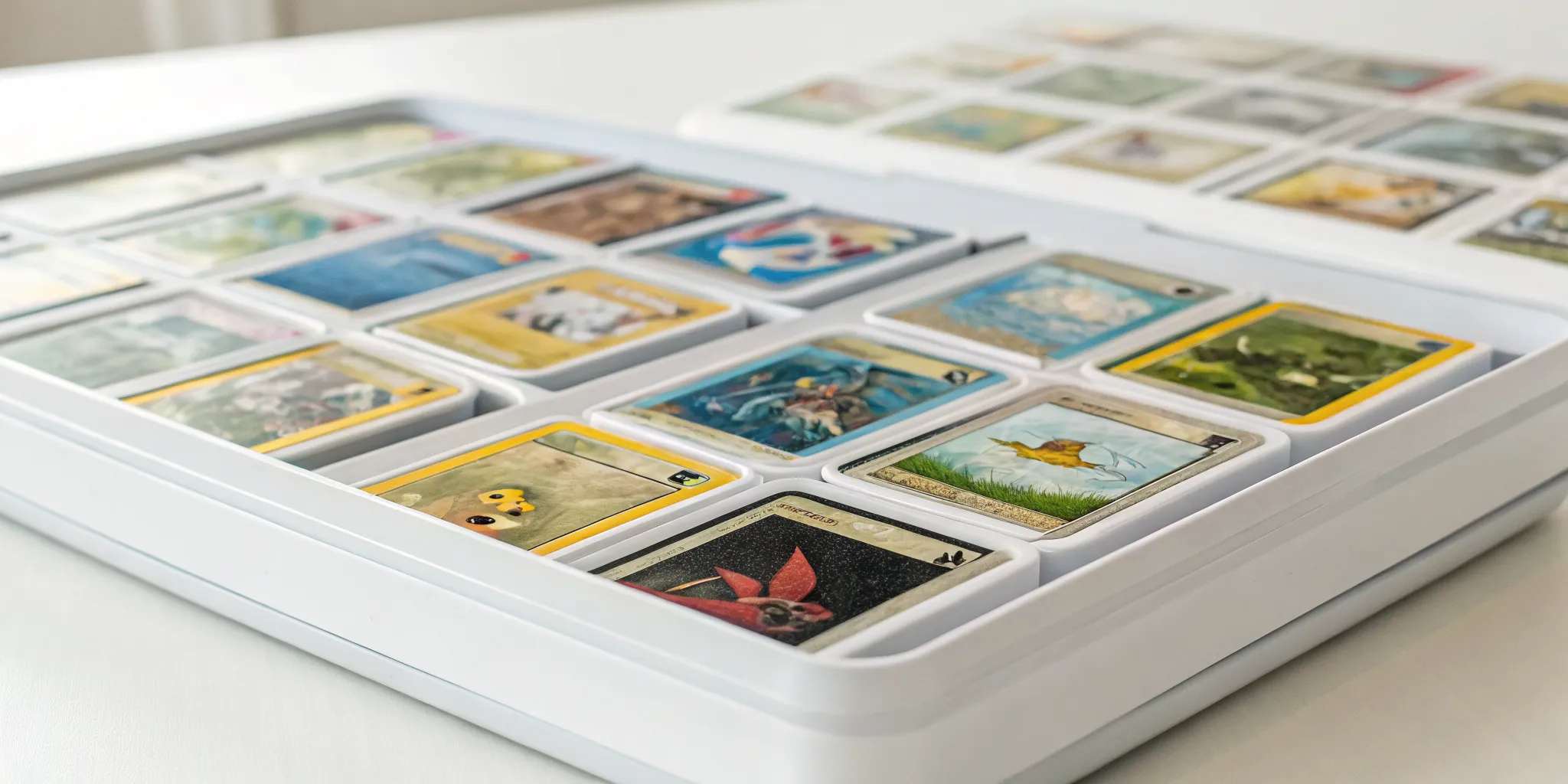
Every truly valuable Pokémon card has a story. It’s not just about the iconic creature on the front; it’s about the card’s history. Was it part of the very first print run, marked with a special first-edition stamp? Was it a rare promotional card given out at an event decades ago? Or is it a misprint with a unique error that makes it one of a kind? These details are what transform a simple piece of cardboard into a prized collectible. This guide will teach you how to read a card’s story and understand how its background, scarcity, and unique features create high pokemon card values.
Key Takeaways
- Value is more than just rarity: A card's worth comes from a combination of its rarity, physical condition, the Pokémon's popularity, and its history. All four elements must be considered together to get an accurate picture of what a card is worth.
- Condition is king, and grading makes it official: Carefully inspect your cards for flaws like whitening and poor centering, as these details drastically affect value. For your most important cards, professional grading provides a certified score that solidifies their worth in the market.
- Find accurate prices by checking multiple sources: To determine a card's current market value, use online price guides to get a baseline, then cross-reference that information with recent sold listings on marketplaces. This gives you a realistic price range based on what collectors are actually paying.
What Determines a Pokémon Card's Value?
Figuring out what a Pokémon card is worth can feel like a puzzle, but it's not as complicated as it seems. Several key factors work together to determine a card's final price tag. Think of it like a recipe: you need the right ingredients in the right amounts. The four main components are a card's rarity, its physical condition, its popularity among collectors, and its age or historical significance.
A super rare card in perfect condition might not be worth much if it’s a Pokémon nobody cares about. On the other hand, a common card of a fan-favorite like Pikachu could hold surprising value, especially if it’s from an early set. Understanding how these elements interact is the first step to accurately pricing your collection. Whether you're looking to sell, trade, or just appreciate what you have, getting a handle on these core principles will help you see your cards in a whole new light.
Rarity and Scarcity
Rarity is one of the biggest drivers of a card's value. In every Pokémon set, cards are printed in different quantities. You can usually find a card's rarity by looking for a small symbol at the bottom of the card. A circle means it's common, a diamond means it's uncommon, and a star means it's rare. Some cards have special symbols or no symbol at all, indicating they are part of a unique promotion or set. The fewer copies of a card that exist, the more valuable it can become. This scarcity creates higher demand in the secondary market, where collectors buy and sell with each other.
Condition and Grade
A card's physical condition is critical. A card fresh from the pack will almost always be worth more than one that’s been carried around in a pocket. Collectors look for flaws like scratches, bent corners, and fading. To standardize this, many people turn to professional grading services. These companies evaluate a card and assign it a grade on a scale from 1 to 10. A pristine, perfectly centered card might earn a Gem Mint 10, which can dramatically increase its value. Even a small difference in grade, like from an 8 to a 9, can mean a huge jump in price for a rare card.
Popularity and Demand
Just like in the Pokémon games and shows, some Pokémon are simply more popular than others. A Charizard card will almost always generate more excitement and higher prices than a card for a less iconic Pokémon. This popularity creates high collector demand. Nostalgia also plays a huge role; collectors who grew up with the original 151 Pokémon often seek out cards from the Base Set, keeping their value strong. Keeping an eye on market trends is important, as a Pokémon's appearance in a new game or movie can cause a sudden spike in its card prices.
Age and History
Older cards, especially those from the earliest sets, tend to be more valuable. The 1999 Base Set is the holy grail for many collectors, and its First Edition cards, marked with a special stamp, are among the most sought-after cards in the entire hobby. Beyond just age, a card's history matters. Was it a special promotional card given out at an event? Is it a tournament-exclusive prize? These cards had very limited print runs, making them historically significant and incredibly rare. Understanding a card's background and its rarity symbols can help you uncover its true value.
How to Assess Your Pokémon Card's Condition
A pristine Charizard is worth a fortune, but the same card with a crease down the middle is a different story. A card's physical condition is one of the most significant factors in its value. Before you can figure out what your cards are worth, you need to play detective and examine them closely. This process, known as grading, can be done by you at home to get a rough idea, or by a professional service for an official score. Let's walk through how to look at your cards with a critical eye to determine if they’re binder-keepers or big-ticket items.
Learn the 1-10 Grading Scale
Professional grading services use a 1-to-10 scale to score a card's condition. A 10, or "Gem Mint," is a flawless card that looks like it just came out of the pack. A 9 is "Mint," and the numbers go down from there, with a 1 being a card in poor condition. The difference between a 9 and a 10 can mean thousands of dollars for a rare card. Understanding this grading system is the first step to accurately assessing your collection. When you see a card listed for sale, its grade is the key indicator of its quality and justifies its price tag.
Spot Common Condition Issues
Grab a magnifying glass and a good light source to inspect your cards. You're looking for any imperfections that could lower the grade. Check the corners for blunting or fuzziness. Look at the edges for any white specks, a problem known as "whitening." Examine the surface on both sides for scratches, scuffs, or print lines. Finally, check the centering. Are the borders even on all four sides? Even a slightly off-center print can prevent a card from getting a perfect 10. Spotting these common condition issues early helps you set realistic expectations for your card's value.
Decide if Professional Grading Is Worth It
So, should you send your cards to a professional? Getting a card officially graded, or "slabbed," costs money and can take time. However, it provides a certified, universally recognized grade that can significantly increase its resale value, especially for rare cards. If you have a high-value card like a first-edition holographic or a popular promo card that looks nearly perfect, grading is often a smart move. For more common cards or those with obvious flaws, the cost of grading might be more than the value it adds. It's a judgment call that requires you to weigh the costs against the potential return.
Should You Get Your Pokémon Cards Graded?
If you’ve sorted through your collection and suspect you have a few valuable cards, getting them graded is the next logical step. Grading is the process of having a professional third-party service authenticate your card, assess its condition, and seal it in a protective case, or "slab," with an official grade. This process solidifies your card's value and authenticity, making it much easier to sell or trade. It takes the guesswork out of determining a card's condition and gives potential buyers confidence in what they're getting.
Top Grading Services: PSA, BGS, and CGC
When it comes to grading, three names stand out in the industry: PSA (Professional Sports Authenticator), BGS (Beckett Grading Services), and CGC (Certified Guaranty Company). These companies are the gold standard for trading card grading, and a high grade from any of them is respected by collectors worldwide. Each service has a slightly different grading scale and slab design, but all provide a detailed assessment of your card's centering, corners, edges, and surface. Choosing between them often comes down to personal preference, turnaround times, and cost, so it’s worth exploring what each grading company offers.
Cost vs. Potential Value
Getting a card graded isn't free, so you have to weigh the cost against the potential increase in value. The grading process typically costs between $15 to $50 per card, though premium services for extremely valuable cards can be more. For a common card worth only a few dollars, grading doesn't make financial sense. However, for a rare or holographic card, a high grade can dramatically increase its market price. A pristine card that earns a Gem Mint 10 grade can be worth many times more than an ungraded version, making the initial grading fee a smart investment.
Which Cards Should You Grade?
So, which cards should you pull from your binder and send off for grading? Start by prioritizing your rarest and most sought-after cards. This includes holographic cards, first editions, and cards from the original Base Set. Some of the most valuable cards that are prime candidates for grading include the first-edition holographic Charizard, Blastoise, and Venusaur. Cards featuring iconic Pokémon like Pikachu are also great choices. Before sending anything in, carefully inspect the cards yourself to ensure they are in near-mint condition, as only cards with high potential grades are truly worth the investment.
How to Find Accurate Pokémon Card Prices
Figuring out what your Pokémon cards are worth can feel like a puzzle, but you don’t have to guess. With the right tools and a little research, you can get a clear picture of your collection's value. Whether you're looking to sell, trade, or just insure your cards, knowing their accurate market price is the first step. This process involves checking reliable sources, understanding recent sales, and keeping an eye on market trends. Let's walk through the most effective methods for pricing your cards accurately.
Use Online Price Guides and Trackers
Your first stop for pricing a Pokémon card should be dedicated online price guides. Websites like PriceCharting are invaluable resources because they gather and average sales data from major online marketplaces. They provide up-to-date values for both graded and ungraded cards, saving you the effort of manually searching for every sale. These platforms often show a card's price history, which helps you understand its performance over time. Using a trusted price guide gives you a solid baseline value grounded in real market activity, making it an essential tool for any serious collector.
Check Recent Auction and Sales Data
While price guides give you an average, looking at recent sales data shows you what people are willing to pay right now. Marketplaces like eBay are perfect for this. Use the "Sold Items" filter to see the final prices of cards identical to yours in rarity and condition. Pay close attention to high-profile auction results for ultra-rare cards, as these can influence the entire market. For example, when a rare Pikachu Illustrator card set a new record for trading cards at auction, it brought renewed attention to other high-end collectibles. This real-world data is your best indicator of current market value.
Compare Prices Across Multiple Sources
Never rely on a single source for a final price. To get the most accurate valuation, you should cross-reference data from several platforms. Check a price guide, look at recent eBay sales, and see what cards are listed for on collector forums or other marketplaces. One source might have a higher or lower average based on the sales it tracks. By comparing multiple data points, you can identify a more realistic price range for your card. This approach protects you from outliers and gives you the confidence that your valuation is fair and well-researched.
Track Market Fluctuations
The value of Pokémon cards is not static; it can change based on new game releases, community hype, and overall economic trends. A card that’s popular today might cool off in a few months, while another could suddenly spike in value. Use price guides that offer historical data to see these fluctuations visually. Tracking these trends helps you understand the market's rhythm. It allows you to make more strategic decisions, like when to sell a card that's peaking in value or when to buy one that might be undervalued. Staying informed about market movements is key to managing your collection effectively.
What Makes a Pokémon Card Extremely Valuable?
Ever wonder why one Pokémon card is worth a few cents while another can fetch thousands, or even millions, of dollars? It’s not just random luck. A card's value is a fascinating mix of its history, rarity, and unique characteristics. While a card’s condition and grade are huge factors, some cards have an inherent value that sets them apart from the moment they’re printed. These are the cards that have a story to tell, whether it’s from being part of the very first print run, a prize from a long-forgotten tournament, or the result of a happy accident at the factory.
Understanding these special qualities is key to spotting a true treasure. It’s about recognizing the subtle details that transform a piece of cardboard into a highly sought-after collectible. From the iconic first-edition stamp to a bizarre printing error, these features create scarcity and drive demand among collectors who want to own a piece of Pokémon history. Let's look at the specific types of cards that command the highest prices on the market and what makes them so special.
First Edition and Base Set Cards
If you see a small "Edition 1" logo on a Pokémon card, pay close attention. This stamp signifies that the card is from the very first print run of a set, making it significantly rarer than its unlimited-run counterparts. The most famous of these are from the original 1999 Base Set, which introduced Pokémon cards to the world outside of Japan.
These cards are the originals that started it all, and collectors are willing to pay a premium for them. A first-edition Base Set Charizard, for example, is one of the most iconic and valuable cards in the entire hobby. The combination of the first-edition stamp and its place in the foundational Base Set creates a powerful sense of nostalgia and historical importance that drives its value through the roof.
Promo Cards and Tournament Exclusives
Some of the most valuable Pokémon cards were never available in booster packs. Instead, they were released as promotional items or exclusive prizes. These "promo" cards were often given out at movie premieres, special events, or as part of brand collaborations. Because they were produced in limited quantities for a specific time, they are incredibly scarce.
Tournament exclusives are even rarer. These cards were awarded to top players in competitive Pokémon TCG events, sometimes with only a handful ever created. Their value comes from their extreme rarity and the prestige associated with winning them. For serious collectors, owning a card with this kind of historical significance is like owning a piece of the game's competitive history.
Error Cards and Misprints
Sometimes, mistakes happen during the printing process, and for collectors, these mistakes can be pure gold. Error cards, or misprints, are cards that have a production flaw. This could be anything from a missing holo pattern, incorrect text, a wrong energy symbol, or even a different Pokémon on the back.
Because these errors are usually caught and corrected quickly, very few of them make it into circulation. This scarcity makes them highly desirable. Collectors love the uniqueness of error cards, as they represent a rare quirk in the manufacturing process. Spotting these imperfections requires a keen eye, but finding one can add a truly one-of-a-kind piece to your collection. You can learn to spot them by studying the standard Pokémon rarity symbols and other card features.
Examples of High-Value Cards
The value of some Pokémon cards can reach astronomical heights. The most famous example is the Pikachu Illustrator card, which was awarded to winners of a 1998 illustration contest in Japan. With only a few dozen in existence, it's considered the holy grail for many collectors. Logan Paul made headlines when he purchased a PSA 10 Gem Mint version for over $5 million, showcasing the extreme value of the rarest Pokémon cards.
While not every card reaches that level, others still command impressive prices. A first-edition holographic Charizard from the Base Set regularly sells for tens or even hundreds of thousands of dollars depending on its condition. Other cards, like the Mega Gengar EX and Mega Charizard Y EX, can be worth several hundred dollars, proving that incredible value exists across many different sets and eras.
How Do Market Trends Affect Card Values?
A Pokémon card's value isn't set in stone. Beyond its rarity and condition, a card's price tag is heavily influenced by the cultural and economic currents swirling around it. What's popular on social media, the collective pull of childhood memories, and even the way people view collectibles as assets all play a huge part. Understanding these market trends is key to grasping why a card that sold for a few dollars last year might be worth hundreds today. These external factors create the buzz and demand that can turn a good card into a great one.
The Influence of Social Media
Social media platforms are massive trendsetters in the Pokémon card world. When a popular creator unboxes a rare Charizard for millions of viewers or a collector's amazing find goes viral, it creates a ripple effect. This exposure can cause a sudden surge in interest for specific cards, driving up demand almost overnight. Collectors see what's popular and want to be part of the excitement, which directly impacts market prices. This is why keeping an eye on what the community is talking about online can give you a sense of which cards are about to become more valuable.
The Power of Nostalgia
For many collectors, Pokémon cards are a direct line to their childhood. That feeling of opening a pack after school or trading with friends is a powerful motivator. Nostalgia drives a huge portion of the market, especially for cards from the original Base Set. People want to own a piece of their personal history, and they're often willing to pay a premium for the cards that mean the most to them. This emotional connection creates a steady, passionate demand that keeps the values for classic, iconic Pokémon consistently strong, regardless of other market shifts.
Cards as an Investment
In recent years, Pokémon cards have gained recognition as a serious alternative investment. Some rare cards have shown returns that outperform traditional stocks, attracting investors who see the potential for significant financial growth. This shifts the market dynamic, as some buyers are motivated purely by a card's potential to appreciate in value. Investing successfully requires a deep understanding of the market, including rarity, population reports, and historical sales data. This investor interest adds another layer of demand, particularly for high-grade and scarce cards.
Where to Safely Buy and Sell Pokémon Cards
Once you know what your cards are worth, the next step is finding the right place to buy or sell. The platform you choose can make a huge difference, from the price you get to the safety of the transaction. You want to work with reputable sources to avoid scams and connect with serious collectors. Luckily, you have plenty of solid options, whether you prefer the convenience of online shopping or the personal touch of a local store.
Trusted Online Marketplaces
Online marketplaces are fantastic for their sheer volume and variety. You can find almost any card and compare prices from sellers all over the world. A great starting point is TCGplayer, a massive hub for trading cards that also provides detailed price guides. Another excellent resource is PriceCharting, which tracks sales data for both graded and ungraded cards. When using any online platform, always check seller ratings and reviews. Familiarize yourself with the site’s buyer protection policies before you commit to a purchase to ensure you’re covered.
Your Local Card Shop
Don’t underestimate your local card shop. There’s nothing like seeing a card in person before you buy, and you skip the shipping fees and wait times. The folks running these shops are usually collectors themselves and can be a goldmine of information. They can offer on-the-spot advice, help you assess a card’s condition, and even point you toward getting your cards professionally graded. While their inventory might not be as vast as an online warehouse, building a relationship with your local shop owner can lead to first dibs on new arrivals and a sense of community.
Auction Houses and Trading Sites
For truly rare and high-value cards, auction houses are often the best venue. This is where you’ll find investment-grade collectibles, like the Pikachu Illustrator card that Logan Paul sold for a record sum. Auctions attract serious buyers and often have experts who verify authenticity, giving both parties peace of mind. On the other end of the spectrum are online trading forums and social media groups. While you can find great deals, proceed with caution. Always use secure payment methods and vet your trading partners carefully to protect yourself from potential scams.
How to Store Cards to Protect Their Value
Finding a valuable card is only half the battle; keeping it that way is the other. A card's condition is one of the biggest factors in its price, and even a mint-condition card can lose significant value if it's not stored correctly. Bends, scratches, and fading can turn a prized possession into a disappointment. Protecting your collection doesn't have to be complicated or expensive, but it does require a little know-how. Let's walk through the best practices for keeping your cards in top shape, ensuring they hold their value for years to come.
Use the Right Sleeves and Cases
The first line of defense for any card is a good sleeve. To protect your Pokémon cards, it’s essential to use high-quality sleeves and cases. Think of a soft plastic sleeve, often called a "penny sleeve," as the base layer. It prevents scratches and keeps dirt and dust off the card's surface. For any card with real potential value, you'll want to double up. After sleeving it, slide it into a rigid case like a toploader or a semi-rigid holder like a Card Saver. These provide crucial protection against bending and other physical damage. This simple two-step process is the standard for a reason: it works.
Control the Environment and Handle with Care
Where you keep your cards matters just as much as what you keep them in. Always store your collection in a cool, dry place away from direct sunlight. Closets in the main part of your house are great; basements and attics are not. Humidity and big temperature swings can cause cards to warp or bend, while UV rays from the sun will fade the colors over time, which can seriously hurt their value. When you do take them out, always handle cards by their edges. This simple habit prevents fingerprints and natural oils from your skin from getting on the card’s surface, which can cause long-term damage and lower a potential grade.
Tips for Long-Term Preservation
If you're playing the long game with your collection, you need a solid preservation strategy. For serious collectors, this might mean investing in a dedicated, climate-controlled storage solution to keep conditions perfectly stable. For most people, a high-quality binder with acid-free pages or a designated card storage box kept in a stable environment will do the trick. The key is to check on your cards periodically. Make it a habit to look through your most valuable cards every few months. This allows you to catch any potential issues, like a sleeve slipping or early signs of warping, before they become a real problem and compromise the card's condition.
Related Articles
- Best Websites to Check Pokémon Card Prices | Packz Blog
- Pokémon Rare Cards: The Most Valuable & Why | Packz Blog
Frequently Asked Questions
What's the first thing I should do if I find an old Pokémon card collection? Before you do anything else, handle the cards carefully by their edges to avoid leaving fingerprints. Your next step is to get some soft plastic "penny sleeves" and rigid toploaders. Go through the collection and immediately sleeve any holographic cards or cards that look unique. This simple step protects them from scratches and bends while you figure out exactly what you have.
Why are some Pokémon like Charizard so much more valuable than others? It really comes down to a powerful combination of nostalgia and popularity. Charizard was one of the most iconic and powerful characters from the original games and show, so collectors who grew up in that era have a strong emotional connection to it. This creates a constant, high demand in the market that keeps its card values strong, especially for the earliest printings.
Is professional grading always worth the cost? Not always. Grading is a strategic investment that makes the most sense for rare, high-value cards that are already in excellent condition. For a first-edition holographic card, a high grade can increase its value tremendously, making the fee worthwhile. However, for more common cards or anything with obvious wear like creases and whitening, the cost of grading would likely be more than the value it adds.
How can I tell if I have a super rare "First Edition" card? Look for a small, black stamp just below the bottom left corner of the Pokémon's art box. The symbol is a circle with a "1" inside and the word "EDITION" wrapped around it. If you see that stamp, you have a card from the very first print run of that set, which makes it significantly rarer and more valuable than its unlimited counterparts.
Besides eBay, where are the best places to check a card's price? While checking sold listings on eBay is useful, you should always compare prices with dedicated price-tracking websites. Sites like TCGplayer and PriceCharting are excellent resources because they gather sales data from multiple online sources. This gives you a more stable and realistic view of a card's current market value, rather than just relying on a single auction price.
Recommended Reading
Cash for Graded Sports Cards: The Fastest Ways to Sell
Get cash for graded sports cards faster. Compare auction houses, marketplaces, and instant buyback options to pick the route that fits your timeline.
How to Compare Value in Sports Card Packs
Learn how to compare sports card packs using card quality, available pulls, pricing clarity, and Packz’s 100% buyback option.
How to Buy Pokemon Packs Online for Ripping
Ready to buy pokemon packs online for ripping? Get transparent pack value and clear pull odds so you never overpay for the thrill of the hunt. Start collecting safely.