
February 2, 2026
Pokémon Card Pricing: Find Your Card's True Worth
Get expert tips on pokemon card pricing, how to check card values, spot rare finds, and avoid common mistakes when valuing your Pokémon collection.
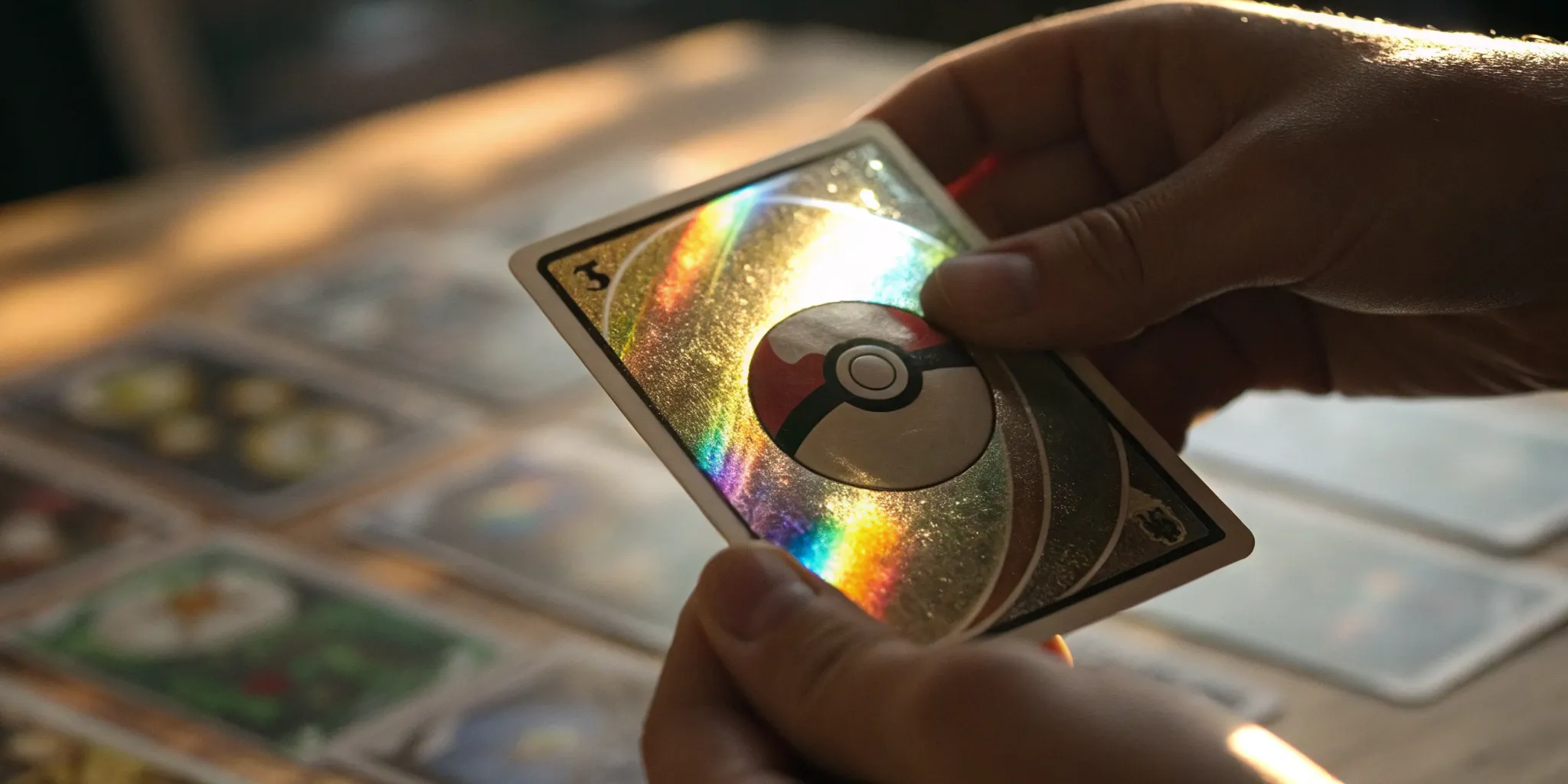
That old binder of Pokémon cards sitting in your closet could be a nostalgic trip down memory lane, or it could be a hidden treasure chest. The line between worthless cardboard and a small fortune is finer than you might think. You might have a holographic Charizard that looks amazing, but is it the one worth thousands? Understanding the world of pokemon card pricing can feel like learning a new language, with its own rules for rarity, condition, and market demand. This guide is your translator. We'll break down exactly what makes a card valuable and show you how to check prices like a pro.
Key Takeaways
- Know the value formula: A card's price isn't random; it's determined by its rarity, physical condition, and the Pokémon's popularity. Learning to assess these three factors is the foundation for making smarter decisions with your collection.
- Use modern tools for accurate pricing: Don't guess or rely on old information. Get a reliable price by checking online guides for a baseline value, then look at recent "Sold" listings on marketplaces to see what people are actually paying right now.
- Preserve condition to protect value: A card's physical state is critical. Protect your best cards in sleeves and top loaders the moment you get them, and consider professional grading for rare finds to lock in their condition and increase their market worth.
What Makes a Pokémon Card Valuable?
Ever wonder why one Pokémon card is worth a few cents while another can fetch thousands of dollars? It’s not random magic. A card's value is a mix of several key factors that every collector should know. Think of it like a recipe: you need the right ingredients in the right amounts to create something truly valuable. From how many copies exist to the character printed on the front, each detail plays a part in its final market price.
For new and veteran collectors alike, figuring out a card's worth can feel like a puzzle. You might have a binder full of cards from your childhood or be ripping open new packs, and in both cases, you're hoping to find a hidden gem. The good news is that you don't need to be a professional appraiser to understand the fundamentals. By learning to spot the signs of a valuable card, you can make smarter trades, better purchases, and get a real sense of what your collection is worth. It’s this knowledge that separates a casual hobbyist from a serious collector. Understanding these elements is the first step to spotting treasure and making informed decisions for your collection. Let's break down the four main ingredients that determine a Pokémon card's price tag: its rarity, condition, popularity, and history.
Rarity and Print Runs
At its core, value is about supply and demand. The rarer a card is, the more people are willing to pay for it. You can get a quick idea of a card’s rarity by looking at the symbol in the bottom corner: a circle means common, a diamond is uncommon, and a star means rare. But it goes deeper than that. Special cards like holographic "holos," reverse holos, and ultra-rare cards with unique textures or full-card artwork are produced in much smaller quantities. Then you have secret rare cards, which have a card number higher than the set number (like 113/112). These limited print runs make them the ultimate prize for many collectors.
Condition and Grading
A card’s physical condition is one of the most critical factors in its value. A pristine, perfectly preserved card is always worth more than one with frayed edges, scratches, or creases. Collectors use terms like Mint (M), Near Mint (NM), and Lightly Played (LP) to describe condition. While you can assess this yourself, the gold standard is professional grading. Companies like PSA, BGS, and CGC will authenticate and score your card on a 1-to-10 scale. A card that receives a high grade, like a PSA 10 Gem Mint, can see its value skyrocket because that grade is a verified guarantee of its flawless condition, removing all guesswork for potential buyers.
Popularity and Market Demand
Some Pokémon are just superstars, and their celebrity status directly impacts their card value. Cards featuring fan-favorites like Charizard, Pikachu, Blastoise, and the Eeveelutions consistently hold high values because there’s a massive, built-in demand for them. Nostalgia is a powerful force here; many collectors want the Pokémon they grew up with. Market demand can also shift with current trends. When a specific Pokémon gets a spotlight in a new video game, movie, or anime series, interest in its cards often follows, causing prices to climb. It’s the "cool factor" that keeps the market exciting and dynamic, ensuring that the most beloved Pokémon remain valuable assets.
Age and Set Significance
Just like with fine wine, age can add significant value to a Pokémon card, especially if it’s from a landmark set. Cards from the original 1999 Base Set are highly sought after by collectors looking to own a piece of Pokémon history. The most valuable of these are the "First Edition" cards, identified by a small black stamp on the side. These were part of the very first print run and are much rarer than the subsequent "Unlimited" printings. Beyond the Base Set, cards from other significant early sets like Jungle, Fossil, and Team Rocket, or cards that introduced a new game mechanic, also carry a historical premium. Knowing a card's set history is key to understanding its place and value in the hobby.
How to Check Pokémon Card Values
Figuring out what your Pokémon cards are worth doesn't have to be a guessing game. With the right tools, you can get an accurate picture of your collection's value in minutes. The key is to use a combination of methods to cross-reference prices and understand the current market. Relying on just one source can give you a skewed perspective, as prices can change quickly based on new releases, player demand, and collector trends. By blending the stability of price guides with the immediacy of recent sales data, you get the most complete and reliable valuation. From dedicated websites to handy mobile apps, these resources will help you determine what your cards are truly worth. Let's walk through the most effective ways to check your card values.
Use Online Price Guides
Online price guides are your best friend for getting a quick and comprehensive value assessment. Websites like PriceCharting provide a fantastic resource by compiling data for thousands of Pokémon cards, giving you a solid baseline. These guides are incredibly useful because they often show prices for both graded and ungraded cards, so you can get a feel for your card's potential value no matter its condition. They aggregate data from multiple sources, saving you the trouble of hunting down prices one by one. Think of them as the encyclopedia for Pokémon card values—an essential first stop for any collector looking for a reliable price estimate.
Check Recent Marketplace Sales
While price guides give you a great average, checking recent sales shows you what people are paying right now. Marketplaces like eBay are treasure troves of real-time pricing information. You can search for your specific card and filter by "Sold Items" to see the most recent transaction prices. This method is crucial for understanding the current market demand and avoiding outdated information. Many price-tracking sites use this exact data to update their guides, so going straight to the source gives you the most up-to-date look at a card's value.
Scan Cards with Mobile Apps
For collectors on the go, mobile apps have completely changed the game. Apps like the TCGplayer App let you scan your Pokémon cards with your phone's camera to instantly pull up pricing information. This is an incredibly efficient way to check values, especially if you're sorting through a large collection or considering a trade at a local event. These digital tools not only provide quick price checks but also help you catalog and manage your entire collection, making it easier than ever to keep track of your most valuable assets. It simplifies the process and puts powerful collection management tools right in your pocket.
Track Price History
Understanding a card's price history is vital for making smart buying and selling decisions. Is your card's value on an upward trend, or has it been slowly declining? Most online price guides include historical data charts that show how a card's value has fluctuated over months or even years. By observing these trends, you can spot opportunities and make more informed choices. For example, you might decide to hold onto a card that's steadily climbing in value or sell one that appears to have peaked. This long-term view is what separates casual collectors from savvy investors, helping you maximize the return on your collection.
Graded vs. Ungraded: What's the Price Difference?
When you’re looking up Pokémon card prices, you’ll quickly notice two distinct categories: graded and ungraded (often called “raw”). An ungraded card is straight from a pack or binder, with its condition left to interpretation. A graded card, on the other hand, has been sent to a professional third-party company that authenticates it and assigns it a score—usually on a scale of 1 to 10—based on its physical condition. This process removes all the guesswork.
Think of it this way: a raw card’s value is based on potential, while a graded card’s value is based on proof. That proof of quality and authenticity is why graded cards almost always command higher prices. When you buy a card graded PSA 10 Gem Mint, you know you’re getting a virtually flawless example. This certainty creates a more stable and often much higher market value. You can easily see this difference on sites like PriceCharting, which lists recent sales for both graded and ungraded versions of the same card. The gap in price can be staggering, turning a $50 raw card into a $500+ graded treasure.
Comparing PSA, BGS, and CGC
When it comes to grading, three companies stand out: PSA, BGS, and CGC. Each has a distinct reputation in the collecting world. PSA (Professional Sports Authenticator) is the industry giant, known for its iconic red-and-white label. Its simple 1-10 scale is the market standard, and PSA 10s often fetch the highest prices.
BGS (Beckett Grading Services) is another top-tier choice, highly respected for its detailed sub-grades that rate a card’s centering, corners, edges, and surface individually. This precision appeals to collectors who want a deeper analysis of their card’s quality. Finally, CGC (Certified Guaranty Company) has become a major player, praised for its competitive pricing and fast turnaround times. Their sleek slabs and focus on card authentication have made them a popular choice for modern and vintage collectors alike.
How Grading Increases a Card's Value
So, why does a plastic case with a number on it make such a big difference? It comes down to trust and preservation. Professionally graded cards, especially those with high scores, significantly increase a card's worth because the grade is an objective seal of approval. A buyer no longer has to take a seller’s word that a card is in “near-mint” condition—the grade from a reputable company confirms it.
This removes the risk of buying a card with hidden flaws like micro-scratches or subtle edge wear. The durable case, or "slab," also protects the card from future damage, preserving its condition for years to come. This combination of authentication, guaranteed condition, and protection is what creates the premium value that collectors are willing to pay for.
When Should You Get a Card Graded?
Deciding whether to grade a card is a key strategic choice for any collector. Not every card is a good candidate; the cost of grading can sometimes be more than the value it adds. Before sending a card in, first assess its potential. Look up the raw value of the card in near-mint condition, then compare it to the prices for graded 8s, 9s, and 10s. If there’s a significant price jump, it might be worth it.
Next, be brutally honest about your card’s condition. Examine the corners, edges, and surface under a bright light. If you spot obvious flaws, it’s unlikely to score a 9 or 10. Ultimately, knowing a card's true value helps you make smarter decisions, whether you’re grading to increase resale value or simply to protect a prized piece in your personal collection.
Where to Buy and Sell Pokémon Cards
Knowing your card's value is one thing; finding the right place to buy or sell it is another. The best option for you depends on whether you prefer the vast selection of online stores, the hands-on experience of a local shop, or the modern thrill of digital platforms. Each avenue offers unique benefits, so let's look at where you can make your next move.
Online Marketplaces and Auctions
For the sheer volume of cards available, nothing beats online marketplaces. Websites like eBay and TCGplayer are the go-to spots for millions of collectors. You can find almost any card imaginable, from vintage commons to modern secret rares, often at competitive prices. These platforms are also great for research, as you can check recent sales data to get a real-time pulse on the market. Many sites, including TCGplayer, also provide detailed price guides to help you buy and sell smartly. The main drawback is that you can’t inspect the card in person, so be sure to buy from reputable sellers with clear photos and detailed descriptions.
Local Card Shops and Events
There’s something special about visiting a local card shop. You get to see cards up close, hold them in your hands, and avoid shipping fees. Shop owners are often collectors themselves and can offer expert advice or appraise your cards on the spot. Local shops, along with conventions and tournaments, are also fantastic places to connect with other fans and build a community. While their inventory might be smaller and prices slightly higher than online, the ability to inspect a card’s condition before buying and the immediate gratification of walking out with it in hand is a major plus for many collectors.
Digital Pack Platforms like Packz
If you love the excitement of opening packs but want a more modern experience, digital platforms are an exciting option. Here at Packz, you can buy and open digital mystery packs that contain real, graded Pokémon cards. You get the instant thrill of the reveal without the clutter. After you open a pack, you decide what happens next: have the physical cards shipped directly to you, or sell them back to us instantly for credit to open more packs. It combines the classic fun of collecting with the convenience of digital tools, giving you a new and streamlined way to build your collection.
Trading Directly with Other Collectors
Trading is the original way to build a collection, and it’s still a popular method. You can trade with friends, at local meetups, or through online communities on platforms like Reddit or Facebook. The biggest advantage is cutting out the middleman, allowing you to swap duplicates for cards you need without any cash changing hands. However, successful trading requires a good understanding of card values, as they can change quickly. It’s essential to do your homework and agree on prices beforehand to ensure a fair deal for everyone involved. Trust and clear communication are key when you’re trading directly with another collector.
How to Value Your Entire Pokémon Collection
Figuring out what your entire Pokémon collection is worth can feel like a massive project, but it’s the best way to understand the true value of what you’ve built. Instead of just knowing the price of a few star players, a full valuation gives you the big picture for insurance, potential sales, or just for your own peace of mind. Breaking it down into manageable steps makes the process straightforward and even a little fun.
Use Digital Tools to Track Your Collection
Gone are the days of scribbling prices in a dusty notebook. Modern digital tools make tracking your collection’s value faster and far more accurate. Scanner apps, like the TCGplayer App, let you use your phone’s camera to instantly identify a card and pull up its current market price. For larger collections, dedicated collection management websites allow you to build a complete digital inventory. You can log each card’s set, condition, and grade to see your portfolio’s total worth update in real-time. These tools are essential for tracking value fluctuations and spotting trends without the headache of manual data entry.
Identify Your Most Valuable Cards First
When you’re staring at piles of cards, it’s easy to feel overwhelmed. The trick is to not start with the bulk. Instead, begin by identifying your most valuable cards. Three main things determine a Pokémon card's value: rarity, condition, and the Pokémon's popularity. Sift through your collection and pull out any holographic cards, first editions, or cards with rare symbols. Once you have this smaller, high-potential stack, you can inspect their condition more closely and look up their individual prices. This approach gives you a strong baseline for your collection’s value and helps you focus your energy where it matters most.
Keep an Accurate Inventory
A one-time price check isn’t enough; you need to maintain an accurate inventory. The Pokémon card market is dynamic, with prices changing based on new game releases, community hype, and tournament results. Using one of the digital tools mentioned earlier, create a comprehensive list of your cards, noting their set, condition, and any grading information. An up-to-date inventory is not just for tracking your collection’s financial growth. It’s also crucial for insurance purposes and helps you make smart decisions about what to sell, trade, or get graded next. Properly storing your cards is part of this process, as it preserves their condition and protects your investment.
The Most Valuable Types of Pokémon Cards
While every Pokémon card has its own unique appeal, certain categories consistently command higher prices and more attention from serious collectors. Understanding these types is key to spotting a treasure in your collection or knowing what to look for in your next pack. These cards are valuable because of their history, extreme rarity, or unique characteristics that set them apart from the millions of others in circulation. From iconic originals to modern-day treasures, these are the types of cards that can turn a casual hobby into a serious investment.
First Edition and Base Set Cards
For many collectors, First Edition and Base Set cards are the holy grail. These are the cards that started it all, and their limited print runs and deep nostalgic value make them incredibly sought after. A First Edition card is identifiable by the small, black "Edition 1" stamp on the card. The original 1999 Base Set is the foundation of the Pokémon TCG, and cards from this era, especially in good condition, are prized possessions. Finding a First Edition Charizard is a dream for many, but even less popular Pokémon from this set can be surprisingly valuable.
Promo Cards and Tournament Prizes
Promo cards are special cards released outside of standard booster packs, often given out at movie premieres, events, or as tournament prizes. Their value comes from their scarcity and the unique story behind them. Tournament prize cards, in particular, are among the rarest Pokémon cards in existence, sometimes with only a handful ever produced. These cards often feature unique artwork and are a testament to a player's skill, making them desirable trophies for the most dedicated Pokémon TCG collectors.
Secret Rares and Modern Chase Cards
You don't have to own a vintage card for it to be valuable. Modern sets are filled with "secret rares" and other chase cards that get collectors excited. A secret rare has a card number higher than the official set number (e.g., 115/114) and often includes alternate art, full art, or rainbow rare versions of popular Pokémon. Fan-favorites like Charizard and Pikachu are common subjects for these highly coveted cards, and pulling one from a pack is the ultimate thrill for today's collectors.
Misprints and Error Cards
Sometimes, a production mistake can be a very good thing. Misprints and error cards are anomalies from the printing process, and their uniqueness makes them incredibly valuable. These errors can range from missing symbols and incorrect colors to having the wrong information on the card. For example, the famous "No Rarity Symbol" Japanese Base Set cards are highly sought after because they were part of an early, corrected print run. These error cards are often one-of-a-kind, making them a fascinating and valuable niche in the collecting world.
Pricing Hurdles Every Collector Faces
Figuring out what your Pokémon cards are worth isn't always a walk in the park. The market is dynamic, and several factors can make pricing feel like a moving target. Even seasoned collectors run into these challenges, so if you've ever felt a bit lost, you're in good company. Understanding these common hurdles is the first step to accurately valuing your cards and making smarter decisions for your collection, whether you're buying, selling, or trading. From wild price swings to the subtle art of judging a card's condition, getting a handle on these obstacles will help you build your collection with confidence. Let's break down the three biggest ones you'll likely encounter.
Dealing with Price Swings
The value of a Pokémon card is not fixed; it can change from one week to the next. These fluctuations are driven by market demand, new set releases, and even trends in the broader Pokémon community. A card that’s popular today might cool off tomorrow, while an overlooked card could suddenly spike in price. To accurately assess your card's worth, you have to stay informed about these changes. Keeping an eye on recent sales on marketplaces and using reliable price guides will help you get a real-time snapshot of a card’s value instead of relying on old information. Staying on top of these market trends is crucial for not overpaying when you buy or underselling when you part with a card.
The Trouble with Assessing Card Condition
Condition is one of the most critical factors in determining a card's value, and it’s also one of the most subjective. A card in perfect, mint condition is always worth significantly more than one with even minor wear like whitening on the edges or a small surface scratch. While you can learn to spot major flaws, accurately assessing card condition is a skill that takes practice. What might look like a perfect "10" to you could be graded as an 8 or 9 by a professional. This is why professional grading from companies like PSA is so important—it removes the guesswork and provides a standardized, trusted assessment of a card’s physical state, which can lead to a huge increase in its price.
Decoding Complex Rarity
Understanding a card's rarity goes far beyond the little symbol in the bottom corner. The world of Pokémon cards includes a wide spectrum of rarity levels that can be tricky to get a handle on. Beyond common, uncommon, and rare, you have holo rares, reverse holos, ultra rares, and the highly sought-after secret rares. On top of that, there are limited promotional cards, tournament prizes, and special print runs that add another layer of complexity. Knowing the difference between a standard V card and its full-art or alternate-art version can mean a price difference of a few dollars versus a few hundred. This complexity makes the market exciting, but it also requires you to do your homework to avoid misidentifying a true gem.
Common Pricing Mistakes to Avoid
Figuring out what your Pokémon cards are worth can feel like a moving target. The market is constantly shifting, and what was true yesterday might not be true today. It’s easy to leave money on the table or ask for a price that’s way off the mark. Even seasoned collectors slip up sometimes. But by being aware of a few common pitfalls, you can price your cards with much more confidence and accuracy.
Getting an accurate price isn't just about looking up a number; it's about understanding the context behind that number. It involves knowing where to look for current data, how to be brutally honest about your card's physical state, and feeling the pulse of the market. These aren't just rookie mistakes; they're hurdles that can trip up anyone who isn't paying close attention to the details. From relying on dusty old price guides to misjudging the perfect time to sell, these errors can significantly impact the return you get on your cards. Let's walk through some of the most frequent mistakes collectors make when pricing their cards, so you can sidestep them and get the true value for your collection.
Relying on Outdated Prices
One of the quickest ways to misprice a card is by using old information. The Pokémon card market is incredibly dynamic, with prices that can change weekly, or even daily. Relying on a printed price guide from a few years ago or a sale you remember from last Christmas is a recipe for an inaccurate valuation. Those old methods of checking values are not only time-consuming but often incorrect in today's fast-paced market. To get a real sense of a card's current worth, you need to use tools that track real-time sales data from major marketplaces. This gives you a snapshot of what buyers are actually willing to pay for that card right now.
Misjudging a Card's Condition
The difference in value between a card in perfect condition and one with even minor flaws is huge. It's easy to look at your own card with rose-colored glasses and overlook a tiny bit of whitening on the edges or a faint surface scratch. However, these details are exactly what discerning buyers and graders look for. Cards in perfect, or "mint," condition are worth much more than damaged ones. When a card is professionally graded as a PSA 9 or 10, its price can jump dramatically. Before you assign a value, learn how to assess a card's condition objectively, comparing it to official grading standards. Being honest about flaws will help you set a realistic and fair price.
Selling at the Wrong Time
Timing is a massive factor in the collectibles market. A card's value isn't a fixed number; it ebbs and flows based on market demand, player popularity, and even what’s happening in the latest Pokémon games or shows. Selling a popular card right after a new set has been released might mean competing with a flood of other sellers, potentially driving the price down. Conversely, holding onto a card featuring a Pokémon that suddenly becomes a fan favorite could lead to a significant profit. The key is to pay attention to market trends. Selling a card at the wrong moment can mean missing out on its full potential value.
Ignoring a Card's Grading Potential
For common or low-value cards, professional grading might not be worth the cost. But for a rare holographic or a sought-after chase card, failing to get it graded is a major missed opportunity. A raw, ungraded card's value is always subject to opinion, but a grade from a reputable company like PSA provides a definitive, trusted assessment of its condition. As mentioned, professionally graded cards, especially those with high scores, see a significant increase in worth. If you have a card that you suspect is in near-mint or better condition and has high demand, submitting it for grading is an investment that can pay for itself many times over.
How to Get the Most Value from Your Collection
Getting the most from your collection is about playing the long game. It involves more than just pulling a rare card; it requires careful preservation, smart timing, and a good understanding of market behavior. By treating your collection like an asset, you can make sure you’re ready to capitalize on its full potential when the time is right.
Store and Protect Your Cards
A card's physical condition is one of the biggest factors in its value. A card in perfect shape is worth much more than one with even minor wear. Cards professionally graded as PSA 9s or 10s see big price jumps for this very reason. That’s why proper storage is non-negotiable. The moment you pull a potentially valuable card, place it in a soft penny sleeve and then a rigid top loader. For long-term storage, consider using binders with high-quality pages or dedicated storage boxes. Protecting your cards from dust, moisture, and bends is the first and most important step in preserving their value.
Time the Market for Better Sales
The Pokémon card market is dynamic, with prices that change based on new set releases, character popularity, and collector demand. Selling a card during a peak in its popularity can earn you significantly more than selling during a lull. Knowing your collection's value helps you make fair trades and smart buying decisions. Keep an eye on what similar cards are selling for on marketplaces to get a pulse on the market. This real-time data helps you decide whether to sell now or hold for a potentially better price later. A well-timed sale can make all the difference.
Learn Seasonal Price Trends
Like any other market, the world of Pokémon cards can have seasonal patterns. Demand might spike around the holidays or in the lead-up to a major anniversary or new video game release. By using tools that show historical sales data, you can get a better sense of these trends. You can see how card prices have changed over time, which helps you know if a card's value is going up or down. This insight from price history charts allows you to anticipate potential peaks in the market, helping you plan your sales for when demand—and prices—are likely to be at their highest.
Related Articles
Frequently Asked Questions
I found my old Pokémon card collection. Where do I even start to see if it's valuable? The best way to begin is by sorting through your cards to find the potential heavy hitters. Pull out anything that's holographic, has a star symbol in the bottom corner, or features a popular Pokémon like Charizard or Pikachu. You should also look for a small "Edition 1" stamp to the left of the artwork, as these first print run cards are often the most valuable. Focusing on this smaller, higher-potential stack first makes the process much more manageable.
Is it always a good idea to get a valuable card graded? Not necessarily. Grading is a strategic move that makes the most sense when the potential increase in value is much higher than the cost of the service itself. Before you send a card in, look up what it sells for in a high grade, like a PSA 9 or 10. If that price is significantly more than its current ungraded value, and you're confident your card is in pristine condition with no visible flaws, then grading is a fantastic investment.
Why do I see so many different prices online for the exact same card? The price difference you're seeing is almost always due to condition. An ungraded, or "raw," card's value is based on an assumed condition, while a professionally graded card has a certified score that guarantees its quality. A card graded a perfect 10 will command a much higher price than the exact same card in a lower grade or with no grade at all. Market demand also causes prices to shift, so what a card sold for last month might not be what it's worth today.
What's the fastest way to check a card's price when I'm at a garage sale or a card show? For quick, on-the-spot price checks, a mobile app is your best tool. Apps like the TCGplayer App let you use your phone's camera to scan a card and instantly pull up its current market value. This is the most efficient way to make an informed decision when you're away from your computer and need a reliable price in seconds.
Besides Charizard, what other kinds of cards should I be looking for? While Charizard is a collecting icon, many other cards hold significant value. Always keep an eye out for cards from the original 1999 Base Set, especially if they have that First Edition stamp. In modern sets, look for "secret rare" cards, which have a card number higher than the set number and often feature stunning alternate artwork. Limited-run promotional cards from events and even cards with printing errors can also be surprisingly valuable finds.
Recommended Reading
Cash for Graded Sports Cards: The Fastest Ways to Sell
Get cash for graded sports cards faster. Compare auction houses, marketplaces, and instant buyback options to pick the route that fits your timeline.
How to Compare Value in Sports Card Packs
Learn how to compare sports card packs using card quality, available pulls, pricing clarity, and Packz’s 100% buyback option.
How to Buy Pokemon Packs Online for Ripping
Ready to buy pokemon packs online for ripping? Get transparent pack value and clear pull odds so you never overpay for the thrill of the hunt. Start collecting safely.