
June 26, 2026
Your Essential Guide to Rare Pokémon Cards
Find out what makes rare Pokémon cards valuable, how to spot fakes, and get expert tips for building a collection you’ll love for years to come.
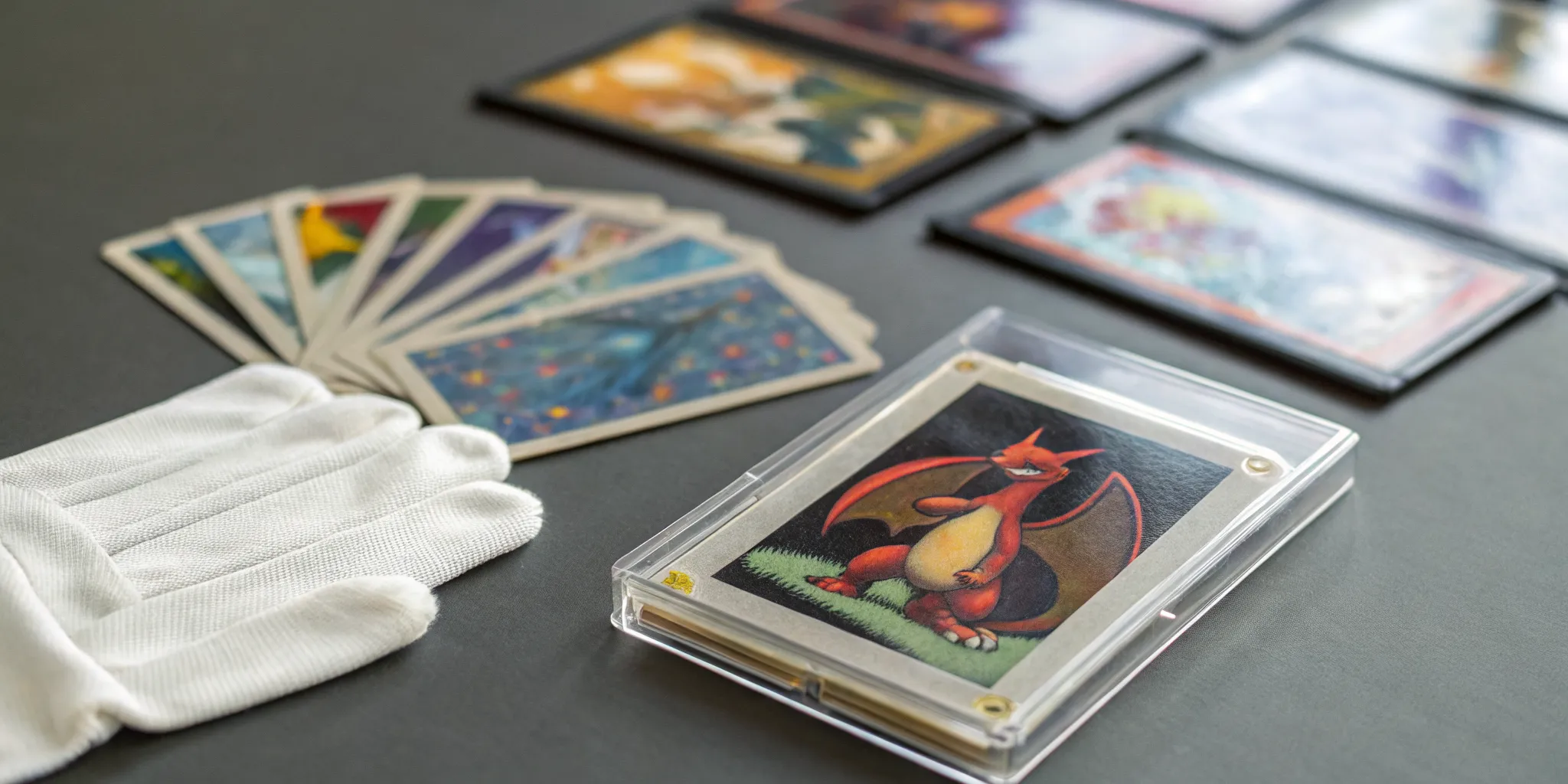
We’ve all heard the stories: someone finds their old Pokémon card binder in their parents’ attic and discovers a small fortune. While it sounds like a fantasy, there’s a core of truth to it. The value of certain cards has skyrocketed, turning a childhood hobby into a serious collector’s market. But what separates a common card from a five-figure treasure? It’s a combination of history, scarcity, and condition. Understanding these factors is the key to appreciating the hobby on a deeper level. This guide will walk you through everything you need to know about rare Pokémon cards, from identifying them in the wild to understanding their true market value.
Key Takeaways
- Understand What Creates Value: A card's worth comes from three key factors: its rarity (like a First Edition stamp), its physical condition, and the Pokémon's popularity. A perfect card of a beloved character is the recipe for a high-value collectible.
- Prioritize Graded Cards for Confidence and Security: Grading provides proof of a card's authenticity and condition, protecting you from fakes and removing guesswork. Buying graded cards is the surest way to know you're getting exactly what you paid for.
- Build Your Collection with a Plan: Create a collection you love by being intentional. Research market prices to avoid overpaying, buy from trusted sellers to stay safe, and consider diversifying between vintage classics and modern chase cards.
What Makes a Pokémon Card Rare?
When you’re getting into Pokémon card collecting, the word “rare” gets thrown around a lot. But what does it actually mean? It’s not just about a high price tag. A card’s rarity is a mix of its unique story, how few copies exist, and its significance to the Pokémon community. Some cards are rare because they were part of a very limited print run, while others were only given out as prizes at exclusive tournaments. Even a simple printing error can turn an ordinary card into a collector’s dream.
Understanding these factors is key to building a collection you’re proud of. It helps you appreciate the history behind the cardboard and make smarter decisions, whether you’re trading with friends or pulling a monster hit from a pack. Think of it like being a detective. You’re looking for clues, like special symbols, unique stamps, or unusual features that set a card apart from the millions of others out there. These details are what separate a common card from a true treasure. In the following sections, we’ll break down exactly what to look for, from basic rarity symbols to the ultra-exclusive cards that were never even sold in stores.
Understanding Rarity Symbols and Print Runs
The easiest way to get a baseline for a card’s rarity is to check the symbol in the bottom corner. A circle means the card is common, a diamond means it’s uncommon, and a star means it’s rare. Modern sets have introduced even more tiers, like amazing rares or radiant rares, but the star is the classic indicator of a standard rare card.
However, the symbol only tells part of the story. The print run, or the total number of cards produced in a single batch, is just as important. Early Pokémon sets had massive print runs, but certain cards within those sets were still produced in smaller quantities. A smaller print run means fewer cards are in circulation, which naturally makes them more scarce and desirable to collectors.
The Appeal of First Edition and Shadowless Cards
If you’re looking at vintage cards from the original Base Set, two terms you’ll hear constantly are "First Edition" and "Shadowless." A First Edition card is from the very first print run of a set and is marked with a special "Edition 1" stamp. These are the original OGs, and that stamp carries a ton of weight with collectors.
Right after that initial run, Wizards of the Coast made a few design tweaks. One of these was adding a drop shadow to the right side of the character art box. Cards printed before this change are known as "Shadowless." So, a First Edition Base Set card will always be Shadowless, but there’s also a small batch of non-First Edition Shadowless cards that are highly sought after. Finding a card with both the First Edition stamp and the Shadowless design is like hitting the vintage jackpot.
Special Cards: Promos, Trophies, and Errors
Some of the rarest Pokémon cards in existence were never available in booster packs. These special cards often have the most interesting backstories. Promotional, or "promo," cards were given out at movie premieres, included in magazines, or distributed at special events. Their rarity depends entirely on how many were made and how they were released.
Then you have trophy cards, which are the holy grail for many collectors. These were awarded to the winners of major Pokémon TCG tournaments, primarily in Japan during the late '90s and early 2000s. Since you had to be one of the best players in the world to get one, their supply is incredibly limited. Finally, don’t overlook error cards. A card with a misprint, like the wrong energy symbol or a typo, can become an accidental collectible due to its uniqueness.
What Makes a Rare Pokémon Card Valuable?
Ever wonder why one Pokémon card is worth a few cents while another can sell for the price of a house? It’s not just random chance. A card's value comes from a specific mix of factors that together create a perfect storm of desirability for collectors. It’s a combination of how rare it is, what kind of shape it’s in, how popular the Pokémon is, and its place in the game’s history. Understanding these key elements is the first step to thinking like a serious collector and spotting a true treasure. Let's break down what separates a common card from a collection centerpiece.
Rarity and Overall Scarcity
At its core, value is tied to scarcity. The fewer copies of a card that exist, the more people will want it. Rarity isn't just about a symbol at the bottom of the card, though. It’s about the card’s unique story. Was it a "trophy card" given to winners of a tournament in Japan in the 90s? Is it a famous misprint with a glaring error that was quickly corrected? These unique circumstances create an extremely limited supply. A card’s rarity tells a story of its origins, and collectors are willing to pay a premium to own a piece of that exclusive history.
Card Condition and Professional Grades
You could have the rarest card in the world, but if it looks like it went through the wash, its value will plummet. Condition is king. That’s why professional grading is so important. Companies like PSA and BGS examine cards for flaws, assigning them a score from 1 to 10. A card in perfect condition, graded as a Gem Mint 10, is the holy grail for collectors. These cards are exponentially more valuable than the same card in a lower grade. This is because a Gem Mint grade guarantees the card is a flawless example, making it the best of the best.
Pokémon Popularity and Demand
Let’s be honest: some Pokémon are just more popular than others. This popularity creates incredible demand in the card market. Charizard is the classic example; his fiery attitude and iconic design have made his cards some of the most sought-after for decades. The same goes for Pikachu, the face of the franchise. This demand is deeply connected to nostalgia and culture. Collectors want the cards featuring the Pokémon they grew up with and loved, and they’re willing to compete for them. A rare card of a beloved Pokémon is a recipe for high value.
Age and Historical Importance
In the world of Pokémon cards, age often translates to value. The earliest cards, particularly those from the late 1990s and early 2000s, are relics from the dawn of the Pokémon phenomenon. First Edition and Shadowless cards from the original Base Set are especially prized because they represent the very first print runs. These vintage cards are not just pieces of a game; they are artifacts of Pokémon history. Owning one is like owning a piece of a cultural movement, which is why these old, rare cards continue to be some of the most valuable on the market.
Current Market Trends
The Pokémon card market is always changing, but some trends have staying power. While the explosive hype of recent years has calmed, the market for high-end cards remains strong. Collectors and investors are becoming more selective, focusing their attention on what are known as "trophy" cards—the rarest of the rare. Perfectly graded cards, especially those rated PSA 10, continue to appreciate in value as collectors seek out the best possible examples for their collections. Being picky and targeting these top-tier cards is the prevailing strategy for anyone looking to acquire cards with lasting value.
How Are Pokémon Cards Graded?
So, you’ve pulled a card that looks special. What’s next? For serious collectors, the answer is often professional grading. Think of grading as a formal inspection that assesses a card’s physical condition, assigns it a score, and encases it in a protective slab. This process authenticates the card and gives it a clear, objective grade that helps determine its market value. A high grade from a reputable company can transform a great card into a top-tier collectible. Understanding how this works is key to navigating the world of high-value cards.
Comparing Grading Services: PSA, BGS, and CGC
Not all grading services are created equal, and each has its own reputation in the collecting community. The most recognized name is Professional Sports Authenticator (PSA), which is often considered the gold standard, especially for vintage Pokémon cards. PSA-graded cards frequently fetch the highest prices at auction. Beckett Grading Services (BGS) is another top contender, famous for its detailed subgrades and the elusive "Black Label," awarded only to cards that score a perfect 10 on all criteria. Finally, Certified Guaranty Company (CGC) is a popular choice for modern cards or for collectors grading many cards at once, offering reliable service at a competitive price point.
The Four Pillars of Grading: Centering, Corners, Edges, and Surface
When you submit a card for grading, experts examine it under magnification, focusing on four key areas. First is centering, which refers to how evenly the artwork is framed by the card’s yellow borders. Perfect centering is rare and highly desirable. Next, they inspect the corners for sharpness; any whitening, rounding, or fraying will lower the score. The edges are checked for similar imperfections, particularly the white chipping that can occur with handling. Finally, the surface is scrutinized for any flaws like scratches, print lines, or dents. A card must be nearly flawless in all four categories to earn a top grade.
Why Graded Cards Are Worth More
A graded card is almost always worth more than a "raw" or ungraded one, and for good reason. The grade provides proof of a card's authenticity and offers an unbiased, expert opinion on its condition. This removes the guesswork for buyers and creates a trusted standard for the entire market. Once graded, the card is sealed in a tamper-proof plastic case, known as a slab, which protects it from damage and preserves its condition. This combination of verification, standardization, and protection gives collectors the confidence to pay a premium, knowing they are getting exactly what they paid for.
The Most Valuable Pokémon Cards of All Time
Every collector dreams of finding that one card worth a small fortune. While thousands of Pokémon cards hold value, a select few have become legends in the hobby, fetching life-changing sums at auction. These cards are more than just game pieces; they are artifacts of Pokémon history, defined by extreme rarity, unique stories, and pristine condition. From one-of-a-kind trophies to iconic first prints, these are the cards that represent the absolute peak of Pokémon collecting. Let's look at some of the most valuable Pokémon cards ever sold.
Pikachu Illustrator (1998)
Often called the holy grail of Pokémon cards, the Pikachu Illustrator is arguably the rarest card in existence. It was never available in any commercial pack. Instead, it was awarded to just 39 winners of an illustration contest held by CoroCoro Comic in Japan. With so few copies ever made, its rarity is unmatched. This legendary card holds the Guinness World Record for the most expensive Pokémon card sold at a private sale, after YouTuber Logan Paul purchased a PSA 10 graded version for an astounding $5,275,000. Its mythical status and incredible value make it the ultimate prize for any collector.
1999 First Edition Shadowless Holographic Charizard
For many who grew up with Pokémon, this is the card. The First Edition Shadowless Charizard is the original chase card from the 1999 Base Set. The "First Edition" stamp marks it as part of the very first print run, while the "Shadowless" aspect refers to the lack of a drop shadow behind the art box, a feature unique to the earliest prints. This combination of factors makes it incredibly desirable. A pristine, PSA 10 graded version of this iconic card sold for $420,000 at auction, cementing its place as one of the most valuable and recognized cards in the entire hobby.
Blastoise WOTC Presentation Galaxy Star Holo (1998)
This card is a fascinating piece of Pokémon history. Before the Pokémon Trading Card Game was released in the United States, the publisher, Wizards of the Coast, created a few prototype cards to present to Nintendo. This Blastoise is one of those test prints. It features a "Galaxy Star" holographic pattern and, most notably, a blank back on some versions. With only two known to exist, it is one of the rarest Pokémon cards ever made. In 2021, one of these incredible artifacts fetched $360,000 at auction, a testament to its unique origin story and scarcity.
No. 1 Trainer Trophy Cards (1997–2001)
Before Pokémon became a global phenomenon, Japan hosted the first official tournaments, and the winners received some of the rarest cards ever produced: the No. 1 Trainer trophy cards. These cards were awarded to the top players in each division, and they feature a unique illustration of a Pokémon like Pikachu holding a gold trophy. Each card is essentially a one-of-a-kind prize from a specific event, making them incredibly personal and historic. Depending on the year, tournament, and condition, these trophy cards regularly sell for well over $100,000, representing a true achievement in the world of Pokémon.
Tamamushi University Magikarp (1998)
It’s ironic that one of the weakest Pokémon has one of the most valuable cards, but the Tamamushi University Magikarp is no joke. This card was a prize for a promotional campaign in Japan where participants had to complete a series of tests. Those who passed were invited to a multi-day conference where they could win this special card. It’s estimated that fewer than 100 of these cards exist. The card is famous for featuring the move Dragon Rage, an attack Magikarp normally cannot learn. A PSA 10 graded copy of this rare Magikarp has sold for over $66,000, proving that even the humblest Pokémon can be a collector's treasure.
Ishihara GX Promo (2017)
One of the most unique and valuable modern cards is the Ishihara GX Promo. This card was not released in any set but was instead handed out to employees at a private party celebrating the 60th birthday of Tsunekazu Ishihara, the president and founder of The Pokémon Company. The card features a full art illustration of Ishihara himself holding a Master Ball, and many of the known copies were signed by him. With an estimated 30 to 60 copies in existence, it’s an incredibly rare piece of corporate Pokémon history. In 2021, a signed copy of this card sold for nearly $250,000, making it one of the priciest promo cards ever.
Modern Cards to Watch
You don't need a vintage card to find serious value. The modern Pokémon TCG is full of high-value chase cards, particularly the Special Illustration Rares (SIRs) from the Scarlet & Violet era. These cards feature stunning, full-card artwork that often tells a story, making them highly sought after by players and collectors alike. Cards like the Giratina V from Lost Origin or the Iono from Paldea Evolved can have incredibly low pull rates, sometimes appearing in only 1 of every 1,000+ packs. This rarity drives their value, with many raw, ungraded cards selling for hundreds of dollars right after release.
Vintage vs. Modern: Which Is Right for You?
The Pokémon card collecting world is split between two major eras: vintage and modern. Each has its own unique appeal, risks, and rewards. Deciding where to focus your energy can be tough, but it really comes down to your personal goals. Are you chasing nostalgia and proven long-term value, or are you drawn to the exciting art and high-value pulls of new releases? Let's break down the differences to help you find your fit.
The Enduring Value of Vintage Cards
Vintage Pokémon cards, especially those from the original Base Set in the late 90s, are the blue-chip stocks of the collecting world. Their value is built on a foundation of nostalgia, scarcity, and historical significance. The most valuable Pokémon cards are almost always the old, rare ones, simply because so few exist in perfect condition. Think of the legendary 1998 Illustrator Pikachu, a card so rare it commanded a price of over $5 million. For many, collecting vintage is about owning a piece of Pokémon history. These cards have stood the test of time, and their demand remains strong, making them a cornerstone for any serious collection.
High-Value Pulls from Modern Sets
While vintage cards get a lot of the glory, don't sleep on modern sets. The Pokémon Company has gotten creative with rarity, introducing cards that can be incredibly difficult to find. Certain ultra-rare modern cards have pull rates as low as 1 in every 1,440 packs, which can drive their market value into the hundreds of dollars right after release. If you're looking to invest in modern cards, your focus should be on chase cards like Special Illustration Rares (SIRs). These cards are the new pinnacle of rarity in modern sets and are highly sought after by players and collectors alike for their stunning artwork and low population counts.
The Rise of Alternate Art and Other Trends
The modern era isn't just about rarity; it's about artistry. The biggest trend in recent years is the explosion of alternate art cards. These are highly textured, full-art cards that feature unique, dynamic illustrations of Pokémon in their environment. Collectors have shown a clear preference for these Special Illustration Rares over other high-rarity cards like the gold Hyper Rares, mainly due to the superior art quality. Cards like the Umbreon VMAX Alt Art, nicknamed "Moonbreon," have become iconic modern collectibles that define the current market, proving that new cards can create legacies of their own.
Deciding Which Era Fits Your Collection
So, vintage or modern? The best answer is often: why not both? A well-rounded collection can include foundational vintage pieces and exciting modern chase cards. Understanding why a card is rare helps you appreciate its history and make smarter buying decisions, whether it’s a 1st Edition Base Set card or a new Special Illustration Rare. If you love the classic look and proven value, lean into vintage. If you enjoy the thrill of the hunt and cutting-edge artwork, modern sets are for you. Ultimately, collecting is a personal journey, so focus on the cards that bring you the most joy.
How to Spot a Fake Pokémon Card
Nothing sinks a collector’s heart faster than discovering a prized card is a fake. As the Pokémon card market has grown, so has the number of counterfeits. Learning how to identify a fake is one of the most important skills you can develop to protect yourself and your collection. The good news is that many fakes have obvious flaws you can spot if you know what to look for. By paying close attention to the details, you can become your own first line of defense against fraudulent cards.
Tell-Tale Signs of a Counterfeit
Counterfeiters often focus on mimicking a card's flashiest features but miss the subtle details. Start by looking at the card's text. Fake cards frequently use the wrong font, have inconsistent spacing, or feature blurry text and spelling errors. The energy symbols might look off-center or have incorrect proportions. Color saturation is another big giveaway; fakes are often either too vibrant or noticeably faded compared to a genuine card. The holographic pattern on a rare card is also difficult to replicate. A real holo has a distinct pattern and depth, while fakes often have a flat, glossy sheen that covers the entire card. A card's true rarity comes from its unique story, and fakes just can't replicate that history.
Simple Tests to Check for Fakes
Beyond a simple visual inspection, you can perform a few physical tests to check a card's legitimacy. The first is the light test. Hold the card up to a bright light; a real Pokémon card is made of multiple layers of cardstock with a black layer in the middle, so very little light should pass through. Most fakes are made from a single, lower-quality piece of cardboard, and light will shine right through them. Next, compare the card's feel and rigidity to a common card you know is real. Fakes often feel flimsy, glossy, or waxy. While it’s a destructive method, for a common card you suspect is fake, the rip test is definitive. Tearing a real card will reveal that black ink layer inside, a feature most counterfeits lack.
Why Grading Is Your Best Defense Against Fakes
While these at-home tests are great for quick checks, the only way to be 100% certain of a card's authenticity and condition is through professional grading. As one expert notes, "If you are looking to buy or sell rare singles, grading is essential. Authentic high-end purchases should always be evaluated by professional grading agencies like PSA, BGS, or CGC." These services use expert analysis and tools to verify every aspect of a card before sealing it in a protective, tamper-proof slab with a unique serial number. This process not only confirms the card is genuine but also assigns it a grade that defines its value. For any serious collector, relying on graded cards is the best way to confidently build a valuable and authentic collection.
Are Rare Pokémon Cards a Good Investment?
So, you're looking at your collection and wondering if those shiny pieces of cardboard are more than just a trip down memory lane. Can Pokémon cards actually be a serious investment? The short answer is yes, but it’s not as simple as buying any pack off the shelf. Like any investment, it requires research, a bit of strategy, and an understanding of the market. Let's break down what you need to know to make smart choices.
A Look at Historical Market Trends
When you look at the Pokémon card market, one trend is crystal clear: vintage is king. The cards that continue to command the highest prices are the rare, first-edition prints from the late 1990s and early 2000s. While new sets generate a lot of excitement, the most valuable Pokémon cards are consistently the old-school classics. These are the cards that have stood the test of time, proving their staying power and becoming iconic pieces of pop culture history. Many collectors view these rare cards as solid assets that hold their value well over time, making them a cornerstone of any serious collection.
Understanding Market Risks and Volatility
It’s important to go into this with your eyes open. The Pokémon card market can be volatile, with prices that can swing up and down, especially for modern cards. A card is ultimately only worth what someone is willing to pay for it, and that value can change based on current trends and hype. This is why being selective is so crucial. While it's tempting to chase the latest hot card, remember that newer releases often experience faster price fluctuations. The key is to understand that not every card is a golden ticket, and a healthy dose of caution will serve you well.
Identifying Cards with Long-Term Potential
If you're aiming for long-term growth, focus on quality and rarity. The cards with the best investment potential are often the "trophy" cards, the rare collectibles that are hard to find. Condition is also a massive factor. For the best value and security, you should look for cards with high grades from professional services, like a PSA 10 or BGS 9.5+. These perfectly graded cards are not only protected but are also verified as being in mint condition, which is what serious collectors and investors are looking for. By targeting high-grade, rare, and historically significant cards, you position your collection for the best possible long-term appreciation.
Where Can You Buy and Sell Rare Pokémon Cards?
Once you know what you’re looking for, the next step is finding where to buy and sell rare Pokémon cards. The collector's market is huge, with options that cater to every style, from the thrill-seeker to the strategic investor. You can hunt for specific singles at a local shop, bid on authenticated grails at a major auction, or experience the excitement of a digital pack rip. Each path offers its own unique advantages. Understanding these different avenues will help you find the perfect place to grow your collection and connect with the community.
Digital Rips and Mystery Packs with Packz
For a modern twist on the classic pack-opening experience, digital rips offer all the excitement without the physical clutter. With Packz, you can open mystery packs online that contain professionally graded Pokémon cards. Since grading is essential for any authentic high-end purchase, this approach gives you confidence that you’re getting the real deal. After the reveal, you have a choice: have your new graded card shipped directly to you, or sell it back instantly for account credit. This lets you keep the fun going and rip even more packs, chasing that next big hit from the comfort of your home.
Traditional Auction Houses and Online Marketplaces
If you have a specific high-value card in your sights, traditional auction houses and online marketplaces are your best bet. These platforms are the go-to for purchasing authenticated vintage and modern cards. You can track market values using resources like the TCGPlayer database, which is a community standard for pricing. For top-tier, graded vintage cards, major auction houses like Goldin regularly feature Pokémon cards that fetch incredible prices. This route is ideal for serious collectors who want to make a targeted investment in a specific, authenticated piece of Pokémon history.
Connecting at Local Card Shops and Shows
There’s nothing quite like the experience of hunting for cards in person. Local card shops and conventions are fantastic places to connect with other collectors and find hidden gems. Buying single cards this way is a great strategy to get exactly what you need for your collection without opening countless packs, which can save you both time and money. It’s often the only way to find certain older, out-of-print cards that don’t appear online frequently. While you can find some amazing deals, be mindful that many cards sold in shops are ungraded, so it’s important to know how to spot a fake.
5 Tips for Building Your Rare Card Collection
Building a collection of rare Pokémon cards is an exciting hobby that blends passion with smart strategy. Whether you’re just starting or looking to add a centerpiece to your display, a little planning goes a long way. It’s about more than just chasing the shiniest pulls; it’s about making informed choices that help you build a collection you’re proud of for years to come.
Think of your collection as a personal gallery. Each card tells a story, not just about the Pokémon on it, but about your journey as a collector. The key is to be intentional. By researching the market, focusing on quality, and buying from trustworthy sources, you can avoid common pitfalls and make every addition count. These five tips will give you a solid framework for finding, buying, and protecting the rare cards that mean the most to you. Let’s get your collection started on the right foot.
1. Research the Market Before You Buy
Before you spend a single dollar, do your homework. The Pokémon card market is dynamic, with prices that can change based on trends, new set releases, and community hype. Knowing a card's current market value helps you identify a fair price and avoid overpaying. It’s the single best way to ensure you’re making a sound purchase.
Thankfully, you don’t have to guess. You can track market values for both modern and vintage cards on respected platforms that serve as community databases. Spending just a few minutes checking the latest sales data for a card you’re interested in can save you a lot of money and buyer’s remorse down the line. This simple habit will make you a much more confident and successful collector.
2. Prioritize Professionally Graded Cards
When you’re buying high-value cards, authenticity and condition are everything. The best way to guarantee both is to focus on cards that have been professionally graded. Grading agencies like PSA, BGS, and CGC provide an impartial, expert opinion on a card's condition, assigning it a score from 1 to 10. This process confirms the card is authentic and protects it in a tamper-proof slab.
An authentic, high-end purchase should always be evaluated by one of these professional grading agencies. A raw, ungraded card might look perfect to the naked eye, but tiny imperfections can dramatically lower its value. Buying graded cards removes the guesswork, giving you complete confidence in what you’re adding to your collection. It’s the gold standard for serious collectors.
3. Stick to Reputable Sellers and Platforms
The world of card collecting is amazing, but it’s also home to fakes and scams. Protecting yourself and your investment means buying exclusively from sellers and platforms with a strong reputation. Whether you’re buying single cards or mystery packs, trust is essential. For high-end auctions, collectors often use well-known auction houses to ensure they’re getting the real deal.
At Packz, every card you pull from our digital packs is already graded and authenticated, so you know you’re getting a genuine product. When you’re buying elsewhere, always check seller reviews, return policies, and platform guarantees. Sticking with trusted sources is the easiest way to keep the fun in collecting while keeping the risks out.
4. Diversify Your Collection
A great collection often has variety. While it’s tempting to chase only the most iconic vintage cards, don’t overlook the exciting potential of modern sets. A smart strategy is to diversify by collecting a mix of valuable old cards and promising newer ones, like the stunning “alternate art” cards that have become fan favorites. This approach balances the stable, proven value of vintage cards with the high-growth potential of modern hits.
Diversifying also keeps the hobby fresh and exciting. You can appreciate the nostalgia and history of a Base Set Charizard while also enjoying the thrill of pulling a brand-new, full-art Pokémon from a recent set. This blend makes your collection more resilient to market shifts and, more importantly, more interesting to build and display.
5. Protect Your Cards for the Long Haul
Once you’ve acquired a rare card, your next job is to protect it. A card’s condition is directly tied to its value, and even minor damage like a bent corner or surface scratch can have a major impact. Proper storage is non-negotiable for preserving your collection for the future. For raw cards, that means using penny sleeves and rigid top loaders to prevent wear and tear.
One of the biggest advantages of buying graded cards is that they already come sealed in a durable, protective slab. This not only preserves the card’s condition but also makes it easy to handle and display without risk of damage. Taking simple protective measures ensures that your prized possessions remain in top shape, safeguarding their beauty and value for years to come.
Related Articles
- Where to Buy Pokemon Cards: A Collector's Guide | Packz Blog
- Pokémon Card Pricing: Find Your Card's True Worth | Packz Blog
Frequently Asked Questions
I have a binder of old Pokémon cards. How do I figure out if any are valuable? Start by looking for the rarity symbol in the bottom corner; a star indicates a rare card. From there, check for special characteristics on early sets, like a "First Edition" stamp or the "Shadowless" design where the art box has no drop shadow. Once you've identified some potential hits, search for them on market-tracking websites to see what they have recently sold for. Remember that condition is a huge factor, so a card without any visible wear will always be worth more.
Should I get my cards graded? Is it really worth the cost? If you have a card that you believe is valuable, especially one worth over $100, getting it graded is a smart move. The grading process authenticates the card, gives it an objective condition score, and seals it in a protective case. This removes any doubt for future buyers about its legitimacy and quality. For high-value cards, the increase in market price after receiving a top grade from a service like PSA or BGS almost always outweighs the initial cost.
What's the difference between a "rare" card and a "valuable" card? Think of it like this: rarity is about supply, while value is about demand. A card with a star symbol is technically "rare," but millions of them might be in circulation. A truly valuable card is one that is not only rare but also highly sought after. This value comes from a combination of factors, including its scarcity (like a limited promo or trophy card), its condition, and the popularity of the Pokémon featured on it.
Is it better to collect vintage cards or modern cards? This really comes down to your personal collecting goals. Vintage cards offer proven, long-term value and a strong connection to the hobby's origins, but they can be expensive to find in great condition. Modern cards provide the excitement of opening new packs and hunting for beautiful alternate art cards, which can be quite valuable right after release. Many collectors find that a balanced approach, mixing key vintage pieces with exciting modern hits, creates the most enjoyable and well-rounded collection.
Besides the super famous cards, what should I look for when buying? Always prioritize the card's condition. A card with perfect centering, sharp corners, and clean edges will hold its value much better over time. Because condition is so critical, focusing your search on professionally graded cards is the safest strategy. This guarantees both the card's authenticity and its quality. Whether you're buying a vintage single or a modern chase card, purchasing a graded copy from a reputable source is the best way to build your collection with confidence.
Recommended Reading
Cash for Graded Sports Cards: The Fastest Ways to Sell
Get cash for graded sports cards faster. Compare auction houses, marketplaces, and instant buyback options to pick the route that fits your timeline.
How to Compare Value in Sports Card Packs
Learn how to compare sports card packs using card quality, available pulls, pricing clarity, and Packz’s 100% buyback option.
How to Buy Pokemon Packs Online for Ripping
Ready to buy pokemon packs online for ripping? Get transparent pack value and clear pull odds so you never overpay for the thrill of the hunt. Start collecting safely.