
February 12, 2026
Where to Buy Pokemon Cards: A Collector's Guide
Find out where to buy Pokemon cards, from trusted online shops to local stores. Get tips for collectors on finding deals and building your perfect collection.
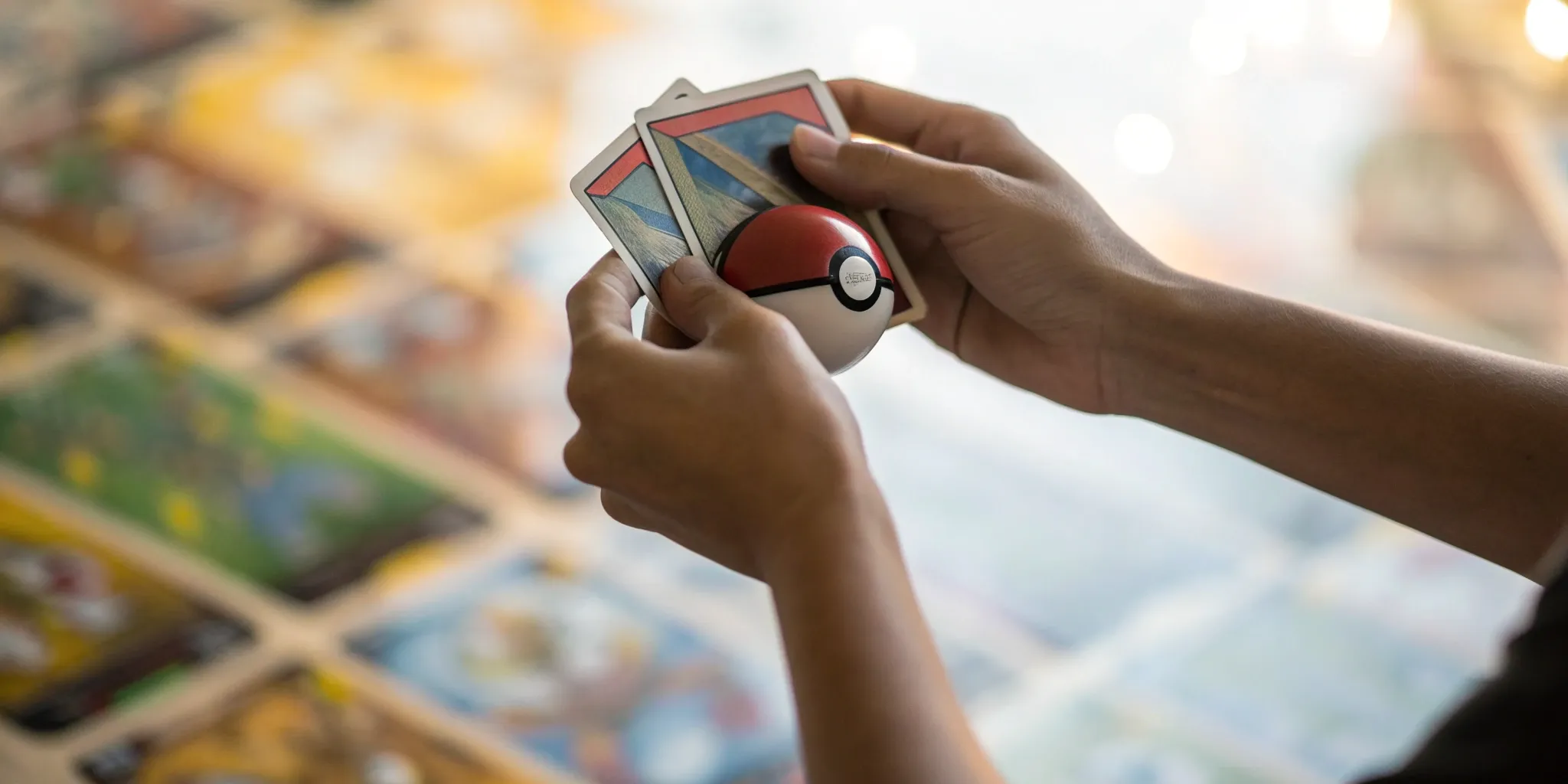
Anyone can buy a pack of Pokémon cards, but becoming a savvy collector means learning how to make smart, informed purchases. It’s about more than just finding a cool card; it’s about understanding its true value, verifying its condition, and knowing you’re paying a fair price. Getting this right is the difference between building a random stack of cardboard and curating a valuable collection you can be proud of. This article is your guide to becoming that smarter buyer. We’ll cover not only the best places to buy Pokémon cards, but also how to assess value, spot fakes, and avoid common mistakes.
Key Takeaways
- Match Your Buying Strategy to Your Goal: Decide if you're collecting for fun, completing a set, or investing. This focus will help you choose between the targeted approach of buying single cards and the exciting potential of opening sealed products or digital mystery packs.
- Become Your Own Appraiser Before You Buy: A card's true value depends on three key factors: its physical condition, its rarity symbol, and its recent sale price on market-tracking websites. Learning to check these details is the best way to avoid overpaying.
- Always Vet the Seller, Not Just the Card: A great deal is only great if it's legitimate. Protect yourself by researching a seller's reputation, understanding their return policy, and watching for red flags like blurry photos or vague descriptions in a listing.
Where to Buy Pokemon Cards
Whether you’re hunting for a specific Charizard to complete your set or just love the thrill of discovering what’s inside a fresh pack, knowing where to look is the first step. The right spot to buy your cards really depends on your goals as a collector. You can find cards everywhere from dedicated online platforms to your local supermarket, each offering a different buying experience. Let's walk through the best places to build your Pokémon card collection.
Digital Mystery Packs from Packz
If you love the suspense of opening a pack but want a modern twist, digital mystery packs are for you. Here at Packz, we offer a unique way to buy Pokémon cards where you can purchase and open digital packs right from your screen. Each pack contains graded Pokémon and sports cards, adding a layer of certified quality to the surprise. After the reveal, you have a choice: get the physical card shipped directly to your door, or sell it back to us for 90% of its value in account credit. It’s a fantastic way to chase rare cards without accumulating bulk you don’t want.
Online Marketplaces like TCGPlayer, eBay, and Amazon
For collectors who know exactly what they want, online marketplaces are a goldmine. TCGplayer is a go-to for the trading card community, offering a massive selection of single cards from countless sellers, making it easy to find that one missing piece for your deck or binder. eBay is another giant, where you can bid on rare vintage cards or buy sealed products. Amazon is great for grabbing bulk lots of cards to quickly expand a new collection, though it’s less ideal for hunting specific singles. Just be sure to check seller reviews carefully on any marketplace.
Your Local Game and Card Shops
There’s something special about visiting a local card shop. It’s the heart of the collecting community, where you can get expert advice, trade with other enthusiasts, and see cards in person before you buy them. This is a huge advantage when you’re concerned about a card’s condition. Many shops also host game nights and tournaments, making them a great place to connect with fellow fans. While you're browsing online, you can also check out specialized stores like Poke-Collect, which offer a curated inventory of everything from single cards to booster boxes.
Major Retailers and the Official Pokemon Center
You can find Pokémon cards at most major retail stores like Target and Walmart, usually in the toy or checkout aisles. This is an easy way to pick up the latest booster packs and tins while you’re out running errands. For a more dedicated experience, the official Pokémon Center website is your best source for authentic and exclusive items. You’ll find a wide range of TCG products, including special collections and merchandise that you won’t see anywhere else. It’s the perfect place to shop when you want to be sure you’re getting the real deal directly from the source.
What Kinds of Pokemon Cards Can You Buy?
Once you know where to look, the next step is figuring out what to buy. The world of Pokémon cards is massive, with options that cater to every type of collector, from casual fans to serious investors. Whether you’re chasing the thrill of a random pull or hunting for a specific, high-value card to complete your collection, understanding the different formats is key. You can buy sealed packs, individual cards, vintage treasures, or modern hits. Knowing the difference will help you spend your money wisely and build a collection you’re truly proud of.
Booster Packs vs. Single Cards
This is the classic collector's dilemma: do you want the surprise or the sure thing? Booster packs are your ticket to that "rip and reveal" excitement. Each pack contains a random assortment of cards, giving you a shot at pulling something incredibly rare and valuable. It’s a fantastic way to expand your collection quickly. On the other hand, buying single cards is all about precision. If you’re trying to complete a specific set or just want that one Charizard you’ve always dreamed of, purchasing singles lets you target exactly what you need without the gamble of a booster pack.
What Are Graded Cards?
If you’ve spent any time in the collecting community, you’ve heard the term "graded cards." These are cards that have been sent to a professional third-party service, like PSA or BGS, for evaluation. The company assesses the card’s condition—looking at centering, corners, edges, and surface—and assigns it a grade on a 1-10 scale. The card is then sealed in a protective case, or "slab," with a label detailing its grade. A high grade can dramatically increase a card's value, making graded cards the standard for serious collectors and investors who want to preserve and verify the quality of their most prized possessions.
Vintage vs. Modern Sets
Pokémon cards can be split into two main eras: vintage and modern. Vintage cards typically refer to the early sets from the late '90s and early 2000s, like the original Base Set. These cards are dripping with nostalgia and can be incredibly valuable, especially first editions in good condition. Modern sets are everything released in recent years. While they might not have the same history, they appeal to collectors with stunning new artwork, unique mechanics for players, and their own chase cards that can be worth a lot. The market is strong for both, so your choice depends on whether you prefer classic nostalgia or contemporary designs.
Japanese Exclusives and Special Editions
For collectors looking for something a little different, Japanese Pokémon cards are a fantastic option. Interest in these cards has been growing steadily because they often feature unique artwork and mechanics that you won't find in the English sets. Japan also releases special sets and promotional cards that never make it overseas, making them highly sought-after collectibles. Hunting for these exclusive cards can be a fun challenge and a great way to make your collection stand out. They offer a unique glimpse into how the game is celebrated in its country of origin.
How to Value Pokemon Cards Before You Buy
Before you spend your hard-earned money, it’s smart to know what a Pokémon card is actually worth. Understanding a card's value helps you make informed purchases, avoid overpaying, and spot great deals. It’s the difference between building a random stack of cards and curating a valuable collection. By looking at a few key details like condition, rarity, and current market prices, you can confidently assess any card that catches your eye.
Check the Card's Condition and Grade
The single most important factor in a card’s value is its condition. A card straight from the pack is not automatically in perfect shape. You need to look closely for any flaws, like scratches on the holographic foil, whitening along the edges, or soft corners. Centering is also huge—a card with even borders is much more desirable. This is why professional grading is so popular. Companies like PSA and Beckett assign a score from 1 to 10. Cards in perfect shape receive a PSA 10 grade, which can make them worth exponentially more than a card with even a tiny flaw.
Identify Rarity Symbols and Set Information
Every Pokémon card has clues that tell you how rare it is. At the bottom of the card, you’ll find a small symbol: a circle means common, a diamond is uncommon, and a star is rare. But the hunt doesn’t stop there. Some of the most valuable cards are special versions like alternate arts, gold cards, or Secret Rares, which have a card number higher than the set number (like 115/114). You should also look for the set symbol to identify which expansion the card belongs to. Knowing these details helps you pinpoint the exact version of a card and its true market rarity.
Use Price Guides and Market Data
A card’s value can change daily based on what people are willing to pay for it. To get an accurate price, you need to look at recent sales data. Websites like TCGPlayer and PriceCharting are excellent resources that aggregate sales from multiple online stores. You can also check the "Sold Items" filter on eBay to see what a specific card has sold for recently. This gives you a real-world snapshot of its current market value. Using these tools ensures you have the most up-to-date information before you buy or sell any high-value Pokémon cards.
Spot the Difference Between Real and Fake Cards
Unfortunately, the Pokémon card market has its share of fakes. Knowing how to spot them is essential for any collector. Real cards have a certain look and feel—the printing is sharp, the colors are vibrant, and the card stock is firm. Fake cards often have blurry text, washed-out colors, and feel flimsy. For super rare cards like V, VMAX, or VSTAR, check for a textured surface; authentic cards have a distinct, fingerprint-like pattern that fakes can't replicate. When in doubt, you can always compare a potential purchase to a card you know is genuine.
How to Find the Best Pokemon Card Deals
Finding a rare card is a rush, but finding it for a great price is even better. Being a savvy collector means knowing where and when to look for deals that can help you build your collection without breaking the bank. Whether you're hunting for a specific single or just love the thrill of opening a new pack, a little strategy goes a long way. By keeping an eye out for sales, exploring different buying options, and doing some quick price comparisons, you can make your budget stretch further and get more of the cards you love.
Look for Current Discounts and Sales
One of the most straightforward ways to save money is to buy during a sale. Major retailers often run promotions around holidays, so keep an eye out during Black Friday or other seasonal events. It’s also a great idea to subscribe to newsletters from your favorite online stores and local card shops. They’ll often send out exclusive deals and early notifications about upcoming sales directly to your inbox. Before you check out online, do a quick search for promo codes. You can often find sites that aggregate current discounts that can be applied at checkout for instant savings on your order.
Get More with Mystery Packs and Bundles
Buying in bulk or opting for curated bundles can often give you more bang for your buck than buying individual booster packs. Mystery packs, in particular, add an element of excitement while offering incredible value. Instead of buying loose cards, you can buy and open digital mystery packs that contain graded Pokémon cards, giving you a shot at pulling something truly special. The value here isn't just about the quantity of cards; it's about the potential to land a high-value graded card for the price of a single pack. It’s a fantastic way to experience the thrill of the chase while potentially adding a centerpiece to your collection.
Compare Prices on Different Platforms
Never assume the first price you see is the best one. Before you commit to a purchase, take a few minutes to compare costs across different platforms. Check prices on major marketplaces like TCGPlayer and eBay, but don't forget to see what your local game store is offering. There are even dedicated websites and tools that help you compare prices from various online sellers, sometimes sorting them by the biggest discount. Just remember to factor in shipping costs and the seller's reputation when making your final decision. The lowest sticker price isn't always the best overall deal.
How to Avoid Common Buying Mistakes
The thrill of hunting for a new Pokémon card can sometimes cloud our judgment. It’s easy to get caught up in the excitement of a potential great find and make a purchase you later regret. But with a little caution, you can protect your wallet and your collection from disappointment. The key is to slow down and do your homework before you click that “buy” button. This isn't about taking the fun out of collecting; it's about making sure the fun lasts and you end up with cards you're genuinely happy with. Paying attention to who you're buying from, what their policies are, and the true value of the card can save you from major headaches down the road. Think of it as adding a layer of strategy to your collecting game. From verifying a seller's history to spotting a suspicious listing from a mile away, a few simple checks can make all the difference. Let's walk through some of the most common pitfalls and how you can sidestep them like a pro, ensuring every addition to your collection is a win.
Research Seller Reputations and Reviews
It's easy to think that major sites are the only safe places to buy, but great sellers exist on many platforms. The trick is learning how to spot them. Before you buy from any seller, do a quick background check. Look at their overall rating, read through recent reviews from other buyers, and see how long they've been active. A seller with a long history of positive feedback is usually a safe bet. This simple step helps you avoid scammers and ensures you're buying from someone who accurately describes their cards and ships them safely. Don't fall for common misconceptions; do your own research every time.
Understand Return and Refund Policies
You’ve found it—the card you’ve been searching for. But before you rush to checkout, take a moment to find the seller’s return policy. This is a step many collectors skip, and it can be a costly mistake. Some sellers have a strict "all sales are final" policy, which means you have no recourse if the card arrives and isn't what you expected. Always know what your options are if a card shows up in worse condition than described or if you suspect it might be a fake card. A clear and fair return policy is a good sign that you're dealing with a confident and reputable seller. If you can't find a policy, think twice before making the purchase.
Don't Overpay for Common Cards
That shiny Charizard looks amazing, but is it worth the price tag? Not all Pokémon cards are created equal, and many that look impressive don't actually hold much value. A common mistake is overpaying for cards that are widely available. Just because a card is holographic or features a popular Pokémon doesn't automatically make it rare or valuable. Before you commit to a purchase, check the card's recent sales history on a price guide website. This will give you a clear idea of its current market value and help you determine if you're getting a fair deal. A few minutes of research can save you a lot of money.
Recognize Red Flags in a Listing
A good listing should give you all the information you need to feel confident in your purchase. Learn to recognize the red flags that suggest you should probably keep scrolling. Be wary of listings with blurry, low-quality photos or ones that use stock images instead of pictures of the actual card. Vague descriptions like "card is in good condition" without any specifics are also a warning sign. A reputable seller will provide clear, high-resolution photos of the front and back of the card and describe any flaws in detail. These are some of the biggest mistakes new collectors make, but they're easy to avoid if you know what to look for.
Should You Invest in Pokemon Cards?
Turning your passion for Pokémon into an investment is an exciting idea, but it requires a different approach than collecting for fun. While some cards have seen incredible returns, it’s not a guaranteed path to riches. Think of it less like a lottery ticket and more like learning to play the stock market, but with way cooler assets. The market for Pokémon cards is still active, even if it’s not as wild as it was a few years ago.
Investing successfully means doing your homework, understanding what gives a card value, and deciding what your personal goals are. Are you hoping for a quick profit, or are you building a collection that could appreciate over many years? Answering these questions will help you create a strategy. It’s about making smart, informed choices with your money while still enjoying the thrill of the hunt for that one special card. This isn't about blindly buying booster packs and hoping for the best; it's about identifying specific cards with real potential and knowing when to buy, sell, or hold. Let’s walk through the key things to consider before you start.
Follow Market Trends and High-Value Cards
Just like any other market, Pokémon card values go up and down. To invest wisely, you need to pay attention to these shifts. Following communities on social media, reading collector forums, and using online tools to track price movements can give you a huge advantage. You’ll start to see which sets are gaining popularity and which cards are consistently in demand.
While any card can hold sentimental value, investors typically focus on high-value cards, especially those that have been professionally graded. A high grade from a reputable company like PSA or BGS authenticates the card and verifies its condition, making it a much more stable asset. These are the cards most likely to hold and increase their value over time.
Know Which Sets and Characters to Watch
So, what makes one card worth a few cents and another worth thousands? It comes down to a few key factors: condition, rarity, age, and popularity. A card in perfect, mint condition will always be worth more than one with scratches and worn edges. You can identify a card's rarity by looking for the symbol at the bottom of the card—a circle is common, a diamond is uncommon, and a star is rare.
Older cards, especially 1st Edition cards from the original 1999 Base Set, are highly sought after by investors. And of course, some Pokémon are simply more popular than others. Cards featuring iconic characters like Charizard, Blastoise, and Pikachu tend to be blue-chip investments that consistently command high prices in the collector community.
Weigh Long-Term vs. Short-Term Potential
While prices can change quickly, there's a real chance for significant returns if you play your cards right. The market for high-end, graded cards remains strong, and new set releases keep the hobby fresh and exciting. You need to decide if you’re in it for a quick flip or a long-term hold. Short-term investing can be profitable but is also riskier, requiring you to time the market perfectly.
For many, a long-term strategy is more manageable. Buying iconic, high-grade cards and holding them for years can be a solid way to invest in alternative assets. This approach relies on the idea that nostalgia and scarcity will continue to drive up the value of classic cards over time.
Tips for Your First Pokemon Card Purchase
Jumping into the world of Pokémon card collecting is an exciting move. To make sure your first purchase is a great experience, it helps to have a plan. Thinking through a few key things beforehand will help you spend your money wisely and start building a collection you’re proud of. These simple tips will guide you through the process, from setting your budget to protecting your new cards.
Set a Budget and Define Your Goals
Before you buy a single card, decide how much you’re comfortable spending. A budget keeps the hobby fun and prevents you from getting carried away. Next, think about why you’re collecting. Are you in it for the fun of opening packs, trying to complete a specific set, or are you looking for cards that could increase in value? Your goal will shape your buying strategy. For instance, investing in Pokémon cards means focusing on cards with long-term potential, which is a different approach than just collecting your favorite characters. Knowing your objective helps you focus your search and make smarter purchases from the start.
Decide Between Sealed Products and Single Cards
You have two main options when buying cards: sealed products or single cards. Sealed products, like booster packs and mystery packs, offer the thrill of the unknown—you never know what you’ll pull. It’s a great way to experience the excitement of the hunt. On the other hand, buying singles is the most direct way to get the exact card you want. If your goal is to complete a Pokédex or get a specific Charizard, buying the single card is often more cost-effective than opening countless packs hoping to find it. Many online stores offer a wide range of Pokémon card products, so you can choose the path that best fits your collection goals.
Learn How to Properly Store and Protect Your Cards
Once you have your cards, protecting them is key. One of the biggest mistakes new collectors make is ignoring card condition. A card’s value is heavily tied to its physical state, so even a small scratch or bent corner can make a big difference. The best practice is to immediately place any rare or valuable cards in a soft “penny sleeve” and then into a hard plastic top loader for maximum protection. For organizing your collection, binders with high-quality pages are a great option. Properly storing your cards ensures they stay in great shape, preserving their beauty and value for years to come.
Start Building Your Collection
Alright, you’re ready to jump in and start building your Pokémon card collection. It’s an incredibly rewarding hobby, whether you’re hunting for rare cards or just gathering your favorite characters. The key is knowing where to look, and thankfully, there are more options now than ever before. From digital packs that deliver instant excitement to the classic experience of browsing a local shop, you can tailor your collecting journey to fit your style.
For a modern and thrilling way to collect, you can open digital mystery packs right here at Packz. It captures the pure excitement of ripping open a pack, but with a twist: you get to discover graded cards instantly. Once you see what you've got, you can have the physical cards shipped directly to you or sell them back on the spot. It’s a fantastic way to find high-quality, protected cards without leaving your house and adds a unique, fast-paced element to building your collection. No matter where you begin, the goal is to find sources you trust and enjoy the process. The thrill of the hunt is half the fun, and every card you add tells a part of your collecting story.
Trusted Online Marketplaces
If you're looking for a massive selection, one of the most popular online spots is TCGplayer. It's a huge marketplace dedicated to trading card games, making it the perfect place to hunt for specific single cards to complete a set or grab that one Pokémon you've always wanted. You can compare prices from thousands of sellers, so you know you're getting a fair deal. Specialty online stores like Poke-Collect are also great because they focus entirely on Pokémon, offering everything from booster boxes to accessories. These dedicated sites often have a curated feel and can be a great source for both modern and vintage products.
Local Game and Card Shops
While online shopping is convenient, don't forget to check out your local game or card shops. There's nothing quite like browsing cards in person, holding them in your hands, and chatting with other collectors. The staff are often enthusiasts themselves and can offer great advice, from which sets are hot to how to protect your best pulls. It’s also a fantastic way to connect with the local collecting community and support a small business. You might even find some hidden gems or trade with other patrons, adding a social element to your hobby that you just can't get online. Visiting a local shop makes the hunt a real-world adventure.
Related Articles
Frequently Asked Questions
What's the advantage of opening digital packs on Packz instead of buying physical ones? Think of it as combining the thrill of opening a pack with the quality assurance of buying a graded card. With digital packs, you get the instant excitement of the reveal without the clutter of common cards you don't want. Plus, every card is already graded, so you know its exact condition. The best part is the flexibility—you can have a rare card shipped to you or sell it back for account credit to keep the fun going.
I'm just starting out. Should I buy individual cards or booster packs? This really comes down to your personal collecting goal. If you love the surprise and want to build a broad collection quickly, ripping open booster packs is a classic and fun experience. However, if you have your heart set on a specific Pokémon or are trying to complete a set, buying single cards is far more efficient and budget-friendly. You get exactly what you want without the gamble.
What does it mean for a card to be "graded," and is it worth it? A graded card has been sent to a third-party company that evaluates its physical condition—things like centering, corners, and surface—and assigns it a score, usually from 1 to 10. The card is then sealed in a protective case. For a casual collector, it's not necessary. But if you're buying a valuable card or thinking of it as an investment, grading verifies its authenticity and condition, which can significantly increase its worth and make it easier to sell later.
How can I quickly check if I'm getting a fair price on a card? The best way to avoid overpaying is to check recent sales data. Don't just look at what sellers are asking for; look at what buyers have actually paid. Websites like TCGPlayer and PriceCharting are great for this, as they show the market average. You can also use the "Sold Items" filter on eBay to see the most up-to-date prices for the exact card you're looking at.
Are vintage Pokémon cards always a better buy than modern ones? Not necessarily. While vintage cards, especially from the original Base Set, carry a lot of nostalgic value and can be great investments, modern sets have their own highly sought-after cards. Many new releases feature stunning alternate art and secret rare cards that can be worth hundreds or even thousands of dollars right out of the pack. The best buy depends on whether you prefer the classic appeal of older cards or the exciting designs of new ones.
Recommended Reading

Digital Mystery Pack Reveals Explained: A Clear Guide
Get a clear look at digital mystery pack reveals explained. Packz's fair value model means EV equals the pack price with 90% instant buyback.
Pokemon Cards to Invest in 2026: Best Vintage and Modern Picks
Schedule your search for the best Pokemon cards to invest in 2026. This guide covers vintage blue-chips, modern chase cards, and sealed product strategies.
A Graded Sports Cards Beginner Guide: How to Start Collecting
Start your graded sports cards collection today. This graded sports cards beginner guide covers grading, budget tips, and buying with confidence on modern...