
February 12, 2026
Pokémon Rare Cards: The Most Valuable & Why
Find out what makes Pokémon rare cards valuable, how to spot them, and which ones top collectors are searching for in the world of Pokémon card collecting.
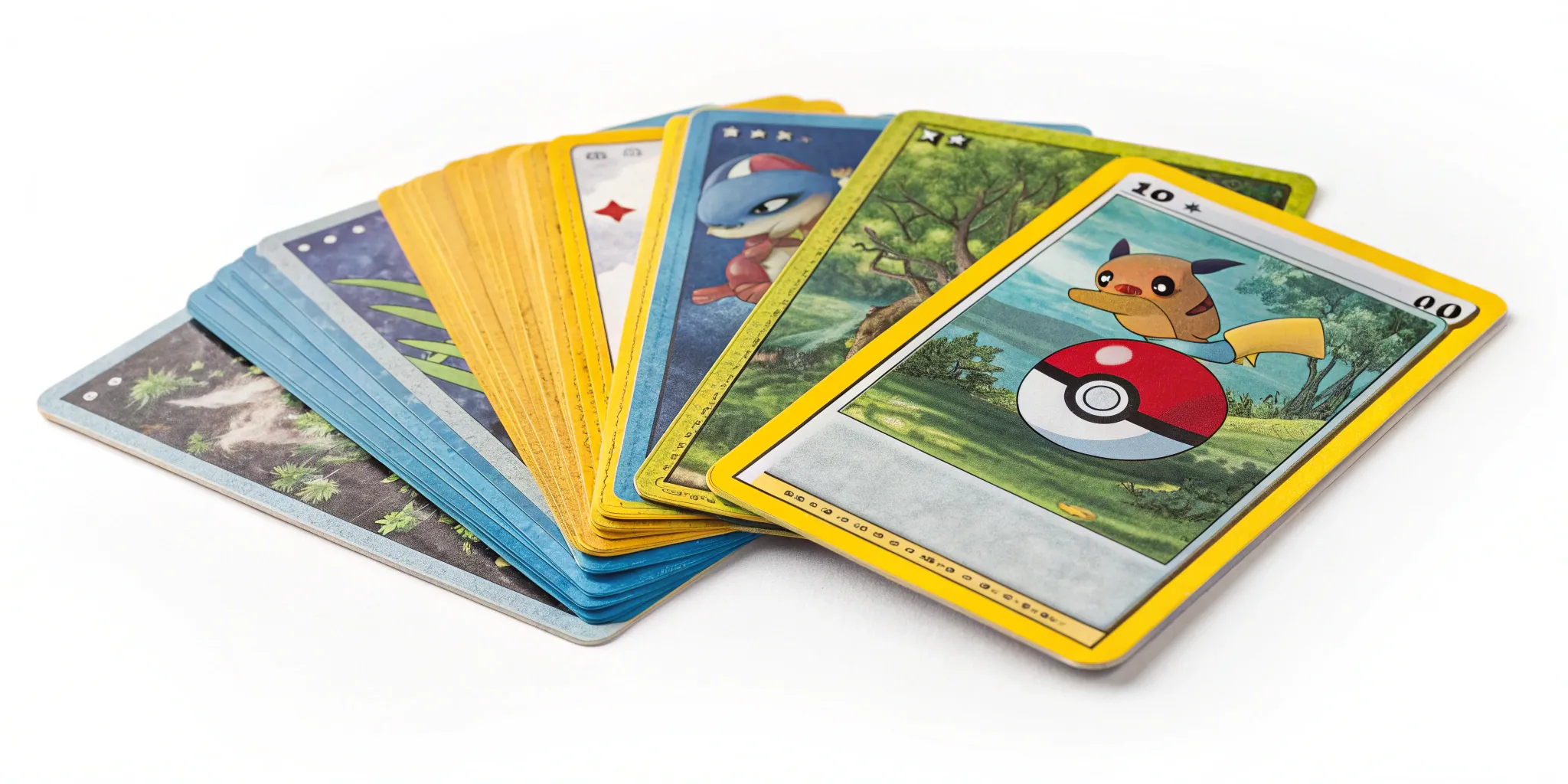
If you grew up with Pokémon, you remember the simple joy of tearing open a booster pack, hoping for a holographic Charizard. That childhood hobby has since exploded into a serious, high-stakes collector's market. Cards that were once traded on the playground are now selling for hundreds of thousands, sometimes millions, of dollars at auction. This shift has left many people wondering if they have a hidden treasure sitting in a dusty binder. Understanding what separates a common card from the truly valuable pokemon rare cards is the key. This guide will walk you through everything you need to know, from identifying rarity symbols and spotting fakes to understanding the market forces that create value.
Key Takeaways
- Look Beyond the Rarity Symbol: A card's true scarcity is often determined by its print history, such as a "1st Edition" stamp, or unique production flaws. Learning to spot these details is how you find the truly valuable cards.
- Verify and Grade to Confirm Value: A card's worth depends on its authenticity and physical condition. First, confirm your card is real, then assess its corners, edges, and surface before sending it to a professional grader to lock in its market value.
- Understand the Market Drivers: A card's price is set by more than just its rarity; it's a mix of supply, collector demand for a specific Pokémon, and the card's unique history. Knowing these factors helps you identify cards with lasting value.
What Makes a Pokémon Card Rare?
Ever pulled a card from a pack and had that gut feeling it was something special? That thrill is what collecting is all about. But what actually separates a common Pidgey from a card worth thousands? A card's rarity is a mix of factors, from the official symbol printed on it to its history and even manufacturing mistakes. Learning to spot these signs is the first step to identifying the hidden gems in your collection. Let's walk through the three main things to look for: the card’s rarity symbol, its print run, and any potential printing errors.
Check the Rarity Symbol
The most straightforward way to gauge a card’s rarity is to look at the small symbol in the bottom corner. The Pokémon Company uses a simple system to categorize cards, which has gotten more detailed over the years. For a quick check, here’s what to look for:
- Circle: Common
- Diamond: Uncommon
- Star: Rare
But a single black star is just the beginning. You might find cards with multiple stars or stars with different colors and textures, indicating even higher rarity tiers. For example, two black stars often signify a Double Rare, while gold or silver stars can point to an Illustration Rare or Special Illustration Rare—some of the most sought-after cards in modern sets. Learning these rarity symbols is a fundamental skill for any serious collector.
Look for Limited Print Runs
Beyond the symbol, a card's true scarcity often comes down to how many were ever made. Many of the most legendary and valuable cards in the hobby were part of a limited release. Think of prize cards given out to winners at early Pokémon tournaments—in some cases, only a handful were ever produced. Other examples include special promotional cards from events or collaborations that were only available for a short time. Even cards from the very first print run of the original Base Set, marked with a small "1st Edition" stamp, are incredibly scarce compared to the unlimited runs that followed. These limited edition cards are the holy grails for many collectors because their supply is permanently fixed, making them historical artifacts of the game.
Spot Misprints and Errors
Sometimes, the most valuable cards are the ones that weren't supposed to exist at all. Printing errors can turn an otherwise common card into an incredibly rare and valuable collector's item. These mistakes happen during production and can range from subtle to glaringly obvious. Keep an eye out for things like off-color printing, blurry text, the wrong font, or an image that’s off-center. Some of the most famous misprinted cards have had completely incorrect information or even the wrong design on the back. The best way to verify an error is to compare the card to a verified, authentic version of the same card. If you find something that doesn’t match up, you might be holding onto a happy little accident worth a small fortune.
Meet the Rarest Pokémon Cards
Some Pokémon cards are more than just game pieces; they're legends in the collecting world. These are the cards that fetch jaw-dropping prices at auction and represent the pinnacle of rarity. From one-of-a-kind prizes to iconic first prints, let's look at some of the most sought-after Pokémon cards ever made.
The Illustrator Pikachu
Often called the "holy grail" of Pokémon cards, the Illustrator Pikachu holds the record for the most expensive Pokémon card ever sold, reaching an incredible $5,275,000. What makes it so special? It was never available in any commercial pack. Instead, this card was given as a prize to winners of an art competition in 1998. With only a handful of these cards known to exist, owning one is like owning a significant piece of Pokémon history. Its rarity isn't just about a low print number; it's about the unique story behind its creation.
The First Edition Charizard
For many who grew up with Pokémon, this is the card. The 1999 First Edition Shadowless Holographic Charizard is a cornerstone of any high-end collection. Its value comes from a perfect storm of factors: it's a "First Edition" (marked by a small stamp), it's "Shadowless" (lacking the drop shadow behind the art box that was added in later prints), and it features one of the most popular Pokémon of all time. A pristine, professionally graded version of this card has sold for as much as $420,000, cementing its status as a true collector's item.
Exclusive Tournament Prize Cards
Some of the rarest cards in existence couldn't be bought—they had to be won. Cards awarded to top players at early Pokémon tournaments are exceptionally scarce. A prime example is the Trophy Pikachu Silver 2nd Tournament Card from the first international Pokémon TCG tournament in 1998. With fewer than 15 copies believed to exist, this card is a testament to competitive skill from the game's earliest days. Its rarity and historical significance have driven its price up to $444,000, making it a treasure for the world's most dedicated collectors.
Shiny Pokémon and Gold Star Cards
Beyond specific prize cards, certain types of cards are rare by design. Gold Star cards, for instance, feature "Shiny" Pokémon—creatures with an alternate color scheme. These cards were intentionally printed in smaller quantities, making them difficult to pull from a pack. The artwork often extends beyond the traditional frame, and a gold star sits next to the Pokémon's name, signaling its special status. The unique appearance and limited availability of Shiny Pokémon make these cards highly desirable for collectors who appreciate both rarity and standout aesthetics.
How to Identify and Value a Rare Pokémon Card
Pulling a rare Pokémon card is a huge thrill, but that's just the first step. The real question is: what's it actually worth? A card's value isn't just about the Pokémon on the front or the rarity symbol in the corner. It’s a combination of its authenticity, its physical condition, and its official grade from a professional service. A card that looks rare could be a clever fake, and a genuinely rare card can lose most of its value if it has creases, scratches, or frayed edges.
Before you can put a price tag on your find, you need to become a bit of a detective. You’ll want to verify that your card is legitimate and then carefully assess its condition. This process helps you understand what you're holding and prepares you for the final step in confirming its value: professional grading. Getting a card graded is the gold standard for cementing its worth in the collector market. Let’s walk through the essential steps to properly identify and value your Pokémon cards.
Get Your Cards Professionally Graded
The most reliable way to determine a card's condition and maximize its value is to have it professionally graded. Companies like PSA, CGC, and BGS are the industry authorities. They employ teams of experts who evaluate cards based on strict criteria, including the centering of the artwork, the sharpness of the corners, the quality of the edges, and the condition of the surface.
After a thorough inspection, the card is assigned a score. Most services use a 10-point grading scale, with a 10 (or "Gem Mint") being a flawless card. This grade is the single biggest factor in a card's market value. A PSA 10 Charizard, for example, is worth exponentially more than a PSA 7 of the exact same card.
Learn How to Spot a Fake
With high-value cards comes the risk of counterfeits. Before you even think about grading, you should do a basic authenticity check. Fake cards often have subtle but noticeable flaws. Look for off-color printing, especially on the blue backing of the card, which might appear too light or purplish. The text might be blurry, use the wrong font, or have spelling errors.
The feel of the card is another big clue. Fakes often feel glossy or flimsy and may be lighter than a real card. The best way to be sure is to compare your card with one you know is authentic. Look at them side-by-side under a good light to spot any inconsistencies in color, text, and design.
Check the Card's Condition
Even before sending a card off for grading, you can do your own inspection to estimate its potential. The card’s condition is critical, and professional graders focus on four key areas. First, check the surface for any scratches, scuffs, or print lines. Next, look at the centering—are the yellow borders on the front even on all four sides? Then, inspect the corners for any whitening, bending, or rounding; you want them to be as sharp as possible. Finally, examine the edges for any chips or whitening, often called "silvering."
A card might be rare, but its value will drop significantly if it has noticeable wear and tear. Understanding these aspects of a card will help you manage your expectations and decide which cards are worth the investment of professional grading.
What Makes a Rare Card Valuable?
So, what separates a common Pokémon card from one that’s worth thousands, or even millions, of dollars? It’s not just about how old it is or how powerful the Pokémon is in the game. The value of a rare card is a fascinating mix of several key factors. Understanding these elements is crucial whether you're hunting for your next big find or just appreciating the collection you already have. It’s a combination of its rarity, its story, the demand from other collectors, and sometimes, a little bit of star power.
Scarcity and Production Numbers
At its core, the value of a Pokémon card comes down to simple supply and demand. The fewer copies of a card that exist, the more valuable it becomes. This scarcity can happen for a few reasons. Some cards had extremely limited production runs from the start, like special trophy cards awarded at tournaments in the ’90s. Others are valuable because of unique features, like being signed by an artist or having a printing error that was quickly corrected. These quirks make a card a one-of-a-kind piece of history, driving up its desirability among collectors who want something truly unique in their collection.
History and Hype
Every valuable card has a story, and that narrative can significantly impact its price tag. A card’s history—where it came from, who has owned it, and the buzz surrounding it—creates hype. Think of it like a piece of art; its provenance matters. For example, the incredible rise in value for rare, perfectly graded cards has been fueled by stories that capture the public's imagination. A card that was once a forgotten prize can become a legend overnight. This hype isn't just fluff; it creates a powerful emotional connection and a sense of historical importance that collectors are willing to pay a premium for.
Collector Demand
A card can be the rarest in the world, but if no one wants it, it isn’t valuable. The passion of the collecting community is what truly fuels the market. High demand for specific Pokémon, like Charizard or Pikachu, means that even their less-rare cards can hold significant value. This is also where professional grading comes into play. When you have a card graded by an expert service like PSA, its condition is officially scored on a 1-to-10 scale. A high grade authenticates the card and guarantees its pristine condition, making it much more desirable to serious collectors who want the best of the best.
The Celebrity Effect
In the age of social media, a little star power can go a long way. When a high-profile celebrity or influencer gets involved in the Pokémon card world, it can bring massive attention to a specific card and the hobby as a whole. The most famous example is Logan Paul’s purchase of the "Illustrator Pikachu" card. His journey to acquire the card, which is the only one known to have a perfect PSA 10 grade, became a massive media event. This celebrity involvement turned the card from a collector's item into a piece of pop culture history, pushing its value into the millions.
Where to Buy and Sell Rare Pokémon Cards
Once you know what you have—or what you’re looking for—the next step is finding the right place to make a move. The world of Pokémon card trading has expanded far beyond the schoolyard. Today, you have several great options for buying and selling, each with its own unique vibe and set of rules. The "best" place really depends on your personal goals as a collector. Are you aiming to offload a high-value grail for a record price? Or are you more interested in connecting with fellow fans and making a few local trades? Maybe you're just in it for the thrill of the hunt and want a totally new way to experience the hobby.
Choosing your marketplace is a strategic decision. Selling on a global auction site gives you access to millions of potential buyers, which is crucial for maximizing the value of a truly rare card. However, this comes with high fees and intense competition. On the other hand, your local card shop offers a personal touch and immediate transactions, but their customer base and inventory are naturally smaller. Then there are modern digital platforms that are changing the game entirely, blending the excitement of opening packs with the convenience of online trading. Before you list your prized Charizard or start bidding on a new addition, take a moment to think about what you want out of the experience. Understanding the landscape will help you find the perfect fit for your collection and your collecting style.
Online Marketplaces and Auctions
For collectors chasing the biggest prizes, online auction houses are the main event. Platforms like eBay are a staple for everyday trades, but specialized sites like Goldin Auctions handle the sale of ultra-rare, high-value cards. This is where you’ll see record-breaking sales, like Logan Paul’s “Pikachu Illustrator” card, which showed just how serious the market for trophy cards has become. These platforms offer global visibility, which is essential when selling a card worth thousands. The downside is that you’ll be competing with a worldwide audience, and fees can be significant. Still, for convenience and reach, online marketplaces are hard to beat when you're dealing with top-tier collectibles.
Local Card Shops and Events
Don’t overlook the power of your local card shop. These stores became community hubs during the collecting boom, offering a place for people to get their old binders appraised and connect with other enthusiasts. The biggest advantage here is the hands-on experience. You can inspect a card in person before buying and get immediate, expert feedback when selling. Many shops also host trade nights and tournaments, which are fantastic for networking. While you might not find a multi-million dollar card sitting in the display case, local shops are the lifeblood of the hobby and a reliable place to find out what your collection is worth.
Modern Ways to Collect, Like Packz
For a completely new way to experience the hobby, digital platforms like Packz offer a modern twist on collecting. Instead of buying individual cards, you can buy and open digital mystery packs for a shot at pulling graded, high-value Pokémon cards. It combines the classic thrill of opening a pack with the transparency of knowing the card is already graded. Once you open a pack, the choice is yours: have the physical card shipped to your door or sell it back instantly. This approach is perfect for anyone who loves the excitement of the chase but also wants a streamlined way to build—and profit from—their collection. It’s a fun way to learn the market fundamentals that determine a card's true value.
Is Investing in Rare Pokémon Cards Right for You?
Turning a passion for Pokémon into an investment can be incredibly rewarding, but it’s not a decision to take lightly. It requires more than just buying a few shiny cards; it demands research, strategy, and a genuine appreciation for the market. Before you start, it’s important to understand what you’re getting into. Think about your personal goals, your budget, and how much time you’re willing to dedicate. A successful collection is built with intention, not just impulse. Let’s walk through the key areas you need to master to make smart decisions.
Know the Market Trends
The Pokémon card market has seen incredible growth, partly because many adults who grew up with the franchise now have the disposable income to buy back their childhood memories. This nostalgia factor is a powerful market driver. However, value isn't just about sentiment. The most successful collectors understand the core principles that give a card its worth: rarity, condition, scarcity, and the character's popularity. Understanding these market fundamentals helps you see past short-term hype and identify cards with real long-term potential. Staying informed about auction results and community discussions will also give you a better feel for which cards are gaining traction and why.
Protect Your Collection
If you believe you have a valuable card, your first step should be to protect its condition and verify its authenticity. This is where professional grading comes in. Sending a card to a reputable grading company provides an objective assessment of its physical state and assigns it a score. Graders meticulously examine every detail, including the card's surface, centering, corners, and edges. This grade not only solidifies the card's value but also protects it in a sealed, tamper-proof case. A high grade from a trusted service can dramatically increase a card's market price, making it a non-negotiable step for any serious investor.
Build a Smart Collection Strategy
A smart strategy is your best defense against making poor investments. Instead of chasing every popular card, focus on building a collection with a clear theme or goal. This could mean collecting every card of a specific Pokémon, focusing on first-edition sets, or seeking out rare promo cards. Learn how to evaluate cards for yourself, paying close attention to details that could indicate a fake, like blurry text, an incorrect back design, or the wrong font. By combining deep market knowledge with a disciplined approach, you can avoid hype-driven traps and build a collection that’s both personally meaningful and financially sound.
Related Articles
- How to Collect Pokémon Cards: A Beginner's Guide | Packz Blog
- Gold Pokémon Card Guide: Types, Rarity & Value | Packz Blog
Frequently Asked Questions
I have a binder of old Pokémon cards from my childhood. How do I start figuring out if I have anything valuable? The best first step is to look for the rarity symbol in the bottom corner of each card. A star indicates a rare card, which is a great starting point. From there, check for a "1st Edition" stamp below the art box, as these are from the very first print run and are much scarcer. Carefully inspect the card's physical condition for any scratches or worn edges, as this heavily influences its value.
Is it really worth the money to get my cards professionally graded? For cards you believe are genuinely rare and in great shape, professional grading is absolutely worth it. Grading authenticates your card, gives it an official condition score, and protects it in a sealed case. This process removes all guesswork for potential buyers and is the single most effective way to maximize the value of a high-end collectible. For less rare cards or those in poor condition, the cost might not be justified.
What’s the difference between a rare card and a valuable one? Think of it this way: rarity is about supply, while value is about supply and demand. A card can be very rare because few were printed, but if no collectors are actively looking for it, it won't be very valuable. The most valuable cards, like the First Edition Charizard, are a perfect storm of rarity, high demand from collectors, excellent condition, and a story that captures people's imagination.
I pulled a card with a star symbol. Does that automatically mean it's worth a lot? Not necessarily. A star symbol simply means the card belongs to the "rare" category, but there's a huge range of value within that tier. A common rare card might only be worth a few dollars. Its true market value will depend on other factors, such as the specific Pokémon, whether it's a holographic version, its condition, and its popularity in the current market.
Besides eBay, where can I safely sell a really valuable card? For top-tier, high-value cards, specialized auction houses like Goldin are the go-to choice because they cater to serious collectors and can command record-breaking prices. Your local card shop is another great option for a secure, in-person transaction, though you may get a lower price. For a more modern approach, platforms like Packz allow you to sell graded cards back instantly, offering a convenient and straightforward way to capitalize on your collection.
Recommended Reading
Cash for Graded Sports Cards: The Fastest Ways to Sell
Get cash for graded sports cards faster. Compare auction houses, marketplaces, and instant buyback options to pick the route that fits your timeline.
How to Compare Value in Sports Card Packs
Learn how to compare sports card packs using card quality, available pulls, pricing clarity, and Packz’s 100% buyback option.
How to Buy Pokemon Packs Online for Ripping
Ready to buy pokemon packs online for ripping? Get transparent pack value and clear pull odds so you never overpay for the thrill of the hunt. Start collecting safely.