
July 2, 2026
Pokémon Trading Cards: A Beginner's Guide
Start your collection with this beginner’s guide to pokemon trading cards—learn card types, value tips, and how to spot authentic cards with confidence.
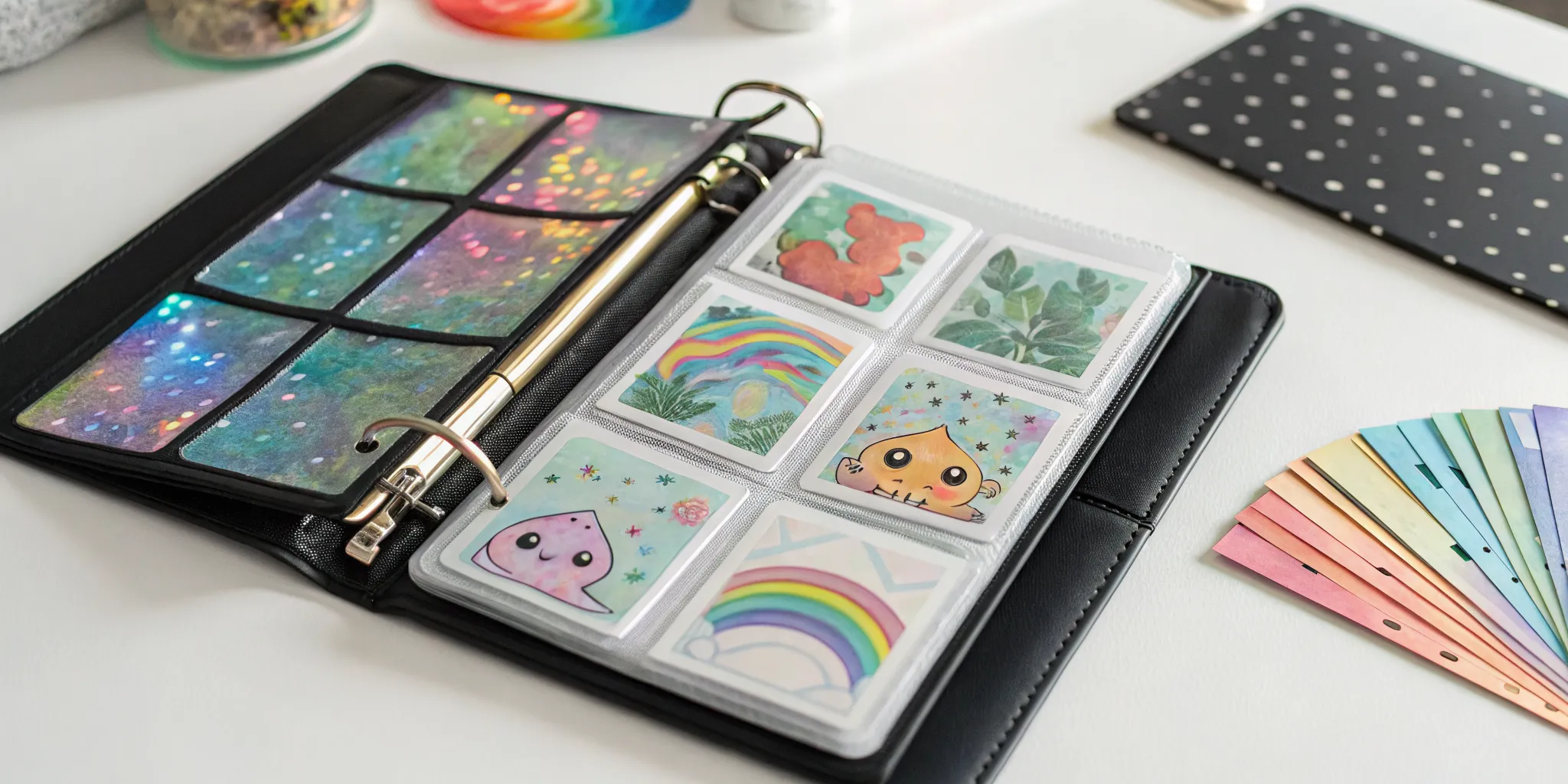
You’ve probably seen the headlines about Pokémon trading cards selling for thousands of dollars and wondered if your old collection is a hidden goldmine. While not every card is a lottery ticket, collecting can be a legitimate and rewarding investment. The key is knowing what to look for. A card's value is a complex mix of its rarity, condition, and the current market demand. This guide will teach you how to think like an investor. We’ll break down what makes a card valuable, explain the importance of professional grading, and show you how to track market trends so you can build a collection that’s not only fun but also financially smart.
Key Takeaways
- A card's value is a puzzle: A card's price isn't just about its age or a shiny finish; it's a mix of its rarity, physical condition, and current market demand for that specific Pokémon.
- Start with a clear goal: Before you buy, decide if you want to play the game, collect your favorites, or invest. Knowing your "why" helps you choose the right products, like a battle deck to learn the rules or an ETB to build a collection.
- Focus on quality and authenticity: Learn the simple tricks to spot a fake, like the light test. For valuable cards, professional grading protects them and provides a trusted standard for their condition and market price.
What Are Pokémon Trading Cards?
If you’ve ever wanted to be a Pokémon Trainer, the Pokémon Trading Card Game (TCG) is your chance to make it happen. These cards are more than just collectibles; they’re the core of a strategic game that brings the beloved Pokémon universe to life. In the game, you take on the role of a trainer, building a team of Pokémon to battle against an opponent. Each card represents a specific Pokémon, a special move, or a helpful item you can use in a match.
The Pokémon TCG has been around since the 90s, and it has two main sides: the competitive game and the world of collecting. Some people focus entirely on playing, building powerful decks to compete in local tournaments or even world championships. Others are drawn to the thrill of the hunt, seeking out rare and valuable cards to complete sets or build a personal collection of their favorite characters. Of course, many people enjoy doing both. Whether you’re drawn to the strategy of the battle or the excitement of finding a rare card, the Pokémon Trading Card Game offers something for every fan. It’s a hobby that combines nostalgia, strategy, and the simple joy of discovering something new in every pack.
How Does the Pokémon TCG Work?
The game itself is a one-on-one battle between two trainers. The main goal is to use your Pokémon to knock out six of your opponent's Pokémon. Each player starts with a 60-card deck containing Pokémon cards, Energy cards to power their attacks, and Trainer cards that provide special advantages. You’ll take turns attaching Energy, evolving your Pokémon, and using attacks or abilities to weaken your opponent’s team.
If you’re just starting, the easiest way to learn the rules is by picking up a preconstructed deck. These are ready-to-play decks with a fixed set of 60 cards, designed to give you a balanced and immediate entry into the game without needing to build a deck from scratch.
Playing vs. Collecting: What's the Difference?
Before you start buying cards, it helps to think about your main goal: are you here to play the game or build a collection? If you’re a player, you’ll focus on cards with powerful abilities that can help you win matches. Your priority will be strategy and function over rarity.
If you’re a collector, your focus shifts to rarity, condition, and personal appeal. You might hunt for cards featuring your favorite Pokémon, chase ultra-rare holographic cards, or try to complete entire sets from your childhood. Many people find the thrill of collecting is in the chase itself. Your approach will help you define your collecting goals and decide which cards are most valuable to you, whether that’s for their power in a game or their place in your binder.
A Guide to Pokémon Card Types
Opening a Pokémon pack is a thrill, but understanding what you’ve pulled is a whole other game. The symbols, shines, and letters on each card can seem like a secret code. Once you know what to look for, you can quickly identify which cards are keepers. Let's walk through the main types of Pokémon cards you'll encounter.
Common, Uncommon, and Rare
Every Pokémon card has a symbol in the bottom corner that tells you its basic rarity. A circle means the card is Common, a diamond means it's Uncommon, and a star means it's Rare. As you can guess, you’ll pull far more Commons than Rares from a pack. While most of your bulk will be Commons and Uncommons, the Rare slot is where you have a chance to find something special. To figure out a card's rarity, you just need to check for that little symbol. It’s the first step in sorting your pulls and identifying which cards might be worth a closer look.
Holographic and Reverse Holo
Holographic cards, or "holos," add a layer of excitement to any pack. A standard holo card has a shiny, reflective foil finish on the illustration of the Pokémon itself. A "reverse holo" flips this, making the entire card shiny except for the Pokémon illustration. You can find holo and reverse holo versions of cards from any rarity tier, including Common and Uncommon. While a holo rare is generally more desirable than its non-holo version, it’s not always a guarantee of high value. Still, the flashiness of these cards makes them a favorite among collectors and a fun addition to any binder.
Special and Ultra Rares (EX, GX, V, VMAX)
These are the cards that make your heart skip a beat when you pull them from a pack. Special and Ultra Rare cards, like Pokémon EX, GX, V, and VMAX, are exceptionally powerful versions of Pokémon with higher HP and stronger attacks. These cards are designed to be major players in the game and often feature stunning, full-card artwork that sets them apart. Each designation (EX, GX, etc.) comes from a different era of the Pokémon TCG, introducing unique game mechanics. Because of their power and visual appeal, these are some of the most sought-after cards for both players and collectors.
Graded Cards
A graded card is one that has been sent to a third-party company like PSA, Beckett, or CGC for authentication and condition assessment. The company evaluates the card's centering, corners, edges, and surface, then assigns it a score, usually on a 1-to-10 scale. The card is then sealed in a protective plastic case, or "slab," with a label detailing its grade. Companies like Beckett are known for strict grading standards and even provide subgrades for extra detail. Grading provides a universal standard for a card's quality, which helps preserve its condition and solidify its market value for buying, selling, or trading.
What Determines a Pokémon Card's Value?
Figuring out what a Pokémon card is worth can feel like a puzzle, but it’s simpler than you might think. A card's value isn't based on just one thing; it's a mix of four key factors: rarity, condition, edition, and market demand. A super rare card in bad shape might be worth less than a more common card in perfect condition. Likewise, a card from a popular Pokémon will almost always fetch a higher price than a card of a less-loved character, even if they have the same rarity.
Understanding these elements helps you spot a great find and appreciate the story behind each card's price tag. It’s the difference between having a cool piece of cardboard and a valuable collectible. As you get more familiar with the hobby, you'll start to get a feel for how these factors work together. It’s a skill that every collector develops over time, and it makes the hunt for that next great card even more exciting. We’ll break down each of these components so you can start evaluating cards like a pro.
Rarity and Card Type
Every Pokémon card has a small symbol in the bottom corner that tells you its rarity. A circle means it's a common card, a diamond means it's uncommon, and a star means it's rare. But it doesn't stop there. You'll also find cards with multiple stars or unique symbols, indicating they are ultra-rare, like Pokémon V, VMAX, or EX. Holographic (holo) and reverse holo cards, where the background or the Pokémon itself is shiny, also tend to be more valuable than their non-holo counterparts. To really get a handle on this, you can learn to identify all the different Pokémon rarity symbols and card features.
Condition and Grade
A card's physical condition is one of the most critical factors in its value. A card straight from the pack is considered "pack fresh" or mint. Any wear, like whitening on the edges, scratches on the holo foil, or creases, will lower its value significantly. To standardize this, collectors send their cards to professional grading companies like PSA or Beckett. These services assess the card's centering, corners, edges, and surface, then assign it a grade from 1 to 10. A graded card, especially one with a high grade like a 9 or 10, has a confirmed value that makes it much easier to buy and sell.
Edition and Set Age
While it’s a common belief that older cards are always more valuable, that’s not necessarily true. A card’s value has more to do with its print run and scarcity than just its age. For example, a "1st Edition" stamp on early sets indicates it was from the very first print run, making it much rarer and more valuable than later "Unlimited" prints of the same card. However, a common card from an old, heavily printed set might be worth very little. It's one of the most common Pokémon TCG myths that age alone equals value; rarity and condition are far more important.
Market Demand
Ultimately, a card is worth what someone is willing to pay for it. This is where market demand comes in. Popular Pokémon like Charizard, Pikachu, and Eevee and its evolutions almost always have a higher demand, driving up their prices. You can easily value your cards by checking online marketplaces like TCGplayer, which shows the market price based on recent sales. This gives you a real-time look at what a card is currently worth. Demand can also spike when a certain Pokémon becomes popular in the video games or anime, so keeping an eye on the broader Pokémon world can give you a hint about which cards might be trending.
Pokémon Card Myths, Busted
As you get into the world of Pokémon cards, you’ll hear a lot of "common knowledge" that isn't always accurate. It’s easy to get tripped up by rumors and outdated advice. Let's clear the air and bust some of the most common myths you'll encounter so you can collect with confidence. Understanding these truths will help you make smarter decisions, whether you're ripping packs, trading with friends, or hunting for that one special card to complete your set.
Myth: Older cards are always more valuable
It’s easy to assume that any card from the 90s is a hidden treasure. While some vintage cards are incredibly valuable, age is just one part of the equation. A card’s worth really comes down to a mix of rarity, condition, and current market demand. A pristine, rare card from a new set can easily be worth more than a common, played-with card from the original Base Set. So, don't assume that dusty binder in the attic is a retirement fund. You need to evaluate each card individually to understand its true potential value.
Myth: First edition cards are always worth a lot
Seeing that little "Edition 1" stamp on a card is exciting, and for good reason. First edition cards are from the very first print run of a set, making them rarer than their "unlimited" counterparts. However, that stamp isn't an automatic guarantee of high value. A first edition card in poor condition might be worth less than a mint unlimited version. The specific Pokémon and its popularity also play a huge role. A first edition Weedle, for example, won't command the same price as a first edition Charizard, proving that the card's subject matter is just as important as its print run.
Myth: Holo cards are always the most valuable
We all love the thrill of pulling a shiny, holographic card. That sparkle makes a card feel special, but it doesn’t always make it the most valuable card in a set. Rarity is more complex than just a foil finish. Some non-holo cards, like ultra-rare trainer cards or cards with unique artwork, can be worth a surprising amount. In some cases, a "reverse holo," where the body of the card is shiny instead of the picture, can be rarer and more sought-after than the standard holo. It all depends on the specific card and how many were printed, so don't overlook your non-holo rares.
Myth: The Pokémon TCG is just for kids
If you think Pokémon cards are only for the playground, you're missing out on a massive and welcoming community. The Pokémon Trading Card Game has incredible strategic depth, attracting competitive players of all ages to tournaments around the globe. Beyond the game itself, there's a huge community of adult collectors driven by nostalgia, an appreciation for the art, and the thrill of the hunt. The hobby offers something for everyone, from casual fans to serious investors, proving that you're never too old to enjoy collecting Pokémon cards.
How to Spot a Fake Pokémon Card
As you build your collection, you'll want to make sure every card is the real deal. Fake cards are out there, and they can be surprisingly convincing. Learning to spot a counterfeit is a crucial skill for any collector, protecting both your wallet and the integrity of your collection. Luckily, you don't need a special lab to do it. A few simple checks can help you tell a genuine treasure from a worthless imitation. Let's walk through the three most reliable ways to check your cards and ensure your collection is authentic.
Check the Physical Quality and Texture
Start by simply holding the card. Genuine Pokémon cards are made from a specific, high-quality cardstock that gives them a distinct stiffness and weight. Run your finger over the surface; it should have a slight, smooth texture. Fakes, on the other hand, often feel flimsy, waxy, or overly glossy. They might bend too easily or feel like cheap cardboard. The best way to learn the difference is to compare a card you suspect is fake with one you know is authentic. You can find great visual guides online that show this difference up close. Pay attention to the feel and you'll quickly develop a sense for what's real and what's not.
Examine Print and Color Accuracy
Next, take a close look at the card's details. Authentic Pokémon cards have sharp, crisp printing and rich, vibrant colors. The text for the Pokémon's name, HP, and attacks should have a clean, specific font with no fuzziness. Check the energy symbols; they should be perfectly defined, not blurry or misshapen. Fakes often suffer from poor print quality, resulting in dull colors, blurry images, or incorrect fonts. The back of the card is another major tell. A real card has a deep, consistent blue border with a detailed swirl pattern. Many fakes have a purplish or washed-out blue, and the design can look flat. A side-by-side comparison with a real card makes these differences obvious.
Do the Light Test
This is one of the most effective tests you can perform. All you need is your phone's flashlight or a bright lamp. Hold the card in front of the light source. A genuine Pokémon card is constructed with a very thin layer of black adhesive inside, which is part of what gives it its stiffness. Because of this, only a small amount of light should pass through, creating a dim, even glow. If the card completely blocks the light, it's likely a fake made of cheap, opaque cardboard. Conversely, if it lights up brightly like a piece of regular paper, it's also a fake. This simple test exposes the card's internal structure, making it a reliable way to verify authenticity.
Is Collecting Pokémon Cards a Good Investment?
Let's be real: collecting Pokémon cards can be more than just a fun hobby. For many, it’s a serious investment that can pay off big time. But just like any investment, success isn’t guaranteed. It comes down to having a smart strategy. If you want to turn your passion for Pokémon into a profitable venture, you need to focus on what holds value and learn how to read the market. It’s less about luck and more about making informed choices.
The Long-Term Value of Graded Cards
If you’re looking at your collection as an investment, graded cards are your best bet. While any card can be special, holographic cards that have been professionally graded tend to hold the most long-term value. Getting your cards authenticated and scored by a reputable service like PSA or Beckett is a crucial step. This process removes any guesswork about a card's condition and legitimacy, which is exactly what serious buyers want. To get a feel for what your cards might be worth, you can learn how to grade Pokémon cards and see how condition impacts their price.
How to Read Market Fluctuations
The Pokémon card market is constantly changing, with prices rising and falling based on supply and demand. A card is ultimately worth what someone is willing to pay for it right now. This value is influenced by its condition and rarity, but also by current market trends. To make smart investment decisions, you need to stay on top of these changes. You can use online resources to check the value of Pokémon TCG cards by looking at recent sales data and price history charts. This information helps you spot trends, identify good buying opportunities, and know when it’s the right time to sell.
Best Pokémon Products for Beginners
Walking into a game store or browsing online can feel overwhelming with so many Pokémon products on the shelves. Where do you even start? Don't worry, I've got you. Let's break down the most common options so you can find the perfect starting point for your collection, whether you want to play the game, hunt for rare cards, or both.
Booster Packs
A booster pack is the most fundamental way to collect Pokémon cards. Each pack typically contains 10 cards from a specific expansion, offering a mix of rarities and a shot at pulling something amazing. Buying booster packs from a recent set gives you a solid foundation of current cards. This is a great strategy if you want to build a deck you can actually play with at local events or with friends. The thrill of not knowing what’s inside is a huge part of the fun, making every pack opening an exciting experience.
Elite Trainer Boxes (ETBs)
If you're a complete beginner, an Elite Trainer Box (ETB) is one of the best ways to get started. Think of it as a collector's starter kit. An ETB usually includes 8 to 10 booster packs from a single set, plus all the accessories you need to play the game. This includes card sleeves to protect your best pulls, damage-counter dice, a player's guide, and a sturdy box to store everything in. It’s an excellent value that gives you a substantial number of cards and essential gear all in one package.
Preconstructed Decks
If your main goal is to learn how to play the Pokémon TCG, start with a preconstructed deck. Often sold as Theme Decks or Battle Decks, these products are ready to play right out of the box. Each one is built around a specific Pokémon or strategy, so you can learn the game's mechanics without the pressure of building a deck from scratch. They provide a balanced and straightforward way to start battling with a friend, making them ideal for anyone who wants to jump straight into the action.
Collector's Boxes and Bundles
For those who love a little bit of everything, collector's boxes and bundles are a fantastic choice. These products come in all shapes and sizes, but they typically offer a mix of booster packs, exclusive holographic promo cards, and other fun collectibles like pins, coins, or oversized cards. They provide a great variety and are often themed around a specific popular Pokémon. These bundles are a fun way to expand your collection with unique items you won't find in standard booster packs, giving you more to display and enjoy.
Singles vs. Sealed Products
As you get deeper into collecting, you'll face a key choice: buy single cards or sealed products? Buying singles is perfect when you’re hunting for a specific card to complete a set or build a deck. It's often more cost-effective than opening packs hoping to find it. On the other hand, buying sealed products like booster packs and boxes delivers the unmatched excitement of the unknown. There’s nothing quite like the surprise of opening a pack and discovering a rare card. This is the core experience we celebrate at Packz, bringing that thrill directly to you.
Where Can You Buy Pokémon Cards?
Once you know what you’re looking for, the hunt for Pokémon cards is half the fun. The collecting world has expanded far beyond the local card shop, giving you more options than ever to find your next favorite card. Whether you prefer the thrill of a digital pack opening or the experience of browsing in person, there’s a method that fits your style. Each approach offers its own unique advantages, from convenience and community to the sheer excitement of the reveal. Let's look at the best places to build your collection.
Online Rips with Packz
If you love the suspense of opening a fresh pack, you’ll want to check out online rips. Packz offers a modern way to collect by letting you buy and open digital mystery packs right from your screen. You get the same rush of discovering random cards, but with a few extra perks. After the reveal, you decide what happens next. You can have the physical cards shipped directly to you, or you can sell them back to us for 100 percent of their value. That credit goes right into your account balance, letting you open even more packs and continue the chase for that ultimate pull.
Online Marketplaces
When you’re hunting for a specific card to complete your set, online marketplaces are your best friend. Websites like eBay, Amazon, and the collector-focused TCGplayer have a massive selection of individual cards, known as singles. You can find almost any card imaginable, from common Pokémon to ultra-rares, across different sets and conditions. This is the most direct way to get exactly what you want without buying sealed packs. Just be sure to check seller ratings and photos carefully to ensure you’re getting a genuine card in the condition you expect.
Local Game and Retail Stores
Don’t forget the classic approach: heading to a physical store. You can find a variety of Pokémon Trading Card Game products at major retailers like Target, Walmart, and GameStop. These stores are great for grabbing the latest booster packs and boxes. For a more specialized experience, visit a local hobby or game shop. The staff are often collectors themselves and can offer great advice. Plus, these shops are hubs for the local TCG community, giving you a chance to meet other players and collectors.
Smart Tips for New Collectors
Jumping into the world of Pokémon cards is exciting, but it can also feel like a lot to take in. With thousands of cards and decades of history, where do you even begin? Don't worry, you don’t need to catch 'em all at once. These simple, actionable tips will help you start your collection with confidence, have fun, and make smart choices along the way.
Define Your Collecting Goals
Before you buy your first pack, take a moment to think about why you want to collect. Are you chasing the nostalgia of your childhood, hoping to find cards of your favorite Pokémon? Are you looking to build a powerful deck for competitive play? Or are you interested in collecting as a long-term investment? Your answer will shape every decision you make. For example, if you’re collecting for fun, you might focus on specific artists or Pokémon you love. If you’re an investor, you’ll likely concentrate on rare, high-grade cards. There’s no wrong answer, but clarifying your purpose will give your collection direction and make the journey more rewarding.
Start Small and Find Your Niche
The sheer volume of Pokémon cards can be overwhelming for a newcomer. Instead of trying to collect everything, find a niche that excites you. This makes the hobby more manageable and your collection more focused. You could decide to collect every card featuring a single Pokémon, like Pikachu or Eevee. You might focus on a specific set that you find visually appealing, like the vibrant illustrations in Crown Zenith. Other ideas include collecting cards from a single artist, like Mitsuhiro Arita, or focusing on a specific type, like holographic or full-art cards. Starting small helps you learn the ropes and build a collection that feels personal and complete without breaking the bank.
Set a Realistic Budget
The thrill of the hunt is a huge part of collecting, but it’s easy to get carried away. It’s important to set a realistic budget to keep your hobby fun and sustainable. Decide on a weekly or monthly amount you’re comfortable spending and stick to it. You don’t need to buy the most expensive boxes to enjoy collecting. Starting with more affordable options like individual booster packs or preconstructed theme decks is a great way to build your collection gradually. Remember, this is a marathon, not a sprint. A clear budget ensures you can stay in the game for the long haul without any financial stress.
Prioritize Graded Cards
If you’re interested in the value and authenticity of your cards, prioritizing graded cards is a smart move. Professional grading companies like PSA and Beckett authenticate cards and evaluate their condition on a scale of 1 to 10. A graded card comes sealed in a protective case, or "slab," which preserves its condition and displays its official grade. This process removes the guesswork, giving you confidence in a card's quality and market value. Even if you’re not a serious investor, understanding the grading process helps you appreciate what makes a card valuable. Platforms like Packz specialize in graded cards, ensuring you get authenticated, high-quality pulls every time.
Get Involved in the Community
Collecting doesn’t have to be a solo activity. The Pokémon TCG community is massive, active, and welcoming to newcomers. Getting involved is a fantastic way to learn from experienced collectors, discover new cards, and share the excitement of your latest finds. Check out online forums like Reddit’s r/pkmntcgcollections, join Facebook groups, or find creators on YouTube and TikTok who share your interests. You can also visit a local game store to trade with others or even participate in a casual tournament. Connecting with fellow fans adds a rich social layer to the hobby and can lead to great trades and even better friendships.
Use Buybacks to Fund Your Hobby
As your collection grows, you’ll likely end up with cards that don’t fit your goals or duplicates of cards you already have. Instead of letting them gather dust, you can use them to fund new purchases. Many collectors trade or sell their unwanted cards to get ones they truly want. This is where a buyback option becomes incredibly useful. With Packz, for example, you can instantly sell any card you pull back for 100 percent of its market value. The credit goes directly into your account balance, allowing you to open more packs right away. This creates a fun, self-sustaining loop where you can continuously chase your grail cards without constantly spending new money.
Related Articles
- How to Collect Pokémon Cards: A Beginner's Guide | Packz Blog
- What Is a Graded Card? A Beginner's Guide | Packz Blog
- A Collector's Guide to Pokémon Promo Cards | Packz Blog
Frequently Asked Questions
I pulled a shiny card. Does that mean it's valuable? Finding a holographic card is always exciting, but a shiny finish isn't an automatic sign of high value. A card's worth depends more on its rarity, which is indicated by the symbol in the bottom corner (a star is rare), and its condition. The specific Pokémon on the card and its popularity also play a huge role. A rare, holographic Charizard in perfect shape will be worth much more than a common, holographic card of a less popular Pokémon.
What's the single best thing to buy if I'm just starting out? If you're looking for the best all-in-one purchase, I always recommend an Elite Trainer Box (ETB). It gives you a great foundation with a good number of booster packs, plus all the essentials you need like card sleeves for protection, dice for playing, and a sturdy box to store everything. It’s the perfect starter kit that lets you experience both collecting and playing without having to buy everything separately.
Is it realistic to make money from collecting Pokémon cards? It is possible, but it requires more strategy than luck. Treating it like a true investment means doing your research, not just hoping to get lucky with a booster pack. Profitable collectors focus on high-demand cards, often professionally graded ones, and they pay close attention to market trends to know when to buy and sell. It can be a rewarding venture, but it's important to go in with a clear plan and a set budget.
How should I store my cards to keep them in good condition? Protecting your cards is one of the most important things you can do as a collector. For any card you care about, especially holographic or rare ones, the best practice is to immediately place it in a soft plastic sleeve, often called a "penny sleeve." For extra protection, you can then slide that sleeved card into a rigid plastic holder known as a "toploader." This simple two-step process prevents scratches, corner dings, and bending, preserving the card's condition and value.
Why open a digital pack online instead of just buying a physical one? Opening packs online offers a level of convenience and strategy that you can't get in a store. It gives you the same thrill of the reveal without the hunt for inventory. More importantly, services like Packz include a buyback feature. This means if you pull a card you don't want, you can instantly sell it back for credit. This allows you to turn unwanted pulls into more packs, giving you more chances to find the exact cards you're chasing.
Recommended Reading
Cash for Graded Sports Cards: The Fastest Ways to Sell
Get cash for graded sports cards faster. Compare auction houses, marketplaces, and instant buyback options to pick the route that fits your timeline.
How to Compare Value in Sports Card Packs
Learn how to compare sports card packs using card quality, available pulls, pricing clarity, and Packz’s 100% buyback option.
How to Buy Pokemon Packs Online for Ripping
Ready to buy pokemon packs online for ripping? Get transparent pack value and clear pull odds so you never overpay for the thrill of the hunt. Start collecting safely.