
February 2, 2026
How to Collect Pokémon Cards: A Beginner's Guide
Start your pokemon cards collection with confidence. Learn about card types, value, storage tips, and how to spot fakes in this friendly beginner’s guide.
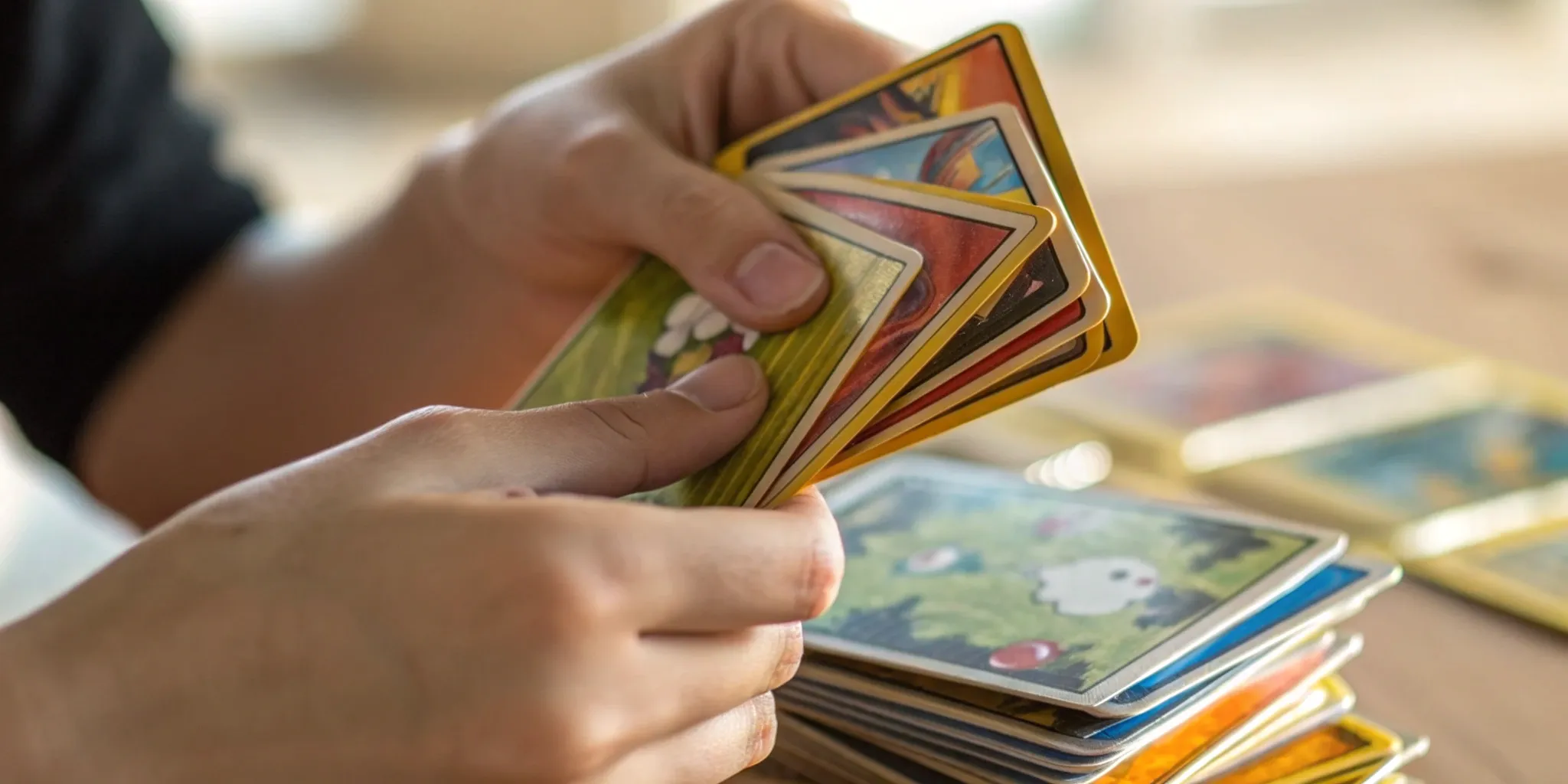
The stories are everywhere: a rare Charizard found in a dusty attic, a lucky pack pull that turns into a serious payday. While luck is part of the fun, building a valuable collection of Pokémon cards is more about knowledge than chance. Understanding what makes a card a true treasure is a skill anyone can learn. It starts with identifying rarity, assessing a card's physical condition with a critical eye, and knowing where to look for its real market price. This guide will walk you through the fundamentals, helping you spot valuable finds, avoid fakes, and make smart decisions for your collection.
Key Takeaways
- Value is more than just a rarity symbol: A card's true worth is a combination of its rarity, its physical condition, and how much other collectors currently want it. Always assess all three factors to get an accurate picture of what you have.
- Condition is king, so protect your pulls: The difference between a valuable card and a worthless one often comes down to its physical state. Handle your cards with care and use sleeves and proper binders to prevent the scratches and bent corners that can erase a card's value.
- Build your collection with confidence: Protect your investment by buying from trusted sources and learning the tell-tale signs of a fake, like poor print quality or a price that’s too good to be true. A little caution goes a long way in ensuring your collection is authentic.
What Are the Different Types of Pokémon Cards?
When you first get into collecting, you'll quickly realize it's not just about finding your favorite Pokémon. The Pokémon Trading Card Game (TCG) has a huge variety of card types, each with its own purpose and rarity. Understanding these differences is the first step to building a collection you love, whether you're in it for the thrill of the game, the art, or the investment. From the basic building blocks to the dazzling, rare finds, let's break down the main categories of cards you'll find in your packs.
Common and Uncommon Cards
Think of Common and Uncommon cards as the foundation of the Pokémon TCG. These are the cards you'll see most often when you open a booster pack. You can identify them by a small symbol at the bottom of the card: a circle for Common and a diamond for Uncommon. While they might not be the most valuable cards in your collection, they are the backbone of any playable deck and are essential for anyone looking to complete a full set. Every collector starts here, and these cards are perfect for learning the game, trading with friends, and appreciating the wide world of Pokémon characters.
Rare and Holo Cards
This is where the real thrill of opening a pack begins. Rare cards are marked with a black star symbol, indicating they're harder to find than Commons or Uncommons. But the excitement really ramps up with Holo cards. A "Holo Rare" features a holographic, shimmering foil on the artwork of the Pokémon itself. You might also find a "Reverse Holo," where the foil is on every part of the card except the artwork box. Pulling a Holo is a fantastic feeling and a clear sign that you’ve found something special. The different rarities of Pokémon TCG cards add layers of excitement to every pack you open.
Promo and Special Cards
Not all cards come from a standard booster pack. Promotional cards, or "promos," are special cards released for specific events, as part of marketing campaigns, or included in unique products like collection boxes and tins. These cards are often marked with a black star promo symbol and can vary wildly in rarity and value. Because they aren't distributed through regular packs, they can be harder to track down, making them fun and unique additions to a collection. Hunting for specific promo cards adds a whole different dimension to the hobby beyond just what you can pull from a pack.
Energy and Trainer Cards
While Pokémon are the stars of the show, Energy and Trainer cards are what make the game work. Energy cards are the fuel your Pokémon need to use their attacks. Trainer cards are strategic tools that provide special effects, like letting you draw more cards, heal your Pokémon, or search your deck for a specific character. While a basic Energy card isn't worth much, some special holographic versions are highly collectible. Similarly, certain Trainer cards, especially "full art" or "supporter" versions featuring popular characters, can be some of the most valuable cards in a set. These cards are essential for anyone who wants to play the game.
How to Determine a Pokémon Card's Value
So, you’ve pulled a card that looks special, and you’re wondering if you’ve struck gold. Figuring out a Pokémon card's value is a mix of art and science, but it’s a skill every collector can learn. The price isn't just about how old the card is or how cool the Pokémon looks; it's determined by a few key factors that the entire collecting community agrees on.
The three pillars of a card's value are its rarity, its physical condition, and the current market demand. A card might be incredibly rare, but if it’s creased and worn, its value will plummet. On the other hand, a common card in perfect condition is still just a common card. True value lies at the intersection of high demand, excellent condition, and scarcity. Learning to evaluate these three elements is the first step toward understanding what your collection is truly worth. Let's break down how you can start assessing your cards like a pro.
Assess Rarity and Condition
First, check the card’s rarity. Look for a small symbol in the bottom right corner. A circle means it’s a Common card, a diamond is Uncommon, and a star means it’s Rare. Some cards take it a step further. Rare Holo cards have a star symbol plus a shiny, holographic finish on the Pokémon's illustration, making them more sought-after.
Next, honestly evaluate its condition. A card in Near Mint (NM) condition shows almost no wear and has clean edges and a smooth surface. Grab your card and inspect it under a good light. Look for scratches on the holo foil, whitening along the edges, and any creases or scuffs. Even tiny imperfections can significantly lower a card's value, so a critical eye is your best tool here.
Research Market Prices
Once you know the rarity and condition, it’s time to see what the card is actually selling for. The best way to do this is to check online marketplaces that aggregate sales data. Websites like TCGplayer are fantastic resources because they show you a "Market Price" based on what the card has recently sold for, not just what sellers are asking. This gives you a realistic snapshot of its current value.
Remember that value is driven by demand. A rare card from a popular Pokémon like Charizard will almost always have a higher market price than an equally rare card of a less popular Pokémon. Keep an eye on trends, as a Pokémon's popularity in new games or shows can cause its card prices to spike.
Understand Card Grading
For potentially valuable cards, professional grading is the final step in cementing their worth. Companies like Professional Sports Authenticator (PSA) will verify that your card is authentic and assign it a grade from 1 to 10 based on its condition. The card is then sealed in a protective case, or "slab," with a label displaying its grade.
Getting a high grade, like a PSA 9 or 10, can dramatically increase a card's value, turning a $100 card into a $1,000+ collector's item. This is because a professional grade removes all guesswork about the card's condition, giving buyers complete confidence. For any serious collector, understanding the impact of grading is essential for maximizing the value of top-tier pulls.
What Are the Most Valuable Kinds of Pokémon Cards?
While every Pokémon card holds a bit of nostalgia, some are in a completely different league when it comes to value. The difference between a common card and a collector’s holy grail often comes down to its story—when it was made, how many were printed, and what makes it unique. Think of it like collecting anything else, from vintage cars to comic books; the oldest, rarest, and most unusual items are the ones that command the highest prices.
For Pokémon cards, this means looking beyond the creature's power level in the game. A card's value is tied to its history. Was it part of the very first print run? Was it a prize for a tournament that only a handful of people won? Or does it have a strange printing mistake that makes it a one-of-a-kind collectible? These are the factors that can turn a piece of cardboard into a serious investment. Understanding these categories will help you spot potential treasures, whether you’re sorting through an old collection or opening a new pack.
Base Set and First Edition Cards
The cards that started it all hold a special place in every collector’s heart. The original Pokémon Trading Card Game was released in the late 1990s, and cards from this era, known as the "Base Set," are highly sought after. The most prized among these are the "First Edition" cards. You can identify them by a small, black "Edition 1" stamp located on the left side of the card, just below the Pokémon's art box. This stamp signifies that the card was part of the very first print run, making it significantly rarer than later, unlimited printings. A First Edition Base Set Charizard, for example, is one of the most iconic and valuable cards in the entire hobby.
Japanese Exclusives and Tournament Prizes
Some of the rarest Pokémon cards were never available to the general public in booster packs. Many early and promotional cards were released exclusively in Japan, making them incredibly difficult for international collectors to find. Even more exclusive are tournament prize cards. These were created in extremely limited quantities and awarded to the winners of major competitions. The most famous example is the "Pikachu Illustrator" card, which was given to winners of a 1998 art contest. With only a few dozen ever made, one of these cards sold for over $5 million, making it the most expensive Pokémon card ever. These cards are the pinnacle of rarity, representing a unique piece of Pokémon history.
Limited Print Runs and Error Cards
Sometimes, a card's value comes from a simple mistake. Error cards are cards that have a misprint, such as incorrect text, a wrong symbol, or a missing holographic pattern. Because these mistakes are usually caught and corrected quickly, the flawed cards that make it into circulation become rare collectibles. Similarly, cards with a known limited print run are also highly valued. Beyond errors, special finishes like the shimmering holographic foil on "Holo Rare" cards can also set a card apart. These unique production details create scarcity, which is a key ingredient for driving up a card's value among dedicated collectors.
Where to Buy Pokémon Cards
Once you know what you’re looking for, the next step is finding a reliable place to buy your cards. The Pokémon card market is huge, with options ranging from big-box retailers to specialized online platforms and local community hubs. Where you choose to shop can impact everything from price and card condition to the overall fun of the experience. For new collectors, it’s especially important to buy from reputable sources to ensure you’re getting authentic cards. Let’s look at a few of the best places to build your collection, each offering a different kind of buying experience.
Digital Mystery Packs from Packz
If you love the thrill of ripping open a new pack but want a more modern and convenient way to do it, you’ll want to check this out. Digital Mystery Packs from Packz offer a new way to collect Pokémon cards, bringing the surprise element of a blind pack to a digital platform. You can buy and open packs online anytime, revealing your cards instantly. From there, you have options: have the physical, graded cards shipped directly to your door, or sell them back to us for account credit. It’s a fun, fast-paced way to hunt for rare cards without leaving your house.
Online Marketplaces
For collectors looking for specific cards to complete a set, online marketplaces are a go-to resource. Websites like TCGplayer and Amazon have a massive selection, from the latest releases to vintage singles. These platforms are great because they offer a wide variety of cards and often provide user reviews to help you make informed decisions. You can compare prices from different sellers to find the best deal. Just be sure to check seller ratings and read reviews carefully to ensure you’re buying from a trusted source who deals in authentic cards.
Local Card Shops
Don’t underestimate the value of a good old-fashioned card shop. Local card shops are fantastic places to find Pokémon cards because they often have knowledgeable staff who can help you with your collection. They can offer expert advice on card condition, rarity, and current market trends. Plus, visiting a local shop is a great way to connect with other collectors in your area. You can trade cards, join local tournaments, and become part of a community that shares your passion for collecting. It’s an experience you just can’t get online.
How to Spot Fake Pokémon Cards
Nothing feels worse than discovering a prized card in your collection is a fake. Counterfeits are out there, and learning to identify them is a critical skill for any collector. Protecting your investment and the integrity of your collection starts with knowing what to look for. It boils down to three key areas: the physical characteristics of the card itself, where you’re buying it from, and the common red flags that should make you think twice. By paying close attention to these details, you can build your collection with confidence and avoid the disappointment of a fake find. Let’s get into what you need to check before you commit to a purchase.
Inspect the Physical Details
Get hands-on with the card if you can. A genuine Pokémon card has a distinct feel—it’s sturdy and has a specific finish. Fakes often feel flimsy, waxy, or overly glossy. Look closely at the print quality. Colors on counterfeit cards might appear washed out or too saturated, and the text can be blurry, pixelated, or in the wrong font. Spelling errors are another dead giveaway, so read the Pokémon’s name and attack descriptions carefully.
One of the biggest tells is the holographic pattern. Real holo cards have a complex, layered effect, while fakes often have a flat, sticker-like shine that covers the entire card. A great way to check a card’s authenticity is the light test. Shine a bright light (like your phone’s flashlight) through the card; a real one will let very little light pass through, while most fakes will be much more transparent.
Buy from Trusted Sellers
Where you buy your cards is just as important as the cards themselves. While you can find legitimate cards on big online marketplaces, you have to be careful. Always check a seller’s history, ratings, and reviews before making a purchase. If a seller has negative feedback related to authenticity, it’s best to walk away. Don’t be afraid to ask for more photos of a card if the initial pictures are blurry or unclear.
Your local card shop can be a great resource, as the owners are typically knowledgeable and invested in their reputation. For a completely secure option, consider platforms that handle the authentication for you. Here at Packz, every card you pull from our digital mystery packs is already graded and verified, so you never have to worry about fakes. This approach removes the guesswork and lets you focus on the fun of collecting.
Know the Warning Signs
Developing an eye for red flags will save you a lot of trouble. The most obvious warning sign is a price that seems too good to be true. If someone is selling a Base Set Charizard for $20, it’s almost certainly a fake. Be wary of sellers using stock photos instead of pictures of the actual card you’ll be receiving.
It’s also helpful to understand some common collector myths. For example, not every holographic card is valuable. Some sellers might try to pass off a common holo as a rare find to an inexperienced buyer. Fakes also sometimes feature impossibly high HP or attack damage numbers that don’t exist in the actual game. Trust your gut—if a deal or a card feels off, it’s better to be cautious and pass on it.
A Beginner's Guide to Collecting
Jumping into the world of Pokémon card collecting is an exciting venture, but it's easy to feel a bit lost at first. With thousands of cards spanning decades, where do you even begin? The key is to start with a solid foundation. By setting clear goals, protecting your cards, and understanding what truly gives them value, you can build a collection you’re proud of. Think of it less as a race and more as a personal journey. These steps will help you get started on the right foot and avoid some common rookie mistakes.
Set a Budget and Collecting Goals
Before you buy your first pack, it’s smart to decide what you want to achieve and how much you’re willing to spend. Your budget will keep your hobby fun and sustainable. Your goals will give your collection direction. Are you trying to catch 'em all from a specific set? Or maybe you just want to collect cards of your favorite Pokémon, like Charizard or Pikachu.
Understanding what drives Pokémon card value is crucial here. A card’s worth depends on its rarity, condition, and demand. Setting goals—like focusing on first edition cards or collecting only professionally graded cards—helps you make smarter purchasing decisions and build a more cohesive and potentially valuable collection over time.
Store and Protect Your Cards
You’ve started collecting cards—now you need to protect your investment. Proper storage is non-negotiable for maintaining a card's condition and value. Tossing them in a shoebox or using cheap binders with metal rings can cause dents, scratches, and bent corners, silently ruining your collection.
For your best cards, use penny sleeves and then place them in rigid top loaders or semi-rigid card savers. For organizing full sets, invest in a high-quality, ringless binder with acid-free, polypropylene pages. Taking these simple protective measures ensures your cards stay in the best possible shape, which is essential if you ever decide to sell or get them graded. Avoiding these common mistakes new collectors make will pay off in the long run.
Common Myths About Card Values
As you get deeper into the hobby, you’ll encounter a lot of opinions and "hot takes" on card values. It’s important to separate fact from fiction. One of the most common myths is that all holographic cards are valuable. While a holo Charizard from the Base Set is a treasure, a holo from a recent, heavily printed set might only be worth a couple of dollars.
Another one of the biggest Pokémon card myths is that a high grade automatically makes a card expensive. Grading simply certifies a card's condition. If the card itself isn't rare or in high demand, a perfect grade won't magically make it valuable. Always research a card's history and market demand before assuming its worth.
Build Your Collection Strategically
Building a collection is a marathon, not a sprint. The most satisfied collectors are those who are intentional about what they buy. The Pokémon Trading Card Game has a rich history, and people collect for all sorts of reasons—from pure nostalgia to serious investment. Figure out what motivates you. Do you love the artwork on modern cards, or are you drawn to the history of vintage sets?
Focusing on a specific goal, like completing the original 151 Pokémon or collecting every Eeveelution card, can make the process more rewarding and less overwhelming. This strategic approach helps you appreciate each new addition and build a collection that truly reflects your passion for the hobby.
Related Articles
- Gold Pokémon Card Guide: Types, Rarity & Value | Packz Blog
- Best Pokémon Card Price Checkers: Find the Right Tool | Packz Blog
- Best Websites to Check Pokémon Card Prices | Packz Blog
Frequently Asked Questions
Is it better to buy individual cards or booster packs when I'm just starting out? This really depends on your goal. If you love the surprise and thrill of discovery, opening booster packs is an unbeatable experience. It’s a great way to get familiar with a new set and build a broad base for your collection. However, if you’re trying to find a specific card or complete a set, buying individual cards (known as "singles") is almost always more cost-effective. Chasing one particular card by opening packs can get expensive fast, so buying it directly is the strategic move.
Are only vintage Pokémon cards valuable, or can modern cards be worth something too? While vintage cards get a lot of attention for their history and nostalgia, modern sets absolutely produce highly valuable cards. Collectors hunt for special "chase cards" like alternate arts, secret rares, and illustrator rares, which can be worth hundreds or even thousands of dollars right after release. The same principles of rarity, condition, and character popularity apply to all cards, no matter when they were printed.
How do I know if a card is worth getting professionally graded? Grading is best reserved for cards that are both valuable and in excellent shape. Before you even think about sending a card in, first look up its current market price in a "raw" or ungraded condition. If it's already a high-value card, the next step is to inspect it very carefully for any flaws like scratches or whitening on the edges. Only cards that have a real shot at getting a top grade (like a 9 or 10) are usually worth the cost of grading, as that's where you see the biggest jump in value.
I have a bunch of old cards from when I was a kid. Are they worth anything? It's definitely possible you have some hidden gems, but it's important to manage expectations. Most collections from childhood are full of common cards that were played with, which affects their condition. The best thing to do is sort through them and pull out any cards with a holographic image or a small star symbol in the bottom corner. These are the rare cards and have the best chance of being valuable. From there, you can assess their condition and look up their prices online.
What's the biggest mistake new collectors make? The most common and costly mistake is improper storage. It’s easy to get caught up in the excitement of buying cards and forget about protecting them. A single scratch, bent corner, or bit of edge wear can dramatically lower a card's value. Start good habits from day one by putting any rare or holographic cards into a soft "penny sleeve" and then into a rigid top loader. This simple step is the single best thing you can do to preserve the condition and long-term worth of your collection.
Recommended Reading
Cash for Graded Sports Cards: The Fastest Ways to Sell
Get cash for graded sports cards faster. Compare auction houses, marketplaces, and instant buyback options to pick the route that fits your timeline.
How to Compare Value in Sports Card Packs
Learn how to compare sports card packs using card quality, available pulls, pricing clarity, and Packz’s 100% buyback option.
How to Buy Pokemon Packs Online for Ripping
Ready to buy pokemon packs online for ripping? Get transparent pack value and clear pull odds so you never overpay for the thrill of the hunt. Start collecting safely.