
July 3, 2026
Sports Trading Cards 101: A Beginner's Guide
Start your sports trading cards collection with confidence. Learn key terms, top brands, card values, and smart tips every beginner should know.
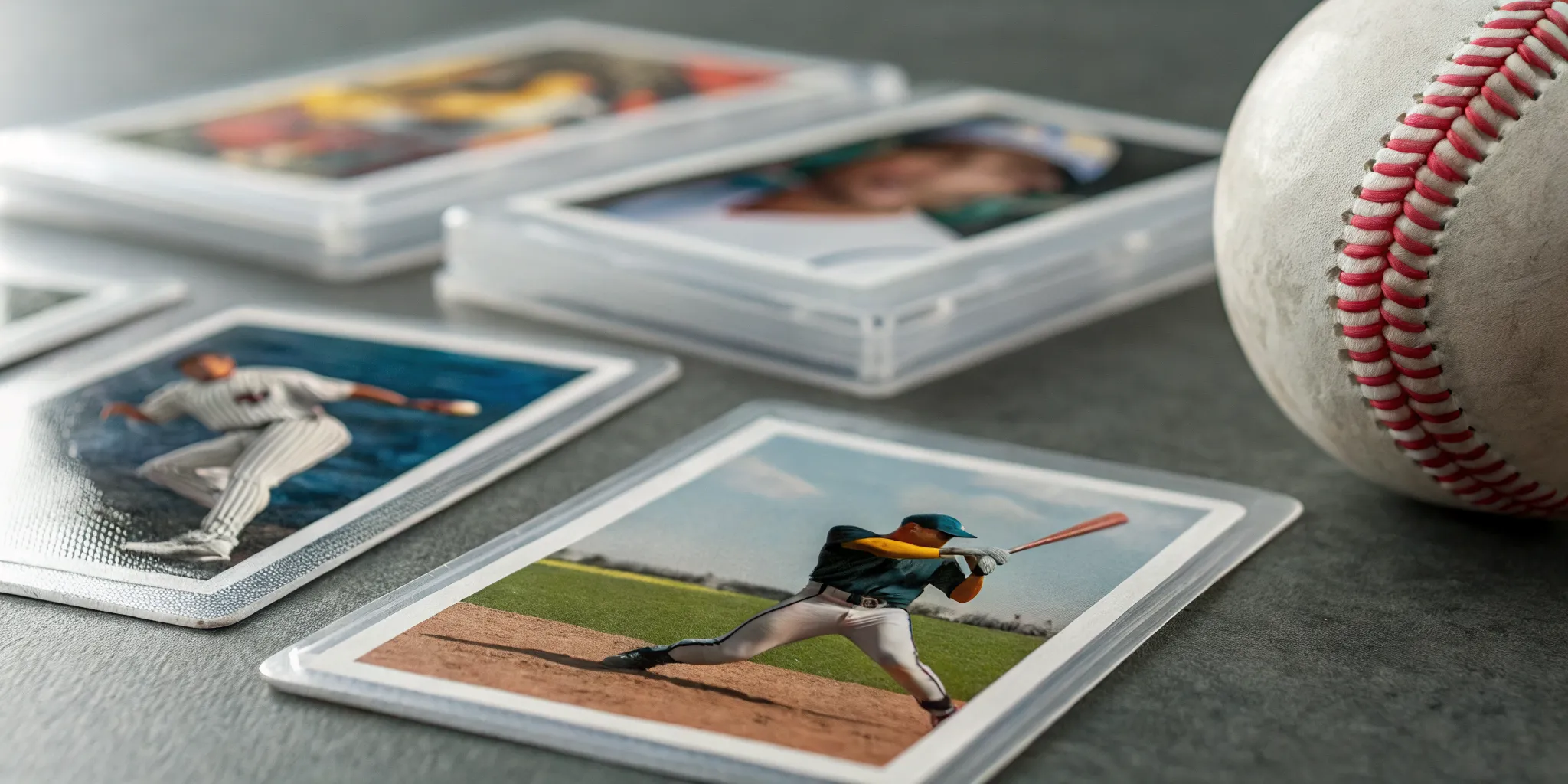
You’ve probably seen the headlines: a single sports card selling for the price of a house. It’s easy to wonder how a small piece of cardboard becomes such a valuable asset. While the thrill of finding a rare card is a huge part of the appeal, the modern hobby is also a legitimate alternative investment market. But it’s not just about luck; it’s about knowledge. Understanding rarity, condition, and player demand is what separates a casual collector from a savvy one. This guide is your playbook, designed to walk you through the fundamentals of collecting sports trading cards and help you make smarter, more confident decisions.
Key Takeaways
- Know What Makes a Card Valuable: A card's price is determined by its rarity, physical condition, and the player's popularity. Understanding these factors helps you make smarter buying decisions and appreciate the true worth of your collection.
- Collect with a Clear Focus: Instead of buying randomly, choose a theme that excites you, like a favorite team, a specific player, or rookie cards. Setting a budget and having a goal makes the hobby more rewarding and sustainable.
- Protect Your Cards from the Start: Preserving a card's condition is essential for its long-term value. Immediately place important cards in soft sleeves and rigid toploaders, and store your collection in a place with stable temperature and humidity.
What Are Sports Cards?
At their core, sports cards are simple: small pieces of cardboard featuring athletes from your favorite teams. But for collectors, they are so much more. These cards are tangible pieces of sports history, capturing a rookie’s debut, a champion’s triumph, or a legend’s final season. And they can be incredibly valuable. Some of the most sought-after cards can sell for as much as, or even more than, game-worn jerseys and other historic memorabilia.
So, what separates a ten-dollar card from a ten-thousand-dollar one? Often, it’s all about condition. You could have two identical cards, but the one in better shape will almost always be worth more. This is where grading comes in. Professionals assess a card’s physical state, looking at its corners, edges, surface, and centering. They then assign it a score, typically on a 1-to-10 scale. A pristine, perfectly preserved card receives a 10, while a card with more wear and tear gets a lower number. This single number can have a massive impact on a card’s value and is a key part of the collector’s guide to sports cards.
Graded vs. Ungraded: What's the Difference?
When you first pull a card from a pack, it’s considered “ungraded” or “raw.” Its condition is a matter of opinion. You might think it looks perfect, but a potential buyer might spot a tiny flaw you missed. A graded card, on the other hand, has been professionally evaluated. You send the card to a trusted third-party grading company, like PSA or Beckett. They verify that the card is authentic, assign it a condition grade, and seal it in a protective plastic case, often called a “slab,” with a label detailing its grade. Once graded, the card’s information is often stored in a database, so you can see exactly how many other cards like it have achieved the same grade.
Why Grading Matters for New Collectors
For new collectors, grading is a game-changer. It takes the guesswork out of determining a card’s quality and provides a clear, objective measure of its value. This is especially important when you’re buying or selling online. A grade from a reputable company acts as a certificate of authenticity and quality, giving you confidence that you’re getting what you paid for. As the hobby has grown, grading services have helped institutionalize the value of cards, turning them into recognized assets. Think of it as a safety net. It protects your purchase and solidifies the value of your collection, making it easier and safer to participate in the market.
What Kinds of Sports Cards Can You Collect?
One of the best parts of collecting sports cards is the sheer variety. When you first start, it can feel like there’s a whole new language to learn, with terms like “parallels,” “relics,” and “short prints” thrown around. But don’t worry, it’s simpler than it sounds. Understanding the different types of cards is the first step to figuring out what you love and what you want to collect. Think of it as building your personal playbook for the hobby, helping you recognize a great find the moment you see it. This knowledge transforms opening a pack from a simple surprise into a strategic treasure hunt.
Whether you’re chasing a specific player, trying to complete a full set, or just love the thrill of finding something rare, knowing what’s out there helps you appreciate what you pull. Each type of card offers something different. Some are the foundation of a set, while others are incredibly rare finds that can define a collection. As you get more familiar with these categories, you’ll start to develop an eye for what makes a card special. Let’s walk through the main types of sports cards you’ll encounter on your collecting journey.
Base cards
Think of base cards as the foundation of any trading card set. These are the most common cards produced, typically featuring a great photo of the player on the front and their stats and a short bio on the back. While they aren't the rarest cards you can find, they are the heart and soul of the hobby. For anyone looking to complete a set, collecting base cards is your primary goal. They’re an affordable and accessible way to start your collection, allowing you to gather cards of all your favorite players without breaking the bank. Every great collection starts somewhere, and for most of us, it starts with a stack of base cards that represent our love for the game.
Rookie cards
If there’s one type of card that gets collectors’ hearts racing, it’s the rookie card. A rookie card, often marked with an “RC” logo, is the first licensed card featuring a player from their debut professional season. These cards are highly sought after because they capture the very beginning of a star’s career. Finding a rookie card of a player who goes on to become a legend can be like hitting the jackpot, as its value can skyrocket over time. For many, collecting rookie cards is the ultimate treasure hunt, combining a love for the game with the thrill of a great investment. It’s a bet on a player's future, making every game they play a little more exciting.
Autographed cards
There’s nothing quite like holding a card that has been personally signed by your favorite athlete. Autographed cards, or “autos,” feature a real signature from the player, creating a direct connection that a standard card just can’t match. These cards are inserted randomly into packs and are always a thrilling find. Keep an eye out for "on-card" autographs, where the player signed directly on the card, as these are often more desirable than "sticker" autos, where the signature is on a clear label. Because authenticity is everything, it’s crucial to look for cards with certified autographs that guarantee the signature is legitimate and protect the card’s value.
Patch and relic cards
Want to own a piece of the game? That’s exactly what patch and relic cards offer. These incredible cards contain a small piece of memorabilia embedded directly into the card itself. You might find a swatch of a player’s game-worn jersey, a piece of a basketball, or even a sliver of a baseball bat. Because they contain actual artifacts from the sport, these cards are often produced in very limited quantities. A patch card, especially a "prime" one with multiple colors from a team logo or number, is a standout piece that brings you one step closer to the action and is highly coveted by collectors.
Limited edition and parallel cards
Parallel cards add an exciting layer to collecting. A parallel is a special version of a base or insert card that features a distinct design element, like a different color border, a holographic finish, or a unique pattern like a "Refractor" or "Prizm." These cards are printed in much smaller quantities than base cards, making them significantly rarer and more valuable. You’ll often find them serial-numbered right on the card (e.g., 25/99), which tells you exactly how many were made. The hunt for these rare parallels is a fun challenge, and pulling a low-numbered "1 of 1" card is one of the biggest thrills in the hobby.
The Top Brands in Sports Cards
When you first get into sports cards, you’ll quickly notice a few key brand names appearing over and over. Just like with cars or clothing, the trading card world has its titans: companies that hold exclusive licenses with major sports leagues and are known for their distinct styles and product lines. Understanding who makes what is a great first step in figuring out which packs you want to open. While there are many brands out there, three have consistently dominated the modern hobby. Knowing the difference between them will help you find the cards and sports you’re most excited to collect.
Topps
Think of Topps as the classic, iconic brand of the trading card world. For generations of collectors, the name Topps is synonymous with baseball cards. The company has been around for over 70 years, building a legacy on its partnership with Major League Baseball. While they’re most famous for baseball, Topps also produces cards for other sports and major entertainment franchises. Recently acquired by collectibles giant Fanatics, Topps continues to be a cornerstone of the hobby, blending its rich history with modern designs. If you love the timeless feel of baseball and want to collect cards from a brand with deep roots, Topps is the perfect place to start.
Panini
If you’re a fan of the NFL or NBA, you’ll get to know Panini very well. This Italian company has become a dominant force in the U.S. market, holding the exclusive rights for professional football and basketball cards. Panini America is known for its slick, modern designs and an incredible variety of cards, from affordable base sets to ultra-rare inserts. Collectors love Panini for its focus on exciting "hits," like cards featuring player autographs or pieces of game-worn jerseys. Ripping open a pack of Panini cards always comes with the thrilling possibility of finding a truly special piece of sports memorabilia.
Upper Deck
Upper Deck burst onto the scene in 1989 and immediately changed the game by introducing the concept of a premium sports card. They were the first to use high-quality card stock and anti-counterfeit holograms, setting a new standard for the industry. Today, Upper Deck is the exclusive home for NHL hockey cards and is also well-known for its golf and entertainment products. The brand is famous for its high-end collections, which feature incredible designs and rare autographs from sports legends. If you’re looking for top-tier, luxurious cards, especially from the world of hockey, Upper Deck is the brand to watch.
Where to Buy Sports Cards
Once you know what you want to collect, the next question is where to find it. The good news is you have more options than ever, whether you prefer the instant excitement of digital packs or the classic experience of browsing a local shop. Finding the right source depends on your collecting style, budget, and what you’re hoping to find. Let's look at the most popular places to buy sports cards so you can start building your collection.
Digital mystery packs
Imagine the rush of opening a fresh pack of cards, but you can do it right from your phone or computer. That’s the idea behind digital mystery packs. Platforms like Packz let you buy and “rip” packs online, revealing your cards instantly. From there, you can choose to have the physical cards shipped directly to you or sell them back for credit to open even more packs. It’s a fantastic way to experience the thrill of the hunt without leaving your house, combining the classic feeling of discovery with modern convenience.
Online marketplaces
The online sports trading card market is massive, giving you access to a global inventory of cards. Marketplaces like eBay, COMC (Check Out My Cards), and even specialized platforms for digital collectibles offer an endless selection. This is where you can hunt for specific single cards to complete a set, bid on high-value rookie cards, or buy sealed boxes and cases. The ability to compare prices from thousands of sellers is a huge advantage, helping you make sure you’re getting a fair deal on your next big purchase. It’s the perfect place for targeted searches when you know exactly what you want.
Local hobby shops and retail stores
Don’t underestimate the value of buying cards in person. Your local hobby shop is more than just a store; it’s a community hub. The owners are often collectors themselves and can offer incredible advice, help you find what you’re looking for, and connect you with other enthusiasts. For more casual finds, big-box retail stores like Target and Walmart also stock cards. While their selection can be hit-or-miss, catching a restock can feel like hitting the jackpot. Visiting these physical locations is a great way to get your hands on new products and feel more connected to the hobby.
How to Value a Sports Card
Figuring out what a sports card is worth can feel like a mystery, but it doesn't have to be. While you might think it’s all about the player on the front, the true value of a card is a mix of several key ingredients. A card featuring a legendary athlete isn't automatically a home run. Is it a common card that everyone has, or a rare parallel that almost no one has seen? Is it in perfect shape or has it seen better days? Understanding these details is what separates a casual collector from a savvy one.
Learning to assess a card's value is one of the most rewarding parts of the hobby. It helps you make smarter decisions, whether you're buying, selling, or just appreciating the gems in your collection. We'll walk through the four main factors that determine a card's price tag: rarity, condition, player popularity, and market demand. Once you get a feel for how these elements work together, you'll be able to spot a great card and understand exactly what makes it special.
Rarity and print run
Rarity is a huge driver of a card's value. Simply put, the fewer copies of a card that exist, the more desirable it becomes. This is where the term "print run" comes in. A card with a low print run means the manufacturer produced a very limited number of them. You can often find serial numbers stamped directly on the card (like 5/99) to show its scarcity. Some of the most valuable cards are "1-of-1s," meaning they are the only one of their kind in the world. Even for cards featuring sports icons, a limited supply can make them more valuable than a piece of game-worn memorabilia.
Condition and grade
Condition is everything in the card world. Two identical cards can have drastically different values based on their physical state. A card with sharp corners, a clean surface, and perfect centering will always command a higher price than one with soft corners or scratches. This is why professional grading is so important. Companies like PSA, BGS, and SGC evaluate cards on a 1-to-10 scale. Once graded, the card is sealed in a protective case, or "slab," with a label detailing its grade. This process not only preserves the card but also solidifies its value. You can even check population report databases to see how many other cards have received the same grade, giving you a true sense of its rarity.
Player popularity and performance
This is the factor most new collectors think of first, and for good reason. A player's performance, legacy, and fan base have a direct impact on their card values. Cards for Hall of Fame legends like Michael Jordan or Mickey Mantle are consistently in high demand. But it’s not just about the all-time greats. A rookie having a breakout season or a veteran leading their team to a championship can cause their card prices to soar. A player's market can be just as dynamic as their career, with values rising and falling based on their latest achievements and overall popularity in the sports world.
Market demand
Ultimately, a card is only worth what someone is willing to pay for it. The sports trading card market is a living ecosystem influenced by current trends, player performance, and collector enthusiasm. A player who is suddenly all over the news can see their card demand spike overnight. Likewise, a vintage set might suddenly become popular again, driving up prices for all the cards in it. To get a real-time pulse on market demand, you can check recent sold listings on marketplaces like eBay or consult online price guides. This research shows you what cards are actually selling for, giving you the most accurate picture of its current value.
What's Trending in the Hobby?
The sports card world is dynamic, with trends that shift as quickly as a game-winning play. For both new and seasoned collectors, keeping a finger on the pulse of the hobby is part of the fun. It helps you make smarter buys, understand the value of your collection, and connect with what’s currently exciting the community. From the resurgence of classic cards that spark a sense of nostalgia to the cutting-edge digital platforms changing how we collect, there’s always something new to discover.
Understanding what’s hot right now can help you find your niche. Maybe you’ll get swept up in the hunt for a vintage gem from your childhood hero, or perhaps you’ll focus on the rookie cards of today’s rising stars. The hobby is big enough for everyone, whether you’re chasing high-grade autographed cards or exploring the growing world of digital collectibles. Let’s look at some of the biggest trends shaping the sports card landscape.
The vintage card comeback
Nostalgia is a powerful force, and it’s currently driving a major trend in the sports card market: the return of vintage cards. Collectors who grew up in the ’80s and ’90s are revisiting the hobby, seeking out the cards of players they idolized as kids. This isn't just about reliving childhood memories; it's also about investment. Many of these older cards have become incredibly valuable collectibles, especially those in great condition. Social media platforms have also played a huge role, as collectors share their vintage finds and inspire others to start digging through old collections. This renewed interest is driving the trends in the hobby, making yesterday's heroes hot commodities once again.
Today's hottest sports and leagues
While vintage cards are having a moment, the appeal of modern players is as strong as ever. The sports trading card market is a global industry, but in the United States, the "big three" still dominate: basketball, football, and baseball. Cards for superstars like LeBron James and Patrick Mahomes, along with the hottest new rookies, consistently generate major buzz. Beyond the big three, soccer cards have seen a massive surge in popularity, thanks to a growing American fanbase and global icons like Lionel Messi and Cristiano Ronaldo. Formula 1 racing has also sped into the spotlight, creating a new and exciting lane for collectors to explore.
The rise of digital collectibles
Technology is changing how we interact with almost everything, and sports cards are no exception. The hobby is expanding into the digital realm, offering new and exciting ways to collect. Digital mystery packs, like the ones here at Packz, let you experience the thrill of opening a pack right from your phone or computer. After the reveal, you can choose to have the physical card shipped to you or trade it in. This trend is blurring the lines between traditional collecting and digital assets, with some platforms even using blockchain technology. These innovations are creating new ways to own and trade cards, making the hobby more accessible than ever.
The hunt for autographs and high grades
The search for rare and valuable cards is the ultimate treasure hunt for many collectors. At the top of the most-wanted list are autographed cards. A signature from a sports icon can turn a great card into an extraordinary one. Equally important is the card’s condition. This is where grading comes in. Professional grading services evaluate a card’s physical state, assigning it a score that dramatically impacts its value. Two identical cards can have vastly different prices based on their grades. As any serious collector knows, cards are separated by condition and graded on a 1-to-10 scale. The chase for a pristine, perfectly graded "Gem Mint 10" is what keeps the hobby exciting.
How to Protect Your Collection
Pulling a monster card is an incredible feeling, but the excitement is just the beginning. Protecting your collection is one of the most important parts of the hobby. Proper storage preserves the physical condition of your cards, which is essential for maintaining their value over time. Whether you plan to hold onto your cards for years or eventually sell them, keeping them in pristine shape is key. A bent corner or a faded surface can significantly lower a card's grade and price. Let's walk through the simple, effective ways to keep your collection safe.
Daily protection: Sleeves and toploaders
Your first line of defense against scratches, fingerprints, and dust is a simple plastic sleeve. Every card you care about should immediately go into a soft sleeve, often called a "penny sleeve." Think of it as the foundation of card care. For your more valuable cards, like a rare rookie or a low-numbered parallel, you'll want a second layer of security. A toploader is a rigid plastic holder that prevents bends and corner damage. You just slide the sleeved card right in. For your absolute best pulls, a one-touch magnetic holder offers a premium, sealed display that provides excellent protection and looks fantastic. This layered approach ensures your prized cards stay in mint condition.
Long-term storage: Binders and boxes
Once your cards are sleeved and protected, you need a safe place to keep them. For collections you like to flip through, a high-quality binder is a great choice. Look for binders with D-rings, which prevent pages from curling, and use acid-free pages to avoid chemical damage over time. If you're storing a large number of cards, nothing beats dedicated cardboard storage boxes. They are inexpensive and come in various sizes to fit your needs. When choosing between boxes or binders, consider how you interact with your collection. No matter which you choose, always store your cards upright and away from direct sunlight to prevent fading and warping.
Controlling climate and humidity
This might sound technical, but it’s simple: cards are made of paper, and paper hates extreme conditions. The ideal environment for your collection is a climate-controlled room with a temperature between 65 and 72°F and humidity around 40 to 50 percent. This means you should avoid storing your cards in attics, basements, or garages where temperature and moisture levels can swing wildly. You don't need a fancy setup; a closet in a main living area often works perfectly. It's also a good idea to avoid completely airtight containers. Allowing your cards to breathe a little helps prevent moisture from getting trapped, which is crucial for long-term preservation.
Tips for Building Your Collection
Starting a sports card collection is an exciting venture, but with millions of cards out there, it’s easy to feel a bit lost. Where do you even begin? The key is to be intentional. A little planning can make the difference between a random pile of cards and a collection that you’re truly proud to own. Think of it less as a set of strict rules and more as a friendly guide to help you get the most out of the hobby. It’s about creating a personal roadmap that aligns with your interests and your wallet, ensuring every card you add has a purpose.
By setting some simple ground rules for yourself, you can make your collecting journey more rewarding and financially sustainable. It’s all about finding a rhythm that works for you, whether you're chasing the thrill of opening a mystery pack or hunting down a specific vintage card. These tips will help you build a collection with purpose, make smarter choices, and connect with others who share your passion. From deciding how much to spend to figuring out what to collect, this framework will give you the confidence to start building your dream collection one card at a time.
Set a budget
Before you start buying, it’s wise to decide how much you’re comfortable spending. A budget isn’t about limiting your fun; it’s about making sure you can enjoy the hobby for the long haul without any financial stress. A common mistake beginners make is spending more on shipping and grading low-value cards than the cards themselves are worth. Setting a budget helps you prioritize your purchases, allowing you to focus on acquiring cards that truly matter to you. Whether you’re setting aside a small amount each month or saving up for a big purchase, having a plan keeps your collecting focused and sustainable.
Find your focus
You can’t collect everything, so it’s helpful to narrow your scope. What story do you want your collection to tell? Finding your focus can make the hunt more thrilling and your collection more cohesive. You could collect cards of your favorite player, build a set from your favorite team, or hunt for rookie cards from a specific draft class. Some people love the art on vintage cards, while others chase modern parallels. There’s no right or wrong answer. Picking a theme gives your collection a clear direction and makes it uniquely yours.
Research before you rip
Whether you’re buying a single card or opening a mystery pack, a little knowledge goes a long way. Before you spend your money, take a moment to understand what you’re buying. Pay attention to a card’s condition, looking closely at its corners, edges, and surface for any flaws. It’s also a good idea to do your research on a card’s market value so you know what to expect. This simple step helps you make informed decisions, appreciate the cards you pull, and avoid any potential buyer’s remorse.
Connect with the community
Collecting doesn’t have to be a solo activity. The sports card world is full of passionate people who love talking about the hobby. Engaging with the community through online forums, social media groups, or even your local card shop is a fantastic way to deepen your knowledge. You can learn from experienced collectors, get advice on your next purchase, and share the excitement of your latest finds. Tapping into this collective wisdom can help you avoid common mistakes and make your collecting experience even more enjoyable.
Common Mistakes to Avoid
Jumping into sports card collecting is exciting, but it's easy to make a few missteps along the way. We've all been there. You find a player you love or a set that looks amazing and want to grab everything you can. While that enthusiasm is the best part of the hobby, a little strategy can save you from future headaches and financial regrets. Think of this as a friendly heads-up on a few common pitfalls. Avoiding these mistakes will help you build a collection that not only brings you joy but also holds its value over time.
Buying blind
The temptation to buy a card just because it features your favorite player is strong. But buying without doing your homework can be a costly error. For example, some new collectors send in dozens of base cards for grading, only to find out the grading fees cost more than the cards are worth. Before you spend your money, take a moment to research the card's rarity and recent sales prices. Understanding the difference between a common base card and a rare parallel will help you make smarter purchasing decisions and build a more valuable collection from day one.
Ignoring card condition
A card's condition is one of the biggest factors in determining its value, yet it's something many beginners overlook. A card might look great from a distance, but collectors and graders examine every detail with a magnifying glass. Always check for sharp corners, clean edges, a flawless surface, and balanced centering. Even a tiny ding on a corner or a faint scratch can dramatically lower a card's grade and price. Learning how to assess a card's condition is a fundamental skill that will serve you well whether you're buying raw cards or deciding which ones to send for grading.
Focusing on quantity over quality
When you first start, it’s natural to want to build a massive collection as quickly as possible. This often leads to buying up every card of a favorite player or team, regardless of its significance. However, a smarter approach is to prioritize quality over sheer volume. A single, high-grade rookie card or a rare autographed card will almost always be a better long-term asset than hundreds of common base cards. Developing a focused collecting strategy will help you create a more meaningful and impressive collection, even if it grows a little more slowly.
Is Collecting Sports Cards Worth It?
So, you're wondering if getting into sports cards is a good move. The answer really depends on what you want to get out of it. For some, it’s a path to a great investment. For others, it’s all about the personal enjoyment of the hobby. The great news is, it can absolutely be both. Let's break down the two biggest reasons people find collecting so rewarding.
The investment potential
Can collecting sports cards actually make you money? The short answer is yes. Some rare and high-quality cards have sold for millions of dollars, turning a hobby into a serious financial win. This isn't just random luck; the market is fueled by a few key factors. Many collectors who grew up in the 80s and 90s are now rediscovering the hobby, bringing a wave of nostalgia and disposable income. At the same time, rare cards are being recognized as legitimate alternative assets. The global sports trading card market is a massive industry, covering everything from production to the buying and selling of these collectibles. While not every card will be a lottery ticket, the potential for a significant return is very real.
The thrill of collecting
Beyond the financial side, collecting is about the pure excitement of the hobby. For many, trading cards are a direct line to nostalgia, connecting them with the sports heroes they admired growing up. There’s a unique feeling that comes from holding a piece of sports history in your hands. And then there's the unmatched excitement of the hunt. The trend of "ripping" packs, which means tearing them open to see what's inside, has become a huge part of the culture. It’s a rush every single time, whether you’re hoping to add a specific player to your personal collection or dreaming of finding a super-rare card you can sell for a profit. This thrill of discovery is what keeps so many collectors coming back for more.
Related Articles
- The Ultimate Guide to Buying Sports Packs | Packz Blog
- The Smart Way to Find Cheap Graded Sports Cards | Packz Blog
Frequently Asked questions
What's the very first thing I should do if I pull a valuable card? The moment you realize you have a great card, your top priority is protection. Before you do anything else, carefully slide it into a soft plastic sleeve, often called a penny sleeve. This protects the surface from fingerprints and scratches. For added security, you should then place the sleeved card into a rigid plastic holder, known as a toploader. This simple two-step process is the best way to prevent bent corners or other damage and preserve the card's condition right from the start.
Do I need to get all my cards graded? Definitely not. Grading can be expensive, so it’s best reserved for your most valuable cards. Think of it as a strategic move for cards that are rare, feature a major star, or are in exceptional condition. For most base cards or common inserts, the cost of grading would be more than the card is actually worth. A good rule of thumb is to research a card's potential value in a high-grade condition before deciding if it's worth sending in for professional evaluation.
Is it better to buy single cards or sealed packs? This really depends on your collecting goals. If you enjoy the surprise and thrill of the hunt, then buying and opening sealed packs is an incredibly fun experience. However, if you are trying to complete a specific set or acquire a card of a particular player, buying single cards from an online marketplace is far more efficient. Buying singles guarantees you get exactly what you want, while opening packs offers the exciting possibility of finding something unexpected. Many collectors enjoy doing a bit of both.
How can I tell if a card is a rookie card? Most modern sports cards make it easy by printing a "RC" logo directly on the front of the card. This is the clearest indicator that you're holding a player's official rookie card. For older cards that might not have this logo, a rookie card is generally considered the first licensed card of a player from their debut season in a major league. A quick search online for a specific player and year can usually confirm which of their cards is considered their true rookie.
What's the difference between an "on-card" and a "sticker" autograph? An on-card autograph means the player signed their name directly on the surface of the card itself. Collectors tend to prefer these because it feels more personal, as the athlete physically handled that specific card. A sticker autograph, on the other hand, is when a player signs a sheet of clear labels, and the manufacturer then applies one of those stickers to the card. While both are certified authentic signatures, on-card autos are generally seen as more desirable and can often command a higher price.
Recommended Reading

Cash for Graded Sports Cards: The Fastest Ways to Sell
Get cash for graded sports cards faster. Compare auction houses, marketplaces, and instant buyback options to pick the route that fits your timeline.
How to Compare Value in Sports Card Packs
Learn how to compare sports card packs using card quality, available pulls, pricing clarity, and Packz’s 100% buyback option.
How to Buy Pokemon Packs Online for Ripping
Ready to buy pokemon packs online for ripping? Get transparent pack value and clear pull odds so you never overpay for the thrill of the hunt. Start collecting safely.