
July 3, 2026
How to Find the Best Card Shop for Collectors
Find out what to look for in a great card shop, from selection and pricing to staff expertise, so you can shop with confidence as a collector.
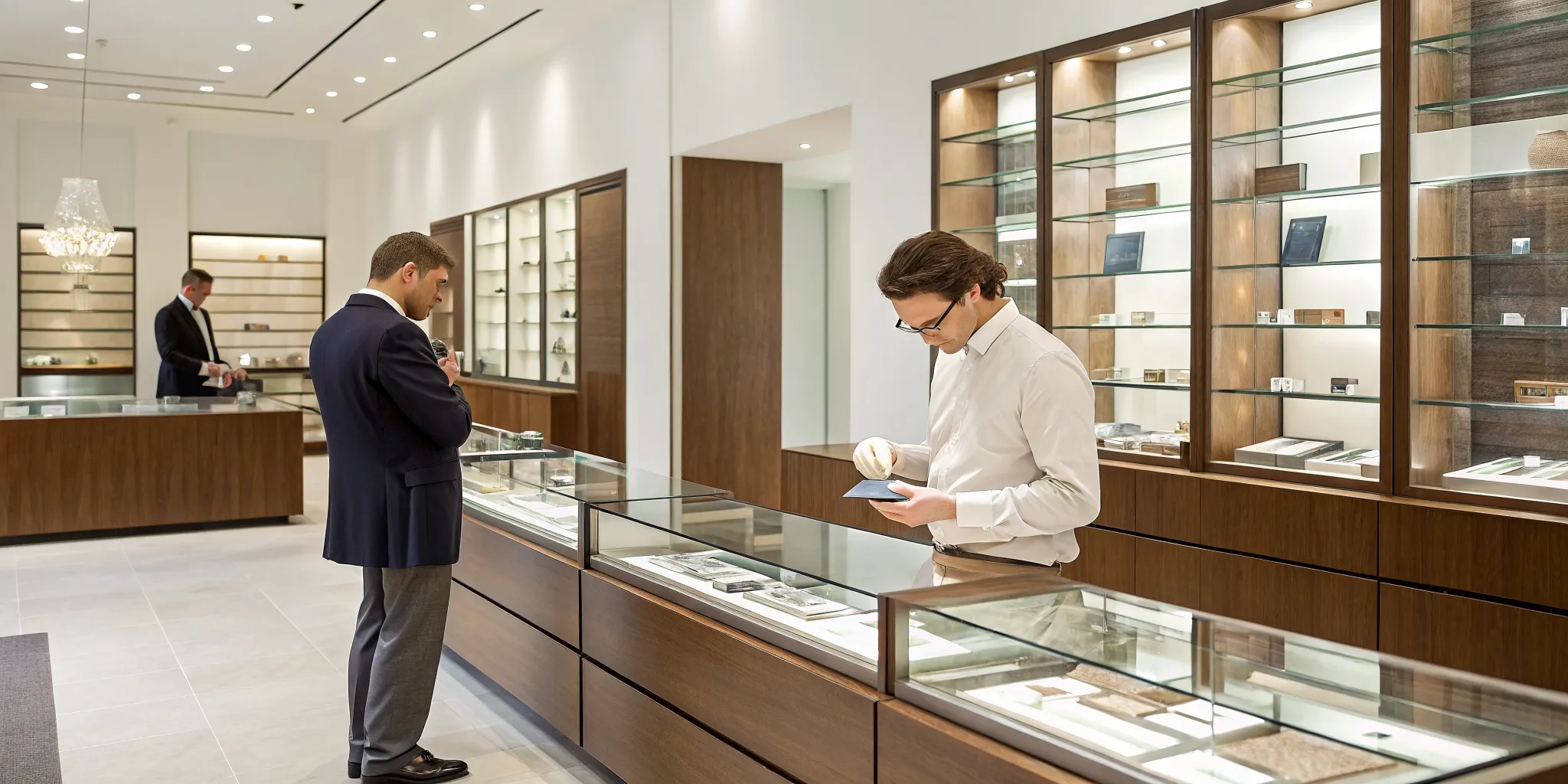
The thrill of the hunt is what makes collecting so addictive. For many, that hunt takes place in a local card shop, digging through bins and browsing display cases for the next great find. For others, the search happens online, where the selection is endless and the convenience is unmatched. Both have their perks. A physical shop offers community and hands-on browsing, while online platforms can provide better value and 24/7 access. This guide is designed for the modern collector who uses both. We’ll explore everything you need to know about navigating your local card shop, from buying to selling, while also showing you how to get the most value online.
Key Takeaways
- Do your homework before you go: Before buying or selling, research a card's market value on sites like eBay. Knowing the basics of card condition and grading will help you spot fair prices and make smarter decisions.
- Look for the green flags in a shop: A reputable store is clean, organized, and has transparent pricing. The best shops have a passionate staff and a strong community feel, which you can often confirm by reading online reviews.
- Weigh your selling options carefully: Selling to a local shop offers instant cash but typically yields 35 to 50 percent of a card's value. For a much higher return, online buyback programs like Packz provide a convenient alternative, often paying out 100 percent of market value.
What Will You Find at a Card Shop?
Walking into a local card shop feels like stepping into a collector’s paradise. The shelves are packed with possibilities, from the latest releases to vintage treasures. While every shop has its own unique character and specialty, you can generally expect to find a core selection of items that appeal to a wide range of collectors. Think of it as a physical library of sports history and pop culture, where every card and collectible tells a story. Understanding what’s typically available will help you know what to look for and where to focus your search.
Sports cards
Sports cards are the foundation of most card shops. You’ll find everything from baseball and basketball to football and hockey, covering both modern players and legendary icons. Shops typically sell cards in a few different formats. You can buy individual booster packs for the thrill of a random pull, or you can invest in a full hobby box for a better chance at rare inserts. Most shops also have binders and display cases filled with "singles," which are individual cards you can buy to complete a set or snag a specific player you’ve been hunting for. It’s a great way to find exactly what you need without leaving it up to chance.
Trading card games (TCGs)
Beyond sports, you'll almost always find a section dedicated to trading card games, or TCGs. Pokémon is a massive draw, but you’ll likely see other popular games like Magic: The Gathering, Yu-Gi-Oh!, and Flesh and Blood as well. These shops cater to both players and collectors. You can grab the latest booster packs, pre-built starter decks, and other sealed products. Many also have extensive collections of single cards, which are perfect for building a competitive deck or filling the last few spots in your Pokédex. The TCG community is huge, so shops are a central hub for finding what you need to play or collect.
Graded cards and collectibles
For those looking for high-value items, the glass display counter is where the real gems are kept. This is where you’ll find graded cards. These are cards that have been authenticated, evaluated, and sealed in a protective case by a third-party service like PSA or BGS. A high grade can significantly increase a card's value and gives you confidence in its condition and authenticity. Shops often buy collections, so you may see a wide variety of graded cards from different eras. This curated selection is perfect for serious collectors who want to add a verified, high-quality piece to their collection without the guesswork of evaluating a card themselves.
Memorabilia and autographed items
Many card shops expand their inventory beyond cards to include a fascinating array of sports memorabilia. This is where you can find items that connect you directly to your favorite athletes and teams. Look for autographed baseballs, signed jerseys, framed photos, and even game-used memorabilia cards, which contain a small piece of a player's actual uniform or equipment. These items are often authenticated to ensure the signature is legitimate. Finding a unique piece of sports memorabilia can be the highlight of a visit, offering a tangible piece of history that you can’t get from a standard pack of cards.
What to Expect Inside
Walking into a card shop for the first time can feel like stepping into a treasure trove. The best shops are more than just stores; they are experiences built for collectors. Beyond the shelves packed with cards and memorabilia, the overall vibe of a shop is what separates a good one from a great one. It’s a combination of a well-thought-out space, helpful people who know their stuff, and a real sense of community. When you find a shop that gets these three things right, you’ve found a place you’ll want to return to again and again.
Store layout and atmosphere
A great card shop is organized and inviting. You should be able to easily browse without feeling overwhelmed. Expect to see a thoughtful mix of products, from the latest booster packs to vintage single cards in display cases. A quality shop makes an effort to carry a wide variety of items, so you can find both old and new cards to explore. This setup makes it fun to hunt for that one specific card you need or just discover something new. The atmosphere should feel welcoming to everyone, whether you’re a seasoned pro hunting for a grail card or a newcomer just starting your collecting journey.
Staff knowledge and customer service
The people behind the counter can make or break your experience. In a top-tier shop, the staff are collectors themselves, and their passion shows. They should be knowledgeable, approachable, and genuinely interested in helping you. Don’t hesitate to ask questions. A good team will be happy to help you find what you need, and they might even offer to search for items they don’t currently have in stock. This level of service builds trust and shows they care about their customers, not just a quick sale. A shop with a proven track record of positive reviews often points to excellent customer service.
Events, tournaments, and community
The best card shops often serve as a local hub for the collector community. Many host regular events like Pokémon or Magic: The Gathering tournaments, trade nights, and pack-opening parties. These gatherings are a fantastic way to meet other collectors, test your skills, and share your passion for the hobby. Look for a shop that actively works to build a welcoming environment where people feel like they belong. This community aspect turns a simple retail store into a fun escape and a place where friendships are made, making your collecting experience even more rewarding.
Find the Best Card Shop Near You
Finding a great local card shop can feel like discovering a hidden gem. It’s a place to connect with other collectors, find new additions for your collection, and just enjoy the hobby. But not all shops are created equal. A little research can save you time and money, ensuring you find a spot that’s reputable, fair, and fun to visit. The best approach combines digital digging with old-school word-of-mouth. By searching online, asking fellow collectors, and verifying a shop's credentials, you can confidently find your new go-to spot.
Search online and read reviews
Your search will likely start on your phone or computer. A quick search for “card shop near me” will give you a list of local options, but don’t stop there. The next step is to read what other people are saying. Check out reviews on Google, Yelp, and even the shop’s Facebook page. Pay attention to comments about the store’s selection, pricing, and the helpfulness of the staff. While a few negative reviews are normal, a pattern of complaints about unfair prices or rude service is a clear warning sign. Evaluating a company's reputation before you walk in the door is one of the smartest moves a collector can make. Look for shops with a consistent track record of positive feedback.
Ask the collector community
Online reviews are helpful, but nothing beats a recommendation from a fellow collector. Tap into your network by asking for suggestions in online forums like Reddit, in local Facebook groups dedicated to card collecting, or at collector conventions. People in the hobby are usually happy to share their favorite spots and warn you about the ones to avoid. You’ll hear collectors mention specific shops by name, which is always a great sign. Community forums are also where you can get insider tips on a shop’s business practices. For example, you might learn that one shop offers great prices on singles while another gives fair value for trade-ins, often around 50% of market value. This kind of firsthand knowledge is invaluable.
Look for authorized dealers
When you’re spending money on cards, you want to be sure you’re getting the real deal. One of the best ways to ensure authenticity is to find a shop that is an authorized dealer. This means the shop is officially approved by brands like Panini, Topps, and Upper Deck to sell their products. These shops get their inventory directly from the source, which significantly reduces the risk of buying fake or tampered-with packs and boxes. Reputable stores are proud of this status and will often advertise that they are an "authorized dealer" on their website or in the store. Seeing this designation is a strong indicator that the shop is legitimate and invested in the hobby for the long haul.
How to Tell if a Card Shop Is Reputable
Walking into a new card shop is exciting, but it’s smart to go in with a healthy dose of caution. Whether you’re buying, selling, or trading, you want to know you’re dealing with someone honest who values the hobby as much as you do. A great shop can become your go-to spot, while a bad one can leave you feeling ripped off. Learning to spot the difference is a key skill for any collector. Here’s how to tell if a shop is the real deal.
Green flags of a trustworthy shop
A trustworthy shop usually makes a great first impression. Look for a clean, well-organized space where cards are clearly priced and handled with care. The staff should be knowledgeable and passionate, happy to talk about the hobby without pressuring you into a purchase. The biggest green flag is a proven track record of happy customers. Shops build a good name by being fair and consistent over time. If you see regulars chatting with the owner and a genuine sense of community, you’re likely in a good place. These are the shops that foster customer loyalty because they treat people right.
Red flags to watch for
Just as there are good signs, there are also clear warnings to watch for. Be cautious if a shop’s buyback offers seem unusually low. While every store needs to make a profit, offering you 40% or 50% of a card’s market value without any room for discussion is a red flag. A good shop should be able to explain its pricing. If they get defensive or can't give an honest appraisal, it might be best to walk away. Other warning signs include messy, disorganized shelves, a lack of clear prices, and staff who seem uninterested or unable to answer basic questions. Trust your gut; if a deal feels off, it probably is.
Why customer reviews matter
Before you even step into a shop, you can learn a lot from what other collectors are saying online. Customer reviews are one of the best tools for evaluating a company's reputation. Don’t just look at the star rating; read through the comments to find patterns. Are people consistently praising the fair prices and friendly staff? Or are there repeated complaints about bad trade-in values and poor service? A single bad review isn’t a dealbreaker, but a history of negative feedback is a major warning. Also, pay attention to how the business responds to criticism. A shop that professionally addresses complaints shows they care about their customers.
How Much Do Cards and Collectibles Cost?
One of the biggest questions before walking into a card shop is, "How much is this going to cost me?" The answer can be anything from a few cents to thousands of dollars. Card prices vary wildly based on rarity, condition, and player or character popularity. Understanding the different price tiers you'll encounter will help you budget for your visit and know what to look for. Whether you have a little pocket money to spend or are hunting for a major investment piece, there’s something for every type of collector.
Entry-level and budget-friendly finds
If you're just starting your collection or want to add numbers without spending a lot, you're in luck. Most card shops have sections dedicated to affordable cards. You can often find "commons" or bulk cards in bins where, as one collector noted, the cards in them can be as cheap as a penny each. These are perfect for filling out sets or just enjoying the hobby on a tight budget. Look for repackaged sets or starter packs, which give you a variety of cards for a low price and are a fantastic way to get your feet wet.
Mid-range and graded cards
Once you move past the bulk bins, you’ll enter the world of mid-range cards. This is where you’ll find cards for popular players, rookie cards that aren't ultra-rare, and some graded cards. Prices here can range from ten dollars to a few hundred. It’s also important to understand how shops price these items. If you’re selling, a shop might offer you 35% to 50% of a card's market value. They do this to cover their costs, so you’ll notice they often sell at a premium, usually around 85% to 90% of the full market price.
High-end and rare collectibles
This is the territory of serious investors and dedicated collectors. High-end cards are the ones that make headlines, often fetching thousands or even millions of dollars. These high-value cards are typically vintage issues from iconic sets, early-print rookie cards of legendary athletes, or special limited-edition releases with low print runs. You’ll almost always find these cards professionally graded and sealed in protective slabs to preserve their condition and verify their authenticity. Buying one of these is a significant financial decision that requires careful research and a deep understanding of the market.
How shops determine prices
You might wonder how a shop lands on a specific price for a card. It’s not random; most reputable shops use current market data to stay competitive and fair. A common industry practice is to check recent sales of the exact card on platforms like eBay. Based on that data, shops determine trade value and cash offers, which usually fall between 60% and 80% of those comparable sales. This method ensures their pricing reflects what collectors are actually willing to pay. Knowing this, you can do your own research beforehand to see if a shop's prices are in line with the market.
What to Know Before You Buy
Walking into a card shop with a game plan can make all the difference. When you know what to look for, you can spot great deals, feel confident in your purchases, and build a collection you’re proud of. It’s not about being an expert overnight; it’s about having a few key pieces of information in your back pocket. Before you start browsing the display cases, here are the essentials to keep in mind.
Understand card grading
Card grading is the process of having a card’s condition professionally evaluated and scored, usually on a scale from 1 to 10. Think of it as a report card that quantifies its physical state. A card with a perfect Gem Mint 10 grade is flawless, while lower grades indicate wear like soft corners, surface scratches, or off-center printing. Understanding this grading scale is essential because it directly impacts a card's value. Most high-value cards you see in a shop’s display case will be graded, often with scores of 8, 9, or 10, as these are the most sought-after by serious collectors. Knowing what these numbers mean helps you understand exactly what you're paying for.
Research market value ahead of time
Before you even step into a shop, it’s smart to do a little homework on the cards you’re interested in. A card’s market value can change, so having a current price in mind protects you from overpaying. You can easily research prices by checking recently sold listings on sites like eBay or using online price guides. This gives you a realistic baseline for what a card is worth. While a shop needs to make a profit, your research will help you recognize a fair price when you see one. If you’re prepared to negotiate, knowing the market value gives you a solid foundation for the conversation.
Spot valuable promotions and loyalty programs
Many card shops reward their regulars. Keep an eye out for any loyalty programs or promotions that can add extra value to your purchases. Some shops offer punch cards, point systems, or exclusive discounts for repeat customers. These perks can make a big difference over time, especially if you plan on becoming a frequent visitor. Don’t be afraid to ask the staff if they have any ongoing deals or a loyalty club you can join. Building a good relationship with your local shop can lead to first dibs on new inventory and access to special offers that aren't advertised to the general public.
How condition affects price
A card's physical condition is one of the biggest factors determining its price. For ungraded, or "raw," cards, even the smallest imperfection can significantly reduce its value. A card that looks great at first glance might have a tiny corner ding or a faint surface scratch that you’ll only notice upon close inspection. Always take the time to carefully examine a raw card before you buy it. Ask to see it outside of its top-loader if possible. Once you’ve made a purchase, protecting its condition is just as important. Simple tools like penny sleeves and top-loaders are essential for maintaining your cards’ value and preserving your investment.
How to Sell Your Cards to a Shop
Selling part of your collection can be just as thrilling as finding a rare card. It’s a great way to free up cash for your next big chase card or simply make room for new additions. One of the most straightforward ways to sell is by visiting a local card shop. It’s fast, you get paid on the spot, and you can avoid the hassles of online listings and shipping. However, it’s important to walk in with the right expectations. Remember, a card shop is a business with rent, employees, and other overhead costs to cover. Their offer will always reflect their need to turn a profit.
Think of it this way: the shop is buying your cards to resell them to other collectors. They take on the risk of the card’s value fluctuating and the effort of finding a new buyer. In exchange for that service and the convenience of immediate cash, you’ll receive a percentage of the card’s full market value. The key to a positive experience is preparation. Knowing the approximate value of your cards, understanding the shop’s business model, and presenting your collection clearly will make the process smoother for everyone. By doing a little homework, you can feel confident that you’re making a smart decision and getting a fair deal for your treasured collectibles. This approach turns a potentially stressful transaction into a simple and rewarding one.
How shops assess your collection
When you present your cards, the shop owner is looking at them with a business eye. They’re evaluating each card's condition, rarity, and current market demand to determine its resale potential. Most shops have a standard starting point for their offers, which is typically around 50% of a card's market value. This isn't personal; it's a business formula that allows them to make a profit. If you’re hoping for a higher offer, you’ll need to be ready to negotiate, and that starts with knowing your stuff. Before you go, it’s a good idea to research your collection's value so you can have an informed conversation about pricing.
What to expect from buyback offers
Let’s talk numbers. When a shop makes a buyback offer, you can generally expect to receive between 35% and 50% of the card's current market value. This might seem low at first, but it makes sense when you consider the shop’s perspective. They aim to sell cards for around 85% to 100% of their full price, and the difference between their buy and sell price is their profit margin. This margin covers their operating costs and the time it takes to find the next buyer. Understanding the average markup at a card store helps you set realistic expectations and see the offer not as an appraisal of your card's worth, but as a reflection of their business model.
Tips for getting a fair price
To make sure you walk away feeling good about the sale, a little prep work goes a long way. First and foremost, research the shop itself. A store with a solid reputation is more likely to offer fair prices and a positive experience. Before you go, take a few minutes to look up reviews and see what other collectors are saying. Learning about a company's reputation before checkout is a smart move for any transaction. Also, consider organizing your cards neatly in a binder or cases. If your collection is easy to review, the shop owner can assess it more efficiently, which can lead to a smoother process and potentially a better offer.
When selling online is the better choice
If you’re comfortable with your knowledge of the card market and want to maximize your return, selling online might be your best bet. Platforms like Packz offer a modern alternative that combines convenience with strong value. For instance, with our buyback option, you can instantly sell your pulled cards back to us for 100% of their market value. This is significantly higher than what most physical shops can offer. For sellers who can spot fakes and understand market trends, online spaces often provide more control and higher profits. Plus, many online platforms have built-in protections that create a safer environment for transactions, giving you peace of mind from start to finish.
Get the Card Shop Experience Online
While nothing quite replaces the feeling of walking into a local card shop, you don't always have the time to make the trip. Sometimes, the best shops are hours away, or you get the itch to rip a pack late at night. This is where online platforms come in, giving you that card shop thrill right from your couch. The convenience of online shopping means you can browse for specific singles or try your luck with a pack anytime, 24/7.
Think of it as having the world’s largest card shop right at your fingertips. Online storefronts aren’t limited by physical shelf space, so they can offer a massive selection of sports cards, Pokémon cards, and other collectibles. You can find everything from the latest releases to vintage gems without having to dig through dusty boxes. The best part is that the excitement of the hunt is still there. Instead of walking down an aisle, you’re scrolling through a digital showcase, searching for that next great addition to your collection. It combines the accessibility of the internet with the classic fun of card collecting.
Digital packs and graded cards
Online platforms give you access to a huge variety of products, including digital packs that contain real, physical cards. When you open a digital pack, you instantly see what you’ve pulled. From there, you can decide what to do with your new cards. This format allows you to find everything from base cards to rare autographed items and memorabilia pieces. It’s an amazing way to expand your collection without leaving home. You can also easily find professionally graded cards, which have been authenticated and rated for their condition by experts. This takes the guesswork out of assessing a card's quality and potential value, giving you more confidence in what you’re buying.
The Packz experience
We built Packz to capture the excitement of opening a pack and combine it with the power of online choice. Here’s how it works: you buy a digital mystery pack, open it on our site, and instantly see the graded cards you’ve received. Then, you get to decide what happens next. If you love the cards and want them for your personal collection, you can have them shipped directly to your door. But if you pull something that isn’t quite your style, you can sell it back to us instantly for 100 percent of its value. The credit goes right into your account balance, so you can keep the fun going and open more packs right away. It’s all the thrill, with more flexibility.
Related Articles
- Your Guide to Finding a Card Shop Near Me | Packz Blog
- How to Find the Best Trading Card Store Near Me | Packz Blog
Frequently Asked Questions
I want to sell some cards, but the 35-50% buyback rate seems really low. Why is that? It can feel a bit jarring, but that price range is standard for a physical shop. Remember, they have business costs like rent and employee salaries to cover. They offer you immediate cash and take on the work of finding a new buyer for the card, so their offer reflects their need to make a profit on the eventual sale. It's a trade-off: you get convenience and speed, while the shop gets the inventory it needs to operate.
What's the most important thing to do before buying an expensive card from a shop? Do your homework on its market value. Before you go, spend a few minutes looking up what that specific card has recently sold for on sites like eBay. This gives you a realistic, up-to-date baseline for its price. Walking in with that knowledge helps you spot a fair deal and feel confident in your purchase, knowing you aren't overpaying.
Besides a good selection, what really makes a card shop worth visiting regularly? It’s all about the people and the atmosphere. A great shop is a community hub where the staff is passionate and knowledgeable, and they host events like trade nights or tournaments. When you find a place where you can talk about the hobby with other collectors and feel like you belong, it becomes more than just a store. That sense of community is what will keep you coming back.
Why are graded cards so much more expensive? Is it worth it? Grading a card is like getting it professionally certified. A third-party company verifies that the card is authentic and assigns it a score based on its physical condition. That grade provides a guarantee of quality and removes any doubt about what you're buying. For valuable cards, that assurance is what you're paying the premium for, as it protects your investment and makes the card easier to sell later.
Is it better to sell my cards to a local shop or use an online service like Packz? It depends on what you value most. Selling to a local shop is great for instant cash, but you'll get a lower percentage of the card's value. If your goal is to get the most money from your cards, an online service is often the better choice. For example, our buyback option gives you 100 percent of a card's value instantly as account credit, which is a significantly higher return you can use to keep collecting.
Recommended Reading
Cash for Graded Sports Cards: The Fastest Ways to Sell
Get cash for graded sports cards faster. Compare auction houses, marketplaces, and instant buyback options to pick the route that fits your timeline.
How to Compare Value in Sports Card Packs
Learn how to compare sports card packs using card quality, available pulls, pricing clarity, and Packz’s 100% buyback option.
How to Buy Pokemon Packs Online for Ripping
Ready to buy pokemon packs online for ripping? Get transparent pack value and clear pull odds so you never overpay for the thrill of the hunt. Start collecting safely.