
March 4, 2026
15 Valuable Pokémon Full Art Cards to Collect
Find out which Pokémon full art cards are the most valuable for collectors, with tips on spotting rare cards and building a standout Pokémon collection.
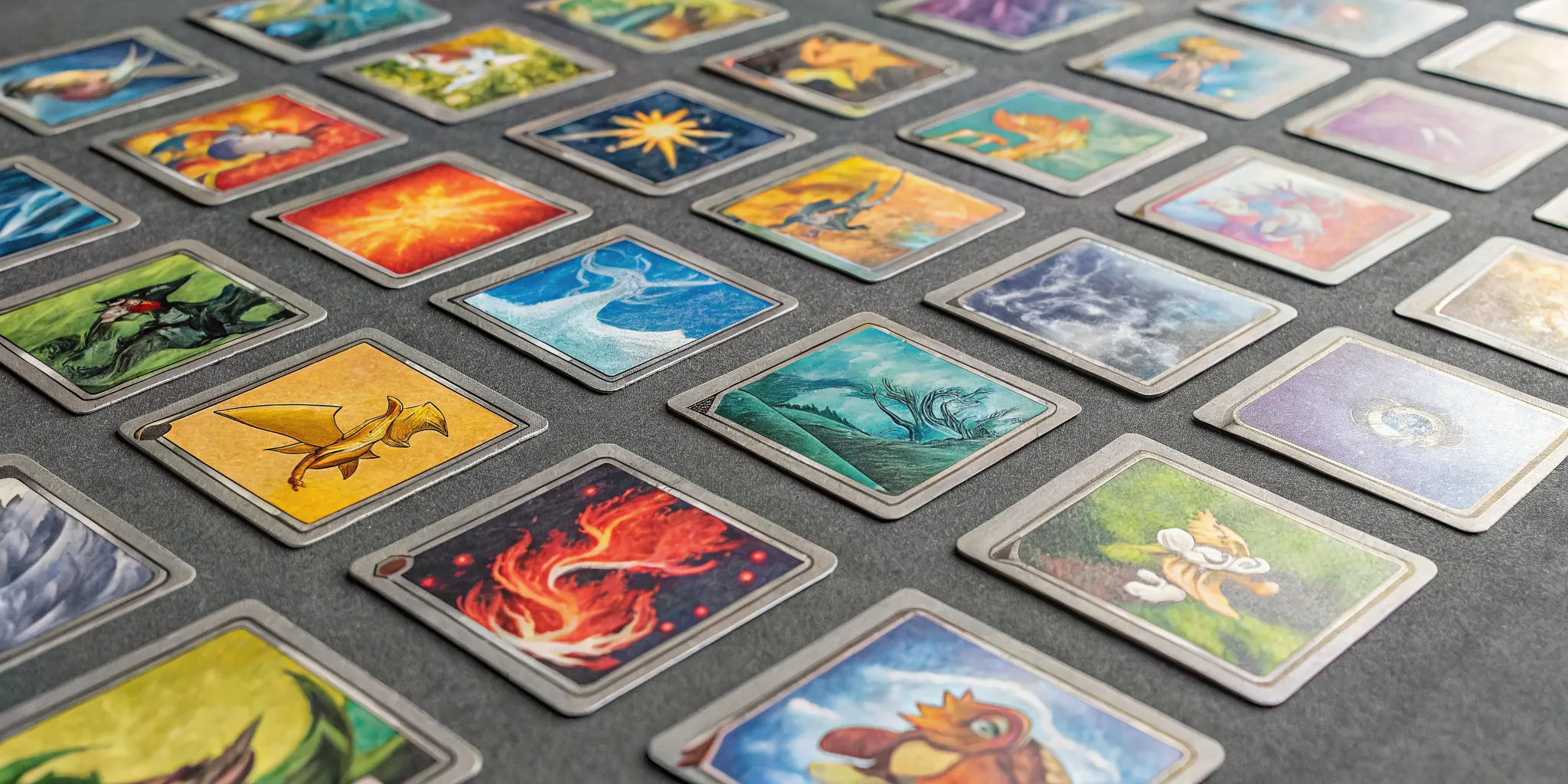
There’s no feeling quite like the thrill of opening a Pokémon pack and seeing that flash of texture and color that signals a rare pull. For many collectors, the ultimate prize is a Full Art card. These cards are defined by their incredible, borderless illustrations that cover the entire surface, making the artwork pop in a way standard cards just can’t match. They feel premium, look like miniature masterpieces, and are the centerpiece of any great collection. But what truly makes pokemon full art cards so sought-after? This guide breaks down the key factors, from rarity and condition to which iconic characters command the highest prices, so you can understand the true value of these stunning collectibles.
Key Takeaways
- Understand what drives a card's price: A Full Art card's value isn't just about its beautiful artwork; it's a combination of its rarity, physical condition, the Pokémon's popularity, and its usefulness in competitive play.
- Collect with a clear strategy: Make smarter purchasing decisions by learning to assess a card's condition, researching its sales history, and setting a specific focus for your collection, like a favorite character or artist.
- Know your personal collecting goal: Decide whether you are collecting for the fun of it or as a potential investment. This choice will guide your budget, the cards you look for, and how you manage your collection over time.
What Exactly Are Pokémon Full Art Cards?
If you’ve spent any time in the Pokémon card community, you’ve probably heard collectors buzzing about “Full Arts.” So, what are they? Simply put, a Full Art card is a special type of Pokémon card where the illustration covers the entire surface, from edge to edge. Unlike standard cards that confine the artwork to a small box, these cards turn the whole card into a canvas. This design choice makes them stand out in any collection and is a big reason why they're so sought after by players and collectors alike. They feel premium, look incredible, and add a whole new level of excitement to opening a pack.
The Edge-to-Edge Artwork That Sets Them Apart
The main draw of a Full Art card is its stunning visual design. The artwork isn't just bigger; it's often an alternative, more dynamic take on the Pokémon. You get to see a full portrait of the creature, often showing its entire body in an action pose or a unique setting. This edge-to-edge illustration gets rid of the traditional borders, allowing the colors and details to pop. It creates a more immersive and visually striking piece of art that feels more like a mini-masterpiece than just a playing card. This premium look is what makes pulling one from a pack so thrilling.
The Different Types of Full Art Cards
Full Art isn't just one category; it's a style that applies to several card types. You'll find Full Art Pokémon cards, which feature the creatures themselves, as well as Full Art Trainer cards that showcase the human characters from the games in incredible detail. Over the years, different eras of the Pokémon Trading Card Game have introduced their own variations, like the powerful Full Art GX and V cards. Each of these Full Art Pokémon cards has a unique design and role in the game, but they all share that signature, all-over artwork that makes them special.
Why Are Full Art Pokémon Cards So Valuable?
It’s easy to see why Full Art cards are special. That stunning, edge-to-edge artwork makes them stand out in any collection. But what turns a beautiful card into a high-value collector's item? It’s not just about looks. A combination of factors transforms these cards from simple collectibles into prized assets.
The value of a Full Art card is a perfect storm of rarity, condition, character popularity, and even its usefulness in the actual game. Understanding these key drivers is the first step to building a collection you’re proud of and making smart decisions as a collector. Whether you’re hunting for a specific card or just pulled something that looks special, knowing what makes it valuable will help you appreciate its true worth. Let’s break down the four main reasons why these cards can command such high prices.
Rarity and Scarcity
One of the biggest drivers of value is simple supply and demand. The Pokémon Company intentionally produces Full Art cards in limited quantities, making them much harder to find than standard cards. Pulling one from a booster pack feels like a major win because it is. This intentional scarcity makes them highly sought after by collectors, creating a treasure-hunt dynamic within the community. When a card is tough to find, its value naturally increases as more people compete to add it to their collection. This applies to both new releases and older, out-of-print sets that are no longer available in stores.
How Condition and Grading Affect Price
A Full Art card’s physical condition is critical to its value. A card fresh from the pack might look perfect, but tiny imperfections like off-center printing, whitening on the edges, or microscopic scratches can significantly lower its price. This is where professional grading comes in. Sending a card to a grading service results in an official quality score, usually on a scale of 1 to 10. Cards that receive high grades from professional grading services are encased in a protective slab and can sell for exponentially more than an ungraded, or "raw," version of the same card. A pristine, gem mint 10 is the holy grail for collectors.
The Power of Popular Pokémon
Not all Pokémon are created equal in the eyes of collectors. A card’s value is heavily tied to the popularity of the Pokémon it features. Even if two Full Art cards have the same rarity, the one showcasing a fan-favorite character will almost always be worth more. For example, cards featuring iconic Pokémon like Pikachu or Charizard consistently top the value charts because of their massive, nostalgic fanbases. This "character tax" is a major market force, as collectors are willing to pay a premium to own a special version of the Pokémon they grew up loving.
Their Role in Competitive Play
Beyond collectibility, some Full Art cards have a practical purpose: they’re powerful in the official Pokémon Trading Card Game. When a card is a staple in winning decks, its demand skyrockets. This creates two distinct groups of buyers: collectors who want the card for its beauty and rarity, and competitive players who need it to win tournaments. This dual appeal means a card's role in competitive play can have a huge impact on its market price. Even after a card is rotated out of the standard competitive format, its history as a powerhouse can contribute to its long-term value.
The Most Valuable Full Art Pokémon Cards to Collect
Full art cards are some of the most exciting pulls you can find in a Pokémon pack. Their stunning, edge-to-edge artwork makes them stand out, but certain cards have reached legendary status among collectors for their rarity and value. From special promo cards to iconic fan favorites, a few key full arts consistently top the charts. If you’re looking to add some heavy hitters to your collection, these are the cards you should keep an eye out for. They represent some of the best designs and most sought-after Pokémon in the entire TCG.
Special Pikachu Cards, Including Felt Hat Pikachu
It’s no surprise that Pikachu, the face of the Pokémon franchise, has some incredibly valuable cards. While there are countless Pikachu variants, special releases with unique artwork tend to attract the most attention. The Felt Hat Pikachu is a perfect example, a promo card with a distinct, charming design that appeals to a wide range of collectors. Its full art style makes it a standout piece, and according to TCGPlayer, the demand for this card is much higher than for other Pikachu cards. This makes it one of the most expensive Pokémon cards in recent years and a prized possession for anyone lucky enough to own it.
Illustration Rares like Arceus VSTAR and Magikarp
Illustration Rares are a newer type of full art card, but they’ve quickly become fan favorites. These cards feature breathtaking, detailed scenes that often tell a small story about the Pokémon. Two of the most notable examples are the Arceus VSTAR from Crown Zenith and the Magikarp from Paldea Evolved. Both cards are celebrated for their incredible artwork and have seen their values climb steadily. In fact, they were among the most valuable cards of 2023, with Arceus VSTAR hitting over $52 and Magikarp reaching nearly $60. Their unique beauty and relative rarity make them must-haves for modern collectors.
Iconic Charizard and Rayquaza Full Arts
Some Pokémon are simply legends in the TCG world, and Charizard and Rayquaza are at the top of that list. Full art cards featuring these two powerhouses are almost always guaranteed to be valuable. Their popularity is fueled by nostalgia and their consistently impressive designs. Cards like the Charizard V alternate full art from Brilliant Stars or the Rayquaza VMAX alternate full art from Evolving Skies are modern classics. They command high prices because they are not just collectibles; they are benchmarks for the market. These iconic Pokémon continue to be some of the most expensive Pokémon cards available.
Sought-After Full Art Trainer Cards
While Pokémon themselves usually get the spotlight, full art Trainer cards have become incredibly popular and valuable. These cards feature human characters from the Pokémon universe in dynamic, full-card illustrations. Their value is driven by a combination of factors: the character's popularity, the card's rarity, and the quality of the artwork. Cards featuring popular trainers like Lillie, Iono, or Cynthia can fetch hundreds or even thousands of dollars, especially if they are in pristine condition. This surge in interest from both new and long-time fans has cemented full art trainers as some of the most expensive Pokémon cards ever sold.
What Are Full Art Pokémon Cards Worth Today?
Figuring out the value of a full art Pokémon card can feel like a moving target. Prices are constantly shifting based on what’s popular, how rare a card is, and who wants to buy it. A card that’s worth $20 one month could be worth $100 the next, especially if it suddenly becomes popular in competitive play or with a new wave of collectors.
The value of these cards can range from just a few dollars for more common finds to thousands for the rarest, most sought-after pieces. It all comes down to a combination of rarity, condition, and the Pokémon or trainer featured on the card. Understanding these factors is key to knowing what your collection is really worth.
Price Ranges by Type and Condition
The price for a full art card can vary dramatically. While many full art trainers or less popular Pokémon might sell for $5 to $15, the more desirable cards command much higher prices. For example, some of the most valuable cards from recent sets, like the Magikarp Illustration Rare from Paldea Evolved, can sell for over $50. An Arceus VSTAR from Crown Zenith is another great example, often fetching a similar price.
A card’s condition is one of the biggest factors in its final price. A card in perfect, or "gem mint," condition that has been professionally graded will always be worth more than an ungraded, or "raw," card. Even tiny imperfections like whitening on the edges or a small scratch on the surface can significantly lower a card's value.
What Drives Market Prices?
Several key factors work together to determine a full art card's market price. First is rarity. Full art cards are inherently harder to pull from a pack than regular cards, but some are much scarcer than others. This scarcity, combined with high demand from collectors, is what really pushes prices up. Nostalgia also plays a huge role; collectors who grew up with Pokémon are often willing to pay more for cards featuring their childhood favorites.
The artwork itself is a major driver of value. The unique, edge-to-edge designs are what make these cards so appealing. A card with stunning visuals of a popular character, like the Felt Hat Pikachu, can create a ton of buzz and drive its price higher simply because so many people want to own it. Finally, a card’s playability in the official TCG can cause its value to spike, as competitive players will buy up copies to use in their decks.
Where to Find Authentic Full Art Pokémon Cards
Finding authentic Full Art cards is a huge part of the collecting journey. With their stunning edge-to-edge artwork, these cards are highly sought after, but that also means you need to be smart about where you look. The last thing you want is to spend your hard-earned money on a fake. Luckily, you have several great options, from the thrill of digital packs to the classic experience of a local card shop. Let's walk through the best places to hunt for your next prized Full Art card, ensuring you get the real deal every time.
Score Big with Packz Digital Mystery Packs
If you love the excitement of the chase, Packz is a fantastic way to find Full Art Pokémon cards. Our digital mystery packs give you the thrill of opening a fresh pack right from your screen. Every card inside is graded for authenticity and condition, so you know exactly what you're getting. The best part? After the reveal, you decide what happens next. You can have the physical card shipped directly to you to add to your collection, or you can sell it back to us instantly. It’s a modern, secure, and exciting way to hunt for those cards with bold and unique illustrations that make your collection stand out.
Browse Online Marketplaces and Retailers
For collectors who know exactly which card they want, online marketplaces are the go-to destination. Sites like eBay offer a massive selection of individual Full Art cards, from the latest releases to ultra-rare vintage finds. You can compare prices from different sellers and hunt for the perfect grade to fit your budget. While the variety is unmatched, it’s important to do your homework. Always check a seller's reputation and review photos carefully to ensure you’re buying an authentic card. This is where your knowledge of spotting fakes will really come in handy.
Visit Local Card Shops and Trading Events
There’s something special about hunting for cards in person. Visiting your local card shop gives you the chance to see Full Art cards up close before you buy. The staff are usually collectors themselves and can offer expert advice, verify a card’s authenticity, and give you a fair market price. Trading events and conventions are another amazing option. They bring together a community of passionate fans, creating opportunities to trade for cards you need and discover hidden gems. It’s a great way to connect with other collectors while physically inspecting the cards you’re interested in.
How to Evaluate a Full Art Card's Value
Figuring out the value of a Full Art Pokémon card is a crucial skill for any collector. Whether you’ve just pulled a stunning card from a Packz mystery pack or you’re considering a purchase, knowing its worth is key. The market can change quickly, but a card’s value generally comes down to three core factors: its physical condition, its sales history, and current market trends.
By looking at these elements together, you can get a solid understanding of what your card is worth. It’s not about guesswork; it’s about using the right information to make an informed judgment. Let’s walk through how you can assess your Full Art cards like a pro, using the same methods seasoned collectors rely on to build their collections and protect their investments. This process will help you decide whether to hold, sell, or grade your latest find.
Judge a Card's Condition and Grade
The first thing to look at is the card's physical condition, as this has a massive impact on its value. A card in perfect, or "gem mint," condition will always be worth more than the same card with visible wear. Carefully inspect your card for any flaws. Look for scratches on the holographic surface, whitening or chipping along the edges, and bent corners. Also, check the centering of the artwork. A well-centered card has even borders all around. If you believe you have a rare card in exceptional shape, consider getting it professionally graded. A high Pokémon card grade from a reputable company like PSA can significantly increase its market value and make it easier to sell.
Research Past Sales Data
A card is ultimately worth what someone is willing to pay for it. The best way to determine this is by looking at what it has sold for in the past. Checking recent, completed sales gives you a real-world baseline for a card's value. Marketplaces like eBay are excellent resources for this. You can search for your specific card and filter the results to show only "Sold Items." This will give you a list of actual transaction prices, not just what sellers are asking for. Pay attention to the dates of these sales, as market trends can cause prices to fluctuate. This research is essential for understanding how a card’s value has changed over time.
Use Price-Tracking Tools and Resources
Manually checking sales data can be time-consuming, which is where price-tracking websites and apps come in handy. These platforms aggregate sales data from various online marketplaces to provide an up-to-date market price for millions of cards. Using a reliable price-tracking tool can save you a ton of effort and give you a more comprehensive view of a card's value. Many of these tools also show price history charts, allowing you to see if a card's value is trending up or down. They are an indispensable resource for any serious collector who wants to stay informed about the fast-moving Pokémon card market.
How to Spot a Fake Full Art Card
Nothing takes the wind out of your sails like discovering a prized card is a fake. As you build your collection, learning how to identify counterfeits is one of the most important skills you can develop. It protects your investment and ensures the cards you’re trading and cherishing are the real deal. Luckily, you don’t need to be a seasoned expert to spot a phony. Many fakes have tell-tale signs that give them away. By paying close attention to a few key details, you can learn to distinguish authentic cards from convincing fakes.
Common Red Flags of a Counterfeit
The first thing to check on a Full Art card is its texture. Genuine Full Art cards have a distinct, raised texture that you can see and feel, almost like a fingerprint pattern across the artwork. Most counterfeits are smooth and glossy, completely missing this key feature. Next, look closely at the card’s overall quality. A fake card might have washed-out colors or appear overly saturated. The font used for the Pokémon’s name, HP, and attacks can also be a dead giveaway, so compare it to a verified image online. You should also examine the card’s edges. Real Pokémon cards have a clean, sharp cut, while fakes often have rough or inconsistent edges.
Simple Ways to Authenticate Your Cards
One of the easiest ways to check a card’s legitimacy is the light test. Hold your phone’s flashlight behind the card in a dark room. A real card is made with a thin layer of black adhesive inside, which should block most of the light from passing through. Fakes are often printed on simple cardstock and will let much more light shine through, sometimes even revealing the design on the other side. For high-value cards, the best way to guarantee authenticity is through professional card grading. Companies like PSA and Beckett will verify the card and encase it in a protective slab, confirming its legitimacy for good.
What to Know Before You Start Collecting
Jumping into the world of Pokémon card collecting is an exciting move, but it’s smart to go in with a plan. With so many cards and sets out there, it’s easy to feel a bit lost at first. Thinking about a few key things before you buy your first pack will make the whole experience more fun and rewarding. By setting a budget, understanding your card options, and finding a focus, you can build a collection you’re truly proud of without getting overwhelmed. Let’s walk through the basics to get you started on the right foot.
Set a Realistic Budget
First things first, let’s talk money. Collecting Pokémon cards can be as affordable or as expensive as you want it to be, so setting a budget is a must. It’s easy to get caught up in the excitement of a rare find, but you want this hobby to be fun, not stressful. Decide on an amount you’re comfortable spending each month and stick to it. Remember that you’re not just buying cards; you might also want to budget for things like protective sleeves, binders, or grading services. Staying informed about current market trends can also help you make smarter purchases, as some cards may appreciate over time.
Choose Between Graded and Raw Cards
Next, you’ll want to decide if you prefer collecting "raw" or "graded" cards. Raw cards are pulled straight from a pack and haven't been officially evaluated. They’re perfect if you love the thrill of the hunt and the hands-on experience of sorting your own cards. Graded cards, on the other hand, have been sent to a professional company like PSA to be authenticated and rated on a 10-point scale. This process confirms their condition and can significantly increase their value. While graded cards are more expensive upfront, you know exactly what you’re getting. Many collectors enjoy a mix of both, buying raw cards and submitting their best pulls for grading.
Decide on a Collection Focus
To avoid feeling like you need to catch ‘em all, it helps to narrow your focus. A focused collection is often more satisfying and manageable. You could concentrate on collecting cards of your favorite Pokémon, like Pikachu or Eevee. Or maybe you’re drawn to the work of a specific artist. Many people choose to collect a certain type of card, like Full Arts, because their edge-to-edge designs are so stunning. You could also try to complete a specific set that brings back nostalgic memories. There’s no wrong answer here. The goal is to build a collection that reflects what you love most about Pokémon.
Should You Invest in Full Art Pokémon Cards?
This is the big question, isn't it? You see a stunning Full Art card and wonder if it's just a pretty piece of cardboard or a smart financial move. The answer is: it can be both. Many collectors have watched their favorite cards grow in value over the years, turning a beloved hobby into a profitable venture. But it’s not a guaranteed path to riches, and it’s important to understand what you’re getting into before you start viewing your collection as a portfolio.
The key is to decide what your primary goal is. Are you in it for the thrill of the hunt and the joy of owning a piece of Pokémon history? Or are you looking to make strategic purchases that could appreciate over time? Your answer will shape your entire approach, from the cards you chase to the budget you set. There’s no right or wrong way to enjoy Full Art cards, but knowing your "why" will help you make decisions you feel good about long-term.
Investing vs. Collecting for Fun
Choosing between investing and collecting for fun comes down to your mindset. If you’re investing, your decisions are driven by data. You’ll need to research prices and trends, treating each card like a tiny piece of stock. This means staying informed on market shifts and being willing to sell a card, even one you love, when the time is right. It’s a more analytical approach that requires patience and a bit of homework.
On the other hand, collecting for fun is all about passion. You buy the cards that feature your favorite Pokémon or the artwork that speaks to you, regardless of their market value. The return on your investment is the joy the collection brings you. Of course, these two styles aren't mutually exclusive. You can absolutely collect cards you love that also happen to be good investments.
Long-Term Value and Market Trends
So, what makes one Full Art card a dud and another a diamond? A card's long-term value is often a mix of a few key ingredients. The biggest drivers are rarity, condition, and nostalgia. Cards that were hard to pull from the start and are kept in mint condition will almost always command higher prices. Plus, the demand from fans who grew up with certain Pokémon keeps the market for those cards consistently strong.
Beyond the basics, a card’s artwork and its usefulness in competitive play can also cause its price to spike. A card like Iron Valiant ex from the Paradox Rift set combines stunning art with real power in the game, making it one of the most expensive Pokémon cards of its time. Understanding these factors will help you spot the cards with true staying power.
Related Articles
- How to Collect Pokémon Cards: A Beginner's Guide | Packz Blog
- Pokémon Rare Cards: The Most Valuable & Why | Packz Blog
Frequently Asked Questions
What's the simplest way to tell a Full Art card from a regular one? The easiest way to spot a Full Art card is by its appearance. The artwork will stretch across the entire card, from one edge to the other, without the usual border or text box you see on standard cards. Most Full Arts also have a distinct, slightly raised texture that you can see and feel, which gives the card a premium quality.
Are all Full Art cards automatically rare and valuable? Not necessarily. While Full Art cards are always rarer than the common cards in a set, their value can vary quite a bit. A card's worth is still heavily influenced by the popularity of the Pokémon or trainer it features, its condition, and its usefulness in the game. Some Full Arts might only be worth a few dollars, while others can be worth hundreds or even thousands.
Is it always worth it to get a Full Art card professionally graded? Grading is a great way to protect a card and verify its condition, but it isn't always the right move for every card. It's most beneficial for cards that are already valuable and in near-perfect shape. If a card has visible wear or features a less popular Pokémon, the cost of the grading service might be more than the value it adds.
I'm new to this. What's the most important thing to look for when buying a Full Art card online? When you're buying online, especially from a marketplace, pay close attention to the seller's reputation and the quality of the photos. Look for clear, high-resolution images that show the card's surface and edges. You can compare these photos to images of confirmed authentic cards to check for details like the correct font, colors, and that signature Full Art texture.
What's a good starting point if I want to collect Full Arts but have a limited budget? A great way to start is by focusing on more recent sets or on Full Art cards of less famous Pokémon. These are often much more affordable but still give you that incredible edge-to-edge artwork. Full Art Trainer cards featuring less popular characters can also be a budget-friendly way to add some beautiful cards to your collection.
Recommended Reading
Cash for Graded Sports Cards: The Fastest Ways to Sell
Get cash for graded sports cards faster. Compare auction houses, marketplaces, and instant buyback options to pick the route that fits your timeline.
How to Compare Value in Sports Card Packs
Learn how to compare sports card packs using card quality, available pulls, pricing clarity, and Packz’s 100% buyback option.

How to Buy Pokemon Packs Online for Ripping
Ready to buy pokemon packs online for ripping? Get transparent pack value and clear pull odds so you never overpay for the thrill of the hunt. Start collecting safely.