
January 13, 2026
How to Spot Fake Cards: A Collector's Guide
Learn how to spot fake cards with practical tips on checking print quality, texture, and security features to protect your collection from counterfeits.
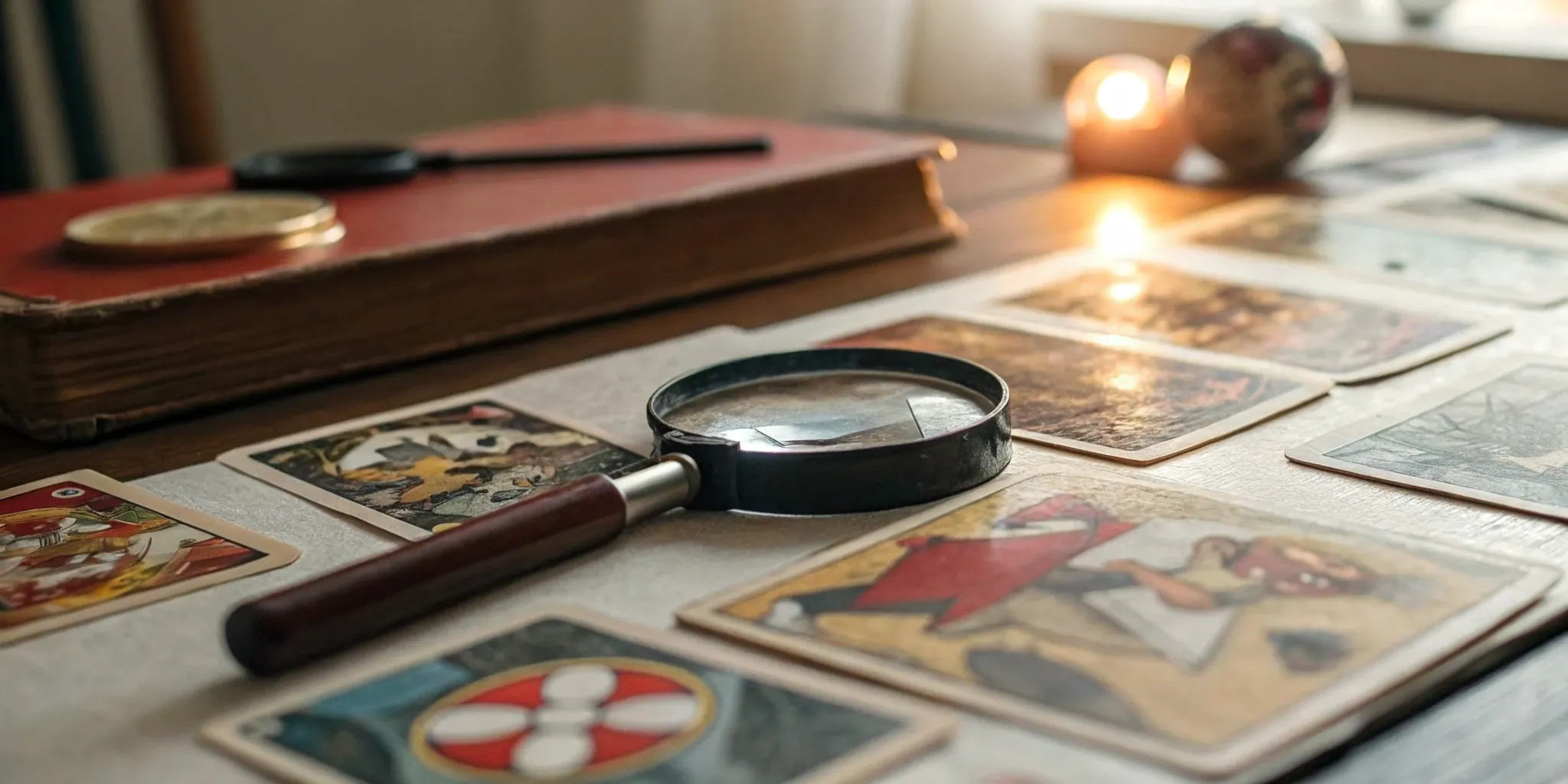
You don’t need a high-tech lab or expensive equipment to become a skilled authenticator. In fact, your best tools are the ones you already have: your eyes and your hands. Counterfeiters can get close with visuals, but replicating the exact feel, weight, and stiffness of an authentic card is incredibly difficult. This guide focuses on the practical, hands-on methods anyone can use. We’ll cover simple techniques like the light test and how to feel for proper texture on holographic cards. Mastering how to spot fake cards is about training your senses to notice the small details that counterfeiters miss. Let's walk through the key physical and visual checks.
Key Takeaways
- Train Your Eye for Flaws: Get familiar with the look of real cards. Fakes almost always have giveaways like blurry text, washed-out colors, incorrect fonts, or a flat, untextured holographic shine.
- Use Your Hands to Verify: Authentic cards have a specific weight, stiffness, and texture that fakes can't replicate. Perform a simple light test—a real card will block most light, while a fake will often shine right through.
- Buy Smart and Use Your Resources: Protect yourself by avoiding deals that seem too good to be true. When in doubt, compare your card to high-resolution images in online databases or consider professional grading for valuable additions.
How to Spot a Fake Card: The Telltale Signs
Nothing sinks a collector’s heart faster than realizing a prized card is a fake. As counterfeiters get more sophisticated, telling the difference between a genuine card and a convincing knockoff can feel like a real challenge. But don't worry—with a little know-how and a keen eye, you can learn to spot the red flags. Most fakes have small but significant flaws that give them away. By examining a card’s print quality, text, security features, and even its price tag, you can build the confidence to identify fakes and protect your collection. Let’s walk through the most common telltale signs.
Look for Blurry Print and Fuzzy Details
The first thing you should inspect on a questionable card is the overall print quality. Authentic Pokémon and sports cards are produced using high-end, industrial printing presses that create incredibly sharp, clear images and text. Fakes, on the other hand, are often made with cheaper equipment. This results in details that look fuzzy, blurry, or pixelated under close inspection.
Pay special attention to the small text, like attack descriptions or player stats. On a real card, the letters will be crisp and easy to read. On a fake, they might look smudged or bleed into the background. The borders are another giveaway. A genuine card will have clean, even borders, while a fake often has borders that are unevenly sized or look too thick.
Check for Typos and Incorrect Symbols
This might sound obvious, but you’d be surprised how many fakes are exposed by a simple spelling mistake. Counterfeiters often overlook the finer details, leading to glaring errors in the text. Scrutinize every word on the card. Look for misspelled Pokémon names, incorrect player stats, or grammatical errors in the ability descriptions.
Beyond spelling, check the fonts and symbols. Official card manufacturers use a very specific and consistent set of fonts. A fake might use a font that’s slightly off—maybe the letters are too thin, too bold, or spaced incorrectly. Energy symbols on Pokémon cards are another common mistake area. A fake might have a symbol that’s poorly designed, sized wrong, or even the completely wrong color. These small mistakes are dead giveaways.
Inspect for Missing Security Features
To combat counterfeiting, manufacturers build security features directly into their cards. These can be your best friend when authenticating. Many modern cards have specific holographic patterns that are difficult to replicate. Get to know what the official holo pattern for a particular set looks like; fakes often have a flat, rainbow-sheen foil that lacks the depth and detail of a real one.
Another great method is the light test. Genuine cards are made from layers of cardstock, and when you shine a bright light through them, you can often see a faint light pass through. Fakes are typically made from a single layer of lower-quality material and will either block the light completely or let way too much through. Learning the specific features for the sets you collect is a key skill.
Watch Out for Suspiciously Low Prices
We all love finding a great deal, but when it comes to trading cards, an offer that seems too good to be true usually is. Rare and valuable cards have an established market value for a reason. If you see a high-demand card like a vintage Charizard or a rookie Tom Brady being sold for a fraction of its going rate, you should be extremely skeptical.
Before you buy, always check the current market value of the card on a reputable pricing site. Scammers prey on buyers who don’t do their homework, luring them in with impossibly low prices. While you might occasionally find a seller who doesn't know what they have, it's far more likely that a rock-bottom price is a sign of a counterfeit. Always approach these "deals" with caution.
Examine the Card's Physical Feel
Sometimes, you can spot a fake card just by how it feels in your hand. Counterfeiters can get close with visuals, but replicating the exact material and manufacturing process of an authentic trading card is incredibly difficult and expensive. This is great news for us collectors because it means our sense of touch is one of our best authentication tools.
When you’ve handled enough real cards, you develop an instinct for what feels right. You get used to the specific weight, the subtle texture, and the precise stiffness of the cardstock. A fake card will almost always feel "off" in some way—it might be too flimsy, too glossy, or strangely smooth when it should have texture. This section will walk you through exactly what to pay attention to when you’re physically handling a card. We’ll cover everything from its weight and thickness to the sound it makes when you flick it. Trust your hands; they can often detect what the eye might miss.
Feel the Weight and Thickness
The first thing you’ll notice when you pick up a card is its weight. Authentic Pokémon and sports cards are made from a specific, high-quality cardstock that gives them a solid, substantial feel. They aren't heavy, but they don't feel cheap or flimsy, either. Counterfeit cards are often printed on lower-quality, thinner material, making them feel noticeably lighter and more delicate. If a card bends too easily or feels like a simple piece of cardboard, that’s a major red flag. As one guide on spotting fakes notes, fakes can feel too rough, too smooth, or just like regular paper. Hold a card you know is real in one hand and the questionable one in the other to compare.
Notice the Card's Texture and Finish
Beyond weight, the card's surface texture is a huge giveaway. This is especially true for modern holographic or special edition cards, like Full-Arts or VMAX cards in the Pokémon TCG. Genuine versions of these cards have a distinct, bumpy texture that you can feel with your fingertips—it almost feels like a fingerprint pattern is etched onto the card. Fakes often miss this detail entirely. They might have a holographic sheen, but the surface will be completely smooth and glossy. As collectors often point out in community discussions, an untextured Full-Art card is a dead giveaway that it’s not authentic. Run your thumb over the surface; if it feels flat where it should be textured, be suspicious.
Test Its Stiffness and Flexibility
Authentic cards have a unique combination of stiffness and flexibility. They are firm enough to hold their shape but have enough give to withstand shuffling and play without creasing immediately. A great way to test this is with a gentle bend. Hold the card between your thumb and forefinger and apply light pressure. A real card will flex slightly and then snap back to its original flat shape. Many fakes are either too stiff and feel like brittle plastic, or they are too flimsy and will hold the crease from a slight bend. Real cards are also made of layered cardstock designed to block light, whereas many fakes will let light pass through easily if you shine your phone’s flashlight on them.
Listen to the "Snap" Sound
This might sound strange, but real cards make a specific sound. If you hold a card close to your ear and gently flick or flex it, you should hear a crisp "snap." This sound comes from the unique, layered construction of the cardstock. If you look very closely at the edge of a real card, you can often see a very thin, dark line sandwiched between two white layers of paper. This is a hallmark of the manufacturing process. Counterfeit cards are typically made from a single piece of cardboard and won't have this layered edge. As a result, they often produce a duller, softer sound when flexed—more of a "thud" than a "snap." It's a subtle but surprisingly reliable verification method.
Scrutinize the Printing and Design
When you’re trying to spot a fake, your eyes are your best tool. Counterfeiters have gotten pretty good, but they almost always slip up on the small stuff. The printing process for official trading cards is incredibly precise, involving specific inks, machinery, and quality control that are tough to replicate on a budget. This is where you can catch a fake in the act.
Pay close attention to the overall visual quality of the card. Does it look sharp and professional, or does something seem a little… off? Think of it like comparing a high-definition movie to a blurry, pirated copy. The differences might be subtle at first, but once you know what to look for, they become glaring. We’re going to walk through the key visual cues, from the richness of the colors to the sharpness of the text and the precision of the cut. Grab a card you know is real to use as a benchmark, and let’s get a closer look.
Verify the Color Saturation
One of the most immediate giveaways of a fake card is the color. Authentic Pokémon and sports cards have rich, vibrant, and consistent coloring. Fake cards, on the other hand, often look dull, washed-out, or overly saturated. Flip the card over and check the back—this is a common spot for counterfeiters to mess up. The blue on a fake Pokémon card might be too light or have a purplish tint. For sports cards, team logos might not be the exact right shade. If the colors look faded or inconsistent across the card, you should be suspicious. You can find great visual guides online to spot fake Pokémon cards by comparing their coloring side-by-side with genuine ones.
Check the Font and Text Clarity
The text on a trading card is another detail that counterfeiters struggle to perfect. Official manufacturers use a specific, crisp font that is uniform across all their cards. On a fake, the font might be slightly different—a little thicker, thinner, or more rounded than it should be. Look for any blurriness or fuzziness around the letters, especially in the attack descriptions, stats, or player information. Typos are another huge red flag. While official cards can have errors, they are rare. If you see spelling mistakes or incorrect symbols (like the energy symbols in Pokémon), you’re almost certainly looking at a fake. This collector-made guide offers some excellent examples of font differences.
Zoom In on the Design Details
The devil is in the details, especially when it comes to holographic cards. Real holographic patterns are complex and specific. On a Pokémon card, the holo foil usually has a distinct pattern, like a diagonal or vertical shimmer that doesn't cover the entire illustration. Fakes often have a flat, lifeless shine that covers the whole art box with a generic rainbow sheen. For sports cards, look at the foil stamps and logos. Are they crisp and well-defined, or do they look cheap and blurry? A magnifying glass can be your best friend here, helping you spot printing dots or other imperfections that shouldn't be there.
Inspect the Borders and Cut
Finally, take a hard look at the card’s edges. Authentic cards are cut with precision machinery, resulting in clean, smooth borders. Fakes are often cut less carefully, which can leave the edges feeling rough or looking uneven. Check the centering of the artwork. While even genuine cards can be off-center, the borders on a fake are often wildly inconsistent from one side to the other. Compare the corners, too. The rounded corners on a real card have a specific, uniform curve. On a fake, they might be cut too sharply or at an awkward angle. This is a common issue across all types of fakes, including the counterfeit sports cards that plague the hobby.
Put It to the Test: Simple Authentication Methods
Once you’ve given a card a thorough visual inspection, it’s time to get a little more hands-on. These simple physical tests can often be the final confirmation you need to determine if a card is the real deal or a clever fake. You don’t need a high-tech lab—just a good light source, a steady hand, and a known-genuine card for comparison. Let’s walk through a few reliable methods you can use to test a card’s authenticity.
Perform the Light Test
This is one of the oldest and most effective tricks in the book. All you need is your phone’s flashlight or a desk lamp. Hold the card you’re inspecting up to the light. An authentic Pokémon card is made with a special layered cardstock that includes a semi-opaque blue or black core. When you shine a light through it, very little light should pass through. Fakes, on the other hand, are often printed on cheaper, single-layer stock. The light will shine right through them, making the card look bright and washed out. This simple test is a great way to quickly verify trading cards without any special equipment.
Try the Bend Test (Carefully!)
I know, bending a potentially valuable card sounds terrifying, but hear me out. You’re not trying to fold it in half! Real trading cards are surprisingly resilient. Gently flex the card between your fingers. A genuine card will have a nice snap to it and return to its flat shape without creasing. Counterfeit cards are typically made from flimsy, cheap material. They’ll feel weak, bend too easily, and might even hold the crease or show signs of damage after a gentle flex. This test is a great indicator of cardstock quality, which is something counterfeiters almost never get right. Just remember to be gentle.
Use a Magnifying Glass
The devil is in the details, and a magnifying glass helps you see them. A jeweler's loupe is ideal, but even the magnifier on your phone can work in a pinch. When you look closely at an authentic card, you’ll see a distinct printing pattern, often a rosette or "honeycomb" of tiny, overlapping dots that create the image. Fakes are usually printed with simpler methods, resulting in fuzzy lines and a grid of uniform, easily visible dots. This is especially noticeable on the text and energy symbols. Checking the printing patterns is a pro-level move that can expose even high-quality fakes.
Compare It to a Real Card
When in doubt, go to the source. The easiest way to spot a fake is to compare it side-by-side with a card you know is 100% authentic. If you don’t have the same card, pull up a high-resolution image from a trusted source. Websites like The Pokémon Card Database or TCGplayer have extensive libraries of card images. Place your card next to the reference image and check everything: font size and style, the placement of logos and symbols, color saturation, and the holo pattern. Counterfeiters often make small mistakes with spacing or use slightly different fonts, which become obvious in a direct comparison.
Use These Resources to Verify Your Cards
Even with a keen eye, you might want a second opinion. You don’t have to make the final call on a card’s authenticity all by yourself. When you’re feeling unsure, turning to established resources can give you the confidence you need. Think of these as your authentication toolkit—a set of reliable sources and expert communities that can help you verify your collection and make smarter purchases. From comprehensive online databases to professional grading services, here are the best resources to have on your side.
Consult Official Databases
Your first stop for fact-checking a card should be a respected database. Websites like the Pokémon Card Database or TCGPlayer are invaluable resources. You can search for the exact card you have and compare it side-by-side with high-resolution images of the real deal. Pay close attention to the details we’ve already covered: font, color, symbol placement, and borders. If your card doesn’t match the official images you find in these databases, it’s a major red flag. It’s like having a digital encyclopedia of every card ever printed at your fingertips.
Ask Trusted Online Communities
Sometimes, you just need another set of eyes. Online communities are fantastic for getting quick feedback from experienced collectors. Subreddits like r/PokemonTCG are filled with people who are passionate about spotting fakes and helping others. When you ask for help, be sure to post clear, well-lit photos of the front and back of the card. The community can often spot subtle inconsistencies you might have missed. Just remember to be cautious when buying from unverified sellers online. If a deal seems too good to be true, it probably is.
Consider Professional Grading Services
For high-value cards or for ultimate peace of mind, nothing beats professional grading. Companies like Professional Sports Authenticator (PSA) are the industry standard for authenticating and grading trading cards. They encapsulate the card in a protective, tamper-proof slab with a label that verifies its authenticity and condition. While this service comes with a fee, it removes all doubt. An even easier route is to buy cards that have already been graded. This way, you know you’re getting a genuine article from the start, which is a cornerstone of building a trusted collection.
Use Authentication Apps and Tools
You don’t always need a high-tech lab to run a good authentication test. In fact, one of the most effective tools is probably in your pocket right now: your phone’s flashlight. The "light test" is a classic method for spotting fakes. Hold the card up to a bright light; a genuine Pokémon card is made with a thin layer of dark material in the middle, so very little light will pass through. Many fakes use cheaper cardstock and will appear much more translucent. This simple trick is a quick and effective way to weed out obvious counterfeits on the spot.
How to Protect Yourself from Fakes
Knowing how to spot fakes is a crucial skill for any collector. It protects your investment and keeps the hobby fun and fair. While services like Packz guarantee authenticity by working with graded cards, you’ll want to be prepared when buying or trading elsewhere. The good news is that with a little practice and a keen eye, you can become much better at identifying counterfeits and protecting your collection. Here are the key strategies to keep in mind.
Shop Smart and Spot the Red Flags
Your first line of defense is being selective about where you buy your cards. If a price on a high-value card seems too good to be true, it almost certainly is. Scammers prey on the excitement of finding a great deal. Be extra cautious when buying from flea markets, thrift stores, or unverified sellers online. When you’re considering an expensive single, don’t hesitate to ask the seller for multiple high-resolution photos. You want to see clear shots of the front and back, as well as close-ups of the corners and edges. A legitimate seller with an authentic card should have no problem providing them.
Keep Honing Your Authentication Skills
Spotting fakes gets easier with experience. The more authentic cards you handle, the more a counterfeit will stand out. Make it a habit to closely examine the cards you know are real. Pay attention to the print quality—genuine cards have sharp, crisp text and clean borders. Fakes often feature slightly blurry text, smudged ink, or uneven borders. A great tool to have is a jeweler's loupe or a good magnifying glass, which helps you inspect the tiny rosette printing patterns on authentic cards. You can also research your cards online to find high-quality images to compare against what you have in hand.
What to Do If You Get a Fake
Even the most careful collectors can get duped. If you realize you’ve bought a fake, act quickly. Your first step should be to contact the seller and request a refund. Many sellers will comply to avoid a negative review or a platform dispute. If the seller is uncooperative, immediately file a claim through the platform you used for the purchase. Marketplaces like eBay have robust buyer protection policies designed for these situations. Finally, always report the seller to the platform. This helps protect other collectors in the community from falling for the same scam.
Related Articles
Frequently Asked Questions
What's the single most reliable test if I can only do one? If you're short on time, the best thing you can do is a side-by-side comparison. Find a high-resolution image of the card from a trusted online database and place it next to the card you're inspecting. Pay close attention to the font, the spacing of the text, and the exact shades of color. Counterfeiters almost always get one of these small details wrong, and it becomes obvious when you have a direct comparison.
I think I have a fake card, but it has texture. Are counterfeiters getting that good? Yes, some higher-effort fakes now include texture, but it's rarely a perfect match. On a genuine textured card, the grooves feel distinct and integrated into the design. On a fake, the texture often feels shallow, uniform, or like a cheap laminate applied over the top. Run your finger over the surface; if the texture doesn't perfectly align with the artwork or feels more like a simple grid pattern, it's a major red flag.
Is it really safe to do the 'bend test' on a valuable card? It is, as long as you remember it's more of a gentle "flex" than a hard "bend." You're not trying to fold it. Hold the card's edges and apply just enough pressure to see it bow slightly. A real card is made from resilient, layered cardstock and will immediately snap back to its flat shape. A fake will often feel flimsy and might even hold a slight curve. If you're nervous, practice on a few common cards you know are real to get a feel for the proper stiffness.
Are fake cards always worthless? From a collector's standpoint, yes. A counterfeit card has no monetary value in the hobby and cannot be used in official tournaments. Its only purpose is to deceive a buyer, which is why learning to spot them is so important for protecting your investment and keeping the community healthy. Think of them as photocopies—they might look similar, but they aren't the real thing.
What should I do if I'm still not 100% sure after checking everything? When you're still on the fence, it's time to ask for a second opinion. The easiest step is to post clear, well-lit photos of the card's front and back to a trusted online community, like a dedicated subreddit for your TCG. For a high-value card where you need absolute certainty, the best option is to submit it to a professional grading service. They are the final authority on authenticity.
Recommended Reading

Cash for Graded Sports Cards: The Fastest Ways to Sell
Get cash for graded sports cards faster. Compare auction houses, marketplaces, and instant buyback options to pick the route that fits your timeline.
How to Compare Value in Sports Card Packs
Learn how to compare sports card packs using card quality, available pulls, pricing clarity, and Packz’s 100% buyback option.
How to Buy Pokemon Packs Online for Ripping
Ready to buy pokemon packs online for ripping? Get transparent pack value and clear pull odds so you never overpay for the thrill of the hunt. Start collecting safely.