
June 1, 2026
Reddit's Top 7 Places to Buy Graded Pokémon Cards
Find the best place to buy graded Pokémon cards Reddit users trust. Compare top sites, tips, and safe buying strategies for your next slabbed card.
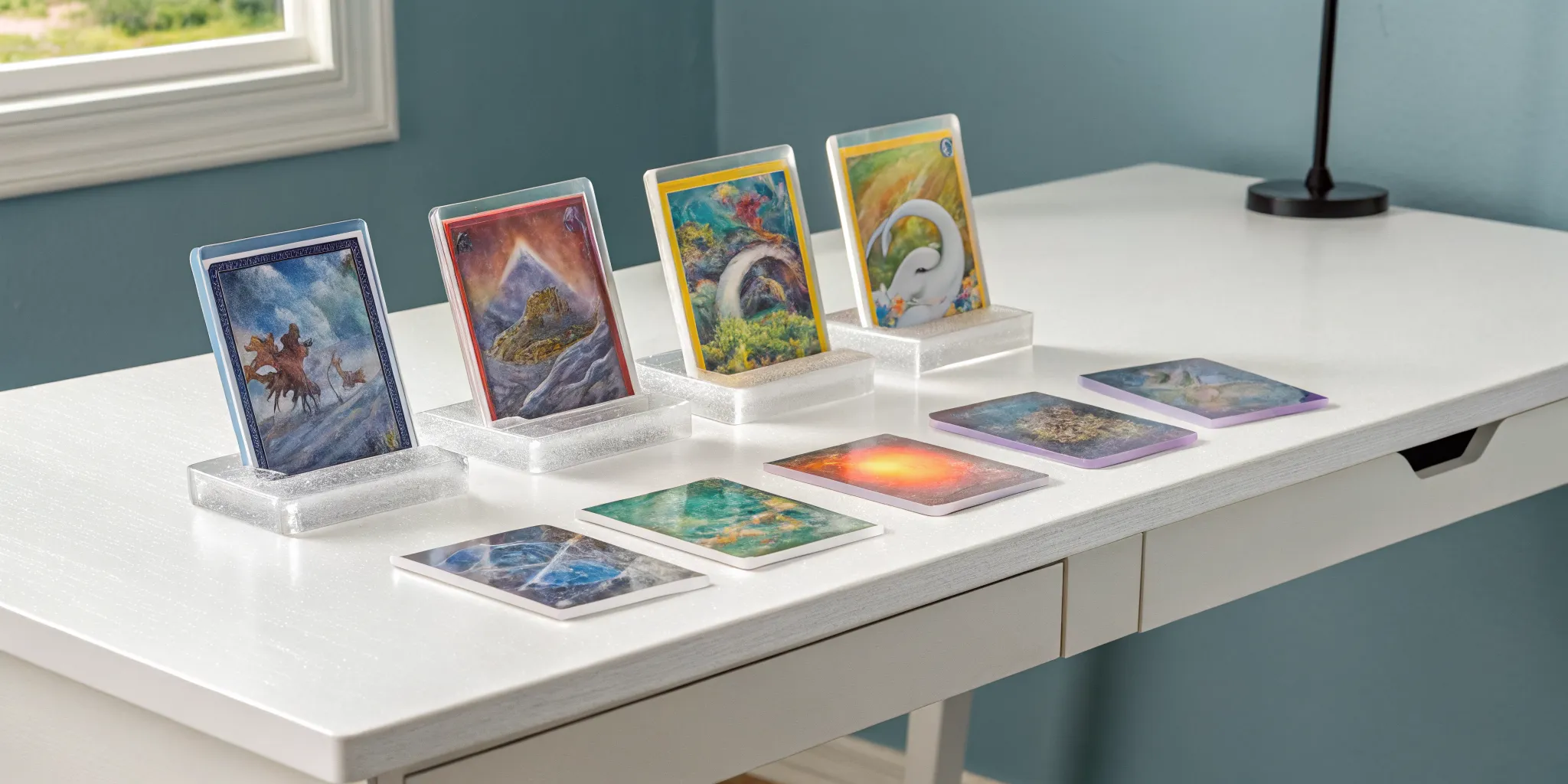
When I first started collecting graded cards, I was terrified of making a mistake. The fear of buying a fake slab or overpaying for a card was real. My journey for reliable information led me down a rabbit hole, starting with a simple search for the best place to buy graded pokemon cards reddit. The community's advice was invaluable, pointing me toward trusted sellers and platforms I never would have found on my own. Now, I’m sharing the community’s top-voted spots with you, from well-known marketplaces to exciting new platforms that offer a completely different kind of thrill.
Key Takeaways
- Always check the certification number: Before buying any graded card, look up its unique number on the grading company's website. This is the quickest way to confirm the slab is legitimate and the card inside is authentic, protecting you from fakes.
- Don't get fixated on a perfect 10: Some of the best values are found in cards graded 7, 8, or 9. These slabs look fantastic and cost a fraction of a Gem Mint card, making them a smart choice for building a high-quality collection on a budget.
- Patience and strategy lead to the best deals: The lowest prices are found by watching live auctions, setting up search alerts on marketplaces, and asking for bundle discounts. Always buy from platforms and sellers with strong buyer protection and positive reviews.
What Are Graded Pokémon Cards and Why Does Grading Matter?
If you’ve spent any time in the Pokémon card community, you’ve probably heard the term “graded card.” So, what does it actually mean? A graded Pokémon card is one that has been sent to a professional third-party company for a thorough inspection. These experts evaluate the card’s physical condition and assign it a score, usually on a scale of 1 to 10. After grading, the card is sealed in a protective plastic case, often called a “slab,” with a label that displays its grade and other key details.
But why go through all that trouble? Grading matters because it standardizes a card’s quality. It takes the guesswork out of determining a card’s condition, which is the single biggest factor in its value. When a card is graded, its authenticity and condition are verified, which gives both buyers and sellers confidence in its worth. As the official Pokémon TCG site notes, graded cards are seen as more valuable and trustworthy because they’ve been assessed by experts. Think of it as a certificate of authenticity that also preserves the card in its current state. This is especially important when you’re buying cards online, as a trusted grade ensures you know exactly what you’re getting.
Breaking Down the Grading Scale
The grading scale might seem intimidating at first, but it’s pretty straightforward. Most companies use a 10-point system where 10 is the best possible score. A card that earns a 10 is considered “Gem Mint,” meaning it’s virtually perfect. To get this grade, a card needs to have flawless centering, razor-sharp corners, pristine edges, and a clean, unblemished surface.
As you go down the scale, minor imperfections appear. A card graded as a 9 (Mint) is still in incredible shape but might have a tiny flaw, like being slightly off-center. A grade of 8 (Near Mint) indicates more visible issues, such as minor corner wear or light surface scratches. For collectors, understanding the grading scale is essential because it directly translates to a card’s market value and desirability.
PSA vs. BGS vs. CGC: Which Grading Company Should You Trust?
When it’s time to grade a card or buy one that’s already slabbed, you’ll see three names pop up constantly: PSA, BGS, and CGC. These are the leading companies in the trading card industry, and each has its own reputation.
PSA (Professional Sports Authenticator) is often considered the industry standard, holding the largest market share. Many collectors prefer PSA for its long-standing reputation and the high resale value its graded cards often command. BGS (Beckett Grading Services) is known for its detailed sub-grading system, which scores centering, corners, edges, and surface individually. CGC (Certified Guaranty Company) is a newer player in Pokémon card grading but has quickly earned respect for its tough standards and crystal-clear slabs. As experts point out, this grading comparison shows that each company has its strengths, and the best choice often depends on your personal preference and goals as a collector.
Where to Buy Graded Pokémon Cards, According to Reddit
So, you’re ready to add some graded slabs to your collection, but you’re not sure where to start. To get the real scoop, I went straight to the source: the passionate collectors on Reddit. After digging through countless threads and discussions, I’ve compiled the community’s most recommended places to find authentic, high-quality graded Pokémon cards. From massive online marketplaces to community-driven forums, here are the top spots where fellow trainers are finding their next prized possession.
1. Packz
If you love the thrill of opening a pack but want the instant gratification of pulling a graded card, Packz is for you. Instead of buying a single slab, you can purchase a mystery pack that guarantees you’ll find a graded Pokémon or sports card inside. It combines the suspense of a blind pull with the security of getting a professionally graded item every time.
What makes it unique is the flexibility you have after the reveal. You can have the physical card shipped directly to your door to display proudly in your collection. Or, if it’s not the card you were hoping for, you can instantly sell it back for 100 percent of its value. That credit goes right into your account balance, so you can keep the fun going and try for another grail.
2. eBay
It’s no surprise that eBay is a top contender. As the world’s largest online auction house, its sheer volume is unmatched. You can find almost any graded Pokémon card imaginable, from common PSA 9s to ultra-rare BGS 10s. Reddit users point to eBay for its competitive pricing, especially if you’re patient enough to watch auctions or make offers.
The key to a good experience is doing your homework. Always check a seller’s feedback and read recent reviews before you commit to a purchase. Take advantage of eBay’s Buyer Protection program, which ensures you get the exact item you ordered or your money back. It’s a safety net that makes buying high-value cards feel much more secure.
3. Mercari
Many collectors on Reddit recommend Mercari as a safe and reliable platform, especially for those wary of scams. The platform’s biggest advantage is its buyer-friendly return policy. Once an item arrives, you have three days to inspect it and confirm it matches the listing’s description. If the card isn’t what you expected, you can easily initiate a return.
This layer of protection is huge when you’re buying graded cards, as it gives you time to verify the slab’s certification number and check for any damage that wasn't disclosed. While the selection might not be as vast as eBay’s, many users find great deals and appreciate the peace of mind that Mercari offers.
4. Whatnot
If you enjoy a more interactive and fast-paced buying experience, Whatnot is the place to be. It’s a live-streaming auction platform where sellers showcase cards in real time. Reddit users love it for the community atmosphere and the chance to snag incredible deals during quick-fire auctions. It’s exciting, a little chaotic, and a whole lot of fun.
You can follow your favorite sellers and get notifications when they go live, so you never miss out on a stream. Beyond auctions, many sellers also have a "buy it now" marketplace where you can browse their inventory. It’s a great way to discover new sellers and see cards up close on video before you decide to buy.
5. Facebook Marketplace
For those who prefer to deal locally, Facebook Marketplace is a solid option. The main draw here is the potential to avoid shipping costs and the delays that come with them. You can filter your search to your immediate area and arrange to meet a seller in person. This also gives you the invaluable opportunity to inspect the graded card yourself before any money changes hands.
As with any in-person transaction, safety is key. Always agree to meet in a public place, like a coffee shop or even a local police station lobby, which many now offer as safe exchange zones. While you might have to sift through more listings, you can find some hidden gems without competing with a national audience.
6. r/PKMNTCGtrades
For a true community-driven experience, check out the subreddit r/PKMNTCGtrades. This Reddit community is dedicated to buying, selling, and trading Pokémon cards directly with other collectors. It’s a fantastic way to cut out the middleman and potentially get a better price on the cards you’re looking for.
The community has a robust reputation system where users get flair next to their username to indicate the number of successful transactions they’ve completed. This makes it easier to identify trustworthy sellers and trade with confidence. Just be sure to read the rules carefully before posting, and always use PayPal Goods & Services for payment protection.
7. Local Card Shops and Shows
Don’t underestimate the power of going old-school. Visiting local card shops and attending card shows offers an experience that online platforms just can’t replicate. You get to hold the slabs in your hands, talk face-to-face with knowledgeable vendors, and maybe even haggle on the price. It’s a great way to learn more about the hobby and connect with other collectors in your area.
Card shows, in particular, bring dozens of vendors under one roof, giving you a massive selection to browse in a single afternoon. You can often find cards that are hard to come by online and build relationships with sellers who can keep an eye out for your chase cards.
What Do Graded Pokémon Cards Actually Cost?
Figuring out the price of a graded Pokémon card can feel a bit like a mystery. The truth is, there’s no single answer. The cost depends on a perfect storm of factors: the specific card, its rarity, its popularity, and of course, its grade. A common card in a perfect Gem Mint 10 slab might be less expensive than a super rare, iconic card with a lower grade of 6 or 7. The number on the slab is just one part of the value equation.
The market for Pokémon cards is dynamic, with prices that can shift based on new game releases, community hype, and collector demand. Before you buy, it’s always a good idea to check recent sales on platforms like eBay or dedicated price-tracking sites. This gives you a real-time snapshot of what other collectors are willing to pay. Ultimately, a card’s price can range from less than a cup of coffee to more than a new car. The key is to know what you’re looking for and what different grade tiers generally mean for your wallet.
Budget-Friendly Finds: Grades 1–7
You don’t need a massive budget to get into collecting graded cards. If you’re just starting out or simply love the nostalgia and art of Pokémon, the lower grades are a fantastic place to begin. Cards graded between 1 and 7 have noticeable wear, from whitening on the edges and surface scratches to minor creases. Think of them as well-loved cards with a bit of character. You can often find these cards for under $20, making it easy to own a piece of Pokémon history without breaking the bank. Some sellers even offer "gift boxes" or mystery lots that include a randomly graded card, which can be a fun and affordable way to grow your collection.
The Collector's Sweet Spot: Grades 8–9
For many collectors, grades 8 (Near Mint-Mint) and 9 (Mint) are the sweet spot. These cards look nearly flawless to the naked eye and offer a fantastic balance of quality and cost. While a grade 9 is much cheaper than a perfect 10, it still presents as a beautiful, crisp card with only the most minor imperfections. This tier is ideal if you care about having a visually stunning collection but don’t want to pay the steep premium for perfection. You can learn more about the specific criteria for each number by reviewing the official PSA grading standards. This range lets you build an impressive collection of high-quality cards that look amazing in a binder or on a display stand.
The Holy Grails: PSA 10s and Gem Mints
This is the top of the mountain. A PSA 10 or "Gem Mint" grade is reserved for cards that are virtually perfect, with sharp corners, clean edges, and flawless surfaces. The price jump from a grade 9 to a 10 can be massive, sometimes multiplying a card’s value by three, five, or even ten times. Why? Because that level of perfection is incredibly rare, especially for vintage cards that have survived for decades. However, a high grade doesn't automatically equal a high price. A common, modern card might only be worth $40 in a PSA 10. The true "holy grails" are created when extreme rarity meets a perfect grade, leading to record-breaking sales that can reach into the millions.
How to Verify a Graded Card's Authenticity
Buying a graded card is a huge thrill, but you want to be absolutely sure you’re getting the real deal. Unfortunately, the popularity of Pokémon and sports cards has led to a rise in fakes, from counterfeit slabs to tampered cases. Protecting your investment starts with a simple verification process that you should use for every single purchase, whether it’s your first graded card or your fiftieth.
Think of it as a quick, three-step inspection to confirm that the slab is legitimate, the grade is accurate, and the card inside is authentic. It only takes a few minutes but can save you from the major headache and financial loss of buying a counterfeit. Getting this right is key to building a collection you can be proud of. After all, you’re not just buying a piece of cardboard; you’re investing in a piece of history, and it deserves a little due diligence.
Step 1: Check the Cert Number Online
Every graded card has a unique certification number printed on its label. This number is your first and easiest tool for verification. Before you commit to buying, take that number and head over to the grading company’s website. PSA, BGS, and CGC all have online databases where you can verify the card's certification. The database should show you the exact card, its grade, and often a high-resolution image. If the number doesn’t pull up any results, or if it shows a completely different card, that’s a serious red flag. This simple search confirms the slab is officially registered and helps you immediately spot a fake label.
Step 2: Inspect the Slab for Tampering
Once the card arrives, it’s time for a hands-on inspection. Scammers will sometimes crack open a real slab, swap the high-grade card for a lower-quality one, and try to reseal the case. Hold the slab up to the light and look at it from all angles. Check for deep scratches or any cracks along the edges, which could indicate it was forced open. A common sign of resealing is a "frosting" or cloudy effect on the seams where glue was used. The card itself should also be secure. If it rattles or moves around inside the case, the slab may have been compromised. A genuine slab will feel solid and look crystal clear.
Step 3: Compare the Grade with Recent Sales
This final step is about making sure the card’s price aligns with its market value. A price that seems too good to be true usually is. Use online tools to check recent sales data for the same card at the same grade. Websites like PriceCharting are fantastic resources because they gather sales data from across the internet, giving you a solid baseline for a card’s current worth. You can also use the "Sold Items" filter on eBay to see what other buyers have recently paid. This helps you spot sellers who are overpricing a card, but more importantly, it helps you identify fakes that are priced suspiciously low to attract a quick, uninformed sale.
Don't Get Scammed: Common Traps When Buying Graded Cards
Jumping into the graded card market is exciting, but it's smart to know what to watch out for. Unfortunately, where there's money to be made, there are people looking to take advantage of others. The good news is that most common scams are easy to spot once you know the signs. Think of it like leveling up your collector skills. By learning to identify these traps, you can buy with confidence and make sure your hard-earned cash goes toward authentic cards for your collection.
Fake Slabs and Counterfeit Labels
One of the biggest scams involves fake slabs or counterfeit labels. Scammers have gotten pretty good at creating plastic cases that look like the real deal from companies like PSA or BGS. Their goal is to pass off a raw, ungraded card (or a straight-up fake card) as a professionally graded gem. Your best defense is the certification number on the label. Before you even think about buying, you should verify that number directly on the grading company's website. The online record should show a picture and description that perfectly matches the card you're looking at. If it doesn't match, or the number doesn't exist, walk away.
Misleading Photos and Stock Images
A picture is worth a thousand words, and sometimes sellers use them to tell a fictional story. A common trick is using a stock photo of a perfect, Gem Mint 10 card to sell a card of a much lower grade. Others might use blurry or poorly lit photos to hide scratches, whitening on the edges, or other surface flaws. Don't be shy about asking for more pictures. Request clear, high-resolution photos of the front, back, and corners, preferably outside of any protective sleeve that might cause a glare. Always take a moment to check a seller's feedback on platforms like eBay. A history of happy customers is a great sign.
Suspiciously Low Prices and Unverified Sellers
Everyone loves finding a great deal, but in the world of graded cards, a price that seems too good to be true often is. If you see a PSA 10 Charizard listed for a price you'd expect to pay for a non-holo Pidgey, it's a massive red flag. This could indicate a fake slab, a stolen card, or a seller who has no intention of ever shipping the item. Before you buy, do a quick search on a marketplace or a site like PriceCharting to see what that specific card and grade has recently sold for. This gives you a realistic baseline. Be equally wary of brand-new seller accounts with zero feedback or history. It's safer to buy from established, trusted members of the community.
Strict or Nonexistent Return Policies
A seller's return policy tells you a lot about their confidence in what they're selling. If a seller has a strict "no returns, no exceptions" policy, you should be cautious. This can be a way for them to offload a card with a hidden flaw or an inaccurate grade without any consequences. Reputable sellers and platforms stand by what they sell. Look for sellers who offer a reasonable return window. Platforms like Mercari are well-regarded for their buyer protection program, which gives you time to inspect the card upon arrival and confirm it's exactly what you paid for. Choosing sellers and sites that protect you is always the right move.
How to Score the Best Deals on Graded Pokémon Cards
Getting your hands on graded Pokémon cards doesn't have to drain your wallet. While chasing PSA 10s is a thrill, some of the smartest collectors know that the real wins are found by hunting for deals. With a little patience and the right strategy, you can build an impressive slab collection without overspending. Here are a few of the best tips for finding great prices on the cards you love.
Focus on Lower Grades for Budget Buys
If you’re looking to build your collection affordably, don’t get fixated on perfect 10s. Cards graded 8 or 9 are significantly cheaper and often look nearly identical to their Gem Mint counterparts. A card with a PSA 9 Mint grade is still a beautiful, high-quality collectible that you can get for a fraction of the price. As one Redditor wisely puts it, if you care more about the look than the investment value, targeting slightly lower grades is the smartest move you can make.
Watch Live Auctions on Whatnot and eBay
Live auction platforms can be a goldmine for deals. Apps like Whatnot host live streams where you can bid on cards in real time, and if you get lucky in an auction with few bidders, you can score a major deal. eBay also remains a classic spot for auctions. The key is to always check the seller’s reviews and ratings before you place a bid. This ensures you’re buying from a reputable source and not walking into a scam.
Buy in Bulk When Possible
If a seller has several graded cards you’re interested in, don’t be afraid to ask for a bundle deal. Many sellers are willing to offer a discount if you purchase multiple items at once, especially if they are lower-priced slabs. This strategy not only saves you money on the cards themselves but also helps you cut down on shipping costs. It’s a simple and effective way to get more for your money while expanding your collection faster.
Set Up Alerts for New Listings
The best deals on graded cards disappear fast. To get an edge, use the "saved search" or alert features on marketplaces like eBay and Mercari. You can set up notifications for specific cards you’re hunting for, so you’ll get an alert the moment a new one is listed. Being one of the first people to see a new listing gives you the best chance to snag an underpriced card before anyone else does.
Factor in Shipping Costs Before You Buy
Always check the final price, including shipping, before you hit the "buy" button. A cheap card can quickly become expensive once you add a hefty shipping fee. As one collector on Reddit warns, shipping costs can easily turn a great deal into a bad one. Look for sellers who offer reasonable or free shipping, and see if they can combine shipping on multiple purchases. Factoring this in from the start helps you accurately budget and avoid any surprise costs.
New to Graded Cards? Here's Reddit's Best Advice
Jumping into the world of graded cards can feel like a lot at first. You’re not just buying a Pokémon card; you’re buying a piece of certified history, and the price tags can reflect that. So, where do you start? We went straight to the source: the seasoned collectors on Reddit. They’ve seen it all, from incredible finds to cautionary tales. Think of this as your friendly guide, filled with their best advice to help you start your collection with confidence and avoid common rookie mistakes. These tips will help you make smarter purchases, whether you're chasing a childhood favorite or looking for your next big investment.
Always Verify the Certification Number
Before you even think about adding a graded card to your cart, your first move should be to check its certification number. Every graded card from a reputable company like PSA, BGS, or CGC is assigned a unique ID, which you can find on the slab's label. Head over to the grading company’s website and use their verification tool to look it up. This simple step confirms that the card in the slab is the one the company actually graded and that the slab itself is legitimate. It’s your best defense against fakes and tampered cases, so don’t ever skip it.
Stick with Reputable Sellers and Platforms
Where you buy is just as important as what you buy. While marketplaces like eBay are full of graded cards, they’re also home to sellers of all kinds. Reddit users consistently advise buying only from sellers with a long history of positive reviews. Check their feedback and see what other buyers have to say. Platforms like Mercari are also popular because they offer strong buyer protection, which gives you a safety net if something goes wrong. Don’t forget about your local card shop, either. Buying in person lets you inspect the card up close and build relationships with other collectors in your area.
Don't Be Afraid of Lower Grades
It’s easy to get caught up in the hype of a perfect PSA 10, but don’t overlook the value in lower grades. Cards graded 7, 8, or 9 are often in fantastic condition and come with a much friendlier price tag. For many collectors, the tiny flaws that separate a 9 from a 10 are barely noticeable, but the price difference can be huge. If you’re collecting for the love of the art and nostalgia, buying cards in the 7-9 range is a smart way to build an impressive collection without needing a massive budget.
Hunt for "Why'd You Grade That?" Cards
Here’s a fun tip for new collectors: look for what Reddit calls "Why'd You Grade That?" cards. These are often common or less popular cards that someone decided to get graded, maybe for personal reasons or just for fun. Because they don’t have high market demand, you can sometimes find these slabbed cards for incredibly low prices, occasionally not much more than the cost of the grading service itself. It’s a fantastic, low-risk way to get your hands on a graded card, see what the slabs feel like, and add a unique piece to your growing collection.
Related Articles
Frequently Asked Questions
I'm on a tight budget. Is it even possible for me to collect graded cards? Absolutely. You don't need to chase perfect 10s to enjoy collecting. A great strategy is to focus on cards graded between 7 and 9. They often look fantastic to the naked eye but cost significantly less than a Gem Mint card. You can also hunt for what some collectors call "Why'd you grade that?" cards, which are common cards that someone slabbed for fun. These can sometimes be found for very low prices, making them a great, low-risk entry point into the hobby.
What's the most important thing I should do before buying any graded card? Before you do anything else, verify the certification number. Every legitimate slab has a unique ID on its label. Go to the grading company's website (like PSA, BGS, or CGC) and enter that number into their database. This quick search confirms the slab is real and that the card inside matches the official record. It is the fastest and most effective way to protect yourself from buying a counterfeit, so you should never skip this step.
Should I buy cards that are already graded or try to get my own cards graded? For most beginners, buying cards that are already graded is the easier and often more cost-effective route. The grading process itself can be expensive and time-consuming, with no guarantee of getting the high grade you hope for. By purchasing a slabbed card, you know exactly what you are getting upfront. It removes the guesswork and lets you focus on finding the specific cards and grades that fit your collection goals and budget.
PSA, BGS, CGC... which grading company should I actually focus on? There is not one single "best" company; it often comes down to personal preference. PSA is the biggest name in the industry, and its slabs often have strong resale value. BGS is favored by collectors who appreciate its detailed subgrades for centering, corners, edges, and surface. CGC has earned a reputation for its strict grading standards and very clear, durable cases. I suggest browsing different marketplaces to see which company's slabs and labels you find most appealing for your own collection.
I bought a card and now I think the slab might be fake or tampered with. What do I do? First, do not panic. If you bought from a platform with buyer protection, like eBay or Mercari, you should immediately start a return process. Document everything with clear photos: the certification number, any signs of tampering on the case like cracks or a cloudy "frosting" effect, and any discrepancies between the card you received and the listing. Contact the platform's customer support and provide them with all your evidence. This is why buying on a site with a good return policy is so important.
Recommended Reading
Cash for Graded Sports Cards: The Fastest Ways to Sell
Get cash for graded sports cards faster. Compare auction houses, marketplaces, and instant buyback options to pick the route that fits your timeline.
How to Compare Value in Sports Card Packs
Learn how to compare sports card packs using card quality, available pulls, pricing clarity, and Packz’s 100% buyback option.
How to Buy Pokemon Packs Online for Ripping
Ready to buy pokemon packs online for ripping? Get transparent pack value and clear pull odds so you never overpay for the thrill of the hunt. Start collecting safely.