
March 3, 2026
Card Grading 101: A Complete Beginner's Guide
Card grading helps collectors verify authenticity and condition. Learn how card grading works, what affects grades, and tips for getting started.
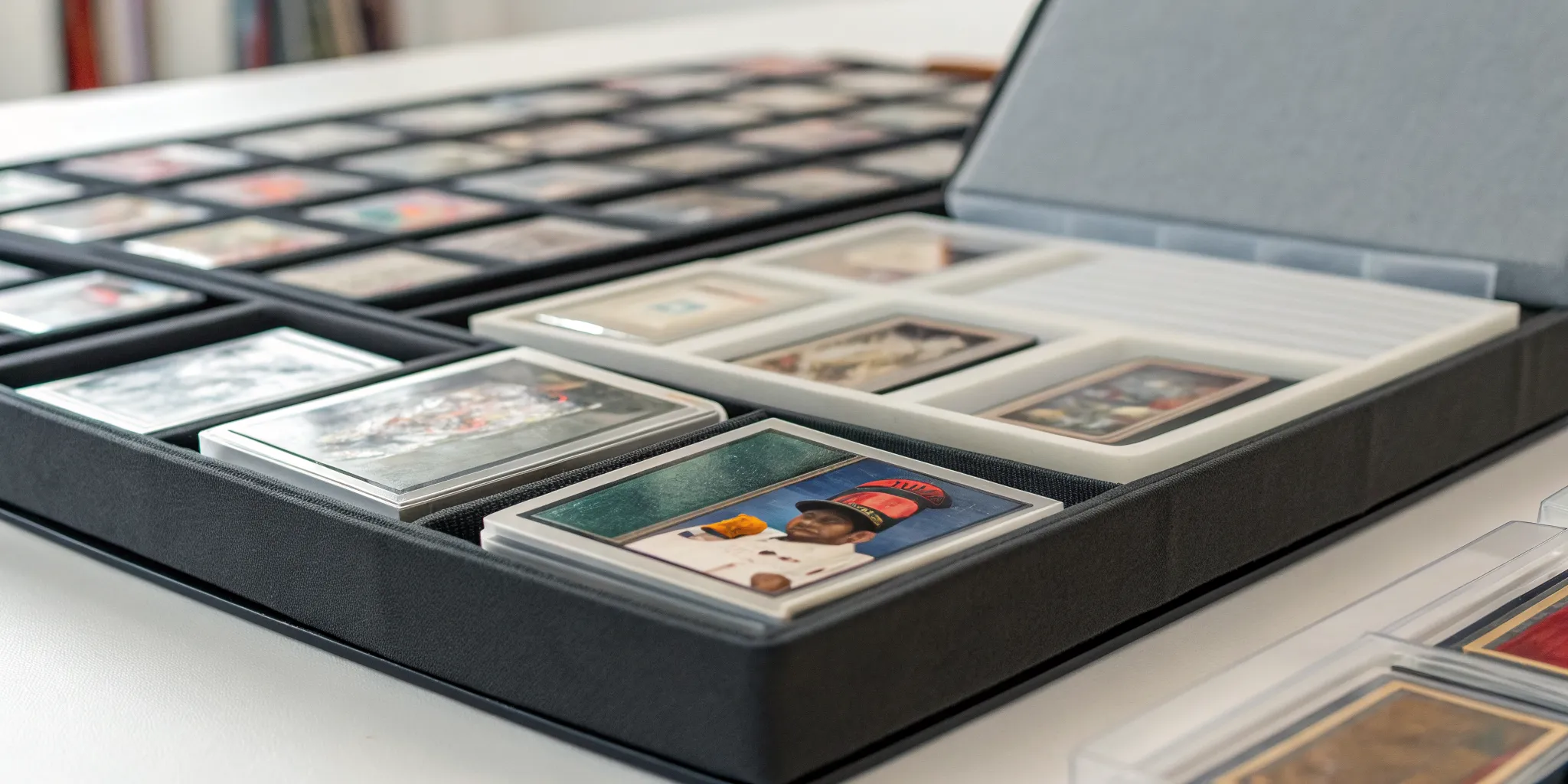
Buying or selling raw cards can sometimes feel like a gamble. How do you really know a card’s condition from just a few photos? This is the exact problem that card grading solves. By sending a card to a trusted company like PSA or SGC, you get a professional, unbiased assessment of its quality, sealed in a protective slab for everyone to see. This creates a universal standard that gives both buyers and sellers complete confidence in the transaction. This guide will explain how that standard is determined, breaking down the four key factors graders look at and what each grade on the 1-10 scale really means for your card’s value and marketability.
Key Takeaways
- Grading creates a universal standard of value: Getting a card professionally graded authenticates it and assigns a score from 1 to 10 based on its physical condition. This process, which seals the card in a protective slab, establishes a trusted value that can significantly increase its price on the market.
- Treat grading as a strategic investment: Grading is a financial decision, not just a protective measure. A smart guideline is to only submit cards if their potential graded value is at least three times your total investment, which includes the raw card price plus grading fees.
- Proper preparation directly impacts the outcome: The final grade can be influenced by how you prepare your submission. Protect your investment by handling cards carefully to avoid smudges, using the correct supplies like penny sleeves and semi-rigid holders, and double-checking all forms for accuracy.
What Is Card Grading (And Why Does It Matter)?
Think of card grading as a professional inspection for your trading cards. When you decide to get a card graded, you’re sending it to a specialized third-party company to have its authenticity and physical condition verified by experts. These companies, like the well-known PSA or Beckett, use a standardized system to evaluate your card based on four key criteria: the centering of the image, the sharpness of the corners, the smoothness of the edges, and the quality of the surface. Each aspect is scrutinized under magnification to spot even the smallest imperfections.
So, why does this matter so much in the world of collecting? First and foremost, grading authenticates your card, giving you and any future buyer peace of mind that it’s the real deal and not a clever counterfeit. Once graded, the card is encapsulated in a tamper-proof plastic holder, often called a "slab," which not only protects it from damage but also preserves its current condition for years to come. This process assigns the card a final numerical grade, typically on a scale of 1 to 10, which makes its quality easy to understand at a glance. A high grade can significantly increase a card's market value, providing a clear, objective measure that helps collectors buy and sell with confidence. It essentially transforms a beloved collectible into a more secure and liquid asset.
How the Grading Process Works
The grading process is pretty straightforward from your end. First, you choose a grading company and carefully prepare your cards for submission. Once the company receives your cards, their team of specialists gets to work. They begin by verifying the card's authenticity. Next, they meticulously examine its condition, looking for any flaws across the four main areas: centering, corners, edges, and surface.
Based on this detailed inspection, they assign a final grade on a 1-10 scale, with a 10 (or "Gem Mint") being a virtually perfect card. Some companies are even using computer vision technology to make grading more objective and consistent. Finally, your card is sealed in a protective slab with a label detailing its grade and unique certification number, then shipped back to you.
How Grading Affects a Card's Value
This is where things get exciting. A high grade from a reputable company can cause a card’s value to skyrocket. A raw, ungraded card might sell for a decent price, but that same card with a Gem Mint 10 grade could be worth ten or even a hundred times more. The grade provides a universal standard of quality that collectors are willing to pay a premium for. It removes the guesswork and assures buyers they are getting a top-tier collectible.
However, grading isn't free. Fees can range from about $20 to over $50 per card, depending on the card's value and how quickly you want it back. This means you have to be strategic. It makes the most sense to grade cards that have a high potential value, where the price jump from a good grade will far outweigh the initial cost of the service.
Who Are the Top Card Grading Companies?
Once you decide to get a card graded, the next big question is: where do you send it? The grading company you choose can significantly impact your card's perceived value and marketability. While dozens of companies offer grading services, a few major players dominate the industry. Each has its own reputation, grading scale, and specialty. Think of them like different brands; collectors often have strong preferences for one over another. Choosing the right one depends on your card type, your goals (selling vs. collecting), and your budget. Let's break down the top contenders so you can make a confident choice.
PSA (Professional Sports Authenticator)
If you've spent any time in the hobby, you've heard of PSA. As the largest and one of the most established grading companies, Professional Sports Authenticator is often considered the industry standard, especially for sports cards. Cards graded by PSA, particularly those earning a gem mint 10, tend to command the highest prices on the secondary market. Their simple red-and-white labels are instantly recognizable. While their grading standards are strict, they don't provide subgrades on the label, offering just one final score. For collectors focused on maximizing resale value, PSA is frequently the top choice.
Beckett Grading Services (BGS)
Beckett is another giant in the grading world, famous for its detailed approach. What sets Beckett Grading Services (BGS) apart is its use of subgrades. Each BGS-graded card receives individual scores for centering, corners, edges, and surface, which are then used to calculate the final grade. This detailed report card is a huge plus for collectors who love data and want a clear breakdown of their card's condition. BGS is also known for its premium "Black Label," awarded to cards that receive perfect 10s on all four subgrades, a rare and highly sought-after designation.
SGC (Sportscard Guaranty Corporation)
Known for its sleek black-and-white "tuxedo" slabs, SGC has built a strong reputation, particularly in the vintage card market. Collectors of pre-war and vintage sports cards often prefer SGC for its expertise in handling older, more fragile cards. In recent years, SGC has also gained significant traction in the modern card market thanks to its competitive pricing and faster turnaround times compared to other top graders. If you're grading vintage cards or want a reliable, quick, and cost-effective option for modern hits, SGC is a fantastic choice.
CGC Trading Cards
While newer to the scene than the others, CGC Trading Cards has quickly become a powerhouse, especially for Pokémon and other trading card games (TCGs). Backed by the Certified Guaranty Company, which has a long history in grading comics and coins, CGC brought its expertise and reputation for consistency to the card world. They are praised for their crystal-clear slabs, detailed grading standards, and a strong guarantee of authenticity. For Pokémon, Magic: The Gathering, or other TCG collectors, CGC is often the preferred service due to its specialized knowledge in that niche.
How the Top Graders Compare
So, how do you choose? It really comes down to your specific cards and goals. While PSA, BGS, and SGC are often called "The Big Three," CGC's rise has made it a solid "Big Four." Generally, PSA leads for overall resale value, especially for modern sports cards. BGS is the pick for those who value detailed subgrades and the chase for the elusive Black Label. SGC is a go-to for vintage collectors and anyone seeking fast, affordable service. Finally, CGC is a top contender for TCGs like Pokémon. Each company has its strengths, and understanding them is a key part of any smart collector's strategy.
What Determines a Card's Grade?
When a professional grader examines a card, they aren't just giving it a quick once-over. They're acting like detectives, meticulously inspecting four key areas that ultimately decide the card's final score. Understanding these four pillars of grading is the first step to looking at your own collection with a more critical eye. Think of it as learning the language of the grading world. Whether you're eyeing a vintage Pokémon card or a modern sports rookie card, these are the universal factors that separate a pristine Gem Mint 10 from the rest of the pack.
Centering
Think of centering like the frame around a piece of art. It’s all about how perfectly the artwork is placed on the card. A grader measures the borders on all four sides (top, bottom, left, and right) to see how even they are. A card with perfect 50/50 centering is incredibly rare and desirable. To earn a top grade like a PSA 10, a card’s centering generally needs to be 60/40 or better, meaning one border can't be more than 60% of the total border space. This is often the first thing an expert looks at, as off-center cards are easy to spot and can significantly lower the grade right from the start.
Corners and Edges
Next up are the corners and edges, which are major indicators of a card's handling and history. Graders are looking for four perfectly sharp, crisp corners. Over time, cards can develop soft, rounded, or even frayed corners from being shuffled or stored improperly. Even the tiniest bit of whitening or a slight bend can knock a grade down. Similarly, the edges of the card should be smooth and clean. This is especially noticeable on cards with dark borders, where any chipping or "whitening" along the sides stands out immediately. Carefully check all four corners and every edge under a good light to see what a grader would see.
Surface Quality
The surface is where many would-be perfect cards lose points. This is the trickiest area to inspect because the flaws can be subtle. Graders look for any imperfections on the card's front and back, including tiny scratches, print lines, or roller marks left over from the manufacturing process. They also check for small indentations, often called "dimples," which can happen from pressing on the card. Even fingerprints or a bit of gloss loss can impact the final grade. Tilting a card under a bright light is the best way to catch these sneaky surface flaws that might otherwise go unnoticed.
Authentication and Encapsulation
Finally, before a grade is assigned, the company must confirm the card is authentic. This crucial step protects collectors from counterfeits and ensures you're getting the real deal. Once the card is authenticated and graded, it’s placed in a protective, sonically sealed plastic case, often called a "slab." This case not only displays the card's official grade but also preserves its condition for the future. The encapsulation process is the final seal of approval, guaranteeing both the card's authenticity and its professionally assessed quality.
How Much Does Card Grading Cost?
Figuring out the cost of card grading can feel a little complicated at first, but it’s a crucial step in deciding which cards to send in. There isn’t a single flat fee; the price you’ll pay depends on a few key factors: the grading company you choose, the declared value of your card, and how quickly you want it returned. Think of it as an investment in your card’s future. For the right card, the cost of grading is a small price to pay for the significant value it can add.
The main reason for the variable cost is that grading companies tier their services. A 1952 Topps Mickey Mantle isn’t treated the same as a modern base card, and the pricing reflects that. The higher a card’s potential value, the more it generally costs to grade and insure. Understanding this structure is the key to making smart, profitable decisions for your collection. Let’s break down the different costs you can expect to encounter on your grading journey.
Standard Grading Fees
For most cards, you can expect the standard grading fee to fall somewhere between $20 and $50. This price point is why collectors are selective about which cards they submit. You wouldn't want to spend $25 to grade a card that’s only worth $5, even if it gets a perfect 10. The goal is to choose cards where the potential value after grading far outweighs the cost of the service. Companies like PSA have clear pricing tiers based on your card's declared value, which helps you estimate costs before you even pack your box.
Expedited Service Costs
Patience is a virtue in the collecting world, especially when it comes to grading. Standard or bulk submission services are the most affordable, but they can also have turnaround times that stretch for several weeks or even months. If you want your cards back faster, you can pay for an expedited service. These express options are more expensive, but they can cut your wait time down significantly. This is a great choice if you’re trying to sell a card while it’s hot or if you simply can’t wait to get your newly slabbed treasure back in your hands.
Value-Based Tiers
Grading companies structure their fees in tiers based on the maximum value of the card you’re submitting. A card you declare is worth up to $499 will fall into a cheaper tier than a card worth $2,000. This is partly to cover the insurance and liability while your valuable card is in their care. A good rule of thumb to follow is the 3x rule: if you believe the card’s potential post-grading value is at least three times your total cost (the raw card price plus the grading fee), it’s likely a good candidate for grading. For modern cards, this often means you need a gem mint 9 or 10 to justify the expense.
Calculating Your Total Investment
The grading fee itself is just one piece of the puzzle. To get a true picture of your total investment, you need to account for all the associated expenses. Many collectors forget to factor in these additional costs, which can eat into potential profits.
Before you ship anything, do the math:
- Cost of the raw card
- Sales tax on the purchase
- Grading fees
- Shipping and insurance to the grading company
- Potential selling fees (if you plan to sell on a marketplace)
- Capital gains tax (if you make a significant profit)
Adding all these up will give you your "all-in" number, helping you make a much more informed decision.
Should You Get Your Cards Graded?
This is the big question, isn't it? You've pulled a great card, and now you're wondering if it's worth sending it off to get that official grade. The short answer is: it depends. Grading isn't the right move for every card. It's a strategic decision that involves a bit of math, some market research, and a clear understanding of your goals. Think of it as an investment in your card. You're spending money upfront with the hope of increasing its long-term value, authenticity, and appeal to other collectors.
Before you start packing up your prized possessions, it’s important to walk through a few key considerations. You’ll want to look at the cost of grading versus the potential increase in the card's value. You also need a realistic idea of what grade your card might receive and what the market is willing to pay for it. For some cards, especially rare vintage finds or pristine modern hits, grading is a no-brainer. For others, you might find that the cost and effort just don't add up. This section will help you figure out which cards in your collection are the best candidates for grading.
Weighing the Costs vs. the Benefits
First things first, let's talk about the money. Getting a card graded isn't free, and the costs can add up quickly. Depending on the company you choose and how fast you want your card back, you can expect to pay anywhere from $20 to over $50 per card for standard grading services. This fee is an investment, so the main goal is to see a return. The benefit comes when the graded card's market value is significantly higher than the value of the raw card plus the money you spent on grading. For this reason, grading is usually reserved for cards that have a higher potential value, where a top grade can turn a great card into a serious asset.
Is Your Card Valuable Enough?
Here’s a simple rule to help you decide: consider grading if you believe the card's potential value after grading is at least three times your total cost. Your total cost includes what you paid for the raw card plus the grading fee. For example, if you have a modern card that cost you $30 and the grading fee is $25, your total investment is $55. To make it worthwhile, that card would need to be worth at least $165 after it's graded. For most modern cards, you’ll need a grade of a 9 or a perfect 10 to see that kind of value increase, so an honest assessment of your card's condition is crucial.
Considering Market Demand and Timing
A high grade on a card nobody wants won't do you much good. Before submitting, you need to check the market demand. A great way to do this is to look up recent sales of the exact card you have, in the grade you hope to get. This gives you a realistic picture of its current market value. For cards that are already valuable raw, say over $100, a good guideline is that a PSA 10 should sell for at least two to two-and-a-half times the raw price. Timing matters, too. Grading a hot rookie card immediately might catch a wave of hype, but sometimes waiting can give you a clearer sense of the player's long-term collectibility.
Which Cards Benefit Most From Grading?
So, which cards are the all-stars of grading? Generally, they fall into two main categories. First, you have high-condition modern cards. These are the shiny new rookie cards, rare parallels, or limited-edition prints that look flawless and have a real shot at a Gem Mint 10. The second category is vintage cards. Here, the rules change a bit. Even a low-grade vintage card of an iconic player, like a PSA 2 or 3, can be quite valuable. For these older cards, grading serves to prove they are authentic and have not been altered, which gives buyers peace of mind and preserves a piece of history.
Common Card Grading Mistakes to Avoid
Getting your cards graded is an exciting step, but a few common missteps can turn a potential win into a costly lesson. By learning what to watch out for, you can approach the grading process with confidence and give your cards the best possible chance of success. Let’s walk through some of the most frequent mistakes collectors make so you can sidestep them completely.
Skipping the Cost Analysis
It’s easy to get caught up in the dream of a perfect grade, but don't send a card in for grading without running the numbers first. A crucial mistake is failing to do a cost analysis to see if grading is even worth it. You need to be sure that the potential profit from a high grade will be much more than the grading fees. If a card graded a 9 or 10 isn't selling for significantly more than the raw card plus your grading costs, you might be better off selling it as is. Check recent sales of both raw and graded versions of your card to make an informed financial decision.
Mishandling and Poor Packaging
How you handle and package your cards for submission is incredibly important. Any new smudge or ding can drop your grade, and damage during shipping is a collector's worst nightmare. To prevent this, always use the right supplies. For example, PSA prefers cards to be submitted in semi-rigid holders, not hard plastic top loaders. This practice not only protects your cards but also makes them easier and safer for graders to remove, reducing the risk of accidental damage on their end. Taking the time to prepare your cards correctly is a simple step that pays off.
Bad Timing With New Releases
Timing is everything, especially with brand-new sets. A common mistake is rushing to grade cards from a product that just hit the shelves. The market for new releases is often flooded, causing prices for even the hottest cards to drop within the first few months. Unless you pull a monster card and can get it graded almost immediately, it’s often smarter to wait for the initial hype to die down and for prices to stabilize. This patience can help you make a much more informed decision about whether grading is the right move for that specific card.
Misunderstanding the Grading Standards
Not all grading companies are created equal, and assuming their standards are the same is a frequent error. Each company has its own criteria, and what earns a '10' from one might only get a '9.5' from another. For example, some collectors find that CGC grades more stringently than PSA, which can directly impact a card's market value. Before you submit, research the best grading company for your specific card and your goals. Understanding these nuances will help you set realistic expectations and choose the service that best fits your collection.
What Do the Grades on the Scale Mean?
When you get a graded card, the first thing you’ll notice is the number on the label. This number, on a scale from 1 to 10, is the card’s final grade and a quick summary of its overall condition. A grade of 10, or Gem Mint, is the highest possible score, reserved for cards that are virtually perfect. As the number decreases, so does the card's condition, indicating more visible flaws like wear, printing defects, or damage.
This single number is incredibly important because it creates a universal standard for a card's quality. It removes the guesswork and subjectivity that comes with just looking at a card and saying, "It looks pretty good." Instead, you have a professional, third-party assessment that collectors and investors trust. This standardized system is what allows a PSA 10 to sell for significantly more than a PSA 9 of the exact same card. Understanding what each grade represents helps you know the true market value of your collection and what to look for when buying or selling.
Defining Grades 1-10
The 1-10 grading scale is the industry standard, but what does each number actually mean? Here’s a quick breakdown of the tiers. A Gem Mint 10 is a flawless card with sharp corners, clean edges, perfect centering, and an untouched surface. A Mint 9 is nearly perfect but may have one very minor flaw, like a tiny printing imperfection. Near Mint-Mint 8 and Near Mint 7 cards look great to the naked eye but have a few more noticeable flaws, such as slight corner wear or minor surface scratches. Grades from 4 to 6 fall into the Very Good to Excellent-Mint range, showing more obvious signs of wear but still presenting well. Finally, grades from 1 to 3 are for cards with significant damage, like heavy creasing, rounded corners, or major discoloration.
What Are Subgrades and Special Designations?
The final grade is a composite score based on four key criteria, often called subgrades: centering, corners, edges, and surface. Centering refers to how well the card’s artwork is framed by its borders. Corners and edges are checked for sharpness and signs of wear, like fraying or rounding. The surface is inspected for scratches, print defects, or stains. Some grading companies, like BGS, display these four subgrades on the label, giving you a detailed look at the card’s strengths and weaknesses. You might also see special designations, like PSA’s qualifiers for cards that are "Off-Center" (OC) or have "Print Defects" (PD). These tell you why an otherwise high-quality card didn't receive a higher numerical grade.
How Pop Reports Affect Rarity
A card’s grade is only one part of its value story; the other is rarity. This is where population reports, or "pop reports," come in. A pop report is a database that shows how many cards of a specific type have been graded by a company and what grades they received. If you pull a card and see it has a PSA 10 grade, you can check the pop report to see how many other PSA 10s exist. A low population means your card is one of only a few in that condition, making it much rarer and more valuable. This is often discussed as the "gem rate," or how frequently a card receives a Gem Mint 10. A low gem rate means a 10 is tough to get, which can drive its price way up.
How to Prep and Submit Your Cards for Grading
You’ve picked the perfect card and chosen a grading company. Now comes the final, hands-on part: getting your card prepped and shipped. This stage is just as important as selecting the card itself, because how you handle, pack, and submit it can directly impact its final grade. A little attention to detail here goes a long way in protecting your investment and ensuring the process goes smoothly. Let’s walk through the exact steps to get it right.
Handle Your Cards Correctly
Before you do anything else, make sure your hands are clean and dry. Better yet, wear a pair of cotton or nitrile gloves. The natural oils on your skin can leave fingerprints and smudges that graders will notice. If you see any dust or minor debris on the card, gently wipe it with a clean, dry microfiber cloth. Never use water, cleaning solutions, or anything abrasive, as this can easily cause scratches or damage the surface, leading to a lower grade. The goal is to present the card in its best natural condition, not to alter it.
Fill Out the Submission Forms
Every grading company has a specific submission process, which is almost always handled through an online portal. It’s crucial to fill out the submission forms with complete accuracy. Double-check every detail: the player or character name, the card number, the year, and the set. An incorrect detail can cause significant delays or even get your submission sent back. I recommend creating an account on the grader’s website and familiarizing yourself with their online submission center before you start packing anything. This way, you know exactly what information you’ll need to provide.
Package and Ship Your Cards Safely
How you package your cards for shipping is critical. First, place each card into a new, clean penny sleeve. Then, slide it into a semi-rigid card holder, often called a Card Saver. Most grading companies prefer these over hard plastic top loaders because they’re easier to open without risking damage to the card. Once your cards are secured, stack them together and sandwich them between two pieces of cardboard. Use a sturdy box with plenty of padding, like bubble wrap, to make sure nothing shifts around during transit. Finally, always use a trackable shipping method and consider adding insurance for high-value submissions.
What to Do With Your Graded Cards
So, you’ve sent your cards off for grading, and now they’re back in their shiny new slabs. What’s next? This is where the real fun begins. Whether you’re a passionate collector, a savvy seller, or a long-term investor, that graded card in your hand is full of potential. Your next move depends entirely on your goals. You can build a stunning personal collection to show off, flip the card for a quick profit, or hold onto it as a valuable asset that could appreciate over time. Let's walk through how to approach each of these paths so you can make the best decision for your collection.
Storing and Displaying Your Collection
If you’re building a personal collection, protecting your graded cards is priority number one. Think of that plastic slab as a suit of armor, but it still needs a safe home. The best way to preserve your card’s condition and value is to store it in a cool, dry place away from direct sunlight, which can cause fading over time. You can find plenty of great display options, from single-card stands for your desk to wall-mounted cases that turn your favorite cards into art. A smart collector's guide will always emphasize proper storage, because a well-cared-for collection is a valuable one.
Know When and How to Sell
Ready to turn your graded cards into cash? Timing and research are everything. Before listing a card, you need to understand its current market value. A great starting point is checking recent sold listings on marketplaces like eBay. For modern cards, the grade is especially critical. A card graded 9 or 10 can sell for a significant premium, while anything lower might not even cover your grading fees. If you're looking for a straightforward way to sell, Packz offers a buyback option on cards you pull, giving you 100 percent of their value instantly. This is a great way to fund your next pack opening without the hassle of listing and shipping.
Playing the Long Game: Investment Tips
Viewing your cards as a long-term investment requires patience and a strategic mindset. A good rule of thumb is to only grade cards that have the potential to be worth at least three times the total cost of the raw card plus the grading fee. For most modern cards, this means you’ll need to hit a grade of 9 or, more likely, a 10 to see a solid return. You can find a definitive guide on this topic that breaks down the math. The card market ebbs and flows, so tracking trends and holding onto high-grade cards of popular players or characters is often the smartest play for future growth.
Related Articles
- The Ultimate Card Condition Guide for Collectors | Packz Blog
- The Smart Collector's Guide to Buying Graded Cards | Packz Blog
Frequently Asked Questions
Which grading company is truly the best? There isn't a single "best" company for every card; it's more about finding the best fit for your specific goal. If your main objective is to get the highest possible resale value for a modern sports card, PSA is often the industry leader. If you appreciate a detailed breakdown of your card's condition and are chasing that perfect "Black Label," Beckett (BGS) is an excellent choice. For vintage cards or a faster turnaround, SGC is a fantastic and respected option, while CGC has become the go-to for many Pokémon and TCG collectors.
How can I tell if my card is good enough to get a 10? While only a professional grader can say for sure, you can learn to spot the signs of a potential Gem Mint 10. You'll need a keen eye, a good light source, and maybe a magnifying tool. Check the centering to see if the borders are nearly perfectly even. Inspect all four corners for absolute sharpness with no whitening. Look over the edges for any chipping and tilt the card under the light to find any surface scratches, print lines, or dimples. A true 10 needs to be practically flawless across all four of these criteria.
Is it only worth grading rookie cards or vintage legends? Not at all. While rookie cards of star players and iconic vintage cards are popular choices, they aren't the only ones that benefit from grading. Rare parallel cards, low-numbered inserts, and key cards from popular trading card games can also see a huge value increase with a high grade. The decision should be based on the card's market demand and potential value, not just its category. If a non-rookie card in gem mint condition sells for much more than the raw card plus grading fees, it's a strong candidate.
What if I get a grade back that I think is too low? It can be disappointing to get a grade that's lower than you expected. If you truly believe there was an error, most major grading companies have a review process. You can resubmit the card for a grade review, where they will re-evaluate it. Keep in mind that this costs an additional fee, and there's no guarantee the grade will change. Another option is to "crack" the slab (carefully break the case) and submit the raw card to a different grading company to get a second opinion.
Realistically, how long will I have to wait to get my cards back? Turnaround times can vary quite a bit depending on the company you choose, the service level you pay for, and how busy they are. The most affordable bulk or value services can take several weeks or even a few months to be completed. If you need your cards back sooner, you can pay for an expedited service, which can cut the wait time down to a week or two, but this option is significantly more expensive. It's always a good idea to check the grading company's website for their most current estimated turnaround times before you submit.
Recommended Reading
Cash for Graded Sports Cards: The Fastest Ways to Sell
Get cash for graded sports cards faster. Compare auction houses, marketplaces, and instant buyback options to pick the route that fits your timeline.
How to Compare Value in Sports Card Packs
Learn how to compare sports card packs using card quality, available pulls, pricing clarity, and Packz’s 100% buyback option.
How to Buy Pokemon Packs Online for Ripping
Ready to buy pokemon packs online for ripping? Get transparent pack value and clear pull odds so you never overpay for the thrill of the hunt. Start collecting safely.