
April 13, 2026
Topps Autograph Cards: A Collector's Guide
Get expert tips on collecting Topps autograph cards, including how to spot authentic signatures, card values, and smart buying strategies for collectors.
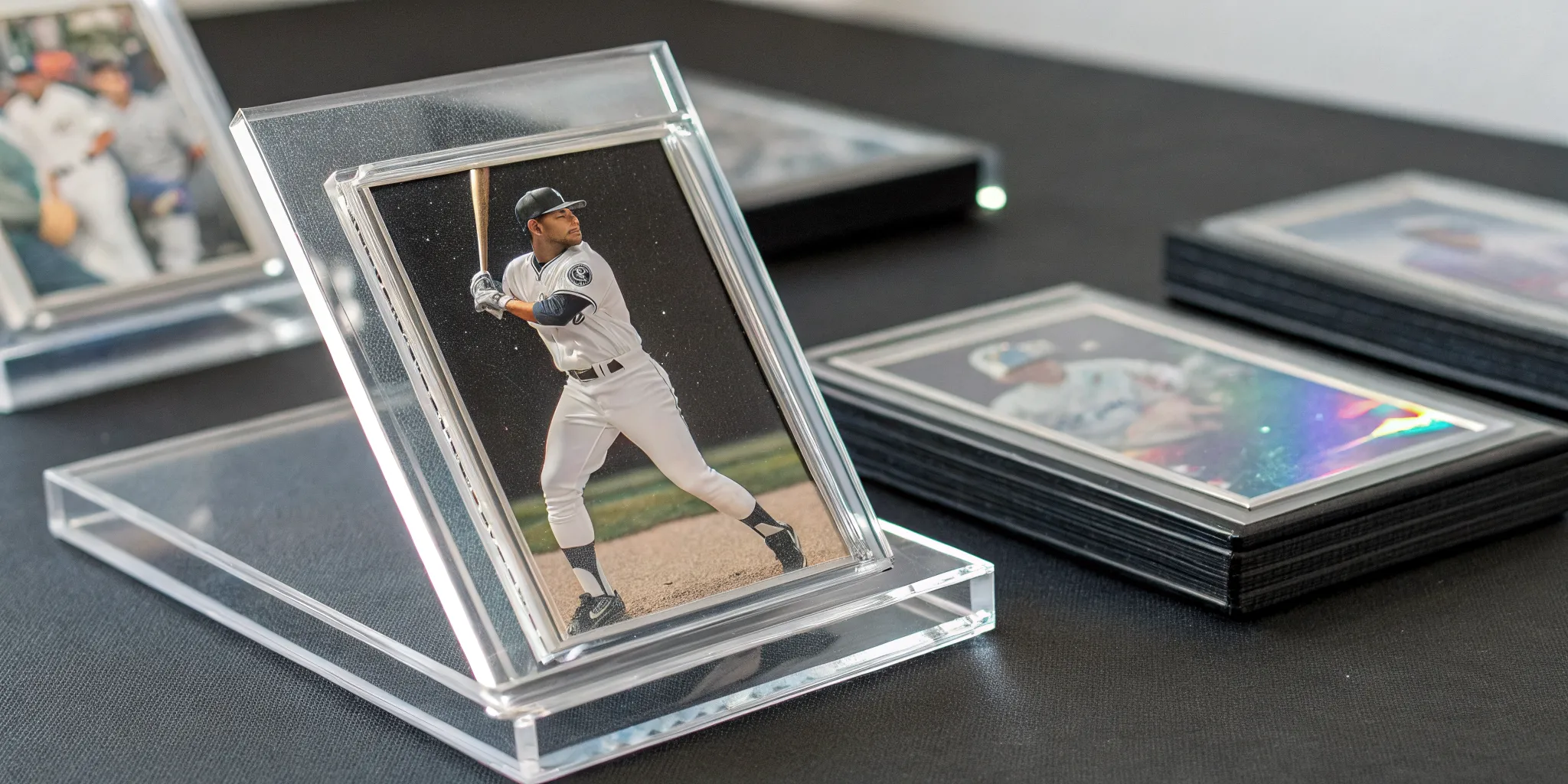
There's a unique thrill that comes with opening a pack of cards. It’s that moment of anticipation right before you see what’s inside. While finding a rare parallel or a rookie card is exciting, pulling a card with a real signature is a game-changer. It transforms a simple piece of cardboard into a personal artifact, something your favorite athlete actually held and signed. These are the prizes that define a collection. This guide is your complete introduction to Topps autograph cards. We'll cover what makes them so special, the different types you can find, and how to determine their value, so you can feel confident as you hunt for your next great pull.
Key Takeaways
- A card's value is a team effort: The player's fame, the card's rarity, and its physical condition all work together to determine its price. A high grade from a service like PSA confirms its quality and helps secure its worth.
- Authentication is non-negotiable: Protect your investment by confirming every autograph is real. Look for Topps' official certification marks on the card or use a trusted third-party grading service to guarantee a signature's legitimacy.
- Collect with a plan, not just impulse: Build a collection you love by setting a budget and focusing on a specific theme, like your favorite team or rookie cards. This helps you avoid overpaying and makes the hobby more rewarding.
What Are Topps Autograph Cards?
Topps autograph cards are special trading cards that feature a genuine, hand-signed signature from a baseball player or another famous personality. Think of them as the ultimate prize in a pack of cards. These have been a cornerstone of the hobby since they started appearing in sets like Topps Series 1 Baseball in the early 1990s. The appeal is easy to understand: it’s a unique combination of collectible art and a personal connection to the athletes you admire. Holding a card that a sports hero actually held and signed creates a tangible link that a standard card just can't match. It’s that personal touch that transforms a piece of cardboard into a coveted piece of memorabilia. For many, pulling an autograph card from a pack is one of the most exciting moments in collecting. It’s not just about the potential value; it’s about owning a piece of sports history and feeling closer to the game.
How Autograph Cards Differ from Regular Cards
So, what really separates an autograph card from a regular one? While players have been signing cards for fans for decades, the idea of finding a pre-signed card inside a pack is a modern game-changer. The history of the auto card shows this innovation completely reshaped the collecting landscape. The biggest difference is, of course, the signature itself, but it goes deeper than that. Autograph cards are produced in much smaller quantities than base cards, making them significantly rarer. This limited availability is the main driver of their value. It creates a high demand among collectors who want to own something truly special and scarce, turning a simple piece of memorabilia into a prized possession.
How Topps Authenticates Its Autographs
With valuable cards, authenticity is everything. You want to know that the signature on your card is the real deal, and Topps has a strict process to ensure that. A Topps representative is always present when an athlete signs cards, guaranteeing the signature is legitimate from the very start. After the signing session, the cards are sent to a Topps facility for another round of verification against the player's known signature. Topps uses two main methods for these signatures: on-card autographs, where the player signs directly on the card, and sticker autographs, where players sign sheets of stickers that are later applied to the cards. Both methods are authenticated, giving you confidence in your collection.
What Types of Topps Autograph Cards Are There?
Once you start exploring the world of Topps autograph cards, you'll quickly see they come in all shapes and sizes. It's not just about getting a player's signature; it's about how that signature is presented. Topps has developed several different formats over the years, each offering a unique appeal for collectors. Some cards feature signatures directly on the surface, while others incorporate pieces of game-used memorabilia. You'll also find cards celebrating multiple players at once. Understanding these different types is key to building a collection you love and making smart purchases. Let's break down the main categories you'll encounter.
On-Card vs. Sticker Autographs
This is one of the biggest distinctions in the autograph world. Topps uses two main methods to get signatures onto cards: on-card and sticker autographs. Sticker autos, or "stickergraphs," are exactly what they sound like. A player signs a sheet of clear stickers, and Topps later applies those stickers to the cards. On-card autographs, on the other hand, are signed directly on the card stock by the player. Most collectors prefer on-card signatures because they feel more authentic and premium, since the player physically handled that specific card. You'll often find them in higher-end sets.
Dual and Multi-Player Autographs
Why settle for one autograph when you can have two or more? Dual and multi-player autograph cards are a fantastic way to capture a special connection between athletes on a single piece of cardboard. These cards might feature two star teammates, famous rivals, or a group of players who shared a historic moment. Because they require the coordination of multiple signers, these cards are often produced in smaller quantities, adding to their appeal. They're a unique find for any collection and serve as a great tribute to some of sports' most memorable dynamic duos.
Autograph Relics and Cut Signatures
Some autograph cards offer more than just a signature; they give you a piece of the action. Autograph relics combine a player's signature with a piece of game-used memorabilia, like a swatch from a jersey or a sliver of a baseball bat. These cards create a tangible connection to the athlete that many collectors love. Then you have cut signatures, which are in a league of their own. These feature a signature that has been physically cut from an old document, like a signed check or letter, and embedded into a new card. This is how Topps can offer autographs from historical legends who are no longer with us, making them incredibly rare and sought-after pieces of history.
What Makes a Topps Autograph Card Valuable?
Figuring out the value of a Topps autograph card isn't always straightforward. It’s not just about the signature; it’s a mix of several key factors that can turn a simple piece of cardboard into a prized possession. A card signed by a benchwarmer might be a cool keepsake, but one signed by a Hall of Famer could be a serious investment. Understanding what drives a card's price will help you build a collection you’re proud of. From the card's rarity to the player's legacy, each element plays a crucial role in its overall worth.
Rarity and Print Run Size
The number one reason autograph cards are valuable is simple: they're rare. Unlike base cards that are printed in massive quantities, signed cards are produced in limited numbers. This is known as the "print run," and it's often stamped directly on the card (e.g., /99, /25, or the coveted 1/1). The lower the print run, the scarcer the card, which naturally increases demand among collectors. A card that is one of only ten in existence will almost always command a higher price than one with a thousand copies. Scarcity creates a chase, and in the collecting world, that chase is what drives value.
The Player's Popularity and Career
A signature is only as famous as the person who made it. That’s why autographs from iconic athletes are so sought after. Signatures from current superstars like Shohei Ohtani and Aaron Judge or legends like Ken Griffey Jr. and Derek Jeter are always in high demand. A player's career achievements, fan base, and Hall of Fame status all contribute to the value of their autograph. A rookie's signature can be a high-risk, high-reward bet, but the signatures from famous players with established, celebrated careers tend to be much more stable and valuable investments for any collection.
Card Condition and Grading
A card could feature a legendary player and be a 1/1, but if it has creased corners and a scuffed surface, its value will take a major hit. The physical condition of the card is critical. This is where grading comes in. Learning to spot imperfections yourself will help you make smarter buys. For your most important cards, using a professional company like PSA can authenticate the autograph and assign the card a grade on a 10-point scale. A high grade, like a Gem Mint 10, confirms the card is in perfect condition, protecting its value and making it much more appealing on the market.
Historical Significance
Some cards are treasured because they feel like you’re holding a piece of history. These cards connect us to a specific time, a memorable game, or a player who changed the sport forever. For example, "cut signatures" are autographs taken from old documents or checks and embedded into a new card. A cut signature from a historical figure like Babe Ruth or Jackie Robinson is more than just a collectible; it’s a tangible link to the past. This historical weight adds a layer of value that goes beyond stats and rarity, making these cards incredibly special for collectors who appreciate the story behind the signature.
How to Verify a Topps Autograph Card
So, you've found an autograph card that could be the next star of your collection. But before you commit, how can you be sure it's the real deal? Verifying an autograph is one of the most important steps in collecting. It protects your investment and gives you peace of mind that you're holding a genuine piece of sports or entertainment history. Luckily, there are several clear methods to confirm a card's authenticity, so you don't have to rely on guesswork. From checking for Topps' own security features to leveraging professional services, you have tools at your disposal. We'll walk through the key things to look for so you can feel confident about the cards you're adding to your collection.
Check for Official Topps Authentication Marks
Topps has its own system for guaranteeing autographs, which is your first checkpoint. Most modern Topps autograph cards will feature a statement on the back certifying that the signature is authentic. Additionally, Topps uses two primary methods for getting signatures onto cards. The first is sticker autographs, where an athlete signs a sheet of specially designed stickers that are then applied to the cards. The second is on-card autographs, where the person signs the card directly. While on-card autos are often more desirable, both types are certified directly by Topps. Familiarizing yourself with what these certified autographs look like is a great first step in verification.
Use Third-Party Grading and Authentication
For an even higher level of assurance, especially for a valuable card, consider using a third-party grading service. Companies like Professional Sports Authenticator (PSA), Beckett Grading Services (BGS), and Sportscard Guaranty Corporation (SGC) are the industry standard. When you submit a card, they don't just assign it a condition grade; they also verify the autograph's authenticity. If everything checks out, the card is encapsulated in a tamper-proof plastic holder, or "slab," with a label detailing its grade and authentication. This process not only confirms the card is legitimate but also helps preserve its condition. A graded card from a reputable company provides a solid guarantee that both buyers and sellers can trust.
How to Spot a Fake
Beyond official certifications, you can train your eye to spot potential red flags. One common issue with fake or rushed in-person autographs is the signature itself. Serious collectors often look for full, clean signatures, while forgeries might look shaky, slow, or abbreviated. Compare the signature in question to other verified examples online. Look for consistency in the slant, loops, and pressure. Also, be wary of autographs that look too perfect, as they could be stamped or printed. If you're buying from an individual seller and something feels off, don't hesitate to ask for more photos or information about the card's history. Trust your gut; if a deal seems too good to be true, it often is. You can always check collector forums and communities to get a second opinion from experienced hobbyists.
Where to Buy Topps Autograph Cards
Once you know what you’re looking for, the next step is finding it. Topps autograph cards are available through a variety of channels, each with its own pros and cons. Whether you prefer the convenience of online shopping or the thrill of an in-person hunt, there’s a marketplace that fits your style. The key is knowing where to look and how to protect yourself as a buyer.
Online Marketplaces and Retailers
The internet is the largest marketplace for trading cards, offering an incredible selection right at your fingertips. Platforms like eBay are a great starting point, as many of eBay's top sellers are established card dealers with extensive inventories. For exceptionally rare or high-value cards, specialized auction houses are the go-to, since finding the right venue is about matching the card to the marketplace.
Of course, you can also find autographs by opening packs yourself. Digital platforms like Packz give you the excitement of discovering a signed card in a mystery pack from the comfort of your home. This approach adds an element of surprise and can be a fun way to acquire autographs you might not have searched for otherwise.
Local Shops and Card Shows
There’s something special about buying cards in person. Visiting a local card shop lets you see the card up close, inspect its condition, and get advice from knowledgeable staff. Card shows take this experience to the next level, bringing together dozens of vendors under one roof. It’s a fantastic way to see a massive variety of cards and connect with fellow collectors.
If you come across a card you don’t recognize, you can use an app like Google Lens to quickly identify cards and look up their market value on the spot. This helps you make informed decisions and ensures you’re getting a fair price.
How to Vet a Seller
Whether you’re buying online or in person, doing your homework on the seller is essential. Online, always check a seller’s ratings, read reviews from past buyers, and look at their sales history. A long track record of positive feedback is a good sign you’re dealing with someone reputable.
Don’t be afraid to reach out to the seller for more photos or information if you have any doubts about a card’s condition or authenticity. A trustworthy seller will be happy to provide what you need. This is especially important with sticker autographs, as players sometimes abbreviate their signatures due to the high volume they have to sign. Clarifying these details upfront can save you from disappointment later.
Which Topps Autograph Cards Are Most Valuable?
So, which cards are the heavy hitters in the autograph world? While value can fluctuate with player performance and market trends, some cards consistently command top dollar. It usually comes down to a powerful combination of the player's legacy, the card's rarity, and overall collector demand. A card's value is often tied to the story it tells, whether it's from a record-breaking season or a legendary career. Understanding what makes certain signatures more desirable will help you spot the real gems. Whether it's a baseball icon, a modern football phenom, or a hotshot rookie, certain autographs just have that magic touch. Let's break down the types of players whose signatures are most prized by collectors.
Baseball Legends and Hall of Famers
When it comes to baseball, autographs from Hall of Famers and living legends are the ultimate "chase" cards for many collectors. These are the signatures that tell a story. Think of players whose names are synonymous with the sport: Ken Griffey Jr., Derek Jeter, and modern titans like Shohei Ohtani and Aaron Judge. Even more valuable are signatures from icons of the past, like Babe Ruth or Jackie Robinson, which connect collectors directly to baseball history. The scarcity of these cards, especially low-numbered parallels or one-of-a-kind "1/1" cards, drives their value through the roof. Owning one is like owning a piece of the game itself.
Football and Basketball Stars
While Topps built its legacy on baseball, its football and basketball autograph cards are just as exciting. The same rules apply: superstar power equals high value. Autographs from top-tier quarterbacks, NBA champions, and generational talents are always in high demand. Cards featuring modern greats consistently fetch high prices at auction. For an extra layer of appeal, look for dual-autograph cards that feature two superstars on one card, like a legendary quarterback paired with a star wide receiver. These unique combinations are highly sought after and can be the centerpiece of any collection.
Rookie Cards vs. Veteran Signatures
This is the classic collector's dilemma: bet on future potential or invest in a proven legacy? Autographed rookie cards of promising young stars can be incredibly valuable. If that player goes on to have a Hall of Fame career, the value of their signed rookie card can explode. It’s a high-reward play. On the other hand, veteran signatures from established stars and retired legends offer more stability. Their careers are complete, so their market value is less volatile. Ultimately, the most valuable cards blend rarity, the player's fame, and the story behind the signature, whether they're a rookie sensation or a seasoned pro.
Common Mistakes New Collectors Make
Getting into the world of Topps autograph cards is an exciting venture, but it’s easy to make a few missteps along the way. We’ve all been there. The thrill of the hunt can sometimes overshadow the need for a solid plan. By learning from the experiences of others, you can sidestep some of the most common mistakes new collectors make. This helps you build a collection you’re proud of without the buyer’s remorse.
Think of your collection as a long-term project. A little patience and strategy at the beginning will pay off significantly down the road. It’s not just about acquiring cards; it’s about acquiring the right cards for you, at the right price, and in the right condition. The goal isn't to have the biggest collection, but one that brings you joy and holds its value. Understanding where others have gone wrong can save you time, money, and frustration. Let’s look at a few key areas where new collectors often stumble, so you can start your journey on the right foot and build a collection with lasting value and personal meaning.
Overpaying Without Doing Your Research
The excitement of a new release can be contagious, and it’s tempting to buy up boxes hoping to land a monster hit. However, jumping in without doing your homework is one of the quickest ways to overpay. Market values for cards can change rapidly based on player performance, hype, and supply. Before you make a significant purchase, take some time to research recent sale prices on platforms like eBay or check dedicated price guides. Understanding the current market helps you know what a fair price is, preventing you from getting caught up in the frenzy and spending more than a card is actually worth. This is one of the most common pitfalls for new collectors.
Ignoring Authentication and Condition
A player’s signature is what makes an autograph card special, but not all signatures are created equal. A frequent point of confusion for new collectors is that players often use abbreviated or rushed versions of their signatures when signing hundreds of cards for Topps. This can lead to questions about authenticity. Always look for Topps’ official authentication marks on the card. Furthermore, the card's physical condition is just as important as the autograph itself. Scratches, soft corners, or off-center printing can drastically lower a card's value. Make it a habit to carefully inspect any card before you buy it, or purchase professionally graded cards for guaranteed authenticity and condition.
Chasing Trends Instead of Building a Strategy
In the card collecting community, there’s always a “hot” player or a trending set that everyone seems to be chasing. While it’s fun to be part of the excitement, following trends blindly can pull you away from your personal collecting goals and lead to questionable purchases. Instead of just buying what’s popular, decide what you want to collect. Do you want to focus on your favorite team, Hall of Fame players, or rookie cards from a specific year? Having a clear strategy not only makes collecting more fulfilling but also helps you make smarter, more focused investments. Your collection should reflect your passion, not just the flavor of the month.
How to Start Your Topps Autograph Collection
Jumping into the world of Topps autograph cards is an incredible thrill. You’re not just collecting cardboard; you’re holding a piece of sports history, a direct link to your favorite athletes. But before you get swept up in the excitement, it helps to have a game plan. A little strategy goes a long way in turning a casual interest into a collection you’re truly proud of. Think of it less like a sprint to get the most valuable cards and more like building something that reflects your passion for the game and the players you admire.
The key is to start smart. You don’t need a massive budget or encyclopedic knowledge to begin. All you need is a clear focus and a few foundational practices to protect your investment and make savvy decisions. By setting some ground rules for yourself, you can avoid common pitfalls and enjoy the process of hunting for, acquiring, and displaying your cards. These next few steps will help you build a collection that’s not only valuable but also meaningful to you, ensuring every addition feels like a major score. It’s about enjoying the hobby for the long haul.
Set a Budget and a Focus
Let’s be real: card collecting can get expensive, and fast. The thrill of the chase is part of the fun, but it’s easy to get carried away. The best way to start is by setting a clear budget you’re comfortable with, whether it’s weekly or monthly. Once you have a number in mind, give your collection a focus. Instead of trying to collect everything, zero in on what excites you most. Maybe it’s autographs from your favorite team, rookie cards from a specific draft class, or Hall of Fame legends. Having a theme helps you make smarter buying decisions and builds a more cohesive and impressive personal collection. This approach keeps you on budget and makes every new card feel like a significant win.
Store and Protect Your Cards Properly
An autograph card is only as valuable as its condition. A creased corner or a smudged signature can drastically lower its worth, so proper storage is non-negotiable from day one. At a minimum, every autograph card should go into a soft penny sleeve and then into a rigid top loader for protection. For your most prized cards, consider getting them professionally graded. Companies like PSA, BGS, and SGC will authenticate the autograph and encase the card in a sealed, protective slab. This not only preserves its condition but also officially certifies its quality, which is crucial if you ever decide to sell. Learning to spot high-grade cards yourself is also a great skill to develop.
Time Your Purchases for the Best Value
The sports card market moves with the seasons. A player’s value can spike during a hot streak or a playoff run, making it an expensive time to buy. To get the best value, think like an investor and buy during the off-season. Prices for football players often dip in the spring, while baseball card prices can cool off in the winter. Be patient and avoid chasing trends or buying a player’s card at the peak of their hype. By tracking prices and waiting for the right moment, you can acquire amazing autograph cards for a fraction of what others might pay. This strategic approach helps you build a fantastic collection without overspending.
Related Articles
Frequently Asked Questions
Are on-card autographs really that much better than sticker autographs? Most collectors do prefer on-card autographs because the player physically held and signed that specific card, which creates a more direct connection. This often gives them a more premium feel and a higher value on the market. However, a sticker autograph is still a 100 percent authentic signature certified by Topps. They are a perfectly legitimate and often more affordable way to add a genuine signature to your collection, so don't feel like you have to dismiss them completely.
Should I buy individual cards or try my luck opening packs? This really comes down to your personal collecting style and goals. Buying a single card gives you total control; you know exactly what you're getting, in what condition, and for a set price. It's the best way to get a specific card you've been hunting for. Opening packs, on the other hand, is all about the excitement of the unknown. You get the thrill of the chase and the chance to pull a rare card that could be worth far more than the cost of the pack. Neither approach is wrong, they just offer two very different experiences.
How do I figure out what a specific autograph card is actually worth? The best way to determine a card's current market value is to look up what it has recently sold for. Websites like eBay have tools that let you filter for "Sold Items." This shows you what people are actually paying right now, which is much more accurate than just looking at active listings with high asking prices. This real-world data gives you the most realistic picture of a card's value and helps you avoid overpaying.
Is it necessary to get every autograph card professionally graded? No, you definitely don't need to grade every card. Grading makes the most sense for your most valuable cards, like those featuring superstar players, rare low-numbered parallels, or key rookie autographs. The process authenticates the signature and protects the card's condition, which is crucial for preserving its value, especially if you might sell it later. For less valuable cards in your personal collection, a simple penny sleeve and a rigid top loader provide excellent protection.
I'm just starting out. What kind of autograph card should I buy first? The best first card is one that means something to you personally. Instead of chasing the hottest rookie or the most hyped player, start with an autograph of your all-time favorite player or someone from the team you grew up rooting for. This creates a personal connection to your collection from the very beginning. Often, autographs of retired veterans or less-hyped stars are more affordable, allowing you to get a feel for the market without a huge initial investment.
Recommended Reading

Cash for Graded Sports Cards: The Fastest Ways to Sell
Get cash for graded sports cards faster. Compare auction houses, marketplaces, and instant buyback options to pick the route that fits your timeline.

How to Compare Value in Sports Card Packs
Learn how to compare sports card packs using card quality, available pulls, pricing clarity, and Packz’s 100% buyback option.
How to Buy Pokemon Packs Online for Ripping
Ready to buy pokemon packs online for ripping? Get transparent pack value and clear pull odds so you never overpay for the thrill of the hunt. Start collecting safely.