
February 6, 2026
Sports Cards 101: Your Guide to Smart Collecting
Start your sports cards collection with confidence. Learn how to find value, avoid common mistakes, and protect your cards for long-term enjoyment.
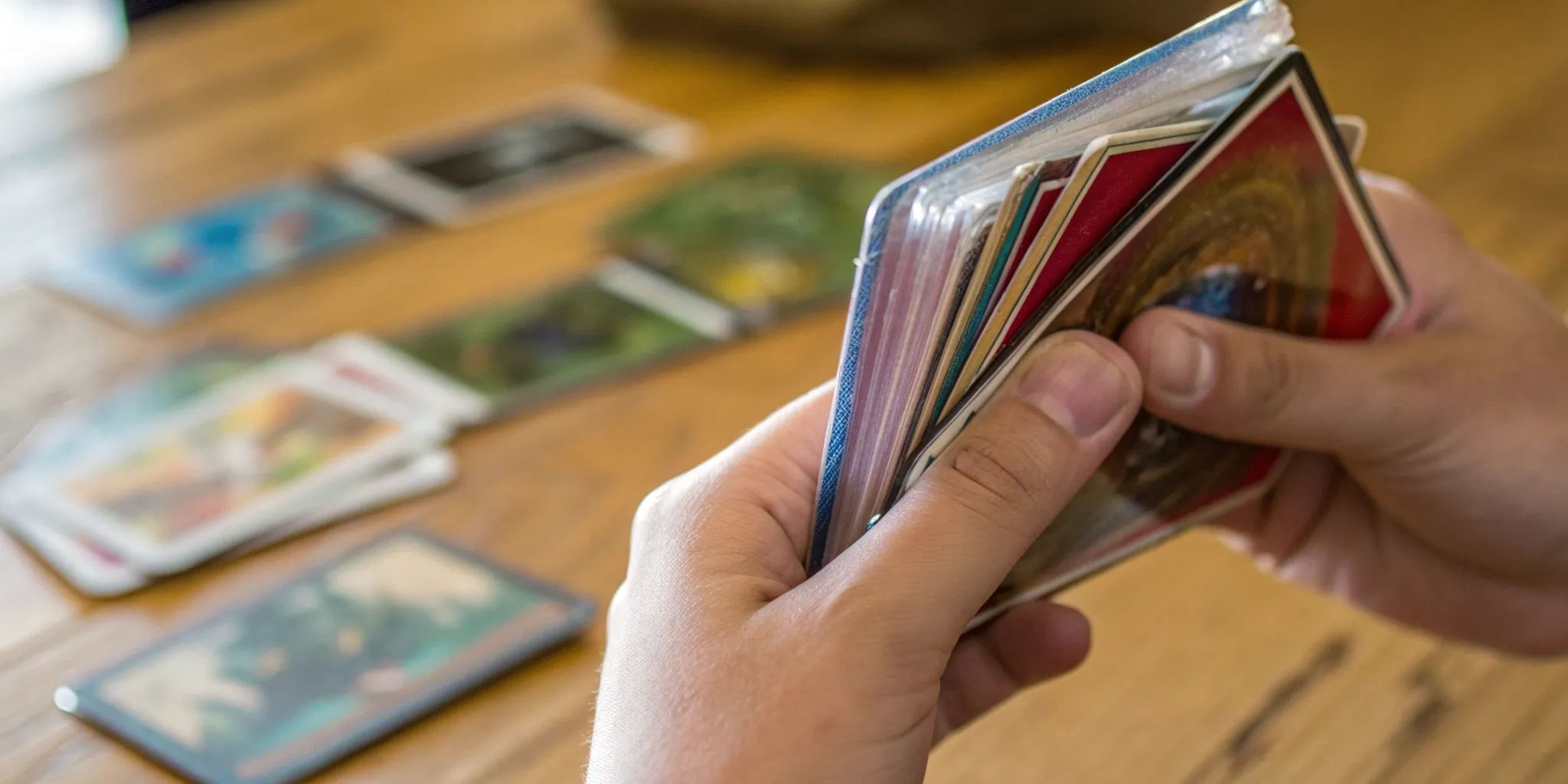
The world of sports cards has changed dramatically. It’s no longer just about trading with friends or finding dusty boxes at a garage sale. Today, the hobby is powered by online marketplaces, professional grading services, and innovative digital platforms that let you open packs from anywhere. This evolution has made collecting more accessible and exciting than ever before. This guide is built for the modern collector. We’ll cover the timeless fundamentals that every collector needs to know, while also showing you how to use today’s resources to find the best deals, track your collection’s value, and connect with a global community of fans.
Key Takeaways
- Define Your Collection's Focus: Avoid random buying by setting a clear goal. Whether you're chasing rookie cards of a specific player or completing a vintage set, having a purpose makes collecting more rewarding and helps you build a collection you'll love.
- Research Prices Before You Buy: Never guess a card's value. Use online price guides to check recent sales data for any card, graded or raw. This simple habit is the best way to spot good deals, avoid overpaying, and understand the market.
- Prioritize Proper Storage: Your collection is only as good as its condition. From the moment you get a new card, protect it. Use penny sleeves and top loaders for your best pulls and store them away from sunlight to maintain their value and appearance.
Why Collect Sports Cards?
There’s a certain magic to holding a piece of sports history in your hands. For many, collecting sports cards is a way to connect with the games and athletes they love. It might start with the simple thrill of ripping open a new pack, but it often grows into a lifelong passion. Whether you’re chasing the rookie card of a modern superstar or hunting for a vintage gem of a childhood hero, each card tells a story.
The hobby has seen a huge resurgence lately, and it’s not just about nostalgia. The sports card market is experiencing strong growth as new and seasoned collectors find value in everything from baseball and basketball to football and hockey. It’s a community where you can trade stories, share your latest finds, and connect with fans from all over the world. It’s a hobby that’s part treasure hunt, part history lesson, and completely your own.
Know the Types of Sports Cards
When you hear "sports cards," you might picture the classic cardboard baseball card, but the world of collectibles is much broader. Cards are made from various materials, including cardboard, silk, and plastic, and feature everything from player portraits and action shots to team logos and famous stadiums. The biggest names in the game today are Topps, famous for its long-standing MLB license, and Panini, which holds exclusive rights for the NFL and NBA. You’ll also come across cards from historic brands like Fleer, Bowman, and Upper Deck, each with its own legacy in the hobby.
Investing vs. Collecting for Fun
People get into sports cards for two main reasons: for the fun of it or as an investment. There’s no right or wrong answer—it’s all about what you want to get out of the hobby. On one hand, the global sports card sector is a multi-billion dollar industry, and many collectors treat their cards as serious assets, buying and selling to turn a profit.
On the other hand, you can simply collect for the love of the game. This approach is all about building a collection that’s meaningful to you. It’s about the excitement of discovery and trading with others to find the specific cards you want. For many, the best part is the thrill of opening a pack to see what’s inside, which is a great way to get new cards for your collection.
Set Your Collection Goals
Before you start buying, it’s smart to think about what you want to achieve. One of the most common mistakes new collectors make is buying cards without a clear purpose, which can lead to a disorganized collection and buyer’s remorse. Setting clear goals helps you stay focused and make better decisions.
Your goal can be anything you want. Maybe you want to collect every rookie card of your favorite player. Perhaps you want to complete a specific Topps baseball set from the year you were born. You could focus on a single team, collect only graded cards of Hall of Famers, or hunt for rare inserts. Whatever your aim, having a goal will guide your purchases and make the process more rewarding.
Find the Best Value: Top Sports Card Brands
When you’re starting a collection, knowing the major brands is the first step to finding real value. Each company has its own style, history, and exclusive deals with major sports leagues. This means if you want officially licensed MLB cards, you have to go to one brand, while another holds the keys to the NFL. Getting familiar with the "big three"—Topps, Panini, and Upper Deck—will help you focus your search and understand what makes certain cards so desirable. Let’s break down what each major brand brings to the table.
Topps: The MLB Leader
If you grew up with baseball cards, you know Topps. This brand is an absolute icon in the hobby and is the official home for Major League Baseball cards. For generations, the Topps logo has been synonymous with America's pastime, making their flagship sets and the coveted "Topps Chrome" series essential for any serious baseball collector. While they are the undisputed leader in baseball, Topps also produces cards for other sports like UFC and even dips into entertainment with collections for Marvel and Star Wars. Their long-standing reputation makes them a perfect starting point for any new collector.
Panini: The NFL Innovator
When it comes to modern football and basketball cards, Panini runs the show. As the exclusive trading card partner of the NFL and NBA, Panini is the only place to get officially licensed cards for today’s biggest stars. The company is known for its cutting-edge designs and innovative products, constantly pushing the envelope with popular lines like "Prizm" and "National Treasures." These sets are famous for their stunning chromium finishes, rare parallels, and sought-after rookie patch autographs. If you’re looking to collect the next generation of gridiron or hardwood legends, your collection will be built around Panini.
Upper Deck: The Hockey Powerhouse
Upper Deck burst onto the scene in 1989 and immediately changed the game with its premium quality, anti-counterfeit holograms, and tamper-proof packaging. Their 1989 Ken Griffey Jr. rookie card is one of the most iconic cards ever made and cemented the brand's legacy. Today, Upper Deck is the exclusive home for NHL trading cards, making it the go-to brand for hockey fans. Their "Young Guns" rookie cards are some of the most collected cards in the hobby year after year. While hockey is their specialty, Upper Deck also produces cards for other sports like golf.
Understand Product Lines: Base Sets vs. Premium Boxes
Once you’ve picked a brand, you’ll notice they sell cards in different formats. The most common are basic retail packs or "Value Boxes," which are great for beginners looking to build a base set of common cards. For more serious collectors, the real hunt happens in "Hobby Boxes." These premium products are sold in specialty card shops and online, and they guarantee a certain number of "hits" per box. These hits can include rare inserts, cards with player-worn jersey patches, and, the ultimate prize, certified autographs. Understanding the difference helps you spend your money wisely.
Discover Digital Packs like Packz
The thrill of ripping open a pack is timeless, and now you can experience it digitally. Platforms like Packz offer a modern way to collect, letting you open digital mystery packs from anywhere. It’s a fantastic way to get your hands on new cards and hunt for rare pulls without the clutter of unwanted base cards. After you open a pack, you decide what to do: have the physical cards shipped to your door or sell them back instantly for account credit. This lets you keep opening more packs to find the specific cards you’re looking for, making it a smart and exciting way to build your collection.
How to Value Sports Cards and Buy Smart
Okay, so you know which brands you’re interested in and you’ve set some goals for your collection. Now comes the fun part: finding the cards and making sure you’re paying a fair price. Understanding what gives a card its value is the key to building a collection you’re proud of without overspending. It’s not about being a financial expert; it’s about being an informed collector. Let’s walk through the essential factors that determine a card's worth and how you can buy with confidence.
Why Grading and Condition Matter
Think of a sports card's condition like the condition of a classic car—a few scratches can make a huge difference in value. Even a card fresh from the pack can have minor flaws like off-center printing or soft corners. This is where professional grading comes in. Companies like PSA, Beckett (BGS), and SGC are the industry standard for authenticating and evaluating cards. They assign a grade on a scale of 1 to 10, with a Gem Mint 10 being a virtually perfect card. A higher grade means a higher value, often by a significant margin. That’s why a player’s rookie card—their first official card—in top condition can be worth so much more than the same card with worn edges.
What Makes a Card Valuable?
Beyond its condition, a card's value is driven by a few key things: the player, the card's rarity, and collector demand. A card featuring a Hall of Famer or a current superstar will almost always be more sought-after than one of a lesser-known player. Rarity is another huge factor. Is it a standard base card, or is it a limited-edition parallel, an autographed version, or a short print with a smaller production run? The fewer copies that exist, the more desirable it becomes. Ultimately, a card is only worth what someone is willing to pay for it, so high demand from fellow collectors for a specific player or set can send prices soaring.
Use Tools to Research Prices
You don't have to guess what a card is worth. Before you buy, sell, or trade, do a quick price check using online resources. This is the single best way to make sure you’re getting a fair deal. Websites like SportsCardsPro are fantastic because they compile recent sales data from across the internet. You can look up specific cards and see what they’ve sold for, both as graded cards from companies like PSA and as "raw" or ungraded cards. Getting into the habit of checking prices will help you spot bargains, avoid overpaying, and understand the market value of the cards you already own. It’s a simple step that makes a world of difference.
How to Spot a Fake Card
As the hobby has grown, so has the number of counterfeit cards on the market. One of the most common mistakes new collectors make is not doing enough research and accidentally buying a fake. To protect yourself, always examine a card closely. Look for blurry images, off-brand coloring, or flimsy-feeling card stock. Compare the card you’re considering to images of confirmed authentic copies online. Pay attention to the font, logos, and copyright information. If you’re buying a high-value card, it’s often safest to purchase one that has already been authenticated and graded by a reputable company. When a deal seems too good to be true, it often is.
Follow Current Market Trends
The sports card market is alive and always changing. A player’s hot streak, a surprise trade, or a Hall of Fame induction can cause their card values to jump overnight. Staying on top of these shifts is part of the fun and helps you make smarter buys. The market has seen robust growth recently, with a renewed interest in both physical and digital collectibles. Follow sports news, listen to hobby podcasts, and join online collector communities to keep a pulse on what’s happening. Understanding current trends can help you identify which players might be undervalued or decide when it’s the right time to sell a card from your collection.
Where to Buy Cards and How to Protect Your Collection
Once you know what you’re looking for and how to spot a good deal, it’s time for the fun part: adding cards to your collection. Finding the right places to buy is just as important as picking the right cards. Whether you prefer the thrill of online pack openings or the community feel of a local shop, there are plenty of options out there. But acquiring the cards is only half the battle. Protecting your collection is key to preserving its condition and value for years to come. A little care goes a long way in making sure your favorite cards stay in mint condition. Let’s walk through where to find cards and how to keep them safe once they’re yours.
Find Trusted Online Retailers
The internet has made it easier than ever to find almost any card you can imagine. You can browse massive marketplaces like eBay, but it’s also worth checking out specialized online stores that focus exclusively on trading cards. These shops, like Major Sports Cards, often have a curated selection and knowledgeable staff. And of course, for a modern twist on collecting, you can try digital pack-opening platforms like Packz, where you can buy and open packs online. No matter where you shop, always check seller reviews and return policies. A reputable seller will have a long history of positive feedback and clear communication, giving you peace of mind with every purchase.
Visit Local Card Shops and Shows
There’s something special about hunting for cards in person. Visiting a local card shop lets you see the cards up close, inspect their condition, and chat with fellow collectors and knowledgeable owners. You can often find hidden gems that you might miss online. Card shows are another fantastic option, bringing together dozens of dealers under one roof. These events are perfect for finding rare cards, trading with other collectors, and immersing yourself in the hobby. Plus, buying in person means you can take your new cards home immediately without waiting for shipping. It’s a great way to connect with the community and learn from others who share your passion.
Use a Pre-Purchase Checklist
It’s easy to get caught up in the excitement of a potential purchase, but a little prep work can save you from buyer’s remorse. Before you pull the trigger, run through a quick checklist. First, do your research on the card’s current market value. Next, carefully examine the card’s condition for any flaws like soft corners or surface scratches. If you’re buying online, look at high-resolution photos and check the seller’s reputation. Finally, compare prices from a few different sources to make sure you’re getting a fair deal. This simple process helps you buy with confidence every time and avoid common collecting mistakes.
Store and Handle Your Cards with Care
You’ve just landed a great card—now what? Proper storage is non-negotiable if you want to protect its value. New collectors often underestimate the importance of this step. At a minimum, you’ll want penny sleeves (soft plastic sleeves) and top loaders (rigid plastic holders) for your most valuable cards. For larger collections, invest in dedicated storage boxes. When handling your cards, always hold them by the edges to avoid getting fingerprints on the surface. Keep your collection in a cool, dry place away from direct sunlight to prevent fading and warping over time. This small effort ensures your prized possessions stay in top shape.
Build a Collection That Fits Your Budget
Collecting should be fun, not a financial strain. It’s important to set a budget for your hobby and stick to it. Decide how much you’re comfortable spending each month or quarter, and focus on acquiring cards within that range. You don’t need to buy the most expensive cards to build an impressive collection. Use online price guides like SportsCardsPro to get a sense of what cards are worth and to find players or sets that align with your budget. Remember, collecting is a marathon, not a sprint. Building a collection you love over time is far more rewarding than overspending on a single purchase.
Related Articles
Frequently Asked Questions
What's the difference between a hobby box and the packs I can buy at a retail store? Think of retail packs, the kind you find at big-box stores, as your entry point. They're affordable and perfect for getting a feel for a new set or just enjoying the fun of opening a pack. Hobby boxes, which are sold at specialty card shops and online, are a more premium product. They cost more, but they guarantee you'll find a certain number of special cards, like autographs or pieces of player-worn jerseys, making them the preferred choice for more serious collectors.
Do I really need to get my cards graded? Not at all. Grading is a tool, and it’s not necessary for every card in your collection. It’s most useful for high-value cards, like a key rookie card or a rare vintage find, where professional authentication and a condition score can significantly increase its worth and make it easier to sell. If you’re simply collecting for personal enjoyment, there’s no need to grade anything unless you want to for preservation.
How can I be sure I'm not overpaying for a card? The best way to protect yourself from overpaying is to make research a quick, simple habit. Before you buy any card, especially one that costs more than a few dollars, take a minute to look up its recent sales prices online. Sites that track sales data from places like eBay will show you what that exact card, in similar condition, has actually sold for. This gives you a real-time snapshot of its market value so you can buy with confidence.
I'm just starting out. Should I focus on one player, one team, or a specific set? There's no wrong answer here, but having a focus will make your collecting journey much more rewarding. Starting with your favorite player or team is a fantastic way to begin because your personal connection will keep you engaged. If you prefer a more structured challenge, trying to complete a specific card set can be a really satisfying goal. The important thing is to pick a lane that excites you so you’re not just buying cards at random.
What's the main advantage of opening digital packs? The biggest benefit is efficiency. You get the same excitement of discovering what's inside a pack, but you don't end up with stacks of common cards you don't need. With a platform like Packz, you can open a pack, see what you got, and then immediately decide whether you want the physical card shipped to you or if you'd rather sell it back for credit. This lets you focus your budget on hunting for the specific cards you truly want for your collection.
Recommended Reading

Cash for Graded Sports Cards: The Fastest Ways to Sell
Get cash for graded sports cards faster. Compare auction houses, marketplaces, and instant buyback options to pick the route that fits your timeline.
How to Compare Value in Sports Card Packs
Learn how to compare sports card packs using card quality, available pulls, pricing clarity, and Packz’s 100% buyback option.
How to Buy Pokemon Packs Online for Ripping
Ready to buy pokemon packs online for ripping? Get transparent pack value and clear pull odds so you never overpay for the thrill of the hunt. Start collecting safely.