
February 23, 2026
Where to Buy Trading Cards: A Complete Guide
Find out where to buy trading cards online with tips for choosing the best shops, checking card value, and making smart purchases for your collection.
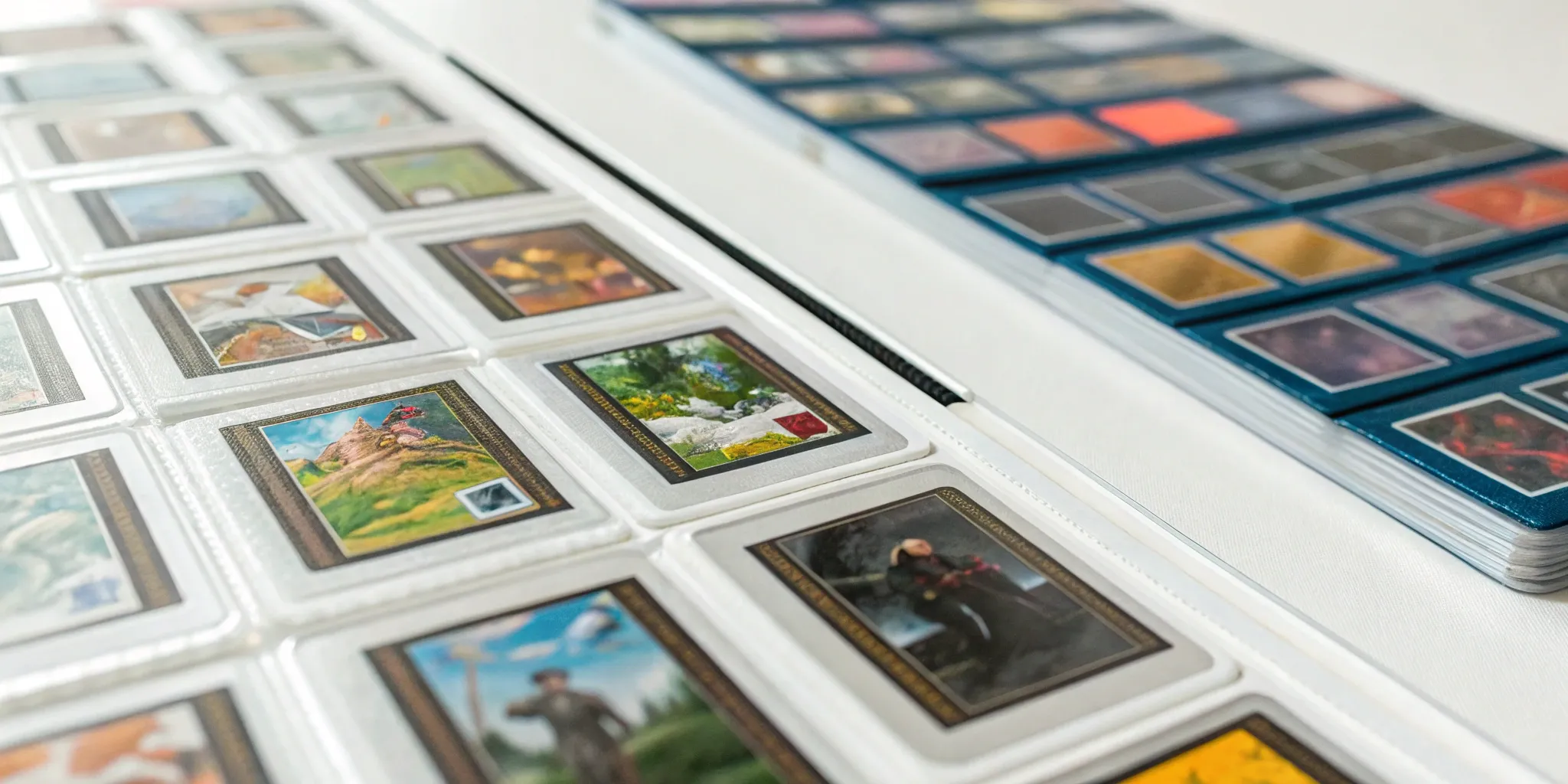
Building a trading card collection is more than just a hobby; for many, it’s a real investment. But making smart purchases requires more than just knowing which players are hot. It means understanding the marketplace itself. A great deal on one site might be an everyday price on another, and falling for a common buying mistake can be a costly lesson. This guide is designed to help you become a savvier collector. We’ll explore the best places to buy trading cards online, but more importantly, we’ll give you the tools to evaluate sellers, understand value, and protect your investment every step of the way.
Key Takeaways
- Know a card's market value before you buy: Avoid overpaying by checking recent sales data for comparable cards. A few minutes of research on pricing, seller reputation, and condition helps you make a confident and fair purchase.
- Choose the right platform for your collecting style: Different online venues serve different needs. Decide if you want the thrill of a digital pack, the vast selection of a marketplace, or the security of a direct retailer to find the best fit for your goals.
- Prioritize authenticity and condition: A card's physical state is a huge part of its value, so carefully examine photos and understand grading. Always buy from trusted sellers who guarantee their cards are genuine to protect your investment.
Where to Buy Trading Cards Online
Finding the right place to buy trading cards online can feel overwhelming, but knowing your options makes it much easier. Whether you're hunting for a specific single, a sealed box, or the excitement of a surprise pull, there's a platform that fits your collecting style. Let's walk through the most common places to build your collection online so you can find the perfect fit for your needs.
Digital Pack Platforms
If you love the excitement of opening a pack but want a modern twist, digital pack platforms are for you. These sites, like our own here at Packz, let you buy and open digital "mystery packs" right from your computer or phone. Inside, you'll find real, physical trading cards. After the reveal, you can choose to have the cards shipped to your door or sell them back instantly for account credit. It’s a fun and convenient way to experience the thrill of collecting without the clutter. This approach combines the classic joy of discovery with the ease of digital access, making it a popular choice for collectors who want immediate results.
Online Marketplaces
Online marketplaces are massive hubs where thousands of individual sellers and shops list their cards. Think of sites like TCGplayer, which is a go-to for trading card games like Pokémon, Magic: The Gathering, and Yu-Gi-Oh!. These platforms are fantastic for "card hunting" because you can find almost any specific card you’re looking for, from common cards to complete your set to rare chase cards. The key is to pay close attention to seller ratings and read reviews before you buy. Since you're buying from many different sellers, your experience can vary, but the sheer volume of available cards makes these marketplaces a staple for most collectors.
Direct From the Manufacturer
For guaranteed authentic and brand-new products, you can often buy directly from the source. Companies like Panini America sell official sealed boxes, packs, and sets for major sports leagues right on their websites. This is an excellent option if you want to get your hands on the latest releases as soon as they drop or find web-exclusive products you can't get anywhere else. While you might not find individual cards here, it’s the most straightforward and reliable way to buy factory-sealed trading cards. It removes any guesswork about authenticity and gives you direct access to the newest products on the market.
Established Online Retailers
Many brick-and-mortar card shops also run their own online stores. Retailers like Midwest Cards have built strong reputations by offering a curated selection of sealed products and single cards. These shops often provide a great balance of competitive pricing, reliable shipping, and knowledgeable customer service. Buying from an established online retailer gives you the expertise of a dedicated card shop with the convenience of shopping from home. They are a dependable source for both new and seasoned collectors, often providing a more personal touch than larger marketplaces. You can trust that their inventory is handled with care and expertise.
Auction Sites
Auction sites like eBay are a cornerstone of the card collecting hobby, especially for rare, vintage, and high-value graded cards. Here, you can bid against other collectors or use "Buy It Now" options to secure a card instantly. Auctions can be a great way to score a deal, but they also require careful research. The market can be volatile, with prices changing based on player performance and collector demand. Failing to research market trends is one of the biggest mistakes you can make, so always check recent sales data to understand a card's current value before you place a bid.
How to Value a Trading Card Before You Buy
Finding a card you’ve been hunting for is an incredible feeling, but it’s easy to get swept up in the excitement and overpay. Before you click “buy,” taking a few minutes to research a card’s value can save you from buyer’s remorse and help you build a collection that’s both personally and financially rewarding. The trading card market is dynamic, with prices changing based on everything from player performance to collector demand.
Think of valuing a card as a simple, four-step process. First, you’ll look at what the card is currently selling for. Next, you’ll consider what makes it special, like its rarity or the player’s recent hot streak. Then, you’ll examine its physical condition, which is a huge factor in its price. Finally, you’ll use some handy tools to pull all that information together. Let’s break down how to do it.
Check Current Market Prices and Recent Sales
The first rule of card buying is to focus on comps, or comparable sales. A card is only worth what someone recently paid for it. The sports card market can be volatile, with prices fluctuating based on player performance and market trends, so a price from six months ago might not be relevant today. A player having a monster game on Sunday can cause their card prices to jump by Monday morning.
To find current comps, check the "sold" listings on marketplaces like eBay. This shows you actual transaction prices, not just the optimistic asking prices sellers have listed. You can also use dedicated price guide websites that aggregate sales data from various auction houses and marketplaces. This gives you a solid baseline for what you should expect to pay.
Factor in Rarity, Scarcity, and Player Performance
Two cards of the same player can have wildly different values, and it usually comes down to rarity. Investing in rookie cards, collecting limited editions, and understanding the impact of player performance on card value are key parts of smart collecting. Look for cards with low print runs, which means fewer were made. This includes short prints (SPs), serial-numbered cards (e.g., #/99), and rare color variations called parallels.
A player’s performance is also a major driver of value. A rookie who suddenly becomes a superstar will see their card prices soar. Similarly, a veteran player leading their team to a championship can create a huge surge in demand. Scarcity combined with high performance is the recipe for a highly valuable card.
Assess the Card's Condition and Grade
Condition is everything in the trading card world. A card that looks perfect to the naked eye might have tiny flaws like a soft corner or a print line that can significantly lower its value. This is why professional grading is so important. Companies like PSA, BGS, and SGC authenticate cards and assign them a grade on a 1-10 scale, with 10 (Gem Mint) being the best. A PSA 10 will almost always sell for much more than a PSA 8 or 9 of the same card.
When buying raw, ungraded cards, you have to be your own detective. Scrutinize high-resolution photos and be wary of sellers who use blurry images. When it comes to vintage cards, you also need to be vigilant about avoiding fakes, as reproductions are common. Buying professionally graded cards removes the guesswork and guarantees both authenticity and condition.
Use Price Comparison and Market Tracking Tools
You don’t have to do all this research manually. Several online tools can help you track the market and make smarter buying decisions. Platforms like Card Ladder and Market Movers compile sales data from multiple sources and present it in easy-to-understand charts and graphs. You can see a card’s sales history over time, helping you identify if you’re buying at a peak or during a dip.
Using these tools helps you move beyond a single comp and see the bigger picture. They give you the data to confidently decide if a price is fair and if a card is a good addition to your collection at its current market value. Think of it as your secret weapon for making informed, data-driven purchases instead of purely emotional ones.
What to Look for in an Online Card Shop
Once you’ve found a few potential online shops, it’s time to vet them. Not all retailers are created equal, and a little homework can save you from a bad experience. Think of it like adding a new player to your team; you want to make sure they’re a good fit and can be trusted when the game is on the line. A great online shop does more than just sell cards. It provides a reliable, enjoyable experience that makes you want to come back. Here are the key things to look for before you click “buy.”
Transparent Pricing and Available Discounts
A trustworthy shop is upfront about its prices. You should be able to see the cost of the card, shipping, and any taxes without having to dig for it. Look for shops that offer competitive prices that align with the current market. If a deal seems too good to be true, it might be. Beyond the sticker price, check for any available discounts, loyalty programs, or special promotions. Many shops reward repeat customers, which can add up to significant savings over time. Clear pricing helps you feel confident that you’re getting a fair deal for your purchase.
Shipping Costs, Speed, and Packaging
There’s nothing worse than waiting weeks for a card to arrive, only for it to show up damaged. A reliable online card shop should have a clear shipping policy that outlines costs and estimated delivery times. Fast shipping is a huge plus, but secure packaging is non-negotiable. Your cards should be well-protected in sleeves, top loaders, and bubble mailers to prevent any dings or bends during transit. A shop that invests in proper shipping supplies shows that they care about the cards and their customers as much as you do.
Product Selection and Inventory
Whether you’re hunting for a specific rookie card or just browsing for fun, a diverse product selection is a major plus. The best online shops have a wide range of cards across different sports, eras, and brands. A great sign of a customer-focused retailer is one that is willing to source cards they don't currently have in stock. This shows they’re committed to helping you build your collection and are a true partner in the hobby. A deep and varied inventory means you’re more likely to find exactly what you’re looking for.
Customer Service and Return Policies
Excellent customer service can make all the difference. Before you buy, check to see if the shop has easily accessible contact information and responsive support. It’s also a good idea to review their return policy. A clear and fair return policy shows that a company stands behind its products and values customer satisfaction. If something goes wrong with your order, you want to know that a helpful person is ready to make it right. Look for shops that prioritize building a positive relationship with their customers.
Guarantees for Authentication and Condition
Protecting your investment is paramount, especially when buying valuable or vintage cards. The market for fakes is unfortunately quite active, so it’s essential to buy from a source you trust. Look for shops that provide guarantees for the authenticity and condition of their cards. Many reputable dealers will only sell graded cards from services like PSA, BGS, or SGC, which provides an extra layer of security. Understanding how to spot a fake card yourself is a valuable skill, but buying from a shop with strong authentication policies is your best defense.
Which Trading Cards Are Worth Buying?
Deciding which trading cards are worth your money really comes down to your personal goals. Are you looking for a long-term investment, a quick flip, or simply a card of a player you admire? The "best" cards to buy will be different for everyone. For some, value is tied directly to a card's potential to appreciate over time. For others, the value is purely sentimental, connecting them to a favorite team or a nostalgic moment.
A great starting point is to focus on what genuinely interests you. If you’re a huge basketball fan, start there. If you grew up with Pokémon, that’s your sweet spot. Collecting is much more rewarding when you have a passion for the subject. From there, you can begin to identify specific cards, players, or sets that align with your budget and collection goals. Understanding the key brands, the difference between rookie and veteran cards, and the appeal of special editions will help you make smarter, more confident buying decisions.
Key Sports Card Brands to Know
When you're buying sports cards, sticking with reputable brands is always a smart move. Brands like Panini America are a great place to start, as they hold official licenses for major leagues like the NFL and NBA. This means you're getting authentic, high-quality cards that are recognized across the hobby. Another major player is Topps, famous for its long history with Major League Baseball. Beyond the manufacturers themselves, established dealers like Midwest Cards offer a wide selection of products from all the top brands. Focusing on these well-known names helps ensure you're buying legitimate products with established market value.
What About Pokémon and Other TCGs?
The trading card world extends far beyond sports. Trading card games (TCGs) like Pokémon, Magic: The Gathering, and Yu-Gi-Oh! have massive, dedicated fan bases and incredibly valuable cards. The same principles of rarity, condition, and demand apply here. First edition, holographic, and promotional cards are often the most sought-after. For TCGs, a great resource is TCGplayer, an online marketplace where you can check prices and buy single cards or sealed products. Whether you're chasing a Charizard or building a competitive deck, the TCG market offers a deep and exciting world for collectors to explore.
Rookie Cards vs. Established Players
One of the biggest debates in sports card collecting is whether to focus on rookie cards or the cards of established superstars. Investing in rookie cards is a high-risk, high-reward strategy. If a promising young player becomes a legend, the value of their rookie card can skyrocket. On the other hand, if they don't live up to the hype, the card's value can plummet. Collecting cards of proven legends like Michael Jordan or Tom Brady is a safer bet. Their values are more stable and less likely to fluctuate wildly, though they may offer less potential for explosive growth. Your choice depends on your personal risk tolerance.
The Appeal of Limited Edition and Special Releases
Rarity is a huge driver of a card's value. That’s why limited edition and special release cards are so popular. These include short-printed cards (fewer were made), autographed cards, and "relic" cards containing a piece of a player's jersey. These unique items are highly prized by collectors and often command premium prices. This trend is especially popular with a new generation of collectors who are drawn to the thrill of finding something truly unique. When you're looking for cards with high investment potential, always keep an eye out for these special, hard-to-find releases.
How to Avoid Common Card Buying Mistakes
Jumping into the trading card market is exciting, but it’s easy to make a few missteps along the way. Whether you’re chasing a grail card or just building your collection, a little bit of know-how can save you from buyer’s remorse. Being a smart collector means protecting your investment and making sure you’re genuinely happy with every purchase. By keeping a few key principles in mind, you can confidently add to your collection without falling into common traps.
Research Market Value to Avoid Overpaying
One of the biggest mistakes you can make is buying a card without knowing its current market value. The trading card market is dynamic, with prices that can change based on player performance, hype, and overall demand. Before you click "buy," do some homework. Check recent sales of the same card (in the same condition) on auction sites or marketplaces. Using a price comparison tool can give you a solid baseline, ensuring you don’t overpay for an exciting find. This simple step helps you understand what a fair price looks like right now.
Verify the Seller and the Card's Authenticity
Always know who you’re buying from. A great deal from a seller with no history or negative reviews is a major red flag. Take a moment to check their feedback and reputation on the platform. For high-value cards, authenticity is everything. If a card isn't professionally graded, you're taking a bigger risk. Familiarize yourself with the signs of counterfeit cards and always buy from reputable dealers or platforms that offer buyer protection. Your peace of mind is worth the extra diligence.
Account for Shipping and Other Fees
The price you see listed for a card is rarely the final amount you’ll pay. It’s easy to get caught up in the excitement of winning an auction, only to be surprised by the extra costs. Always factor in shipping, handling, and insurance, especially for valuable cards that need careful packaging. If you're buying from an international seller, you might also have to pay taxes or customs fees. Add up all these potential costs beforehand to determine your true total and decide if the card is still within your budget.
Understand Condition and Grading Standards
A card's condition is one of the most significant factors in determining its value. A tiny corner ding or a faint surface scratch can be the difference between a card worth a few dollars and one worth thousands. Learn the basics of card condition, from mint to poor. For valuable cards, professional grading services provide a standardized, third-party assessment of a card’s quality. When buying online, examine photos carefully and read the description thoroughly to make sure you know exactly what you’re getting.
Set a Clear Budget and Collection Goals
It’s easy to get carried away and overspend without a plan. Before you start shopping, decide how much you’re comfortable spending and stick to it. It also helps to have a clear goal for your collection. Are you trying to collect every rookie card for your favorite player? Are you building a specific set? Having a focus helps you make purposeful purchases instead of just buying cards at random. A well-defined budget and clear goals will lead to a more satisfying and sustainable collecting experience in the long run.
Related Articles
- Best Places to Sell Trading Cards for Cash | Packz Blog
- The Best Places to Buy Virtual Sports Card Boxes | Packz Blog
- Sell Pokémon Cards Online Instantly: Guide & Best Sites | Packz Blog
Frequently Asked Questions
What's the real difference between a digital pack platform and a big marketplace? Think of it this way: a digital pack platform gives you the thrill of the hunt, while a marketplace is for when you already know what you're hunting. On a platform like Packz, you get the surprise and excitement of opening a pack to see what's inside. On a marketplace like eBay or TCGplayer, you're typically searching for a specific single card to buy directly from one of many different sellers.
Should I start by buying graded cards or raw cards? If you're just starting out, buying graded cards is often a safer bet. A graded card has been authenticated and its condition has been verified by a professional third-party company, so you know exactly what you're getting. Buying raw (ungraded) cards requires a good eye for detail to assess the condition yourself, which can be tricky until you have more experience.
How can I be sure I'm not overpaying for a card? The best way to avoid overpaying is to do a quick search for "comps," which are recent, comparable sales of the same card. Look at the sold listings on sites like eBay to see what people have actually paid for that card in a similar condition. This gives you a realistic baseline for its current market value, so you can feel confident in the price you're paying.
Is it smarter to buy rookie cards or cards of famous, established players? This really depends on your personal goals and how much risk you're comfortable with. Rookie cards have the potential for huge growth if the player becomes a superstar, but they can also lose value if the player doesn't live up to the hype. Cards of established legends are much more stable and are generally a safer long-term hold, though they may not see the same explosive price jumps.
Besides the price, what's the most important thing to look for in an online seller? Look for a seller with a strong, positive reputation. Check their ratings and read reviews from other buyers to see what their experience was like. A trustworthy seller will also have clear policies for shipping and returns, and they will use high-quality photos that show the card's true condition. A great reputation is often the best indicator of a smooth and reliable transaction.
Recommended Reading
Cash for Graded Sports Cards: The Fastest Ways to Sell
Get cash for graded sports cards faster. Compare auction houses, marketplaces, and instant buyback options to pick the route that fits your timeline.
How to Compare Value in Sports Card Packs
Learn how to compare sports card packs using card quality, available pulls, pricing clarity, and Packz’s 100% buyback option.
How to Buy Pokemon Packs Online for Ripping
Ready to buy pokemon packs online for ripping? Get transparent pack value and clear pull odds so you never overpay for the thrill of the hunt. Start collecting safely.