
February 3, 2026
Trading Cards 101: A Complete Guide for Beginners
Get started with trading cards. Learn about card types, brands, value factors, storage tips, and smart buying strategies in this beginner-friendly guide.
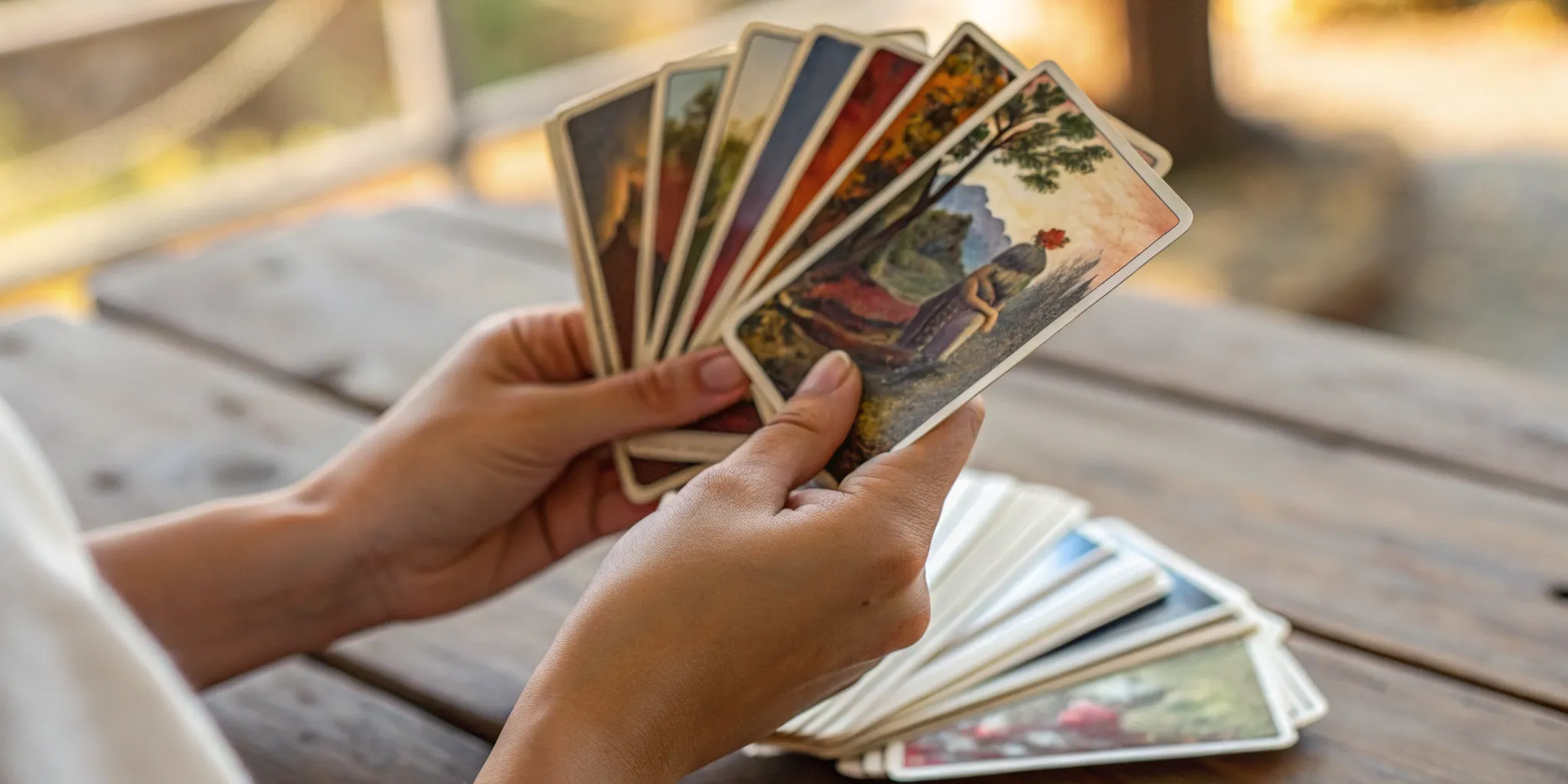
The way we collect trading cards has changed dramatically. Gone are the days of keeping your best cards in a binder under your bed. Today, the hobby is a dynamic mix of physical collecting and digital innovation. You can rip open a mystery pack on your phone, get your cards professionally graded without leaving the house, and connect with a global community of collectors online. This guide will walk you through the modern state of the hobby. We’ll explore the differences between digital and physical cards, discuss the market trends you should be watching, and give you the essential tips to protect your best pulls.
Key Takeaways
- Condition and Rarity Dictate Value: A card's price is primarily set by its physical condition and scarcity. Factors like player popularity and current market demand build upon that foundation, but a pristine, rare card will almost always hold the most value.
- Collect with a Clear Goal: Avoid costly mistakes by defining what you want to collect. Having a focus—whether it's a specific player, team, or set—prevents impulse buys, helps you sidestep temporary hype, and builds a more cohesive and valuable collection.
- Leverage Both Digital and Physical Formats: The modern hobby offers the best of both worlds. Use digital platforms for the instant excitement of opening packs and managing your collection, then choose to have your favorite physical cards shipped to you for long-term ownership and display.
What Are Trading Cards?
So, what exactly are trading cards? Simply put, they’re collectible cards featuring images and info on all sorts of subjects, from athletes to fantasy creatures. They’ve been around for over a century, evolving from simple inserts in product packaging to valuable memorabilia and the foundation for strategic games. Whether you’re drawn to the stats on the back of a baseball card or the artwork on a Pokémon card, you’re tapping into a rich history of collecting. Most cards fit into a few key categories, which can help you find what you’re most passionate about collecting.
Sports Cards
This is the classic category that many people picture first. Sports cards feature athletes from leagues like the NBA, NFL, and MLB, capturing iconic moments in sports history. Each card is a mini-biography, often packed with player stats, key career highlights, and a great action shot. For many, collecting is a way to connect with their favorite players and teams, holding a piece of their legacy in their hands. The history of sports cards is rich, starting as simple advertisements and growing into a massive hobby. Whether you’re chasing a rookie card of a future hall-of-famer or a vintage card of a childhood hero, sports cards offer a tangible link to the games we love.
Collectible Card Games
Unlike sports cards, which are primarily for collecting, these cards are made to be played. Collectible card games, or CCGs, combine the thrill of collecting with strategic gameplay. The most famous example is the Pokémon TCG, where players build decks of their favorite characters to battle opponents. Each card has specific abilities, strengths, and weaknesses, making deck-building a creative and competitive process. The goal isn't just to find the rarest cards, but to assemble a powerful and synergistic team. If you're new to the gaming side, you can easily learn how to play the Pokémon TCG and see how your collection can come to life in a match.
Non-Sport Entertainment Cards
This massive category covers pretty much everything else in pop culture. Non-sport entertainment cards feature characters, scenes, and artwork from movies, TV shows, comic books, and even popular artists or historical events. Think of cards for franchises like Star Wars, Marvel, or Game of Thrones. These cards appeal directly to fans, offering a different way to engage with the stories and worlds they love. Instead of player stats, you might find character backstories, quotes, or behind-the-scenes facts. It’s a diverse corner of the hobby where you can find all sorts of unique sets, from vintage movie posters on cards to modern sets with actor autographs.
Trading Card Brands to Know
Getting into trading cards means getting to know the major players. Different brands specialize in different things, from classic baseball cards to the latest Pokémon releases. Understanding who makes what will help you focus your collection and find the cards you're most excited about. Here are a few of the biggest names you'll see.
Packz
Packz is changing the game for modern collectors. Instead of just being a manufacturer, we offer a unique digital experience. You can buy and open mystery packs online, revealing graded cards from top brands like Pokémon and Panini right on your screen. The best part? You decide what happens next. You can have your new cards shipped directly to you, or you can sell them back to us instantly for account credit. It’s all the thrill of the hunt, streamlined for today’s collector.
Topps
If you’ve ever thought about baseball cards, you’ve probably thought about Topps. This brand is an absolute icon in the trading card industry, with a history stretching back decades. They are famous for their classic baseball sets, but they also produce cards for other sports and major entertainment franchises. For many collectors, Topps represents the gold standard in quality and tradition. Owning a classic Topps card feels like holding a piece of sports history, which is why the brand remains a cornerstone of the hobby for both new and veteran collectors.
Panini
When it comes to modern sports cards, Panini is a powerhouse. As the official trading card partner for major leagues like the NFL, NBA, and FIFA, they are the go-to for cards featuring today’s biggest stars. Panini America is known for its high-end products, stunning designs, and sought-after rookie cards. If you're looking to collect cards of your favorite current athletes, from quarterbacks to basketball phenoms, chances are you’ll be looking for a Panini card. Their commitment to quality and official licensing makes them a trusted name for serious sports collectors.
Pokémon Company International
Stepping away from sports, you can't talk about trading cards without mentioning Pokémon. What started as a game has exploded into a global collecting phenomenon. The Pokémon Company International is behind the wildly popular trading card game that has captured the hearts of millions. With its vibrant artwork, strategic gameplay, and a massive roster of beloved characters, Pokémon cards appeal to a huge audience of players and collectors alike. From rare holographic Charizards to the newest releases, these cards have a dedicated fan base that keeps the market exciting and active.
What Makes a Trading Card Valuable?
Ever wonder why one piece of cardboard is worth a few cents while another can fetch thousands of dollars? It’s not random magic. A trading card's value comes from a specific blend of factors that collectors and investors have agreed upon over time. Think of it like a recipe with four main ingredients: the card's physical condition, its rarity, the popularity of the player or character, and the current market demand. Understanding how these elements work together is the first step to building a collection you can be proud of, whether you’re in it for the love of the game or as a serious investment. Let's break down exactly what you should be looking for.
Card Condition and Grading
The physical condition of a card is one of the most critical factors in determining its value. A card fresh from the pack isn't automatically perfect. Professional grading companies assess cards on a scale (usually 1-10), and a high grade can multiply a card's worth. The process of how trading cards are graded focuses on four main things: centering, corners, edges, and surface. A perfectly centered image, four sharp corners, clean edges, and a flawless surface with no scratches or print dots are what everyone is chasing. Even a tiny flaw can be the difference between a good card and a truly great one, so examining condition is a skill every collector needs to develop.
Rarity and Scarcity
Basic economics applies here: the rarer a card is, the more valuable it’s likely to be. Scarcity can come from a few sources. Some cards are "short printed," meaning the manufacturer produced fewer of them than other cards in the same set. Others are serial-numbered, with the exact number of copies stamped right on the card (e.g., 25/99). The ultimate prize is a "1-of-1" card, which is literally the only one of its kind. This combination of rarity and desirability has helped the trading card market mature into a legitimate alternative asset class. When you find a card with a low population count, you know you’re holding something special.
Player Popularity and Performance
A card is only as famous as the player on it. A rookie card of a hall-of-fame athlete will almost always be more valuable than a card of a lesser-known player from the same set. Key factors include a player's stats, championships, individual awards, and overall legacy. For Pokémon, this translates to the popularity and power of the character. As experts note, cards of iconic athletes like Tom Brady and LeBron James often promise significant returns for investors. A player having a breakout season or hitting a major milestone can also cause their card prices to spike. That’s why rookie cards are so prized—they represent the very beginning of a potentially legendary career.
Market Demand
Finally, a card’s value is sealed by market demand. A card can be pristine and rare, but if nobody wants it, it won’t be valuable. Demand is shaped by what’s currently popular in the hobby. Nostalgia is a huge driver; collectors who grew up in the '80s and '90s are now buying back the cards of their childhood heroes. Social media and online communities also play a massive role in highlighting certain players or sets, creating buzz that can quickly influence prices. The overall health of the hobby and the trends in the sports card market create a dynamic environment where demand can shift. Staying aware of these trends is key to understanding what people are looking to buy.
How to Judge a Card's Quality Before You Buy
Buying a trading card without knowing its condition is a huge gamble. You wouldn't buy a car without checking under the hood, and the same principle applies here. Learning to spot the signs of a high-quality card is one of the most important skills you can develop as a collector. It protects your investment and helps you build a collection you can be proud of.
This is why graded cards are so popular—they remove the guesswork. When you pull a graded card from a Packz mystery pack, you know a team of professionals has already authenticated and assessed its condition. Still, understanding why a card receives a certain grade is crucial. It makes you a smarter collector and helps you appreciate the true value of what’s in your hand. Let’s break down what to look for.
Understand Grading Systems
Professional grading companies are the industry's trusted third-party assessors. While companies like Professional Sports Authenticator (PSA), Beckett (BGS), and SGC have their own specific scales and labels, they all evaluate a card's condition based on a similar set of criteria. The most common system is a 10-point scale, where a 10 represents a flawless, "gem mint" card, and the numbers descend from there based on the presence of imperfections. Understanding this scale is the first step to deciphering a card's value. A single grade point can mean the difference of thousands of dollars for a rare card, so familiarizing yourself with the basics of grading standards is time well spent.
Examine Key Condition Factors
Whether you're looking at a raw card or a graded one, the grade is determined by four key physical traits. Think of these as the four pillars of card condition.
- Centering: This refers to how well the card's artwork is centered within the borders. A perfectly centered card will have even borders on all four sides.
- Corners: Look for four sharp, crisp corners. Any rounding, fraying, or "softness" will lower the grade. Even tiny flaws can make a big impact.
- Edges: Check the edges for smoothness. Chipping or "whitening," where the colored ink has flaked off, are common issues that bring down a card's score.
- Surface: The surface should be clean and smooth. Look for scratches, print lines, dimples, or stains. Holding the card at an angle under a good light source can help reveal imperfections.
Look for Authentication and Certification
How can you be sure a card is real and hasn't been altered? That's where authentication and certification come in. When a card is graded by a reputable company, it's authenticated as genuine and then encapsulated in a tamper-proof plastic slab. This slab, often called a "case," serves as a certificate of authenticity and displays the card's unique certification number and grade. This process protects you from the growing market of fakes and reprints. Buying graded cards is one of the safest ways to collect, as you're not just buying the card; you're buying the confidence that comes with a professional, unbiased assessment.
Research Current Market Values
A card's condition is directly tied to its market value. Before you buy, sell, or trade, you need to do your homework. A Gem Mint 10 version of a card can be worth many times more than a Near Mint 7 of the exact same card. Use online resources to check recent sales data for the specific card and grade you're interested in. This will give you a clear picture of its current market rate and help you make smart decisions. Understanding the price differences between grades ensures you don't overpay for a card or sell one for less than it's worth.
Where to Buy Trading Cards Online
The internet has completely changed the game for card collectors, opening up a global marketplace right at your fingertips. Whether you're hunting for a specific rookie card or just love the surprise of a fresh pack, there are more ways than ever to build your collection online. The key is knowing where to look and how to shop smart. From innovative digital experiences to massive online marketplaces and niche specialty shops, let's walk through the best places to find your next favorite card. Each option offers a different experience, so you can find the one that best fits your collecting style and goals.
Digital Mystery Packs from Packz
If you love the thrill of opening a pack but want a modern twist, you have to check out digital mystery packs. Packz lets you buy and rip open packs virtually, giving you that same rush of excitement without waiting for shipping. After you see what you’ve pulled, you have options. You can have the physical cards sent directly to you, or you can sell them back instantly for a credit to your account. This is perfect for when you want to keep opening packs and chasing those big hits. It’s a fun, fast-paced way to collect that combines the classic joy of the hobby with the convenience of technology.
Online Marketplaces
Think of online marketplaces as the world's largest card show, available 24/7. Platforms like eBay and TCGplayer are massive hubs where you can find almost any card imaginable, from vintage singles to modern sealed boxes. Because you’re buying from countless individual sellers, prices are often very competitive. The sheer volume can be a huge advantage, but it also means you need to do your homework. Always check a seller’s ratings and read recent reviews before you buy. These marketplaces are fantastic for price comparison and finding specific cards to fill gaps in your collection.
Specialty Retailers
For collectors who have a specific focus, specialty retailers are a goldmine. Companies like Panini America are the official source for licensed sports cards for leagues like the NFL and NBA, offering exclusive collections and memorabilia. Other retailers might specialize in non-sport entertainment cards or specific collectible card games. Buying from these dedicated stores often gives you access to unique products you won't find elsewhere and the assurance that you're getting authentic items directly from the source. If you’re deeply invested in a particular sport or franchise, these retailers should be your first stop.
Payment Options and Security
No matter where you decide to buy, keeping your transactions safe is a top priority. Always use secure payment methods like a credit card or PayPal, which offer buyer protection in case something goes wrong. Before you click "buy," take a moment to vet the seller. Look for clear photos of the card, a detailed description, and a fair return policy. Reading through seller feedback is one of the easiest ways to avoid common collector mistakes and ensure you’re dealing with someone reputable. A little bit of caution upfront can save you a lot of headaches later.
Digital vs. Physical Cards: What's the Difference?
The debate between digital and physical cards is a hot topic in the collecting world, but the truth is, there’s room for both. Each format offers a different experience, and your preference might change depending on your goals. Are you in it for the thrill of the rip and the ease of trading, or do you crave the tangible feeling of holding a piece of history in your hands? Many modern platforms, including Packz, actually bridge this gap by offering a digital-first experience backed by real, physical cards. Let's break down the unique qualities of each.
The Perks of Digital Cards
Digital cards are all about speed, convenience, and accessibility. Think about it: you get instant access to your cards the moment you open a pack, with no waiting for shipping. Storage is a breeze—you don’t need binders, boxes, or a dedicated room to house your collection. Instead, everything is neatly organized in your digital account, safe from physical damage like spills or bent corners. This format makes it incredibly easy to trade without physical handling, allowing you to buy, sell, or swap cards with anyone, anywhere, in just a few clicks. It’s a modern, streamlined approach to the hobby that fits perfectly into a busy lifestyle.
The Appeal of Physical Cards
For many collectors, nothing beats the real thing. Physical cards offer a tangible connection to the hobby that digital versions can’t replicate. It’s about the sensory experience—the smell of a freshly opened pack, the texture of the cardstock, and the way the foil finish catches the light. There's a certain pride that comes with sliding a prized card into a protective sleeve and displaying it on a shelf. This physicality makes your collection feel more personal and real. It’s this classic appeal that got most of us into collecting in the first place, and it remains a powerful part of the hobby’s charm.
Investing in Each Format
Trading cards have grown into a serious alternative asset class, and both digital and physical formats offer unique investment opportunities. Digital cards provide incredible liquidity; you can buy and sell them instantly on various platforms, making it easier to react to market changes. Physical cards, especially high-grade and rare ones, are the bedrock of the investment world, often seen as more stable, long-term assets. The best approach often involves a mix of both. Services like Packz give you the best of both worlds: the instant excitement of a digital reveal combined with the option to receive the physical, investment-grade card for your long-term collection.
Avoid These Common Collector Mistakes
We’ve all been there. You’re new to a hobby, your excitement is through the roof, and you dive in headfirst. While that enthusiasm is the best part of collecting, it can sometimes lead to a few rookie mistakes. Think of this as your friendly guide to sidestepping those common pitfalls that can turn a fun pastime into a frustrating money pit. Learning what to avoid early on will not only save you from buyer's remorse but will also help you build a trading card collection that you’re truly proud of for years to come.
The world of trading cards is vast, and it's easy to get overwhelmed by the sheer volume of options. You might feel pressured to buy the hottest cards or grab every shiny pack you see. But the most successful and satisfied collectors are the ones who are patient, informed, and strategic. They understand that building a great collection is a marathon, not a sprint. By taking a moment to learn from the experiences of others, you can approach your collection with confidence. From buying cards on a whim to overlooking a tiny flaw that tanks a card's value, these are the mistakes many new collectors make—and how you can easily avoid them.
Overspending Without a Goal
It’s so easy to see a cool-looking card and hit "buy" without a second thought. But a pile of random cards doesn't always make a great collection. The key is to collect with intention. Before you spend, ask yourself: What am I trying to build? Maybe you want to collect every rookie card of your favorite quarterback or complete a base set of a specific Pokémon expansion. Setting a clear goal gives your collection a purpose and helps you filter out impulse buys that don't fit your vision. This focus makes the hunt more exciting and your final collection much more rewarding.
Ignoring Card Condition
In the world of trading cards, condition is everything. A tiny crease or a soft corner can be the difference between a card worth a few dollars and one worth thousands. Before buying any card, especially a high-value one, inspect it closely. Look for sharp corners, clean edges, a scratch-free surface, and good centering. Think of it this way: a pristine, perfectly centered common card can often be more valuable than a rare, sought-after card in poor shape. Understanding the basics of card condition can make or break your collection’s long-term value, so don't skip this crucial step.
Chasing Hype Instead of Value
The trading card market can feel like the stock market sometimes, with prices for certain players or cards skyrocketing overnight. It's tempting to jump on the bandwagon, but chasing hype is a risky game. Often, these prices are inflated by short-term excitement and aren't sustainable. Instead of buying a card just because everyone else is, do your own research. Look at a card's sales history on sites like 130Point to understand its true market value. A smart collector buys what they love and what has lasting value, not just what's trending this week. This protects you from overpaying and getting stuck with a card that plummets in price.
Failing to Focus Your Collection
When you first start, the urge to collect a little bit of everything is strong. A basketball card here, a Pokémon card there—soon you have a big, disorganized box. While there's nothing wrong with variety, the most impressive and often valuable collections are focused. Instead of trying to chase every set, find your niche. Do you love '90s basketball inserts? Are you passionate about a specific Pokémon artist? Focusing on what you genuinely love makes collecting more enjoyable and manageable. It allows you to become an expert in your chosen area and build a cohesive collection that tells a story—your story.
How to Store and Protect Your Trading Cards
You’ve just opened a pack and pulled a monster card. The excitement is real, but the next step is just as important: protecting your new prize. Proper storage is about more than just staying organized; it’s about preserving the condition and value of your cards for years to come. A small crease or faded corner can significantly drop a card's value, so let's cover the essentials for keeping your collection in mint condition.
Use Protective Sleeves and Cases
This is the first and most critical line of defense. The easiest and most affordable way to protect your cards is with soft plastic sleeves, often called "penny sleeves." These shield the card's surface and corners from minor scratches and dust.
For your more valuable pulls—the rookies, autos, and rare inserts—you'll want to step up the protection. A top-loader is a rigid plastic case that prevents bends and creases. Here’s a pro tip you can't skip: always place your card in a soft sleeve first before sliding it into a top-loader. The hard plastic of a top-loader can actually scratch the card's surface if there isn't a soft sleeve as a buffer.
Find the Right Storage Solutions
Once your cards are individually protected, you need a system for organizing them. Binders are a fantastic way to display your collection and easily flip through your favorite cards. Just remember to keep each card in a soft sleeve within the binder page to protect its corners and surface.
If you have a large volume of cards, especially base cards from sets you've opened, storage boxes are your best friend. These cardboard boxes are designed specifically for trading cards and offer a cost-effective way to store hundreds or even thousands of cards safely. How many you can fit depends on the box size and whether your cards are in sleeves or top-loaders. Organizing your collection by team, player, or set will make it much easier to find what you're looking for later.
Control for Environmental Factors
Your home's environment can be a silent killer for trading cards. Humidity, temperature swings, and light can cause serious damage over time, like warping, discoloration, and fading. The key is to find a stable, controlled space for your collection.
Keep your cards away from dust and, most importantly, direct sunlight, which will fade the colors and autograph ink. A closet in a temperature-controlled room is a much better choice than a damp basement or a hot attic. Proper protection helps maintain a card's market value and prevents physical damage, ensuring your best cards stay in the best possible shape. Think of it as safeguarding your investment for the long haul.
Today's Top Trading Card Market Trends
The trading card world is always evolving, and keeping a pulse on what’s new can help you build a smarter, more exciting collection. From what people are collecting to how they’re doing it, a few key trends are shaping the hobby right now. Understanding these shifts can give you a major edge, whether you’re collecting for fun, for profit, or a little bit of both. Here’s what you need to know about the modern state of card collecting.
Cross-Collecting Different Categories
Long gone are the days when collectors stuck to just one category. Today, it’s all about mixing it up. A collector who started with baseball cards might now be ripping open Pokémon packs, while a TCG enthusiast might be getting into basketball or football cards. This trend of cross-collecting is making the hobby more dynamic and interesting. It allows you to explore different passions and build a collection that’s uniquely you. Whether you’re into sports, gaming, or non-sports cards from your favorite movies, there’s no reason to limit yourself. Diversifying your collection opens you up to new communities and the thrill of discovering your next big find in an unexpected place.
How Technology Is Changing the Market
Technology is making a huge impact on the hobby, especially by blurring the line between physical and digital cards. This hybrid approach offers the best of both worlds. Digital packs, like the ones here at Packz, give you the instant thrill of the rip without you having to worry about storage space or condition. You can open packs from anywhere, and if you pull a card you love, you can have the physical version shipped right to your door. This integration of digital and physical collectibles is making the hobby more accessible and convenient than ever, letting you focus on the most exciting part: building your collection.
The Growth of Cards as an Investment
Trading cards are no longer just a hobby; they’ve become a serious alternative asset class. The market has seen incredible growth, with certain rare and high-grade cards selling for huge sums. While the potential for a big return is exciting, it’s important to approach card investing with a smart strategy. This means focusing on cards with long-term value—think iconic players, rare print runs, and professionally graded cards—rather than just chasing the latest hot trend. Building a valuable collection takes time and research, but the payoff can be well worth the effort for those who treat it as a genuine investment. It’s a powerful way to combine your passion with smart financial planning.
Related Articles
- How to Price Trading Cards: A Step-by-Step Guide | Packz Blog
- Where to Sell Trading Cards Near Me (And Online) | Packz Blog
Frequently Asked Questions
Is it better to buy single cards or sealed packs? This really comes down to your collecting style and goals. Opening a sealed pack is all about the thrill of the hunt—you never know what you might pull, and the surprise is a huge part of the fun. Buying a single card, on the other hand, is a direct and guaranteed way to get the exact card you want for your collection. If you're trying to complete a specific set or acquire a card of your favorite player, buying singles is the most efficient route. If you love the excitement and potential of finding a rare hit, then ripping packs is the way to go.
With Packz, do I actually own the physical card after I open a digital pack? Yes, absolutely. When you open a digital mystery pack on our platform, the card revealed on your screen corresponds to a real, physical, graded card that we hold for you. The digital part is the reveal experience. After that, the choice is yours. You can have the physical card shipped directly to your home to add to your personal collection, or you can choose our buyback option to sell it back to us for account credit.
What's the difference between a rookie card and a base card? Think of a base card as the standard, common card in any given set. These cards make up the bulk of a product and feature the majority of players in the league. A rookie card, often marked with an "RC" logo, is the first officially licensed card featuring a player from their debut professional season. Because they represent the very beginning of a player's career, rookie cards are often the most sought-after and valuable cards for any given athlete, especially if they go on to have a legendary career.
How do I get my own cards professionally graded? If you have a card you believe is in great condition, you can submit it to a third-party grading company like PSA, BGS, or SGC. The process generally involves going to their website, filling out a submission form with details about your card, and selecting a service level. You then carefully package your card and mail it to them. After a waiting period, they will authenticate, grade, and seal the card in a protective slab before sending it back to you.
I'm just starting out. What's the best way to begin my collection without breaking the bank? The best advice is to start with a clear focus. Instead of trying to buy everything that looks cool, pick a lane that you're passionate about. You could decide to collect only cards of your favorite team, a specific player you grew up watching, or even a particular Pokémon. This helps you avoid impulse buys and build a collection with purpose. You don't need to start with the most expensive cards; acquiring the base cards of star players is a great and affordable way to begin.
Recommended Reading
Cash for Graded Sports Cards: The Fastest Ways to Sell
Get cash for graded sports cards faster. Compare auction houses, marketplaces, and instant buyback options to pick the route that fits your timeline.
How to Compare Value in Sports Card Packs
Learn how to compare sports card packs using card quality, available pulls, pricing clarity, and Packz’s 100% buyback option.
How to Buy Pokemon Packs Online for Ripping
Ready to buy pokemon packs online for ripping? Get transparent pack value and clear pull odds so you never overpay for the thrill of the hunt. Start collecting safely.