
February 18, 2026
How to Ship Trading Cards Safely: A Full Guide
Get practical tips on how to ship trading cards safely, from packing supplies to shipping methods, so your cards arrive in perfect condition every time.
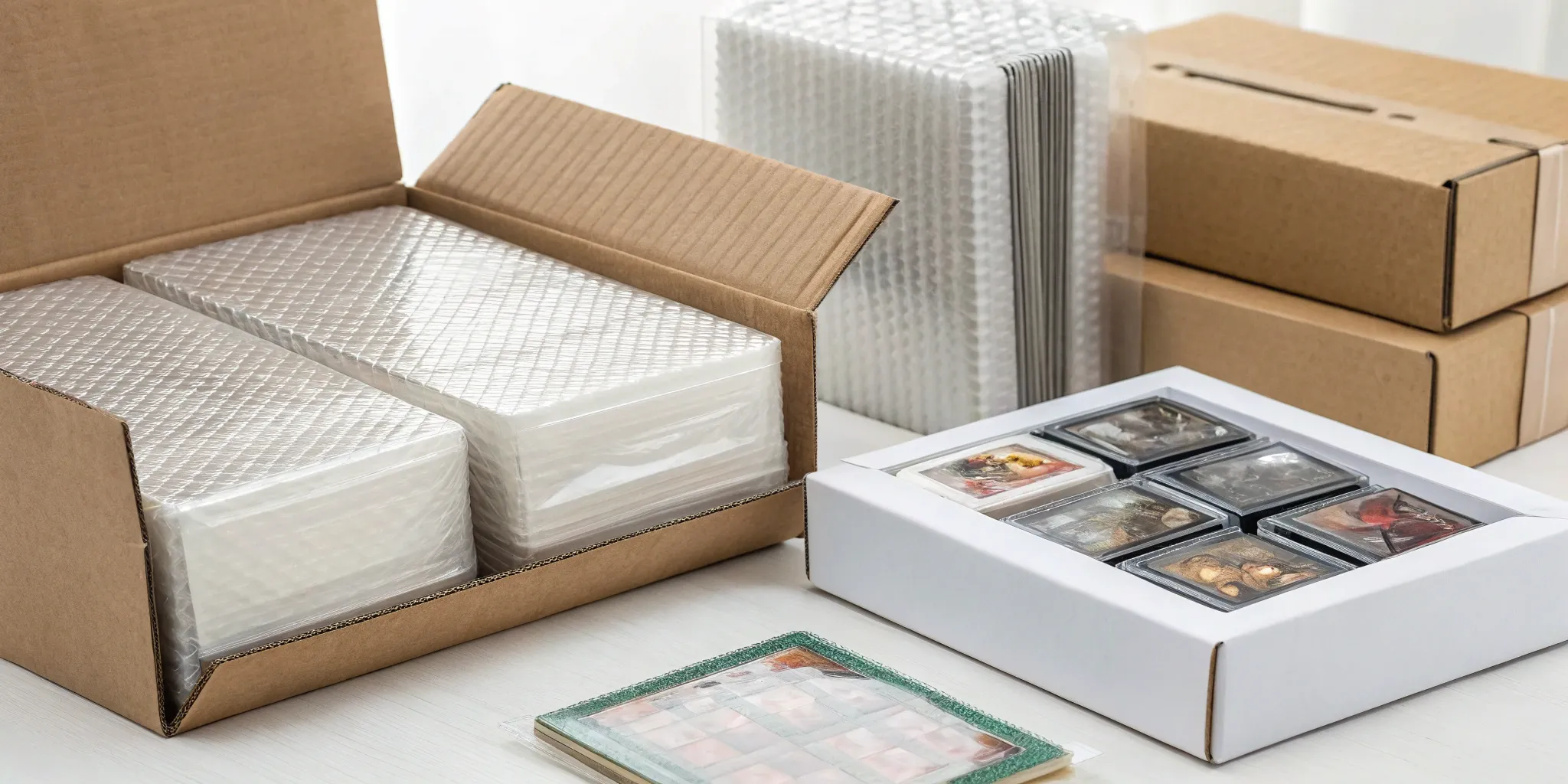
Whether you’re selling a high-value rookie card or trading with a fellow collector, the moment you drop that package in the mail can be nerve-wracking. We’ve all seen the horror stories online: a grail card folded in half by a mail carrier or a rare holo ruined by water damage. These disasters are almost always preventable. Proper packaging is the only thing standing between your card and the rigors of transit. This guide is your definitive checklist for getting it right every time. We’ll cover everything from the essential supplies to the common mistakes to avoid, giving you a complete playbook on how to ship trading cards safely and build a reputation as a seller people trust.
Key Takeaways
- Layering is Non-Negotiable: The safest way to ship a card involves three key layers. A soft sleeve prevents scratches, a rigid top loader stops bends, and a sturdy mailer or cardboard reinforcement protects against crushing.
- Let the Card's Value Guide Your Method: Match your shipping service to the card's worth. A plain white envelope works for cards under $20, but always upgrade to a tracked bubble mailer for more valuable cards, and add insurance for your high-end items.
- Professional Details Build Trust: Small actions make a big difference in protecting cards and your reputation. Use painter's tape for a residue-free seal, secure the card to prevent shifting in transit, and always use tracking to provide proof of shipment and delivery.
Your Trading Card Shipping Checklist
Getting your cards to their destination safely is non-negotiable. Whether you’re sending a high-value grail or completing a trade, proper packaging is what separates a happy collector from a horror story. Before you even think about sealing the envelope, run through this checklist to make sure you have the essential supplies on hand. Having these items ready will make the packing process smooth and give you peace of mind that your cards are protected from the moment they leave your hands. Think of this as your pre-flight checklist for every card you ship.
Sleeves and Top Loaders
First things first: every single card needs protection. Start with a soft plastic sleeve, often called a penny sleeve. This is your card's first line of defense against surface scratches, fingerprints, and dust. For any card with significant value, it should always get its own sleeve. For an extra layer of security against bends and dings, the next step is a top loader. These are rigid plastic holders that prevent the card from flexing during transit. If you don't have a top loader, you can create a sturdy alternative by sandwiching the sleeved card between two small, rigid pieces of cardboard.
Cardboard for Reinforcement
Even if your card is in a top loader, adding cardboard reinforcement is a smart move. This extra rigidity is your best defense against a bent package. Grab two pieces of flat cardboard slightly larger than the card holder itself. Place the card between them and tape the cardboard pieces together on all sides. This creates a snug "cardboard sandwich" that prevents the card from sliding out. If you're shipping multiple cards in a small box, use soft materials like packing peanuts or bubble wrap to fill any empty space. This stops the cards from shifting around and getting scuffed or damaged by movement.
Bubble Mailers vs. Rigid Mailers
Your choice of mailer is the final piece of the puzzle. While bubble mailers are popular and easy to find, they offer very little protection from bending. A mail carrier can easily fold one into a mailbox, putting your card at risk. For better protection, use a rigid cardboard mailer. These are specifically designed to stay flat and resist creasing. If you must use a bubble mailer, make sure you’ve thoroughly reinforced the card with cardboard inside. For valuable cards, it’s always worth it to choose a shipping option that includes tracking, regardless of the mailer you use.
How to Pack Trading Cards: A Step-by-Step Guide
Once you have your supplies, the packing process is straightforward. Think of it like creating a small, secure vault for your cards to travel in. Following these four steps will give you peace of mind and ensure your buyer receives their card in pristine condition. This method is the gold standard for shipping everything from a common Pokémon card to a high-value rookie sports card. It’s all about creating layers of protection that prevent bends, scratches, and movement during transit. Let’s walk through exactly how to do it.
Step 1: Sleeve Each Card
First things first: every card needs its own soft sleeve, often called a "penny sleeve." This is your primary defense against surface scratches and edge wear. For standard cards, you can place up to three in a single sleeve, but it’s best practice to give valuable cards their own individual sleeve. If you’re using tighter "Perfect Fit" sleeves, only ever put one card inside to avoid warping. This simple step is non-negotiable and is the foundation of safe card shipping. Don’t even think about putting a raw card directly into a hard case or an envelope.
Step 2: Add a Rigid Layer
A soft sleeve won’t protect a card from bending. Your next layer needs to be rigid. The best and most professional option is to slide the sleeved card into a hard plastic top loader. This provides excellent protection against bends and impacts. If you don't have a top loader, you can create a sturdy alternative by sandwiching the sleeved card between two pieces of stiff cardboard. Just make sure the cardboard is slightly larger than the card itself and that it’s clean and flat. This step ensures the card has the structural support it needs to survive its journey through the mail.
Step 3: Secure the Cards
Now that your card is in its hard shell, you need to make sure it stays there. A card sliding out of its top loader in transit can easily get damaged. To prevent this, place a small piece of painter's tape over the opening of the top loader. Painter's tape is ideal because it’s easy to remove and won't leave a sticky residue on the case. If you're using the cardboard method, tape the two pieces together on all sides to create a secure pocket. Avoid using cellophane tape (like Scotch tape), as it can be difficult to remove and may damage the top loader or frustrate the recipient.
Step 4: Seal the Package
You’re almost done. Place your secured card into a bubble mailer or rigid mailer. If there’s extra space, consider adding some packing material to prevent the card from sliding around inside. Seal the mailer securely with packing tape. Finally, apply your shipping label. For any card worth more than a few dollars, it’s crucial to use a shipping service that includes tracking. This protects both you and the buyer, providing proof of shipment and allowing you both to follow the package's journey to its destination.
How to Choose the Right Shipping Method
Once your cards are packed, it's time to choose a shipping method. The right one balances cost with security. You wouldn't send a common card with the same protection as a rare holo, so let the card's value guide your choice. Let's break down the most common options so you can pick the best service for your shipment.
PWE vs. Tracked Shipping
For lower-value cards, a Plain White Envelope (PWE) is a common and budget-friendly choice. If you're sending cards worth less than about $20, PWE shipping keeps costs down while offering basic protection (assuming you've packed them correctly!). But for anything more valuable, it’s time to upgrade. For cards over that $20 mark, using a bubble mailer with package tracking is the standard. It costs more, usually around $3.50 and up, but the peace of mind is worth it. This method provides better protection against damage and lets both you and the buyer follow the card’s journey from your hands to theirs.
When to Add Insurance
Think of shipping insurance as your safety net for valuable cards. If you're sending something worth $50 or more, adding insurance is a smart move. It protects you financially if the package gets lost or damaged in transit. Without it, you could be out both the card and the money. Some shipping services even bundle insurance with tracking. For example, eBay’s Standard Envelope for Trading Cards includes tracking and covers up to $20 for a low cost. For your pricier pulls, paying a little extra for insurance ensures you’re covered, no matter what happens on its journey.
Why Delivery Confirmation Matters
Delivery confirmation is your proof that the package arrived. It’s typically included with any tracked shipping service and is essential for valuable cards. This simple scan protects you from disputes where a buyer might claim they never received their item. When you have that delivery confirmation, you have a clear record that the carrier completed their job. It’s the final step in a secure shipping process that starts with proper packing and ends with a confirmed delivery. This confirmation gives you closure on the sale and assures the buyer that their new card has safely arrived.
How to Prevent Damage During Shipping
Once your cards are packed, the final step is to make sure they survive the journey. Mail sorting machines and bumpy rides can be rough on a package. A few extra precautions can mean the difference between a card arriving in mint condition and a buyer receiving a bent, water-damaged disappointment. Here’s how to give your cards the best possible protection against the most common shipping hazards, ensuring your buyer gets exactly what they paid for.
Position Cards Correctly
Where you place the card inside the mailer actually matters. It might seem logical to put it right in the middle, but a better strategy is to place the protected card on one side of the envelope. This simple adjustment helps minimize movement and reduces the risk of the card getting caught or crushed in automated sorting machinery, which often applies pressure to the center of an envelope. By keeping it off to the side, you give it a safer path through the postal system. It's a small detail that can make a big impact on how your card arrives, especially for PWE (plain white envelope) shipments.
Stop Cards from Shifting in Transit
A card that slides around inside a mailer is a card at risk. Even inside a top loader, constant movement can cause wear on the edges or corners. The easiest way to prevent this is to secure the card in place. A great technique for shipping cards is to use a small piece of painter’s tape to affix the top loader or cardboard sandwich to the inside of the mailer. This keeps it from moving around and can even save it if the envelope gets torn open. Just be sure to fold over a small tab on the end of the tape so the recipient can remove it easily without damaging anything.
Protect Against Weather
You can’t control the weather, but you can protect your cards from it. Rain, snow, or even high humidity can lead to water damage, which is irreversible for a trading card. The best defense is a simple, waterproof barrier. Before you put your card in the mailer, seal the sleeved and toploaded card inside a small, resealable plastic bag. Many collectors use what’s known as a “team bag” for this purpose. This extra layer is a cheap and effective way to keep your cards safe from moisture during their trip. It’s a must-do step for any card of value.
Prevent Bends and Crushes
Bending is one of the biggest risks to a card during shipping. A standard bubble mailer offers cushioning, but it provides very little rigid protection. To prevent bends, you need to add stiffness. The gold standard is a hard plastic top loader. If you don’t have one, you can create a sturdy alternative by sandwiching the sleeved card between two slightly larger pieces of stiff cardboard. Secure the cardboard with tape to create a solid, protective shell. This rigidity is what truly protects cards from bending, ensuring they arrive as flat as when you sent them. Don't rely on the mailer alone to do this job.
Match Your Shipping to the Card's Value
Not every card needs the Fort Knox treatment, but you also don’t want to send a prized possession in a flimsy envelope and hope for the best. The key is to match your shipping strategy to the card's value. Think of it as a simple cost-benefit analysis: the more a card is worth, the more you should invest in protecting it on its journey. For a common card worth a few dollars, a simple, secure method works just fine. But as you get into higher-value territory, you'll want to add layers of protection and services like tracking and insurance.
This approach not only safeguards your investment and the buyer's purchase but also builds your reputation as a reliable seller who cares about the cards. Getting a card in the mail that’s been packaged with care is a great experience for any collector. Let's break down the best practices for three common value tiers so you can get it right every time.
For Cards Under $20
For cards valued under $20, the goal is to balance safety with affordability. Many collectors use a plain white envelope (PWE) for these shipments since it’s the cheapest option. If you go this route, don't just drop the card in. At a minimum, place it in a soft penny sleeve and then into a top loader to prevent bends and dings. For a little more security and buyer confidence, I recommend spending a few extra dollars on a bubble mailer with tracking. It offers much better protection against sorting machines and gives both you and the buyer peace of mind knowing where the card is.
For Cards Between $20 and $100
Once a card's value crosses the $20 threshold, it's time to step up your shipping game. A bubble mailer with tracking should be your standard method here. Inside, make sure the card is in a top loader, and consider taping it shut with painter's tape, which won't leave a sticky residue. For extra rigidity, sandwich the top loader between two small pieces of cardboard. You also want to ensure the card can't slide around inside the mailer. For anything over $50, I strongly suggest adding shipping insurance. It’s a small price to pay to protect yourself from lost packages or disputes.
For Cards Over $100
When you're shipping a card worth over $100, think "maximum security." A bubble mailer is good, but a small, sturdy box or a rigid cardboard mailer is even better. The main goal is to completely prevent any bending or crushing. To stop the card from shifting during transit, you can tape the top loader to a larger piece of cardboard that fits snugly inside the mailer. Always write "Do Not Bend" in clear letters on both sides of the package. For these high-value shipments, tracking and insurance are non-negotiable. I also recommend requiring a signature confirmation upon delivery to ensure it reaches the right person.
Common Shipping Mistakes to Avoid
Even seasoned collectors can make simple errors that put their cards at risk. Shipping trading cards isn't complicated, but a few common missteps can lead to bent corners, scuffed surfaces, or even lost packages. The good news is that these mistakes are easy to avoid once you know what to look for. Taking a moment to double-check your process ensures your cards arrive in the same condition they left, protecting your investment and keeping the person on the other end happy. Let’s walk through the most frequent slip-ups so you can get your shipping process down to a science.
Skipping the Top Loader
This is probably the most critical mistake you can make. A soft penny sleeve is great for preventing scratches, but it offers almost no protection against bends and creases. Simply sliding a card into a soft sleeve and then into an envelope is a recipe for disaster. As one collector puts it, the best way to protect cards is to put them in a hard plastic top loader. This rigid case is your card's best defense against the bumps and pressures of transit. Think of the soft sleeve as underwear and the top loader as a suit of armor—you really need both for complete protection.
Overstuffing the Mailer
It can be tempting to squeeze just one more card into an envelope to save on shipping, but this often does more harm than good. When you overstuff a mailer, you put immense pressure on the cards inside, making them more likely to bend or warp. It also increases the chance that the envelope itself will burst open during its journey, potentially losing your cards altogether. Always choose a mailer that gives your cards enough room to lie flat without being crammed. If you have to force it closed, you need a bigger mailer.
Using the Wrong Tape
Yes, the type of tape you use actually matters. While it might seem like any tape will do, clear plastic tape (like the kind you use for wrapping gifts) can be a real pain for the recipient. It’s often difficult to remove and can leave a sticky residue on the top loader or even damage the card if it comes into direct contact. A much better choice is painter's tape or masking tape. These are designed for easy, clean removal, ensuring the card and its protective case stay pristine. It’s a small detail that shows you care about the receiving experience.
Not Tracking Valuable Cards
If you’re shipping a card worth a significant amount, sending it without tracking is a huge gamble. For any card valued at $50 or more, you should always get tracking and insurance. This protects you as the seller if the package gets lost in transit or if the buyer claims they never received it. Tracking provides peace of mind for both parties and creates a transparent record of the shipment's journey. Without it, you have no proof of delivery and little recourse if something goes wrong. It’s a small extra cost that safeguards a much larger investment.
How to Ship Different Types of Cards
Not all cards are created equal, and your shipping strategy should reflect that. A common base card doesn't need the same level of protection as a rare holographic or a pricey vintage card. Adjusting your packing method based on the card's type and value ensures it arrives safely without you overspending on shipping for lower-value items.
Think of it as matching the armor to the warrior. A simple sleeve and envelope might be fine for a common card, but a rare collectible needs the full suite of protection—sleeves, top loaders, and a sturdy mailer. Here’s how to handle different types of cards to make sure every shipment is a success.
Protecting Vintage and Rare Cards
When you're shipping a valuable vintage or rare card, you can't be too careful. These cards are often irreplaceable, so their safety is the top priority. Always start by placing the card in a soft penny sleeve, then slide it into a rigid top loader or a semi-rigid holder like a Card Saver. This dual-layer of protection guards against scratches and bends. For any card valued over $20, it's a smart move to use a bubble mailer instead of a plain envelope. This adds a layer of cushioning and allows you to add tracking to your shipment, giving both you and the buyer peace of mind.
Handling Foils and Holos
Foil and holographic cards are notorious for being sensitive. The foil layer can easily scratch, and the cards themselves are often more prone to bending or warping than their non-foil counterparts. The best way to protect them is with a hard plastic top loader. After sleeving the card, place it in the top loader. A great pro-tip is to place a small piece of painter's tape over the top opening to secure the card inside. Fold one end of the tape over on itself to create a non-stick tab, making it easy for the recipient to remove without any hassle or risk of damaging the card. This simple step prevents the card from sliding out during transit.
Shipping Cards in Bulk
Shipping a large number of cards requires a different approach. The goal is to keep the cards from shifting around and damaging each other. For smaller stacks (10-20 cards), you can often use a team bag to keep them together before sandwiching them between two pieces of cardboard. For larger quantities, it's best to use a dedicated cardboard card storage box. You can wrap stacks of cards in paper or place them in team bags to create snug blocks. Fill any empty space in the box with bubble wrap or packing paper to ensure the cards can't move. This method keeps corners sharp and surfaces clean, even when you're shipping hundreds of cards at once.
Smart Shipping: How to Save Money
Shipping your cards doesn't have to be a major expense. With a bit of strategy, you can protect your cards and your wallet at the same time. The key is to match your shipping method to the card's value and to understand that good packaging is an investment in your reputation. A few cents saved on a flimsy envelope can cost you a lot more in the long run if a card arrives damaged. Smart shipping is about finding that sweet spot between being frugal and ensuring every card arrives safely, which keeps your buyers happy and coming back for more.
Think of it this way: every package you send is a representation of you as a seller. When a buyer receives a card that’s packed with care, it sends a clear message that you’re a professional who values both the cards and your customers. It shows you respect the hobby. On the other hand, a card tossed into an envelope with no protection signals carelessness, which can quickly damage your standing in the community. By developing a consistent and reliable shipping process, you build a brand for yourself that people trust. This not only helps you avoid costly returns or disputes but also encourages positive feedback and repeat business, which are the cornerstones of a successful side hustle in the trading card world.
Balance Protection with Cost
Finding the right balance between protection and cost is essential for any seller. For lower-value cards, often those under the $20 mark, shipping in a plain white envelope (PWE) is a popular and cost-effective method. When done correctly with a sleeve and top loader, it offers enough protection for a safe journey without adding expensive shipping fees.
However, once a card’s value starts to climb, it’s time to upgrade your packaging. For anything over $20, a bubble mailer is your best bet. It provides superior cushioning and, more importantly, allows you to add tracking. Paying a few extra dollars for a bubble mailer and tracking gives both you and your buyer peace of mind, ensuring the card is protected and its journey is visible from start to finish.
Build Trust with Good Packaging
Your packaging is more than just a container; it’s a direct reflection of your credibility as a seller. In the trading card community, reputation is everything. A card that arrives poorly packaged and damaged can lead to negative reviews that hurt your future sales. Taking the time to package your cards properly shows buyers that you’re a serious and trustworthy member of the community.
Always use rigid protection, like a top loader secured with painter's tape and sandwiched between two pieces of cardboard. This simple step prevents bends and keeps the card from shifting around during transit. This attention to detail is one of the most important parts of learning how to store and ship trading cards. It builds confidence with your buyers and encourages them to do business with you again.
A Quick Guide to International Shipping
Sending cards to a collector in another country can feel intimidating, but it’s a fantastic way to connect with the global trading card community. The process isn't much different from domestic shipping, but it requires a little extra attention to two key areas: paperwork and protection. Getting these right ensures your cards arrive safely and without getting stuck at the border. Think of it as giving your package a passport and a sturdy suitcase for its long trip. With a few extra steps, you can confidently send your cards anywhere in the world.
What to Know About Customs Forms
When you ship internationally, you have to fill out a customs form. This form tells the destination country what’s in the package, what it’s worth, and why it’s being sent. Be specific. Instead of just writing “trading card,” describe it as a “collectible Pokémon card” or “graded sports trading card.” According to the USPS, every item needs a clear and detailed description to avoid delays. If you’re sending a package valued over $2,500, be prepared for extra steps, as it might be held until you provide the right documents. You can find all the official requirements on the USPS page for Customs Forms.
Protecting Cards on Long Journeys
An international journey involves more handling, more transfers, and more opportunities for things to go wrong. This is where your packing skills really matter. All the standard rules apply—sleeves, top loaders, and rigid mailers—but consider adding an extra layer of security. Placing your secured cards inside a small, sturdy box before putting them in a bubble mailer can make a huge difference. Always opt for a shipping service that includes tracking and insurance. This is your safety net, giving you peace of mind and a way to recoup your loss if the package gets lost or damaged. For a complete rundown, check out these helpful International Shipping Guidelines.
Related Articles
- Bubble Mailer vs Box: A Guide to Cost & Protection | Packz Blog
- Find the Perfect Card Storage Box for Your Cards | Packz Blog
Frequently Asked Questions
Do I really need a top loader for every card I ship? Think of it this way: a soft sleeve protects against scratches, but a top loader protects against the mail carrier folding the envelope in half. For any card with more than a couple of dollars in value, a rigid top loader is your best defense against bends and creases. If you're in a pinch, sandwiching the sleeved card between two pieces of sturdy cardboard is a decent alternative, but the top loader is the professional standard for a reason.
What's the best way to ship a large stack of cards together? When you're shipping in bulk, your main goal is to prevent the cards from shifting and getting damaged corners. The best method is to use a dedicated cardboard storage box designed for trading cards. You can wrap smaller stacks of cards in paper or place them in team bags to keep them snug, then arrange them neatly in the box. Use bubble wrap or packing paper to fill any empty space so nothing can slide around during its journey.
Is it okay to use a regular white envelope for shipping? A plain white envelope, or PWE, can be a cost-effective option, but only for very low-value cards—think under $20. Even then, the card must be well-protected inside with a sleeve and top loader. The risk with a PWE is that it offers almost no protection from being bent or mangled by sorting machines. For anything more valuable, you should always upgrade to a bubble mailer or rigid mailer with tracking.
Why is painter's tape recommended over regular Scotch tape? This is a small detail that makes a big difference for the person receiving the card. Painter's tape is designed to be removed easily without leaving behind a sticky, gummy residue on the top loader. Regular clear tape can be difficult to peel off and can frustrate the buyer. Using painter's tape is a thoughtful touch that shows you care about the recipient's experience from start to finish.
At what point is shipping insurance a must-have? Insurance is your financial safety net. I strongly recommend adding it for any card or package valued at $50 or more. While it adds a small cost to your shipment, it protects you from losing both your card and your money if the package gets lost or damaged by the carrier. Without it, you have very little recourse if something goes wrong in transit.
Recommended Reading

Cash for Graded Sports Cards: The Fastest Ways to Sell
Get cash for graded sports cards faster. Compare auction houses, marketplaces, and instant buyback options to pick the route that fits your timeline.

How to Compare Value in Sports Card Packs
Learn how to compare sports card packs using card quality, available pulls, pricing clarity, and Packz’s 100% buyback option.

How to Buy Pokemon Packs Online for Ripping
Ready to buy pokemon packs online for ripping? Get transparent pack value and clear pull odds so you never overpay for the thrill of the hunt. Start collecting safely.