
January 8, 2026
Where to Sell Trading Cards Near Me (And Online)
Find the best places to sell trading cards near me or online, with tips on pricing, safe transactions, and getting the most value for your collection.
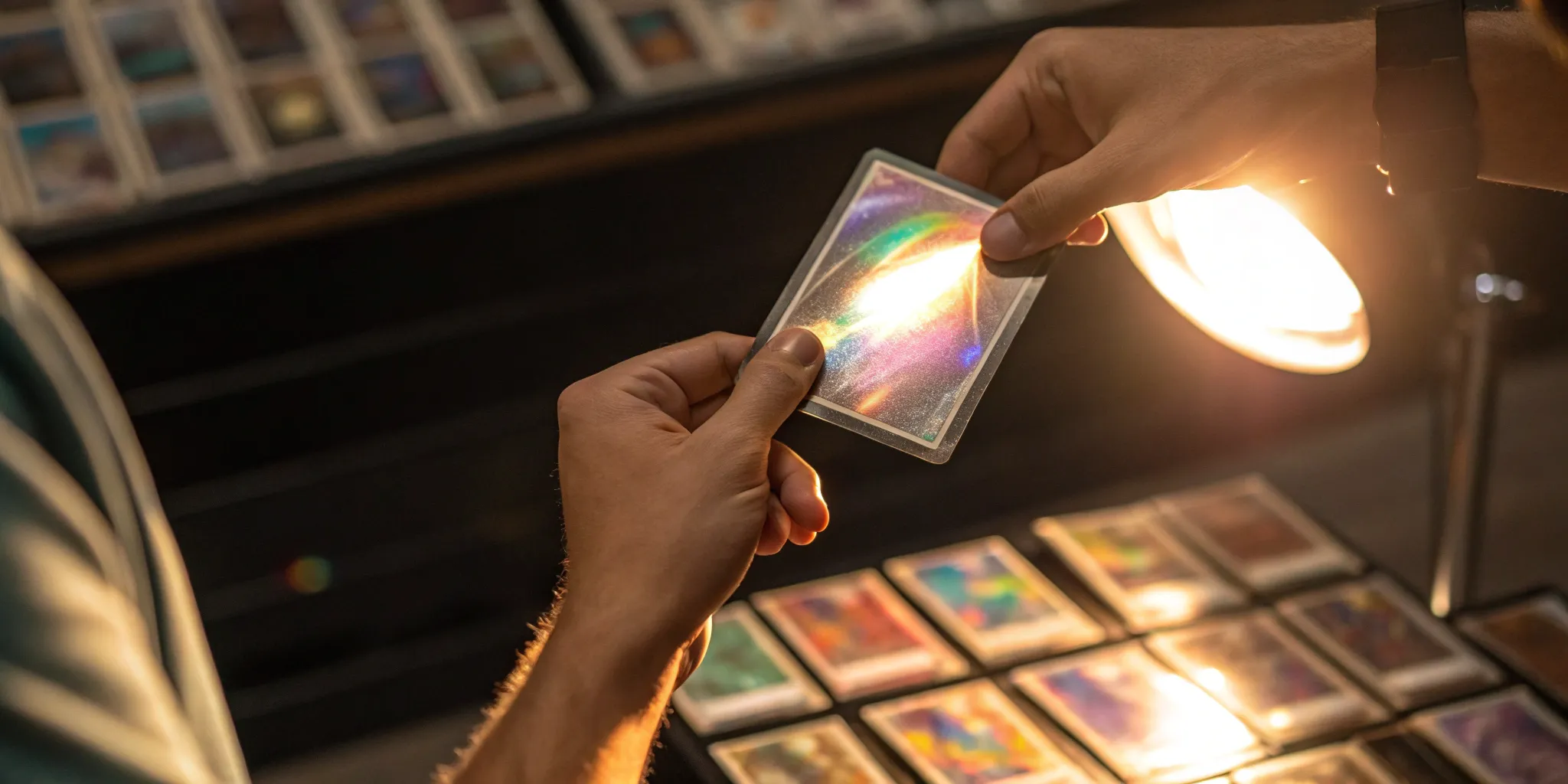
Selling your trading card collection is a bit like selling a classic car. You could take it to a dealership for a fast, guaranteed offer, knowing you might leave some money on the table for the convenience. Or, you could list it privately, handle the photos and negotiations yourself, and potentially walk away with a much bigger profit. Neither way is wrong; it all depends on your goals. When you start by searching to "sell trading cards near me," you're looking for that dealership experience. But it's worth knowing about all the private sale avenues, too. We’ll explore both worlds, covering everything from local card shops to global online marketplaces, to help you find the perfect buyer for your prized collection.
Key Takeaways
- Decide Between Local Speed and Online Reach: Selling in person at a local shop gets you cash quickly, while online platforms connect you with a global market for potentially higher profits. Your choice should align with whether you prioritize immediate payment or getting top dollar.
- Accurate Pricing Comes from Data, Not Emotion: Determine your card's true market value by researching recent sold listings on sites like eBay. Combine this data with an honest assessment of the card's physical condition—corners, edges, and surface—to arrive at a fair price.
- Good Preparation Builds Buyer Trust: Protect your cards in sleeves and top loaders, take clear, well-lit photos, and write detailed descriptions that mention any flaws. This transparency not only helps you get a better price but also prevents disputes after the sale.
Where Can You Sell Trading Cards in Person?
If you prefer a face-to-face transaction and want cash in hand quickly, selling your trading cards in person is a great option. It eliminates the hassle of shipping and allows you to negotiate directly with the buyer. Plus, connecting with other collectors in your area can be a rewarding part of the hobby. From dedicated card shops to bustling conventions, you have several solid choices for turning your collection into cash.
Each venue has its own vibe and attracts different types of buyers, so it’s smart to know what to expect. A local shop might offer convenience and expertise, while a big convention could put you in front of hundreds of serious collectors looking for specific, high-value cards. Think about what you’re selling and how much effort you want to put into the process to find the right fit for you.
Your Local Card Shop
Your neighborhood card shop is often the best place to start. The owners and staff live and breathe collectibles, so they can give you a realistic appraisal of what your cards are worth. Shops like Peninsula Sports Cards, which have been serving collectors for decades, have a deep understanding of the market. Selling to a local shop is usually fast and straightforward—you bring your cards in, they make an offer, and you can walk out with cash the same day. It’s an ideal choice if you value convenience and expert assessment over getting the absolute highest price for every single card.
Comic Book Stores
Don't overlook your local comic book store. Many of these shops have expanded their inventory to include Pokémon cards, sports cards, and other TCGs to attract a broader range of collectors. Because they specialize in collectibles, they know how to create an environment where customers can easily browse and find what they’re looking for. This means they already have a built-in audience of potential buyers for your cards. While their primary focus might be comics, their experience in the collectibles market makes them a viable and often convenient place to sell your trading card collection.
Card Shows and Conventions
For those with high-value or extensive collections, card shows and conventions are the place to be. These events bring together hundreds of passionate buyers and sellers under one roof, creating a competitive market where you can get top dollar for your cards. To make the most of it, you’ll need to be prepared. Organizing your cards effectively, pricing them beforehand, and being ready to engage with attendees are key to a successful day. It’s more work than walking into a local shop, but the direct access to serious collectors can lead to much bigger sales.
Consignment Shops
While not as common, some local consignment shops will accept trading cards, especially if they specialize in collectibles or memorabilia. With consignment, the shop sells the cards on your behalf and takes a percentage of the final sale price. This can be a good hands-off option if you don’t want to manage the sale yourself, but it also means you won’t get paid until the item sells, which could take a while. Be sure to ask about their commission rates and how they plan to display and price your cards before you commit.
Where to Sell Your Trading Cards Online
If you prefer to reach a wider audience or simply want to sell from the comfort of your home, the internet offers plenty of options. Selling online can connect you with serious collectors from around the world, but each platform has its own process, fees, and community. From streamlined buyback programs to massive auction sites, finding the right fit depends on how much time you want to invest and what kind of cards you’re selling. Let’s look at some of the most popular digital avenues for turning your collection into cash.
The Packz Buyback Program
For the most straightforward and immediate selling experience, the Packz Buyback Program is an excellent choice. After you open a digital pack on our platform, you have the option to sell any of the cards right back to us for 100% of their market value. There’s no need to take photos, write descriptions, or deal with shipping and customer questions. The value is instantly credited to your account balance, so you can keep the fun going and open more packs right away. It’s the perfect option if you value speed and convenience over squeezing every last penny out of a card.
eBay and Other Auction Sites
When you think of selling collectibles online, eBay is probably the first name that comes to mind. As one of the world’s largest online marketplaces, it gives you access to a massive pool of potential buyers. You can list your cards as an auction to let the market decide the price or set a fixed "Buy It Now" price. While eBay offers incredible reach, it also requires more hands-on effort. You’ll be responsible for creating detailed listings with high-quality photos, managing shipping, and paying seller fees. It’s a great platform if you’re willing to put in the work to potentially maximize your profit on a high-demand card.
Specialized Marketplaces like TCGplayer
If your collection is heavy on trading card games like Pokémon, Magic: The Gathering, or Yu-Gi-Oh!, a specialized marketplace is your best bet. TCGplayer is a leading platform designed specifically for these types of cards. It connects you with a dedicated community of TCG enthusiasts who know exactly what they’re looking for. The platform provides helpful tools to price your cards competitively and manage your inventory, making it easier to get started. Selling here means you’re targeting a knowledgeable audience that appreciates the value of your cards, which can lead to faster and more reliable sales for TCG-specific items.
Social Media and Collector Forums
For a more direct approach, you can sell your cards through social media groups and online forums. Platforms like Facebook and Reddit have thriving communities where collectors buy, sell, and trade directly with one another. For instance, the Reddit trading card community is a popular hub for sports card enthusiasts. This method allows you to bypass platform fees and negotiate prices directly with the buyer. However, it also carries more risk. You’ll need to vet potential buyers carefully and arrange for secure payment and shipping on your own, so it’s best for those who are comfortable managing the entire sales process themselves.
How to Price Your Trading Cards
Setting the right price for your trading cards is one of the most important steps in making a sale. Price too high, and you’ll scare away potential buyers. Price too low, and you’ll leave money on the table. The goal is to find that sweet spot where both you and the buyer feel like you’re getting a fair deal. It’s a bit of an art, but it’s grounded in solid research.
Think of pricing as a three-part process. First, you need to see what similar cards are actually selling for. This gives you a baseline. Next, you have to honestly assess the physical condition of your card, because a tiny flaw can have a huge impact on value. Finally, you need to have a sense of what’s currently popular in the market. A player having a breakout season or a sudden surge in Pokémon nostalgia can change a card’s value almost overnight. By looking at these three areas—recent sales, card condition, and market trends—you can confidently determine what your collection is worth.
Check Price Guides and Recent Sales
Before you can set a price, you need to know what the market is willing to pay. Start by looking up recent, verified sales of the exact same card. A great resource for this is eBay’s "Sold Items" filter, which shows you what people actually paid, not just what sellers are asking. You can also consult online price guides from grading companies to get a general idea of a card's value.
When you’re researching, pay attention to the details. Sometimes, manufacturing mistakes can create rare and valuable error cards. More importantly, be careful not to overvalue an ungraded card. Failing to do your research can lead you to overpay when buying, and it can cause you to overprice when selling, leaving your cards sitting on the shelf. Grounding your expectations in real-world sales data is the most reliable first step.
Understand Card Condition and Grading
The single biggest factor that determines a card’s value is its condition. A pristine, perfectly centered card can be worth thousands of dollars more than the exact same card with a slightly worn corner or a minor surface scratch. This is why professional card grading is so important. Companies assign a score, usually on a 1-10 scale, that gives buyers a standardized way to judge quality.
Even if you don’t plan to get your cards professionally graded, you need to evaluate them with a critical eye. Look at your cards under a bright light. Check the four corners for any softness or fraying. Examine the edges for chipping and the surface for any scuffs or print lines. Ignoring the importance of card condition can lead to disappointing offers and disputes with buyers. Be honest about your card’s flaws when you describe it.
Research Current Market Trends
The trading card market is dynamic, with prices that can shift based on player performance, new set releases, and collector demand. Staying informed about what’s happening in the hobby will help you price your cards effectively. For example, a key trend in sports cards is investing in rookie cards, as a player’s early cards can skyrocket in value if they become a superstar.
To keep up with trends, you can follow hobby news sites, participate in online collector forums, or simply watch which cards are selling quickly and for high prices on marketplaces. Understanding these market dynamics helps you identify which cards in your collection might be in high demand right now. This allows you to set a competitive price that reflects not just the card's historical value, but its current relevance to collectors.
Which Trading Cards Sell the Fastest?
If you’re looking to make a quick sale, it helps to know what buyers are actively searching for. While any card can sell with the right timing and price, certain categories consistently move faster than others. Focusing your efforts on these types of cards can help you turn your collection into cash more efficiently. Whether you're selling online or in person, understanding these market drivers is key to a successful and speedy transaction. From timeless sports legends to nostalgic childhood favorites, the cards that sell the fastest often tap into a shared passion or a sense of urgency. By knowing what’s hot, you can position your cards to catch the eye of motivated buyers and close the deal sooner.
Cards Featuring Star Athletes
It’s no surprise that cards featuring legendary athletes are always in high demand. Players like Tom Brady, LeBron James, and Michael Jordan have built legacies that transcend the game, making their cards timeless collectibles. These are the names that both seasoned collectors and new hobbyists look for first. Their consistent performance and iconic status mean there’s a steady market of buyers ready to purchase their cards, making them a reliable choice for a fast sale. The market for trading cards as investments often centers on these top-tier players, ensuring their value and liquidity remain strong.
Pokémon and Other Nostalgic Cards
Nostalgia is a powerful force in the collectibles world. Cards from the 90s and early 2000s, especially Pokémon, tap into the childhood memories of a generation that now has its own purchasing power. The recent trading cards boom is largely fueled by this trend, with collectors eager to own a piece of their past. First Edition holographic cards, particularly Charizard, are famous for fetching high prices and selling quickly. This demand isn’t just about rarity; it’s about the emotional connection people have with these characters, making them a hot commodity that buyers are quick to grab.
Limited Edition and New Release Cards
The thrill of the new is a major driver of quick sales. Limited edition cards, short prints, and brand-new releases create a sense of urgency and scarcity that buyers can’t resist. Collectors are always on the lookout for the next big thing, and the hype around a new set can lead to rapid sales as people rush to complete their collections or snag a potential future classic. The market thrives on these fresh innovations, so if you have a card from a recent, popular release, now is often the best time to sell it while demand is at its peak.
High-Value, Investment-Grade Cards
While they require a more specific buyer, high-value and professionally graded cards often sell surprisingly fast to the right person. These are the cards that serious collectors and investors seek out. The demand for premium, investment-grade cards is strong, as evidenced by the significant growth in the sports trading card market. When you have a rare, graded card in excellent condition, you’re not just selling to a casual hobbyist; you’re selling to someone who understands its long-term value and is prepared to pay for it. These buyers are often actively hunting for specific cards to add to their portfolios.
How to Prep Your Cards for a Sale
Before you list your trading cards anywhere, taking a few simple steps to prepare them can make a huge difference. Think of it like staging a house before a sale—a little upfront effort helps buyers see the true value and can lead to a faster sale at a better price. Proper prep shows potential buyers that you’re a serious seller who has taken good care of your collection. It builds trust right from the start and can be the deciding factor for someone on the fence about making a purchase, especially in a crowded online marketplace.
Getting your cards ready involves three key areas: protecting their physical condition, presenting them professionally through photos and descriptions, and setting a price that’s both fair and strategic. Nailing these steps will help your listings stand out, whether you’re selling online to a global audience or meeting someone from a local collector's group. It ensures you’re not leaving money on the table and that your buyer is happy with their purchase, which is a win-win for everyone. This isn't about tricking anyone; it's about accurately representing the quality of what you have to offer and making the entire transaction smooth and professional.
Use Protective Sleeves and Proper Storage
First things first: protect your assets. The condition of a trading card is one of the biggest factors in its value, so proper protection is non-negotiable. The easiest and most standard way to do this is with penny sleeves and top loaders. As one guide puts it, this is an "inexpensive way to protect your cards and get them ready for shipment." A penny sleeve is a thin, soft plastic sleeve that prevents scratches, while a top loader is a rigid plastic holder that keeps the card from bending. Always put the card in a penny sleeve first before sliding it into a top loader to avoid surface damage. This simple two-step process is the gold standard for card care and signals to buyers that your card has been well-maintained.
Take High-Quality Photos and Write Clear Descriptions
When you’re selling online, your photos are your sales pitch. Since buyers can’t hold the card themselves, your images need to do the talking. For the best results, use clean scans or high-resolution photos of both the front and back of the card against a neutral background. Good lighting is crucial—natural light is best—to avoid glare and show the card’s true colors. Take close-ups of the corners, edges, and surface so buyers can confidently assess the condition.
In your description, be honest and thorough. Mention the card’s name, year, and set. Point out any noticeable flaws, like whitening on the edges or a soft corner. It might feel counterintuitive, but transparency builds trust and prevents issues after the sale.
Set a Competitive Price
Pricing can feel like a bit of an art, but it’s grounded in solid research. Before you set a price, look up what your card has recently sold for on sites like eBay or other marketplaces. Make sure you’re comparing your card to others in the same condition. If you’re open to negotiation, it’s a common strategy to list your card for slightly more than the minimum you’ll accept. This gives you some wiggle room to strike a deal. One of the best negotiation strategies is to know your bottom line before you even start a conversation. Be confident in your asking price but flexible enough to close a deal that works for both you and the buyer.
Selling Locally vs. Online: Which Is Right for You?
Deciding where to sell your trading cards comes down to what you value most: speed, profit, or convenience. Selling in person at a local shop offers a completely different experience than listing your cards on an online marketplace. Neither option is universally better; the right choice depends on your specific cards and your personal goals. Let's walk through the pros and cons of each so you can figure out the best path for your collection.
Speed and Convenience
If you want cash in your hand today, nothing beats selling locally. Walking into a card shop means you can get an immediate offer and walk out with money. It’s a straightforward process without the hassle of packing, shipping, or waiting for payments to clear. This is perfect for collectors who need to move cards quickly or simply prefer face-to-face transactions.
On the other hand, online platforms give you access to a much larger pool of buyers, but it requires more patience. Listing a card, waiting for the right buyer, and then shipping it out takes time. While you might not get paid instantly, the convenience of managing sales from your home is a major plus. For many, the ability to connect with a larger audience of serious collectors is well worth the wait.
Potential Profit and Audience Size
Your potential earnings are directly tied to the size of your audience. A local shop is buying your cards to resell them, so their offer will be lower than the card's market value. Their customer base is limited to local foot traffic, which naturally affects what they can afford to pay you.
Selling online opens your collection to a global market. The trading card industry is seeing substantial growth, and an online platform connects you with thousands of potential buyers competing for your cards. This competition often drives prices up, especially for rare or in-demand items. If you have cards that promise significant returns, selling online is almost always the way to maximize your profit.
Safety and Payment Security
Safety is a top concern for any seller. In-person cash transactions feel secure because they are immediate and final. You hand over the card, they hand you the money, and the deal is done. There’s no risk of chargebacks or disputes over shipping, which provides peace of mind.
Online selling can feel riskier, but established marketplaces have built-in protections for both buyers and sellers. Platforms like TCGplayer have become a safe and trusted place to sell because they manage the payment process and offer support if something goes wrong. By sticking to reputable sites with clear seller policies and secure payment systems, you can confidently sell your cards to buyers around the world without worrying about getting scammed.
Don't Forget About Fees and Costs
It’s easy to get excited about the potential cash you can make from your trading cards, but it’s important to remember that selling isn’t always free. Whether you sell in person or online, there are usually costs involved that can affect your final profit. Thinking about these fees ahead of time helps you price your cards correctly and choose the selling method that puts the most money back in your pocket. Let’s break down the common costs you should keep on your radar.
Commission Rates at Local Shops
Walking into a local card shop to sell your collection is convenient, but remember that these stores are businesses with their own overhead. To make a profit, they’ll either buy your cards for a percentage of their market value or sell them on consignment and take a commission. This rate can vary quite a bit from shop to shop. Before you agree to a sale, always ask about their commission structure. A reputable store like Peninsula Sports Cards will be upfront about their fees, ensuring you know exactly how much of the sale price you’ll receive.
Platform Fees and Shipping Costs
If you decide to sell online, you’ll gain access to a massive audience, but it comes with a different set of costs. Marketplaces charge fees to use their platform. These can include listing fees, a final value fee (a percentage of the total sale price), and payment processing fees. For example, platforms like Beckett Marketplace and TCGplayer have their own fee schedules you’ll want to review. On top of that, you’re responsible for shipping. The cost of postage, packing materials, and insurance for valuable cards can add up quickly, so be sure to factor that into your pricing.
Watch Out for Hidden Costs
Beyond commissions and platform fees, other expenses can sneak up on you. The cost of supplies like protective sleeves, top loaders, and bubble mailers is a real expense. If you decide to get a high-value card graded to increase its worth, you’ll have to pay for that service. There are also less tangible costs, like the time you spend taking photos, writing descriptions, and managing listings. Thinking through your entire process and applying smart merchandising tips can make a big difference, but it’s wise to account for all these potential costs to understand your true profit margin.
How to Sell Safely and Negotiate a Great Price
Selling your cards should be exciting, not stressful. Whether you’re setting up a table at a local show or listing a prized card online, your safety and profit are the top priorities. A little preparation goes a long way in making sure every transaction is smooth and successful. It’s all about knowing how to present your cards, protect yourself from bad actors, and confidently negotiate a price that reflects your card’s true worth. With the right strategies, you can turn your collection into cash while avoiding common pitfalls.
Tips for Safe In-Person Meetups
When you’re selling face-to-face, creating a welcoming and professional setup is key. Stand up, be personable, and talk to people who stop by your table. One of the best vendor tips is to organize your cards clearly. Use boxes with set prices—like a $1 box, a $5 box, and so on—to make browsing easy and approachable. This prevents potential buyers from having to ask about every single card. Your goal is to be a helpful resource, not a pushy salesperson. Let people know you’re there to help them find what they’re looking for. A friendly attitude builds trust and makes buyers more comfortable, which often leads to more sales and a better experience for everyone involved.
How to Protect Yourself Online
Transparency is your best friend when selling online. To protect yourself from disputes, always provide crystal-clear images of your cards. You should use clean scans of both the front and back, and write a detailed, honest description that notes any flaws. This builds buyer confidence and gives you a solid defense if someone claims the card wasn't as described. It’s also smart to prepare for the interaction itself. Top sellers often practice their responses to common questions and offers. This preparation helps you stay cool and professional during those high-impact moments when a quick, confident reply can close the deal.
Simple Negotiation Strategies
Knowing how to negotiate is essential for getting the best price for your cards. A classic and effective strategy is to list your items for slightly more than the minimum you’ll accept. This gives you wiggle room to come down on the price while still hitting your target. When a buyer makes an offer, you can counter, and you’ll both feel like you got a good deal. If you find yourself at a standstill after some back-and-forth, don’t be afraid to make a firm “take-it-or-leave-it” offer. This is a powerful final bargaining tool that shows you’re serious about your price but still willing to make a deal. It’s a great way to negotiate a better price without getting haggled down further than you’re comfortable with.
Related Articles
- 9 Best Places to Sell Sports Cards for Cash | Packz Blog
- Sell Pokémon Cards Online Instantly: Guide & Best Sites | Packz Blog
Frequently Asked Questions
What's the easiest way to sell my cards if I don't want any hassle? If you value speed and simplicity above all else, a buyback program is your best option. With the Packz Buyback Program, for example, you can sell cards back to us for 100% of their market value immediately after opening a pack. The credit goes straight to your account, so you skip the work of taking photos, writing descriptions, and dealing with shipping. It’s the most direct path from card to cash.
Should I get all my cards professionally graded before I try to sell them? No, you should be selective about grading. The process costs time and money, so it only makes sense for cards that are both valuable and in excellent condition. Think rare rookie cards, vintage holos, or limited prints that could see a significant price increase with a high grade. For the majority of your collection, clear photos and an honest description of the card's condition will work just fine.
How do I know if a local card shop is giving me a fair offer? Keep in mind that a card shop has to resell your cards, so their offer will naturally be lower than the full market value. A fair cash offer is typically in the range of 50-70% of what the card consistently sells for online. Before you head to the shop, look up your specific card on eBay and filter the results by "Sold Items." This gives you a realistic baseline and helps you know a reasonable offer when you see it.
What's the biggest mistake people make when selling cards online for the first time? The most common misstep is using low-quality photos and writing vague descriptions. Since an online buyer can’t hold the card themselves, your listing is their only reference point. A blurry photo or a description that fails to mention a small flaw can lead to a disappointed customer and a potential dispute. Always use clear, well-lit images of the front and back and be completely transparent about the card's condition.
I have a lot of common, low-value cards. Is there any point in trying to sell them? Selling common cards individually isn't worth the effort, but they can still be sold. The best approach is to bundle them together into "lots." You can sell them by the hundred or thousand to other collectors who are trying to complete sets or just want to acquire a large number of cards cheaply. Some local shops may also buy commons in bulk, which is a fast way to clear them out.
Recommended Reading
Cash for Graded Sports Cards: The Fastest Ways to Sell
Get cash for graded sports cards faster. Compare auction houses, marketplaces, and instant buyback options to pick the route that fits your timeline.
How to Compare Value in Sports Card Packs
Learn how to compare sports card packs using card quality, available pulls, pricing clarity, and Packz’s 100% buyback option.
How to Buy Pokemon Packs Online for Ripping
Ready to buy pokemon packs online for ripping? Get transparent pack value and clear pull odds so you never overpay for the thrill of the hunt. Start collecting safely.