
February 19, 2026
6 Best Places to Sell Trading Cards Online
Find out the best places to sell trading cards online, with tips on pricing, fees, and how to get the most value from your collection.
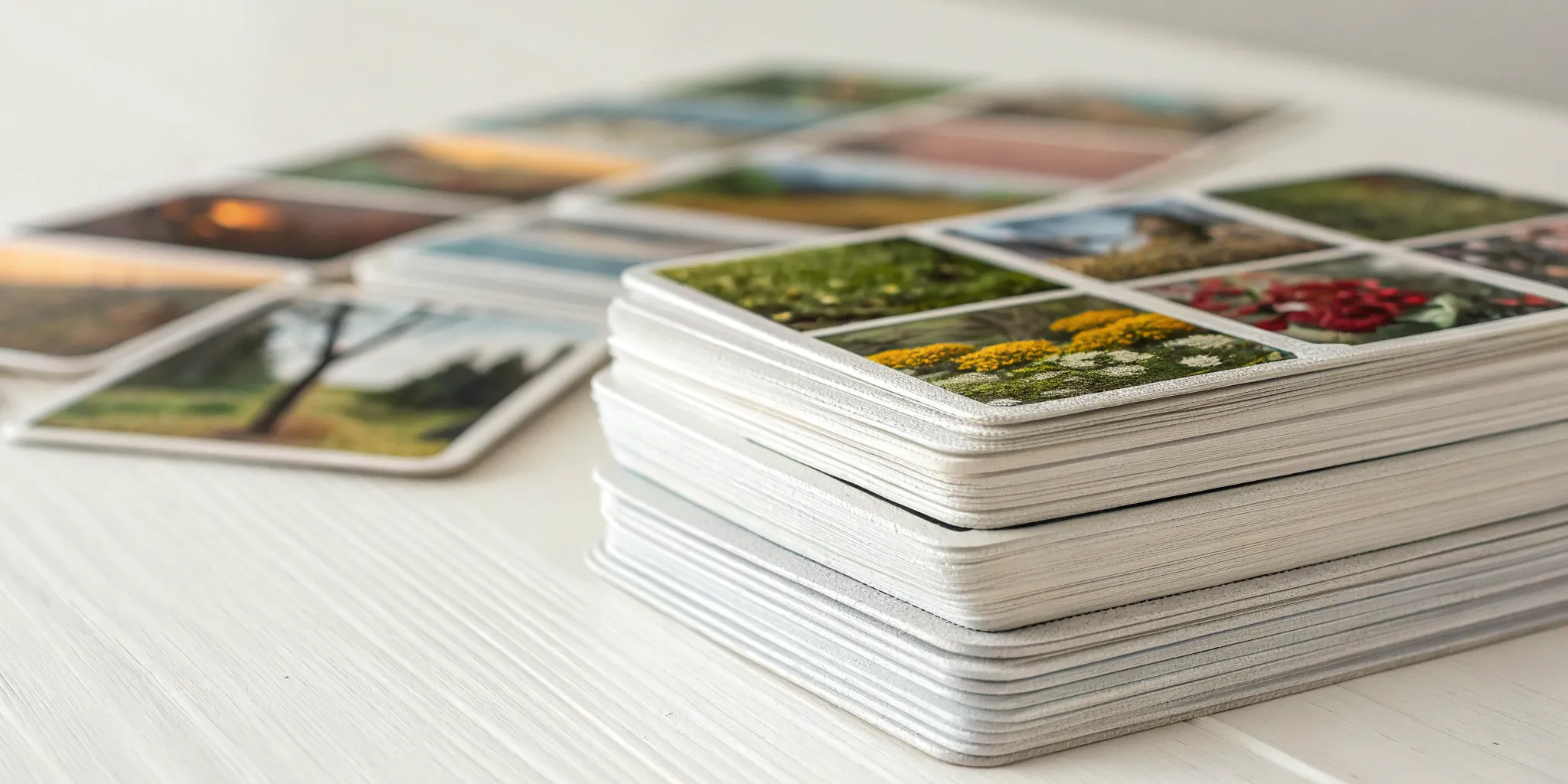
That stack of top loaders on your desk represents more than just a hobby; it’s potential cash waiting to be unlocked. Whether you just pulled a monster rookie card or you’re looking to liquidate a collection you've built over years, the goal is the same: getting the best possible return. But the path to a successful sale can feel complicated. Where do you list them? How do you price them accurately? What’s the safest way to ship? This guide is designed to answer those questions. We'll walk through everything you need to know to confidently sell trading cards online, helping you turn your passion into profit without the usual guesswork.
Key Takeaways
- Match your platform to your priority: Decide if your main goal is getting the highest possible price or having the fastest, easiest sale. Use a large marketplace for top dollar if you have time, or choose an instant buyback service for immediate cash without the hassle.
- Build a trustworthy listing: A great listing is your best sales tool. Price your cards using recent sales data, not just active listings; take clear, well-lit photos of the front, back, and corners; and write a specific, honest description.
- Protect your profit from hidden costs: Your final payout is more than just the sale price. Always account for platform fees, shipping supplies, and payment processing, and ship cards securely to avoid costly returns and protect your reputation.
Where to Sell Your Trading Cards Online
Choosing the right place to sell your trading cards depends entirely on your goals. Are you looking for the highest possible price, the quickest sale, or the easiest process? Each platform offers a different experience, catering to various types of sellers and cards. Whether you're offloading a few recent pulls or liquidating a massive collection, one of these options will be the perfect fit for you. Let's look at the top contenders to help you decide where to list your cards.
Packz: Get Instant Cash with 100% Buyback
If you value speed and convenience above all else, Packz is your answer. After you open a digital pack and reveal your cards, you have a simple choice: have the physical card shipped to you or sell it back instantly. With the buyback option, you get 100% of the card's value credited directly to your account balance. There’s no need to take photos, write descriptions, or deal with shipping and buyers. This is the ideal solution for turning cards you don't want for your personal collection into immediate funds to open more packs. It’s the fastest way to go from pull to profit.
eBay: Reach the Biggest Audience
When you want to get top dollar for your cards, eBay is the undisputed king. It has the largest audience of potential buyers, which can drive prices up, especially for rare and in-demand cards. However, this potential for higher profit comes with a trade-off. Selling on eBay requires time and effort. You’ll need to take high-quality photos, write detailed listings, manage auctions, and handle shipping yourself. As one collector noted, "once you have good reviews, your cards might sell faster." If you're willing to put in the work, eBay offers the highest ceiling for your sales.
TCGplayer: The Go-To for TCGs
If your collection is heavy on Pokémon, Magic: The Gathering, or Yu-Gi-Oh!, then TCGplayer is your platform. It’s a specialized marketplace built specifically for trading card games. According to the platform, TCGplayer helps you sell to "a huge number of buyers, both online and in physical stores." They provide a suite of tools designed to help you manage inventory and grow your sales. The focused audience means your listings get in front of serious buyers who know exactly what they’re looking for. It’s the perfect place to connect with a dedicated community of TCG enthusiasts.
COMC (Check Out My Cards): A Hands-Off Consignment Service
Have a ton of cards you want to sell but not enough time to list them all? COMC is a consignment service that does the heavy lifting for you. You simply mail your cards to their warehouse, and they handle the scanning, identification, and listing. Buyers can purchase from you and other sellers on the platform and have everything shipped in one package. This service is especially useful for moving a large volume of cards that aren't high-value chase cards. As one guide points out, "COMC is best for selling hundreds of cheaper cards at once."
Facebook Marketplace: Sell to Your Local Community
For selling locally and avoiding platform fees and shipping costs, Facebook Marketplace is an excellent choice. You can list your cards and connect directly with buyers in your area to arrange a cash transaction. This is great for selling bulk lots, complete sets, or even individual cards without the hassle of packaging and postage. Just be sure to follow safety best practices, like meeting in a public place, to ensure a smooth and secure transaction. It’s a straightforward way to turn your cards into cash quickly within your own community.
Reddit: Trade Directly with Other Collectors
If you enjoy the community aspect of the hobby, consider selling or trading on Reddit. Subreddits like r/sportscards and r/pkmntcgtrades are active communities where you can connect directly with other collectors. This peer-to-peer approach allows you to negotiate deals and even trade for cards you want for your own collection. It’s a more personal way to sell, but it requires you to be diligent. Always check a user's transaction history and feedback to ensure you’re dealing with a reputable member of the community.
How Much Does It Really Cost to Sell Your Cards?
Selling your trading cards can be a great way to cash in on your collection, but the final number that hits your bank account is rarely the same as the sale price. Several costs chip away at your profit margin, and it’s smart to know what they are before you list your first card. From platform fees and shipping supplies to payment processing, these expenses can add up quickly. Let's break down the real costs of selling your cards so you can price them effectively and maximize your earnings.
Breaking Down Platform Fees
The first cost you'll encounter is the platform fee. Every marketplace takes a cut for connecting you with buyers. On a massive platform like eBay, you can often get top dollar for your cards, but you'll pay for that access. eBay's fees typically start around 5% and can climb higher if you choose to promote your listings for better visibility. Other specialized sites like TCGplayer have their own fee structures and provide tools specifically for card sellers. Before you commit to a platform, always read their fee policy so you know exactly what percentage of your sale will go to them.
Don't Forget Shipping and Packaging
Once you make a sale, you have to get the card to its new owner safely. This is where shipping and packaging costs come in. You'll need penny sleeves, toploaders, and bubble mailers to make sure your cards arrive without a scratch. Skimping on packaging can lead to damaged cards, unhappy buyers, and negative reviews that hurt your reputation. These costs are especially important to consider for lower-value cards. If you’re selling a card for $15, spending $5 on shipping and supplies can seriously reduce your profit. Always factor these material and postage costs into your final listing price.
Factoring in Payment Processing
On top of platform fees, you also have to account for payment processing fees. Services like PayPal or Stripe, which handle the actual transaction, charge for their service. This is usually a small percentage of the total sale amount plus a fixed fee, like 2.9% + $0.30. While it might not seem like much on a single sale, these fees add up over time. Some sellers use a broker to handle sales, which can simplify the process since the broker often manages payment processing and other logistics. Just remember that the broker will take their own cut in exchange for the convenience.
Watch Out for Hidden Costs
Finally, be aware of the hidden costs that can catch new sellers by surprise. The biggest one is often mispricing. If you price your cards too low, you’re leaving money on the table. Price them too high, and they’ll never sell. A common mistake is basing your price solely on similar active listings instead of researching what the card has actually sold for recently. Also, don't forget to value your own time. Photographing, listing, packaging, and shipping cards all take effort, which is a real, though often overlooked, cost of doing business.
How to Accurately Price Your Trading Cards
Pricing your cards correctly is one of the most important steps in selling them online. As one collector puts it, "Setting prices too low means you leave money on the table, while pricing too high can deter potential buyers." Finding that sweet spot requires a bit of research, but it’s a skill you can definitely master. It’s all about understanding what your card is worth right now, based on solid data and a few key factors. Let’s walk through the four main things you need to look at to determine the perfect price for your trading cards.
Research Recent Sales Data
The first rule of pricing is to look at what a card has actually sold for, not just what sellers are asking. Anyone can list a card for a high price, but the true market value is determined by what people are willing to pay. Your best friend here is the "sold listings" filter on sites like eBay. This shows you the real-world transaction history for your card. Pay close attention to the dates of these sales, as card values can change quickly. A price from six months ago might not reflect the card's current value. By focusing on the most recent sales data, you can get an accurate snapshot of the market and price your card competitively from the start.
Consider Professional Grading
If you think you have a valuable card on your hands, getting it professionally graded is often a smart move. Companies like PSA, BGS, and SGC will authenticate your card and assign it a condition grade on a 10-point scale. As many experts will tell you, "Graded cards often sell for more." Why? Because grading removes the guesswork for the buyer. They know exactly what they’re getting, which gives them the confidence to pay a premium. A high grade on a rare or popular card can dramatically increase its value, making the grading fee a worthwhile investment. It’s the best way to legitimize your card’s quality and command a top-dollar price.
Assess Your Card's Condition and Rarity
For cards you aren't getting graded, you’ll need to assess their condition yourself. Look closely at the four key areas: corners, edges, surface, and centering. Are the corners sharp? Are the edges smooth and free of chipping? Are there any scratches, print lines, or stains on the surface? Is the image centered properly on the card? Even small imperfections can affect the price. Rarity is the other major piece of the puzzle. Is your card a short print, a numbered parallel, or a rare insert? The fewer copies of a card that exist, the more valuable it’s likely to be. A clear understanding of your card's condition and rarity is fundamental to pricing it right.
Use Price Guides and Authentication Tools
You don’t have to do all the research on your own. There are plenty of tools out there designed to help you find your card’s value. Websites like Sports Card Investor and Card Ladder aggregate sales data from multiple sources, giving you a comprehensive look at market trends. Even eBay has its own Price Guide tool that can help you quickly look up values. While these guides are incredibly helpful for getting a baseline price, it’s always a good idea to cross-reference with recent sales data. Using a combination of price guides and your own research will give you the most accurate and complete picture of what your card is worth.
How to Create a Listing That Sells
Having a valuable card is only half the battle. If your online listing doesn't do it justice, you could miss out on potential buyers or sell for less than it's worth. A great listing is your digital storefront, and it needs to be clean, clear, and compelling. Think of it as your sales pitch. You need to grab a collector’s attention, build their trust, and give them all the information they need to confidently click "buy."
Creating a listing that sells comes down to four key elements: a descriptive title, high-quality photos, a fair price, and the right keywords. Nailing these components will make your cards stand out in a crowded marketplace and help you connect with serious buyers who are ready to add your card to their collection. Let’s walk through how to get each part right.
Write Titles and Descriptions That Grab Attention
Your title is the first thing a buyer sees, so make it count. A common mistake is creating a vague title that leaves buyers guessing. Be specific and pack it with essential information. A strong title should include the player or character's name, the card year, the manufacturer (like Topps or Panini), the card number, and any special attributes like "Rookie Card," "Autograph," or "Holo."
In the description, go into detail. Reiterate the key information from the title and be completely transparent about the card's condition. Point out any flaws, like soft corners or surface scratches. This honesty builds trust. You can also use the description to highlight what makes the card special. A well-written product description not only informs but also persuades the buyer that this is a card they need.
Take Clear, High-Quality Photos
Photos can make or break your sale. Buyers want to see exactly what they’re getting, and blurry or dark pictures are a major red flag. You don’t need a professional camera; your smartphone will work just fine with the right setup. Place the card on a plain, dark background to make it pop, and use bright, natural light to avoid glare and shadows.
Take multiple shots: get a clear image of the front and back, and then take close-ups of all four corners and the edges. If you mentioned any imperfections in the description, make sure you capture them in the photos. Clear, detailed images prove you’re a trustworthy seller and give buyers the confidence to purchase, reducing the chance of returns or disputes. Good product photography is your best tool for showcasing your card's true condition.
Set a Competitive Price
Pricing your cards can feel tricky. Price them too high, and you’ll scare off buyers. Price them too low, and you’ll leave money on the table. The key is to do your homework. Don't just look at what other cards are currently listed for; you need to check the data for what they have actually sold for.
Platforms like eBay have tools to filter for sold listings, which gives you a realistic view of the market. You can also use price guide websites that track sales data across different marketplaces. When setting your price, consider the card's condition, rarity, and whether it's been professionally graded. A little market research will help you find that sweet spot where you maximize your profit and still make a quick sale.
Use Keywords Buyers Are Searching For
To sell your card, buyers first have to find it. That’s where keywords come in. Think like a collector: what words and phrases would you type into the search bar if you were looking for your card? Include those terms in your title and description.
Essential keywords include the player or character's name, team, card set, year, and brand. Also, use common abbreviations and slang, like "RC" for rookie card or "Prizm" for a specific parallel. Sprinkling these terms throughout your listing helps it appear in more search results, both on the selling platform and on search engines like Google. Using the right keywords in your listing is a simple way to increase your visibility and attract more potential buyers.
How to Ship Your Cards Safely
Once you’ve made a sale, your job isn’t quite done. Getting the card to its new owner in the exact condition you advertised is just as important as the listing itself. A bent corner or a scratch acquired in transit can turn a great sale into a frustrating return and a negative review. In the collector community, reputation is everything. Poor packaging can damage not only the card but also your credibility as a seller, making it harder to attract buyers in the future.
Fortunately, shipping cards safely isn’t complicated. It just requires the right materials and a little bit of care. Taking a few extra minutes to package your cards properly protects your investment, ensures your buyer is happy, and helps you build a name for yourself as a reliable seller. Think of it as the final, crucial step in a successful transaction. Let’s walk through the essential steps to make sure every card you send arrives safe and sound, leaving your customers impressed and ready to buy from you again.
Get the Right Packaging Materials
The foundation of safe shipping is using the right supplies, and this is not the place to cut corners. The golden rule is to pack your cards well so they don't get damaged in transit. At a minimum, you’ll want to have penny sleeves, top loaders, and bubble mailers on hand. For a standard shipment, the process is simple: place the card in a penny sleeve, then slide it into a rigid top loader. For an extra layer of security, you can place the top loader in a team bag to seal it from dust and moisture. Then, sandwich the card between two small pieces of cardboard and secure it before placing it in a padded bubble mailer. This setup prevents bending and protects against impacts.
Choose Your Shipping and Tracking Options
Always, always, always ship with tracking. It’s non-negotiable. A tracking number protects you from dishonest buyers who might claim a card never arrived, and it gives your customer peace of mind. For most individual cards, USPS Ground Advantage is a cost-effective option that includes tracking. For more expensive cards or larger orders, consider using a small box instead of a mailer for added protection. Some platforms offer services to simplify the process. For example, you can let TCGplayer handle shipping, checking orders, and customer service with their direct fulfillment program. If you're handling shipping yourself, compare rates between carriers like USPS, UPS, and FedEx to find the best balance of cost and reliability for your needs.
Protect High-Value Cards During Shipment
When you’re shipping a card worth hundreds or even thousands of dollars, a standard bubble mailer just won’t cut it. For high-value cards, you need to add extra layers of protection. Start by securing the card in a magnetic one-touch holder instead of a standard top loader. Place it in a box with plenty of padding, like bubble wrap, to ensure it doesn’t move around. You should also add shipping insurance and require signature confirmation upon delivery. Many high-value cards are professionally graded, which not only authenticates them but also encases them in a hard, protective slab. Having your cards graded by companies like PSA can make them much more valuable and adds a significant layer of security during the shipping process.
Which Selling Method Makes You the Most Money?
Deciding how to sell your cards is a big deal, and the right answer depends entirely on your goals. Are you trying to get the absolute highest price possible, even if it takes a while? Or do you prefer a quick and easy sale so you can get cash in hand right away? Maybe you have a mix of high-value singles and bulk commons. Each scenario calls for a different strategy. Let's break down the most common selling methods so you can figure out which one fits your collection and your timeline.
Auction vs. Fixed Price: Which Is Better?
The classic dilemma for anyone selling online is choosing between an auction and a fixed-price listing. An auction can be a great choice for rare or in-demand cards where the value isn't set in stone. It creates excitement and can spark a bidding war that drives the final price higher than you expected. However, auctions are also unpredictable and take time to run their course.
A fixed-price sale, or "Buy It Now," is more straightforward. You set the price, and the first person to meet it gets the card. This method works best for cards with an established market value. While platforms like eBay are known for getting sellers top dollar, it can take a lot of effort to build a strong seller reputation that attracts serious buyers.
Instant Buyback vs. Traditional Sales
If you want to skip the hassle of listing, packing, and shipping altogether, an instant buyback program is your best friend. With Packz, you can sell your cards back to us for 100% of their value and get credited instantly. It’s the fastest way to turn your cards into cash. Other platforms offer similar services, providing a simple process to submit your items and get paid quickly.
The alternative is a traditional sale, where you list the card yourself. This route gives you the potential to earn the highest profit margin, but it requires you to do all the work. You’ll need to take photos, write descriptions, answer buyer questions, and handle shipping. It really comes down to what you value more: your time or that extra bit of profit.
Selling Individual Cards vs. Complete Sets
Take a look at your collection. Do you have a few high-value graded cards or binders full of commons and uncommons? For your star players and rare pulls, selling them individually is the way to go. Marketplaces with a huge audience give you the best shot at finding the right buyer willing to pay top dollar for a single, sought-after card.
On the other hand, if you have hundreds of lower-value cards, selling them as a complete set or in a bulk lot is far more efficient. Using a consignment service like COMC (Check Out My Cards) is perfect for offloading a large volume of cheaper cards at once. You won't make as much per card, but you'll save a massive amount of time and effort compared to listing each one individually.
Time Your Sale for the Biggest Profit
The trading card market is always changing, much like the stock market. To get the most money, you need to sell at the right time. The value of a sports card can skyrocket when a player is having a breakout season, hits a major milestone, or gets inducted into the Hall of Fame. Similarly, Pokémon card values can spike with new game releases or anniversaries.
Don’t just list a card whenever you feel like it. Pay attention to what’s happening in the hobby and with the players or characters on your cards. Keeping an eye on current market trends and player performance will help you identify the perfect moment to sell for the biggest profit. A little patience and strategic timing can make a huge difference in your final payout.
How to Market Your Cards Like a Pro
Build a Social Media Following
Think of social media as your personal storefront. Platforms like Instagram and Twitter are perfect for showing off your best cards. Post high-quality photos and videos, share the story behind a card, and talk about what makes it special. The key is to be consistent and engage with your followers. When someone comments, reply to them! Building an active presence helps you connect directly with potential buyers and establish yourself as a knowledgeable collector. You’ll create a community of people who trust you and are excited to see what you’re selling next.
Engage with Online Collector Communities
The trading card world lives in online forums and dedicated groups. Places like Reddit and Facebook have massive communities where collectors gather to discuss trends, show off pulls, and buy and sell. Don't just jump in and post listings. Take time to participate in conversations and build relationships. When you become a respected member, people will be much more likely to trust you when you have a card for sale. These groups are also a great place to stay informed about market trends and see what buyers are looking for.
Collaborate with Other Collectors and Influencers
You don't have to build your audience alone. Teaming up with other collectors or influencers can give you a huge visibility boost. Find creators in the trading card space whose content you admire and reach out. You could propose a trade, a joint giveaway, or sponsor one of their pack-opening videos. A shoutout from a trusted voice can bring a wave of new followers your way. This kind of influencer marketing is powerful because it puts your cards in front of an audience that’s already passionate about collecting.
Create Content That Attracts Buyers
Go beyond simple sales posts by creating content that provides value. You could start a blog, a YouTube channel, or just create more in-depth social media posts. Share your knowledge by writing about card grading, reviewing new sets, or analyzing player performance and its impact on card values. When you create helpful and interesting content, you attract buyers who are actively searching for information. This approach drives traffic to your listings and positions you as an expert, making people more confident about buying from you.
Are You Making These Common Selling Mistakes?
Selling your trading cards should be exciting, not stressful. You’ve done the hard work of building your collection, and now it’s time to cash in on some of your best finds. But a few common slip-ups can turn a great sale into a frustrating experience, leaving you with less money and a lot of wasted time. Whether you’re just starting out or have been selling for years, it’s easy to fall into habits that hurt your bottom line. Maybe you’ve had a high-value card sit on a marketplace for months with no bites, or you sold a card only to see it relisted for double the price a week later. These moments are disappointing, but they’re also preventable.
The good news is that these mistakes are easy to fix. Most of the time, it just comes down to paying a little more attention to the details. Think of it as a final check before you put your cards out there. By being mindful of where you sell, how you price your cards, the quality of your listings, and the current market pulse, you can avoid the most common pitfalls. Let’s walk through some of the most frequent errors sellers make and how you can correct them to get the most value out of every card.
Picking the Wrong Platform
Where you sell your cards matters just as much as what you’re selling. Each platform offers a different experience, and choosing the wrong one for your goals is a classic misstep. If you need cash quickly and want to avoid the hassle of listing and shipping, a service with an instant buyback option is perfect. If you’re aiming for the highest possible price on a rare card and don’t mind waiting, an auction site might be better. Think about your priorities. Are you looking for maximum profit, speed, or convenience? Don’t just default to the biggest name; compare selling platforms to find the one that aligns with your specific cards and selling style.
Mispricing Your Cards
Setting the right price is a delicate balance, and it’s where many sellers get tripped up. Pricing too high scares away buyers, while pricing too low leaves money on the table. A common mistake is basing your price on similar active listings. Those are the prices sellers want, not what buyers are paying. Instead, you need to research recently sold listings to understand a card's true market value. This data shows you what people have actually spent. Remember, the market is always changing, so relying on old price guides or what a card was worth last year can lead to a pricing blunder. Always check current sales data before you list.
Using Bad Photos or Vague Descriptions
Your listing is your sales pitch, and blurry photos or a lazy description will sink it fast. Buyers want to see exactly what they’re getting, so use clear, high-quality photos of the front and back of the card. Show the corners, edges, and surface so there are no surprises. In your description, be specific and accurate. It’s easy to mistype a player’s name or use the wrong year, but these small errors make it nearly impossible for buyers to find your card through search. Double-check every detail: player name, card number, year, and set. A detailed, accurate listing builds trust and helps your card sell faster.
Ignoring Market Trends
The trading card world moves quickly, and what’s hot today might be cold tomorrow. Ignoring market trends is like trying to sell without a map. A player’s performance, a new movie release, or even a surge in collector interest can cause a card’s value to spike or dip. Pay attention to what’s happening in the hobby. Follow collector forums, read hobby news, and see which players or sets are getting buzz. This knowledge helps you time your sales for maximum profit. It also informs practical decisions, like how to structure shipping costs on lower-value cards to stay competitive without losing your margin.
Related Articles
- Best Places to Sell Trading Cards for Cash | Packz Blog
- Sell Pokémon Cards Online Instantly: Guide & Best Sites | Packz Blog
- Where to Sell Graded Cards: 7 Best Options | Packz Blog
Frequently Asked Questions
What's the best platform for selling my trading cards? The "best" platform really depends on what you want to achieve. If your goal is to get the highest possible price for a rare card and you don't mind putting in some work, eBay's massive audience is hard to beat. If you want a fast and effortless sale with instant cash, a buyback program like Packz is your ideal choice. For specialized TCGs like Pokémon, a dedicated marketplace like TCGplayer connects you with the most serious buyers.
Should I get my cards professionally graded before I sell them? Grading is an investment, so it's most effective for cards that are already valuable, rare, or in near-perfect condition. A high grade from a company like PSA can significantly increase a card's sale price because it removes any doubt for the buyer about its authenticity and condition. For more common or lower-value cards, the cost of grading might be more than the value it adds, so it's often better to sell those ungraded.
I have hundreds of cheap cards. Is it even worth trying to sell them? Absolutely, but you need to be efficient. Listing hundreds of low-value cards one by one is a huge time sink. Instead, group them into lots by team, player, or set and sell them in bulk on a platform like Facebook Marketplace to a local buyer. Another great option is a consignment service like COMC, where you can mail all your cards in one shipment and let them handle the entire selling process for you.
What's the fastest way to turn my cards into cash? If your priority is speed, nothing beats an instant buyback program. With Packz, for example, you can sell your digital pulls back immediately for 100 percent of their value. The funds are credited to your account right away, so you can use them to open more packs. This process eliminates the need to create listings, take photos, or deal with shipping, making it the most direct path from owning a card to having cash in hand.
Besides fees, what are the biggest hidden costs of selling cards? The most significant costs that sellers often overlook are shipping supplies and their own time. The cost of penny sleeves, toploaders, bubble mailers, and postage can really add up, especially on lower-priced cards. More importantly, the time you spend photographing, writing descriptions, packaging, and making trips to the post office is valuable. Factoring in these "time costs" is essential to understanding your true profit on a sale.
Recommended Reading
Cash for Graded Sports Cards: The Fastest Ways to Sell
Get cash for graded sports cards faster. Compare auction houses, marketplaces, and instant buyback options to pick the route that fits your timeline.

How to Compare Value in Sports Card Packs
Learn how to compare sports card packs using card quality, available pulls, pricing clarity, and Packz’s 100% buyback option.
How to Buy Pokemon Packs Online for Ripping
Ready to buy pokemon packs online for ripping? Get transparent pack value and clear pull odds so you never overpay for the thrill of the hunt. Start collecting safely.