
November 26, 2025
9 Best Places to Sell PSA Graded Cards
Find the best place to sell PSA graded cards with this practical guide to top online and in-person options, plus tips for safe, profitable transactions.
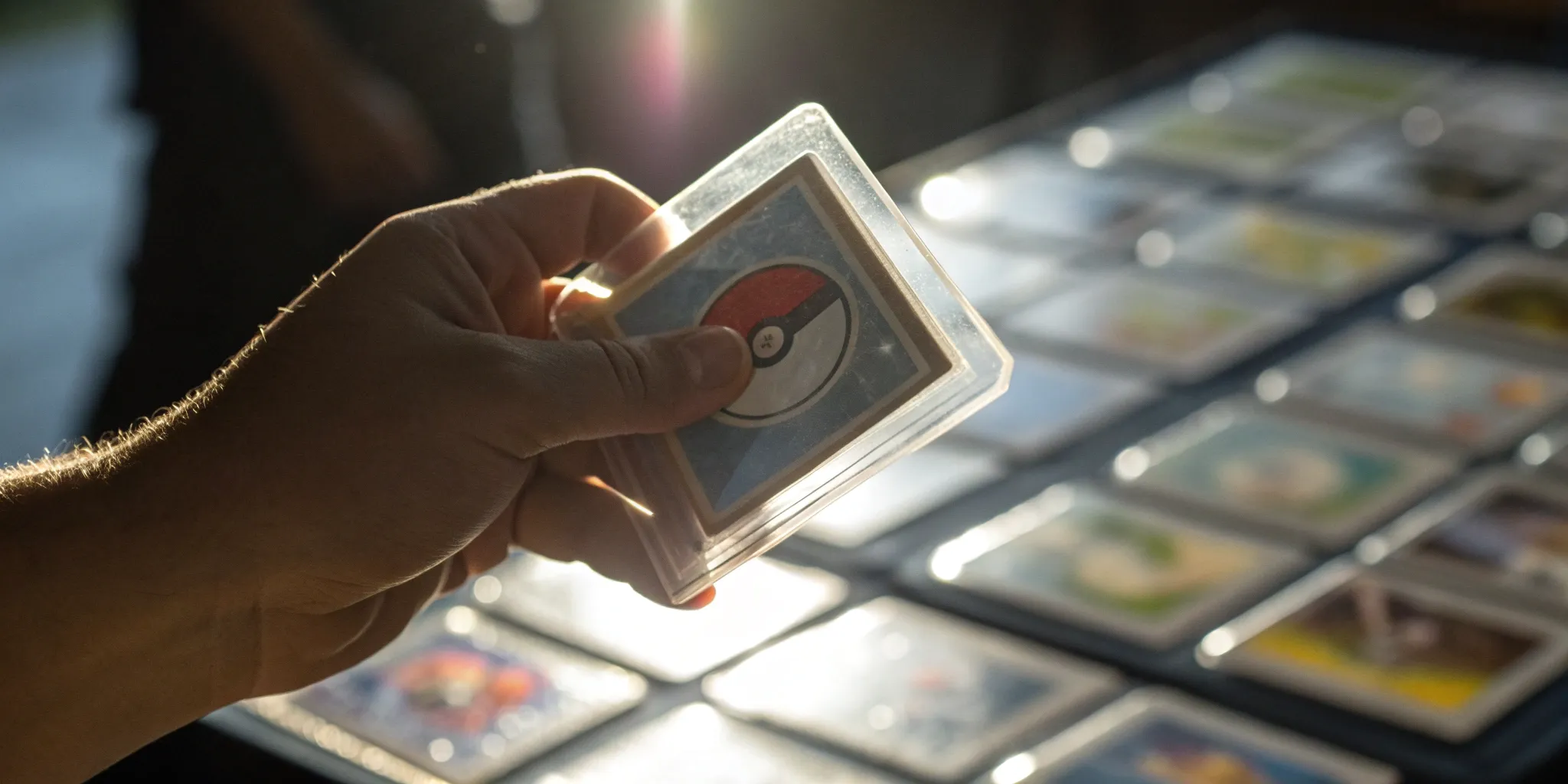
Getting your cards back from PSA is a huge thrill. You hold the freshly slabbed plastic in your hands, see that high grade, and feel the validation. But after the initial excitement wears off, a new question pops up: What’s the next step? Turning that graded card into cash can feel like a whole new challenge. You could list it on a massive auction site, sell it directly to another collector, or even get an instant offer. Each path has its own rules, fees, and potential rewards. This guide is designed to walk you through all the options, helping you find the best place to sell PSA graded cards for your specific goals and collection.
Key Takeaways
- Price Your Cards Based on Facts, Not Feelings: Determine your card's true market value by researching recent sold listings and checking the PSA Population Report for rarity. This data-driven approach is far more effective than simply copying what other sellers are asking for.
- Select a Selling Method That Fits Your Goals: Decide whether your priority is a quick, guaranteed sale or getting the highest possible price. An instant buyback program offers speed and convenience, while auctions and direct sales may yield more profit if you're willing to put in the time.
- Build Buyer Confidence with a Flawless Listing: A great price needs a great presentation. Use clear, well-lit photos from multiple angles and write a detailed description that includes the PSA certification number to build the trust needed for a smooth and successful sale.
What Makes PSA Graded Cards So Valuable?
If you’ve spent any time in the trading card world, you’ve heard the name PSA. It stands for Professional Sports Authenticator, and it’s become the industry standard for grading. Think of a PSA grade as a card's official report card—it verifies authenticity and assigns a score based on condition, giving both buyers and sellers a universal language to determine value. This shared trust is why cards graded by PSA often sell for more money than those graded by other companies, especially for cards that score a coveted Gem Mint 10.
This "PSA premium" exists because the company has built a long-standing reputation for consistency and accuracy. When you see a card encased in a PSA slab, you know it has been thoroughly inspected by experts. This removes the guesswork and subjectivity that can make buying raw, ungraded cards risky. For collectors and investors, that peace of mind is worth a lot. It transforms a piece of cardboard into a verified asset with a clearer market value, making it easier to buy, sell, and trade with confidence.
How Does PSA Grading Work?
The PSA grading process is a meticulous, multi-step evaluation. When you submit a card, it’s first checked for authenticity. Experts verify that it’s a genuine card and hasn’t been altered, trimmed, or restored in any way. Once authenticated, the card is graded on a scale from 1 to 10, with 10 being a flawless "Gem Mint" card. Graders carefully inspect four key criteria: the sharpness of the corners, the smoothness of the edges, the quality of the card’s surface, and how well the image is centered. Each of these factors plays a role in the final grade. This systematic evaluation ensures every card is held to the same high standard.
What Drives a Card's Market Value?
A card's grade is one of the biggest factors in its market price. A high-grade card from PSA can be worth exponentially more than the exact same card in a lower grade or ungraded condition. Why? Because the grade quantifies the card's condition, which is a huge driver of rarity and desirability. A pristine, perfectly preserved card is much harder to find than one with worn corners or surface scratches. The PSA grade provides a trusted, objective assessment that buyers are willing to pay a premium for. This is why getting your cards graded can be a smart move, turning a collectible into a more liquid and valuable asset.
Where to Sell Your PSA Graded Cards Online
Selling your graded cards online opens you up to a global market of collectors, but each platform offers a different experience. From instant buyback offers to massive auction sites, the right choice depends on whether you value speed, profit, or community. Let's look at some of the most popular online destinations to turn your graded cards into cash.
Packz: Get an Instant 100% Buyback Offer
If you’re looking for the fastest and most straightforward way to sell, the Packz buyback program is your answer. After you pull a card from one of our digital packs, you have the option to sell it back to us instantly for 100% of its market value. There’s no need to write listings, take photos, or deal with shipping and buyers. The value is credited directly to your account balance, which you can use to open more packs or cash out. This option is perfect for sellers who prioritize convenience and want to avoid the fees, time, and uncertainty of traditional marketplaces. It’s a hassle-free way to capitalize on your hits immediately.
eBay: Reach the Largest Audience with Auctions
When you think of selling collectibles online, eBay is probably the first name that comes to mind. It’s the largest online marketplace, giving your cards exposure to millions of potential buyers. Many collectors consider selling on eBay the most reliable way to get top dollar for valuable cards, especially through its auction format, which can spark bidding wars for rare items. The trade-off is that you’ll have to manage the entire process yourself—from creating a compelling listing and taking high-quality photos to packing, shipping, and handling customer questions. You’ll also pay seller fees, which can cut into your final profit, but the massive audience is often worth it.
COMC: Use a Professional Consignment Service
If you have a lot of cards to sell and not a lot of time, a consignment service like COMC (Check Out My Cards) is a fantastic option. You simply mail your graded cards to them, and their team handles the rest. They identify, scan, and list your cards for sale on their marketplace. When a card sells, they ship it to the buyer for you. This service is ideal for sellers who want to offload inventory without the daily grind of managing listings and shipments. While COMC’s fees are higher than selling directly, you’re paying for a professional, hands-off experience that saves you a ton of time and effort.
TCGPlayer: Sell on a Platform for Card Specialists
For Pokémon, Magic: The Gathering, and other trading card games, TCGPlayer is a go-to marketplace. This platform is built specifically for card collectors and players, meaning you’re listing your items for a highly targeted and knowledgeable audience. Buyers on TCGPlayer trust the platform, which can make them more comfortable purchasing high-value graded cards. The TCGPlayer marketplace has a structured listing process that makes it easy to add your inventory and manage sales. While it has a smaller audience than eBay, it’s a dedicated one, making it an excellent choice for selling non-sports TCGs.
Instagram: Sell Directly to the Collector Community
Believe it or not, Instagram has become a major hub for buying and selling collectibles. By using relevant hashtags like #sportscards, #pokemoncards, and #cardcollector, you can connect directly with a vibrant community of potential buyers. Many collectors prefer selling on Instagram because it allows them to build a personal brand and avoid marketplace fees. However, this route requires more work. You’ll need to build a following, establish trust, and handle payments and shipping on your own through services like PayPal Goods & Services. It’s a great option for those who enjoy engaging with the hobby community.
PSA Vault: Store and Sell Your Cards Securely
If you own high-end cards graded by PSA, the PSA Vault offers a secure, all-in-one solution for storing and selling. You send your slabbed cards directly to PSA’s high-security facility, where they are insured and kept in a climate-controlled environment. From your online account, you can list your vaulted cards directly onto the eBay marketplace with just a few clicks. When a card sells, the PSA team handles the shipping. This service provides peace of mind for your most valuable assets, combining top-tier security with access to eBay’s massive audience, making it ideal for serious investors and collectors.
Where to Sell Your PSA Cards In Person
While online marketplaces offer incredible reach, sometimes selling in person is the way to go. It’s a great way to get cash in hand immediately, avoid shipping hassles, and skip the platform fees that can eat into your profits. Selling face-to-face also lets you connect with other collectors and build relationships within the hobby. You get to talk to your buyer, negotiate a price you’re both happy with, and complete the transaction on the spot.
This approach works especially well for high-value cards where a buyer might want to inspect the slab in person before committing. It also adds a layer of security, as you can ensure you receive payment before handing over your card. If you prefer a more hands-on selling experience, there are several excellent avenues to explore. From bustling conventions to local meetups arranged online, you can find the right environment to sell your graded cards directly to an interested buyer.
Card Shows and Conventions
Card shows and conventions are basically the Super Bowl for collectors. These events bring together hundreds, sometimes thousands, of passionate buyers and sellers under one roof. The biggest advantage here is your audience. Everyone walking the floor is a potential customer who already understands and appreciates the value of PSA-graded cards. You can rent a table to display your collection or simply walk the floor with your cards to connect with dealers and other collectors. This environment is perfect for direct negotiation, and you can often get better prices than you would online. Plus, the energy is contagious, making it a fun way to spend a weekend.
Local Card and Hobby Shops
Your local card shop can be a super convenient option for selling your cards quickly. You can walk in, show them what you have, and potentially walk out with cash the same day. However, it’s important to manage your expectations. Most shops need to buy low to sell high to cover their overhead, so their offer might be significantly less than the card’s market value. Some shops don’t even buy graded cards at all, focusing instead on raw cards and sealed products. My advice? Call ahead to see if they’re interested in buying and do a little research to find shops that are known for giving fair offers.
Facebook Groups and Reddit Communities
Don’t overlook the power of online communities for making in-person sales. Platforms like Facebook and Reddit are home to massive groups of dedicated collectors. You can join a group like the r/pokemontrades subreddit or a local sports card group on Facebook to post your cards for sale. Often, you’ll find buyers who live in your area and are willing to meet up. This method gives you the broad reach of an online platform with the security and immediacy of an in-person transaction. Just remember to prioritize safety: always agree to meet in a well-lit, public place like a coffee shop or even your local card store.
How to Pick the Right Platform for Your Cards
Choosing where to sell your PSA graded cards isn’t a one-size-fits-all decision. The right platform for you depends entirely on your personal goals. Are you looking for a quick cash-out, or are you willing to hold out for the highest possible offer? Do you prefer the massive reach of a huge marketplace or the personal touch of a tight-knit collector community? Each option comes with its own set of pros and cons, from transaction fees and audience demographics to the level of security provided for each sale.
Thinking through these factors ahead of time will help you find the perfect home for your cards and make the selling process a lot smoother. It’s all about matching the platform’s strengths with what you want to achieve. Let's break down the key things you should consider before you create your first listing.
Weighing Speed vs. Profit
The eternal question for any seller: do you want your money now, or do you want more money later? Selling directly to other collectors in a Discord community or on a Reddit forum like r/pkmntcgtrades can often get you around 90-95% of a card's market value. On the other hand, a massive marketplace like eBay might only net you about 80% after all the fees. The trade-off is convenience and speed versus maximum profit. For a guaranteed, lightning-fast sale, Packz’s instant buyback offer gives you 100% of your card's value on the spot—a fantastic option when you want to reinvest your balance into more packs without any hassle.
Comparing Platform Fees and Commissions
The final sale price isn't what lands in your bank account. Every platform takes a cut, and it's crucial to understand these costs upfront so you aren’t surprised later. Fees can come in many forms: listing fees, final value fees (a percentage of the total sale), and payment processing fees. Before you commit to a platform, do the math to see what your actual take-home profit will be. Sometimes, it even makes sense to spend a little money to make more. For example, some sellers will pay to have a BGS 9.5 card re-graded by PSA, hoping for a 10 that could significantly increase its value. Always factor these potential costs into your selling strategy.
Considering Your Target Audience and Reach
You wouldn't sell a rare steak at a vegan festival, right? The same logic applies to your cards. You need to sell where your ideal buyers are hanging out. A platform like Instagram can be amazing for connecting directly with the collector community, allowing you to build relationships and showcase your cards with great visuals. Think about who you're trying to reach. Are they high-end investors looking for pristine rookie cards, or are they Pokémon fans trying to complete a set? Different crowds flock to different places, so choosing your platform is really about choosing your audience.
Reviewing Security and Buyer Protection
Selling valuable cards online can feel a bit nerve-wracking, which is why security should be a top priority. You want to protect yourself from scams and ensure every transaction goes smoothly. Established marketplaces often have built-in buyer and seller protections that can help resolve disputes. For high-value cards, using a service like the PSA Vault for eBay sales adds an extra layer of security and trust for both parties. When selling directly on social media or forums, you take on more risk. Always use a secure payment method like PayPal Goods & Services to give yourself some recourse if things go wrong.
How to Price Your PSA Graded Cards
Pricing your graded cards correctly is part art, part science. Set your price too high, and you’ll scare away potential buyers. Price it too low, and you’ll leave money on the table. The sweet spot is finding that fair market value that leads to a quick, profitable sale. It might seem intimidating, but you don't need to be a market analyst to get it right. By focusing on real data and understanding a few key factors, you can confidently price your cards.
The goal is to look at the market objectively. What are buyers actually paying for your card right now? How many other copies are out there? And what's the best way to present that price to your target audience? Answering these questions will help you move beyond guessing and start making data-driven decisions. Let’s walk through the three essential steps to pricing your PSA graded cards like a pro.
Research Recent Sales vs. Current Listings
The single biggest mistake sellers make is pricing their cards based on what other people are asking for. A listing price is just a wish; a sold price is a fact. Before you set a price, you need to check what similar cards have actually sold for recently. Marketplaces like eBay have filters that let you view only sold and completed listings. This data is your most reliable source of truth. Don't just look at the lowest current listings. Sometimes, every active listing is priced too high, and none of them are selling. Focus on the sales history from the last 30 to 90 days to get an accurate picture of your card's current value.
Factor in Card Population and Rarity
Not all graded cards are created equal, even if they have the same grade. The card’s rarity and population—the number of cards graded at that level—play a huge role in its value. You can use the PSA Population Report to see exactly how many copies of your card exist at each grade. A PSA 10 of a card with a low population is far more valuable than a PSA 10 of a common card. Some cards, often called "junk slabs," are so common that they're hard to sell unless you find a very specific collector. Always check the pop report to understand the true scarcity of what you're selling.
Decide Between an Auction or a Fixed Price
Your selling format can impact your final sale price. A fixed-price listing, or "Buy It Now," gives you full control. You set the price, and you wait for a buyer who's willing to pay it. This is a great option if you know exactly what your card is worth and you're not in a rush. On the other hand, an auction can create excitement and drive the price up, especially for in-demand cards. Many sellers find success starting auctions at a low price, like $0.99, to attract bidders. If you go this route, try to have your auctions end on a Saturday or Sunday evening when more buyers are online.
How to Create a Listing That Sells
You’ve got the graded card, but getting it sold is another game entirely. A great card can get lost in the shuffle if the listing doesn’t do it justice. Creating a listing that grabs attention and builds buyer confidence comes down to a few key things: a crystal-clear description, sharp photos that show off the card, and a bit of smart timing. Let’s walk through how to craft a listing that not only gets seen but also gets you the best possible price for your card.
Write Clear Descriptions with the Right Keywords
Your description is your sales pitch, so make every word count. Start with a clear, concise title that includes all the essential information: the player or Pokémon, card number, year, set, and the PSA grade. In the body of the description, repeat these details and add the PSA certification number so buyers can look it up themselves.
It’s important to explicitly state that the card is graded and slabbed. Don’t assume buyers will know just from the photo. Think like a buyer and use the keywords they would search for. A well-written product description not only informs but also helps your listing appear in the right searches, connecting you with serious collectors.
Take High-Quality Photos of Your Cards
Since buyers can’t hold the card in their hands, your photos have to do all the heavy lifting. Use bright, indirect natural light to avoid glare on the plastic slab, and place the card on a simple, dark background to make it pop. Take sharp, high-resolution photos of the front and back of the card.
Get close-ups of the corners, edges, and the PSA label itself. Honesty is your best policy here—if there’s a small scratch on the case, make sure it’s visible in the photos. This transparency helps you build trust with buyers and prevents any potential disputes after the sale. A steady hand and a clean camera lens can make all the difference.
Build Trust with Positive Seller Ratings
Just as collectors put their faith in the PSA brand, they need to be able to trust you as a seller. Your seller rating is your reputation, and it’s often the first thing a potential buyer looks at. A long history of positive feedback shows that you’re reliable, you ship quickly, and your cards are exactly as described.
Build a strong track record by packaging cards securely and shipping them promptly. Always communicate clearly with your buyers, whether you’re answering a question or providing a tracking number. Every smooth transaction contributes to your positive feedback, which acts as social proof for the next person who discovers your listing.
Time Your Listings for Maximum Exposure
When you list your card can be just as important as how you list it, especially if you’re using an auction format. For the best results, schedule your auctions to end on a Saturday or Sunday evening. This is prime time for the hobby, with more collectors online and ready to bid, which can spark the last-minute bidding war you’re looking for.
While auctions create excitement, a fixed-price "Buy It Now" listing is perfect for buyers who know what they want and are ready to purchase immediately. Your choice of listing strategy should depend on how in-demand your card is and how quickly you want to make a sale.
How to Market Your Cards to More Buyers
Listing your card is just the first step. To attract serious buyers and get the best possible price, you need to be proactive. Marketing your PSA graded cards helps you stand out from the crowd and connect with collectors who are actively looking for what you have. By putting in a little extra effort, you can build a reputation as a trusted seller and find the right home for your cards, faster. These strategies will help you expand your reach beyond a single marketplace listing.
Promote Your Listings on Social Media
Social media platforms are powerful tools for reaching a massive audience of collectors. Use Instagram, X (formerly Twitter), or even TikTok to showcase your cards. Don’t just post a static image; create engaging content like a short video showing the card's holographic details or a "pack to slab" story. High-quality visuals are key. Use popular hashtags like #sportscards, #pokemoncards, #psagraded, and #thehobby to get your posts in front of the right people. You can also tag popular collector accounts or influencers to increase visibility. This approach turns a simple sale into a piece of shareable content that builds excitement around your inventory.
Build an Email List and Connect with Customers
If you plan on selling regularly, building an email list is one of the smartest moves you can make. It gives you a direct line to your most interested buyers, away from the noise of social media algorithms. You can use a simple service to collect emails from past buyers or interested followers. Send out a weekly or bi-weekly newsletter with your newest inventory, market insights, or special offers. This helps you build a community around your collection and encourages repeat business from people who already trust you. It’s a professional touch that sets you apart from casual sellers.
Participate in Trading Card Communities
Becoming an active member of online trading card communities is a great way to build your reputation. Subreddits like r/sportscards and dedicated Facebook Groups are full of passionate collectors. Instead of just dropping links to your listings, contribute to conversations, share your knowledge, and post pictures of your personal collection. When people recognize you as a knowledgeable and trustworthy member of the community, they’ll be much more likely to buy from you when you do list a card for sale. Authenticity is everything here; focus on building relationships first and making sales second.
Sell Across Multiple Platforms
Don’t limit yourself to just one marketplace. Listing your cards on multiple platforms—a practice known as multi-channel selling—significantly expands your potential customer base. A collector who exclusively shops on COMC might never see your eBay listing. While Packz offers an instant buyback, you might list a high-end card on a consignment service and more common slabs on eBay. The key is to stay organized with a simple spreadsheet to track your listings. Since the PSA grading scale is the industry standard, your cards have built-in credibility no matter where you sell them, making it easier to manage listings across different sites.
How to Sell Your Cards Safely
Selling a high-value card is exciting, but it’s important to protect yourself and your collection. Whether you’re selling online or meeting a buyer in person, a few simple precautions can ensure the transaction goes smoothly. Being smart about how you sell is just as crucial as getting the right price for your card.
Protect Yourself from Payment Fraud
When it comes to getting paid, keeping things simple is the safest route. For any in-person sale, cash is your best friend. It’s immediate, final, and eliminates the risk of chargebacks or disputes. Avoid digital payment apps for face-to-face deals, as some services have policies that can leave sellers vulnerable if a buyer decides to claim fraud. If you’re selling online, always use the platform’s integrated payment system. These systems are designed with seller protection in mind and provide a secure way to handle funds without exposing your personal financial information.
Follow Best Practices for In-Person Sales
If you decide to sell a card in person, your safety is the top priority. Always arrange to meet in a busy, public location during the day. Many collectors recommend meeting in the lobby of a police station, which provides a secure and monitored environment for the exchange. A bank lobby is another great option. While it might feel a bit formal, choosing a safe spot gives both you and the buyer peace of mind. Never invite a stranger to your home or agree to meet in a secluded area. A serious buyer will understand and respect your decision to prioritize safety.
Use Your Platform’s Built-In Safety Features
Reputable online platforms offer features designed to protect you. For high-end graded cards, services like the PSA Vault can be a game-changer. By storing your cards with them, you can sell directly on major marketplaces with an added layer of security. This process helps prevent common scams where a buyer might falsely claim the card wasn't as described. Platforms like Packz also offer a secure alternative by providing an instant buyback option, completely removing the risks of dealing with individual buyers. Whatever platform you choose, take a few minutes to understand its specific safety features and seller protections before you list your card.
Common Selling Mistakes to Avoid
You’ve done the hard work of getting your cards graded, and now you’re ready to cash in. The final step is selling, but a few common slip-ups can cost you time and money. By steering clear of these frequent missteps, you can ensure a smoother process, build a better reputation as a seller, and get the best possible price for your cards. Let’s walk through the biggest mistakes sellers make and how you can easily avoid them.
Pricing Too High or Too Low
Finding the sweet spot for your card's price is a classic challenge. If you price it too high, you’ll scare off potential buyers who know the market. Price it too low, and you’re leaving money on the table. The key is to do your research on recent sales, not just current listings. Setting a fair price that accurately reflects the card's grade and condition is crucial for building trust. This is especially important if you don’t offer returns, as buyers need to feel confident they’re getting exactly what they paid for without any surprises. A well-researched price shows you’re a knowledgeable and fair seller.
Using Poor Photos and Vague Descriptions
When selling online, your photos are your storefront. Dark, blurry, or incomplete pictures will make buyers scroll right past your listing. Take clear, well-lit photos of every card from multiple angles. Be sure to capture the front, back, and close-ups of the corners and edges. It’s also wise to photograph the slab itself to show its condition. Good product photography not only attracts serious buyers but also helps you resolve any potential disputes down the line. Your description should be just as detailed, noting any important features or flaws so buyers know exactly what they're getting.
Ignoring Each Platform's Best Practices
Every selling platform has its own set of rules, fees, and audience expectations. What works on eBay might not fly in a dedicated Facebook Group. Trying to use a one-size-fits-all approach is a recipe for frustration and lower profits. Before you list, spend some time understanding the platform’s culture. Read their seller guidelines, look at successful listings, and understand the fee structure. Knowing how to sell online the smart way on each specific platform will help you connect with the right buyers and maximize your return. Don’t let avoidable fees or rule violations eat into your hard-earned profits.
Leaving Out Details Buyers Want to See
Serious collectors look for specific details, and leaving them out makes your listing look amateur. Always include the card’s full name, year, set, and the PSA certification number. This number allows a potential buyer to look up the card in the PSA database to verify its authenticity and grade. You should also be transparent about the condition of the slab itself—are there any scratches or scuffs? As one collector noted after a bad experience, incorrect details create more work for everyone and damage a seller's reputation. Providing all the necessary information upfront shows you’re a trustworthy seller who respects the buyer’s time and investment.
Related Articles
- Cheap Graded Cards: The Ultimate Buyer's Guide | Packz Blog
- The Guide to PSA Graded Basketball Cards | Packz Blog
- How to Sell My Sports Cards for Cash: A Simple Guide | Packz Blog
Frequently Asked Questions
Why should I even bother getting my cards graded by PSA? Think of a PSA grade as a universal stamp of approval. It confirms your card is authentic and assigns it a condition score that everyone in the hobby trusts. This removes all the guesswork for a potential buyer, which is why they're often willing to pay a significant premium for a graded card, especially one with a high score. It essentially turns your collectible into a verified asset with a much clearer market value.
I want to sell my card quickly without any hassle. What's my best option? If speed and convenience are your top priorities, an instant buyback program like the one we offer at Packz is hard to beat. You can sell your card back to us for 100% of its market value right after you pull it, with the credit hitting your account immediately. This lets you skip the entire process of creating listings, taking photos, and dealing with shipping, which is perfect when you want to avoid the time and fees of traditional marketplaces.
What's the biggest mistake people make when pricing their graded cards? The most common mistake is pricing your card based on what other sellers are asking for. An active listing price is just a wish, not a reality. To find your card's true market value, you need to research what similar cards have actually sold for recently. Most marketplaces have a filter to show you completed sales, and this data is the most reliable guide for setting a price that is both fair and realistic.
Do the photos in my listing really matter that much for a graded card? Absolutely. Even though the card is protected in a slab, your photos are the only way a buyer can inspect it before purchasing. High-quality pictures build trust. You should use good lighting to avoid glare and take clear shots of the front, back, and the PSA label. It's also smart to photograph the slab itself to show its condition. Great photos show you're a professional and transparent seller, which makes buyers more confident.
Is it safer to sell my cards online or in person? Neither is inherently safer than the other; it all comes down to how you handle the transaction. Online, you should always use the platform’s built-in payment and protection systems. For in-person deals, cash is king, and you should always meet in a busy, public place like a police station lobby or a local card shop. The key is to avoid risky situations, like accepting unusual payment methods or meeting a stranger in a private location.
Recommended Reading
Cash for Graded Sports Cards: The Fastest Ways to Sell
Get cash for graded sports cards faster. Compare auction houses, marketplaces, and instant buyback options to pick the route that fits your timeline.
How to Compare Value in Sports Card Packs
Learn how to compare sports card packs using card quality, available pulls, pricing clarity, and Packz’s 100% buyback option.
How to Buy Pokemon Packs Online for Ripping
Ready to buy pokemon packs online for ripping? Get transparent pack value and clear pull odds so you never overpay for the thrill of the hunt. Start collecting safely.