
May 21, 2026
Pokémon Wild Force Best Cards & Their Market Value
Find out which Pokémon Wild Force best cards are most valuable, how to track prices, and tips for building a smart collection as a new or seasoned collector.
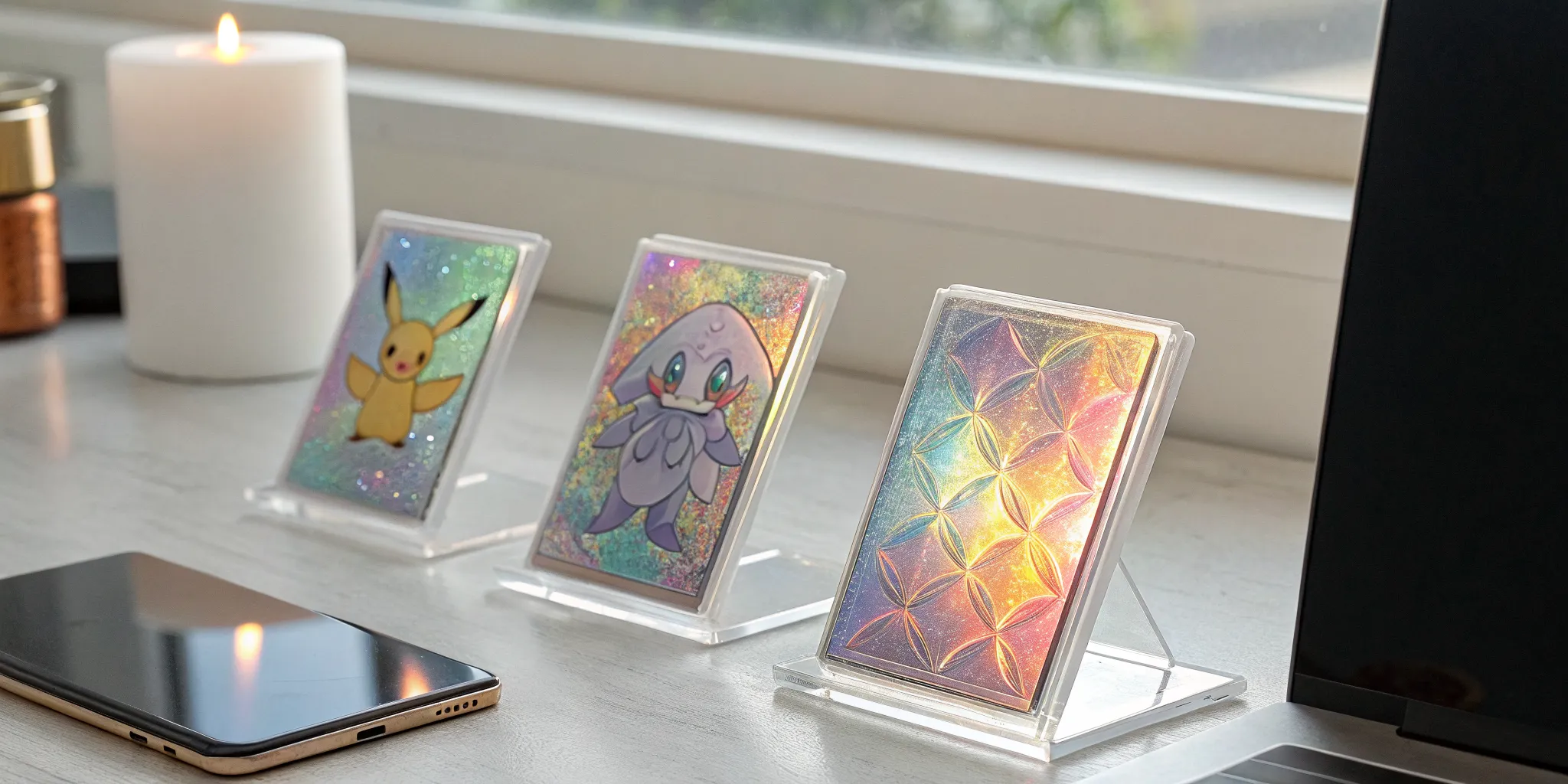
Let’s talk numbers. When you’re deciding whether to buy a booster box or hunt for singles from a new set, the big question is always about value. Is it a smart move for your collection? The Wild Force set presents a compelling case, with some individual cards already fetching prices that far exceed the cost of a whole box. The potential for a massive return on your investment is definitely there, especially when you factor in the value jump from professional grading. To make a smart decision, you first need to know which cards are driving the market. This guide provides a complete analysis of the pokemon wild force best cards, giving you the data you need to decide if chasing this set is the right financial play for you.
Key Takeaways
- Look beyond rarity for value: A card's price is a combination of factors. While rarity is important, the artwork, character popularity, and physical condition all play a huge role in determining what a card is actually worth to collectors.
- Grading is a smart investment: For cards in great shape, professional grading can dramatically increase their value. A card with a top grade like a PSA 10 is almost always worth significantly more than its ungraded counterpart, making it a wise move for serious collectors.
- Collect with a strategy: Build a stronger collection by doing your homework on market prices before you buy. Avoid common mistakes like selling at the first price spike and diversify your portfolio with different types of cards to protect your investment.
What Makes a Wild Force Card Valuable?
Figuring out what a Pokémon card is worth can feel like a puzzle. Why is one card a few bucks while another is worth hundreds? For the Wild Force set, a card's value comes down to a mix of a few key ingredients. It’s not just about how powerful the Pokémon is in a battle. Instead, factors like how rare it is, how cool it looks, and its physical condition all play a huge part. Let's break down exactly what you should look for to spot a valuable card.
Rarity and Card Type
The most straightforward factor in a card's value is its rarity. The harder a card is to find, the more people are willing to pay for it. In Wild Force, you'll see different rarity levels, from common cards to the highly sought-after Special Illustration Rares (SIRs). These SIR cards are incredibly difficult to pull from a pack, which automatically makes them more desirable. The high prices you see on Japanese auction sites reflect the intense collector interest in these rare finds. A card's type, like "ex" or "Trainer," also influences its standing in the collector market, as certain types are more popular with players and collectors alike.
Artwork and Character Popularity
Never underestimate the power of great art and a popular character. Sometimes, a card's value has less to do with its rarity and more to do with its visual appeal. Full-art cards with unique, story-driven illustrations tend to be fan favorites. A perfect example from this series is the Bianca's Sincerity card. It became one of the set's most valuable cards simply because Bianca is a beloved character, not because of the card's in-game utility. Collectors often connect with the art and characters on a personal level, and that emotional connection directly translates into market value. A stunning illustration can make a card a must-have piece for any collection.
Condition and Grading
A card's physical condition is critical. A card fresh from the pack might look perfect, but tiny imperfections like off-center printing, corner wear, or surface scratches can significantly lower its value. This is where professional grading comes in. Companies like PSA assess a card's condition and assign it a score from 1 to 10. Getting a card graded can dramatically increase its worth. A card with a perfect PSA 10 grade is considered gem mint and will almost always sell for much more than an ungraded, or "raw," version of the same card. For serious collectors, condition is king, and a high grade is the ultimate proof of a card's quality.
Current Market Demand
Finally, a card is only worth what someone is willing to pay for it right now. Market demand is the dynamic force that brings all the other factors together. A card can be rare and feature beautiful art, but its price will fluctuate based on current trends and collector interest. This is why you see prices change over time. Websites that track sales data give you a snapshot of the current demand by showing recent sale prices for cards in different conditions. Keeping an eye on the market helps you understand if a card's value is rising, falling, or holding steady, allowing you to make smarter buying and selling decisions.
The Top Chase Cards in the Wild Force Set
Every new Pokémon set has them: the chase cards. These are the ultra-rare, beautifully illustrated cards that everyone wants to pull from a pack. In the Wild Force expansion, the chase cards are all about stunning artwork and popular characters, making them the centerpieces of any collection. Their value comes from a mix of rarity, artistic appeal, and how useful they are in the actual trading card game.
While the thrill of the hunt is a huge part of the fun, it’s also smart to know what you’re looking for. The prices for these cards can change based on what’s happening in the collector market, but a few have already established themselves as the set’s most wanted. Whether you’re hoping to pull one from a pack or you’re considering buying the single, these are the top-tier cards from Wild Force that have everyone talking. Let’s get into which cards are making waves and what they’re currently worth.
1. Raging Bolt ex (Special Illustration Rare) — ~$37
Leading the charge is Raging Bolt ex, a brand-new Paradox Pokémon that looks like a prehistoric version of Raikou. This card’s Special Illustration Rare version is a true work of art, featuring the creature in a dramatic, stormy landscape that collectors have fallen in love with. Its unique design and powerful presence make it a standout in the set. With a market price hovering around $37, it’s one of the most valuable and sought-after pulls, combining fresh lore with incredible artwork that’s hard to resist.
2. Morty's Conviction (Special Illustration Rare) — ~$32
It’s not just Pokémon that get the spotlight; popular trainers do, too. Morty's Conviction is a Supporter card featuring the fan-favorite Ghost-type gym leader from Johto. The Special Illustration Rare version of this card is particularly stunning, with a soft, atmospheric art style that tells a story. Full-art trainer cards have become major collector's items, and this one is no exception. Valued at around $32, its appeal lies in both the nostalgia for the character and the sheer beauty of the illustration, making it a prized possession for anyone lucky enough to find it.
3. Walking Wake ex (Special Illustration Rare) — ~$27
Another new Paradox Pokémon, Walking Wake ex, makes a splash as a top chase card. This ancient relative of Suicune has a fierce, raptor-like design that looks incredible in its full-art treatment. The Special Illustration Rare shows Walking Wake striding through a lush, primeval jungle, an image that captures its wild and powerful nature perfectly. It’s not just a pretty card; it also has potential in gameplay, which adds to its demand. Collectors and players alike are after this one, giving it a solid market value of approximately $27.
4. Bianca's Sincerity (Special Illustration Rare)
Often hailed as the crown jewel of the Wild Force set, Bianca's Sincerity is the card every collector dreams of pulling. As a Special Illustration Rare, this Supporter card features breathtaking artwork of Bianca in a serene, light-filled setting. Its incredible beauty, combined with its rarity, has driven its value far above most other cards in the set. With a staggering market value of around $102, it’s the undisputed chase card for high-end collectors and a true testament to how valuable trainer cards can be.
5. Underrated Cards to Watch: Metagross & Flutter Mane (~$3)
While everyone is chasing the big-ticket items, smart collectors keep an eye on the sleepers. Metagross and Flutter Mane are two cards that fall into this category. Both are fan-favorite Pokémon with gorgeous artwork, yet their current market value is only around $3 each. These cards are considered underrated gems that could see their value grow over time as the set matures and demand shifts. They’re a great, affordable way to add some beautiful art to your collection without breaking the bank, and they represent a savvy move for anyone looking to build a diverse Wild Force portfolio.
Graded vs. Ungraded: Which Is Worth More?
When you're looking at your collection, one of the biggest questions is whether to get your cards graded. The short answer is that grading can make a huge difference in a card's value. A graded card has been professionally inspected and sealed in a protective case with a score, usually from 1 to 10, that certifies its condition. This grade gives buyers confidence and removes the guesswork. For example, looking at the Japanese Wild Force card prices, an ungraded Gastly card might sell for about $30. But if that same card earns a perfect PSA 10 grade, its value can jump to over $115. That's a massive difference, and it all comes down to that certified grade.
How Much Does a PSA 10 Grade Increase a Card's Value?
The jump in value for a PSA 10 isn't just a fluke; it's a consistent pattern across desirable cards. Take Morty's Confidence, for instance. An ungraded version is valued around $52, but a PSA 10 can sell for close to $137. The increase is even more dramatic for a card like Gengar ex. Ungraded, it’s worth about $32, but a PSA 10 grade can push its value up to $168. This premium shows just how much collectors are willing to pay for cards in pristine, verified condition. Getting that top grade essentially confirms your card is one of the best-preserved examples in existence.
Should You Get Your Wild Force Cards Graded?
So, does this mean you should rush to get all your Wild Force cards graded? If you've pulled cards that look clean and are in great shape, the answer is a strong yes. The market consistently shows that graded cards, especially those with a PSA 10 rating, are worth significantly more than their raw, ungraded counterparts. As more people get into collecting, the demand for high-quality, graded cards is only going to grow. Think of grading as a way to protect your card and solidify its value for the future. It’s a smart step for any serious collector looking to maximize their collection's potential.
How to Track Wild Force Card Prices
Knowing the value of your cards is key to building a smart collection. Market prices can change quickly, so staying informed helps you decide the right time to buy, sell, or hold onto your cards. Luckily, you don’t have to guess what your Wild Force cards are worth. With the right tools and a little bit of observation, you can get a clear picture of the market and make moves you feel good about. Here are two simple and effective ways to keep track of Wild Force card prices.
Use Price-Tracking Websites and Tools
Price-tracking websites are your best friend for getting a handle on a card’s value. These platforms gather sales data from across the internet, giving you a solid baseline for what a card is worth. For instance, you can find sites that provide detailed price information for Japanese Wild Force cards, showing you recent sales for both ungraded cards and those graded by PSA. Clicking on a specific card lets you see its price history, which is perfect for spotting trends over time. Many of these sites also offer free tools to help you catalog and track the total value of your personal collection.
Watch Online Auctions for Real-Time Data
If price-tracking sites give you the history, online auctions give you the live forecast. Watching listings on sites like eBay gives you a real-time look at what buyers are actually willing to pay for Wild Force cards at this very moment. This is a great way to gauge current demand and see if a card is heating up or cooling down. Keep an eye on the final sale prices, not just the listing prices. It’s also worth noting that many cards from this set are expected to appear in the English "Temporal Forces" set, which could influence their market value as interest grows.
Where to Buy Pokémon Wild Force Cards
Once you know which cards you're after, the next step is figuring out where to find them. Luckily, there are a couple of great avenues for buying Pokémon Wild Force cards, each offering a different kind of experience. Whether you prefer the straightforward approach of buying exactly what you want or you enjoy the thrill of a surprise, you have solid options for building your collection.
Shop Online Marketplaces
Online marketplaces are your best bet if you want to buy specific cards or sealed products. This is the most direct way to get your hands on that Raging Bolt ex or Morty's Conviction you've been eyeing. Before you buy, it’s smart to check the market value of various cards to make sure you’re getting a fair deal. This helps you track your collection's worth over time, too.
For those hunting down specific chase cards, sites like TCG Republic specialize in selling individual rare and foil Pokémon cards, making it easier to complete your set. You can also keep an eye on the average prices on auction sites like Mercari, which show strong collector interest and can give you a real-time pulse on what people are willing to pay.
Try Digital Mystery Packs
If you love the rush of opening a pack and discovering what's inside, you should try digital mystery packs. This approach adds a layer of excitement to collecting and can be a really fun way to find rare cards you might not have sought out otherwise. It’s the modern version of ripping open a fresh booster pack, with the chance to pull some incredible hits from the Wild Force set.
These packs often contain a mix of cards, including valuable graded ones. You can get a sense of what you might pull by looking at the average values for ungraded cards and their graded counterparts. The best part is the flexibility. After you open a pack online, you can decide whether to have the physical cards shipped directly to your door or sell them back instantly to keep the pack-opening fun going.
Common Collector Mistakes to Avoid
Whether you’re just starting out or have been collecting for years, it’s easy to make a few missteps along the way. We’ve all been there. The good news is that a little bit of knowledge can help you sidestep the most common pitfalls. Thinking strategically about how you buy, sell, and manage your cards will make your collection stronger and the hobby more rewarding.
From getting caught up in the hype and overpaying to selling a card right before it hits its peak value, these mistakes are completely avoidable. Let’s walk through some of the most frequent errors collectors make and how you can develop smarter habits. By keeping these points in mind, you can build a Wild Force collection you’re truly proud of, without the buyer’s or seller’s remorse.
Overpaying for Common Cards
It’s easy to get excited and want to complete your set quickly, but this can lead to spending too much on cards that are actually quite common. For example, many non-holo cards from the Wild Force set, like Heatmor #9 or Roselia #1, are widely available. Before you click “buy,” take a moment to research current card prices to get a sense of their market value. A few minutes of research can save you from overspending on cards that should only cost a dollar or two, leaving you with more budget for the rare hits you’re chasing.
Ignoring a Card's Condition
A card’s condition is one of the biggest factors in determining its value. A pristine, perfectly centered card is always going to be worth more than one with whitening on the edges or a scuffed surface. This is why the professional grading system exists. A card graded as a PSA 10 can be worth exponentially more than its ungraded or lower-graded counterpart. Always inspect a card’s condition closely before you buy or trade. Understanding the basics of card grading standards will help you accurately assess a card’s quality and potential worth, ensuring you get fair value.
Selling at the First Price Spike
When you see a card’s value jump, your first instinct might be to sell it and cash in. However, acting too quickly can mean missing out on even bigger gains. Card prices are constantly in flux, driven by community hype and tournament results. The most valuable cards often see several peaks and valleys. Instead of selling immediately, try to watch the market trends. Patience can be your best friend. Letting the market settle can give you a clearer picture of the card's true value, helping you decide on the best time to sell for maximum profit.
Not Diversifying Your Collection
Focusing all your energy and budget on chasing one or two big-ticket cards can be a risky strategy. If that card’s value drops, your entire collection’s worth takes a hit. A smarter approach is to diversify. Build a collection that includes a mix of different card types: special illustration rares, full arts, and even promising uncommon cards. You can find a wide selection of individual cards online to fill in the gaps. A balanced portfolio is more resilient to market shifts and, frankly, more interesting to build and show off.
How to Build a Smarter Wild Force Collection
Building an impressive Pokémon card collection isn’t just about the luck of the draw; it’s about strategy. Being a smart collector means you’re not just buying cards, you’re making calculated moves that increase the value and enjoyment of your hobby. With a little planning, you can build a Wild Force collection that’s not only fun to own but also a solid asset. Here are a few tips to get you started on a more strategic path.
Do Your Research Before You Buy
Before you spend a single dollar, take a moment to do some homework. Knowing a card’s market value is the first step to making an informed purchase and avoiding overpaying. You can check the market value of Japanese Wild Force Pokémon cards on websites that track actual sales from online marketplaces. This data gives you a realistic baseline for what a card is worth. Pay close attention to the prices for graded cards, like those with a PSA 9 or 10 rating. A high grade can dramatically increase a card’s value, so it’s a detail you don’t want to overlook when buying or assessing your own pulls.
Diversify Your Card Portfolio
While it’s tempting to go all-in on chasing one specific card, a more resilient and valuable collection is often a diverse one. Think of it like an investment portfolio: spreading your focus across different assets can pay off. The Wild Force set includes a variety of beautiful and valuable card types beyond the basics. Look for individual rare Pokémon cards categorized as 'AR Foil,' 'SR Foil,' or 'SAR Foil.' These cards often feature stunning artwork and hold significant value, making them fantastic additions that can strengthen your collection’s overall worth.
Connect with the Collector Community
You’re not in this hobby alone. Engaging with the collector community is one of the best ways to stay on top of what’s happening in the market. Fellow collectors are a great source of information on current trends, card values, and what’s generating excitement. You can get a sense of the level of interest in these cards by observing discussions on forums or seeing what’s popular on auction sites. Plus, connecting with others opens up opportunities for trades, helping you acquire sought-after cards without always having to buy them outright.
So, Is Opening Wild Force Packs Worth It?
Alright, let's get to the big question. Is it actually worth your money to open Wild Force packs? The short answer is: it depends on what you're after. If you're in it purely for the thrill of the rip and the chance to find some incredible new Pokémon, then absolutely. But if you're thinking about it from an investment angle, the math gets a little more interesting.
A single Japanese Wild Force booster pack costs around $3.71. When you consider that the top chase card, Raging Bolt ex (SIR), is currently valued at about $37, you can see the potential for a huge win. Pulling just one of the top-tier cards could pay for an entire booster box. The market interest for this set is high right now, which helps keep the value of these chase cards strong. Of course, it's a game of chance, and you're not guaranteed to pull a winner in every pack.
But here's another layer to consider: card grading. An ungraded Walking Wake ex might be a great find, but getting it graded as a PSA 10 could dramatically increase its value. So, even if you don't hit the jackpot with a Raging Bolt, pulling a mint-condition card that's a good candidate for grading can still be a major score. Ultimately, opening Wild Force packs is a gamble, but it's one with some seriously exciting potential rewards, both for your collection and your wallet.
Related Articles
- How to Find Accurate Pokémon Card Values | Packz Blog
- How to Collect Pokémon Cards: A Beginner's Guide | Packz Blog
Frequently Asked Questions
Why are some trainer cards, like Bianca's Sincerity, worth more than powerful Pokémon cards? It’s a great question that gets to the heart of what makes collecting so interesting. While a Pokémon's power is important for playing the game, the collector market often runs on different fuel: art and nostalgia. Special Illustration Rare trainer cards are like limited edition art prints. They feature beloved characters in unique, story-driven scenes, and collectors connect with that on a personal level. The value comes from the artist's skill, the character's popularity, and the card's rarity, creating a perfect storm of demand that can push its price far beyond that of a typical Pokémon ex card.
Should I get all my rare Wild Force cards graded? Not necessarily. Grading is a strategic move, not a mandatory one. It's most effective for cards that are already in excellent, near-perfect condition and are in high demand, like the top chase cards. Before sending a card in, inspect it carefully under good light for any centering issues, corner wear, or surface scratches. If a card has obvious flaws, the cost of grading might be more than the value it adds. Think of grading as the final step to certify a top-tier card, not as a way to fix a card's existing condition.
Is it better to buy the single card I want or try my luck opening packs? This really depends on your goal. If you have your heart set on a specific card, like the Walking Wake ex, buying it as a single is the most direct and cost-effective way to get it. You know exactly what you're paying for. Opening packs, on the other hand, is for the experience. It’s about the thrill of the surprise and the chance to pull something incredible you weren't even looking for. Both are valid ways to collect; one prioritizes efficiency, while the other prioritizes the excitement of the hunt.
How will the English "Temporal Forces" set affect the value of my Japanese Wild Force cards? Typically, when an English set is announced, it brings more global attention to its Japanese counterpart. This can cause a short-term increase in the value of Japanese cards as hype builds and collectors who can't wait get their hands on them. Once the English cards are widely available, the prices for the Japanese versions often stabilize or sometimes dip a bit. If you're holding onto key Wild Force cards, it's a good time to watch the market closely to see how demand shifts.
I pulled a great card! What are the first things I should do to protect its condition and value? Congratulations! The first moments are the most important for preserving a card's condition. Handle it as little as possible and always by the edges. Your immediate next step should be to place it in a soft plastic sleeve, often called a penny sleeve. After that, slide it carefully into a rigid plastic holder, known as a top loader. This two-step process protects it from dust, scratches, and bending. Once it's safe, you can take your time to admire it and decide if it's a card you want to send for professional grading.
Recommended Reading
Cash for Graded Sports Cards: The Fastest Ways to Sell
Get cash for graded sports cards faster. Compare auction houses, marketplaces, and instant buyback options to pick the route that fits your timeline.
How to Compare Value in Sports Card Packs
Learn how to compare sports card packs using card quality, available pulls, pricing clarity, and Packz’s 100% buyback option.
How to Buy Pokemon Packs Online for Ripping
Ready to buy pokemon packs online for ripping? Get transparent pack value and clear pull odds so you never overpay for the thrill of the hunt. Start collecting safely.