
May 8, 2026
What Are Pokémon Hyper Rare Cards? Explained
Learn what makes Pokémon hyper rare cards special, how to spot them, and why collectors prize these gold cards for their unique look and scarcity.
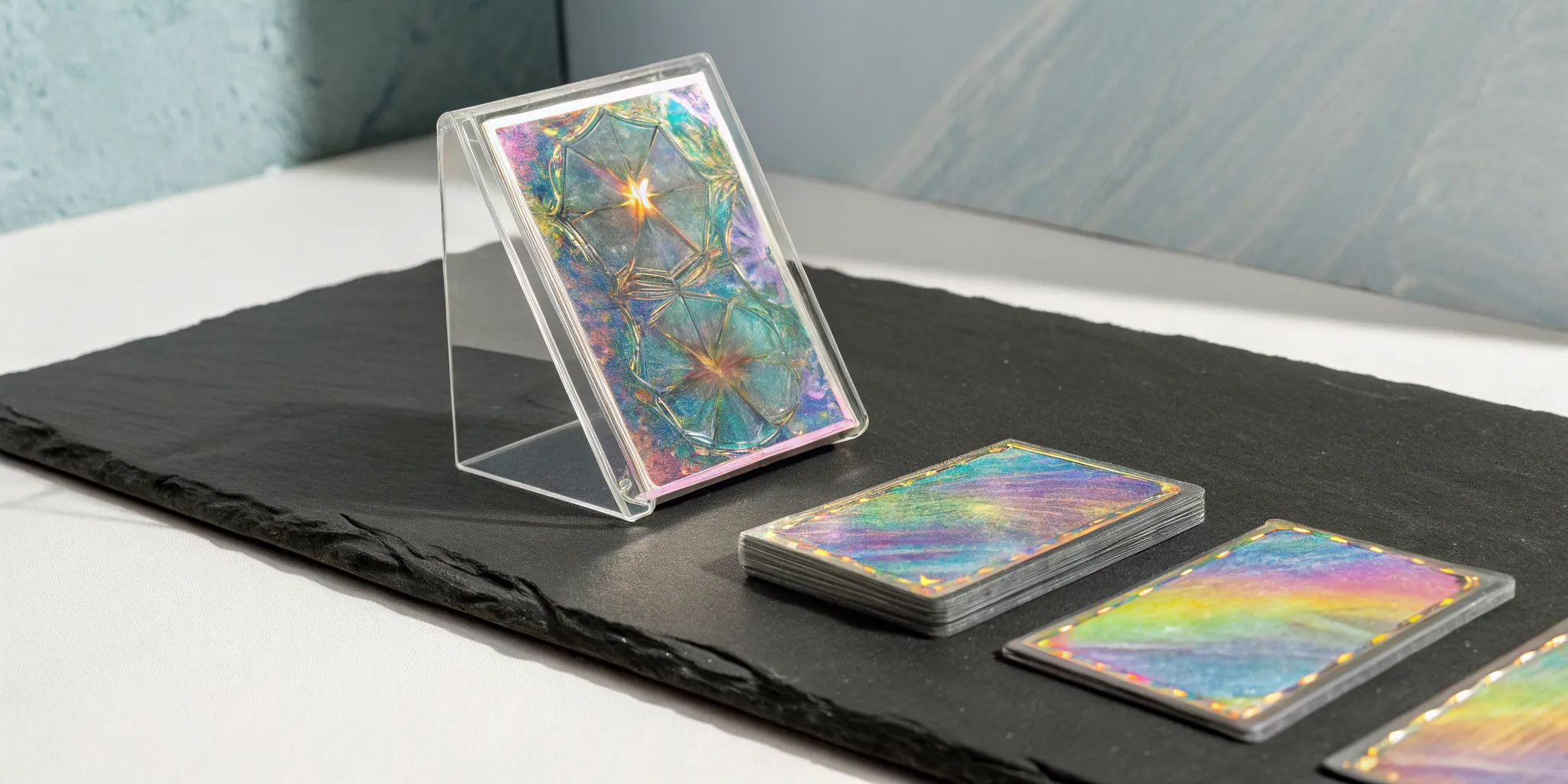
If you’ve ever opened a Pokémon booster pack, you know the feeling. You methodically go through the commons and uncommons, your anticipation building until you get to that final card. Sometimes it’s a simple holo, and other times, it’s something more. But every so often, you see a flash of gold that makes your heart stop. That’s the magic of pulling one of the most sought-after cards in the modern game. These treasures are the pinnacle of rarity, combining stunning looks with extreme scarcity. This guide will walk you through everything you need to know about Pokémon hyper rare cards, from how to identify them to what makes them so valuable.
Key Takeaways
- Spot a Hyper Rare by its key traits: Look for a full-card gold design, a distinct glittery texture, and three gold stars as the rarity symbol. Remember, they only appear in sets from the Scarlet & Violet series onward.
- Value is more than just rarity: A card's market price also depends on the Pokémon's popularity and its physical condition. Professional grading authenticates a card's quality and is crucial for maximizing its long-term value.
- Protect your pulls to maintain their value: The moment you find a great card, put it in a soft sleeve and then a rigid top-loader. For your most important cards, professional grading offers the ultimate protection and authentication.
What Is a Pokémon Hyper Rare Card?
If you’ve ever opened a booster pack and felt your heart skip a beat, you know the thrill of finding a rare card. But some cards are in a league of their own. Hyper rare cards are a special tier of collectible in the Pokémon Trading Card Game, known for their stunning looks and scarcity. They represent the pinnacle of rarity in modern sets, making them a prize for any collector.
Think of them as the treasure at the end of the rainbow. When you pull one, you know you’ve found something special. But what exactly makes a card "hyper rare" and not just, say, "ultra rare"? It all comes down to a few key features, from the art style to a specific symbol on the card. Let's get into what you should look for to spot one of these golden gems in your collection.
What Makes a Card "Hyper Rare"?
So, what’s the secret sauce? Hyper rare cards are a type of Full Art Secret card), which is just a fancy way of saying the artwork isn't confined to a small box; it covers the entire card from edge to edge. What really makes them stand out is their signature look. These cards are gilded, featuring a brilliant gold background and border that immediately catches your eye. On top of that, they have an extra layer of textured glitter foil, giving them a unique sparkle that other cards just don't have. You can find hyper rare versions of powerful Pokémon, useful item cards, and even special energy cards.
The Three Gold Stars Symbol
While the golden sheen is a dead giveaway, there’s an even easier way to identify a hyper rare card. Just look at the bottom of the card for the rarity symbol. A hyper rare card will always have three small, gold stars. This is the official mark that distinguishes it from other cards in a set. For comparison, a regular rare card has a single black star, and an ultra rare has two black stars. Seeing those three gold stars is your confirmation that you’ve pulled one of the most elusive cards from the set. It’s a simple but definitive sign of the card’s special status.
Hyper Rare vs. Other Pokémon Cards
Figuring out the rarity of Pokémon cards can feel like its own game. With so many different types of foils, artworks, and symbols, it’s easy to get confused about what you’ve actually pulled. While Hyper Rares sit near the very top of the rarity ladder, they aren’t the only super-desirable cards in a set. Understanding the differences between them and other high-end cards like Ultra Rares and Special Illustration Rares is key to knowing what to look for. It helps you appreciate not just the technical rarity but also the artistry and collector appeal that makes each card special.
Comparing Rare, Ultra Rare, and Hyper Rare
Let's break down the hierarchy. Most collectors are familiar with the basic star symbol that marks a card as "Rare." But the rabbit hole goes much deeper. Above standard Rares, you have "Ultra Rares," which often feature powerful Pokémon and have distinct textures and foil patterns. At the very peak are "Secret Rares," cards with a number that exceeds the set's official count (like 210/198). Hyper Rares fall into this exclusive category. First introduced in the Scarlet & Violet series), these gold cards are generally the most difficult type of card to pull from a pack, making them a true prize for any collector.
Artwork and Foil Finishes
What makes a Hyper Rare immediately stand out is its stunning appearance. These are "Full Art" cards, which means the illustration covers the entire surface without the usual border. But it’s the color and texture that really sets them apart. Hyper Rares are gilded with a brilliant, shiny gold finish from top to bottom. On top of that, they have an extra layer of sparkling foil and a unique texture that catches the light. While a standard holographic Rare has a simple foil pattern on the art box, and an Ultra Rare might have some light texture, a Hyper Rare is completely drenched in gold and glitter, giving it a premium look and feel.
Special Illustration Rares vs. Hyper Rares
Here’s where the collector debate gets interesting. While Hyper Rares (or Gold cards) are technically harder to pull, many collectors find Special Illustration Rares (SIRs) more desirable. SIRs are also Full Art Secret Rares, but instead of a gold finish, they feature unique, story-driven artwork that often shows the Pokémon in a special environment. These are often considered the "chase cards" of a set. Because a set usually contains more SIRs than Hyper Rares, your odds of pulling a specific SIR you want can actually be lower than pulling a specific Hyper Rare. It creates a fun dynamic where one card is technically rarer, but the other might be more sought-after for its art.
The History of Hyper Rare Cards
Hyper Rare cards might seem like a recent addition to the Pokémon TCG, and in a way, they are. But their story is really one of evolution. The stunning gold cards we chase today have roots in earlier sets, evolving from a broader category of rare finds into the distinct classification we now know. Understanding where they came from gives you a better appreciation for their role in the collecting world and why they generate so much excitement every time a new set drops. Let's look at their official debut and how they grew out of a fan-favorite card type.
Their Debut in the Scarlet & Violet Series
The official "Hyper Rare" designation made its grand entrance with the Scarlet & Violet series) of the Pokémon Trading Card Game. Before this, collectors had seen similar gold-foil cards, but this was the first time they were given their own specific rarity name and symbol. This move by The Pokémon Company helped clarify the different tiers of rarity, giving collectors a clear and exciting new target. When the Scarlet & Violet sets started rolling out, the hunt for these shimmering gold cards began in earnest, establishing them as a must-have for anyone looking to complete a master set or just own a piece of TCG history.
How They Evolved from Secret Rares
Before they were officially called Hyper Rares, cards with a similar golden aesthetic were often grouped under the wider umbrella of "secret rares." Secret rares are cards with a collection number that exceeds the official set number, like card 101/100. This category has always been a catch-all for the most exclusive and hard-to-find cards in a set. The introduction of the Hyper Rare name was a way to create a more specific classification for the full-art gold cards, distinguishing them from other types of secret rares like Rainbow Rares or Special Illustration Rares. This evolution shows how the TCG continues to refine its system, giving collectors more precise ways to identify and value their prized pulls.
What Makes Hyper Rares Look So Good?
Hyper rare cards are the showstoppers of any collection. When you pull one, you know it instantly. It’s not just one thing that makes them look incredible; it’s a combination of deliberate design choices that create a truly premium card. From the edge-to-edge artwork to the specific textures, every element is crafted to make a statement. These cards feel substantial and look luxurious, which is a huge part of their appeal. Let's break down the features that give hyper rares their signature, eye-catching appearance.
Full-Card Art and Gold Backgrounds
First, hyper rares are "Full Art" cards. This means the illustration isn’t confined to a box; it stretches across the entire surface, giving the character the spotlight. This edge-to-edge design makes the card feel more like a mini-masterpiece. What really sets them apart is the brilliant gold treatment. The background, borders, and accents are all drenched in a shiny, metallic gold. This isn't a flat yellow color but a reflective finish that makes the card pop. This combination is the foundation of the hyper rare's premium look.
The Signature Glitter Foil Layer
If you’ve held a hyper rare, you’ve noticed its unique texture. These cards have an extra layer of glitter foil that gives them an unmistakable sparkle. It’s a distinct, almost sandy texture that catches the light from every angle, creating a dazzling effect other foils don't have. This signature glitter is applied over the gold, adding another dimension of depth. It’s a tactile feature as much as a visual one. This specific finish is a key reason why hyper rare cards) are so easily recognizable.
Unique Holographic Effects
When you combine the full-card art, gold foil, and glittery texture, you get a unique holographic experience. The way these layers interact creates a stunning visual that shifts and shines as you move the card. The light plays off the gold and glitter differently, making the artwork seem almost alive. This intricate design isn't just for show; it’s a deliberate choice to make these cards the pinnacle of rarity and visual appeal in a set. The complex holographic patterns make them a standout piece in any collection.
How Rare Are Hyper Rare Cards?
The name "hyper rare" tells you these cards aren't easy to find, but just how low are your chances? The rarity is what makes pulling one so exciting. It’s a combination of low probability and high demand that gives these golden cards their status in the Pokémon TCG world. Understanding the odds can help you appreciate the moment you finally see that flash of gold in your pack.
Understanding Pull Rates
"Pull rate" is simply the term collectors use to describe the odds of finding a certain type of card in a booster pack. While The Pokémon Company doesn't publish official numbers, dedicated fans and websites track this data by opening thousands of packs. For hyper rare cards, the general consensus is that the pull rates are incredibly low. You might find one in every few hundred packs, and sometimes the odds are even steeper depending on the specific set. This low probability is what makes them a true chase card. Every pack you open has that slim, thrilling chance of holding one, which is a huge part of the fun.
How Many Are in Circulation?
If hyper rares are so difficult to pull, you might wonder why you can find them for sale on sites like eBay. It’s a great question. The answer comes down to scale. Even with low pull rates, millions of booster packs are opened by fans across the globe for every new release. This means that while your personal odds are low, thousands of these cards are still entering the market. Seeing them online doesn't mean they aren't rare; it just shows how massive and active the collecting community is. Since hyper rare cards) were first introduced in the Scarlet & Violet series, their total number in circulation is still growing with each new set.
What Determines a Hyper Rare's Value?
Pulling a Hyper Rare is an incredible feeling, but what actually makes one valuable? It’s not just about the three gold stars. A card's final market price comes down to a combination of its rarity, the Pokémon featured, its physical condition, and what’s currently happening in the collector community. Think of it as a perfect storm of demand, scarcity, and quality. A card might be incredibly rare, but if it features a less popular Pokémon or has a bent corner, its value can take a serious hit. Understanding these key drivers will help you get a much clearer picture of what your collection is truly worth.
A Pokémon's Popularity
Some Pokémon are just superstars. The value of a card is heavily driven by demand, and that demand often comes from a Pokémon's iconic status. A Hyper Rare featuring a fan-favorite like Charizard, Pikachu, or Rayquaza will almost always be worth more than a card of the same rarity featuring a less popular character. This is because more collectors are trying to get their hands on it, which naturally drives up the price. The character's history, its role in the games and anime, and its overall "cool factor" all play a part in creating a dedicated fanbase willing to pay a premium.
The Impact of Condition and Grading
A Hyper Rare card could be fresh from the pack, but if it has a tiny scratch or a slightly off-center print, its value can drop. The card's condition is one of the most critical factors in its valuation. Collectors look for pristine, "gem mint" cards with sharp corners, clean surfaces, and perfect centering. This is why professional grading services are so popular. Getting a card graded by a reputable company provides an objective score of its condition, usually on a scale of 1 to 10. A high grade authenticates the card's quality and can significantly increase its market value, turning a great pull into a top-tier collectible.
Current Market Trends
The Pokémon card market is dynamic, with prices that can change based on what’s new and exciting. When a new game or set is released, cards featuring the latest characters often become instant chase cards. For example, a Pokémon that plays a major role in a new video game might see its card value spike. Likewise, if a particular card becomes powerful in the competitive trading card game, players and collectors alike will want it, increasing its price. Staying aware of these market trends is key, as the hot card of today might be different from the hot card of tomorrow.
Where to Find Hyper Rare Pokémon Cards
The thrill of finding a rare Pokémon card is what keeps many of us in the hobby. If you’re looking to add a stunning Hyper Rare to your collection, you have a few paths you can take. Each approach has its own pros and cons, from the classic fun of ripping packs to the certainty of buying a specific card. The right method for you depends on your budget, your goals, and how much you enjoy the element of surprise. Let's walk through the three main ways you can get your hands on these golden treasures.
Choosing the Right Booster Packs
If you love the suspense of opening a fresh pack, this is the most exciting way to hunt for Hyper Rares. However, you need to be strategic. Hyper Rare cards were first introduced in the Scarlet & Violet series), so you won’t find them in older sets like Sword & Shield or Sun & Moon. To give yourself a chance, focus your search on booster packs, boxes, and Elite Trainer Boxes from any of the Scarlet & Violet expansions. While pull rates are low, every pack from the correct series gives you a shot at striking gold. It’s the classic collector’s experience, filled with anticipation for what might be inside.
Buying on the Secondary Market
For collectors who would rather skip the gamble and go straight for the prize, the secondary market is your best friend. When you buy a card this way, you’re purchasing a "single" directly, not a sealed pack. Because thousands of booster packs are opened by the community, a good number of Hyper Rares make their way onto online marketplaces. This is the most direct way to get the exact card you want for your collection. You can buy individual cards from other collectors and dedicated online stores, ensuring you get the Pokémon you’re after without leaving it up to chance.
Opening Digital Packs
A modern twist on the classic pack-opening experience is to try digital packs. Platforms like Packz offer the same excitement of revealing cards one by one, but with the convenience of doing it all online. You get the instant gratification of seeing what you’ve pulled without waiting for shipping. These platforms often feature a wide variety of sets, including those with Hyper Rares and other highly desirable chase cards like Special Illustration Rares. Plus, you get unique options like instantly selling a card you don’t want back to the platform, letting you open more packs and continue the hunt for your ultimate prize.
How to Authenticate and Protect Your Hyper Rares
Pulling a hyper rare is an incredible feeling, but that excitement comes with a new responsibility: making sure your card is authentic and keeping it in pristine condition. Whether you plan to sell it, trade it, or just admire it, proper authentication and protection are essential for preserving its beauty and value. Taking a few simple steps can make all the difference in safeguarding your prized possession for years to come.
How to Spot a Fake Card
Nothing sinks the heart of a collector faster than discovering a great pull is a fake. Thankfully, you can learn to spot the signs. The first thing to check on a potential hyper rare is its rarity symbol); authentic ones always have three gold stars. Next, feel the card. Real Pokémon cards have a distinct texture and stiffness that fakes often fail to replicate. Look closely at the text font, the energy symbols, and the overall color saturation. Counterfeits frequently have blurry text, slightly off colors, or a flat, non-holographic finish where there should be a glittery sheen. A final quick test is to compare it to a common card from the same set that you know is real. The size, weight, and even the smell should be consistent.
Best Ways to Store and Protect Your Cards
The condition of a Pokémon card is a huge part of its value, so protection is key. The moment you pull a hyper rare, your first move should be to place it in a soft penny sleeve. This prevents scratches on the surface and holographic layer. For more permanent storage, you have a few options. If you’re building a set, you can fill a binder with sleeved cards to display them beautifully and safely. For your most valuable cards, consider a rigid top-loader or a one-touch magnetic case. These offer better protection against bends and impact. Always store your collection in a cool, dry place away from direct sunlight to prevent fading and warping over time.
Why You Should Consider Professional Grading
If you’re serious about a card’s long-term value and authenticity, professional grading is the way to go. Companies like PSA, Beckett, and CGC will verify that your card is genuine and then assign it a grade from 1 to 10 based on its condition. Card value is heavily influenced by its grade, as it provides a universal standard for buyers and sellers. Once graded, the card is sealed in a protective, tamper-proof case called a "slab." This not only offers the best physical protection but also serves as a certificate of authenticity, making it much easier to sell or trade in the future. For any hyper rare you plan to keep as an investment, grading is a smart move.
Are Hyper Rare Cards a Good Addition to Your Collection?
Deciding to add hyper rare cards to your collection comes down to your personal goals. Are you in it for the love of the game, or are you looking for a potential investment? These stunning gold cards can fit into either strategy, but it helps to know your 'why' before you start hunting.
Investing vs. Collecting for Fun
First, figure out your main motivation. If you’re collecting for fun, hyper rares are an amazing get. They are special, shiny versions of popular Pokémon or useful trainer cards that look incredible in a binder. A hyper rare card) is a trophy, a beautiful piece of art representing a Pokémon you love. If you’re thinking like an investor, the appeal is different. You’re focused on rarity, condition, and potential resale value. The scarcity of hyper rares makes them strong candidates for appreciation. Knowing your primary goal just helps you make smarter decisions about which cards to chase.
The Long-Term Market Outlook
The Pokémon card market has seen incredible growth, making hyper rares particularly interesting. Prices for the rarest Pokémon cards have seen a significant price surge, turning this hobby into a serious market. While vintage cards often get the spotlight, there's a strong case for modern cards. The market's future seems to rely on a balance between classic cards and the innovation of new sets. Hyper rares fall into that second category. Their unique designs and limited availability keep collecting exciting. While no investment is a sure thing, the demand for visually striking cards suggests hyper rares will remain desirable.
How to Create Your Collection Strategy
A solid strategy helps you build a collection you’re proud of. Start by setting some parameters. Do you want to collect every hyper rare from a specific set, or just the ones featuring your favorite Pokémon? A focus prevents you from feeling overwhelmed. Next, consider the key factors that affect value: the Pokémon's popularity, the card's condition, and its rarity. You can hunt for these cards by opening booster packs or buying them individually. If you pull a high-value card, consider getting it professionally graded to preserve its condition and lock in its worth. A clear plan makes the hunt for hyper rares more rewarding.
Related Articles
- Pokemon Rainbow Rare Cards: A Collector's Guide | Packz Blog
- Pokémon Graded Cards: Everything You Need to Know | Packz Blog
- How to Collect Pokémon Cards: A Beginner's Guide | Packz Blog
Frequently Asked Questions
Which is rarer: a Hyper Rare or a Special Illustration Rare? Technically speaking, Hyper Rares have a lower pull rate, meaning you are statistically less likely to find one in a booster pack. However, many collectors find Special Illustration Rares (SIRs) more desirable because of their unique, story-driven artwork. A set might have more SIRs than Hyper Rares, so your odds of pulling the specific SIR you want can be even lower. It really comes down to what you value more: the technical rarity of the gold card or the artistic appeal of the illustration.
Are Hyper Rare cards always Pokémon? Not at all. While many Hyper Rares feature powerful Pokémon, you can also find them for Item cards and Special Energy cards. This is great because it means even a card you use for strategy in the game can be a stunning, collectible piece. Pulling a golden version of a super useful item like a Nest Ball is a special kind of thrill that both players and collectors can appreciate.
Do all Pokémon sets have Hyper Rare cards? No, they are a relatively recent addition. The official Hyper Rare rarity was introduced with the Scarlet & Violet series. While you might find gold-colored secret rare cards in older sets like Sword & Shield, they won't have the specific "Hyper Rare" designation or the three-gold-star rarity symbol. If you're specifically hunting for Hyper Rares, you should focus on packs from any of the Scarlet & Violet expansions.
Is it always worth it to get a Hyper Rare card graded? Grading is a fantastic way to protect a card and certify its condition, but it isn't always necessary. If you pull a Hyper Rare of a very popular Pokémon like Charizard and it looks perfect, grading is a smart move to preserve and potentially increase its value. However, if the card features a less popular Pokémon or has visible imperfections like off-centering or a soft corner, the cost of grading might be more than the value it adds.
What's the quickest way to tell if my gold card is a real Hyper Rare? When you're checking for authenticity, look for three key features. First, check the rarity symbol at the bottom of the card; a real Hyper Rare will have three small, gold stars. Second, feel the card's surface. It should have a distinct, slightly rough texture from its glitter foil layer, not a smooth or glossy finish. Finally, the entire card, from the background to the borders, should have a brilliant, reflective gold sheen that catches the light.
Recommended Reading

Cash for Graded Sports Cards: The Fastest Ways to Sell
Get cash for graded sports cards faster. Compare auction houses, marketplaces, and instant buyback options to pick the route that fits your timeline.

How to Compare Value in Sports Card Packs
Learn how to compare sports card packs using card quality, available pulls, pricing clarity, and Packz’s 100% buyback option.

How to Buy Pokemon Packs Online for Ripping
Ready to buy pokemon packs online for ripping? Get transparent pack value and clear pull odds so you never overpay for the thrill of the hunt. Start collecting safely.