
December 31, 2025
How to Store Graded Cards & Protect Their Value
Learn how to store graded cards safely and protect their value with practical tips on storage, display, and maintenance for your prized collection.
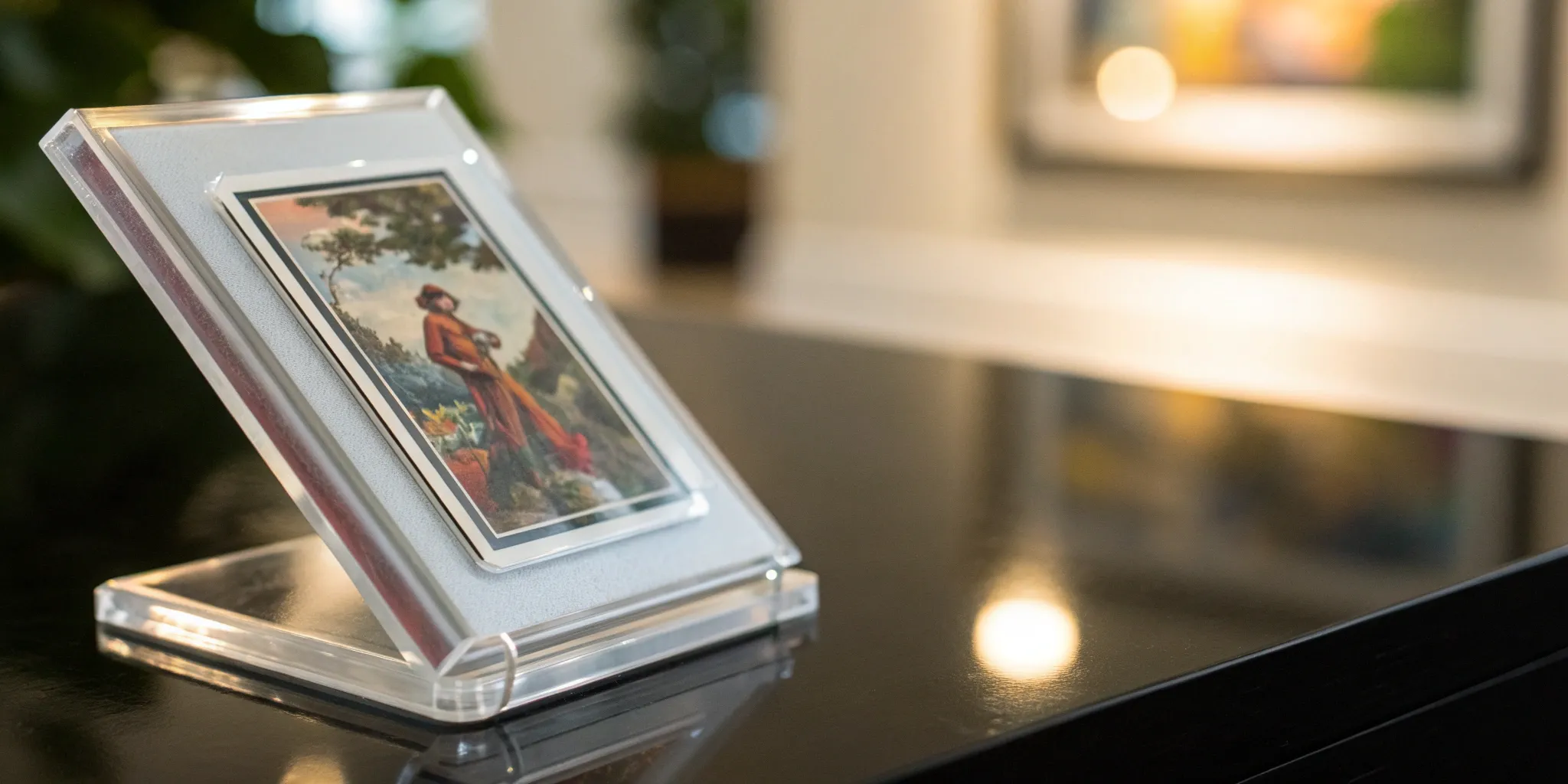
Every collector has heard horror stories: a prized card ruined by a cracked slab, a faded autograph from sun exposure, or a warped case from being stored in the attic. These aren't just accidents; they're often the result of common storage mistakes that are surprisingly easy to make. Protecting your collection is about more than just luck—it's about knowledge. This guide is designed to help you avoid those costly errors that can diminish the value and appeal of your cards. We’ll break down the simple, effective strategies for how to store graded cards so you can have peace of mind knowing your most valuable assets are safe.
Key Takeaways
- The Slab Needs Protection, Too: The plastic case is a critical part of your card's value and presentation. Use oversized, archival-safe sleeves to guard against scratches and always handle slabs by their edges to keep them clear and secure.
- Control Your Environment: Extreme temperatures, humidity, and sunlight are the fastest ways to damage a collection. Keep your cards in a dark, climate-controlled area of your home—like a bedroom closet—and always avoid attics and basements.
- Choose Structure Over Convenience: Never toss slabs into a generic container where they can slide and crack. Use storage boxes designed specifically for graded cards to hold each one upright and firmly in place, preserving both the slab and the card inside.
Graded Cards 101: Why Proper Storage is Key
Getting a card graded is a huge step in cementing its value and authenticity. But the work doesn’t stop once it’s sealed in that plastic slab. How you store your graded cards is just as important as the grade itself. The slab offers great protection, but it can’t shield your card from everything. Environmental factors and improper handling can still damage the case and, in worst-case scenarios, the card inside.
Think of proper storage as the final, crucial step in preserving your collection’s worth. A cracked slab or a warped case can lower a card's value and appeal, even if the card itself remains untouched. By creating a safe and stable environment, you ensure that your prized possessions—whether it's a holographic Charizard or a rookie sports card—remain in mint condition for years to come.
What is Card Grading?
Card grading is the process of having a third-party company professionally assess your trading card's condition. Experts examine four key criteria: centering, corners, edges, and surface. Based on this evaluation, the card receives a numerical grade, typically on a scale of 1 to 10. After grading, the card is encapsulated in a sonically sealed, tamper-proof plastic holder, often called a "slab." This slab not only protects the card but also displays its official grade and a unique certification number. This process is the industry standard to verify a card’s authenticity and condition, which helps establish its true market value for collectors and investors.
How Storage Protects Your Card's Value
While the slab provides a strong layer of defense, it isn't indestructible. The value of your graded card is directly tied to its preservation, and that includes the slab itself. Storing your collection in a place with extreme temperatures, like a hot attic or a damp basement, can cause the acrylic case to warp or even damage the card inside. Simply tossing slabs into a generic box can lead to shifting, grinding, and cracking. A structured storage solution is essential. Even the type of sleeve you use for an extra layer of protection matters. Cheap sleeves containing PVC can cause long-term chemical damage to the slab’s surface, so always opt for high-quality, PVC-free materials.
The Best Storage Solutions for Graded Cards
Once you have a graded card in your hands, the next step is figuring out how to store it. Tossing a valuable slab into a random drawer isn’t going to cut it. Proper storage is about more than just organization—it’s about preserving the condition and value of your investment for years to come. The right setup protects your cards from physical damage, environmental hazards, and the general chaos of life.
Think of your storage solution as a security system for your collection. It doesn’t have to be complicated or expensive, but it does need to be intentional. Your main goals are to prevent scratches on the slab, protect against drops or impacts, and shield the card from environmental factors like light and humidity. Let’s walk through the best options for keeping your graded cards safe, whether you plan to tuck them away or put your prized possessions on full display.
Durable Storage Boxes
Your first line of defense is a high-quality storage box. While it might be tempting to use any old cardboard box you have lying around, that’s a recipe for disaster. Generic boxes allow slabs to slide around, leading to "shifting, grinding, and cracking." You need a container that provides structure and is specifically designed to hold graded cards snugly.
Look for heavy-duty cardboard or plastic boxes with slots or dividers sized for slabs from grading companies like PSA or BGS. These purpose-built containers keep each card upright and separated, preventing them from knocking against each other. For an extra layer of security, especially for high-value collections, you might consider a waterproof and fire-resistant case. Investing in a proper storage box is a simple, effective way to give your collection the foundation of protection it deserves.
Protective Sleeves and Cases
Yes, even the hard plastic slab needs protection. The acrylic case, or "slab," can get scuffed and scratched, which can obscure the view of your card and hurt its overall eye appeal. The solution is to place each graded card into a soft, protective sleeve, often called a "slab sleeve" or "graded card sleeve."
But not all sleeves are created equal. One of the most common mistakes collectors make is using cheap sleeves made from PVC. Over time, PVC can break down and release chemicals that can damage the slab and even the card inside. Another misstep is using sleeves that are too tight, which can scuff the case as you force it in. Always choose oversized, archival-safe sleeves that are explicitly labeled as non-PVC and acid-free. This small detail provides a crucial layer of protection against surface-level damage.
Options for Displaying Your Collection
Hiding your favorite cards in a box forever feels like a missed opportunity. If you want to show off your collection, there are plenty of safe ways to do it. The key is to choose display options that offer protection while highlighting your best cards. For individual slabs, simple acrylic display stands are a great choice for a desk or shelf. They hold the card upright and are easy to rearrange whenever you want to change up your featured card.
For a more permanent or larger display, you can look into wall-mounted frames or cases designed specifically for graded cards. Many of these come with built-in UV protection to shield your cards from fading caused by light exposure. Balancing display with preservation is crucial, so always opt for products that prioritize safety. We’ll cover how to do this without causing damage in more detail later on.
How to Prep Your Graded Cards for Storage
Before you tuck your prized cards away for safekeeping, a few simple prep steps can make all the difference. Think of it like prepping a classic car for storage—you wouldn't just park it in a garage and hope for the best. Properly handling, cleaning, and sleeving your graded cards ensures they stay in the same pristine condition as the day they were slabbed, protecting the investment you've made. These habits are easy to build and will pay off for years, keeping your collection looking sharp and secure.
Handle Your Cards Like a Pro
First things first: always handle your graded cards by their edges. This simple habit prevents fingerprints and smudges from covering the case, keeping it crystal clear. More importantly, be mindful of where you leave them. Extreme temperatures are the enemy of a graded slab. As the experts at Game of Binders point out, storing slabs in intense heat or cold can cause the acrylic to warp, which could damage the card inside. The slab is your card’s suit of armor, so treating it with care is the first and most crucial step in long-term preservation.
How to Safely Clean Graded Slabs
Even with careful handling, dust and smudges happen. The good news is that cleaning a slab is easy and safe if you do it correctly. All you need is a clean, dry microfiber cloth—the same kind you’d use for eyeglasses or a computer screen. Gently wipe the acrylic case to remove any dust or fingerprints. The key is to avoid any harsh chemicals, Windex, or abrasive cleaners, as these can scratch or fog the plastic. Remember, you are only cleaning the outside of the case. Never attempt to open a slab to clean the card inside, as this will invalidate the grade and could destroy the card’s value.
Use Protective Sleeves the Right Way
For an extra layer of defense, consider using a protective sleeve designed specifically for graded card slabs. These are often called "slab sleeves" or "graded card sleeves." This is one area where you don’t want to cut corners. One of the most common mistakes collectors make is using cheap sleeves made from PVC, which can degrade over time and release chemicals that damage the slab. Instead, always opt for oversized, non-PVC sleeves. They shield the slab from scratches and scuffs while it’s in storage, ensuring the case—and the grade displayed on it—remains perfectly legible and pristine.
Create the Perfect Environment for Your Cards
Think of the graded slab as your card’s suit of armor. It’s tough, but it’s not invincible. The environment where you store your collection plays a huge role in preserving both the slab and the card inside. Creating a stable, controlled space is one of the most important things you can do to protect your investment for the long haul. It doesn’t have to be complicated, but it does require a little thought. By managing a few key factors—temperature, humidity, and light—you can ensure your cards stay in the same pristine condition as the day they were graded.
Control for Temperature and Humidity
Extreme temperature swings and moisture are silent killers for trading cards. When the air is too humid, cards can absorb moisture, leading to warping, bending, or even mold growth over time. On the other hand, an environment that’s too dry can make cards brittle. The sweet spot is a consistent temperature between 60–75°F with humidity levels around 50%. The best way to achieve this is to store your collection in a closet within the main, climate-controlled part of your home. If you live in a particularly humid area, investing in a good dehumidifier for the room can be a collection-saving move.
Keep Them Out of the Sun
Direct sunlight is one of the fastest ways to ruin a card’s value. The ultraviolet (UV) rays in sunlight will fade the vibrant colors of your cards, permanently dulling the artwork. This damage is irreversible. Even indirect sunlight from a nearby window can cause gradual fading over many months or years. Heat from the sun can also warp the plastic slab itself. The simplest rule is to keep your collection in the dark. Store your boxes in a closet, a cabinet, or under a bed—anywhere that’s shielded from natural light. If you plan to display your cards, we’ll cover how to do that safely a little later on.
The Benefits of Climate-Controlled Storage
A stable, climate-controlled environment is about preventing the constant stress that fluctuations cause. When temperatures and humidity levels go up and down, the card and the slab expand and contract at different rates. This can eventually lead to cracking in the slab or shifting that could damage the card’s edges. This is why simply tossing your graded cards in a random cardboard box in the attic is a bad idea. A dedicated, archival-quality storage box provides the necessary structure, while a stable environment ensures that structure isn't compromised by the elements, keeping your slabs secure and your cards safe.
Where to Store Your Graded Card Collection
You’ve got the right cases and sleeves, but the final piece of the puzzle is finding the perfect home for your collection. The location you choose is just as critical as the container it’s in. The goal is to find a spot that’s stable, safe, and secure, protecting your cards from environmental threats and everyday accidents. Let’s walk through the best (and worst) places in your home to keep your graded cards.
Find the Safest Spot in Your Home
The best place for your collection is a cool, dry area with minimal temperature and humidity swings. Think of a closet in a main-floor bedroom, a home office, or a cabinet in your living room—anywhere that stays comfortable for you year-round. The ideal environment is between 60–75°F with about 50% humidity. This consistency is key to preventing the plastic slabs from warping and protecting the cards inside from mildew or fading. You don’t need a science lab, just a stable spot away from moisture and heat sources like vents or radiators.
Problem Areas to Avoid: Basements and Attics
While it might be tempting to stash your collection in the attic or basement, these are two of the worst places you can choose. These areas are known for extreme temperature and humidity fluctuations, which can wreak havoc on your cards over time. Basements are often damp and prone to mildew, while attics can bake in the summer and freeze in the winter. You should also keep your cards out of direct sunlight. A sunny spot on a shelf might look great, but UV rays will fade the colors on your card and label, diminishing its value and eye appeal.
Keep Your Collection Safe from Pets
This one might seem obvious, but it’s an easy mistake to make. If you have pets, especially curious cats who love to explore shelves, make sure your collection is stored well out of their reach. A prized card can easily be knocked off a desk or mantle, leading to scuffs, scratches, or even cracks in the slab. The last thing you want is for your PSA 10 Charizard to suffer accidental damage from a furry friend. Store your cards in a room with a closed door, inside a secure display case, or on a high shelf that your pets can’t access.
How to Display Graded Cards Without Damaging Them
Showing off your collection is one of the best parts of being a collector. Whether it’s a rookie card you pulled from a pack or a rare Pokémon card you’ve been chasing for years, you want to put your prized possessions on display. But leaving your graded cards out in the open without the right precautions can expose them to risks that might lower their grade and value over time. Things like sunlight, humidity, and even an unstable shelf can cause irreversible damage before you even notice it's happening. A faded signature or a warped slab can be heartbreaking, not to mention a hit to your investment.
The key is to showcase your cards in a way that also protects them. This means being mindful of light exposure, physical stability, and the environment around them. You don't have to hide your collection away in a box forever. With the right setup, you can create a stunning display that keeps your cards in mint condition for years to come. It’s all about finding that perfect balance between enjoying your collection and preserving its long-term value. Let's get into how you can do that without turning your home into a museum vault. The right display choices will not only protect your cards but also make them look even better.
Choose UV-Blocking Cases and Stands
Sunlight is the silent enemy of trading cards. The ultraviolet (UV) rays in natural light can cause the vibrant colors on your cards to fade and the cardstock to become brittle over time. Even indirect sunlight from a window can cause irreversible damage. To prevent this, you should always use display solutions that offer UV protection. When you’re shopping for display frames or individual stands, look for products specifically advertised as having UV-blocking properties. Think of it as sunscreen for your cards. This simple step is one of the most effective ways to "stop cards from fading in the sun" and ensure your collection looks as crisp as the day it was graded.
Balance Display with Preservation
While a card’s slab offers great protection, it isn’t indestructible. How you arrange your display matters just as much as the cases you use. Avoid stacking slabs directly on top of each other for long periods, as this can create pressure points and scuff the cases. It’s also crucial to use stands or frames that hold the slab securely. As one expert notes, "Random cardboard boxes or mixed card storage containers cause shifting, grinding, and cracking. Slabs need structure." The same principle applies to displays. You also need to consider the room’s environment. Storing slabs in areas with "extreme temperatures can cause the acrylic to warp, or worse, damage the card inside." A stable, climate-controlled room is the best place to preserve your collectibles and show them off safely.
Common Storage Mistakes to Avoid
Even the most impressive collection can lose its value if it’s not stored correctly. We all want to protect our investments, but a few common missteps can lead to irreversible damage. The good news is that these mistakes are easy to avoid once you know what to look out for. From the sleeves you choose to the room you store your cards in, every detail matters. Let’s walk through some of the most frequent errors collectors make so you can keep your graded cards in pristine condition for years to come. Think of this as your guide to sidestepping the common pitfalls that can compromise the integrity and value of your favorite cards.
The Dangers of Cheap Sleeves and Tight Cases
It can be tempting to grab the cheapest plastic sleeves you can find, but this is one of the worst things you can do for your graded cards. Many low-quality sleeves are made with PVC, a material that can release harmful chemicals over time and damage your slab and the card inside. Instead, always look for sleeves that are labeled as archival-safe and acid-free.
Another issue is fit. A sleeve that’s too tight creates friction every time you insert or remove the slab, leading to scuffs and scratches on the case. You want a snug fit that prevents the slab from sliding around, but not so tight that it’s a struggle to use. Investing in high-quality, properly sized sleeves is a small price to pay to protect your valuable collection.
Don't Overcrowd or Stack Improperly
Tossing your graded cards into a random cardboard box is a recipe for disaster. Without proper support, the slabs will shift, slide, and grind against each other every time the box is moved. This constant friction can cause scratches, chips, and even cracks in the acrylic casing, putting the card itself at risk. Stacking them loosely on a shelf can be just as dangerous, as an accidental bump could send them tumbling.
The solution is to use storage solutions designed specifically for graded cards. These durable boxes often have grooved channels or dividers that hold each slab securely in place, preventing any movement. This not only protects your cards from physical damage but also keeps your collection organized and easy to browse.
Forgetting to Check Environmental Conditions
Where you store your cards is just as important as what you store them in. Graded card slabs are tough, but they aren’t invincible. Extreme temperatures can cause the acrylic casing to warp or even crack, breaking the protective seal. High humidity can also create problems over the long term, so it’s best to keep your collection in a stable, dry environment.
One of the biggest threats is direct sunlight. UV rays will fade the colors on your card and the ink on the grading label, permanently reducing its eye appeal and value. Always store your collection in a cool, dark, and dry place with a stable climate. A closet in a temperature-controlled room is a much better choice than a damp basement or a hot attic.
How to Organize and Maintain Your Collection
Once you’ve found the perfect storage spot for your graded cards, the work isn’t quite over. Proper organization and regular maintenance are what truly protect your collection for the long haul. Think of it like owning a classic car—you don’t just park it in the garage and forget about it. A little ongoing attention ensures every card stays in pristine condition, preserving its story and its value. This is the step that transforms a simple accumulation of cards into a curated collection you can be proud of.
Creating a system for your collection does more than just keep things tidy. It helps you quickly find specific cards, track their value over time, and spot any potential issues before they become serious problems. Whether you have a handful of prized slabs or a room full of them, these habits will help you manage your collection like a seasoned pro. It’s about building a routine that makes caring for your cards second nature, so you can spend less time worrying and more time enjoying your hobby. Taking these extra steps ensures your investment remains secure and that each card is ready to be admired or sold at a moment's notice.
Create a Regular Inspection Schedule
Setting aside time to check on your collection is one of the most important habits you can develop. You don’t need to do it every day, but a quarterly inspection is a great goal. During your check-in, look for any changes in the slabs themselves. As experts note, "Storing slabs in extreme temperatures can cause the acrylic to warp, or worse, damage the card inside." Look for any cloudiness, cracks, or signs that the case is no longer perfectly sealed. Also, check the storage area for any new signs of dampness, pests, or dust. Catching these issues early can save a card from irreversible damage and give you peace of mind.
Track Your Collection with an Inventory System
Knowing exactly what you have is key to managing your collection effectively. A simple spreadsheet or a dedicated collection management app can work wonders. List each card, its grade, certification number, and any notes about its condition or purchase price. This inventory not only helps you keep track of value but also prevents accidental damage. As one collector points out, "Random cardboard boxes or mixed card storage containers cause shifting, grinding, and cracking. Slabs need structure." An organized system ensures every card has a designated, secure spot, making it easy to find what you're looking for without rummaging through stacks and risking a drop or scratch.
Think Long-Term with Preservation Strategies
The materials you use to protect your cards matter immensely. It can be tempting to save a few dollars on cheaper supplies, but this is one area where you shouldn’t cut corners. Low-quality plastics can degrade over time and harm your cards. One of the most common mistakes is "Using Cheap PVC Sleeves," which can lead to chemical damage. Always opt for high-quality, archival-safe materials to ensure your cards are protected. Also, pay attention to the fit. While you want a sleeve to be secure, "Tight fit sleeves can scratch your cards." It’s always better to use a slightly oversized, non-PVC sleeve to give your slab a bit of breathing room.
Found Damage? Here’s What to Do Next
Discovering damage to one of your graded cards is a sinking feeling every collector dreads. Whether it’s a crack in the slab from a drop or a scuff you just noticed, the key is to assess the situation calmly and take steps to protect the rest of your collection. It’s a tough lesson, but one that can help you become a more careful and knowledgeable collector. Let’s walk through what to do if you find damage and how to make sure it’s a one-time event.
How to Assess Slab Damage
Before you do anything else, take a close look at the slab and the card. Start with the acrylic case, checking for cracks, chips, or deep scratches. Minor surface scuffs are common, but significant cracks can compromise the slab's integrity and expose the card to air and humidity. Also, check for warping. Storing slabs in places with extreme temperature swings can cause the acrylic to bend, which can put pressure on the card inside. Once you’ve evaluated the slab, inspect the card itself. Look through the acrylic for any new signs of wear, like whitened edges or softened corners, that might indicate the card has shifted within a compromised case.
Prevent Future Damage
The best way to deal with damage is to prevent it from happening in the first place. Start by investing in quality supplies. Using cheap sleeves or cases that are too tight can easily scratch your cards or slabs over time. Your collection is valuable, so it deserves proper protection. It’s also critical to use the right storage containers. Random cardboard boxes or generic plastic bins allow slabs to shift around, leading to grinding and cracking. Instead, you need structured storage specifically designed to hold graded cards securely. This simple step provides the stability your collection needs to stay in mint condition for years to come.
Related Articles
- Find the Perfect Card Storage Box for Your Cards | Packz Blog
- 7 Best Card Storage Cases for Any Collection | Packz Blog
Frequently Asked Questions
Do I really need special sleeves for my graded cards? The plastic case seems strong enough. It's a great question because the slab does feel really durable. Think of a slab sleeve as a screen protector for your phone. The slab protects the card, and the sleeve protects the slab. Over time, even small movements inside a storage box can cause scuffs and scratches on the acrylic case, which hurts the card's overall look. Just make sure you get sleeves that are non-PVC and acid-free so they don't cause chemical damage down the road.
What's the safest way to clean a dusty or smudged slab? This is simpler than you might think. The best tool for the job is a clean, dry microfiber cloth, just like one you'd use for your glasses. Gently wipe the surface to remove dust and fingerprints. The most important thing is to avoid any chemical cleaners, like glass cleaner or all-purpose sprays. Those can fog or scratch the plastic, so stick to a simple dry cloth to keep the case crystal clear.
Is a regular closet in my bedroom safe enough for my collection? Yes, for most people, a closet in a climate-controlled part of the house is the perfect spot. The key is stability. Attics and basements have wild temperature and humidity swings that can warp the plastic cases over time. Your bedroom closet, on the other hand, stays at a relatively consistent temperature and humidity level year-round, which is exactly what your cards need to stay in top condition.
I want to display a few of my favorite cards. How long is too long to leave them out? Displaying your cards is part of the fun, but light exposure is a real risk. If your display case or stand has UV protection, you have a lot more flexibility. If it doesn't, it's best to keep direct sun exposure to an absolute minimum. A good rule of thumb is to rotate which cards you have on display every few months. This gives each card a rest from any ambient light and keeps your display feeling fresh.
My graded card's case is cracked. What should I do? A cracked case is definitely concerning, but it doesn't automatically mean the card is ruined. The first step is to carefully assess the card itself to see if it has been affected. If the card looks fine, your best option is to send it back to the original grading company for re-casing. They will place it in a brand-new slab, preserving its grade and protecting it for the future. This is the safest way to handle a compromised case.
Recommended Reading

Cash for Graded Sports Cards: The Fastest Ways to Sell
Get cash for graded sports cards faster. Compare auction houses, marketplaces, and instant buyback options to pick the route that fits your timeline.
How to Compare Value in Sports Card Packs
Learn how to compare sports card packs using card quality, available pulls, pricing clarity, and Packz’s 100% buyback option.
How to Buy Pokemon Packs Online for Ripping
Ready to buy pokemon packs online for ripping? Get transparent pack value and clear pull odds so you never overpay for the thrill of the hunt. Start collecting safely.