
March 9, 2026
The 10 Most Valuable 151 Chase Cards, Ranked
Find out which 151 chase cards top the list for value and rarity. See the most sought-after Pokémon cards and what makes each one a collector favorite.
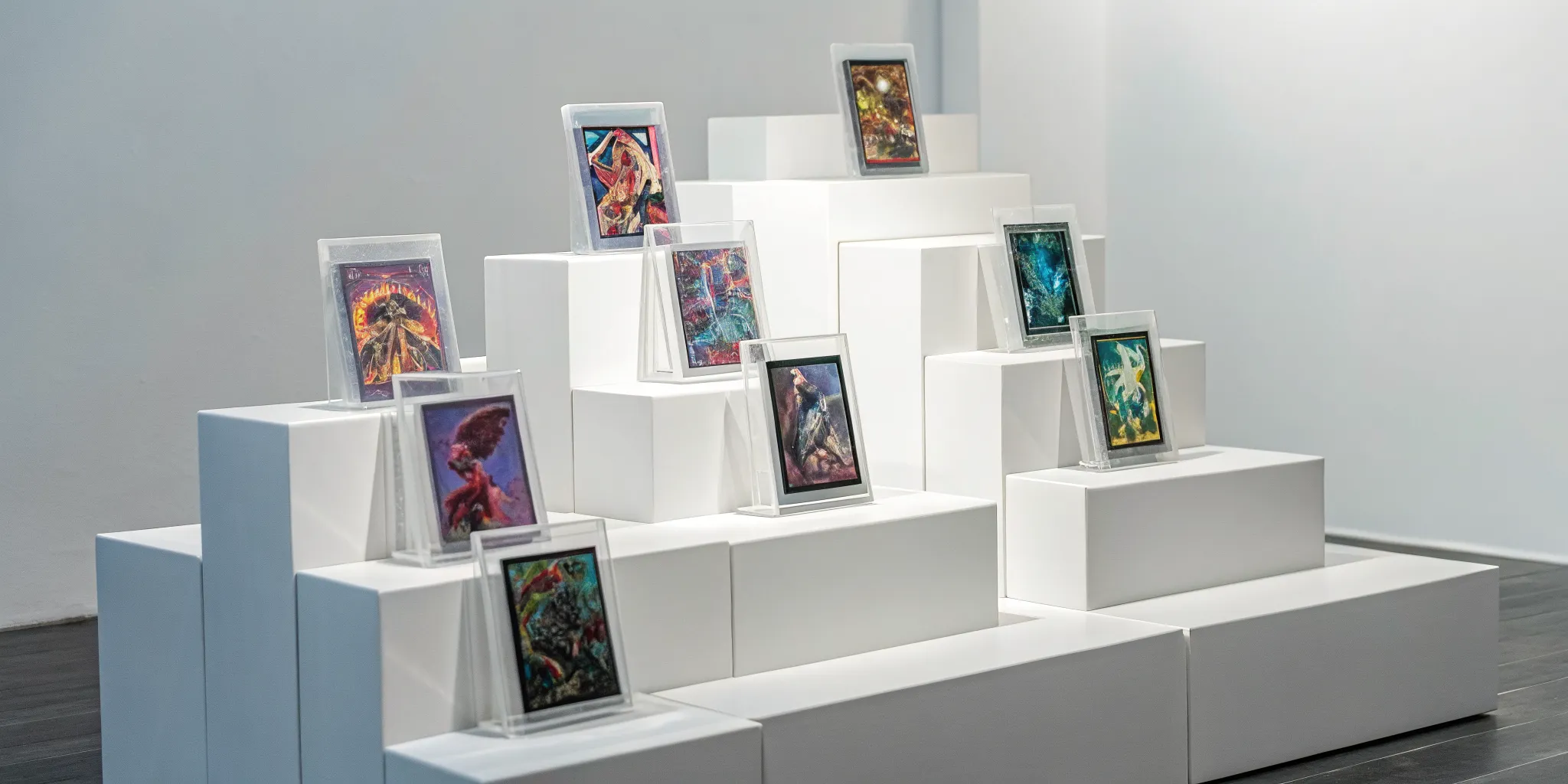
There’s a unique thrill that comes with opening a fresh pack of Pokémon cards. That moment of anticipation before you see what’s inside is what makes collecting so addictive. The Pokémon 151 set amplifies that excitement, as nearly every pack holds the potential for something amazing. While there are many cool cards to find, everyone is ultimately hoping to pull one of the set’s legendary treasures. This guide is dedicated to that thrilling hunt. We’ll walk you through the top 151 chase cards everyone is looking for, from the iconic starter evolutions to the stunning legendary birds. You’ll learn what makes them special, how to protect them, and the best places to continue your search.
Key Takeaways
- Value is more than rarity: A chase card's price is a combination of its condition, artwork, and nostalgic appeal. Professional grading is the best way to certify a card's quality and increase its market price.
- Collect with a purpose: Define your goals, whether it's completing a set or hunting for specific cards, and set a budget to keep the hobby enjoyable. Buying singles is the most direct way to get what you want, while opening packs offers the thrill of the hunt.
- Protect your investment from damage and fakes: Use sleeves and top loaders to keep your cards in mint condition. Learn to spot counterfeit cards by checking for printing errors and always purchase from reputable sources to ensure authenticity.
Why Are Pokémon 151 Chase Cards So Special?
The Pokémon 151 set isn't just another release; it's a direct line to the past for anyone who grew up with the original games and cards. This set focuses exclusively on the first generation of Pokémon, creating a strong feeling of nostalgia that makes these cards incredibly desirable. It’s a chance to reconnect with the characters that started it all, from Bulbasaur to Mew. This emotional connection is a huge part of what makes hunting for these cards so compelling.
Beyond the trip down memory lane, the artistic quality of the 151 set is exceptional. The Special Illustration Rare cards, for example, often feature artwork that tells a story, sometimes even connecting across multiple cards to form a larger scene. This level of detail and creativity makes each card feel like a unique piece of art. It’s not just about finding a rare card; it’s about discovering a beautifully designed one that captures the essence of the Pokémon.
The value of these cards is also driven by their rarity and condition. The chances of pulling a specific Special Illustration Rare are low, which makes finding one feel like a major win. The set has a wide variety of valuable cards, so there's a lot for different collectors to find. For serious collectors, the card's condition is everything. A card that has been professionally graded and received a high score can be worth significantly more than an ungraded one. This combination of nostalgia, artistry, and rarity creates the perfect storm for a highly sought-after set.
The Top Chase Cards in Pokémon 151
The Pokémon 151 set is a masterclass in nostalgia, bringing back the original Kanto Pokémon with stunning new artwork. For collectors, this means a treasure trove of chase cards to hunt for. These are the cards that combine rarity, incredible art, and fan-favorite characters into highly valuable collectibles. Whether you're ripping packs for the thrill or strategically buying singles, knowing which cards are the heavy hitters is key. Here are the top chase cards that everyone is trying to pull from the Pokémon 151 set.
Charizard ex Special Illustration Rare
It’s no surprise that Charizard sits at the top of the list. The Charizard ex Special Illustration Rare is the most wanted card in the entire 151 set, and for good reason. The artwork is absolutely breathtaking, showing a powerful Charizard in a dynamic, almost volcanic landscape. This card perfectly captures the fiery spirit of the iconic Pokémon. As the ultimate prize of the set, pulling this card is the dream for any collector. Its value reflects its status, making it not just a beautiful piece of art but also a serious collector's item.
Venusaur ex & Blastoise ex Special Illustration Rares
You can't have Charizard without its fellow Kanto starters. The Special Illustration Rare versions of Venusaur ex and Blastoise ex complete the iconic trio and are right behind Charizard in terms of value and desirability. What makes these cards so special is that their artwork connects to form a larger scene with the rest of their evolutionary lines. When you place the Bulbasaur, Ivysaur, and Venusaur cards together, you get a beautiful panoramic view of their journey. The same goes for the Squirtle and Charmander lines. This artistic touch makes collecting the full set an incredibly rewarding experience.
Zapdos ex Special Illustration Rare
This card is a fan favorite because of its unique and ambitious artwork. The Zapdos ex Special Illustration Rare doesn't just feature Zapdos; it brings together all three legendary birds, Articuno and Moltres, in one stunning image. The art style is distinct from anything else in the set, with a bold, graphic look that makes it pop. Seeing the legendary trio united in a single piece of art is a huge draw for long-time fans. It’s a visually striking card that tells a story, making it one of the most sought-after pulls in the 151 collection.
Pikachu Illustration Rare
Of course, the face of the franchise has a standout card in this set. The Pikachu Illustration Rare is a charming and detailed card that captures the spirit of the Pokémon world. The artwork features Pikachu in a bustling suburban scene filled with dozens of other Kanto Pokémon. It’s a "Where's Waldo?" style card that you can look at for hours, discovering new details each time. This playful and heartwarming scene makes it a must-have for any Pikachu fan and a valuable addition to any collection.
Mew ex Ultra Ball League
While not a standard pull from a booster pack, the Mew ex from the Ultra Ball League is one of the most valuable cards associated with the 151 era. This special promo card is incredibly rare and commands a staggering price on the secondary market. Ungraded versions can fetch thousands, while a pristine PSA 10 can be worth nearly $10,000. Its scarcity and the popularity of Mew make it a true grail card for serious collectors. You can track its current market value to see just how much this elusive card is worth.
Other High-Value Chase Cards
Beyond the biggest names, the 151 set is full of valuable Illustration Rares featuring first-stage Pokémon. The Charmander, Squirtle, and Bulbasaur Illustration Rares are particularly popular. These cards feature beautiful, story-driven artwork that showcases the personalities of these beloved starters in their natural habitats. Their popularity proves that you don’t need to be a final evolution to be a top-tier chase card. Cards like the Alakazam ex and Erika’s Invitation also hold significant value, making nearly every pack opening an exciting opportunity to find something great.
What Drives a Chase Card's Value?
Ever wonder what makes one piece of cardboard worth a few cents while another is worth hundreds or even thousands of dollars? It’s not just random chance. A chase card's value comes from a perfect storm of factors that create desirability and scarcity. Think of it like a recipe: you need the right ingredients in the right amounts to create something truly special. For the Pokémon 151 set, this recipe includes a card's rarity, its physical condition, the artist's work, and the powerful pull of nostalgia.
Understanding these key drivers is crucial whether you're a seasoned collector or just starting your journey. It helps you make smarter decisions about which cards to hunt for, when to buy or sell, and why certain cards become legends in the community. It’s the difference between simply collecting cards and building a valuable, meaningful collection. When you can spot what makes a card special beyond just the character on it, you gain a deeper appreciation for the hobby and can invest your time and money more wisely. Below, we’ll break down the four main components that give a chase card its impressive price tag, so you can learn to spot true treasures.
Rarity and Pull Rates
At its core, a card's value is tied to how hard it is to find. This is where rarity and pull rates come in. In every pack, you have a chance to pull a rare card, but the odds of finding a specific Special Illustration Rare (SIR) are incredibly low. The term "pull rate" refers to the statistical probability of finding a certain type of card in a booster pack. For the most coveted chase cards, these rates can be as low as 1 in every 500 packs, or even lower. This built-in scarcity is the foundation of a card's value. When thousands of collectors are all chasing a card that’s incredibly difficult to pull, its market price naturally goes up.
Card Condition and Grading
Pulling a chase card is only half the battle; its physical condition is just as important. A card straight from the pack might seem perfect, but tiny imperfections like off-center printing, microscopic scratches, or whitening on the edges can significantly lower its value. This is why card grading is so essential. Professional services like PSA (Professional Sports Authenticator) assess a card's condition on a scale of 1 to 10. A card that earns a pristine Gem Mint 10 grade is exponentially more valuable than a raw, ungraded version. For example, a regular Charizard ex SIR might sell for around $120, but a PSA 10 version can easily fetch over $400.
Artwork and Nostalgia
Value isn't just about numbers; it's also about emotion. The Pokémon 151 set hits a home run by celebrating the original 151 Pokémon from the Kanto region, tapping directly into the childhood memories of millions of fans. This powerful feeling of nostalgia makes these cards incredibly desirable. Beyond that, the artwork itself is a huge factor. The Special Illustration Rares in this set feature stunning, full-card artwork that tells a story about the Pokémon. This beautiful and unique art makes the cards feel less like game pieces and more like miniature masterpieces that collectors are proud to own and display.
Market Demand
Ultimately, a card is only worth what someone is willing to pay for it. Rarity, condition, and artwork all fuel market demand, which is the final and most direct driver of a card's price. Popular Pokémon like Charizard, Pikachu, and Mew always have a massive built-in fanbase, ensuring consistent demand for their cards. When a set like 151 is released, the hype and excitement from the community create a surge in demand for both sealed products and individual cards. You can track these price movements on various platforms, which shows how collector interest directly influences a card's real-time market value.
Should You Buy Graded or Ungraded Cards?
When you finally pull that chase card you’ve been hunting for, the excitement is real. But then comes the big question: should you keep it as is, or send it off to be graded? This decision can make a huge difference in the card's long-term value and its place in your collection. For both new and seasoned collectors, understanding the world of card grading is essential for making smart choices.
Whether you’re buying singles or considering what to do with your own pulls, knowing the pros and cons of graded versus ungraded cards is key. Let’s walk through what grading involves, how it affects a card’s price, and when it’s the right move. This will help you figure out the best strategy for building a collection you’re proud of.
Grading 101: PSA vs. BGS
When collectors talk about "grading," they mean sending a card to a professional grading company to have its condition officially assessed. The two most respected names in the industry are PSA (Professional Sports Authenticator) and BGS (Beckett Grading Services). These companies examine a card’s four main attributes: centering, corners, edges, and surface. Based on this evaluation, they assign a numerical grade from 1 to 10, with a 10 being a pristine, "gem mint" card. After grading, the card is sealed in a hard, tamper-proof case that displays its grade and verifies its authenticity. This process not only protects the card but also provides a trusted, third-party opinion on its quality.
How Grading Affects a Card's Value
The biggest reason to grade a card is to increase its market value. A high grade from a company like PSA or BGS acts as a certificate of quality that buyers trust and are willing to pay more for. Think about the Charizard ex Special Illustration Rare from Pokémon 151. An ungraded version is already a valuable card, but a copy graded as a PSA 10 can sell for much, much more. The grade removes any doubt about the card's condition. This certified condition and authenticity gives serious collectors the confidence to invest, especially when it comes to high-end chase cards. An ungraded, or "raw," card always has some uncertainty, while a graded card has a clear, established value.
When Should You Get a Card Graded?
So, does every valuable card need to be graded? Not always. The grading process costs money and can take weeks or even months, so you need to be selective. Grading is usually a good idea for cards that are rare, in high demand, and look to be in near-perfect condition. Before you even think about sending a card in, examine it closely under a bright light. Look for any tiny flaws like print lines, surface scuffs, or imperfect centering. If a card looks flawless, grading it could be a fantastic investment. For cards that are more common or have noticeable wear, the grading fee might be more than the value it adds, so it may not be cost-effective.
How to Spot Fake Pokémon 151 Cards
Nothing takes the wind out of your sails like discovering a prized card is a fake. As the Pokémon 151 set grows in popularity, so does the number of counterfeits hitting the market. Protecting your collection starts with knowing what to look for. The good news is that most fakes have tell-tale signs that give them away. By paying close attention to a few key details, you can learn to spot a counterfeit and ensure you’re only adding genuine cards to your collection. It’s a skill every serious collector should have, and it gets easier with practice.
Red Flags to Look For
Your first line of defense is a quick visual inspection. Fake cards often have noticeable printing errors you can spot right away. Look at the card’s coloring; counterfeits frequently appear washed-out or have colors that are too dark and saturated. The blue border on the back of the card is a common giveaway. On many fakes, this blue has a purplish tint that bleeds into the design. Also, check the text for typos, incorrect fonts, or missing accent marks (like the "é" in Pokémon). These small mistakes are clear indicators that you’re not holding an official card. You can find great visual guides online that show these common inconsistencies.
Key Physical Details to Check
If a card passes the initial visual check, it’s time to get a feel for it. Authentic Pokémon cards are made from a specific cardstock that gives them a distinct stiffness and texture. Fakes often feel flimsy, glossy, or waxy to the touch. One of the best ways to verify a card is to compare it directly with a common card you know is real. Pay attention to the sharpness of the borders and the feel of the card as you handle it. You can also perform a "light test" by shining a flashlight through the card. A real card will block most of the light, while many fakes will let a lot of light pass through.
Where to Find Authentic Cards
The easiest way to avoid fakes is to buy from reputable sources from the start. Your local card shop is a great place to begin, as the owners are typically knowledgeable and invested in selling authentic products. You can also buy sealed products from major retailers or attend official Pokémon events. When buying single cards online, stick to established marketplaces and always check a seller’s history and reviews. Listening to advice from seasoned collectors can also point you toward trustworthy vendors and help you steer clear of scams. Being careful about where you buy is just as important as knowing how to inspect the cards themselves.
Where to Buy and Sell Pokémon 151 Chase Cards
Once you’ve got your eye on a few chase cards, the hunt begins. Knowing where to look is key, whether you’re trying to buy that one special illustration rare to finish your master set or sell a valuable duplicate you just pulled. You’ve got a lot of great options, each with its own vibe. From the digital thrill of online pack openings to the classic feel of a local card shop, let’s walk through the best places to build your Pokémon 151 collection.
Digital Pack Opening Platforms
If you love the excitement of opening packs but prefer the convenience of doing it from your couch, digital pack opening platforms are for you. These sites let you buy and open virtual packs instantly, giving you that same rush of seeing what’s inside. It’s a super efficient way to chase cards from the 151 set, especially since many collectors agree the set is just plain fun to open, with tons of cool pulls beyond the top-tier cards. On platforms like Packz, you can open packs online and then decide if you want the physical cards shipped to you or if you’d rather sell them back immediately for credit.
Online Marketplaces and Auctions
For those times when you know exactly which card you need, online marketplaces are your best friend. Sites like eBay are massive hubs for buying and selling singles, and they’ve even held special auctions dedicated to Pokémon 151. If you’re based in Europe, Cardmarket is a go-to marketplace for finding everything from individual cards to sealed booster boxes. These platforms are perfect for making a surgical strike to get a card you’re missing or for finding a buyer for a high-value pull. Just remember to always check seller ratings and look at photos carefully before you commit.
Local Card Shops and Events
Never underestimate the power of your local card shop. These places are the heart of the collecting community and offer a fantastic way to buy, sell, and trade in person. Many shops will buy Pokémon cards for cash, which is great when you want to offload some bulk or sell a graded single without dealing with shipping. Plus, visiting a local shop lets you see cards up close before you buy and connect with other collectors who share your passion. It’s a hands-on approach that adds a great social element to the hobby.
How to Track Card Prices
Whether you’re buying or selling, knowing a card’s current market value is non-negotiable. You don’t want to overpay for a card you’ve been chasing or, even worse, sell a valuable pull for way less than it’s worth. Using a reliable price-tracking tool is the smartest way to stay on top of the market. Websites like PriceCharting give you up-to-date pricing for Pokémon 151 cards, showing recent sales for both ungraded and professionally graded versions. Checking prices regularly helps you make informed decisions and get the best value for your collection.
Build Your Collection the Smart Way
Jumping into the world of Pokémon 151 is exciting, but a little strategy goes a long way. Instead of buying cards on a whim, a thoughtful approach can help you build a collection you’re proud of without breaking the bank. It’s all about knowing what you want, understanding the market, and making smart choices that align with your personal collecting style. Whether you’re in it for the love of the art, the thrill of the hunt, or the potential for a great investment, these tips will help you collect with confidence.
Set Your Goals and Budget
First things first, decide what you want to achieve. Are you trying to complete the entire 151 set, or are you more interested in hunting for specific high-value cards? Many collectors focus on acquiring cards with stunning artwork and the elusive "chase cards" that everyone is after. Defining your goal will help you stay focused. Once you know what you’re looking for, set a realistic budget. It’s easy to get carried away, so decide on a weekly or monthly amount you’re comfortable spending. This keeps the hobby fun and prevents it from becoming a financial strain.
Time Your Purchases for the Best Value
In the card collecting world, timing can be everything. Card prices often fluctuate, peaking when a set is first released and then settling down before potentially rising again. A common strategy among collectors is to acquire products before they go out of print. Many believe that once the 151 set is no longer sold in stores, the value of sealed packs and boxes will increase as they become rarer. Keep an eye on product release cycles and market discussions to find the right moment to buy. Patience can often lead to better deals and a more valuable collection over time.
Sealed Products vs. Single Cards: Which Is Better?
This is a classic debate among collectors, and the right answer depends on your goals. Buying single cards is the most direct way to get the exact card you want. It takes the guesswork out of collecting and allows you to focus your budget on specific pieces. Plus, the value difference can be huge; a raw Charizard ex Special Illustration Rare might be worth a few hundred dollars, but a perfectly graded version can be worth much more. On the other hand, buying sealed products offers the thrill of opening a pack. The sealed product itself can also become a collector's item, holding value separate from the cards inside.
Protect Your High-Value Cards
Pulling a high-value chase card is an incredible rush, but that's just the beginning. Protecting your new treasure is just as important as finding it in the first place. A card's value is directly tied to its condition, so how you handle, store, and monitor it can make a massive difference in its long-term worth. Think of it as safeguarding your win. A little care goes a long way in ensuring your prized Charizard or Mew stays in pristine, valuable condition for years to come, whether you plan to sell it, trade it, or just admire it in your collection.
How to Store and Handle Your Cards
The moment you pull a valuable card, the clock starts on preserving its condition. Always handle cards with clean, dry hands to avoid transferring oils and dirt to the surface. The best practice is to immediately place the card into a soft plastic sleeve, often called a "penny sleeve." This protects it from surface scratches. For more rigid protection, you can then slide the sleeved card into a top loader or a semi-rigid holder like a Card Saver. These simple storage solutions are your first line of defense against bends and corner damage, helping maintain the card's potential for a high grade.
Keep an Eye on Market Trends
The value of Pokémon cards isn't set in stone; it moves with the market. Factors like rarity, player performance in the game, and overall demand all play a role. For example, many collectors believe that once the 151 set stops being printed, sealed products and single cards will become much more valuable due to scarcity. Staying informed about these shifts is key. You can use online resources to track card prices and see how values change over time. This knowledge helps you make smarter decisions about when to buy, sell, or hold onto your cards to maximize their value.
Related Articles
Frequently Asked Questions
I just pulled a big chase card! What should I do first? First, take a moment to celebrate, that's a huge win! The most important next step is to protect its condition. Handle the card carefully by its edges to avoid getting fingerprints on the surface. Immediately slide it into a soft plastic "penny sleeve" and then place that into a rigid top loader. This simple two-step process protects it from scratches and bends. Once it's secure, you can look up its current market value to decide if you want to get it graded, sell it, or just admire it in your collection.
Is it better to buy sealed packs or just buy the single cards I want? This really comes down to your personal collecting goals. If you have your heart set on a specific card, like the Charizard ex, buying the single is the most direct and cost-effective way to get it. You know exactly what you're paying for. However, if you love the thrill of the hunt and the surprise of discovering what's inside, buying sealed packs is an incredibly fun experience. The 151 set is packed with so many great cards that opening packs rarely feels like a loss.
Is it worth getting my cards graded if I'm not planning to sell them? Absolutely. While grading is often seen as a way to increase a card's resale value, it serves another key purpose: preservation. Having a card graded means it gets authenticated and sealed in a durable, tamper-proof case that protects it from damage and environmental factors. For a personal collection, this gives you peace of mind knowing your most prized cards are safe. It also makes for a beautiful display piece.
Besides the big starters, what makes the other Illustration Rares in the 151 set so valuable? The value of the other Illustration Rares comes down to their incredible artwork and storytelling. Many of these cards, like the ones for Bulbasaur, Charmander, and Squirtle, feature art that connects with their evolutions to form a single, panoramic scene. Others, like the Zapdos ex, are fan favorites because they uniquely feature all three legendary birds in one dynamic image. Collectors seek these out because they are like miniature pieces of art that capture the spirit of the Pokémon world.
What's the single most important tip for avoiding fake cards? While learning to spot inconsistencies in color and texture is a great skill, the most effective way to avoid fakes is to be selective about where you buy your cards. Always purchase from reputable sources. This could be your local card shop, a major retail store, or a trusted online platform with a strong history of positive reviews. By sticking to trustworthy sellers, you protect yourself from counterfeit cards from the very start.
Recommended Reading
Cash for Graded Sports Cards: The Fastest Ways to Sell
Get cash for graded sports cards faster. Compare auction houses, marketplaces, and instant buyback options to pick the route that fits your timeline.
How to Compare Value in Sports Card Packs
Learn how to compare sports card packs using card quality, available pulls, pricing clarity, and Packz’s 100% buyback option.
How to Buy Pokemon Packs Online for Ripping
Ready to buy pokemon packs online for ripping? Get transparent pack value and clear pull odds so you never overpay for the thrill of the hunt. Start collecting safely.