
December 25, 2025
Where to Sell Trading Cards: 9 Best Options
Find out where to sell trading cards online and locally. Compare the 9 best options for quick cash, top value, and a hassle-free selling experience.
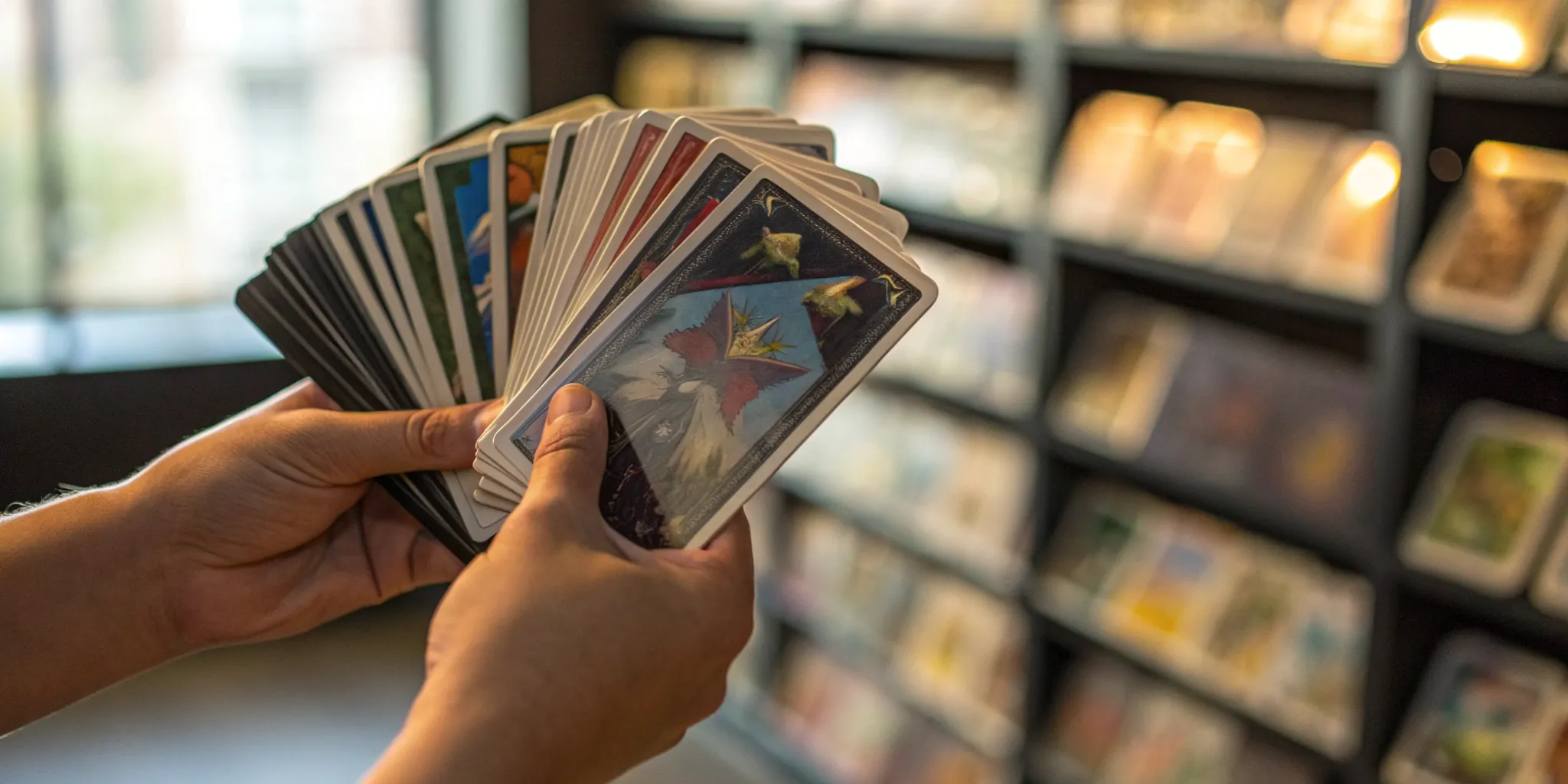
That moment of excitement when you pull a great card is often followed by a practical question: now what? If you’re looking to sell, you’ll find that the online world offers a dizzying array of marketplaces, each with its own unique advantages. Some sites connect you with a massive global audience, while others cater to niche communities of serious collectors. Then there are services built for pure convenience, letting you get instant cash without the work of creating a listing. To make the best choice, you need to understand how these platforms differ. This article will walk you through the top options for where to sell trading cards online.
Key Takeaways
- Align Your Platform with Your Priority: Decide whether you want fast cash or the highest possible price. Instant buyback options offer immediate payment for convenience, while auction sites can maximize your return but require more hands-on work.
- A Great Listing Builds Trust and Drives Sales: Your listing is your sales pitch. Use clear, well-lit photos and write detailed, honest descriptions about the card's condition to attract serious buyers and prevent future disputes.
- Sort Your Collection Before You Sell: Don't use a one-size-fits-all approach. Group your cards by value and type first, then sell commons in bulk, list valuable singles individually, and take rare vintage cards to a local expert for appraisal.
Where to Sell Your Trading Cards Online
When you’re ready to sell your trading cards, the internet offers a world of options. But with so many choices, finding the right place can feel like a chore. The best platform for you really depends on what you’re selling and what you’re looking for in a transaction. Are you trying to get the absolute highest price for a rare, graded card? Or do you want to quickly and easily offload a stack of recent pulls for cash? Each online marketplace has its own strengths, community, and fee structure.
Some platforms, like eBay, cast a wide net, attracting millions of potential buyers from all over the world. This is great for exposure but also means more competition and fees that can eat into your profits. Others are highly specialized, catering specifically to either sports cards or trading card games (TCGs) like Pokémon. These niche sites connect you with serious collectors who know exactly what they’re looking for. Then there are services designed for pure convenience, helping you sell in bulk or get instant offers without the hassle of creating individual listings. We’ll walk through the top contenders to help you find the perfect fit for your collection.
Packz: Get Instant Cash with 100% Buyback
If your goal is speed and simplicity, Packz offers a unique and compelling model. Instead of listing your cards and waiting for a buyer, you can get an immediate offer. After you open a pack on Packz, you have the option to instantly sell your new cards back for 100% of their market value. The cash is added directly to your account balance, which you can use to open more packs or withdraw. This process eliminates the traditional hassles of selling—no photos, no descriptions, no shipping, and no waiting for a buyer. It’s the ideal solution for anyone who values convenience and wants to turn their cards into cash right away.
eBay: Reach the Largest Audience
When you think of selling online, eBay is probably the first name that comes to mind. Its massive, global audience is its biggest advantage, giving your cards unparalleled exposure. You can list cards in an auction format to potentially drive up the price or set a fixed "Buy It Now" price. However, this reach comes at a cost. eBay’s fees, which include insertion fees, final value fees, and payment processing fees, can add up quickly. You’re also responsible for taking high-quality photos, writing detailed descriptions, and handling all the shipping yourself. It’s a fantastic option for high-demand cards but requires a significant time investment.
TCGplayer: The Go-To for TCGs
For anyone selling Pokémon, Magic: The Gathering, or other trading card games, TCGplayer is the undisputed king. It’s a specialized marketplace built by and for TCG fans. Listing your cards here puts them in front of millions of dedicated buyers who know the market inside and out. You can list cards as a marketplace seller, fulfilling orders as they come in, or sell directly to TCGplayer through their buylist program for quick cash. The platform’s built-in tools make it easy to price your cards competitively. Because it’s so focused, you won’t have to worry about your Pokémon cards getting lost among a sea of baseball cards. You can become a seller and tap into a highly engaged community.
Beckett Marketplace: A Hub for Sports Cards
What TCGplayer is to gaming cards, Beckett Marketplace is to sports cards. Backed by the trusted Beckett brand—famous for its price guides—this platform is a go-to destination for sports collectors. The marketplace is populated by reputable dealers and serious collectors, making it a great place to sell graded cards, autographs, and other high-value sports memorabilia. The audience here is knowledgeable and expects quality, so clear photos and accurate descriptions are a must. If you’re focused on sports cards, selling on Beckett ensures you’re reaching the right people who appreciate the value of your collection.
COMC: Consign Your Large Collection
If you have a large collection and the thought of listing each card individually is overwhelming, COMC (Check Out My Cards) is a lifesaver. It’s a consignment service where you mail your cards to their warehouse, and they handle the rest. The team at COMC identifies, scans, and lists each card for you on their marketplace. When a card sells, they pull it from their inventory and ship it to the buyer. This service is perfect for offloading hundreds or even thousands of cards with minimal effort on your part. While you pay fees for their services, the time and energy you save can be well worth it, especially for sellers looking to move significant volume.
Mercari: A Low-Fee Alternative
For a more casual and user-friendly experience, Mercari is an excellent choice. It’s a mobile-first marketplace that makes listing items as simple as snapping a few pictures on your phone and writing a quick description. One of Mercari’s biggest draws is its straightforward and competitive fee structure, which is often lower than eBay’s. The platform is great for selling a wide variety of items, and trading cards are a popular category. While it may not have the same specialized audience as TCGplayer or Beckett, its simplicity and low barrier to entry make it a fantastic option for anyone new to selling or looking to move cards without a lot of fuss.
How Do the Top Selling Platforms Compare?
Choosing where to sell your trading cards isn't a one-size-fits-all decision. The best platform for you really depends on what you're selling, how much you want to make, and the amount of effort you’re willing to put in. A massive marketplace like eBay gives you access to millions of potential buyers, but you’ll also face a ton of competition. Niche sites, on the other hand, connect you with dedicated collectors who are often searching for the exact cards you have.
Think about your personal goals. Are you trying to offload a bulk collection quickly for some fast cash, or are you aiming to get the absolute top dollar for a single high-value card? Do you enjoy the process of taking photos, writing descriptions, and shipping, or would you rather hand that work off to someone else? Answering these questions will help you weigh the key differences between platforms, from the fees they charge to the audience they attract. Let’s break down the most important factors to consider so you can find the perfect match for your collection.
How Fees Affect Your Profit
Let's be real: fees are a part of the game when you sell online, and they can take a surprisingly big bite out of your earnings. For example, selling on a major platform like eBay can mean losing around 15% of your final sale price to various fees. It’s crucial to understand a platform’s fee structure before you list, so you can price your cards accordingly and know what to expect.
If you’re selling a large collection in one go, you might get an offer that’s only about 60% of what the cards are worth individually. You’re trading maximum profit for convenience. Some platforms use a consignment model, while others might have listing fees or payment processing fees. Always read the fine print to see how you’ll be charged, as this will directly impact your bottom line and help you calculate your potential profit accurately.
Consider the Audience and Niche
Where you sell determines who sees your cards. A general marketplace puts you in front of a massive audience, but a specialized site connects you with a more targeted group of serious collectors. If you have a rare Japanese Pokémon card, you’ll likely have better luck on a TCG-focused platform than on a general classifieds site. The key is to match your inventory to the right buyers.
Don’t underestimate the power of community. You can often find the right buyers by engaging with trading card communities online. Facebook Groups, for instance, can be a goldmine because you can find groups dedicated to specific teams, players, or TCGs. This allows you to get your cards in front of people who are actively looking for them, which can lead to a faster and more profitable sale.
Factor in Your Time and Effort
Your time is valuable, so be honest with yourself about how much of it you want to spend selling cards. Listing cards one by one requires taking high-quality photos, writing detailed descriptions, managing listings, and handling shipping and customer service. While this approach can maximize your profit, it’s a significant time commitment. If you want to sell your cards quickly or as a large lot, you’ll need to be comfortable with getting a bit less money for them.
Some platforms offer services to make your life easier. For example, TCGplayer’s “Direct” program can handle inventory, verification, and shipping for you. Consignment services like COMC are built entirely around this model. These options are perfect if you have more cards than time, but they come with higher fees. Weigh the convenience against the cost to decide what works best for you.
Check for Secure and Easy Payments
Getting paid safely and easily should be a top priority. When you’re choosing a platform, look for one with a proven track record of secure transactions and seller protection. Established marketplaces typically have built-in systems that hold a buyer’s payment until the card is delivered, which protects you from scams and disputes. Always stick to the platform’s recommended payment methods to ensure you’re covered.
Beyond security, consider the convenience of the payment process. How quickly will the funds be available to you after a sale? Does the platform offer direct deposit, or will you have to transfer the money from a third-party wallet? Reading reviews from other sellers can give you a good idea of what to expect. A smooth and secure payment process gives you peace of mind and makes the entire selling experience much more enjoyable.
How Do You Price Your Cards to Sell?
Pricing your trading cards can feel like a bit of a guessing game, but it doesn't have to be. Nailing the right price is the key to making a quick sale without leaving money on the table. It’s all about doing a little homework and understanding what makes a card valuable to a buyer. Think of it less as pulling a number out of thin air and more as a strategic process. When you get it right, you attract serious buyers and build a reputation as a fair seller. Get it wrong, and your cards could sit for months, or you could miss out on significant profit.
The good news is that there’s more data available to sellers than ever before. You can tap into online databases, see what cards have actually sold for, and learn to spot the details that drive value up or down. It’s a skill that gets easier with practice. The process involves a mix of art and science—using hard data from recent sales while also understanding the subtle market shifts that can affect a card's desirability. By looking at the right data and considering a few key factors, you can set a competitive price with confidence. Let’s walk through the exact steps to figure out what your cards are really worth, from checking the latest market trends to evaluating the physical condition of your collection.
Use Online Price Guides and Market Data
Your first stop should be an online price guide. Think of these as the Kelley Blue Book for trading cards—they give you a solid baseline for what your cards might be worth. Websites like the PSA Price Guide or Beckett's online database collect sales data to provide estimated values for millions of different cards. These guides are fantastic for getting a quick snapshot of a card’s general market value, helping you set a competitive price right from the start. While they aren’t the final word on pricing, they are an essential tool for grounding your expectations in reality and ensuring you don't drastically over or underprice your collection.
Check Recent Sales on Auction Sites
Price guides are great, but the market moves fast. To get the most accurate picture of a card's current value, you need to see what buyers are actually paying for it right now. This is where auction sites like eBay come in. Use the advanced search filters to look up your card and check the box for “Sold Items.” This will show you a list of all the recent successful sales for that exact card. This real-time data is priceless because it reflects current demand. It helps you understand the trading card market and what real people are willing to spend today, not six months ago.
Factor in Card Condition and Rarity
Two identical cards can have wildly different values based on two things: condition and rarity. The condition of your cards is one of the most critical factors. A card with sharp corners, perfect centering, and a flawless surface is worth far more than one with dings and scratches. This is why professional card grading exists—it provides an objective score of a card’s condition. Rarity also plays a huge role. Is your card a common base card or a limited-edition parallel with a low print run? Scarcity drives demand, so a rare card, even in slightly worse condition, can often be more valuable than a pristine but common one. Always assess both before setting a price.
Understand Market Timing and Demand
The trading card market is not static; it’s alive and constantly changing. A player having a breakout season can cause their rookie card prices to skyrocket. Similarly, a new Pokémon movie or game can reignite interest in certain characters. This is where market timing comes into play. Timing your sale based on current market demand can lead to much better outcomes. Pay attention to what’s happening in the sports world or pop culture. Engaging with online trading card communities on forums or social media is a great way to keep your finger on the pulse of what’s hot and what’s not, allowing you to sell when demand is at its peak.
Where Can You Sell Your Cards Locally?
While online platforms offer a massive audience, sometimes selling in person is the way to go. You get to skip the hassle of shipping, avoid platform fees, and get cash in hand right away. Plus, there’s something special about connecting with other collectors face-to-face. If you prefer a more hands-on approach, there are plenty of great local options to explore. From classic card shops to bustling conventions, you can find the right buyer for your collection right in your own community.
Local Hobby and Card Shops
Your neighborhood card shop is often the first and best place to start. These shops are the heart of the local collecting scene. The owners are usually collectors themselves and can give you solid advice on what your cards are worth and what’s currently in demand. It’s a great place to get an honest appraisal and a fair offer without the pressure of an online auction. You can also find essential supplies like sleeves and top loaders while you're there. To find a reputable shop, you can use a store locator to find a certified dealer near you.
Card Shows and Conventions
If you want to dive into a high-energy environment, card shows and conventions are fantastic. Imagine a room filled with tables of cards, with dozens of dealers and hundreds of fellow collectors all looking to buy, sell, and trade. These events create a vibrant marketplace where you can showcase your best cards to a dedicated audience. It’s an efficient way to get multiple offers in a single day and see what other people are selling. You might even walk away with a few new cards for your own collection.
Community Meetup Groups
For a more casual and social selling experience, look for local community meetup groups. These gatherings bring together enthusiasts in a relaxed setting, making it easy to connect with people who share your passion. You can find these groups on social media platforms or through apps like Meetup. It’s a great way to build relationships with other collectors in your area, which can lead to future sales and trades. Selling to someone you know and trust can be a much more enjoyable experience than dealing with anonymous online buyers.
Facebook Marketplace and Local Ads
Don’t overlook the power of online tools for local sales. Facebook Marketplace and other local classifieds let you reach buyers in your area without leaving your home. You can post your cards, set your price, and arrange a local pickup. For more specific collections, joining a Facebook group dedicated to Pokémon or sports card trading can connect you with a targeted audience of serious buyers. This method gives you direct control over the negotiation and transaction, making it a convenient and effective option.
How to Create a Listing That Sells
Once you’ve priced your cards, the next step is creating a listing that grabs a buyer’s attention and gives them the confidence to click “buy.” Think of your listing as the digital storefront for that specific card. A sloppy presentation can make a mint-condition card look like a bargain-bin find, while a professional listing can help you get top dollar. It’s all about showcasing the card accurately and building trust from the get-go. Here’s how to make your listings stand out.
Take High-Quality Photos
Your photos are the most critical part of your listing. Buyers can’t hold the card themselves, so your images need to do the heavy lifting. Giving your photos the attention they deserve can directly impact your sales. Use a simple, solid-colored background to make the card pop, and find a spot with bright, indirect light to avoid glare. Take sharp, high-resolution photos of the front and back. Don’t forget to capture close-ups of the corners, edges, and surface. If there are any imperfections, photograph them clearly. Being transparent about a card’s condition builds trust and prevents issues with buyers down the road.
Write Clear, Compelling Descriptions
Your description works hand-in-hand with your photos to sell the card. Start with a title that includes all the key search terms: player or character name, year, set/brand, card number, and any variations like "Refractor" or "Holo." In the description, be direct and honest about the card's condition. You don't need to write a novel, but you should accurately represent its features. Mention important details like its rarity, whether it's a rookie card, or if it's short-printed. Using bullet points can make the information easy to scan. A clear, detailed description helps buyers find your card and feel confident in what they’re purchasing.
Set Up Your Shipping and Payment Methods
A smooth checkout process is essential for a successful sale. Be upfront about your shipping costs in the listing so there are no surprises for the buyer. It’s also a great idea to explain how you’ll package the card for protection—mentioning things like a penny sleeve, top loader, and bubble mailer shows you’re a serious seller. Always use secure payment methods that offer protection for both you and the buyer. Once the card is sold, ship it out quickly and provide a tracking number. This simple step enhances buyer confidence and encourages positive feedback, which is invaluable for future sales.
Build a Trustworthy Seller Profile
Your seller profile is your reputation in the online marketplace. A history of positive feedback is one of the best ways to show new buyers you’re reliable. Always encourage buyers to leave a review after a smooth transaction. Make sure your profile is complete and respond to any questions from potential buyers promptly and politely. Over time, you can build a trustworthy profile that makes people feel comfortable buying from you. Engaging with trading card communities on forums or social media can also enhance your credibility, as you become a familiar face in the hobby.
How to Avoid Common Selling Mistakes
Selling trading cards can be incredibly rewarding, but a few common missteps can turn a great sale into a frustrating experience. Whether you're offloading a few duplicates or a prized part of your collection, you want the process to be smooth and profitable. Unfortunately, many sellers leave money on the table or scare away potential buyers without even realizing it. Simple errors in pricing, photography, or communication can make all the difference. The good news is that these pitfalls are easy to avoid once you know what to look for. Taking a little extra time to prepare your listings and interact with buyers professionally will help you build a solid reputation and maximize your returns. Let's walk through the most frequent mistakes and the simple, actionable steps you can take to get it right.
Avoid Common Pricing Pitfalls
One of the fastest ways to lose a sale is by mispricing your cards. If you price too high, you’ll struggle to attract serious buyers, and your listing will sit for weeks. Price too low, and you’re essentially giving away money. The key is to do your homework before you list. Spend time researching the current market value of your cards by checking recent sales on platforms like eBay and COMC. Pay close attention to the card’s grade and condition, as that will heavily influence its value. Setting a competitive price based on real data shows buyers you’re a knowledgeable seller and helps your cards move quickly without leaving cash on the table.
Prevent Photo and Description Errors
Your photos are your first impression—make them count. Buyers can’t hold the card, so your images need to do the work. A common mistake is using poor lighting or taking blurry, out-of-focus pictures. Always use a plain, neutral background and bright, indirect light to capture the card’s true colors and condition. Take clear shots of the front, back, corners, and any notable flaws. In your description, be honest and thorough. Mention the card’s year, player, set, and number. If there are any scratches, dings, or off-centering, point them out. Transparency builds trust and prevents disputes later on, helping you earn positive feedback and repeat customers.
Communicate Effectively with Buyers
Great communication is just as important as a great card. Being responsive and professional can turn a potential buyer into a loyal customer. Make it a habit to answer questions about your listings promptly and politely. If someone makes an offer, respond in a timely manner, even if it’s just to decline. Once a sale is made, keep the buyer in the loop by confirming their payment and providing tracking information as soon as you ship. Engaging with the trading card community on online forums can also help you build your reputation. Clear, friendly communication shows you’re a reliable seller and makes the entire transaction a positive experience for everyone involved.
Protect Yourself from Scams
While most transactions go smoothly, it’s smart to be aware of potential scams. Before you finalize a sale, take a moment to research the buyer’s reputation. On platforms like eBay, check their feedback score and read comments from other sellers. Be wary of buyers who ask to complete the transaction outside of the platform’s official channels, as this is a major red flag. Always use secure, trackable payment methods and keep a detailed record of your communication and shipping receipts. Staying vigilant helps you avoid common scams and ensures you have the documentation needed to resolve any disputes that might arise. Your safety and security are paramount.
Match Your Strategy to Your Collection
Not all trading cards are created equal, and your selling strategy shouldn't be one-size-fits-all. The best way to sell your collection depends entirely on what’s inside. A stack of common Pokémon cards requires a different approach than a single, high-value graded Shohei Ohtani rookie card.
By sorting your cards and tailoring your sales method to each type, you can get the most value out of your collection with the least amount of hassle. Think about whether you’re dealing with high-end graded cards, bulk commons, rare vintage finds, or a mix of everything. Each category has a playbook that will help you sell smarter.
The Best Strategy for High-Value Graded Cards
When you have a high-value graded card, pricing it correctly is everything. The biggest mistake you can make is listing it too high or too low. To hit that sweet spot, you need to do your homework on current market values and recent sales. This research helps you set a competitive price that accurately reflects what your card is worth right now. Platforms like eBay are great for this, as you can filter by sold listings to see what similar cards have recently fetched. For valuable cards, buyers expect transparency and proof of value, so having a grade from a reputable service like PSA or BGS is essential.
How to Sell Bulk Common Cards
If you have boxes filled with common cards, selling them one by one isn't a practical use of your time. The best approach here is to sell them in bulk. While you’ll get less per card than you would for a rare single, you can offload a large volume quickly and efficiently. You can bundle them into "lots" by team, player, or set and sell them on marketplaces like eBay. Another great option is to connect with other collectors or resellers who buy in bulk. Local card shows and online forums are excellent places to find buyers looking for large quantities of cards to sort through. Just be realistic with your expectations; the goal with bulk is convenience and clearing space.
The Right Approach for Vintage and Rare Cards
Selling vintage and rare cards often requires a more personal touch. These cards are pieces of history, and their value can be heavily influenced by condition and provenance. Local hobby shops can be a fantastic resource. The owners are typically experts who can offer valuable insights and appraisals. Building a good relationship with a local shop owner can lead to fair offers and future selling opportunities. For particularly rare or unique cards, consignment services or specialized auction houses might be your best bet. They have an established network of serious collectors who are willing to pay a premium for hard-to-find items, ensuring your card gets in front of the right audience.
Selling Tactics for a Mixed Collection
Most collectors have a little bit of everything—some graded cards, some vintage, and plenty of commons. If this sounds like your collection, your best strategy is a combination of all the above. Start by sorting your cards into categories based on value and type. This initial organization is the most important step. Once sorted, you can apply the right selling method to each pile. List your high-value singles on platforms that attract serious buyers, bundle your commons, and take your vintage cards to a local expert. Using various tips for selling trading cards across different platforms will help you reach a broader audience and get the best return for your entire collection.
Related Articles
- 9 Best Places to Sell Sports Cards for Cash | Packz Blog
- Sell Pokémon Cards Online Instantly: Guide & Best Sites | Packz Blog
- 5 Best Places to Sell Sports Cards Online Free | Packz Blog
Frequently Asked Questions
What's the absolute fastest way to turn my cards into cash? If speed is your top priority, nothing beats an instant buyback model. With a service like Packz, you can sell your cards back immediately after opening a pack for a set percentage of their value, with the money appearing in your account right away. Another quick option is selling to a platform's buylist, like the one on TCGplayer, where they give you a direct cash offer for cards they need. These methods trade a little bit of top-end profit for maximum convenience and zero wait time.
Should I get my cards professionally graded before I sell them? This is a great question, and the answer really depends on the card. Grading is a smart investment for high-value cards, like key rookie cards, rare vintage cards, or limited-edition parallels that are in near-mint or better condition. The grade can significantly increase the card's value and buyer confidence. For more common or lower-value cards, the cost and time involved in grading usually isn't worth the potential return. It's best to reserve grading for your collection's heavy hitters.
How do I make sure my cards don't get damaged during shipping? Proper packaging is non-negotiable for earning a good reputation as a seller. The standard, safest method is to first place the card in a soft penny sleeve, then slide it into a rigid top loader. For extra protection, you can place the top loader in a team bag to seal it from moisture. From there, sandwich the card between two small pieces of cardboard and place it in a bubble mailer. This ensures the card arrives in the exact condition you sent it.
I have a massive collection. Is it better to sell everything at once or card by card? For a large collection, a hybrid approach is almost always the best strategy. Your first step should be to sort through everything and pull out the valuable cards—the graded slabs, rare rookies, autographs, and popular holographic cards. You should sell these "hits" individually to maximize your profit. For the thousands of common and less valuable cards left over, bundle them into lots by team, player, or set. This allows you to sell the bulk volume quickly without spending countless hours listing each one for a small return.
Besides eBay, what's a good platform for a beginner who's never sold cards before? If you're just starting out, a platform like Mercari can be a great entry point. Its mobile app is incredibly user-friendly, making the process of taking photos and creating a listing very simple and fast. The fee structure is also more straightforward than on some larger sites. Another low-stress option is selling locally through Facebook Marketplace, which allows you to deal in cash and avoid the complexities of shipping altogether.
Recommended Reading

Cash for Graded Sports Cards: The Fastest Ways to Sell
Get cash for graded sports cards faster. Compare auction houses, marketplaces, and instant buyback options to pick the route that fits your timeline.

How to Compare Value in Sports Card Packs
Learn how to compare sports card packs using card quality, available pulls, pricing clarity, and Packz’s 100% buyback option.
How to Buy Pokemon Packs Online for Ripping
Ready to buy pokemon packs online for ripping? Get transparent pack value and clear pull odds so you never overpay for the thrill of the hunt. Start collecting safely.