
December 16, 2025
Cash for Graded Cards: A Complete Seller's Guide
Get cash for graded cards with this complete seller’s guide. Learn where to sell, how to maximize value, and what to expect from each platform.
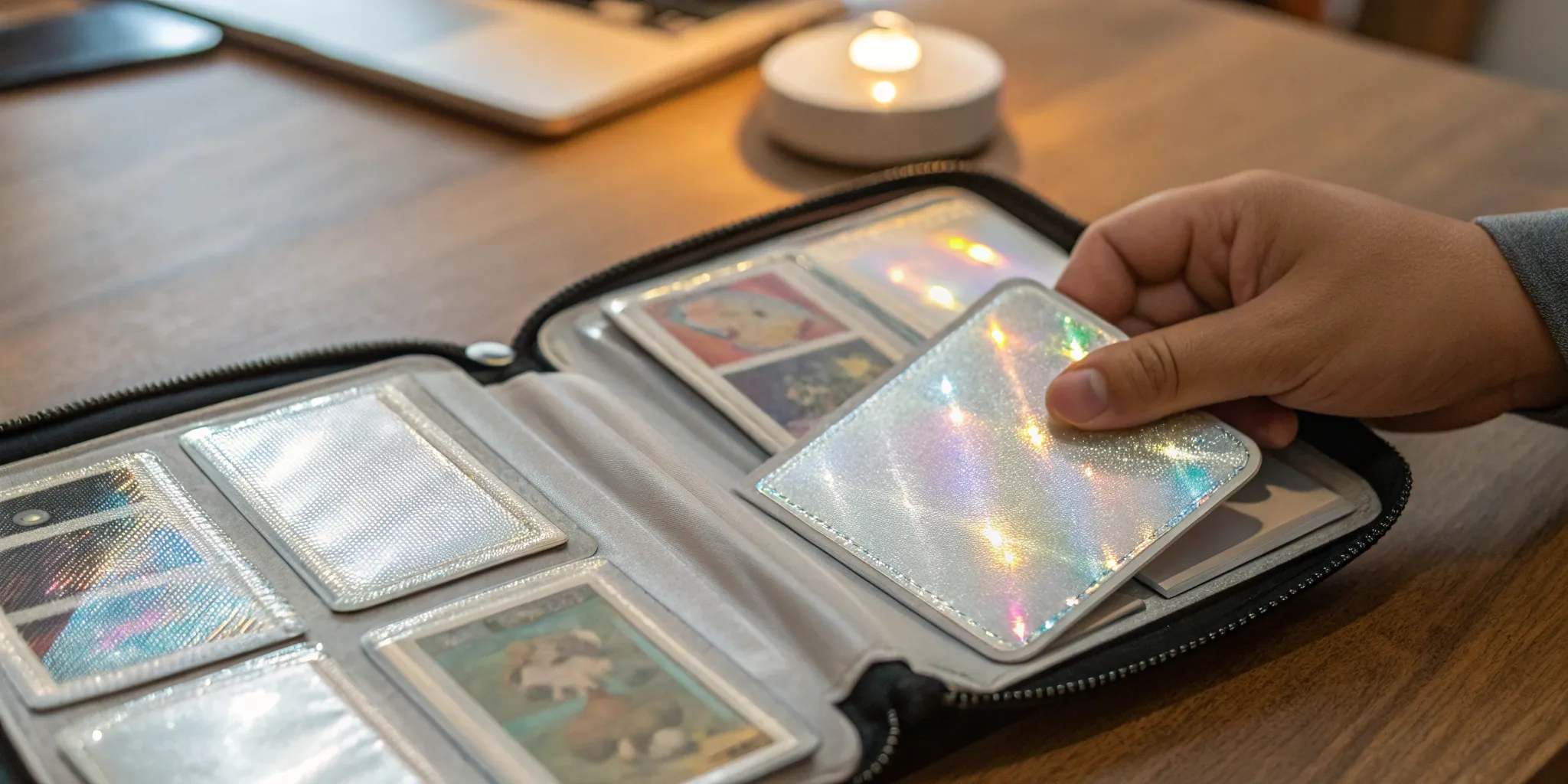
Let’s be honest: sometimes you just want to sell your card and get paid without the hassle. The traditional process of taking photos, writing descriptions, answering buyer questions, and dealing with shipping can feel like a part-time job. Fortunately, the market has evolved. A growing number of services now offer instant cash for graded cards, letting you skip the entire auction and listing process. These platforms provide a straightforward quote and a quick payout, making it easier than ever to liquidate your assets. This guide explores the best options for a fast and convenient sale, including our own Packz Buyback Program, so you can reinvest in your collection or cash out with minimal effort.
Key Takeaways
- Look beyond the grade to determine a card's true value: A Gem Mint 10 is a great start, but the final cash offer is also determined by the card's population count, the grading company's reputation, and current market hype.
- Decide what matters more to you: speed or profit: Instant buyback programs provide immediate, guaranteed payouts for a small trade-off in price, while marketplaces offer a higher potential return if you're willing to manage the sale yourself.
- Secure your profit with smart preparation: Get the best price by researching recent sales data to set a fair price, understanding all platform fees upfront, and using secure, insured shipping to ensure your card arrives safely.
What Are Graded Cards and Why Are They Valuable?
If you’ve spent any time in the trading card world, you’ve probably heard the term “graded card.” Think of it as the official, certified version of a trading card. Getting a card graded means sending it to a professional, third-party company to have its authenticity and condition verified. The card is then sealed in a protective plastic case, often called a “slab,” with a label that displays its official grade.
This process is a game-changer for collectors and sellers. It removes the guesswork and subjectivity from evaluating a card’s condition. Instead of just saying a card is in “good shape,” grading provides a standardized, universally accepted score. This not only protects the card from damage but also solidifies its place in the market, making it easier to buy, sell, and trade with confidence. For anyone looking to get cash for their collection, understanding the value of a graded card is the first and most important step.
How Card Grading Works
So, what actually happens when a card gets graded? The process involves a meticulous inspection by expert authenticators. They assess the card based on four key criteria: the centering of the image, the sharpness of the corners, the smoothness of the edges, and the quality of the surface. Any flaws like scratches, print defects, or stains will impact the final score.
Most major companies, like the industry-leading PSA, use a 10-point scale. A card that earns a Gem Mint 10 is considered virtually perfect. Lower grades indicate varying degrees of wear or production flaws. This standardized system creates a clear and objective measure of quality, allowing anyone, anywhere, to understand a card's condition at a glance without having to inspect it in person.
How Grading Impacts a Card's Value
The grade a card receives has a direct and significant impact on its market value. A high-grade card, especially a Gem Mint 10, can be worth exponentially more than the exact same card in an ungraded, or “raw,” condition. Why the huge difference? It comes down to two things: authentication and condition. Grading confirms that a card is genuine, eliminating the risk of counterfeits.
It also provides a definitive assessment of its physical state, which is crucial for serious collectors and investors. This official verification gives buyers the confidence to pay top dollar. A comprehensive guide to trading card grading can help you understand all the nuances, but the bottom line is simple: a higher grade almost always means a higher cash value.
Get to Know the Top Grading Companies
While the concept of grading is straightforward, not all grading companies are viewed the same way in the market. The reputation of the company that graded your card matters. PSA is often considered the industry standard, especially for vintage sports cards, and their grades typically command the highest prices. However, they are far from the only trusted name in the business.
SGC Grading is another long-standing leader, known for its accurate grading and signature black "tuxedo" slabs. For Pokémon and other trading card games, CGC Cards is a major force with a strong reputation. You might also come across newer, tech-focused companies like TAG Grading, which use digital imaging to assess cards. Knowing these key players will help you better understand the value of different graded cards you encounter.
Where Can You Sell Graded Cards for Cash?
Once you have a graded card in hand, you have plenty of options for turning it into cash. The best place to sell depends on what you value most—whether it’s getting the highest possible price, the fastest payout, or the most convenient experience. Some methods offer instant cash with minimal effort, while others require more hands-on work but could lead to a bigger payday. Think about your personal goals for the sale. Are you looking to quickly reinvest in your collection, or are you willing to wait for the perfect buyer to maximize your profit? Let's walk through some of the most popular and reliable places to sell your graded cards so you can find the perfect fit for your situation.
The Packz Buyback Program
If you pulled your card from one of our digital packs, the simplest way to cash in is through the Packz Buyback Program. This option is perfect if you want a quick and seamless transaction without ever leaving the platform. You can sell your graded cards back to us for 100% of their market value. The funds are instantly credited to your account balance, so you can keep the thrill going and open more packs right away. It’s a straightforward way to manage your collection and reinvest in your hobby with zero hassle, taking all the guesswork out of the selling process.
PSA Direct Cash Offers
For those who grade directly with PSA, a new option has emerged that offers incredible speed. PSA now provides direct cash offers for certain cards immediately after they’re graded. You’ll have a 24-hour window to accept the offer once your grade is revealed. This is a fantastic choice if your main goal is a quick, guaranteed sale without the effort of creating a listing or finding a buyer. It removes all the uncertainty and lets you cash out on the spot, making it one of the most convenient options available for freshly graded cards.
The COMC Marketplace
COMC, which stands for Check Out My Cards, is a marketplace built by collectors, for collectors. It’s a consignment service where you send your cards to their warehouse, and they handle the listing, selling, and shipping for you. Because the platform is tailored specifically for trading cards, you’ll find a dedicated audience of serious buyers. It’s a great middle ground that combines the reach of a large marketplace with the specialized focus of a card shop. This is an excellent choice if you want to sell your sports cards without managing the day-to-day logistics yourself.
eBay Auctions and "Buy It Now"
eBay is still one of the largest and most popular platforms for selling collectibles, giving you access to a massive global audience. You have the flexibility to list your cards as an auction to potentially drive up the price or set a fixed "Buy It Now" price for a straightforward sale. While the reach is undeniable, be prepared for the platform’s fees, which can cut into your profits. You’ll also need to handle packing, shipping, and customer service yourself, so it requires a bit more hands-on effort than other options.
The Alt Platform
If you’re looking for a modern, data-driven approach to selling, Alt is a fantastic choice. This platform is designed to feel more like a stock market for trading cards, offering powerful research tools and market insights. You can use their data to make informed decisions about when to sell and how to price your cards. Alt also provides a secure vaulting service, which means you can buy and sell cards instantly without ever having to ship them yourself. It’s a smart way to manage your collection as a true asset portfolio and make strategic moves based on market trends.
GameStop's Trade-In Program
In a surprising move, GameStop has entered the trading card market with its own trade-in program. You can bring your graded Pokémon, sports, and other TCG cards to participating stores and receive cash or in-store credit. This is an incredibly convenient option if you have a local GameStop and want an immediate, in-person transaction. The trade-in program offers a simple way to cash out without dealing with online listings or shipping, making it perfect for sellers who prioritize speed and simplicity over getting the absolute top dollar.
Local Card Shops and Dealers
Don’t overlook the value of your local card shop. Selling to a local dealer is often the fastest way to get cash in your hand. It’s a simple, face-to-face transaction where you can get an offer on the spot. While you might not always get the absolute highest market price, you save time and avoid platform fees and shipping costs. Building a good relationship with a local shop owner can also lead to better deals and expert advice in the future, making it a valuable resource for any serious collector.
What to Expect When Selling Graded Cards for Cash
Selling your graded cards for instant cash can be a fast and exciting way to liquidate your assets, but it’s a different process than listing them on an auction site. Knowing what to expect can help you make a smart decision and ensure the process goes smoothly from start to finish. From understanding how you’ll get paid to making sure your cards arrive safely, here’s what you need to keep in mind.
Understanding Payout Percentages
When you sell your graded cards for cash, the platform or buyer will typically offer you a percentage of the card's current market value. This payout percentage is how they make their money. Different services have different models. Some might give you a straightforward cash offer, while others, like Alt, provide a guaranteed cash advance for higher-value cards you submit to their auction service. This option is great if you need money quickly but still want the potential upside of an auction. Always read the fine print to understand exactly how much you’ll receive after the platform takes its cut. Knowing the payout structure upfront helps you compare services and find the best fit.
Processing Times and Getting Paid
How quickly you get your money can vary a lot between different cash-for-cards services. Some platforms require you to ship the card and wait for it to be processed before you see a dime. Others are streamlining the process to get cash in your hands faster. For instance, PSA now offers cash for your sports cards immediately after your grade is revealed. You get a data-backed offer and have 24 hours to accept it, getting paid without any extra fees. This kind of speed is a game-changer, especially if you're trying to capitalize on a hot market. When you’re evaluating your options, always check the typical turnaround time from accepting an offer to having the cash in your account.
Shipping and Insurance Essentials
Don't overlook the final step: getting your card safely to the buyer or platform. The trading card market can be unpredictable, with values changing based on player performance or shifts in collector interest. Your graded card is a valuable asset, and it deserves to be protected during transit. This means packaging it securely to prevent any dings, scratches, or cracks to the slab. More importantly, it means making sure your shipment is insured for its full value. Learning how to get your cards shipped securely and insured is a non-negotiable skill. It’s your safety net in a market known for its ups and downs, ensuring your investment is protected until the sale is complete.
How Do Cash Offers Compare to Other Selling Methods?
When you decide to sell a graded card, you’ll find yourself at a crossroads. Should you take a quick cash offer, list it on a marketplace, or try your luck with an auction? There’s no single right answer—the best path depends entirely on what you value most. Each method comes with its own set of pros and cons, creating a classic balancing act between getting your money quickly and getting the most money possible.
Think of it this way: are you looking for a fast, hassle-free transaction, or are you willing to put in the time and effort to maximize your profit? Selling directly for cash is like taking the express lane. It’s straightforward, predictable, and gets you to your destination fast. On the other hand, selling through an auction or a marketplace like eBay is the scenic route. It might take longer and have a few unexpected turns, but you could end up with a bigger payout at your destination. This choice is fundamental to your selling strategy. Understanding the trade-offs between speed, convenience, control, and cost is the key to choosing the selling method that aligns with your goals. Let’s break down how these different approaches stack up against each other so you can make the best decision for your collection and your wallet.
Speed vs. Profit: The Big Trade-Off
The biggest advantage of a cash offer is speed. If you want money in your account without waiting for an auction to end or a buyer to show up, this is your best bet. Services like the Packz buyback program or PSA’s direct cash offers are designed for immediacy. You get a quote, you accept it, and the deal is done. This is perfect for sellers who want to liquidate a card quickly to fund another purchase or simply cash out.
The trade-off for this speed is usually a slightly lower payout than what you might get from a private sale. By selling directly to a company, you’re paying for the convenience and the guaranteed sale. Holding out for a private buyer or letting a card run in an auction could land you a higher price, but it also requires patience and carries the risk of the card not selling at all.
Convenience vs. Control: What Matters More to You?
How much work do you want to put into selling your card? Cash-for-cards services are the definition of convenience. You don’t have to take high-quality photos, write compelling descriptions, answer questions from potential buyers, or deal with packing and shipping. You accept the offer, and the company handles the rest. It’s a hands-off process that saves you a ton of time and energy.
On the flip side, selling on a marketplace gives you complete control. You set the price, manage the listing, and communicate directly with buyers. Platforms like Alt let you reach a global audience of collectors, but you’re the one in the driver’s seat. This control is great if you’re a savvy seller who enjoys the process, but it can be a major headache if you just want the card gone.
Watch Out for Fees and Hidden Costs
When you see a card sell for a high price on a platform like eBay, remember that the seller isn’t taking home that full amount. Selling fees are inevitable on most marketplaces, and they can quickly eat into your profits. You’ll often face a combination of listing fees, final value fees (a percentage of the total sale price), and payment processing fees. These costs can add up to 15% or more, significantly reducing your net payout.
Furthermore, selling on your own means dealing with the risks of the platform, from difficult buyers to potential scams. Cash offers are much more transparent. The price you’re offered is the amount you’ll receive, with no surprise deductions after the fact. This clarity makes it easier to know exactly what you’re getting for your card without worrying about hidden costs or transaction disputes.
What Determines Your Graded Card's Cash Value?
Figuring out what your graded card is worth can feel like a moving target. It’s not just about having a cool card; its cash value is a mix of several key factors. The grade itself is the star of the show, but the card's rarity, current market buzz, and the credibility of its authenticator all play crucial roles. Understanding each of these elements will help you set realistic expectations and know exactly what drives the offers you receive.
The Importance of Grades and Pop Reports
The number on that plastic slab is the single biggest factor in your card’s value. A card graded as a Gem Mint 10 can be worth exponentially more than the exact same card graded as an 8 or 9. This is because high-grade examples are much harder to find, and collectors pay a premium for perfection. But the grade is only half the story. You also need to look at the population report, or "pop report." This report, which grading companies like PSA provide, tells you exactly how many cards of that specific type have received each grade. A low pop count for a high grade means you’re holding something truly scarce, which can send its value soaring.
Card Rarity and Market Demand
Beyond the grade, a card's inherent rarity plays a huge part in its value. This includes rookie cards, short prints (cards with a limited production run), serial-numbered cards, and special variations. But rarity doesn’t automatically equal value. For a card to command a high price, there has to be strong market demand for it. A rare card of a forgotten player won't fetch nearly as much as a more common card of a superstar like Michael Jordan or a beloved Pokémon like Charizard. It’s the classic supply-and-demand formula: when a card is both hard to find and highly sought after by collectors, its cash value goes up.
How Timing and Market Conditions Affect Price
The trading card market is dynamic and can change quickly. A player having a breakout season, winning a championship, or getting inducted into the Hall of Fame can cause their card prices to spike overnight. On the flip side, an injury or a slump can have the opposite effect. The same goes for Pokémon cards, where a new game release or a wave of nostalgia can ignite interest. Because the sports card market is known for its volatility, selling at the right moment is crucial. Cashing in during a peak in player hype or market interest is one of the best ways to get the highest possible offer for your card.
Authentication and Verifying Condition
When you get a card graded, you’re not just getting an opinion on its condition—you’re getting it authenticated. A grade from a respected third-party company like PSA, BGS, or SGC serves as a guarantee that your card is the real deal. This is a huge deal for buyers, as it removes the risk of purchasing a counterfeit or altered card. This confidence is directly reflected in the price. An ungraded card always carries a bit of uncertainty, but a slabbed and authenticated card is a trusted asset. This process of authentication and grading solidifies a card’s legitimacy and helps it realize its full market potential.
How to Choose the Right Cash-for-Cards Service
Deciding where to sell your graded cards can feel just as important as getting them graded in the first place. With so many options available, the best choice really comes down to your personal goals. Are you looking for the fastest possible payout, the highest potential profit, or the simplest, most hands-off experience? Each service offers a different blend of these benefits, so it pays to do a little homework before you commit.
Think of it like choosing a partner for a project—you want someone reliable who understands the value of what you’re bringing to the table. Key factors like a company’s reputation, how much they pay, how easy their platform is to use, and the size of their customer base will all impact your final outcome. Taking the time to weigh these elements will help you find a service that not only gives you a fair price but also makes the entire process feel smooth and secure. It’s the difference between a quick, successful sale and a frustrating experience filled with hidden fees and poor communication.
Check for Reputation and Trustworthiness
When you’re dealing with valuable collectibles, trust is everything. You’re handing over an asset, and you need to be confident you’ll be treated fairly. Start by looking for established names in the industry. For example, PSA is widely recognized as one of the most respected third-party grading companies in the world, so any service they offer carries a high level of credibility. Beyond the big names, dig into community feedback. Check forums, social media groups, and review sites to see what other collectors are saying about their experiences. A solid track record and positive reviews are strong indicators that you’re dealing with a reputable service that values its customers and their cards.
Compare Payout Rates and Commissions
The bottom line matters, and payout structures can vary quite a bit from one service to another. Some platforms will offer you a percentage of the card's market value, while others might take a commission on the final sale. It’s crucial to understand exactly how you’re getting paid. For instance, some platforms offer unique financial perks; Alt provides a guaranteed cash advance if you submit cards valued at $250 or more, which is great if you need cash quickly. Always read the fine print on fees and calculate your potential net profit before sending your cards anywhere. This ensures there are no surprises when your payment comes through.
Evaluate the User Experience and Support
A great payout doesn’t mean much if the process is a nightmare. The ideal service should have a clean, intuitive website or app that makes submitting your cards straightforward. Before you commit, click around their platform. Is it easy to find information? Is the process for getting a quote clear and simple? Customer support is another huge factor. If you have a question or run into an issue, you want to know that a responsive and helpful team has your back. A smooth user experience and reliable support can make the difference between a stressful transaction and a seamless one, saving you time and frustration.
Consider Their Market Reach and Audience
The service you choose is your gateway to potential buyers, so its market reach is incredibly important. A platform with a large and active user base of serious collectors is more likely to get you a competitive offer. Established players are constantly evolving; for example, PSA has started to offer cash for cards directly, connecting their massive grading audience with a selling option. Consider the platform’s specialty, too. Does it cater more to sports card enthusiasts, Pokémon fans, or both? Matching your card to a service with the right audience ensures it gets in front of the people most likely to appreciate its value.
What Fees and Costs Should You Expect?
Selling your graded cards is exciting, but it’s not all profit. Before you list your first card, it’s important to get a clear picture of the fees and costs involved. Think of it as the cost of doing business. Nearly every platform or service that helps you sell your cards will take a cut in one form or another. Understanding these expenses ahead of time helps you price your cards correctly and calculate what you’ll actually take home. From commission rates to shipping, let’s break down the common costs you’ll run into so there are no surprises when it’s time to cash out.
Platform Commission Rates
The most common fee you'll encounter is the platform commission. This is the percentage or flat fee a marketplace charges for connecting you with a buyer and facilitating the sale. Commission rates can vary widely, so it’s one of the first things you should check when comparing where to sell. For example, one platform might charge a straight 10% of the final sale price, while another might have a tiered system where the percentage decreases as the card’s value goes up. These platform fees directly impact your bottom line, so doing a little homework to find a rate you’re comfortable with is always a smart move.
Payment Processing Fees
On top of the platform’s cut, you’ll almost always have to pay a payment processing fee. This is the cost charged by the financial service (like PayPal or Stripe) that handles the actual money transfer from the buyer to you. These fees are typically a small percentage of the total transaction amount plus a fixed fee, something like 2.9% + $0.30. Some platforms bundle this into their main commission, calling it a “final value fee,” while others list it separately. It might seem small, but these transaction costs can add up, especially if you’re selling a high volume of cards.
Shipping and Insurance Costs
Once your card sells, you have to get it to the buyer safely. Shipping and insurance are crucial costs to factor in, especially when dealing with valuable and irreplaceable graded cards. The price will depend on the carrier you choose, the shipping speed, and the destination. For any card worth a significant amount, you absolutely want to add insurance. This protects you and the buyer in case the package gets lost or damaged in transit. Proper shipping for collectibles involves more than just a stamp and an envelope; secure packaging and tracking are non-negotiable for a smooth transaction.
Listing and Final Value Fees
While less common these days, some platforms still charge a listing fee (or insertion fee) just to put your card up for sale, whether it sells or not. More prevalent is the final value fee, which is often an all-in-one charge that combines the platform commission and payment processing fee. This is the total percentage the platform takes from your sale. When you’re setting a price for your card, you need to account for these reselling business expenses. By understanding the full fee structure upfront, you can ensure the price you set leaves you with a profit you’re happy with.
How to Get the Most Cash for Your Cards
Getting the best price for your graded cards isn't just about luck—it's about strategy. Having a rare, high-grade card is a great start, but knowing how and when to sell it can make a huge difference in your final payout. It comes down to doing your homework, timing the market, and handling the logistics with care. Think of it like a game plan. By focusing on a few key areas, you can make sure you’re not leaving money on the table and that your prized cards find the right new home. Let's walk through the steps to help you get the most cash for your collection.
Research Current Market Values
This is the foundation of a good sale. You can't price your card effectively if you don't know what it's worth in the current market. Card values can change quickly, so relying on old price guides won't cut it. Instead, look at real-time data. Platforms like Alt offer tools that track recent sales to give you an accurate, up-to-date value for your specific card. You should also check the "sold" listings on marketplaces like eBay. This shows you what buyers are actually paying right now, which is the most reliable indicator of your card's current market value.
Time Your Sale for the Best Price
Timing is everything in the card market. A player getting hot during the playoffs or a Pokémon anniversary can cause a card’s value to spike overnight. Selling during these moments of peak interest is your best bet for a top-dollar sale. Graded cards, especially those with high grades, already command a premium, but timing the market can add even more to their value. Pay attention to what’s happening in the sports world or the TCG community. Selling a star quarterback’s rookie card during the week leading up to the Super Bowl, for example, is a much smarter move than selling it in the middle of the offseason.
Package and Ship Your Cards Like a Pro
Don't let a great sale get ruined by poor shipping. The buyer is paying for a card in a specific, graded condition, and it needs to arrive that way. A professional approach to shipping protects your card, your reputation as a seller, and ensures a smooth transaction. Always place the graded slab in a protective sleeve or team bag, sandwich it between two pieces of cardboard, and use a bubble mailer for shipping. This simple process prevents scratches and cracks. A simple and transparent selling experience from start to finish is what gets you maximum payouts and happy customers.
Understand the Market's Demand Cycles
The trading card market is famously unpredictable. Collector interest can shift on a dime, and what’s popular today might be old news tomorrow. Card values often fluctuate dramatically based on things like player performance, team hype, or even broader economic trends. To get the most cash, you need to have a feel for these cycles. Follow hobby news, participate in online forums, and see what collectors are talking about. Understanding these shifts in collector interest can help you decide whether to sell a card now while it’s in high demand or hold onto it if you think its value will grow.
What Risks to Avoid When Selling Graded Cards
Selling your graded cards should be exciting, not stressful. While the process is straightforward on most platforms, there are a few common pitfalls that can trip up even experienced sellers. Knowing what to look out for can help you protect your investment, avoid frustration, and make sure you get the best possible price for your collection. From spotting shady buyers to understanding the fine print on platform fees, a little preparation goes a long way. Let’s walk through the key risks so you can sell with confidence.
How to Spot Scams and Bad Buyers
Unfortunately, where there’s money to be made, there are often scammers. When selling on open marketplaces, you might encounter buyers who claim an item arrived damaged to force a partial refund or try to swap your high-grade card with a lower-grade one for a return. Be vigilant and document everything. Take clear, high-resolution photos of your cards from all angles before you pack them. Always use tracked shipping and consider insuring valuable shipments. Keep all communication on the platform’s official messaging system to ensure there’s a record. Trust your gut—if a buyer’s request seems strange or they pressure you to complete the deal off-platform, it’s a major red flag.
Manage Your Expectations on Market Value
One of the biggest rookie mistakes is undervaluing your cards. Before you list anything, you need to do your homework. Check recent sales data for the exact same card with the same grade on platforms like eBay or 130point.com. This will give you a realistic idea of the current market value. Remember that prices fluctuate based on player performance, new set releases, and overall collector demand. A card is only worth what someone is willing to pay for it today. Setting a fair, data-backed price prevents you from leaving money on the table and helps you negotiate from a position of strength.
Know the Platform's Risks and Protections
Every selling platform is different, and it’s crucial to understand the rules before you commit. Marketplaces like eBay have extensive reach but are also known for high fees and siding with buyers in disputes. Read the terms of service to understand the seller commission fees, which are usually a percentage of the final sale price. Also, look into what kind of seller protection is offered. Does the platform help you if a buyer files a fraudulent claim? Knowing the potential costs and the level of support you can expect will help you choose the right platform and avoid any unwelcome surprises down the road.
Avoid These Common Profit-Killing Mistakes
Small errors can have a big impact on your final sale price. Improper listings are a frequent problem. Make sure your listing title is clear and includes the player or character name, year, card number, grading company, and grade. Use high-quality photos that show the card, slab, and certification number clearly. Another common mistake is poor packaging. A card that gets damaged in transit because it wasn’t secured properly will likely lead to a return and a loss. Taking the time to create a professional listing and package your cards securely shows buyers you’re a serious seller and helps ensure the transaction goes smoothly.
Related Articles
- 9 Best Places to Sell Sports Cards for Cash | Packz Blog
- How to Sell Pokémon Cards for Cash (For Max Profit) | Packz Blog
- Cheap Graded Cards: The Ultimate Buyer's Guide | Packz Blog
Frequently Asked Questions
Is it always worth it to get a card graded? Not every card is a good candidate for grading. The process costs money, so you want to be sure the potential value you're adding is more than the fee. Grading makes the most sense for cards that are already valuable due to their rarity, popularity, or exceptional condition. A common card with visible wear probably isn't worth the investment. Think of grading as the best way to certify and protect the value of a card that already has a strong foundation.
Why would I take a cash offer if I could get more from an auction? It really comes down to what you value more: a potentially higher price or a guaranteed, immediate sale. A cash offer is all about speed and convenience. You get a firm price and your money right away without having to take photos, write descriptions, answer questions, or deal with shipping. An auction might bring in more money, but it also requires patience, comes with platform fees, and carries the risk that the card won't sell for what you hoped.
Does it really matter which company graded my card? Yes, it absolutely matters. The reputation of the grading company directly impacts a card's market value and how easily it can be sold. Collectors trust industry leaders like PSA, SGC, and CGC, so cards graded by them typically sell for higher prices. A card with a high grade from a lesser-known company might not command the same respect or price, simply because buyers don't have the same level of confidence in the assessment.
How do I find out what my graded card is actually worth right now? The most reliable way to determine a card's current value is to look at what it has recently sold for. You can't rely on old price guides because the market moves too fast. Check the "sold" listings on marketplaces like eBay or use a tool that tracks sales data for the exact same card with the same grade. This shows you what real buyers are willing to pay today, which is the most accurate measure of its market value.
What's the biggest mistake people make when selling their cards? The most common and costly mistake is improper shipping. A graded card needs to arrive in the exact condition it was in when you sold it, and that includes the protective slab. If the slab gets cracked or badly scratched in transit because it was just tossed in an envelope, you risk a return and a loss. Always wrap the slab, secure it between cardboard, and use a bubble mailer to protect your sale and your reputation.
Recommended Reading
Cash for Graded Sports Cards: The Fastest Ways to Sell
Get cash for graded sports cards faster. Compare auction houses, marketplaces, and instant buyback options to pick the route that fits your timeline.

How to Compare Value in Sports Card Packs
Learn how to compare sports card packs using card quality, available pulls, pricing clarity, and Packz’s 100% buyback option.
How to Buy Pokemon Packs Online for Ripping
Ready to buy pokemon packs online for ripping? Get transparent pack value and clear pull odds so you never overpay for the thrill of the hunt. Start collecting safely.