
April 30, 2026
What Does Gem Mint Mean? The Perfect 10 Explained
Curious what does gem mint mean for trading cards? Learn how Gem Mint grades work, what sets a perfect 10 apart, and why collectors value them.
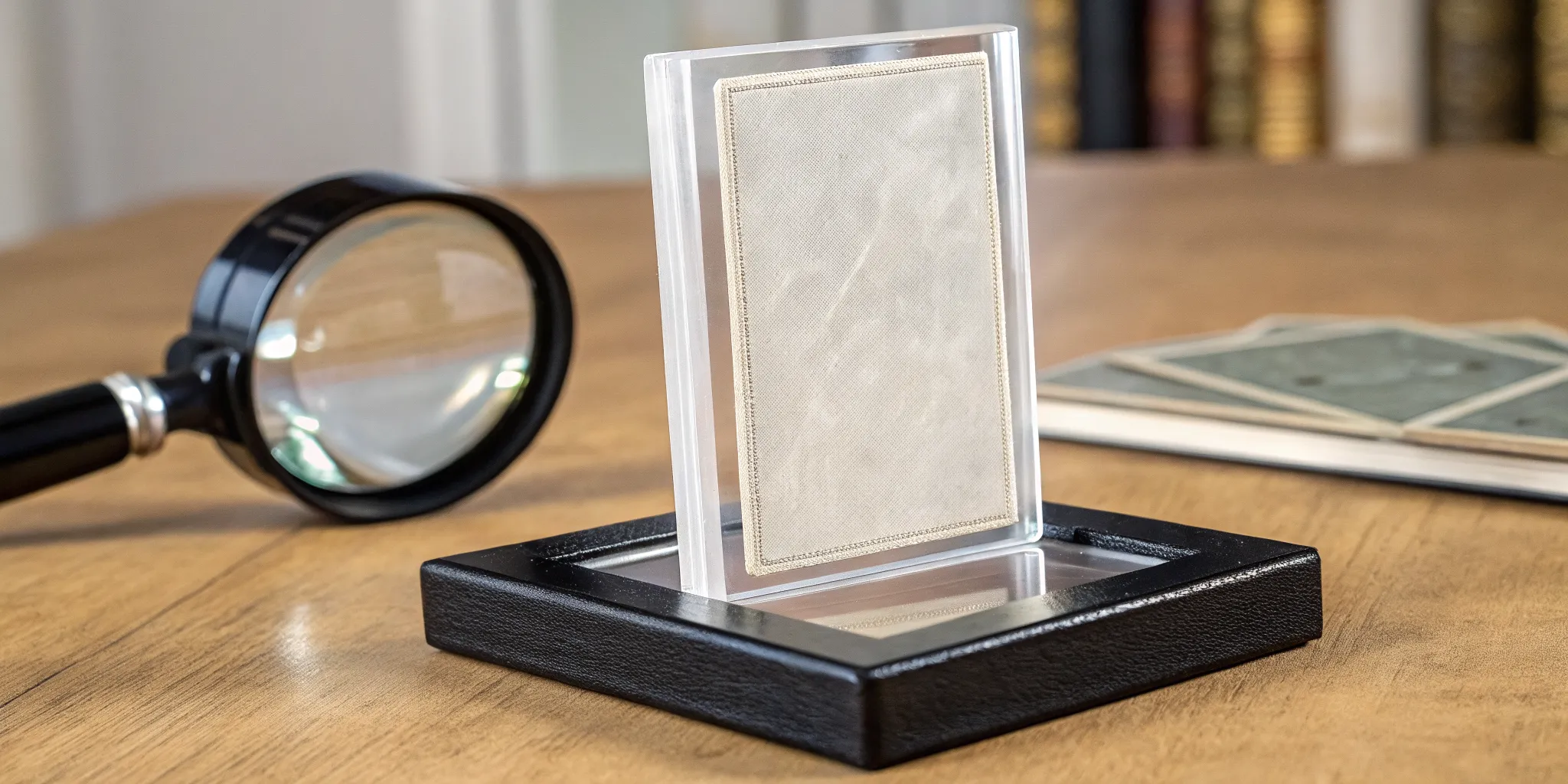
There’s no feeling quite like opening a pack and seeing that flash of holographic foil. For a split second, you hold your breath, hoping it’s the one card you’ve been chasing. For serious collectors, that dream pull isn’t just about the player or character; it’s about finding a card in absolutely perfect condition. This is where the term “Gem Mint” comes into play. It’s the grade that separates the great pulls from the legendary ones. Understanding what does gem mint mean is key to recognizing when you’ve truly hit the jackpot. It’s the official stamp of perfection, confirming a card has flawless corners, sharp edges, a clean surface, and ideal centering.
Key Takeaways
- Gem Mint 10 means virtual perfection: A card earns this top grade only if it has nearly flawless corners, clean edges, a spotless surface, and excellent centering. This strict standard represents the best possible condition a card can be in.
- A top grade confirms a card's value: Getting a Gem Mint 10 from a trusted company removes all guesswork about a card's quality. This certified condition gives buyers confidence, which is why these cards command higher prices and are so sought after.
- Grade strategically and protect your investment: Before submitting a card, weigh the grading costs against its potential value and check it for obvious flaws. After a card is graded, preserve its condition by storing it away from sunlight and handling the protective case with care.
What Does "Gem Mint" Mean for Trading Cards?
If you’ve spent any time around trading cards, you’ve probably heard the term “Gem Mint” thrown around. Think of it as the holy grail for collectors. A Gem Mint grade is the highest praise a card can receive, signaling that it’s in virtually flawless condition. When a professional grading company evaluates a card and gives it this top-tier rating, it’s essentially calling it a perfect 10. This is the grade every collector dreams of finding when they open a pack.
So, what does it take for a card to earn this title? Graders look at a card under magnification, scrutinizing every detail. A Gem Mint card must have four perfectly sharp corners, clean edges, a spotless surface with its original gloss, and nearly perfect centering. It’s the best of the best, a card that looks like it just came directly from the printing press and was handled with extreme care. According to the most widely recognized professional grading standards, even a tiny printing imperfection might be allowed, but only if it doesn’t take away from the card's overall beauty.
For collectors and investors, pulling a card with Gem Mint potential is the ultimate goal. This grade significantly increases a card's value and desirability because it confirms the card is a pristine example of its kind. It’s the difference between having a cool card and having a true collector’s masterpiece. While a "Mint" card is great, a "Gem Mint" card is exceptional, representing the pinnacle of quality in the trading card world.
The Anatomy of a Gem Mint Card
So, what exactly does it take for a card to earn that coveted Gem Mint 10 grade? It’s not just about looking good from a distance. Professional graders examine every millimeter of a card under magnification, looking for perfection across four key categories. Think of it as a report card where anything less than an A+ in every subject means you’re not making it to the top of the class. A card that achieves Gem Mint status is a true masterpiece, representing the best possible condition. It’s a card that looks like it was just pulled from a pack and handled with the utmost care.
This strict evaluation process is why Gem Mint cards are so rare and valuable. A tiny, almost invisible flaw in any one of these areas can be the difference between a Mint 9 and the legendary Gem Mint 10. Understanding these criteria is key for any serious collector, whether you’re submitting your own cards for grading or buying a graded card for your collection. It helps you set realistic expectations and spot potential gems yourself. Before we dive into the specifics, remember that graders are looking for a card that is, for all intents and purposes, perfect. Let’s break down the four pillars of that perfection: corners, edges, surface, and centering, so you know exactly what to look for.
Flawless Corners
The first thing many collectors check is the corners, and for good reason. A Gem Mint card must have four perfectly sharp corners. Imagine the crisp, pointed edge of a brand-new playing card; that’s the standard we’re talking about. There can’t be any signs of wear, not even the slightest hint of softness, fraying, or whitening. Even a tiny ding that’s barely visible to the naked eye can be enough to knock a card down to a Mint 9. This is often the first giveaway that a card has been handled, so graders are incredibly strict here.
Sharp Edges
Just as important as the corners are the edges that connect them. To be considered Gem Mint, a card’s edges must be clean and smooth, with no chipping or rough spots. This is especially crucial for cards with dark borders, where even the smallest white mark or "chipping" can stand out dramatically. Graders will inspect all four edges for any imperfections that might have occurred during the original factory cutting process or from subsequent handling. A smooth, uninterrupted edge is a hallmark of a card that has been preserved in pristine condition from the very beginning.
A Perfect Surface
The surface is the canvas of the card, and for a Gem Mint grade, it needs to be virtually spotless. This means no scratches, scuffs, stains, or fingerprints. The original gloss must be intact, and the image should be perfectly clear. Interestingly, the official PSA grading standards allow for a very slight printing imperfection as long as it doesn't detract from the card's overall appeal. However, any post-production flaw, like a crease or surface indentation, is an immediate disqualifier for a Gem Mint 10. It’s all about preserving that fresh-from-the-pack look.
Ideal Centering
Centering refers to how well the artwork is framed by the card's borders. This is a huge factor and often the one that separates a Mint 9 from a Gem Mint 10. For a PSA 10, the image must be centered approximately 55/45 to 60/40 on the front and 75/25 on the back. This means the borders on one side can’t be significantly wider than on the other. Poor centering is a factory flaw, but it heavily impacts a card's grade and visual appeal. A perfectly centered card is symmetrical and balanced, making it far more desirable to collectors.
How Gem Mint Compares to Other Grades
It’s easy to spot the difference between a damaged card and one in great shape, but the distinctions between the top grades can be incredibly subtle. A card graded 8, 9, or 10 might all look perfect at first glance. However, understanding the small details that separate a Gem Mint 10 from its neighbors is crucial for knowing a card's true quality and market value. Let's break down how a perfect 10 compares to other high-end grades.
Gem Mint vs. Mint
Think of a Mint 9 as being almost perfect. It’s an outstanding grade for any card, but it falls just shy of the Gem Mint standard. According to the official PSA grading standards, a Mint 9 is allowed one minor flaw. This could be a tiny wax stain on the back from the original pack, a very small printing imperfection, or borders that are slightly off-white. A Gem Mint 10, on the other hand, has none of these issues. It’s the flawless pinnacle of card condition, making that single-point difference on the scale a huge leap in quality and, often, in value.
Gem Mint vs. Near Mint
When you step down to a Near Mint 8, the differences become a bit more noticeable. While still a fantastic card for any collection, a Near Mint 8 will have a few minor issues. You might see slight fraying on one or two corners, a small printing defect, or borders that are clearly off-white. A faint wax stain on the back is also a possibility. These are the kinds of imperfections that might not jump out at first glance but become clear under close inspection. A Gem Mint 10 has none of these blemishes, which is why it commands such a premium among collectors.
Where Gem Mint Sits on the Grading Scale
So, where does Gem Mint actually land? It’s at the very top. Most major grading companies use a 10-point scale to evaluate trading cards, and a Gem Mint 10 is the highest score a card can receive. A grade of 1 represents a card in poor condition, while a 10 signifies perfection. This position at the apex of the grading system is what makes Gem Mint so special. It’s a declaration that the card has met the most rigorous standards for condition, making it the most desirable version for serious collectors and investors alike. Achieving this grade is incredibly difficult, which is why these cards are so rare.
Which Companies Grade for Gem Mint?
When you're talking about Gem Mint cards, you're usually talking about the "big three" in the grading world: PSA, BGS, and CGC. While they are all trusted names in the industry, they each have their own way of defining a perfect card. This isn't just about semantics; the company that grades a card can significantly impact its market value and how it's perceived by other collectors. A "10" from one company might be viewed differently than a "10" from another. Understanding these subtle differences is key to knowing exactly what you're getting when you pull a graded card from a pack or add one to your collection. Let's break down what a top grade looks like from each of these major players.
PSA's Gem Mint 10
For many collectors, Professional Sports Authenticator (PSA) is the gold standard. A PSA Gem Mint 10 is a card that is virtually perfect. Think four sharp corners, a crystal-clear image, and its original glossy finish fully intact. The card can't have any stains, though a tiny, almost invisible printing imperfection might be allowed if it doesn't detract from the card's appeal. The official PSA Grading Standards also require the image to be well-centered, allowing for a 55/45 to 60/40 split on the front. It’s the highest grade PSA offers and the one that often commands top dollar at auction.
BGS's Pristine 10 and Black Label
Beckett Grading Services (BGS) takes a slightly different approach by using subgrades for centering, corners, edges, and surface. This makes their top grades incredibly difficult to achieve. A BGS 10 (Pristine) is already a showstopper, but the true holy grail is the BGS 10 Black Label. A card only earns this elite status if it receives a perfect 10 on all four subgrades. Because of their rarity, Black Label cards are some of the most sought-after and valuable cards on the market. Many collectors feel the detailed BGS grading scale gives a more transparent look at a card's condition.
CGC's Perfect 10
CGC Cards, a newer but highly respected player, also has a detailed grading system. Their top grade is the Perfect 10, which is reserved for cards that are flawless in every way, even under 10x magnification. Just below that is the Pristine 10, which is also a visually perfect card but has a tiny flaw only detectable by experts. Finally, there's the CGC Gem Mint 10, which is a top-tier card that might have one very minor imperfection preventing it from reaching Pristine status. The official CGC Cards Grading Scale provides a full breakdown of their meticulous standards.
How Grading Standards Differ
As you can see, "Gem Mint" doesn't always mean the same thing across the board. While PSA uses Gem Mint for its highest grade of 10, other companies might use the term for a 9.5. This is why it’s so important to pay attention to both the grade and the grading company. Each company has its own reputation and standards, which can influence a card's market value. Knowing these distinctions will help you make smarter decisions whether you're buying, selling, or just admiring a beautiful card from your collection.
What Prevents a Card from Being Gem Mint?
So you’ve just pulled a card from a pack, and it looks absolutely perfect. Before you start celebrating, it’s important to know that even fresh-from-the-factory cards can have tiny flaws that keep them from that coveted Gem Mint 10 grade. Professional graders examine every detail with a keen eye, and several common issues can knock a card down a peg or two. Understanding these potential pitfalls is the first step to knowing what makes a truly perfect card and what to look for in your own collection. From the way it was printed to how it was cut, a lot can happen before a card ever reaches your hands.
Print Lines and Factory Flaws
Sometimes, a card’s journey to perfection is over before it even begins. Imperfections can happen during the printing process, long before the card is placed in a pack. These can include things like faint print lines running across the card, small ink dots, or slight color inconsistencies. According to the official PSA Grading Standards, a Gem Mint 10 card must be free of stains, but a very slight printing flaw might be allowed if it doesn’t hurt the card's overall appeal. This means that while graders have a little wiggle room, any noticeable factory flaw can easily prevent a card from hitting that top score.
Corner Wear and Handling Damage
The corners are one of the most vulnerable parts of a trading card. Even the slightest touch of white, known as corner wear, can be enough to disqualify a card from Gem Mint status. A card that earns a top grade is often described as "nearly perfect," but it might have one tiny flaw that keeps it from being a Pristine 10. This is where magnification comes in. A corner might look sharp to the naked eye, but under a grader’s loupe, a minuscule amount of wear could be visible. This is why careful handling is so critical from the moment a card is pulled. Any damage, no matter how small, will be noted and will impact the final grade.
Poor Centering and Edge Damage
Centering refers to how well the artwork is framed by the card's borders. It’s a huge factor in a card’s final grade. For a card to be considered Gem Mint by PSA, the centering must be approximately 55/45 to 60/40 on the front and 75/25 on the back. If the image is shifted too far to one side, top, or bottom, it can’t receive a 10. Along with centering, the edges are closely inspected for any roughness or "chipping," where the color has flaked away. The CGC Cards grading scale notes that as grades decrease, flaws like rough edges become more apparent. These issues, combined or on their own, are common reasons a seemingly great card falls short of Gem Mint.
Common Misconceptions About Gem Mint Grades
The term "Gem Mint" carries a lot of weight in the trading card world, but it also comes with its fair share of confusion. When you're chasing that perfect 10, it's easy to get tripped up by some common myths. Getting these facts straight is key to making smart decisions, whether you're buying a graded single or hoping to pull a monster card from a pack. Let's clear up a few of the biggest misconceptions so you can approach your collection with confidence.
The "Universal Standard" Myth
One of the biggest mistakes is assuming "Gem Mint" means the same thing everywhere. It doesn't. While industry leader PSA exclusively uses Gem Mint for its perfect 10 grade, other companies might apply the term to a 9.5. This small difference can have a big impact on a card's value. It’s crucial to know which company graded the card and what their specific standards are. Always check the grading company's scale before you buy. Understanding the nuances between different grading standards helps you accurately assess what you're getting.
Assuming a Grade Guarantees Value
Pulling a Gem Mint card is an incredible feeling, but it doesn't automatically mean you've hit the jackpot. While it's true that graded cards command higher prices than raw ones, the grade is just one piece of the puzzle. A Gem Mint 10 of a common card might only be worth a few dollars. A card's ultimate value depends on its rarity, the popularity of the player or character, and market demand. A lower-grade vintage rookie card could easily be worth thousands more than a modern Gem Mint common. The grade enhances value, but it doesn't create it out of thin air.
Misinterpreting the Grade
A grade is an expert's opinion on a card's physical condition. It's not a certificate of authenticity or a prediction of future worth. Think of it as a standardized assessment of the corners, edges, surface, and centering. While a professionally graded card often fetches a higher price, the market ultimately sets the value. The grade provides a reliable benchmark that helps buyers and sellers agree on condition, which is a huge factor in determining price. It removes subjectivity and gives you a solid foundation for understanding a card's quality, but it doesn't tell the whole story of its value to collectors.
How to Spot a Genuine Gem Mint Card
A Gem Mint card is a prized possession, but its high value can attract counterfeiters. Whether you're buying a graded card online or in person, you need to know how to confirm it's the real deal. Protecting your collection starts with a bit of detective work. Thankfully, there are a few straightforward checks you can perform to ensure the Gem Mint card you're holding is legitimate. It's all about verifying the slab, the label, and the card itself.
Check the Grader's Database
Your first and most important step is to treat the certification number on the slab like a serial number. Every major grading company maintains an online database where you can look up this number. You should always verify a card's certification number to confirm that the card, its grade, and its details match what the company has on file. This simple check ensures the slab is legitimate and hasn't been faked. If the number doesn't show up in the database or the details don't match perfectly, that's a major warning sign to walk away.
Look for Security Features
Grading companies work hard to stay ahead of counterfeiters by embedding security features directly into their slabs and labels. These can include specific holograms, watermarks, or even QR codes that link directly to the card's entry in the database. Before you buy, take a moment to research the specific security features for that grading company's slab design. For example, you can often verify an SSINT-graded card's authenticity by examining these unique details. Familiarizing yourself with what a genuine slab looks and feels like is one of the best ways to spot a fake.
Know the Red Flags
Beyond official verification methods, it's smart to trust your instincts and look for common red flags. Does the card rattle around inside the case? A genuine slab should hold the card securely. Are the edges of the plastic case unusually frosted or scratched? This could mean the case was cracked open and resealed. The label itself should look crisp and professional, not like something printed on a home computer. Even the card itself can be a giveaway. For example, some collectors use a "green dot test" with a jeweler's loupe to spot counterfeit patterns, a classic indicator of a fake.
Why Is a Gem Mint Grade So Valuable?
A Gem Mint grade is more than just a number on a plastic slab; it’s the gold standard in the trading card world. This top-tier rating signifies that a card is in virtually perfect condition, a rare feat for a piece of printed cardboard that has been handled, packaged, and shipped. This rarity and certified perfection are what make collectors and investors willing to pay a premium.
The value of a Gem Mint card comes from a combination of factors: its pristine physical state, its potential as a long-term asset, and the high demand from a passionate community. It represents the best version of that card in existence, turning a simple collectible into a prized possession. Let's break down exactly why that "10" carries so much weight.
The Premium for Perfection
Think of a Gem Mint grade as a certificate of authenticity for a card's condition. It removes all doubt and subjectivity. When a card is graded a 10, a professional third-party service has verified its flawless corners, sharp edges, perfect surface, and ideal centering. This verification gives buyers incredible confidence, and they are willing to pay a significant premium for that peace of mind. A professionally graded card often fetches a higher price because it eliminates the risk of purchasing a raw card that might have hidden flaws. The slab not only protects the card's perfect state but also solidifies its status as a top-tier collectible.
Long-Term Investment Value
For many, collecting is also about investing. A Gem Mint card is often seen as a more stable and promising asset than a raw or lower-graded card. The numbers don't lie: a PSA 10 card can sell for several times the value of the exact same card in its ungraded form. This massive price difference highlights its investment potential. Because Gem Mint cards are so difficult to obtain, their scarcity helps them hold value and often appreciate over time. As years pass and fewer perfect examples of a card remain, the value of a preserved Gem Mint version can grow substantially, making it a cornerstone of a serious investment portfolio.
Collector Demand and Market Trends
Value is always tied to demand, and the demand for Gem Mint cards is incredibly high. Every collector dreams of owning a perfect version of their favorite card, whether it's a rookie card of a legendary athlete or a holographic Charizard. This desire for the "best of the best" creates a competitive market where top-graded cards are highly sought after. Player performance, Hall of Fame inductions, or a character's popularity in a new movie can cause demand to spike. This creates a vibrant market where collectors are actively hunting for these perfect 10s to complete their sets or own a piece of history in its most ideal form.
When Should You Submit a Card for Grading?
Deciding to send a card for grading is a big step. It’s an investment of both time and money, so you want to be sure you’re making the right call. While the dream is to get that perfect Gem Mint 10, the reality is that not every card is a good candidate for grading. The key is to be strategic and know which cards have the best potential to earn a high grade and increase in value. Before you pack up your prized possessions, let’s walk through how to decide if grading is the right move for you.
Know When to Grade a Card
First things first, only grade cards that are both valuable and in excellent condition. Start by giving your card a thorough, honest inspection under a good light. Check the corners, edges, surface, and centering. If you spot obvious flaws like soft corners or print lines, it’s probably not going to hit that Gem Mint mark. Focus on cards that look nearly flawless to the naked eye. It’s also critical to confirm the card is authentic before you commit. Sending in a counterfeit card is a quick way to waste your submission fee. Prioritize grading rookie cards, holographic Pokémon cards, and other rare finds that already have a strong market value.
Weighing the Costs vs. Benefits
Grading isn’t free, so you need to do a little cost-benefit analysis. You’ll have to pay for the grading service itself, plus shipping and insurance both ways. These costs can add up, so make sure the potential return is worth it. The upside? A high grade can dramatically increase a card’s worth. It’s not uncommon for graded cards to command higher prices, with a Gem Mint 10 often selling for many times the value of its raw, ungraded counterpart. Think of it as an investment. You’re spending money now to preserve the card, certify its condition, and potentially secure a much higher resale value down the road.
What to Expect from the Submission Process
Once you’ve decided to go for it, the process is fairly straightforward. You’ll choose a grading company, carefully fill out their online submission form, and securely package your card to send it in. Be prepared to wait, as turnaround times can range from a few weeks to several months. When your card is returned, it will be in a sealed, protective slab with a label detailing its grade and a unique certification number. This number is crucial, as it allows anyone to verify the card’s information in the grader’s online database. This final step provides the authentication and security that makes the entire process so valuable for collectors.
How to Keep Your Cards in Gem Mint Condition
Getting that Gem Mint 10 grade is an incredible feeling. It’s the validation that your card is in the best possible condition, a true prize for any collector. But the work doesn’t stop once the card is slabbed. Now, the goal is to preserve that perfection. Protecting a Gem Mint card is just as important as getting it graded in the first place. Proper care ensures it retains its value and stays a stunning centerpiece in your collection for years to come. Think of it as being the guardian of a tiny, perfect piece of history.
Use the Right Storage and Protection
A graded slab offers a great deal of protection, but it’s not a suit of armor. Your card's biggest enemy is something you might not even think about: sunlight. The UV rays in sunlight can slowly damage the card's surface, causing the vibrant colors and holographic patterns to fade over time. Unfortunately, this kind of damage is permanent. To keep your card looking as crisp as the day it was graded, you need to store it correctly.
A high-quality acrylic display case is one of the best ways to protect your investment. These cases are designed to filter out harmful UV light while also shielding the slab from dust, scratches, and accidental bumps. If you’re not displaying your card, consider a dedicated storage box in a cool, dry place away from direct light. This simple step is key to keeping your Gem Mint card in pristine condition.
Handle Your Cards with Care
It’s tempting to show off a Gem Mint card, but how you handle it matters. Even inside a sturdy slab, a card isn't invincible. Repeated or rough handling can lead to scratches or even cracks in the case itself, which can negatively impact the card's overall appeal and value. A good rule of thumb is to always hold the slab by its edges and avoid stacking multiple slabs directly on top of one another, as this can cause scuffing.
Beyond physical handling, careful ownership also means being diligent about authenticity. It’s always a smart practice to verify a card’s certification number using the grading company’s online database. This confirms that the slab and the grade are legitimate, giving you peace of mind. Taking these extra precautions ensures your prized possession remains secure and its provenance is never in question.
Related Articles
Frequently Asked Questions
If I pull a card straight from a pack, is it guaranteed to be Gem Mint? Not at all, and this is a common misconception. A card can have imperfections right from the factory. Things like poor centering, where the borders are uneven, or tiny print lines can happen during production. While a fresh-from-the-pack card has the highest potential to be Gem Mint, it still needs to be virtually flawless under magnification to earn that perfect 10.
What's the most common reason a card misses a Gem Mint 10 grade? Centering is often the biggest hurdle. A card can have perfect corners, clean edges, and a spotless surface, but if the image is noticeably off-center, it won't get a 10. This is a factory flaw that you have no control over, but it heavily impacts a card's visual appeal and, consequently, its grade. It's the one factor that most frequently separates a Mint 9 from a Gem Mint 10.
Is a '10' from one company the same as a '10' from another? No, and this is a critical detail for collectors. While a 10 is the top grade across the board, the terminology and standards can differ. For example, PSA calls its highest grade a "Gem Mint 10." BGS has a "Pristine 10" and an even more difficult-to-achieve "Black Label 10." CGC also has multiple tiers at the top. Always pay attention to both the number and the grading company to understand a card's true quality.
Is it worth grading a card if it isn't rare or valuable? Generally, it's best to focus on grading cards that already have some market value. The grading process costs money, so you want to be sure the potential increase in value is worth the investment. A Gem Mint grade on a common card might not raise its price enough to cover the grading fees. Grading is most effective for rookie cards, holographic cards, and other sought-after collectibles where a high grade can lead to a significant price jump.
Can a card's grade change over time? The grade itself is a permanent assessment of the card's condition at the time it was evaluated. However, the protective slab can get damaged. A cracked, chipped, or heavily scratched case can lower the card's overall value and appeal, even if the card inside remains perfect. This is why proper storage and careful handling are so important, even after the card has been professionally graded and sealed.
Recommended Reading

Cash for Graded Sports Cards: The Fastest Ways to Sell
Get cash for graded sports cards faster. Compare auction houses, marketplaces, and instant buyback options to pick the route that fits your timeline.
How to Compare Value in Sports Card Packs
Learn how to compare sports card packs using card quality, available pulls, pricing clarity, and Packz’s 100% buyback option.
How to Buy Pokemon Packs Online for Ripping
Ready to buy pokemon packs online for ripping? Get transparent pack value and clear pull odds so you never overpay for the thrill of the hunt. Start collecting safely.