
April 30, 2026
Toploaders for Trading Cards: The Ultimate Guide
Find out how to choose and use toploaders for trading cards to keep your collection safe from bends, scratches, and everyday wear.
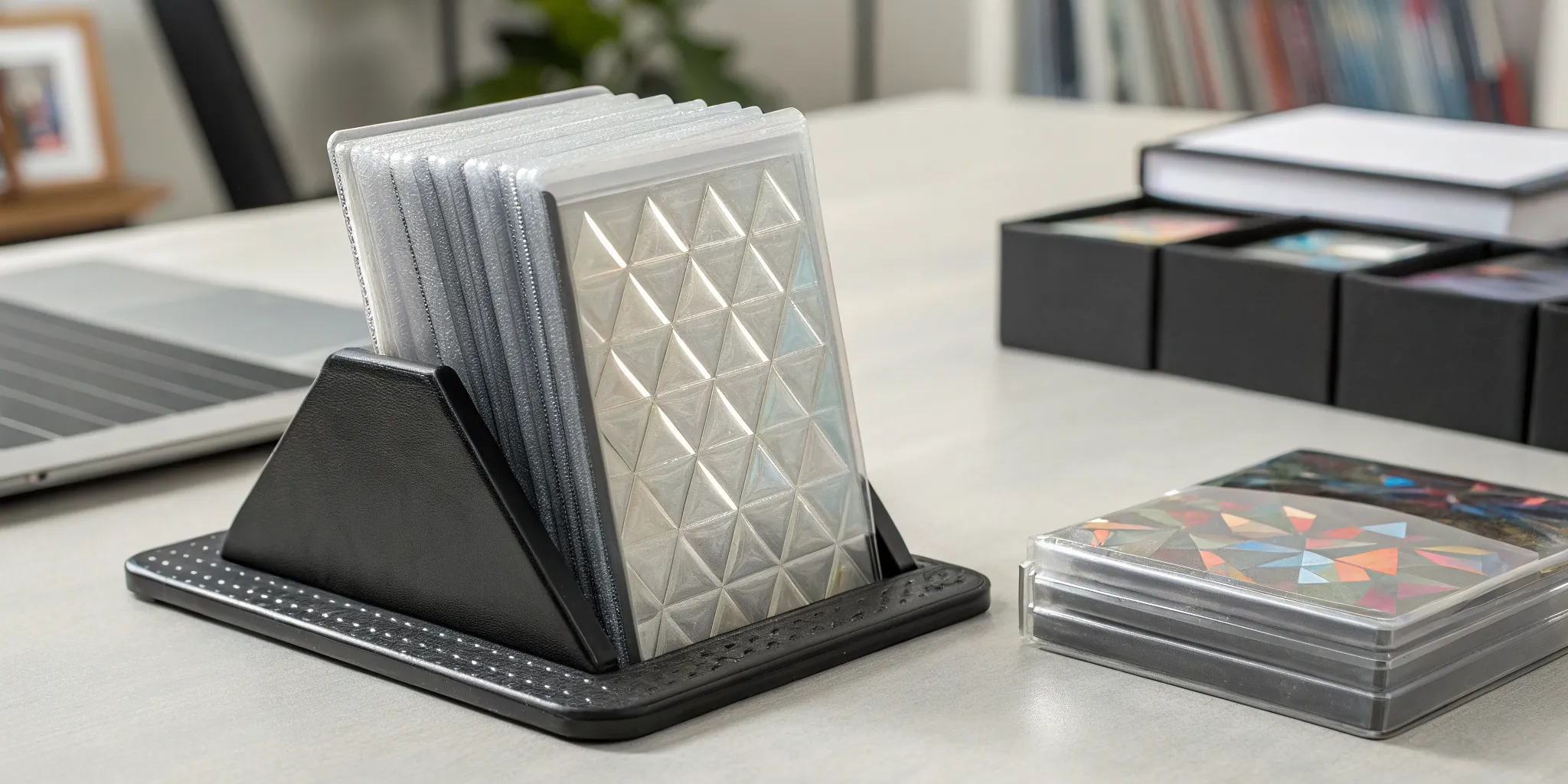
It’s a painful lesson every collector learns eventually: you can damage a card while trying to protect it. Maybe you used a toploader that was too tight and pinched an edge, or you slid a raw holographic card into one and left a tiny scratch on the surface. These small mistakes can have a big impact on a card’s condition and value. The good news is that they are completely avoidable. This guide is focused on helping you use toploaders for trading cards the right way, from the very start. We’ll walk through the most common errors collectors make and show you the simple, correct techniques to ensure your best pulls stay flawless. From penny sleeves to proper storage, you’ll learn how to build a protection strategy that actually works.
Key Takeaways
- Protect your best cards first: Toploaders are the go-to for your valuable, rare, or sentimental cards. Their rigid structure is the best defense against the bends, dings, and scratches that can ruin a card's condition and worth.
- Always use a penny sleeve: This is the golden rule of card care. Sliding a raw card into a toploader can cause surface scuffs, so always use a soft penny sleeve as a protective barrier between the card and the hard plastic.
- Store your cards vertically: Stacking toploaded cards flat can cause them to bend over time. The best practice is to store them upright in a proper storage box, keeping them in a cool, dry place to prevent environmental damage.
What Is a Toploader and Why Do You Need One?
If you're serious about collecting, toploaders are non-negotiable. So, what exactly are they? A toploader is a rigid plastic sleeve that you slide your trading card into for protection. Unlike flimsy penny sleeves, which offer basic protection from dust and surface scratches, toploaders provide a strong, sturdy shield. They're the go-to choice for safeguarding your most valuable or sentimental cards from the kind of damage that can happen all too easily. Whether you've just pulled a rare Pokémon card or a rookie sports card, a toploader is the first line of defense in keeping it in mint condition for years to come.
Protect Your Cards from Bends, Scratches, and Wear
Think of a toploader as a personal bodyguard for your card. These rigid plastic holders are designed to prevent the most common types of physical damage. We’ve all had that heart-stopping moment of dropping a card or accidentally setting something on top of a stack. A toploader’s sturdy construction shields your cards from those accidental drops, pressure from stacking, and general handling mishaps. It keeps corners sharp and surfaces clean, ensuring your card looks just as good as the day you got it. This simple tool is your best bet against the everyday risks that can ruin a perfectly good card.
Preserve Your Collection's Value
Protecting your cards isn't just about keeping them looking nice; it's about maintaining their value. A card's condition is one of the biggest factors in its price, and even minor damage can have a major impact. Using a toploader is a critical step to protect trading cards properly. However, it's important to do it right. One of the most common mistakes new collectors make is using the wrong size, which can pinch or damage the card's edges. It's also essential to always place your card in a soft penny sleeve first. Putting a raw card directly into a hard plastic toploader can cause surface scuffs and scratches, which is exactly what you're trying to avoid.
Which Cards Should You Put in a Toploader?
Deciding which cards deserve a toploader comes down to prioritizing your collection. While you probably won't encase every card in rigid plastic, you should focus on the ones that are most important to you. This includes cards with high monetary value, sentimental favorites, and anything that would be difficult or expensive to replace. Think of toploaders as an inexpensive insurance policy for the long-term value and condition of your prized possessions. They provide a sturdy defense against the bends, dings, and scratches that can ruin a card's appeal and worth. Whether it's a rare holographic pull or a rookie card for your favorite player, giving it the protection of a toploader is always a smart move.
A Must-Have for Sports and Pokémon Cards
For sports and Pokémon card collectors, toploaders are non-negotiable for your best pulls. Think about that prized Charizard or the autographed rookie card you finally tracked down. These cards are the stars of your collection and deserve premium protection. Toploaders provide a rigid shield against the most common dangers: accidental drops, pressure from stacking, and dreaded corner dings. They are essential for preserving the condition of rare or high-value cards, which directly impacts their resale value. Even if you never plan to sell, keeping your favorite cards in mint condition is part of the joy of collecting.
Protecting Your TCG Decks
If you're an active TCG player, you know how much wear your cards can endure from shuffling and gameplay. While you wouldn't put your entire deck in bulky toploaders, your most powerful and valuable cards need that extra defense. Consider toploading the rare cards you swap in and out of your deck or keep for trading. Remember to always place the card in a soft penny sleeve first. Putting a raw card directly into a toploader is a common mistake that can lead to surface scratches. This simple two-step process is the best way to protect your trading cards properly for long-term preservation.
Do Graded Cards Need Toploaders?
This is a common question, and the answer is simple: no, graded cards do not need toploaders. When a card is graded, it's permanently sealed inside a hard plastic case called a slab. This slab is the ultimate form of protection, shielding the card from UV rays, pressure, and handling. It’s far more durable than a standard toploader. Trying to fit a slab into a toploader is unnecessary. However, the slab itself can get scuffed. If you want to keep the case pristine, you can place it in a soft, fitted sleeve or a team bag specifically designed for graded card slabs.
How to Choose the Right Toploader Size
Picking the right toploader size might seem like a small detail, but it’s one of the most important steps in protecting your collection. Using a toploader that’s too tight can pinch the edges and surface of your card, while one that’s too loose allows the card to slide around, risking damage to the corners. It’s all about finding that perfect, snug fit.
To do that, you first need to understand how card thickness is measured. From there, you can figure out what size your cards are and confidently buy the right toploaders. It’s a simple process that will give you peace of mind knowing your most valuable cards are safe and secure. Let’s walk through exactly how to get it right every time.
What Are "Point" (PT) Measurements?
When you see a toploader labeled "35pt" or "130pt," that "pt" stands for "points." It's the standard unit of measurement for a trading card's thickness. One point is equal to 1/1000 of an inch, so a 35pt card is 0.035 inches thick. While it sounds technical, it’s a straightforward system once you get the hang of it. Understanding this basic card thickness measurement is the key to matching your card with the perfect toploader. Most cards you encounter will be a standard size, but for those special, thicker cards, knowing the point system is essential.
Standard vs. Thick Cards: What's the Difference?
Most of the cards in your collection, like base Pokémon cards, Magic: The Gathering, or standard sports cards, are 35pt. They’re thin, flexible, and the most common type you'll find. However, you’ll also come across thicker cards, especially with modern sports card releases. These often contain a piece of memorabilia, like a patch from a player’s jersey, or feature a special design. These are known as relic or patch cards and can range from 100pt to 180pt or even more. Autographed cards can also be thicker to accommodate the signature. These thicker cards require a much larger toploader, like a 130pt, to avoid damage.
How to Measure Your Cards for a Perfect Fit
So, how do you know if you have a 35pt or a 130pt card? You don’t have to guess. The easiest way to find the right fit is by using a card thickness gauge. These are printable or physical tools with slots for different point sizes. You simply slide your card into the slots until you find the one that fits perfectly. This takes the guesswork out of the equation and ensures you never accidentally squeeze a valuable patch card into a toploader that’s too small. You can find a printable gauge online or buy one from your local card shop.
Which Toploader Brands Can You Trust?
When you’re investing in protecting your collection, the brand of toploader you choose really does matter. While you’ll find dozens of options online, not all are created equal. Sticking with established, reputable brands is the best way to ensure you’re getting a quality product that won’t damage your cards over time. The last thing you want is for a cheap, flimsy toploader to fail, or worse, for the plastic to degrade and harm your card’s surface. Low-quality plastics can contain PVC, which can break down and release harmful acids, effectively ruining the card you’re trying to protect. They can also turn yellow, become brittle, and crack easily, offering poor long-term security.
Two names consistently rise to the top in the collector community: Ultra Pro and BCW. These brands have built a solid reputation over many years by providing reliable protection that collectors trust for their most prized cards. Think of them as the go-to standards in the hobby. They’ve done the research and development to create products that are safe and effective, taking the guesswork out of the equation for you. Choosing either is a safe bet, but it’s still helpful to know what makes them, and other quality brands, stand out from the pack.
A Look at Ultra Pro
If you’ve been in the trading card hobby for any length of time, you’ve definitely heard of Ultra Pro. They are one of the most recognized and widely available brands for card protection. Their toploaders are known for being strong, stiff plastic cases designed to keep cards clean and prevent damage. You can find them in virtually every local card shop and big-box store, making them incredibly accessible. Collectors often praise their consistent quality and clarity, ensuring your cards look sharp while staying safe. Their standard 3"x4" toploaders are a staple for anyone collecting Pokémon or standard-sized sports cards, offering a snug and secure fit that you can rely on for both your everyday hits and your grail cards.
What About BCW?
BCW is another heavyweight in the world of card supplies and a fantastic alternative to Ultra Pro. They are well-respected for their extensive product line that goes beyond just toploaders. BCW offers a wide range of protective products for trading cards, including sleeves and storage boxes, giving collectors plenty of options to safeguard their entire collection under one brand. Their toploaders are known for their durability and reliability, and some collectors even prefer the feel and clarity of BCW products. They provide a dependable option for safeguarding your collection, whether you’re storing a high-value rookie card or a full set of your favorite Pokémon. You can’t go wrong with BCW when you’re looking for quality protection.
What to Look For in a Quality Brand
Beyond the two big names, you might come across other brands. To tell if they’re worth your money, there are a few key features to look for. First and foremost, ensure the toploaders are made from archival-safe materials. This means they are acid-free and contain no PVC, which can break down over time and release chemicals that damage your cards. You also want a product that offers excellent rigidity to prevent bends and has high clarity so you can admire your card without distortion. Investing in premium toploaders provides long-term protection, ultimately saving you money while keeping your cards in pristine condition. It’s a small price to pay for peace of mind.
Toploaders vs. Other Protection: What's the Difference?
Walking down the card protection aisle can feel overwhelming. With so many sleeves, cases, and holders, it’s tough to know if you’re making the right choice for your collection. While toploaders are a fantastic all-around option, they aren’t the only tool available. Understanding the specific roles of other protectors like penny sleeves and Card Savers will help you give every card the exact care it needs. Think of it like building a toolkit; different jobs require different tools, and the same goes for your cards.
Toploaders vs. Card Savers
At first glance, toploaders and Card Savers seem similar, but they serve distinct purposes. A toploader is a rigid plastic holder that offers excellent protection against bends and impacts. They’re slightly larger than the card, leaving a little bit of space, which makes them perfect for long-term storage and display.
Card Savers, on the other hand, are semi-rigid and provide a much snugger fit. This tight grip is their key feature, as it prevents the card from shifting around. While their flexibility makes them less ideal for stacking in a storage box, it’s precisely why they are preferred by grading companies like PSA. The secure fit minimizes movement, reducing the risk of damage during shipping and handling.
Penny Sleeves vs. Toploaders
This isn't a competition; it's a partnership. You should never think of it as choosing one over the other. A penny sleeve is a thin, soft plastic sleeve that should be your first line of defense for any card you care about. It protects the card’s surface from dust, oils from your fingers, and minor scuffs.
You should never slide a raw card directly into a hard plastic toploader. The card can rub against the rigid interior, causing tiny scratches on the surface, especially on holographic foils. The penny sleeve acts as a soft, protective barrier between your card and the toploader, keeping the surface pristine. Always sleeve it before you load it.
When to Use Each One
So, how do you decide what to use? It all comes down to your goal for that specific card.
Use a penny sleeve for any card you want to keep in good condition, from your favorite common to your rarest holographic pull. It’s the essential first step.
Use a toploader (with a penny sleeve inside, of course) for your valuable cards that are going into your collection for storage or display. This includes rare Pokémon cards, rookie sports cards, and any other high-value pulls you want to shield from bends and dings.
Use a Card Saver when you’re preparing to send a card off for professional grading. Their snug fit is the industry standard for shipping cards safely to grading services, ensuring your prized possession arrives in the same condition you sent it.
Common Toploader Mistakes to Avoid
Toploaders are fantastic for protecting your prized cards, but only if you use them correctly. A few simple missteps can accidentally damage the very cards you’re trying to keep safe. It happens more often than you'd think, especially when you're just starting out. Let's walk through the three most common mistakes so you can keep your collection in mint condition for years to come.
Using the Wrong Size
This seems straightforward, but it's a critical detail. A toploader that's too small can pinch the card's edges or even cause a slight bend as you force it in, leading to permanent damage. On the other hand, a toploader that’s too big lets the card slide around inside. That constant movement can cause whitening on the edges and soften the corners over time. The key is to find a snug fit. Always match the toploader’s point size to your card’s thickness for the best protection. A proper card thickness guide can be a lifesaver here.
Forgetting to Use a Penny Sleeve
This is the golden rule of card protection: always sleeve before you load. Placing a raw card directly into a hard plastic toploader is a major risk. The card’s surface, especially if it has a holographic finish, can easily get scuffed or scratched from rubbing against the inside of the toploader. Think of a penny sleeve as the essential first layer of defense. This soft sleeve creates a protective barrier that prevents microscopic scratches and preserves the card's surface grade. It’s a small, inexpensive step that makes a huge difference in maintaining your card’s condition.
Storing Them Improperly
Once your card is sleeved and in a toploader, your job isn't quite done. How you store them matters just as much. Avoid the temptation to stack your toploaded cards in a horizontal pile. Over time, the weight and pressure can cause the cards to warp or bend. The best practice is to store them vertically, like files in a cabinet. Use a storage box designed for trading cards to ensure a snug fit, which prevents them from rattling around. Also, be mindful of the environment. Proper long-term card storage in a cool, dry place away from direct sunlight is key to preservation.
How to Use Toploaders the Right Way
You’ve picked the right toploader, and you’re ready to protect your best cards. That’s great, but just sliding a card inside isn’t enough. Using a toploader correctly involves a few simple but critical steps. Getting these details right is what separates a casual collector from someone who is serious about preserving the condition and value of their collection for years to come. Think of it as the professional’s touch for card care.
Always Use a Penny Sleeve First
This is the most important rule of using toploaders, so let’s make it crystal clear: never put a raw card directly into a toploader. The hard plastic of a toploader can easily cause fine scratches on the card’s surface, especially on holographic foils. A soft penny sleeve is the essential first layer of defense. It creates a gentle barrier between your card and the rigid toploader, shielding it from scuffs and keeping it clean. This simple, inexpensive step is the best way to protect your trading cards from the most common types of damage.
Store Them Upright in a Cool, Dry Place
How you store your toploaded cards is just as important as how you sleeve them. The community-approved best practice is to always store them vertically. Stacking them flat can put pressure on the cards at the bottom of the pile, leading to bending over time. Find a storage box designed for trading cards to keep them snug and upright. Just as crucial is the environment. You want to keep your collection in a dry, room-temperature space. Avoid places like basements or attics where humidity and temperature can fluctuate, as these conditions can cause cards to warp, even inside a toploader.
Keep Them Clean and Sealed
Once your card is in a penny sleeve and a toploader, there’s one final step for maximum protection. For your most valuable cards or for long-term storage, consider placing the entire toploader into a resealable team bag. This adds an extra shield against dust, fingerprints, and moisture that might sneak in through the top opening. It’s a simple way to keep the toploader itself clean and free of scuffs, ensuring your card stays in pristine condition. This is especially important if you plan to ship the card or display it, as it provides a complete seal against the elements.
Where to Buy Toploaders (and What to Pay)
When you’re ready to stock up on toploaders, you’ve got a few solid options. Deciding between shopping online or at a local store often comes down to convenience, price, and whether you want to see the product before you buy.
Online vs. Your Local Card Shop
Shopping online gives you access to a huge variety of brands and bulk pricing. You can find a massive selection of card protection on Amazon, which is great for comparing prices. For more specialized options, you can buy directly from trusted manufacturers. Brands like Cardboard Gold, a staple in the industry since 1985, and Ultra PRO, another top name, have their own online stores. On the other hand, visiting your local card shop lets you support a small business and get hands-on advice from people who are just as passionate about collecting as you are. You can inspect the toploaders yourself and make sure you’re getting the right fit for your cards.
How Much Should You Spend?
Protecting your collection is an affordable and essential part of the hobby. The cost of toploaders varies by brand and pack size, but you can generally find a good deal if you know what to look for. A standard 3"x4" toploader from a reputable brand like Ultra PRO typically costs about 25 cents per sleeve when you buy a small pack. If you’re looking for a slightly more economical choice, you might check out Card Savers, which can run between 11 and 13 cents per sleeve. As with most supplies, buying in larger quantities will almost always lower your cost per toploader. It’s a small price to pay to keep your most valuable cards in mint condition.
Related Articles
Frequently Asked Questions
Do I really have to use a penny sleeve with a toploader? Yes, absolutely. Think of it as the golden rule of card protection. Placing a card directly into a hard toploader can cause tiny surface scratches, especially on holographic cards. A soft penny sleeve acts as a crucial barrier, protecting the card's surface from rubbing against the rigid plastic. It’s a simple, inexpensive step that preserves your card’s condition.
What's the main difference between a toploader and a Card Saver? The biggest difference comes down to their intended use. A toploader is a rigid holder that’s perfect for long-term storage and display because it offers excellent protection from bends and impacts. A Card Saver is semi-rigid and has a much tighter fit, which is why grading companies prefer them. The snug fit prevents the card from moving around during shipping and handling.
How do I know which size toploader to buy if I don't have a measuring tool? You can safely assume that most of your standard Pokémon, TCG, and sports cards are 35pt. This is the most common card thickness. Thicker cards, like those with jersey patches or special memorabilia, are visibly chunkier and will require a larger size, such as a 130pt toploader. If you're just starting, a pack of standard 35pt toploaders will cover the majority of your collection.
Is it okay to stack my toploaded cards flat? You should avoid stacking them flat whenever possible. Over time, the weight and pressure from the stack can cause the cards at the bottom to warp or bend, even inside the toploader. The best way to store them is vertically, like files in a filing cabinet. Using a storage box designed for trading cards will keep them upright and secure.
Once a card is graded, does it still need a toploader? No, it doesn't. The sealed plastic case, or slab, that a graded card comes in is the ultimate form of protection. It's far more durable and protective than a standard toploader. While the slab itself can get scuffed, you don't need to put it in a toploader. If you want to keep the case looking new, you can use a soft, fitted sleeve made specifically for graded card slabs.
Recommended Reading

Cash for Graded Sports Cards: The Fastest Ways to Sell
Get cash for graded sports cards faster. Compare auction houses, marketplaces, and instant buyback options to pick the route that fits your timeline.
How to Compare Value in Sports Card Packs
Learn how to compare sports card packs using card quality, available pulls, pricing clarity, and Packz’s 100% buyback option.
How to Buy Pokemon Packs Online for Ripping
Ready to buy pokemon packs online for ripping? Get transparent pack value and clear pull odds so you never overpay for the thrill of the hunt. Start collecting safely.