
February 23, 2026
How to Trade Sports Cards: The Complete Guide
Learn how to trade sports cards with confidence. Get practical tips on choosing platforms, avoiding mistakes, and building a collection you love.
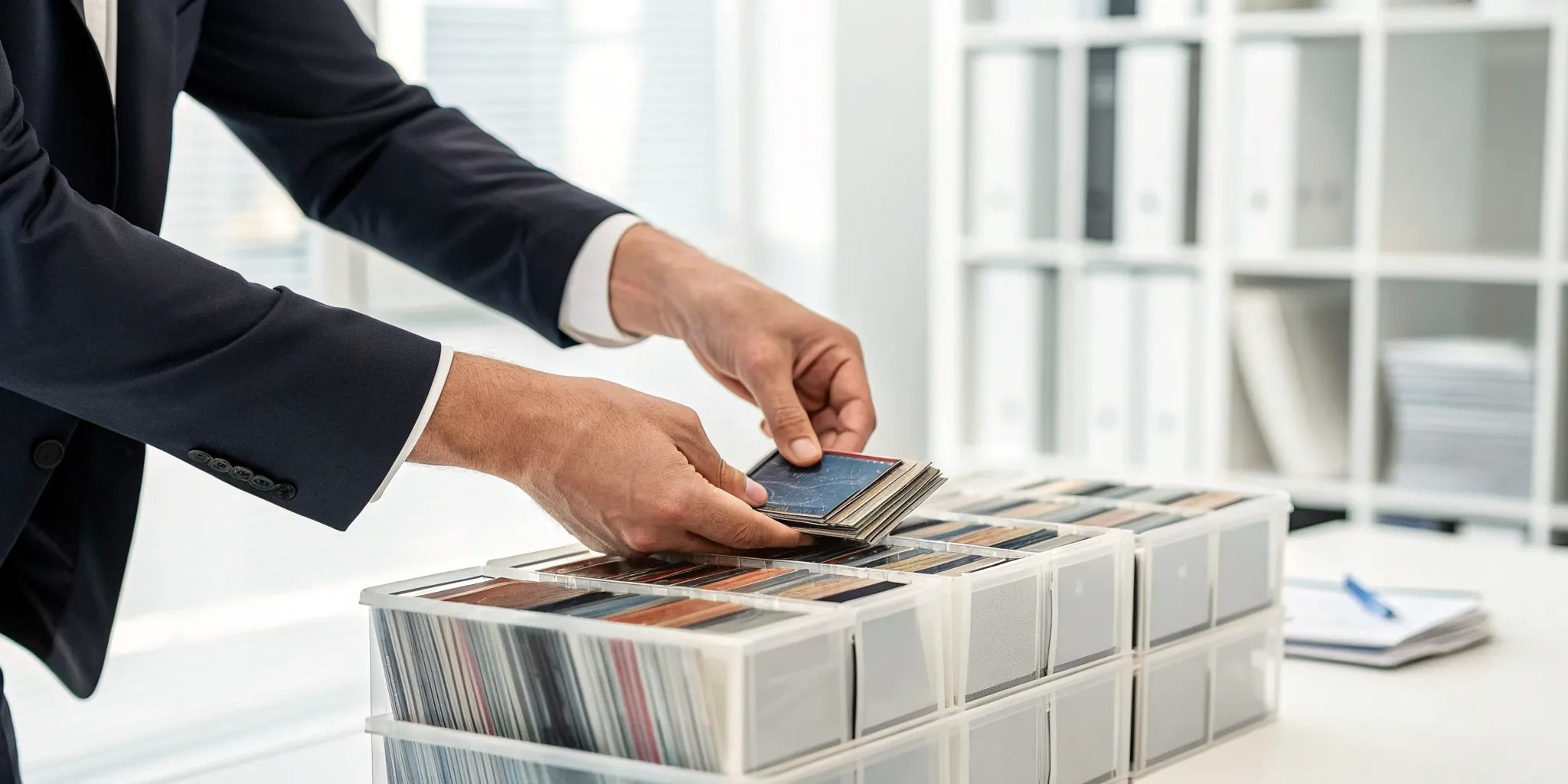
Turning a passion for collecting into a profitable venture requires a plan. It’s one thing to admire the cards in your collection, but it’s another to actively build its value through smart exchanges. Many collectors get stuck on the first step, unsure how to move from simply buying cards to making strategic deals. The most successful people in the hobby treat it like a business, armed with knowledge of market trends, player performance, and negotiation tactics. If you’re ready to move beyond casual collecting and learn how to trade sports cards with confidence, you’ve come to the right place.
Key Takeaways
- Create a smart trading strategy: Approach trading with a clear plan by researching market values, targeting high-potential cards like rookies and limited editions, and making objective decisions instead of emotional ones.
- Choose your trading arena wisely: The right platform makes all the difference. Decide if you prefer the excitement of digital mystery packs, the huge inventory of a marketplace, or the personal connection of a collector community to find the best fit for your goals.
- Prioritize a card's authenticity and condition: A card's true value lies in its legitimacy and physical state. Protect your collection by relying on professional grading services and learning how to inspect cards for flaws or signs of a counterfeit.
What Is Sports Card Trading?
At its core, sports card trading is the buying, selling, and exchanging of collectible cards featuring athletes. For generations, this was a hobby built on shoeboxes full of cards, face-to-face swaps with friends, and trips to the local card shop. While that spirit is still alive, the game has changed dramatically. Today, trading is a dynamic and global activity, blending the thrill of collecting with the strategy of investing.
For many, it’s a way to connect with the sports they love, holding a piece of history in their hands. For others, it’s a serious pursuit to find rare cards and build a valuable portfolio. Whatever your motivation, understanding the modern landscape of card trading is the first step. The community has largely moved online, creating new opportunities and ways to engage with the hobby. This digital shift has made it easier than ever to find, value, and trade the cards you’re looking for.
The Shift from Physical to Digital Trading
The days of being limited to your local trading circle are long gone. The internet has completely reshaped the hobby, making it more accessible and exciting. This digital transformation is a major reason why recent sports card market trends show a market valued at over $11 billion, with projections to nearly double in the next decade. Online platforms are now the central hub for collectors, providing the tools to manage collections, discover new cards, and connect with a worldwide community of enthusiasts. This shift means you can trade from anywhere, at any time.
Why Trading Has Moved Online
The move online isn't just about convenience; it's about access and efficiency. Collectors needed a better way to find specific cards and connect with people who had them. Online platforms solve this by bringing millions of cards and collectors into one place. Instead of hoping to find a rare rookie card at a local show, you can search for it instantly. This has led to the rise of dedicated online marketplaces where you can find everything from vintage baseball to modern basketball cards. These platforms streamline the entire process, from discovery to payment and shipping, making trading faster and more transparent than ever before.
Find the Right Platform to Trade Sports Cards
Choosing where to trade your sports cards is just as important as deciding which cards to trade. The right platform can make the experience smoother, more profitable, and a lot more fun. Your best bet depends on your goals and trading style. Are you looking for the excitement of a surprise pull, the massive inventory of a global marketplace, the specialized tools of a collector-focused site, or the personal connection of a community forum? Each option offers a different path, so let’s look at some of the top contenders to help you find the perfect fit for your collection.
Packz: For Digital Mystery Packs
If you love the thrill of opening a fresh pack, Packz offers a modern twist on a classic experience. This platform lets you buy and open digital mystery packs filled with premium, graded sports cards. After the reveal, you have a choice: get the physical card shipped directly to your door or sell it back instantly for a credit to your account. This unique model is perfect for anyone who enjoys the suspense of a mystery box combined with the convenience of digital trading. It’s a fast-paced and exciting way to discover rare collectibles without leaving your couch.
Online Marketplaces like eBay
When you think of buying or selling collectibles online, eBay is probably the first name that comes to mind. It remains a powerhouse for sports card trading because of its enormous audience and unparalleled selection. The trading card market continues to grow, and eBay is at the center of the action. You can find almost any card imaginable, from vintage classics to modern hits. While the sheer size can be overwhelming, it also means you have a massive pool of potential buyers and sellers, making it a reliable choice for moving cards or hunting for a specific one to complete your set.
Collector Hubs like COMC and Beckett
For a more specialized experience, collector hubs like COMC (Check Out My Cards) and Beckett Marketplace are designed by collectors, for collectors. These platforms offer features that general marketplaces lack. For instance, Beckett Marketplace is a trusted source for finding rare cards and authenticated memorabilia, leveraging its long-standing reputation in the hobby. Meanwhile, COMC is known for its high-resolution card scans and a streamlined system that makes it easy and fun to flip cards. These sites provide a focused environment where you can trade with serious hobbyists who speak your language.
Community-Based Trading on Reddit and Facebook
Sometimes, the best trades happen through direct connections. Platforms like Reddit and Facebook host active communities where collectors can buy, sell, and trade with one another. Many traders use social media because it offers a more personal touch that dedicated apps can miss. Subreddits like r/sportscards and various Facebook Groups allow you to interact directly with other collectors, negotiate deals, and build relationships. This approach requires a bit more trust and communication, but it can be incredibly rewarding and help you feel more connected to the hobby.
What Are the Real Costs of Trading Cards Online?
When you’re trading sports cards online, the price you agree on is just the beginning. Several other costs come into play that can affect your bottom line, whether you’re buying or selling. Think of it like buying a concert ticket; the price on the poster is rarely what you actually pay after service fees and taxes. In the world of online card trading, you have to account for platform commissions, shipping materials, postage, and payment processing fees. These costs can vary quite a bit from one platform to another and can turn a great deal into a mediocre one if you’re not prepared.
For sellers, these fees directly eat into your profit margins, so a card that sells for $100 won't put $100 in your pocket. For buyers, these costs can inflate the total price of a card, especially when you factor in shipping and potential taxes. It's a common mistake for newcomers to focus only on the card's market value without considering the total transaction cost. This can lead to overpaying or realizing a much smaller profit than expected. Before you list a card for sale or make an offer, it’s smart to get a clear picture of all the potential expenses. Understanding these fees helps you price your cards correctly, calculate your actual profit, and avoid any unwelcome surprises when the transaction is complete. It’s all part of developing a sharp, sustainable trading strategy that keeps you in the game for the long haul.
Breaking Down Platform Fees
Every online marketplace, from eBay to specialized collector hubs, charges fees to use its service. This is how they keep the lights on. These fees are typically a percentage of the final sale price, often called a commission or marketplace fee. For example, many platforms have a standard fee for selling trading cards that can be around 13% of the total sale amount, plus a small fixed fee per order. These percentages can add up quickly, especially on high-value cards. Before you commit to a platform, always read its fee schedule so you know exactly what percentage of your sale will go to the marketplace.
Factoring in Shipping and Handling
If you’re selling physical cards, you can’t just stick a valuable rookie card in a standard envelope and hope for the best. Proper shipping is key to protecting the card and your reputation as a seller. This means you’ll need to budget for supplies like penny sleeves, top loaders, team bags, and bubble mailers. Then there’s the cost of postage itself, which depends on the package weight and destination. While you can often charge the buyer for shipping, remember that high shipping costs can deter potential customers. These costs are a necessary part of the process to ensure the card arrives safely.
Understanding Payment Processing Costs
Whenever you buy or sell something online using a credit card or a service like PayPal, there’s a payment processor working behind the scenes. These services charge a fee for securely handling the transaction. Typically, these payment processing fees range from 1.5% to 3.5% of the total transaction amount. This fee is often bundled into the platform’s total commission, but sometimes it’s listed separately. It’s another small percentage taken from the total payment you receive, so it’s important to include it in your profit calculations.
How to Spot Hidden Fees
Beyond the standard commission and payment processing fees, some platforms have other costs that can be easy to miss. These can include listing fees (a fee just to post your card for sale), fees for optional upgrades like bolding your listing title, or charges for using reserve prices in an auction. The best way to avoid getting caught off guard is to thoroughly read the platform’s terms of service. Pay close attention to the fine print. Some regulations, like California’s law on hidden fees, push for more transparency, but it’s always on you to do your homework before you start trading.
Is That Card Real? How to Verify Authenticity
Finding what looks like a gem of a card is a huge thrill, but the excitement can quickly fade if you discover it’s a fake. The sports card market is booming, and unfortunately, that means counterfeit cards are out there. Verifying a card’s authenticity is one of the most important steps in any trade or purchase. It’s how you protect your collection and your wallet.
Think of it as doing your homework before making a deal. Taking the time to confirm a card is legitimate saves you from the disappointment and financial loss of acquiring a worthless piece of cardboard. When you buy from a platform that deals in professionally graded cards, like Packz, this step is already handled for you. But if you’re trading on your own, you’ll need to be your own detective. Here are the key areas to focus on to make sure the card you’re getting is the real deal.
Lean on Professional Grading Services (PSA, BGS)
The most reliable way to confirm a card’s authenticity is to trust the experts. Professional grading companies like Professional Sports Authenticator (PSA) and Beckett Grading Services (BGS) are the industry standard for a reason. When you submit a card, their specialists don’t just assign it a condition grade; they first perform a thorough authentication check. If the card is genuine, it gets encapsulated in a secure, tamper-proof slab with a unique certification number. This process removes all doubt and is why graded cards are so trusted in the hobby. When you trade for a graded card, you’re trading for certainty.
Examine the Card's Physical Details
If you’re handling a raw, ungraded card, it’s time to put on your inspector hat. Counterfeits often have subtle flaws that you can spot if you know what to look for. Start by comparing the card to a verified genuine version from the same set. Pay close attention to the print quality; fake cards often have blurry text or pixelated images. Feel the card stock, as counterfeiters rarely get the exact thickness and texture right. Also, check for crisp, clear logos and watch out for any discoloration or an overly glossy finish that doesn't match the original.
Check the Seller's Reputation
A card is only as trustworthy as the person trading it. Before you agree to any deal, do a little digging on the seller or trader. On platforms like eBay, check their feedback score and read through recent reviews. If you’re trading on a forum or social media group, see how long they’ve been a member and look for feedback from other collectors. A long-standing account with a history of positive transactions is a good sign. Reputable sellers are proud of their reputation and are usually transparent and easy to communicate with.
Spot the Red Flags of a Counterfeit
Sometimes, your gut feeling is your best guide. If a deal seems too good to be true, it probably is. Be wary of cards priced far below their market value. For autographed cards, compare the signature to verified examples online. Look for inconsistencies in the flow, slant, or spacing, which can indicate a forgery. Other red flags include blurry photos in the listing, a seller who is hesitant to provide more pictures, or incorrect fonts and logos on the card itself. Trust your instincts and don’t be afraid to walk away from a trade that feels off.
Which Cards Should You Target for a High-Value Trade?
A successful trade isn't just about finding the right partner; it's about targeting the right cards. The sports card market is constantly moving, with values shifting based on player performance, rarity, and collector demand. Focusing your efforts on specific types of cards can dramatically improve your chances of making a profitable trade. Instead of chasing every shiny card you see, a targeted approach will help you build a collection with real, lasting value. Here are the key areas to focus on when deciding which cards to pursue.
Keep Up with Market Trends and Hot Players
The value of a sports card is directly tied to a player's performance on the field or court. A star athlete having a record-breaking season will see their card prices climb, while a player who gets injured or underperforms might see their value dip. Staying on top of current market trends is essential. Pay attention to which players are generating buzz and consistently delivering high-level performances. Following sports news, listening to hobby podcasts, and joining online collector forums are great ways to keep your finger on the pulse of the market and identify which players are worth targeting for a trade.
Prioritize Rookie Cards and Rising Prospects
If you're looking for cards with the highest potential for growth, rookie cards are where you should focus. These cards mark a player's first appearance in a professional set and are highly sought after by collectors. The value of a rookie card can multiply exponentially if that player goes on to have a legendary career. While a superstar's rookie card can be expensive, you can also find great value by researching rising prospects and top draft picks. Acquiring their cards early, before they become household names, is a smart strategy that can lead to a massive return down the line.
Explore Emerging Markets like the WNBA
While the NFL, NBA, and MLB dominate the hobby, there are incredible opportunities in less saturated markets. The emergence of new leagues and the growing popularity of sports like women's basketball are creating exciting new avenues for collectors. For example, the WNBA card market has seen a surge in interest, driven by phenomenal athletes who are capturing national attention. Looking beyond the traditional sports can help you find undervalued cards with significant growth potential. Don't overlook markets like F1, UFC, or professional soccer, as they also have passionate fan bases and developing card markets.
Look for Limited Edition and Parallel Cards
Scarcity drives value. While a player's base card is a great starting point, their limited edition and parallel cards are often far more valuable. Parallels are special variations of a base card, featuring different colors, patterns, or foil finishes. Most are serial-numbered, meaning only a specific quantity was produced (e.g., /99, /25, or even 1/1). These short-printed cards are much harder to find, making them highly desirable. When you're considering a trade, always check for these rare variations. Acquiring a numbered parallel or a short-print insert can turn a good trade into a great one.
Avoid These Common Sports Card Trading Mistakes
We’ve all been there. You get caught up in the excitement of a potential trade and make a move you later regret. The good news is that most trading mistakes are avoidable if you know what to look for. Getting familiar with these common slip-ups will help you trade with more confidence and build a collection you’re truly proud of. Let’s walk through the four biggest mistakes traders make and how you can steer clear of them.
Trading with Your Heart, Not Your Head
It’s easy to get attached to your favorite players, but letting emotions drive your trading decisions is a recipe for disaster. Emotional trading can lead to inconsistent strategies and unpredictable outcomes. You might overpay for a card of a player you love or refuse a great offer because of personal bias. The key is to approach every trade with a clear mind and a solid plan. Before you even start a negotiation, decide what your goal is. Are you trading for profit, or are you building a personal collection? Knowing your "why" helps you stay objective and make choices that align with your long-term strategy for managing your collection.
Ignoring the Details of a Card's Condition
One of the biggest errors a new trader can make is ignoring the condition of a card. A card’s value can change dramatically based on its physical state, so you have to assess it carefully. Even a tiny flaw on a corner or a minor surface scratch can slash a card’s price. This is why professional grading is so important. When a card is graded by a reputable company like PSA or BGS, you get a clear, objective assessment of its condition. This removes the guesswork and ensures you know exactly what you’re trading for. Always look for sharp corners, clean edges, a centered image, and a flawless surface when evaluating a card's condition.
Overpaying Because You Skipped the Research
Jumping into a trade without doing your homework is like throwing money away. Without a strategy, it's easy to get swayed by market hype and make impulsive decisions that lead to losses. Conducting thorough research on card values and market trends is essential to avoid overpaying. Before making an offer, look up recent sales of the same card (or a similar graded version) on platforms like eBay. These "comps" give you a real-time snapshot of the card's current market value. Having this data on hand empowers you to make a fair offer and walk away if the other trader’s asking price is just too high.
Forgetting to Use Security Features
The sports card market is booming, and unfortunately, that means counterfeit cards are out there. To avoid buying fakes, always trade with reputable sellers or on trusted platforms. Verifying a card's authenticity can save you from a major financial hit. High-value raw cards are the riskiest, so it’s often safer to trade for graded cards. The plastic slabs from major grading companies have their own security features, like holograms and serial numbers, that you can look up in their databases. Learning how to spot a counterfeit card is a critical skill that protects your investment and ensures your collection is filled with genuine pieces.
How to Develop a Winning Trading Strategy
A great trading strategy isn’t about having a secret formula. It’s about building a set of smart, repeatable habits that guide your decisions. When you have a solid approach, you can trade with more confidence and avoid emotional mistakes that can cost you. A winning strategy helps you identify valuable opportunities, protect your collection, and build a name for yourself in the community. It’s your game plan for turning a fun hobby into a rewarding venture.
The best traders are disciplined. They do their homework, communicate clearly, and manage their collections like a business. By focusing on a few key areas, you can create a framework that supports your long-term goals. Think of it as building a foundation. With a strong base, you’re better equipped to handle market shifts and make trades that consistently work in your favor. Let’s walk through the four pillars of a successful trading strategy.
Research Card Values and Time the Market
Knowing what a card is worth right now is only half the battle. A truly effective strategy involves understanding where the market is headed. The trading card market is dynamic, with values influenced by player performance, hype, and overall economic trends. Taking the time to research current market analysis helps you spot cards that are undervalued and identify the best times to sell cards that have peaked. Follow industry news, watch player stats, and pay attention to which cards are generating buzz. This proactive approach allows you to make informed decisions instead of just reacting to what everyone else is doing.
Build a Trusted Reputation in the Community
In the trading world, your reputation is everything. A good name opens doors to better trades and helps you build lasting connections with other collectors. You can build trust by being transparent, fair, and reliable in all your interactions. Always provide clear, honest photos of your cards, describe any flaws accurately, and ship items securely and promptly. When you’re the buyer, pay quickly and communicate clearly. To protect yourself and learn the ropes, start by buying from reputable sellers and see how the pros operate. Consistently positive interactions will establish you as a trustworthy member of the community.
Master Clear and Effective Communication
Successful trades often come down to successful conversations. How you communicate can make or break a deal. The goal is to build rapport and find a middle ground where both you and your trading partner feel like you’ve won. Be clear and upfront about what you’re looking for and what you’re offering. Just as importantly, listen to what the other person wants. The art of negotiation isn't about winning an argument; it's about finding a mutually beneficial outcome. A friendly and professional tone goes a long way in making people want to trade with you again in the future.
Organize and Manage Your Collection
You can’t trade effectively if you don’t know what you have. A well-organized collection is the backbone of any trading strategy. Keeping a detailed inventory helps you track your cards, monitor their value, and quickly identify potential trade pieces. There are several great apps to sell sports cards that also double as excellent collection management tools. Beyond just cataloging your cards, a good strategy involves managing risk. This means diversifying your collection across different players, sports, and eras so that a dip in one area doesn’t sink your entire portfolio. Proper organization makes your trading process smoother and your collection more resilient.
Your First Steps to Start Trading Sports Cards
Jumping into sports card trading is exciting, but it’s smart to have a plan. By focusing on a few key areas from the start, you can set yourself up for a more rewarding experience. It all comes down to building a solid foundation for your collection, deciding on a budget that works for you, and finding the trading platform that fits your style. Let’s walk through these first steps together.
Build Your Starter Collection
Every great collection starts with a single card. Your first goal is to acquire a base of cards you can trade. You can begin by purchasing individual cards of your favorite players, buying retail packs, or exploring a growing online store to see what’s available. Don’t worry about hitting a home run right away. Instead, focus on what you’re passionate about. Are you a huge basketball fan? Start with NBA cards. Do you follow a specific baseball team? Target their players. Building a collection around your interests makes the process more enjoyable and helps you become an expert in a niche.
Set a Realistic Trading Budget
Before you buy your first card, decide how much you’re comfortable spending. The sports card market can be tempting, and it’s easy to get carried away. Setting a budget keeps your hobby fun and prevents it from becoming a financial strain. Your budget depends on your goals: are you collecting for fun or looking for investment pieces? If you're just starting, it’s wise to begin with a modest amount. As you learn more about card values, you can adjust your budget. You can always explore the Beckett Marketplace to get a feel for card prices and see what fits your range.
Choose the Right Platform for You
Finding the best place to trade cards comes down to personal preference. Some people love the auction-style thrill of large marketplaces, while others prefer direct trades within collector communities. The key is to find a platform that feels intuitive and trustworthy. For a modern and exciting experience, you can open digital mystery packs on Packz, where you can instantly sell your cards back or have them shipped to you. This approach adds an element of surprise and is perfect for mobile users. Take some time to explore different options and see which community and interface you like best before committing.
Related Articles
Frequently Asked Questions
Should I focus on collecting my favorite players or on players who might be a good investment? Honestly, the best approach is a little of both. Building a personal collection of players you genuinely root for keeps the hobby fun and engaging. However, if you also want to make smart trades, it's wise to target rookie cards of promising prospects or star players who are consistently performing well. A balanced collection allows you to enjoy the cards you love while also holding assets that have strong potential for growth.
Is it safe to buy an ungraded card online? It can be, but you have to be extra careful. An ungraded, or "raw," card comes with more risk because its condition and authenticity haven't been verified by a third party. If you decide to buy raw cards, make sure you're purchasing from a seller with a long history of positive feedback. Always ask for high-quality photos of the corners, edges, and surface so you can assess the condition yourself before making a deal.
How can I keep track of all the fees when selling a card? The easiest way to manage fees is to create a simple spreadsheet. Before you list a card, calculate the platform's commission, the payment processing fee, and your estimated shipping costs. When you subtract these expenses from your asking price, you'll see your potential net profit. Doing this quick calculation beforehand prevents any surprises and helps you price your cards more effectively.
What's the difference between a base card and a parallel? Think of a base card as the standard, most common version of a player's card in a set. A parallel is a special, rarer version of that same base card. Parallels often have a different color scheme, a unique pattern, or a holographic finish. Most importantly, they are typically printed in limited quantities and are often stamped with a serial number (like 10/99), which makes them much more valuable to collectors.
With so many platforms, how do I choose the right one for me as a beginner? The best platform depends on the experience you're looking for. If you want access to a massive inventory and are comfortable with an auction format, a large marketplace like eBay is a solid choice. If you enjoy the thrill of surprise and want a modern, streamlined experience, a platform like Packz is perfect. For direct trades and community interaction, social media groups can be great once you've learned the ropes. I suggest exploring a couple of options to see which interface and community feel right for you.
Recommended Reading
Cash for Graded Sports Cards: The Fastest Ways to Sell
Get cash for graded sports cards faster. Compare auction houses, marketplaces, and instant buyback options to pick the route that fits your timeline.
How to Compare Value in Sports Card Packs
Learn how to compare sports card packs using card quality, available pulls, pricing clarity, and Packz’s 100% buyback option.
How to Buy Pokemon Packs Online for Ripping
Ready to buy pokemon packs online for ripping? Get transparent pack value and clear pull odds so you never overpay for the thrill of the hunt. Start collecting safely.