
March 24, 2026
5 Best Toploader Binders to Protect Your Cards
Find the best toploader binder for your trading cards. Compare top picks for protection, storage, and organization to keep your collection safe and pristine.
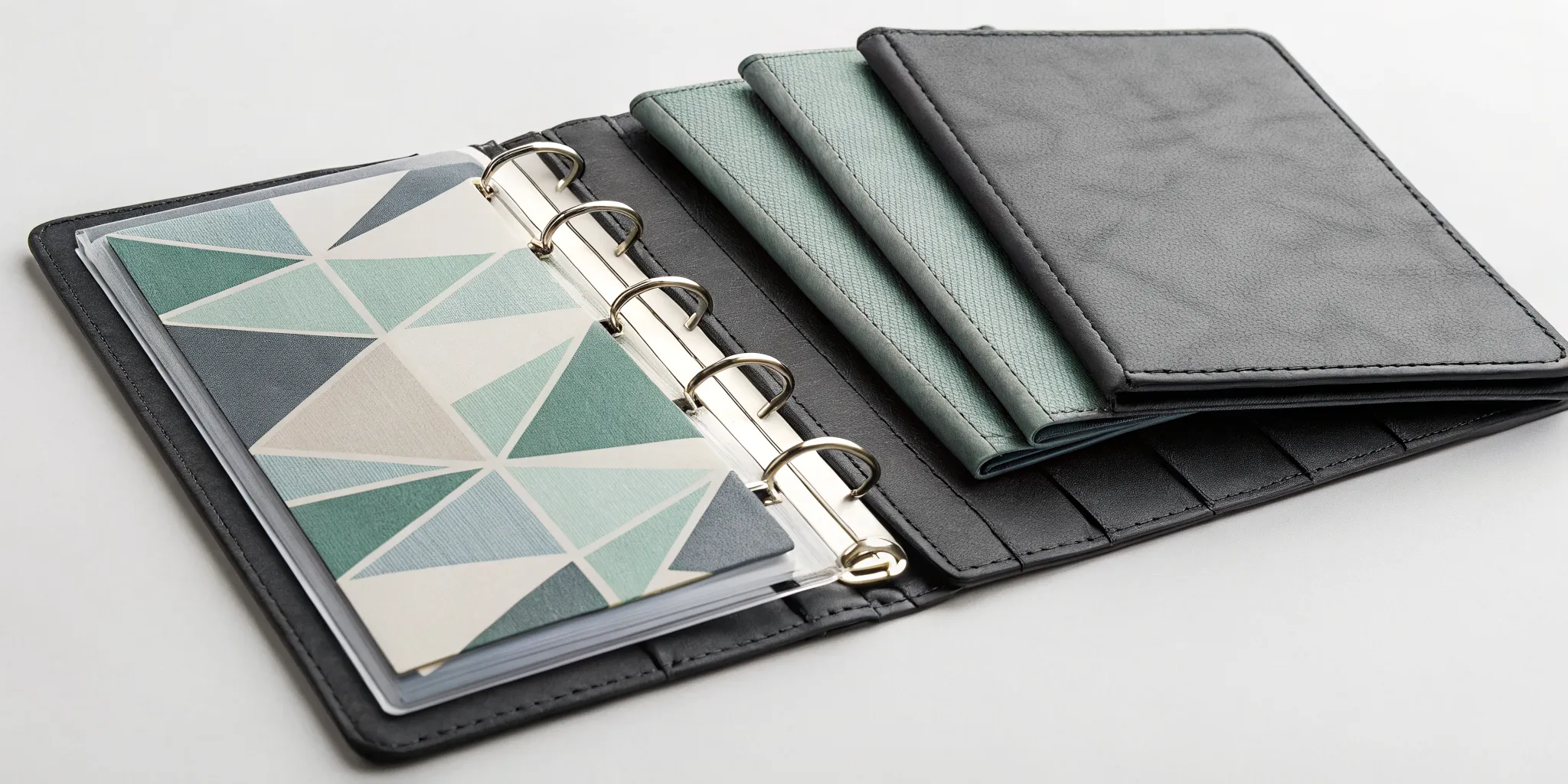
That feeling of pulling a high-value card is incredible, but it’s often followed by a wave of anxiety. How do you keep it safe? A standard toploader is a great start, but it doesn’t protect against everything, and it certainly doesn’t help with organization. Stacking them in a box leaves them vulnerable to shifting and scuffing. This is where you need a storage solution built like a vault. A high-quality toploader binder offers the next level of security, combining the rigid protection of individual cases with the organized, easy-to-view format of a binder, ensuring your most valuable pulls are safe from bends, dings, and dust.
Key Takeaways
- Protect and display your best cards together: A toploader binder solves a classic collector's problem by letting you store cards in rigid toploaders within an organized, easy-to-view binder format.
- Choose a binder built for long-term safety: For maximum protection, select a binder made with archival-safe, acid-free materials and look for a ringless design with welded pages to prevent dents and pressure damage.
- Never skip the penny sleeve: Always place your card in a soft penny sleeve before putting it into a toploader. This simple step is the most effective way to prevent surface scratches and preserve the card's condition.
What Is a Toploader Binder?
A toploader binder is a specialized storage solution designed to hold trading cards that are already inside hard plastic cases, known as toploaders. Think of it as a binder built specifically for your most prized cards. This design offers an extra, rigid layer of protection that goes beyond what a standard binder or a simple card sleeve can provide. If you're serious about keeping your collection in mint condition, especially those high-value pulls from your latest Packz opening, a toploader binder is an essential piece of gear. It’s the difference between simply storing your cards and truly preserving them for the long haul.
Toploader Binders vs. Regular Binders
The main difference comes down to accommodation and protection. A regular binder holds cards in soft sleeves or directly in nine-pocket pages, but trying to fit a card in a rigid toploader into one of those pages is nearly impossible. This often leads collectors to store their best cards separately. Toploader binders solve this by having pockets specifically sized for toploaders. This prevents the bending and corner wear that can happen in a standard binder. Plus, many collectors worry about the metal rings in a regular binder denting their cards over time, a risk that many toploader binders eliminate with their design.
How They Protect Your Most Valuable Cards
Toploader binders are built like a vault for your cards. Their primary job is to prevent bending, which is a major threat to a card's condition and value. The pages and cover are rigid, providing structural support that a flimsy binder just can't match. Beyond physical protection, high-quality toploader binders use materials that are archival-safe, meaning they are acid-free and non-PVC. This is crucial because acidic materials can cause the card and its colors to degrade over time. They are specifically engineered to keep your collection safe from physical damage and chemical deterioration, ensuring your favorite cards stay as crisp as the day you pulled them.
Why Use a Toploader Binder for Your Collection?
If you’ve been collecting for a while, you know the progression. First come the soft penny sleeves, then the rigid toploaders for your best pulls. But soon you have stacks of toploaded cards with no great way to display them. You want to admire your collection without risking damage every time you handle it. This is where a toploader binder comes in. It’s the perfect marriage of high-level protection and beautiful presentation.
Think of it as the next evolution in your collecting journey. Instead of choosing between the security of a toploader and the accessibility of a regular binder, you get both. These binders are specifically designed to hold your cards while they are already inside their hard plastic cases. This simple but brilliant design solves some of the biggest problems collectors face. It gives you a practical way to organize your cards, a secure method for protecting them from physical harm, and a smart strategy for preserving their long-term value. It’s an essential piece of gear for anyone serious about their collection.
Get Superior Protection from Bends and Damage
The number one reason to switch to a toploader binder is to prevent your cards from bending. As any collector knows, even a slight curve can diminish a card's grade and value. A common complaint about standard binders is that the pages can warp over time, putting pressure on the cards within. A toploader binder solves this problem by design.
These binders are built with rigid covers and reinforced pages made to accommodate the thickness of a toploader. Many feature a sturdy, built-in spine that keeps the pages flat and prevents the binder rings or seams from pressing into your cards. This structure provides a solid defense against the bends, corner dings, and edge wear that can happen in less secure storage. It’s the peace of mind you need for your most valuable pulls.
Keep Your Cards Organized and Easy to Access
A growing collection of cards in individual toploaders can quickly become disorganized. A toploader binder lets you arrange your cards in a clean, accessible format that’s easy to flip through. Instead of digging through stacks or boxes, you can see your entire set laid out beautifully.
Many binders offer enough space for full sets, with some holding over 200 cards. Features like side-loading pockets make it easy to slide cards in and out without catching corners, while a strong zipper closure ensures nothing falls out accidentally. This level of organization makes it simple to find the exact card you’re looking for and show off your collection without fumbling with individual cases. It turns a stack of plastic into a curated gallery of your favorite cards.
Preserve the Long-Term Value of Your Collection
Proper storage is one of the most critical factors in maintaining the value of your trading cards. A high-quality toploader binder is an investment in your collection’s future. The best binders are made from archival-safe, acid-free materials that won’t degrade your cards over time. Exposure to acidic materials can cause discoloration and brittleness, permanently damaging your cards.
By choosing a binder made with non-PVC materials, you protect your cards from chemical damage that can occur over years of storage. This is especially important for holographic cards or those with special finishes that can be sensitive to their environment. For serious collectors, using the right storage materials is a non-negotiable step in protecting the condition, and ultimately the financial worth, of their cards.
How to Choose the Right Toploader Binder
Picking the right toploader binder is more than just choosing a color you like; it’s about investing in the long-term safety of your collection. With so many options on the market, it can feel a little overwhelming. But don't worry, you can narrow down the best choice by focusing on a few essential features. The right binder acts like a personal vault for your cards, protecting them from bends, spills, and the slow damage that time can inflict.
Before you add one to your cart, think about what your collection needs. Are you storing a handful of holy grails or an entire set? Do you plan to travel with your binder or will it stay on a shelf? Answering these questions will help you prioritize what matters most. We’ll walk through the four key areas to examine: storage capacity, material quality, page design, and overall construction. Getting these details right will ensure your cards stay in mint condition for years to come.
Check the Storage Capacity and Pocket Count
First things first, consider how many cards you need to store. Binders come in all sizes, from slim folios for your top-tier cards to massive ones that can hold an entire collection. Some binders are designed to hold up to 640 cards, which is perfect if you have a lot of cards you want to keep protected.
Think about the current size of your collection and where you see it going. If you’re actively collecting, it’s smart to buy a binder with some room to grow. This saves you from having to purchase another one in just a few months. Also, check the pocket configuration. Most toploader binders have 4, 9, or 16 pockets per page. Choose the layout that best suits how you want to display and organize your cards.
Look for Quality, Archival-Safe Materials
The materials your binder is made of are critical for preserving your cards. You want to look for binders made from materials described as "archival-safe, acid-free, non-PVC." This might sound technical, but it simply means the plastics and fabrics used won't release chemicals that can damage your cards over time. Cheap plastics, especially those containing PVC, can cause ink to lift and card stock to yellow.
Essentially, archival-safe materials are stable and won't degrade, ensuring your cards look as good in a decade as they do today. This is a non-negotiable feature for any serious collector. Protecting your cards from environmental damage is just as important as protecting them from physical harm, so always check the product description for these key terms.
Decide Between Welded Pages and Metal Rings
This is a major point of difference between high-quality toploader binders and standard office binders. Many premium binders feature "welded pages (no metal rings)." This design is far superior for card safety. Traditional three-ring binders pose a risk because the metal rings can press against your cards, leaving dents and impressions, especially on the cards closest to the spine.
Welded pages eliminate this risk entirely. The pages are permanently attached to the spine, ensuring they lay flat and your cards are never in contact with hard, damaging metal. While a ring binder might seem more flexible since you can add or remove pages, the security offered by welded pages is a much better trade-off for protecting valuable cards. For your best pulls, always opt for a ringless design.
Consider Spine Support and Overall Construction
A binder is only as good as its construction. Look for one with a sturdy, rigid cover and strong spine support. Some of the best binders have a "built-in spine" that prevents the pages from sagging, which in turn keeps your cards from bending under their own weight. A weak spine can lead to a curved binder and, eventually, curved cards.
The exterior material matters, too. A cover made from "splash-resistant vegan-leather" or a similar durable material provides an extra layer of defense against accidental spills and scuffs. A secure zipper closure is another great feature, as it seals the binder from dust, dirt, and moisture, and prevents cards from accidentally slipping out if you drop it. Think of it as the final piece of armor for your collection.
The Best Toploader Binders for Collectors
Picking the right toploader binder can feel like a big decision, especially when you’ve invested so much into your collection. You want something that not only looks good on the shelf but also provides serious protection for your most prized cards. With so many options on the market, it’s easy to get overwhelmed. That’s why we’ve done the research for you, digging through forums and reviews to find the binders that collectors trust most. These brands consistently stand out for their quality construction, durable materials, and thoughtful design. Whether you’re storing a handful of grails or hundreds of cards, this list will help you find the perfect binder to keep your collection safe and organized for years to come.
Our Top Recommendations for Serious Collectors
When you’re ready to get serious about storage, you need a binder that’s up to the task. The following recommendations are based on what real collectors are saying and using every day. We looked for binders that offer a great balance of security, durability, and ease of use. These aren't just random products; they are community-vetted solutions that have earned a reputation for excellence. From premium, high-end models to high-capacity workhorses, there’s something here for every type of collector. Think of this as your shortlist for finding a binder that will protect your cards and give you peace of mind.
TopDeck
If you’ve spent any time on collector forums, you’ve likely seen TopDeck come up in conversation. This brand has built a solid reputation for producing reliable, no-nonsense binders that get the job done. Collectors appreciate the sturdy construction and the secure zipper enclosure that keeps dust and debris out. The pages are designed to hold toploaders snugly without being too tight, making it easy to insert and remove cards. It’s a go-to choice for a reason, with many users on platforms like Reddit sharing positive feedback on its performance. For a dependable binder that you can trust with your valuable cards, TopDeck is a fantastic option.
Gemloader
For collectors who see their binders as a long-term investment, Gemloader is a top-tier choice. This brand is known for its premium materials and exceptional build quality, offering a level of protection that justifies its higher price tag. The binders feel substantial and luxurious, with a sleek design that looks great on any shelf. One thing to keep in mind is that Gemloader is based in the Netherlands, so shipping to the United States might take a bit longer. However, most collectors who choose Gemloader agree that the quality is well worth the wait. It’s a premium product for those who want the best for their collection.
Goat Armor
Sometimes a product’s name says it all, and Goat Armor lives up to its tough reputation. This brand has quickly become a favorite in the collecting community, with many users claiming it’s one of the best binders they’ve ever owned. Goat Armor binders are praised for their rugged durability and thoughtful design features, like strong zippers and reinforced spines that prevent sagging over time. They are built to withstand heavy use and provide maximum security for your cards. If you’re looking for a binder that feels practically indestructible and offers top-of-the-line protection, Goat Armor is a name you can count on.
GrinOwl & Trendiphy
If you need to store a massive collection, the GrinOwl binder is an excellent choice. It’s specifically designed to hold cards that are already in 3" x 4" toploaders and has an impressive capacity of up to 640 cards. This makes it perfect for set collectors or anyone who needs to consolidate their collection into fewer binders. On the other hand, if you want a binder with a bit more personality, Trendiphy offers unique cover patterns that let you add some personal style to your storage. It proves that you don’t have to sacrifice aesthetics for protection. Both brands offer great solutions depending on whether your priority is capacity or style.
Common Mistakes to Avoid with Toploader Binders
Using a toploader binder is a fantastic step toward protecting your collection, but a few common missteps can accidentally cause the very damage you’re trying to prevent. Think of it like having a high-tech security system for your house but leaving the window open. The right gear is only half the battle; using it correctly is what truly keeps your prized possessions safe.
Many collectors, especially when they're just starting out, make these simple errors without even realizing it. From picking the wrong size to storing the binder in a less-than-ideal spot, these small things can have a big impact on the condition and long-term value of your cards. The good news is that these mistakes are incredibly easy to fix. Let’s walk through the most common ones so you can be sure your collection is getting the top-tier protection it deserves.
Choosing the Wrong Size for Your Cards
Not all trading cards are created equal, and neither are toploaders. Using a toploader that’s too large allows your card to slide around inside, risking edge and corner damage. On the other hand, forcing a card into a toploader that’s too snug can cause immediate scuffs or bends. Most standard Pokémon and sports cards fit perfectly in a 35pt toploader, but thicker cards, like memorabilia or patch cards, require a larger size. Before you buy, check the thickness of your cards to ensure a perfect fit. For an extra layer of security, place your most valuable cards in the middle pockets of a binder page, where they’re best protected from outside pressure.
Forgetting to Use Soft Sleeves First
Placing a raw card directly into a hard plastic toploader is one of the most common and damaging mistakes a collector can make. Even though the toploader is rigid, the card can still shift slightly inside. This tiny movement can create micro-scratches and surface wear over time, slowly diminishing the card's grade and value. The solution is simple and affordable: always put your card in a soft sleeve, often called a penny sleeve, before sliding it into the toploader. This extra layer acts as a protective barrier, safeguarding the card’s surface from any potential friction and keeping it in pristine condition for years to come.
Overstuffing the Pages
It can be tempting to fill your binder to its absolute maximum capacity, but overstuffing the pages is a recipe for disaster. When a binder is too full, it doesn’t close properly, causing the pages to bend and put uneven pressure on your cards. This is especially dangerous for binders with metal rings, as the rings can press into the innermost cards and leave permanent indents. Even in a ringless binder, a bulge can lead to warped cards over time. A good rule of thumb is to leave a little breathing room. If you have to force your binder shut, it’s too full. It’s always better to buy a second binder than to risk damaging your collection.
Storing Your Binder in the Wrong Environment
Where you keep your binder is just as important as what’s inside it. Cards are sensitive to their environment, and improper storage can lead to serious condition issues. Avoid places with extreme temperature fluctuations or high humidity, like attics, garages, or basements, as moisture can cause cards to warp and stick together. Direct sunlight is also a major threat, as UV rays can cause the colors on your cards to fade dramatically. For the best long-term preservation, store your toploader binders upright on a sturdy shelf in a cool, dry, and dark place, like a closet or a dedicated cabinet in your home.
How Much Do Toploader Binders Cost?
A good toploader binder is an investment in protecting your collection, but it doesn’t have to break the bank. The price can vary quite a bit depending on the brand, size, and features you're looking for. Understanding the typical costs will help you find the right balance between quality and your budget, ensuring your prized cards get the protection they deserve without you overspending. Let's break down what you can expect to pay.
Typical Price Ranges by Brand and Size
You can expect to find most toploader binders priced between $20 and $50. This price sweet spot covers the vast majority of options available on the market. Recent market data shows that binders in this range generally receive high ratings from fellow collectors, so you can feel confident you’re getting a quality product. Of course, prices will shift based on how many cards a binder holds and the reputation of the brand, but this gives you a solid starting point for your budget.
Where to Buy: Online vs. Local Card Shops
You have two main routes for buying a toploader binder: online retailers or your local card shop. Online stores like Bindrz and Cardshellz offer a huge selection, making it easy to compare different brands and features from your couch. You can often find specific models and sizes that might not be available locally. On the other hand, visiting a local card shop lets you see and feel the binder before you buy it. There’s a definite advantage to checking the zipper quality and page sturdiness in person, plus you get to support a local business and walk out with your binder the same day.
What You Get at Different Price Points
As with most things, what you pay for a toploader binder often reflects its quality and capacity. At the lower end, around $20, you’ll find basic, no-frills binders that are perfect for smaller collections or if you're just starting out. They offer solid protection but might have a smaller capacity. Move into the $30 to $50 range, and you’ll see a big jump in features. These binders typically hold more cards, often around 250 to 300 toploaders, and are built with more durable materials. Many include premium touches like padded covers and heavy-duty zippers for extra security.
How to Properly Use and Care for Your Binder
Getting a high-quality toploader binder is the first step, but using it correctly is what truly protects your collection. A few simple habits can make a huge difference in preserving the condition and value of your cards for years to come. Think of it as the final, crucial step in securing your investment. Proper loading, storage, and organization will ensure your prized cards stay in mint condition, safe from the elements and accidental damage. Let’s walk through the best practices to keep your collection looking as good as the day you pulled it.
The Best Way to Load Your Cards
Before a card ever touches a toploader, it needs a layer of soft protection. Most collectors use penny sleeves for this exact purpose. Sliding your card into a soft sleeve first is a non-negotiable step that prevents scratches and surface wear. Cards can shift slightly inside a rigid toploader, and without that initial sleeve, the hard plastic can cause micro-abrasions on the card’s surface over time. This two-step process, sleeve then toploader, ensures your card is shielded from both direct handling and the interior of the toploader itself, keeping its surfaces pristine.
Storing Your Binder for Longevity
How you store your binder is just as important as how you load it. For maximum protection, always store your binders upright, like a book on a shelf. Laying them flat can put uneven pressure on the cards and spine, especially if you stack other items on top. Another great tip is to place your most valuable cards in the middle pages of the binder. This positions them away from the edges, offering an extra buffer against accidental bumps or drops. It’s a simple move that gives your top-tier cards the safest spot in your collection.
Organizing Your Collection for Maximum Safety
A smart organization strategy helps you protect what matters most. A good rule of thumb is to use your toploader binder for your more valuable cards that aren't graded yet. For your less expensive base cards or doubles, a regular binder will do the job just fine. This approach allows you to invest in premium protection where it’s needed most without breaking the bank. You can see exactly how to store cards in a binder the right way to keep everything organized and secure. This tiered system keeps your collection tidy and ensures your best pulls get the VIP treatment they deserve.
Related Articles
Frequently Asked Questions
Why can't I just keep my toploaded cards in a storage box? You absolutely can, but a toploader binder offers two key advantages a box can't: display and accessibility. A binder turns your collection from a stack of plastic into a curated gallery you can easily flip through and enjoy. It keeps your cards organized and safe from the dings and scuffs that can happen when they're rattling around in a box, while also letting you admire them without handling each one individually.
Is it really necessary to use a soft sleeve before the toploader? Yes, this is one of the most important rules for card preservation. A toploader protects your card from bends, but the card can still shift slightly inside the hard plastic. This tiny movement can cause micro-scratches on the card's surface over time, especially on holographic cards. A soft penny sleeve acts as a crucial buffer, protecting the card's surface and keeping it in mint condition.
Are binders with rings really that bad for my cards? For your most valuable cards, a ringless binder is a much safer choice. The problem with traditional three-ring binders is that the metal rings can press against the cards closest to the spine. Over time, this pressure can leave permanent dents or impressions on your cards, significantly lowering their condition and value. Binders with welded pages completely eliminate this risk.
Can I put graded cards in a toploader binder? No, toploader binders are not designed for graded cards. Graded cards are sealed in thick, hard plastic slabs (from companies like PSA or BGS) that are much larger and thicker than a standard toploader. You will need a specialized storage case or binder specifically designed to hold these graded slabs to keep them secure.
How do I know if my binder is too full? A great way to check is the "lay flat" test. When you open your binder to the middle pages, it should be able to lay relatively flat on a table without bulging or popping open. If you have to apply pressure to zip it closed or if the cover is visibly strained, you've added too many cards. It's always better to leave a little room and buy a second binder than to risk warping your cards.
Recommended Reading

Cash for Graded Sports Cards: The Fastest Ways to Sell
Get cash for graded sports cards faster. Compare auction houses, marketplaces, and instant buyback options to pick the route that fits your timeline.
How to Compare Value in Sports Card Packs
Learn how to compare sports card packs using card quality, available pulls, pricing clarity, and Packz’s 100% buyback option.

How to Buy Pokemon Packs Online for Ripping
Ready to buy pokemon packs online for ripping? Get transparent pack value and clear pull odds so you never overpay for the thrill of the hunt. Start collecting safely.