
March 17, 2026
Penny Sleeves: The Ultimate Collector's Guide
Get expert tips on penny sleeves, including how to choose the right size, top brands, and best practices to keep your trading cards safe and in great shape.
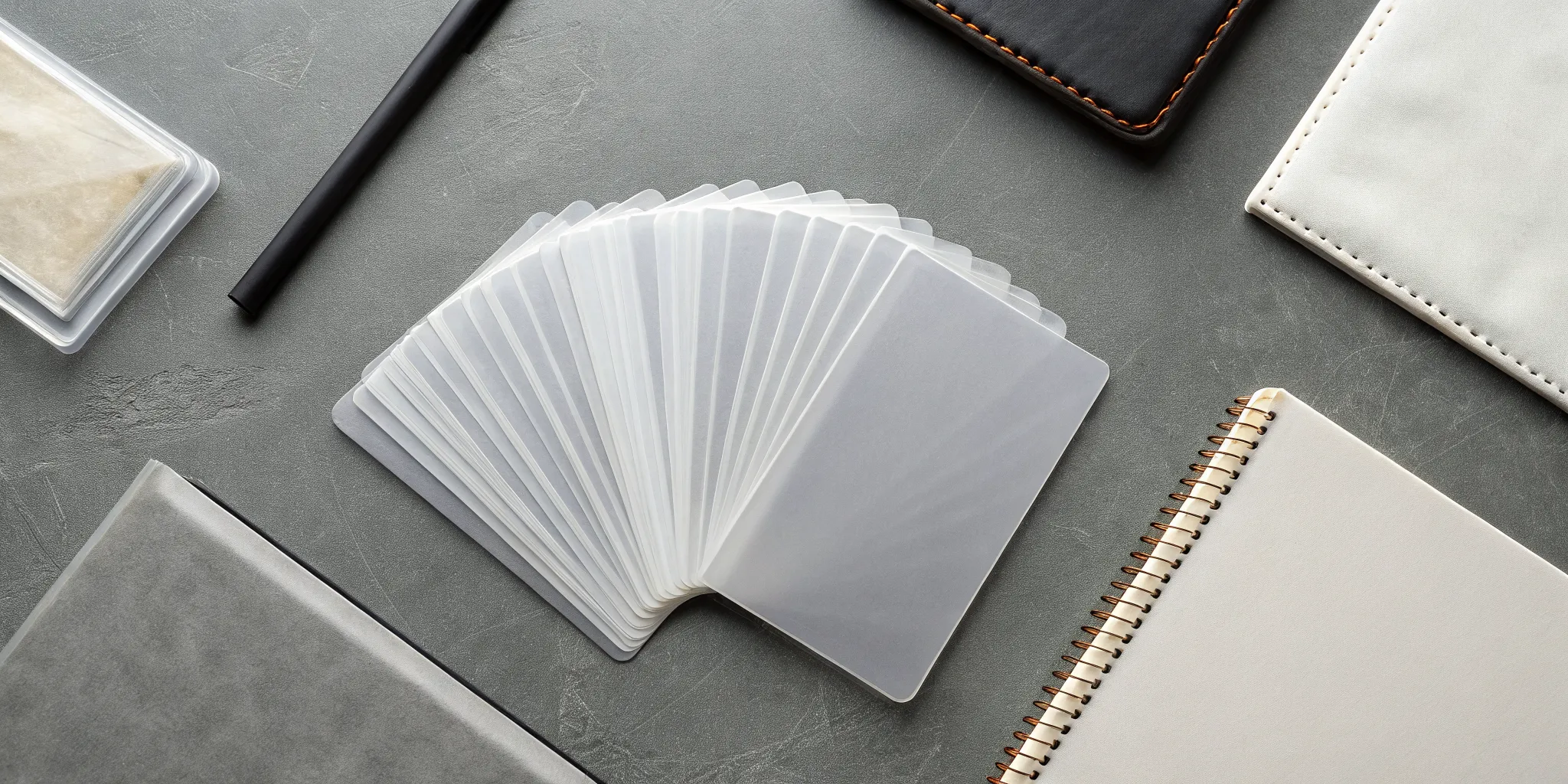
When you pull a high-value chase card, your first instinct is to protect it. But what about all the other cards in the pack? A great collection isn't just about the hits; it's about the entire set. This is where penny sleeves become your most valuable tool. Their incredible affordability means you don't have to pick and choose which cards deserve protection. You can safeguard every single card, from the most common to the ultra-rare, from scratches, dust, and fingerprints. This guide will show you how to make penny sleeves the backbone of your collection care strategy, ensuring every card stays as fresh as the day you pulled it.
Key Takeaways
- Penny sleeves are your first line of defense: This simple, affordable sleeve is the absolute foundation of card care. It protects against the most common threats like surface scratches, dust, and fingerprints, which is the essential first step in preserving any card's condition and value.
- Choose the right material and fit: Always look for sleeves made from acid-free, archival-quality polypropylene to ensure they won't damage your cards over time. Just as important, match the sleeve size to your card type (standard, Japanese, or vintage) to get a snug fit that prevents harmful movement.
- Layer up for your most valuable cards: For your best pulls, a penny sleeve is just the beginning. The gold standard for protection is to first place the card in a penny sleeve and then slide it into a rigid toploader. This combination provides security against both surface wear and more serious damage like bends or dings.
What Are Penny Sleeves and Why Do You Need Them?
If you’ve ever pulled a high-value card, you know that split second of excitement followed by a wave of panic. How do you keep it in perfect condition? The answer is simpler and cheaper than you might think: a penny sleeve. This small plastic sheath is the first line of defense for any trading card and the absolute foundation of proper collection care. Whether you’re holding a rookie sports card or a holographic Pokémon, a penny sleeve is the essential first step to protect your investment. Think of it as the cheapest insurance policy you can buy for your collection, ensuring your best pulls stay in mint condition from the moment you get them.
How penny sleeves protect your cards
At its core, a penny sleeve is a thin, clear plastic cover designed to fit a standard trading card. Most are made from what’s called archival-quality polypropylene, which is a safe, acid-free material that won’t yellow or damage your cards over time. These soft plastic sleeves create a barrier that protects your cards from the most common threats: dust, fingerprints, surface scratches, and minor moisture. Sliding a card into a penny sleeve immediately after opening a pack is the best way to prevent the kind of accidental wear that can happen from just handling it. It’s a simple action that preserves the card’s original state.
Key benefits for your collection
Using penny sleeves is all about preserving the condition and value of your cards. For collectors, condition is everything. Even a tiny scratch on the surface or a softened corner can dramatically lower a card’s grade and, in turn, its price. By keeping your cards in penny sleeves, you help them maintain their value for the long haul. This is especially important if you plan to get your cards graded or sell them later. For a minimal investment, penny sleeves offer peace of mind and are a non-negotiable tool for anyone serious about their collection, from the casual hobbyist to the seasoned investor.
How to Spot a High-Quality Penny Sleeve
While they’re called “penny” sleeves, not all are created equal. Spending a few moments checking the details before you buy can make a huge difference in protecting your collection. A high-quality sleeve comes down to three key things: the material it’s made of, its thickness and clarity, and how well it fits your card. Here’s a simple guide to help you pick the best ones for your collection.
Look for archival-safe materials
The most important job of a sleeve is to protect your card without causing harm over time. Look for sleeves made from archival-quality polypropylene. This is a stable, safe plastic that won’t degrade or release chemicals that could damage your cards. You’ll also want to see the words “acid-free” on the packaging. This ensures the material won’t yellow or break down the card’s paper stock over the years. Choosing the right material is the first step in making sure your cards stay in mint condition for as long as possible.
Choose the right thickness and clarity
A good penny sleeve strikes a balance between being protective and letting you see your card clearly. The standard thickness is around 40 microns, which is sturdy enough to prevent minor dings and bends without being too bulky. A quality sleeve should feel a little stiff, not flimsy like a plastic sandwich bag. At the same time, it should be perfectly clear. Low-quality plastics can have a cloudy or hazy look that obscures the card’s artwork and details. You bought the card to admire it, so make sure your sleeve doesn’t get in the way.
Find the perfect fit for your cards
The perfect sleeve should fit like a glove. You want a snug fit that keeps the card from sliding around inside, which can cause wear on the edges and corners. However, it shouldn’t be so tight that you risk bending the card while trying to insert it. Most modern Pokémon and sports cards share a standard size, so most penny sleeves are designed to fit them. Just be sure to check the sleeve dimensions before buying, especially if you’re protecting vintage or uniquely sized cards. A proper fit is your best defense against accidental damage.
Find the Right Penny Sleeve Size
Picking the right penny sleeve isn't just about quality; it's also about the fit. A sleeve that’s too tight can bend your card's corners, while one that’s too loose lets the card slide around, risking edge wear. Think of it like a tailored suit for your cards. The goal is a snug, secure fit that offers maximum protection without causing any stress on the card itself. Most trading cards fall into a few standard categories, but you'll want to be sure about your specific collection before you buy a thousand sleeves. Let's break down the common sizes you'll encounter so you can get the perfect fit every time.
Standard size for Pokémon and sports cards
If you collect Pokémon, Magic: The Gathering, or modern sports cards from brands like Topps and Panini, you’re in luck. The vast majority of these use the standard card size, which is 2.5 by 3.5 inches. This is the most common size you'll find, and nearly every major sleeve brand offers this option as their default. When you see a pack of penny sleeves without a specific size listed, it's almost always for standard cards. This consistency makes it easy to protect most of your modern collection without having to hunt for specialty products. A comprehensive sleeve size guide can be a great resource if you collect cards from less common games.
Japanese size for Yu-Gi-Oh! and other cards
Have you ever tried to put a Yu-Gi-Oh! card into a standard sleeve and noticed it swimming in extra space? That’s because some games, most notably Yu-Gi-Oh! and Cardfight!! Vanguard, use a smaller "Japanese" card size. These cards require their own specific sleeves, often labeled as "Small" or "Japanese Size." Using a standard sleeve for these smaller cards is a bad idea, as the card can easily slide around and get damaged. Always double-check the game your card is from and purchase the corresponding sleeve size to ensure it stays centered and secure. It’s a simple step that makes a huge difference in preserving your cards.
Sizing considerations for vintage cards
Vintage cards are a different beast altogether. Cards from the 70s or earlier often have what collectors call "soft corners," which are much more susceptible to damage. Forcing these delicate cards into a modern, tight-fitting penny sleeve is a recipe for disaster. Many collectors recommend using penny sleeves made specifically for vintage cards. These are cut slightly wider to give the card more breathing room, which helps prevent damage to soft corners when you’re inserting or removing it. If you're handling valuable vintage pieces, investing in the right-sized sleeve is one of the smartest moves you can make to protect their condition and value.
Which Penny Sleeve Brands Can You Trust?
Walking down the card aisle or browsing online, you’ll notice a handful of brands dominate the scene. While many offer similar products, there are subtle differences in quality, feel, and price that can make one a better fit for your collection than another. Getting to know the major players is the first step in finding the perfect sleeves for your cards. Here’s a breakdown of the most reliable brands you’ll encounter.
A look at Ultra Pro
If you’ve been in the hobby for any length of time, you’ve definitely come across Ultra Pro. They are one of the most recognized and trusted names in card protection, and for good reason. Their penny sleeves are affordable, consistent, and widely available, making them a fantastic starting point for any collector. Along with BCW, Ultra Pro sleeves are among the most common and highly-bought brands on the market. They offer a reliable first line of defense for your standard-sized Pokémon and sports cards without breaking the bank.
Exploring BCW
BCW is another giant in the world of collecting supplies. Like Ultra Pro, they offer dependable and affordable products that collectors have trusted for years. Their standard card sleeves are specifically designed to protect valuable trading cards from dust, dirt, and oils from your hands. The company itself states that "BCW Standard Card Sleeves are used to protect valuable trading cards," and they live up to that promise. They are a straightforward, no-frills option that gets the job done, making them a staple in many collectors’ toolkits.
Dragon Shield and other premium choices
For your high-value hits and personal favorites, you might want something a little more robust. This is where premium brands like Dragon Shield come in. While not technically "penny" sleeves in price, their inner sleeves (often called "perfect fits") serve the same purpose with superior quality. Known for their exceptional durability, clarity, and snug fit, Dragon Shield sleeves are favored by serious collectors and players who want the best possible protection. They cost more, but the investment can be worth it for the peace of mind when sleeving your most prized cards.
How to compare brands and read reviews
When you’re deciding between brands, the details matter. Always check the packaging or product description for key terms like "acid-free" and "archival-quality polypropylene." These features ensure the sleeve won’t damage your card over the long term. Reading customer reviews can also provide real-world insight into a sleeve’s clarity, durability, and consistency. Pay attention to comments about fit and whether the sleeves tend to split. Finally, keep an eye out for bulk discounts, as buying larger packs is almost always more cost-effective.
How Much Do Penny Sleeves Cost?
True to their name, penny sleeves are one of the most affordable ways to protect your trading cards. This is great news for collectors, because it means you can safeguard your entire collection without breaking the bank. The price can vary a bit depending on the brand, thickness, and quantity you buy, but you’ll find they are consistently a budget-friendly choice. Think of it as a small, essential investment to maintain the condition and value of your cards for years to come.
Typical price ranges
You can get started with penny sleeves for just a few dollars. A standard pack of 100 sleeves usually costs around $5 to $6, making it easy to protect your newest pulls right away. If you have a larger collection or open packs frequently, it makes more sense to buy in larger quantities. For example, you can often find a pack of 1,000 sleeves for under $30. This brings the cost per sleeve down significantly, proving that proper card care is accessible for any budget.
How to save by buying in bulk
Buying in bulk is the smartest way to purchase penny sleeves, especially if you’re a serious collector. The more you buy, the more you save. Many suppliers offer tiered discounts that reward larger purchases. For instance, a major supplier like BCW might offer a 17% discount when you buy 25 packs and a 25% discount for 100 packs. If you know you’ll be collecting for a while, stocking up is a no-brainer. It ensures you always have a sleeve ready for that next great card you pull.
Where to find the best deals
You can find penny sleeves at most local hobby shops, but online marketplaces often have the best selection and prices. Websites like Walmart and Amazon are excellent places to start your search. They carry multiple brands and let you easily compare prices on different pack sizes, from 100-count packs to massive 10,000-count cases. Reading customer reviews on these sites can also help you choose a quality product. A quick search for penny sleeves will give you plenty of options to find the perfect fit for your collection and budget.
How to Choose the Right Penny Sleeves
Picking the right penny sleeves might seem simple, but a little thought goes a long way in protecting your collection. It’s not just about grabbing the first pack you see. To make the best choice, you’ll want to think about three main things: the types of cards you own, how many sleeves you actually need, and the value of the cards you’re protecting. Getting these details right ensures every card, from your common pulls to your prized hits, gets the care it deserves.
Consider your card type
Penny sleeves are designed for a wide range of collectibles, from Pokémon and Magic: The Gathering to all kinds of sports cards. Most of these fall into a standard size, which makes shopping pretty easy. However, it's always smart to confirm the fit, especially if you collect more niche or vintage cards that might have slightly different dimensions. For example, Yu-Gi-Oh! cards are smaller and require a "Japanese size" sleeve. Taking a moment to match the sleeve to the card ensures a snug, secure fit without bending any corners.
Plan your budget and quantity
Before you start shopping, take a quick inventory of your collection and think about how fast it’s growing. Are you just starting out, or are you sleeving hundreds of cards from a new set? Penny sleeves are incredibly affordable, and the price gets even better when you buy in bulk. Buying a pack of 100 is great for a few new additions, but if you’re serious about collecting, grabbing packs of 500 or 1,000 is far more economical. It’s always better to have extra sleeves on hand for that next great pull.
Match the protection to the card's value
Every card in your collection deserves a basic level of protection, and a penny sleeve is the perfect starting point. It acts as the first line of defense against dust, fingerprints, and surface scratches that can happen during handling. Even minor wear can impact a card's condition and, ultimately, its value. This is especially true if you ever plan to get your cards graded. For your most valuable pulls, a penny sleeve is the essential inner layer before placing the card into a toploader or semi-rigid holder for maximum security.
How to Use Penny Sleeves for Maximum Protection
You’ve picked out the perfect penny sleeves, but your job isn’t done just yet. How you handle and store your cards is just as crucial as the sleeve itself. A little care goes a long way in preserving their condition and value for years to come. Think of these next steps as the final, essential part of your card protection strategy. Getting these details right will ensure your collection stays in mint condition, whether you're holding onto a common favorite or a high-value chase card you just pulled from a Packz mystery pack.
From the initial insertion into the sleeve to long-term storage solutions, each step plays a vital role. It’s easy to think that just putting a card in any old sleeve is enough, but small mistakes can lead to bent corners, surface scratches, or long-term environmental damage. We'll walk through the best techniques to make sure your cards are not just covered, but truly protected. These are the same methods that seasoned collectors use to maintain the grade and appearance of their most treasured pulls, ensuring they look just as good years from now as they did the day they were opened.
The right way to insert a card
This seems simple, but it’s where damage can easily happen. First, always start with clean, dry hands to avoid transferring oils or dirt onto the card or sleeve. Gently open the top of the penny sleeve and slide the card in slowly from one of the top corners. Don't try to force it straight down from the top, as this can easily bend or ding the corners. The goal is a smooth entry without any snags. Make sure the sleeve is the right size for your card; a snug fit is good, but a sleeve that’s too tight can cause damage over time.
Layering with toploaders for extra safety
For your more valuable cards, a penny sleeve is just the first step. The next is adding a toploader, a rigid plastic holder that provides serious protection against bends and impacts. But here’s the golden rule: always put your card in a penny sleeve first. Never slide a bare card directly into a toploader. The hard plastic can scratch the card's surface or damage its edges. Once your card is safely in its penny sleeve, you can gently slide it into the toploader. It should fit securely without you having to force it in. This one-two punch is the standard for keeping prized cards safe.
Best practices for storing sleeved cards
Once your cards are sleeved, where you keep them matters. For long-term storage, use dedicated card storage boxes and stack your sleeved or toploaded cards upright. This prevents them from warping under their own weight. Avoid overfilling the boxes, as too much pressure can cause damage. If you prefer binders, make sure both the binder and the pocket pages are archival-safe, meaning they are acid-free and PVC-free. Finally, store your collection in a dry room with a stable temperature. Attics and basements are risky because of fluctuations in heat and humidity, which can ruin your cards over time.
Common Myths About Penny Sleeves
Penny sleeves are a staple in the trading card world, but they're also surrounded by a lot of debate. It's easy to get confused by conflicting advice from other collectors. Let's clear the air and tackle some of the most common myths, so you can feel confident about how you protect your collection and understand the essential role these sleeves play.
Myth: They don't offer enough protection
This is the biggest knock against penny sleeves. Because they're so thin, many collectors assume they don't provide real protection. While a penny sleeve won't stop a card from bending, that's not its job. Its primary purpose is to be the first line of defense against surface-level threats like scratches, fingerprints, and dust, especially for holographic cards. Some worry that a card can slide around inside, but this is usually a sizing issue. A properly fitted penny sleeve is a non-negotiable step before placing a card into a toploader or semi-rigid holder for more rigid protection.
When a penny sleeve is all you need
Not every card in your collection is a grail piece that needs to be locked in a vault. For the vast majority of your cards, a simple penny sleeve is the perfect solution. If you're sorting through bulk, storing commons, or just want a baseline layer of protection for every card you pull, penny sleeves are your best friend. They provide that crucial barrier against minor damage during handling and storage. Using a penny sleeve ensures that even your non-holo cards stay fresh, which is important if you ever plan to trade or sell them down the line.
Addressing concerns about material quality
Some people describe penny sleeves as being flimsy, and it's true they are thin, typically around 40 microns. But this flexibility doesn't mean they're poor quality. Reputable brands make their penny sleeves from polypropylene, which is an archival-safe plastic that is acid-free and contains no PVC. This is critical because acidic materials can damage your cards over time. While they aren't as stiff as premium sleeves designed for gameplay, they offer exactly the kind of lightweight, non-abrasive protection needed for long-term storage. For their price, they provide incredible value and peace of mind.
Are Penny Sleeves the Right Choice for You?
Deciding on the right protection for your trading cards can feel like a big commitment, but it doesn’t have to be complicated. While penny sleeves are a staple in the hobby, they aren't the only option on the table. The best choice really comes down to your specific collection, your budget, and your long-term goals for your cards.
Think of it this way: you wouldn't store a common Pokémon card the same way you'd store a signed rookie sports card. Each card has different needs. For many collectors, penny sleeves are the perfect, affordable solution for the bulk of their collection. For others, investing in premium sleeves provides extra peace of mind for their most prized possessions. The key is to understand the differences between your options and create a protection strategy that works for you. By weighing the pros and cons, you can confidently choose the right sleeve for every card you pull.
Penny sleeves vs. premium alternatives
At its core, a penny sleeve is a thin, flexible plastic sleeve that acts as a first layer of protection against dust, scratches, and fingerprints. They are incredibly affordable and perfect for sleeving entire sets or bulk cards without breaking the bank. However, their thinness means they offer minimal defense against bends or impacts.
Premium sleeves, like those from brands such as Dragon Shield, are a step up. They are made from thicker, stiffer plastic, offering more rigid protection and a snugger fit. These are great for cards you handle frequently or for your high-value hits that deserve extra security. While they cost more per sleeve, the added durability is often worth it for your favorite cards. The choice isn't about which is better overall, but which is better for a specific card's value and purpose.
How to decide what your cards need
The best way to choose a sleeve is to match the protection to the card's value. For common and uncommon cards that you’re storing in a binder or box, a penny sleeve is usually all you need. It gets the job done by preventing surface wear, and its low cost makes it ideal for protecting hundreds of cards at once.
For your rare, holographic, or high-value cards, you’ll want to think in layers. Start with a penny sleeve and then slide it into a toploader or semi-rigid holder for impact protection. This combination is the gold standard for keeping cards safe. It’s also important to note that if you’re thinking about getting cards graded, many grading companies prefer cards to be submitted in a standard penny sleeve and a semi-rigid holder, not a tight-fitting premium sleeve.
Related Articles
- The Right Way to Start Double Sleeving Cards | Packz Blog
- The 4 Best Card Sleeves for Grading Submissions | Packz Blog
Frequently Asked Questions
Do I really need to put every single card in a penny sleeve? While it’s a great habit, you don’t have to sleeve every common card you own. The priority should always be your rare, holographic, or valuable cards. A penny sleeve is the absolute minimum protection for any card you care about. For your bulk commons, it’s more of a personal choice, but sleeving them is a smart move if you ever plan to trade or sell them in the future.
What’s the difference between a penny sleeve and a toploader? Think of it this way: a penny sleeve is the soft, flexible first layer that protects a card’s surface from scratches, dust, and fingerprints. A toploader is the hard, rigid outer shell that protects the card from bends, creases, and impacts. You should always use them together for your best cards, making sure to put the card in the penny sleeve first before sliding it into the toploader.
Will penny sleeves damage my cards in the long run? Not if you buy the right ones. Reputable brands make their sleeves from archival-safe polypropylene, which is an acid-free and PVC-free plastic. This material is stable and won't yellow, become brittle, or release chemicals that could harm your cards over time. As long as you stick to trusted brands, you can be confident your cards are safe for long-term storage.
Is it okay to use a penny sleeve that's a little too big for my card? A proper fit is really important. If a sleeve is too loose, the card can slide around inside, which can lead to softened corners and edge wear over time. While a slightly loose fit is better than one that's too tight and risks bending the card, the goal is to find a sleeve that holds the card securely without being difficult to insert.
What's the single biggest mistake to avoid when using penny sleeves? The most common mistake is damaging a card while trying to sleeve it. Never try to force a card straight down into the sleeve from the top. This is the easiest way to bend a corner or cause a ding. Instead, gently open the sleeve and slide the card in slowly, leading with one of the top corners for a smooth and safe entry.
Recommended Reading

Cash for Graded Sports Cards: The Fastest Ways to Sell
Get cash for graded sports cards faster. Compare auction houses, marketplaces, and instant buyback options to pick the route that fits your timeline.

How to Compare Value in Sports Card Packs
Learn how to compare sports card packs using card quality, available pulls, pricing clarity, and Packz’s 100% buyback option.
How to Buy Pokemon Packs Online for Ripping
Ready to buy pokemon packs online for ripping? Get transparent pack value and clear pull odds so you never overpay for the thrill of the hunt. Start collecting safely.