
June 29, 2026
What Is a TCG Marketplace? A Complete Guide
A tcg marketplace connects collectors to buy, sell, and trade cards safely. Learn how these platforms work and what to expect as a buyer or seller.
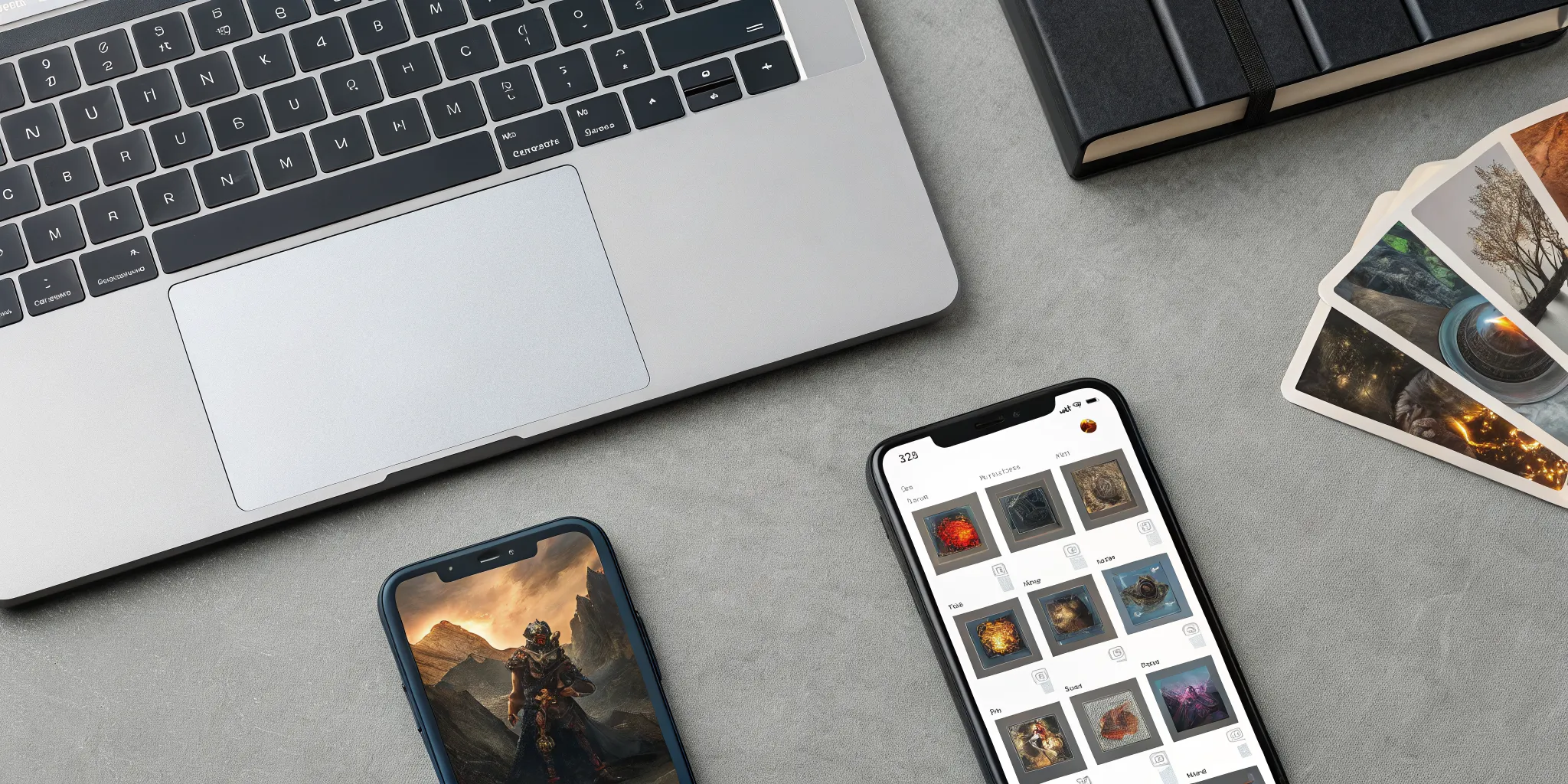
There are two distinct thrills in the trading card hobby: the heart-pounding excitement of opening a new pack and the quiet satisfaction of strategically building a valuable collection. A modern TCG marketplace is where these two worlds collide. It’s a space where you can buy sealed booster boxes to chase that adrenaline rush or meticulously search for specific single cards to perfect your deck. Some platforms even blend these experiences, offering a gamified way to open packs online and instantly sell what you don’t want. Understanding how to use a TCG marketplace effectively allows you to balance the fun of collecting with the smarts of investing, ensuring you get the most out of every card.
Key Takeaways
- Define your collecting goal first: Before you shop, decide if you're hunting for specific singles, chasing the thrill of a pack opening, or investing in graded cards. Your goal determines which marketplace is the best fit for you.
- Practice safe buying and selling habits: Protect your purchases by checking seller ratings and verifying card authenticity, especially for graded cards. When selling, build trust with honest descriptions, clear photos, and secure packaging.
- Track a card's true market value: A card's price depends on its condition, rarity, and popularity. Get an accurate sense of its worth by researching recent sold prices on multiple platforms, not just what sellers are currently asking.
What Is a TCG Marketplace?
Think of a TCG marketplace as a dedicated online hub built specifically for trading card game fans. It’s a platform where you can buy, sell, and trade cards with other collectors. Unlike a general resale site that sells everything from furniture to electronics, a TCG marketplace is tailored to the unique needs of the hobby. You’ll find features designed for collectors, like detailed card condition guides, price tracking tools, and forums where you can connect with fellow enthusiasts. These platforms bring together thousands of individual sellers and buyers, creating a massive, centralized location for everything from single Pokémon cards to sealed sports card boxes.
Whether you're hunting for a specific graded Charizard or looking to sell your latest pulls, these marketplaces provide the structure and security to make it happen. They act as a trusted intermediary, facilitating transactions and often providing buyer and seller protection to ensure both parties are happy. Some platforms even offer unique experiences, blending the thrill of opening packs with the convenience of an online marketplace. The core idea is to create a safe, efficient, and fun environment for the TCG community to connect and trade. It’s a space built by collectors, for collectors, which makes all the difference.
How TCG Marketplaces Work
At their core, most TCG marketplaces connect individual sellers with a global audience of buyers. A platform like TCGplayer, for example, aggregates listings from countless local game stores and individual collectors, giving you a huge selection to browse. You find the card you want, purchase it through the platform, and the seller ships it directly to you. Other platforms offer a more curated experience. Some, like Packz, provide a unique model where you can open digital packs and then choose to have the physical cards shipped or sell them back instantly for account credit, giving you immediate liquidity.
TCG Marketplaces vs. General Resale Sites
When you’re deciding where to buy or sell your cards, you might wonder why you’d choose a TCG marketplace over a general site like eBay or Facebook Marketplace. The biggest reason is trust, especially when dealing with high-value cards. Specialized marketplaces are established names within the TCG community. Buyers feel more comfortable making significant purchases on these platforms because they have a proven track record of reliability. This is a huge advantage for sellers, as it attracts serious collectors who are willing to pay fair market prices for valuable cards. For anyone looking for where to buy graded Pokémon cards, a dedicated marketplace is almost always the safer and smarter choice.
What Can You Buy and Sell on a TCG Marketplace?
TCG marketplaces are more than just places to buy cards; they're entire ecosystems for collectors. Think of it as a massive, digital card shop that’s open 24/7, bringing the entire hobby to your fingertips. Whether you're hunting for that one elusive card to finish a set, looking for the thrill of opening a fresh pack, or grabbing supplies to protect your prized possessions, you can find it all. The sheer variety can feel overwhelming at first, but everything available really breaks down into a few key categories.
Understanding these categories will help you find exactly what you’re looking for and maybe even discover something new to add to your collection. From the most common cards to the rarest, professionally graded treasures, these platforms connect buyers and sellers from all over the world. It’s a space where you can be a buyer, a seller, an investor, or just a fan, all at the same time. Getting familiar with what’s on offer is the first step to making the most of these powerful platforms and building a collection you’re truly proud of. Let's break down what you can expect to find.
Single Cards
This is the heart of any TCG marketplace. Single cards are individual cards sold outside of a sealed pack. This is your go-to option when you know exactly what you want, whether it’s a specific Charizard to complete your vintage collection or a powerful new card to perfect your tournament deck. Buying singles saves you the guesswork and expense of ripping through countless booster packs hoping to find your chase card. Marketplaces let you browse thousands of cards from various sellers, making it easy to compare prices and conditions to find the perfect fit for your collection and budget. It’s the most direct way to build the collection you’ve always wanted.
Sealed Products and Booster Packs
If you love the excitement of the unknown, this category is for you. Sealed products include everything from individual booster packs and multi-pack bundles to entire booster boxes and pre-constructed starter kits. For many collectors, the experience of opening a pack and discovering what’s inside is a huge part of the fun. Some people also choose to invest in sealed products, keeping them unopened with the hope that their value will increase over time. Whether you’re chasing a rare pull or building a sealed collection, marketplaces offer a wide selection of products from different eras and game sets.
Graded Cards
For the serious collector, graded cards are the gold standard. These are cards that have been sent to a professional third-party company, like Professional Sports Authenticator (PSA), to be authenticated, checked for condition, and sealed in a protective case, or "slab." Each card receives a numerical grade, typically on a scale of 1 to 10. This process removes the guesswork about a card’s condition and authenticity, which is why graded cards often command higher prices. As a buyer, you know exactly what you’re getting. As a seller, grading can significantly increase a high-value card’s worth because buyers trust the authenticated grade.
Accessories and Supplies
A great collection deserves great protection. TCG marketplaces are also a one-stop shop for all the accessories you need to keep your cards in mint condition. This includes everything from soft plastic sleeves and rigid top loaders to magnetic one-touch cases for your most valuable cards. You can also find binders, storage boxes, and display stands to organize and show off your collection. Buying your card protection supplies from a marketplace is convenient, as you can often bundle them with a card purchase to save on shipping. Properly protecting your cards is essential for maintaining their condition and value over the long term.
Popular TCG Marketplaces to Know
Once you’re ready to start buying or selling, the next step is choosing where to do it. The world of TCG marketplaces is vast, with each platform offering a different experience. Some are massive, traditional storefronts where you can buy specific single cards from thousands of sellers. Others are general auction sites where you might snag a rare find. And some, like Packz, offer a completely different, more thrilling way to build your collection.
The right marketplace for you really depends on your goals. Are you trying to complete a specific set? Are you looking to sell your collection for the best price? Or are you in it for the excitement of discovering what’s inside a pack? Each platform has its own strengths, community, and fee structure. For example, a large marketplace might offer buyer protection but have higher fees, while a local trade could be faster but riskier. Thinking about what matters most to you will help you choose wisely. Let’s walk through some of the most popular options out there so you can find the right fit for your collecting style.
Packz
Packz offers a unique, gamified approach to collecting that’s different from a typical marketplace. Instead of buying single cards, you buy digital mystery packs. You get the instant thrill of opening the pack to see what you’ve pulled, from common cards to incredibly rare graded hits. From there, you decide what to do. You can have any of the physical cards shipped directly to you, or you can use the buyback option to sell them back to Packz for 100% of their value. The credit goes right into your account, letting you open more packs immediately. It’s a fun, modern way to collect that focuses on the excitement of the reveal, with Packz facilitating millions in pack openings for collectors.
TCGplayer
If you’re looking for a specific card, TCGplayer is probably the first place you’ll look. It’s a massive online marketplace dedicated entirely to trading card games. Think of it as a huge digital binder where thousands of individual sellers and local game stores list their inventory. You can find almost any card imaginable for games like Pokémon, Magic: The Gathering, and Yu-Gi-Oh!. Because it aggregates so many sellers, it’s an excellent tool for comparing prices and finding the best deal on singles. TCGplayer has been a cornerstone of the community since 2008, making it a trusted hub for both buying cards to complete your deck and selling your own duplicates.
Cardmarket
For collectors in Europe, Cardmarket is the go-to platform. It functions much like TCGplayer, providing a centralized marketplace for users to buy and sell cards for Pokémon, Magic, and other popular games. While its primary user base is in Europe, it’s a valuable resource for anyone in the hobby to know about. You can use it to track international price trends and see how card values differ across the pond. For serious collectors, Cardmarket can also be a place to find cards from European print runs that might be less common in the United States, though you’ll need to account for international shipping costs and times.
eBay
As one of the original online auction sites, eBay remains a major player in the trading card world. You can find everything here, from cheap single cards to high-end, professionally graded collectibles that sell for thousands of dollars. The platform’s auction-style listings can create exciting bidding wars for hot cards, but there are also plenty of "Buy It Now" options for fixed-price sales. Because it’s a general marketplace, you’ll be buying from a wide range of sellers. It’s a great place to hunt for vintage cards and browse a massive selection of trading cards, but always be sure to check a seller’s feedback and read descriptions carefully before you commit.
Facebook Marketplace and Local Groups
If you prefer to deal locally, don’t overlook Facebook. You can often find local deals on Facebook Marketplace, allowing you to inspect a card in person and pay with cash, avoiding shipping fees altogether. Beyond the general marketplace, there are thousands of private and public Facebook Groups dedicated to specific TCGs. These groups are fantastic for connecting with a community of local collectors. You can arrange trades, buy and sell directly with other members, and get advice from fellow enthusiasts. It’s a more personal, community-driven way to engage with the hobby and can lead to some great finds right in your own neighborhood.
How Are Card Prices Determined?
Figuring out a trading card’s price can feel like a mystery, but it’s not as random as it seems. A card’s value is set by the same forces that determine the price of anything else: supply and demand. The trading card market is a living, breathing ecosystem where prices shift based on a card’s rarity, its condition, and how many people want to get their hands on it.
Understanding what makes a card valuable is the first step to becoming a savvy collector. It helps you spot good deals, price your own cards fairly, and appreciate the story behind the cardboard you’re holding. Whether you’re looking at a rookie sports card or a holographic Pokémon, a few key factors consistently shape its journey from a simple collectible to a prized asset. Let’s break down what you need to know to make sense of it all.
What Drives Card Prices Up and Down
A card’s value is a mix of a few core elements. First is rarity. Is it a common card that was printed by the millions, or is it a special short-print? Features that signal scarcity, like a “1st edition” stamp or a unique serial number, will always push a price higher. The card’s condition is just as important. A card in perfect, mint condition is far more valuable than the same card with worn edges and scratches.
Demand is the other side of the coin. A card’s popularity is often tied to the player or character on it. A star athlete having a record-breaking season or a beloved Pokémon featured in a new game can cause its card prices to spike. Effective marketing also plays a role when you sell TCG cards, as keywords like “holo” or “rookie card” help buyers find these valuable attributes.
The Price Difference: Graded vs. Ungraded Cards
You’ll often see cards sold as either “raw” (ungraded) or “graded.” A graded card has been sent to a professional third-party company, like PSA or BGS, for authentication and evaluation. The company inspects the card’s centering, corners, edges, and surface, then assigns it a numerical grade and seals it in a protective case. This process removes the guesswork from a card’s condition.
Because buyers trust the authenticated grade, they are often willing to pay much more for a graded card than a raw one. For high-value cards, getting them professionally graded can significantly increase their worth and make them easier to sell. It provides a universal standard of quality that both buyers and sellers can rely on, turning a subjective opinion on condition into an objective fact.
Tools to Help You Track Card Prices
You don’t have to guess what a card is worth. Several online tools and platforms can help you track market values with surprising accuracy. Websites like PriceCharting and the TCGplayer marketplace aggregate sales data from across the internet, giving you a solid baseline for a card’s current price. You can also check the “sold” listings on eBay to see what buyers have actually paid for a specific card recently.
Many marketplaces provide comprehensive price data, which helps you understand a card's market value before you buy. This is a key feature to look for when choosing where to shop. Remember to focus on recent sales data rather than just active listing prices, as asking prices can sometimes be inflated. What a card actually sells for is the truest indicator of its current market value.
How to Buy Cards Safely
Jumping into a TCG marketplace is exciting, but it’s smart to go in with a plan. Knowing what to look for can protect you from a bad deal and make the whole experience more enjoyable. Think of it as your collector’s toolkit for buying online. A few simple checks can help you feel confident in your purchase, whether you’re grabbing a single card to complete a set or investing in a high-value graded Pokémon card. These steps will help you get exactly what you paid for and avoid common pitfalls.
Check Seller Ratings and Reviews
Before you even think about hitting the “buy” button, take a minute to vet the seller. Their rating and reviews are your first line of defense. Look for sellers with a long history of positive feedback and a high number of completed sales. Don’t just glance at the overall score; read through recent comments to see what other buyers are saying. Are they happy with the card condition and shipping? When you’re making high-value purchases, it’s especially important to buy from a trusted name in the community. A seller with a stellar reputation has earned that trust by consistently delivering on their promises, giving you peace of mind with your purchase.
Understand Card Condition Grades
Card condition is everything when it comes to value, so make sure you understand what you’re buying. Terms like Near Mint (NM), Lightly Played (LP), and Heavily Played (HP) have specific meanings, and the price should reflect them. Always examine the photos closely for any whitening, scratches, or centering issues. If the pictures are blurry or low-quality, that’s a red flag. For ungraded cards, you can check the data on marketplace platforms to see recent sales of cards in similar conditions. This helps you confirm you’re paying a fair price. With graded cards, the condition is professionally verified, which simplifies things quite a bit.
Spot Fakes and Misrepresented Cards
Unfortunately, fake cards are out there. Learning to spot them is a crucial skill for any collector. Pay attention to the card’s color saturation, font, and the texture of the holofoil. If something feels off, it probably is. For graded cards, there’s an easy way to be sure you’re getting the real deal. Every graded slab has a unique serial number. You can use that number to verify the card's authenticity directly on the grading company’s website, like PSA or BGS. This lookup confirms the card’s grade and details, ensuring the slab hasn’t been tampered with and the card inside is legitimate.
Know Your Buyer Protection Options
Even with careful research, things can sometimes go wrong. That’s where buyer protection comes in. Before purchasing, familiarize yourself with the marketplace’s policies. Most reputable sites have rules in place to protect you if a card arrives in a different condition than described, gets lost in the mail, or turns out to be fake. For example, many platforms offer a window of time, often around 30 days, to report an issue and request a return or refund. Understanding these buyer protection options before you buy gives you a clear path to resolving problems and ensures you don’t get stuck with a purchase you’re not happy with.
How to Sell Your Cards
Selling cards from your collection is a fantastic way to fund new purchases or just make some extra cash. Whether you're offloading duplicates or parting with a prized possession, a successful sale comes down to a few key steps. Getting these right will help you attract buyers, get the best price, and build a solid reputation as a seller. It might seem like a lot to think about at first, but once you have a system down, it becomes second nature.
The process really breaks down into four main parts: pricing your cards fairly, creating honest and detailed listings, packaging them securely for shipping, and understanding the fees involved. Each step is important for ensuring a smooth transaction for both you and the buyer. A little bit of effort upfront can prevent headaches later and helps you stand out as a trustworthy seller in the community. Let's walk through how to turn your cards into cash, the right way.
Price Your Cards Competitively
Setting the right price is a balancing act. You want to get what your card is worth without scaring off potential buyers. Start by researching what your card has recently sold for on marketplaces like TCGplayer or eBay. For high-value cards, getting them professionally graded by a service like PSA can establish their authenticity and condition, often leading to a higher sale price. When you list your card, use specific keywords like "holo," "rookie card," or "1st edition" in the title and description. This simple step helps serious buyers find exactly what they're looking for when they search the marketplace.
Write Accurate Listings
A great listing builds trust and sets clear expectations. Always be honest about your card's condition, using high-quality photos to show any imperfections like whitening on the edges or surface scratches. Decide on your shipping approach ahead of time. You can offer free shipping and add that cost to the card's price, or you can charge for shipping separately. Many new sellers price their cards at the market low to make a quick sale, but remember to account for your shipping materials and any seller fees when you set your price. An accurate, detailed listing reduces the chance of a buyer being disappointed.
Ship and Package Your Cards Like a Pro
Your job isn't done until the card is safely in the buyer's hands. Proper packaging is non-negotiable. At a minimum, place your card in a penny sleeve and then into a rigid top loader. For extra security, you can tape the top of the top loader and place it in a team bag to keep it from sliding out. Sandwich the protected card between two pieces of cardboard and ship it in a bubble mailer. You can engage with trading card communities online to see how experienced sellers protect their shipments and get tips for your own sales.
Understand the Seller Fees
Before you celebrate a sale, remember that the platform you sell on will take a cut. Marketplaces like eBay and TCGplayer have seller fees, which are usually a percentage of the final sale price. These fees can vary, so it’s important to read the fine print before you list your items. When you’re calculating your asking price, be sure to factor in these fees, the cost of shipping, and the price of your packaging supplies. This ensures the final profit you make is what you actually expected, leaving no room for surprises when you get your payout.
Common TCG Marketplace Challenges
While TCG marketplaces open up a world of possibilities for collectors, they aren’t without a few hurdles. Knowing what to watch out for can save you a lot of time, money, and frustration. Whether you’re buying your first graded card or selling a stack of duplicates, you’ll likely run into a few common challenges. From confusing condition descriptions and high shipping costs to fluctuating prices and the risk of fakes, being prepared is your best strategy. Let’s walk through some of the most frequent issues you might face and how you can handle them.
Condition Discrepancies
One of the biggest points of friction on any TCG marketplace is card condition. A seller’s idea of “Near Mint” might not match yours, and it almost certainly won’t match the strict standards of a professional grading company. As collectors on Reddit often point out, there's a huge difference between what 'Near Mint' means on a marketplace and what a PSA 9 grade guarantees. A raw card bought online could have a tiny surface scratch or a soft corner that you can’t see in photos, which could significantly lower its potential grade. This creates a gamble for buyers, especially if your goal is to get the card graded yourself.
Shipping Issues and Costs
If you’re looking to sell, shipping can quickly become a major headache. The time it takes to photograph, list, package, and ship a single card can easily outweigh its value, especially for commons and uncommons. When you factor in marketplace fees and the cost of shipping supplies like bubble mailers and top loaders, your profit margin shrinks even more. This is why many sellers focus only on high-value cards. For anyone trying to offload bulk, the logistics often just don’t make sense. Learning how to sell TCG cards efficiently is key to making a profit.
Price Volatility
The TCG market can be as unpredictable as a game of chance. Card prices swing up and down based on a variety of factors. For sports cards, a player having a breakout season can cause their rookie card value to skyrocket. For Pokémon, a card’s performance in a major tournament can suddenly make it a hot commodity. This creates a challenge for both buyers and sellers. If you’re buying, you risk paying peak prices right before a crash. If you’re selling, you might miss out on a price spike. Effective marketing and staying on top of market trends are essential to getting the timing right.
Verifying Card Authenticity
Unfortunately, where there’s money to be made, there are fakes. Verifying a card’s authenticity is a critical step, especially when you’re dropping serious cash on a rare single. Even with graded cards, you have to be careful. Scammers have been known to create fake slabs or tamper with legitimate ones. It’s important to protect your investment by doing your due diligence. Always check a seller’s reputation and reviews, use the grading company’s website to confirm the card’s serial number, and carefully inspect the physical slab for any signs of tampering as soon as it arrives.
Tips for Getting Started on a TCG Marketplace
Jumping into a TCG marketplace can feel like a lot at first, but a few simple strategies can make all the difference. The sheer volume of cards, sellers, and pricing data can be overwhelming. The key is to approach it with a plan. Whether you're hunting for a specific card to complete your collection or just browsing for a good deal, these tips will help you get your footing and make smarter decisions from day one. Think of it as building your collector's toolkit. By learning how to find what you want, verify prices, connect with others, and track the market, you'll be well on your way to becoming a confident collector.
Use Search Filters to Find What You Need
Online marketplaces are massive, so think of search filters as your personal guide. Instead of endlessly scrolling, you can instantly narrow down thousands of listings to find exactly what you want. You can filter by the specific trading card game, expansion set, card condition, and even price range. Getting comfortable with the advanced search functions on any marketplace is the fastest way to become an efficient buyer. An online presence is how most business is done, and using a platform’s built-in tools is the best way to find what you need in a sea of digital listings.
Compare Prices Across Multiple Listings
The first price you see for a card is rarely the only price available. Before you click "buy," take a moment to compare prices from different sellers on the same platform. It’s also smart to check the data on other platforms to see recent sales and current listings for cards in a similar condition. Many marketplaces show a history of sold items, which gives you a much more realistic picture of a card's true market value than the active listings alone. This little bit of research can save you a lot of money and help you avoid overpaying for a hyped-up card.
Engage With the TCG Community
Becoming a savvy collector goes beyond just buying and selling. You can gain a huge advantage when you engage with trading card communities online. Joining forums, following TCG news sites, and watching what top collectors and sellers are discussing will give you the insight you need to make smart decisions. These communities are the first to talk about new set releases, card reprints, and shifts in player popularity that affect card values. It’s also a great way to ask questions, get advice on your collection, and share in the excitement with fellow fans.
Follow Market Trends
Card prices can be volatile, so it’s important to keep an eye on what’s happening in the market. Paying attention to which cards and sets are gaining popularity and which are cooling off can help you time your purchases and sales perfectly. You can follow market trends by watching pricing charts and reading analysis from experts in the community. Studying the strategies of successful sellers can also be a useful way to understand what’s in demand. This knowledge helps you spot good deals when buying and price your own cards effectively when you decide to sell.
Making the Most of Discounts and Rewards
Getting the most out of your TCG budget is a game in itself. Beyond tracking card prices, smart collectors also pay attention to the rewards and discounts offered by marketplaces. These platforms want to keep you engaged, and they often have programs designed to give you more value for your money. By understanding how these systems work, you can stretch your funds further, get your hands on more cards, and add an extra layer of strategy to your collecting. It’s all about knowing where to look and when to act.
Referral and Rewards Programs
Many marketplaces have referral programs that give you a bonus for bringing new people into the fold. It’s a simple concept: you share a unique link, your friend signs up, and you both get a reward, like account credits or a discount. This is a fantastic way to share the hobby with friends while getting a little something extra to spend on your next pack or single. These programs are a core part of how many successful marketplace startups grow their communities, creating a win-win for both the platform and its users. Always check if a marketplace has a referral program before you start inviting your friends.
Seasonal Sales and Limited-Time Deals
Who doesn’t love a good sale? TCG marketplaces often run promotions during holidays or special events, offering sitewide discounts or deals on specific products. These limited-time offers are a great opportunity to pick up cards on your want list for less or to justify grabbing a few extra packs. To stay in the loop, make sure you’re subscribed to your favorite marketplace’s email list or following them on social media. This is a classic promotion strategy that creates a sense of urgency, so be ready to act fast when a deal you like pops up.
Buyback Programs and Account Credits
Some of the most innovative marketplaces offer buyback programs. This feature allows you to instantly sell cards you’ve just acquired back to the platform for account credit. It’s a perfect solution if you pull a card you don’t want for your personal collection but still want to capitalize on its value. For example, Packz offers a 100% buyback on any card you pull, letting you immediately add that value to your balance to open more packs. This system reduces risk and keeps the fun going. Learning how to sell TCG cards back to the platform is a key strategy for maximizing your experience.
Which TCG Marketplace Is Right for You?
Finding the right trading card game marketplace really comes down to what you want to achieve. Are you hunting for a specific single to complete a deck, investing in high-value graded cards, or just chasing the thrill of opening a fresh pack? Each platform offers a different experience, and the best one for you depends entirely on your personal goals. Some sites are sprawling digital storefronts perfect for finding obscure cards, while others offer a more curated, exciting experience centered around pack openings and collecting. The world of TCG marketplaces is vast, with options ranging from peer-to-peer auction sites to specialized platforms with unique features like instant buybacks.
Think about what part of the hobby you enjoy most. If you’re a strategic seller looking to move cards quickly, you’ll want different features than a casual player who just needs a few commons. Likewise, if you’re investing serious money into graded collectibles, your priorities will be security and authenticity. Understanding your own needs is the first step to choosing a marketplace where you’ll feel right at home. We’ll walk through a few common scenarios to help you find the perfect fit for your collecting style, so you can spend less time searching and more time enjoying your cards.
Best for Casual Buyers
If you’re just getting started or need to find specific cards to finish a deck, a large, comprehensive marketplace is your best friend. Platforms like TCGplayer are essentially massive online card shops where you can buy from thousands of sellers at once. This is the place to go when you need to track down that one specific Pokémon or a playset of a staple card for your favorite TCG. Because the inventory is so vast, you can compare prices easily and find exactly what you’re looking for without having to buy a whole booster box. It’s a straightforward, no-fuss way to build your collection or deck one card at a time.
Best for Serious Collectors and Sellers
For those who are deeper in the hobby, efficiency and value are key. If you open a lot of packs and want to turn your unwanted pulls into more packs, a platform with a strong buyback program is a game-changer. At Packz, for example, you can instantly sell any card you pull back to the platform for 100% of its market value. This credit goes directly into your account, so you can keep the pack-opening excitement going. It’s an ideal setup for serious collectors who want to maximize their chances of pulling a chase card without accumulating bulk they don’t need. This approach lets you be more strategic with your collection and your budget.
Best for Graded Cards
When you’re dealing with professionally graded cards, trust is everything. These are often high-value collectibles, so you want to buy and sell on a platform where both you and the other party feel secure. Marketplaces that specialize in or have a strong reputation for graded cards are your best bet. Because these platforms are known for quality, buyers are often more comfortable making significant purchases. This is a huge advantage if you’re looking to sell your valuable graded cards for the best possible price. You’re not just selling a card; you’re selling a verified, investment-quality asset, and the right marketplace understands that distinction.
Best for a Fun, Low-Risk Experience
Do you love the excitement of opening a pack but don’t always want to deal with the cards you don’t need? If you’re in it for the thrill of the rip, online pack opening sites and TCG subscription boxes are designed for you. These services deliver that "new pack" feeling without the hassle of going to a store or ending up with a pile of bulk. Platforms like Packz take it a step further by combining the fun of opening packs with the safety of a buyback option. You get all the excitement of seeing what’s inside, but you can instantly sell back what you don’t want to keep. It’s the perfect low-risk way to enjoy the best part of the hobby.
Related Articles
- All ex Cards Pokémon TCG: A Complete Guide | Packz Blog
- 4 Best Websites for Opening Card Packs [Reviewed] | Packz Blog
Frequently Asked Questions
Why should I use a TCG marketplace instead of a big site like eBay? Think of it as the difference between a specialty tool and a generic one. While you can find cards on general sites, a dedicated TCG marketplace is built by and for collectors. This means you get features that actually matter for the hobby, like detailed condition guides and reliable price histories. More importantly, these platforms build trust. Buyers feel more secure making purchases, which attracts serious collectors and helps sellers get fair prices for their cards.
Is it actually worth the money to get my cards professionally graded? That really depends on the card. For your average, common cards, the cost of grading usually isn't worth it. Grading is best reserved for your most valuable cards, like rare vintage finds, key rookie cards, or modern hits that are in perfect, mint condition. The process authenticates the card and gives it a verified condition score, which removes any doubt for a potential buyer. This is why a high-grade card can sell for significantly more than an ungraded, or "raw," version of the same card.
I have a lot of cards to sell, but shipping them one by one seems like a huge hassle. What's the best approach? You're right, selling low-value cards individually often isn't worth the time and effort. For bulk commons and uncommons, many sellers group them into "lots" and sell them together. A more modern solution, however, is to use a platform with a buyback program. This lets you sell your unwanted pulls back to the platform instantly for account credit. It's a great way to get immediate value from your cards without dealing with any of the listing, packaging, or shipping yourself.
What is the single most important thing I can do to avoid buying a fake card? For graded cards, the answer is simple: use the serial number. Every professionally graded card is sealed in a case, or slab, that has a unique serial number. Before you buy, or as soon as you receive the card, look up that number on the official website of the grading company (like PSA or BGS). This will verify the card's details and grade, confirming that you have the real deal and the slab hasn't been tampered with.
How is a platform like Packz different from a traditional marketplace like TCGplayer? The main difference is the experience. A marketplace like TCGplayer is like a massive digital card store where you go to find and buy specific single cards from thousands of different sellers. Packz, on the other hand, is focused on the excitement of discovery. You buy and open digital mystery packs to see what you pull. After the reveal, you can choose to have the physical cards sent to you or sell them back instantly for account credit. One is for hunting down a specific card; the other is for the thrill of the rip.
Recommended Reading
Cash for Graded Sports Cards: The Fastest Ways to Sell
Get cash for graded sports cards faster. Compare auction houses, marketplaces, and instant buyback options to pick the route that fits your timeline.
How to Compare Value in Sports Card Packs
Learn how to compare sports card packs using card quality, available pulls, pricing clarity, and Packz’s 100% buyback option.
How to Buy Pokemon Packs Online for Ripping
Ready to buy pokemon packs online for ripping? Get transparent pack value and clear pull odds so you never overpay for the thrill of the hunt. Start collecting safely.