
February 27, 2026
Sports Card Pricing: Find Your Card's True Value
Get clear, practical tips on sports card pricing. Learn how to find your card’s true value with expert advice on grading, condition, and market trends.
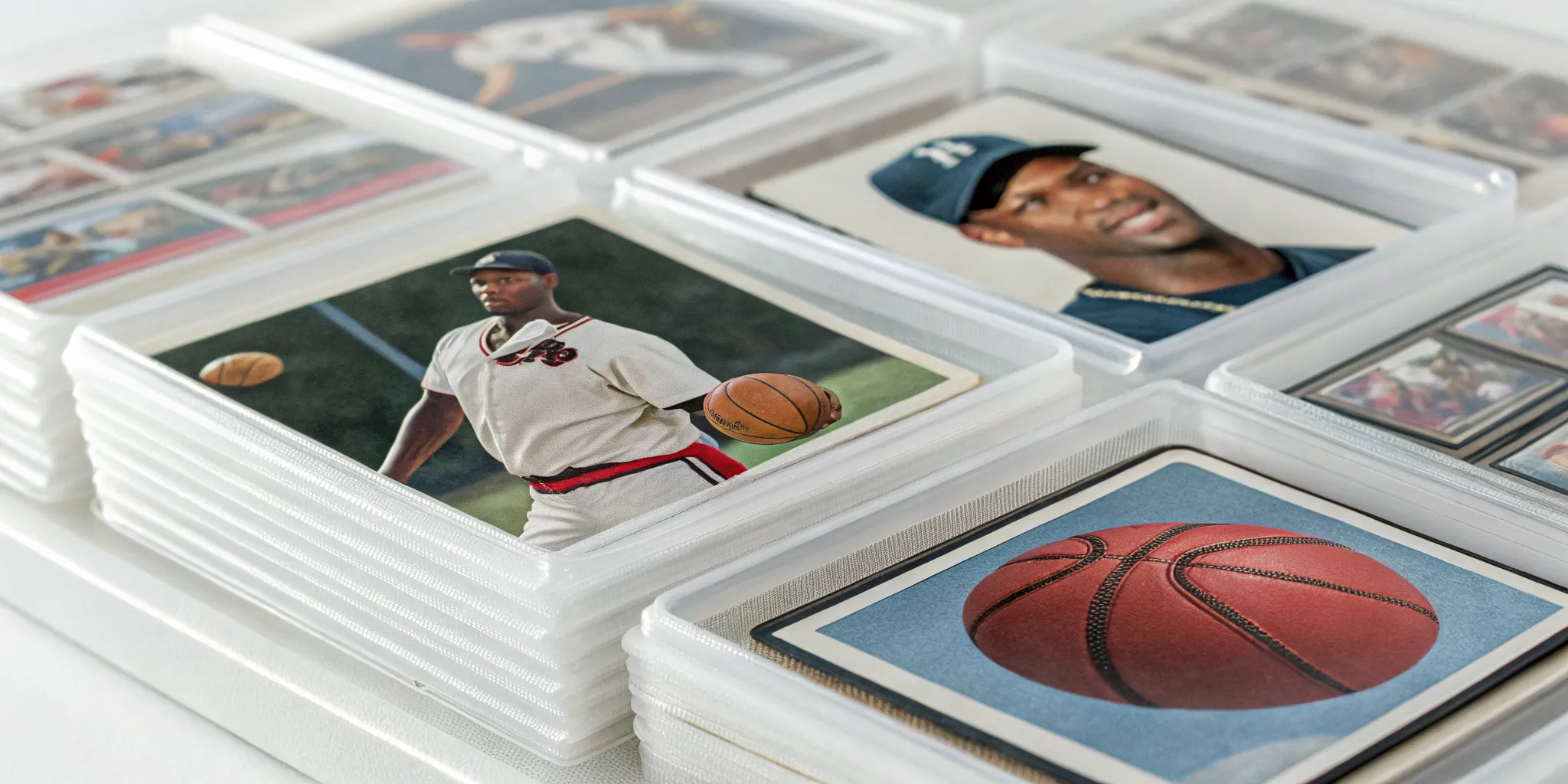
Getting a card’s value wrong is one of the most common and costly mistakes in the hobby. It’s easy to confuse a seller’s high asking price with a card’s actual market value, or to overlook a small flaw that drastically reduces its worth. Many collectors also get caught up in temporary hype, overpaying for a player whose prices are about to cool off. This guide is designed to help you avoid these pitfalls. We’ll walk through the essential steps for proper valuation and highlight the frequent errors that can trip you up, ensuring your approach to sports card pricing is both accurate and strategic.
Key Takeaways
- Focus on the four core value factors: A card's worth is determined by its condition, the player's status, its rarity, and current market demand. Mastering these four elements will help you accurately assess any card in your collection.
- Use multiple sources to find a card's true price: A single price guide doesn't tell the whole story. For the most accurate value, check what a card has recently sold for on marketplaces like eBay, not just what sellers are asking for.
- Professional grading can multiply a card's value: Getting a card graded provides a certified guarantee of its condition. This certainty is why collectors will pay a significant premium for high-grade cards compared to their ungraded counterparts.
What Makes a Sports Card Valuable?
Figuring out what a sports card is worth can feel like a puzzle, but it’s not as complicated as it seems. A card’s value isn’t based on just one thing. Instead, it’s a mix of four key factors: its physical condition, the player on the front, how rare it is, and what the market wants right now. Understanding these elements will help you get a much clearer picture of your collection’s true value and make smarter decisions, whether you’re buying, selling, or just enjoying the hobby. Let's break down each of these components so you know exactly what to look for.
Card Condition and Grade
The physical condition of a card is one of the most important factors in determining its value. A card in pristine, or "gem mint," condition will always be worth more than the same card with noticeable flaws. Professional sports card grading services assess cards on a numerical scale, usually from 1 to 10. They examine four main criteria: the centering of the image, the sharpness of the corners, the smoothness of the edges, and the quality of the surface. Even a tiny ding on a corner or a faint scratch can significantly lower a card's grade and, in turn, its price. That's why handling and storing your cards with care is so essential.
Player Popularity and Performance
It’s no surprise that the player on the card plays a huge role in its value. Cards featuring legendary athletes and Hall of Famers are consistently in high demand because their legacies are cemented in sports history. For current players, value is often tied directly to their performance. A breakout season, a championship win, or a record-breaking game can cause a player's card prices to spike. On the flip side, a slump or an injury can have the opposite effect. This is why rookie cards of future superstars are so sought after; they represent a bet on a player's potential to become one of the greats.
Rarity and Print Run
Basic economics applies to sports cards: the scarcer a card is, the more valuable it tends to be. Rarity is often determined by the card's print run, which is the total number of copies produced. In the late '80s and early '90s, companies printed massive quantities of cards, making most of them not very valuable today. Modern cards, however, often include short prints (SPs), super short prints (SSPs), and serial-numbered cards, which are intentionally produced in limited quantities. The rarest cards featuring top-tier players are often the holy grails for collectors, commanding the highest prices on the market.
Market Trends and Demand
The sports card market is lively and can change quickly. A card's value is ultimately decided by what someone is willing to pay for it, which is driven by collector demand. This demand can be influenced by many things, including player performance, media hype, team success, and even nostalgia. The sports card price guide shows that values can shift dramatically in just a matter of days. Because the market is so dynamic, doing your own research is key. Following trends can be exciting, but understanding the real demand behind a card will help you make sound investments and avoid buying into temporary hype that might not last.
How to Check Sports Card Values Online
Figuring out what your sports cards are worth is much easier now than it was in the past. Instead of flipping through a physical price guide that could be outdated by the time it hits shelves, you can find up-to-date values with just a few clicks. The key is knowing where to look and how to interpret the numbers you find. A single source might not tell the whole story, as prices can fluctuate daily based on player performance, market hype, and collector demand.
That's why it's smart to use a combination of tools to get the most accurate picture of your card's current market value. By looking at reliable price guides, analyzing recent sales data from marketplaces, and using handy mobile apps, you can build a complete understanding of what your collection is worth. This approach helps you see everything from long-term price trends to what a buyer just paid for that exact card yesterday. It’s about gathering different pieces of evidence to arrive at a confident valuation.
Use Reliable Price Guides
Online price guides are a great place to start your research. These websites compile sales data from across the internet to give you a solid estimate of a card's value. A comprehensive online database can show you prices for millions of cards, covering everything from baseball and basketball to Pokémon and Star Wars. These guides are especially helpful for getting a quick overview of a card's general worth and tracking its price history over time. They do the heavy lifting by gathering data, so you can get a baseline value without having to dig through individual sales listings yourself.
Analyze eBay's Sold Listings
For a real-time look at what people are actually paying for a card, there's no better place than eBay's sold listings. It’s important to look at what a card sold for, not what sellers are asking for it. An asking price can be anything, but a sold price is what the market truly decided the card was worth at that moment. You can filter your eBay search to show only "Sold Items" to see this data. For an even easier way to see this information, you can use tools that look up how much sports cards have sold for on sites like eBay, presenting the data in a clean, easy-to-read format.
Browse Trading Card Marketplaces
Dedicated trading card marketplaces are another excellent resource for pricing your cards. Websites like SportsCardsPro let you buy, sell, and keep track of your collection's value all in one place. Because these platforms are focused specifically on trading cards, their pricing data is often very accurate and reflects the current collector market. Many of these sites also offer their own price guides based on sales that happen directly on their platform. This gives you a focused view of how a card is performing among serious collectors and investors, which can be a valuable piece of the pricing puzzle.
Try Mobile Apps for Quick Checks
When you need to check a card's value on the go, a mobile app is your best friend. Whether you're at a card show, a local shop, or just sorting through a box of cards at home, an app lets you look up prices instantly. Many of the major price guide websites, including SportsCardsPro, offer mobile apps for both Apple and Android devices. These apps put a massive database of card values right in your pocket, making it simple to do quick research, compare prices, and make informed decisions about buying, selling, or trading without being tied to your computer.
How Does Professional Grading Affect Value?
If you’ve spent any time in the sports card world, you’ve heard the term “grading.” So, what’s the big deal? Professional grading is the process of sending your card to a third-party company to have its condition officially assessed, authenticated, and sealed in a protective case, often called a “slab.” This process removes all the guesswork about a card’s quality. Instead of just saying a card is in “good shape,” grading assigns it a specific numerical score, creating a universal standard for its condition.
This single number can have a massive impact on a card’s market value. A high grade from a reputable service acts as a guarantee of quality and authenticity, giving buyers the confidence to pay a premium. For collectors, it’s a way to preserve their most prized cards and maximize their investment. For sellers, it’s the key to commanding the highest possible price. Think of it as the difference between a casual claim and a certified fact. A professionally graded card tells a clear story about its condition, which is why it’s a cornerstone of the modern hobby.
Compare Grading Services: PSA, BGS, and SGC
When it comes to grading, not all services are created equal. The top players in the industry are Professional Sports Authenticator (PSA), Beckett Grading Services (BGS), and Sportscard Guaranty Corporation (SGC). Each has its own reputation and strengths.
PSA is widely considered the industry leader, especially if you’re looking for the highest resale value. A card in a PSA slab often commands top dollar. BGS is a very close second and is highly respected, particularly for its detailed subgrades on the back of the label, which rate the card’s individual attributes. Many collectors also love the premium look and feel of BGS slabs. SGC is another popular choice, known for its sharp black-and-white "tuxedo" slabs and quick turnaround times, making it a favorite for vintage cards. The best sports card grading company for you depends on your goals, whether it's maximizing profit, getting detailed feedback, or a speedy return.
Understand How Grading Scales Work
Grading might seem complex, but the core concept is simple. Most companies use a 10-point scale, where a 10 represents a flawless, or "Gem Mint," card. The final grade is determined by evaluating four key criteria: centering, corners, edges, and surface.
Centering refers to how well the image is framed by the card’s borders. Perfect centering is 50/50 from left to right and top to bottom. Corners should be sharp and crisp, with no dings or softness. Edges need to be smooth, without any chipping or rough spots. Finally, the surface is checked for any scratches, print defects, stains, or loss of gloss. A professional grader examines all these factors under magnification to assign the final, definitive grade.
Decide if Grading Is Worth the Cost
Getting a card graded isn’t free, so it’s smart to ask if the cost is justified. The short answer: it depends on the card. Grading is usually reserved for cards with significant potential value, like rookie cards of star players, rare inserts, autographs, or iconic vintage cards. For a common base card, the grading fee would likely be more than the card is worth.
Before sending a card in, do a little research. Look up the card’s approximate value "raw," or ungraded. Then, search for what that same card sells for in different graded conditions (e.g., a PSA 8, 9, or 10). If the potential value of a highly graded card far exceeds its raw value plus the grading fee, it’s probably a great candidate. Remember, PSA is still the king for maximizing resale value, but the choice is ultimately yours.
Know the Price Difference: Graded vs. Raw
The price gap between a raw card and a high-grade slabbed card can be staggering. A card that might sell for $50 raw could fetch hundreds, or even thousands, if it earns a Gem Mint 10 from PSA or BGS. Why the huge jump? It’s all about certainty. A buyer knows exactly what they’re getting with a graded card, eliminating the risk of overpaying for a card with hidden flaws.
This is especially true for the highest grades. The difference between a 9 (Mint) and a 10 (Gem Mint) can be enormous, as 10s are significantly harder to get. For example, a 1986 Fleer Michael Jordan rookie card graded PSA 8 might sell for around $8,000, while a PSA 10 can command over $200,000. The grade authenticates the card and quantifies its condition, turning a piece of cardboard into a certified asset with a much clearer market value.
How to Accurately Value Your Collection
Figuring out what your collection is worth requires more than a quick search. A card's value is a moving target, influenced by player performance, market trends, and its physical condition. To get a true sense of your collection's value, you need a clear and consistent process. It’s about building a complete picture, not just finding a single price tag. By taking a systematic approach, you can feel confident that you know the real market value of your cards.
This process involves four key steps. First, you need to get organized by cataloging every card you own. Think of it as a detailed inventory of your assets. Next, you'll learn to look at your cards with a critical eye to assess their condition, which is a huge factor in determining price. After that, you'll gather pricing data from several different places to find a realistic market value. Finally, you can use specialized tools to manage your inventory and track how its value changes over time. Following these steps will give you the knowledge to make smarter decisions, whether you're buying, selling, or just enjoying your collection.
Catalog Your Cards Correctly
Before you can value your collection, you need to know exactly what’s in it. Creating a detailed inventory is the best first step. You can use a simple spreadsheet or a dedicated website to build your catalog. For each card, record the essential information: the player's name, the year it was printed, the card number, and the set it belongs to. Don't forget to note any variations, like parallels or short prints, as these details can significantly impact a card's price. A well-organized catalog makes it much easier to track values and spot trends. Websites like SportsCardsPro offer free tools to help you list your cards and get an initial idea of their worth.
Assess Each Card's Condition
A card's physical condition is one of the most important factors in its value. Even a common card can be valuable in perfect condition, while a rare card with flaws will sell for much less. Buyers and professional graders focus on four key areas when they grade sports cards. First, check the corners to see if they are sharp and crisp. Next, examine the edges for any chipping or wear. Then, look at the centering of the image to see if the borders are even on all four sides. Finally, inspect the surface for any scratches, print defects, or stains. Being honest about your cards' condition will help you set realistic price expectations.
Cross-Reference Multiple Price Sources
Relying on a single price guide can give you a skewed view of a card's value. The sports card market is dynamic, so it's smart to check several sources to find an accurate price range. Start by looking at recently sold listings on eBay, not the asking prices. This shows you what buyers are actually willing to pay. Then, check prices on different trading card marketplaces and compare them with online price guides. Doing this research helps you understand the current market and avoid common collector mistakes, like overpaying for a hyped-up card or selling something for far less than it's worth. This extra step ensures your valuation is based on real-world data.
Use Tools to Track Your Collection's Value
Once you have your collection cataloged, you can use specialized tools to track its value over time. These platforms do the heavy lifting for you by pulling data from various marketplaces and sales records. They can show you historical price trends, which helps you see if a card's value is rising or falling. Many of these tools also function as a sports card price guide for a wide range of collectibles beyond sports, including Pokémon and other trading card games. Using a portfolio tracker gives you a live look at your collection's total worth, making it easier to manage your assets and identify the best times to buy or sell.
Common Sports Card Pricing Mistakes to Avoid
Getting an accurate price for your sports cards is a skill, and like any skill, it takes a bit of practice to get right. It’s easy to get tripped up by a few common pitfalls, especially when you’re just starting out. Knowing what to watch for can save you from overpaying for a new card or undervaluing a gem you already own. Let’s walk through some of the most frequent mistakes so you can price your collection with confidence and make smarter moves in the market.
Relying on Outdated Price Guides
The sports card market moves fast. A price that was accurate six months or a year ago might be completely off today. Relying on old Beckett magazines or dusty price books you found in the attic is a surefire way to misjudge a card’s value. The same goes for old blog posts or forum threads. These resources can be fun for historical context, but they aren’t reliable for current pricing. Always use up-to-the-minute data from online price guides and recent sales to get a true picture of what your cards are worth right now. This helps you set realistic expectations and avoid costly errors.
Confusing Asking Price with Sold Price
This is one of the biggest traps for new collectors. You might see a card listed on eBay for $500 and assume that’s its value. However, an asking price is just what a seller hopes to get. The real value is reflected in what people are actually paying. Many common mistakes new collectors make stem from this misunderstanding. Before you buy or sell, always filter your search on marketplaces to show only completed and sold items. This simple step gives you a much more accurate baseline for a card’s current market price.
Ignoring a Card's Condition
You could have a rookie card of the greatest player of all time, but if it has creased corners, a scuffed surface, and poor centering, its value will plummet. Condition is one of the most critical factors that determine a card's value. Even minor imperfections can be the difference between a card worth a few dollars and one worth thousands. This is why professional grading is so important in the hobby. Always inspect a card’s condition carefully under good lighting. If you’re buying online, look for high-resolution photos and don’t be afraid to ask the seller for more details.
Following Hype Without Doing Your Research
It’s easy to get caught up in the excitement when a player is having a breakout season or when a new product drops. Hype can cause card prices to spike temporarily, but these values often don’t last. Investing in a player based on a short-term hot streak can lead to buying at the peak and losing money when the market corrects. Instead of chasing trends, focus on understanding the fundamentals. Look at a player's career potential, the card's rarity, and historical market data. Thorough research will always serve you better than following the crowd.
Where to Find the Best Sports Card Deals
Finding great deals on sports cards is all about knowing where and when to look. While luck plays a part, a smart strategy can significantly stretch your budget and help you land the cards you really want. Whether you're hunting for a specific rookie card or just love the thrill of the chase, there are several avenues you can explore to find valuable cards without overpaying. From timing your buys on popular marketplaces to trying out new ways to collect, the key is to be patient and do your homework. Let's get into some practical ways you can score the best deals for your collection.
Time Your Online Marketplace Purchases
Online marketplaces like eBay are treasure troves, but they can also be overwhelming. The secret to getting a good deal is timing. Prices for a player's cards often dip during their offseason when they aren't in the headlines. This is a great time to buy. Pay close attention to the card's condition in the listings, looking at the four key elements: corners, edges, centering, and surface. A seller might list a card at a lower price if it has minor flaws, which could be a great deal if you're not aiming for a perfect grade. By being patient and strategic, you can find high-quality cards when demand is low.
Explore Digital Packs and Mystery Boxes
If you love the excitement of opening a pack, you should check out digital options. Platforms like Packz offer digital mystery packs that give you the same thrill of discovery from your computer or phone. These packs can be a cost-effective way to acquire high-value cards, including rare finds and cards of Hall of Fame players that are otherwise hard to come by. The advantage here is the instant gratification and the potential to pull a major card at a fraction of the price you might pay for a single, graded card at auction. It’s a fun and modern approach to building your collection.
Master Your Auction Bidding Strategy
Auctions are a fantastic way to get cards at a fair market price, but it's easy to get carried away. The most important thing you can do is research sold listings for the card you want before you even place a bid. This gives you a clear idea of its current value. Set a maximum price you're willing to pay and stick to it. A common tactic is "sniping," or placing your bid in the final seconds of the auction to avoid a prolonged bidding war that drives up the price. A cool head and a clear strategy will almost always win you a better deal than bidding with emotion.
Look for Seasonal Deals
The sports card market has its own seasons. As mentioned, a player's offseason is often the best time to buy their cards. Similarly, the market can cool down during major holidays or summer vacation periods when people are busy and spending their money elsewhere. Paying attention to these seasonal trends can help you identify buying opportunities. By purchasing cards when fewer people are looking, you face less competition and can often secure cards for a lower price. This requires patience, but it’s a reliable way to build a valuable collection without breaking the bank.
Related Articles
Frequently Asked Questions
I found some old sports cards. How do I know if I have something valuable? That's the million-dollar question. A card's value comes down to a mix of four things. First, who is the player? Cards of legendary athletes and Hall of Famers are usually a good start. Second, what is its condition? A card with sharp corners and a clean surface is always worth more than one that's beat up. Third, is it rare? Limited edition cards or rookie cards from key players are often more valuable than common ones. Finally, what's the current demand? A player having a great season can cause their card prices to jump.
When is it actually worth it to pay for professional grading? Grading isn't for every card because it costs money. It's best reserved for cards that already have significant potential value, like a rookie card of a superstar, a rare vintage card, or a limited-print modern card. A good rule of thumb is to look up what the card sells for ungraded, or "raw," and then see what it sells for with a high grade. If the potential increase in value is much higher than the cost of grading, it's likely a smart move.
What's the most reliable way to find a card's current price without getting it wrong? The most important thing is to look at what a card has actually sold for, not what sellers are asking for it. The best place to find this information is by filtering for "Sold Items" on eBay. This shows you what people are willing to pay right now. To be even more confident, you can compare those sold prices with data from online price guides and dedicated card marketplaces. Using a few different sources gives you a much more accurate picture of a card's true market value.
I have a big collection. What's the best way to start organizing it to figure out its total value? The best way to begin is by creating an inventory. You can use a simple spreadsheet or a collection management website to catalog what you have. For each card, you'll want to note the player, year, card company, and card number. Once you have this list, you can start looking up prices for individual cards. Many online tools can then help you track your collection's total value as the market changes over time.
Besides eBay, are there other smart ways to find good deals on cards? Absolutely. One of the best strategies is to buy cards during a player's offseason when there's less hype and demand is lower. You can also explore different ways to collect, like trying digital mystery packs. These can be a fun and cost-effective way to find high-value graded cards that might be very expensive to buy as singles. Being patient and looking for opportunities when others aren't paying attention is a great way to build your collection.
Recommended Reading

Cash for Graded Sports Cards: The Fastest Ways to Sell
Get cash for graded sports cards faster. Compare auction houses, marketplaces, and instant buyback options to pick the route that fits your timeline.
How to Compare Value in Sports Card Packs
Learn how to compare sports card packs using card quality, available pulls, pricing clarity, and Packz’s 100% buyback option.
How to Buy Pokemon Packs Online for Ripping
Ready to buy pokemon packs online for ripping? Get transparent pack value and clear pull odds so you never overpay for the thrill of the hunt. Start collecting safely.