
January 22, 2026
7 Key Card Market Trends Collectors Should Know
Stay ahead with these 7 card market trends every collector should know, from vintage demand to digital packs and the rise of women’s sports cards.
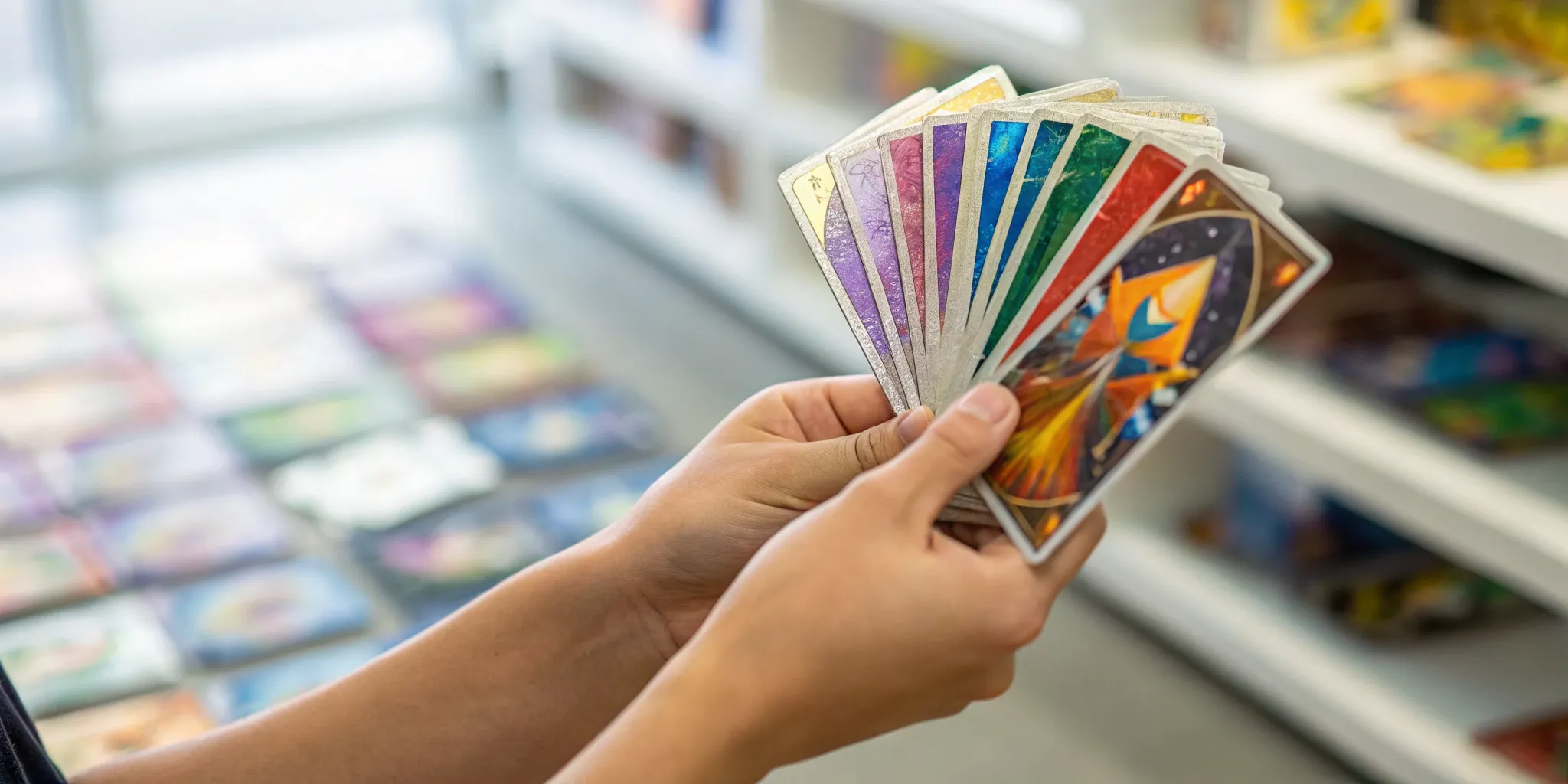
The trading card hobby is bigger and more inclusive than ever before. A new generation of collectors is joining the community, while interest is expanding far beyond traditional sports into areas like F1, women's basketball, and even entertainment. This growth makes it an incredibly exciting time to be a collector, but it can also feel complex. With so much happening, how do you know where to focus? Staying informed about the key card market trends is the best way to make sense of it all. This guide is designed to break down the most significant movements in the hobby, helping everyone from beginners to seasoned pros understand the current state of the card world.
Key Takeaways
- The Card Market is Bigger and More Diverse Than Ever: The hobby is seeing massive growth, with new collectors and expanding interest in areas like women's sports, F1, and vintage cards. This creates fresh opportunities to find your niche and collect what you're passionate about.
- Use Technology to Enhance Your Collecting Experience: Digital platforms offer incredible convenience with online packs and instant buybacks, while live breaks build community. Use these tools to access more cards and connect with other fans in new ways.
- Prioritize Rarity Over Hype for Long-Term Value: The market is maturing, and savvy collectors are focusing on scarce cards rather than mass-produced modern hits. Check population reports and consider a card's true rarity to build a collection that can weather market ups and downs.
What Are the Top Trends in the Card Market?
If you’ve noticed more buzz around trading cards lately, you’re not imagining things. The hobby is experiencing a major resurgence, driven by a mix of nostalgia, new technology, and a fresh wave of collectors. Whether you’re just getting back into collecting or have been at it for years, understanding the current landscape is key to making smart moves. The market is more dynamic than ever, with a few key trends shaping what people are buying, selling, and holding onto. From explosive market growth to a renewed love for vintage classics, here’s what you need to know about the state of the card world right now.
A Market Projected to Hit $23 Billion
The numbers don't lie: the trading card hobby is booming. The sports card market is currently valued at over $11.5 billion and is projected to more than double to nearly $24 billion by 2034. This isn't just a fleeting trend; it's a sign of sustained, long-term growth. For collectors, this indicates a healthy and expanding ecosystem where the assets you hold have a strong potential to retain or increase their value. This incredible growth is fueled by both seasoned collectors reinvesting in the hobby and new enthusiasts discovering the thrill of the chase for the first time, creating a vibrant and active marketplace for everyone involved.
Younger Collectors Are Entering the Game
One of the most exciting developments for the future of the hobby is the influx of new, younger collectors. At major events like The National, it’s estimated that at least a quarter of the attendees are young people, bringing fresh energy and new perspectives to the community. This new generation grew up with the internet, so they are naturally drawn to digital platforms, online communities, and innovative ways to collect, like digital packs. Their involvement is crucial because it ensures the hobby will continue to thrive for decades to come, blending traditional collecting with modern technology and creating a more inclusive and forward-thinking community.
The Growing Appeal of Vintage Cards
While the latest rookie cards always generate excitement, there’s a powerful trend pulling collectors back in time. Many are shifting their focus to vintage cards, particularly rare finds from the 1990s. It’s not uncommon to see someone sell a high-value modern card to acquire an older one they’ve always wanted. This movement is driven by a powerful sense of nostalgia and a desire to own a piece of sports history. Rare basketball cards from iconic eras are especially hot, as collectors seek out the legends they grew up watching. These cards are often harder to find in top condition, making the hunt—and the find—that much more rewarding.
What’s Fueling the Growth in Card Collecting?
The trading card market isn't just growing; it's exploding. But what’s behind this massive resurgence? It’s a mix of old-school feelings and new-school technology. From the simple joy of rediscovering a childhood hobby to the strategic appeal of cards as a new asset class, several key factors are drawing more people into the world of collecting. The hobby is also becoming more inclusive and accessible than ever before, creating a perfect storm for its current boom.
The Power of Nostalgia
For many collectors, it all comes back to one thing: nostalgia. Remember the thrill of tearing open a fresh pack, hoping to find your favorite player? That feeling is a powerful driver bringing people back to the hobby. It’s a way to reconnect with a simpler time and share a piece of your childhood with a new generation. This return to the hobby isn't just about reliving memories; it's about experiencing that same excitement all over again. Many people are drawn to collecting because it reminds them of the pure fun they had opening packs as kids.
Cards as Alternative Investments
Trading cards are no longer just for fun—they’ve become a legitimate alternative investment. With the stock market's ups and downs, many are looking for tangible assets to diversify their portfolios, and sports cards fit the bill perfectly. Rare cards have shown they can hold, and even increase, their value over time, sometimes outperforming traditional investments. This has attracted a new type of collector who is just as interested in a card's potential return as its history. More people now view sports cards as a serious way to invest their money.
The Rise of Women's Sports Cards
One of the most exciting trends is the massive growth in women's sports cards. For years, this part of the market was overlooked, but that has completely changed. Athletes like Caitlin Clark are not only dominating their sports but are also making waves in the hobby, with their rookie cards selling for record-breaking prices. This surge in interest is bringing new fans and collectors into the fold and creating a more inclusive market. The demand for cards featuring female athletes is a brand new and exciting part of the hobby, signaling a major shift in what collectors value.
How Technology Makes Collecting Easier
Technology has completely transformed the way we collect. Online marketplaces and digital packs make it possible to buy, sell, and trade cards from anywhere in the world, at any time. Innovations like blockchain are also adding a new layer of security by helping to verify a card's authenticity and ownership history. Plus, the rise of live breaks on platforms like YouTube and Twitch has turned collecting into a shared, community-driven experience. This blend of physical and digital has made the hobby more accessible and engaging than ever, creating a global phenomenon that connects collectors in real time.
Which Cards Are Hottest Right Now?
The card market is always moving, with certain players, eras, and even entire sports catching fire. If you’re looking to rip open a pack and find something with serious heat, it helps to know what’s currently in demand. From vintage classics making a comeback to new categories gaining steam, here are the trends driving the market.
The Enduring Demand for '90s Basketball
There’s a special kind of magic to '90s basketball cards. For many collectors, this era represents the golden age of the sport, featuring legends like Michael Jordan, Shaquille O'Neal, and Kobe Bryant. This nostalgia is a powerful force in the market. In fact, some collectors are even selling off their newer, high-value cards just to get their hands on the rare '90s gems they’ve always wanted. It’s a trend that shows how much personal connection and passion influence the sports card market. These aren't just investments; they're pieces of history that collectors are eager to own.
Women's Sports Cards See Major Growth
One of the most exciting shifts in the hobby is the explosive growth of women's sports cards. Athletes like Caitlin Clark are not just breaking records on the court; they're shattering them in the card market, with some of their cards selling for massive sums. This isn't just a fleeting moment—it's a whole new frontier for collectors. The rise of the WNBA, women’s soccer, and other leagues is bringing fresh energy and new fans into the hobby. According to industry leaders, this is a brand new and thrilling part of collecting, creating opportunities to get in on the ground floor of a rapidly expanding market.
Why High-End Vintage Cards Fetch Top Dollar
You’ve probably heard stories about iconic cards, like a Michael Jordan rookie, selling for astronomical prices. These "grail" cards are the pinnacle of the hobby, and they're seeing a lot of action right now. When one of these high-end vintage cards sets a new price record at auction, it creates a ripple effect. Owners of similar cards often decide it's the right time to sell, leading to more of these legendary cards hitting the market. This cycle keeps the high-end vintage scene active and exciting, proving that the most iconic cards from the past continue to be some of the most sought-after assets in the present.
The New Wave: F1 and Other Sports
The trading card world is expanding far beyond the traditional "big four" American sports. Formula 1 cards, once a niche interest, have raced into the mainstream. The F1 market is maturing, with collectors now looking beyond just the top superstars and showing interest in a wider range of drivers. But it doesn't stop there. Cards for tennis stars like Carlos Alcaraz and athletes from the WNBA are also gaining serious traction. This diversification is great for the hobby, bringing in new fans and creating more avenues for everyone to collect what they love. It shows that no matter your passion, there’s likely a card market for it.
How Is Technology Changing the Hobby?
Technology has completely transformed the trading card hobby from a simple pastime into a dynamic, global marketplace. It’s not just about making things easier; it’s creating entirely new ways to collect, trade, and connect with other fans. From the thrill of opening digital packs on your phone to using advanced tech to verify a card’s authenticity, the digital shift is making the hobby more accessible and exciting than ever. Let's look at some of the biggest ways technology is shaping the future of card collecting.
The Rise of Digital Mystery Packs
Imagine the rush of ripping open a fresh pack of cards, but without leaving your couch. That’s the appeal of digital mystery packs. These platforms let you buy and open packs online, revealing your cards instantly. It’s a game-changer because you get all the excitement of the hunt for a rare pull anytime, anywhere. For many collectors, this removes the hassle of storing stacks of base cards you don’t want. Instead, you can choose to have only your best hits shipped to you or even sell the cards back instantly. This digital approach to collecting combines the classic thrill of the hobby with the convenience of modern tech.
Using Blockchain to Verify Authenticity
With valuable cards selling for millions, proving a card is the real deal is more important than ever. This is where blockchain technology comes in. Think of it as a super-secure digital receipt that proves who owns a card and confirms it’s authentic. This technology creates a permanent, unchangeable record of a card's history, which helps fight against fakes and fraud. Some platforms are even creating digital versions of physical cards, or "digital twins," that can be traded online with complete confidence. This use of blockchain is building a new layer of trust and security for collectors, whether they're trading physical cards or their digital counterparts.
The Culture of Live Breaks
If you’ve ever scrolled through YouTube or Twitch, you’ve probably seen a live break. This is where a host opens boxes and packs of cards live on stream for an audience of buyers. People can buy a spot in the break, claiming a specific team or a random slot, and then watch in real-time to see what cards are pulled for them. It’s more than just opening cards; it’s a shared experience. These live pack openings create a huge sense of excitement and community, as everyone cheers for big hits together. The instant reactions and engagement capture the communal spirit of the hobby and bring it online for everyone to enjoy.
How Grading Services Influence Value
Why is one Charizard card worth $50 while another sells for $50,000? The answer is often professional grading. Companies like PSA and BGS assess a card’s condition, checking for things like corner sharpness, centering, and surface quality. They then encase the card in a protective slab with a grade from 1 to 10. This process does two things: it authenticates the card and assigns it a condition-based value. A high grade from a reputable service can dramatically increase a card's worth, providing a clear and trusted standard for buyers and sellers. For anyone serious about collecting, understanding the impact of grading is essential for making smart investments.
What Challenges Should Collectors Know About?
While the card collecting hobby is more exciting than ever, it’s smart to go in with your eyes open. Like any market, it has its share of challenges that can trip up even experienced collectors. Knowing what to look out for can help you make better decisions, protect your investment, and keep the fun in the hobby. From spotting fakes to understanding why that hot new card might not hold its value, here are a few key hurdles to be aware of.
Spotting Fakes and Avoiding Fraud
Unfortunately, where there’s money, there are often fakes and scams. The card market is no exception. As the hobby has grown, so have the attempts to pass off counterfeit cards or run fraudulent sales. Recent fraud cases highlight just how important it is to know who you’re buying from. The best way to protect yourself is to purchase from trusted sources, especially when you’re dealing with high-value cards. Verifying authenticity through professional grading services is another key step to ensure you’re getting the real deal and not a convincing knock-off. Building your collection on a foundation of trust is essential.
Understanding Market Volatility
The sports card market can feel like a rollercoaster at times. Prices for certain players or sets can shoot up based on a great season, a documentary release, or a surge in hype, only to cool off just as quickly. We're currently seeing a market 'reset' where some sellers are offloading cards at lower prices. This volatility isn't necessarily a bad thing—it can create amazing buying opportunities for collectors who are patient and do their research. Just remember that values aren't guaranteed to go up forever. Thinking long-term and collecting what you love is always a solid strategy to weather the market's natural ups and downs.
The High Cost of Entry
If you’ve tried to buy a hobby box or a sought-after single recently, you know that prices can be steep. The boom in collecting has driven up the cost of many products, making it feel difficult for new collectors or those on a tight budget to get started. This high cost of entry can be discouraging, but it doesn’t have to be a barrier. You don’t need a five-figure card to be a serious collector. Focusing on your favorite players, exploring less-hyped sets, or trying out digital packs can be great ways to participate in the hobby without breaking the bank. It’s all about finding the entry point that works for you.
Why Some Modern Cards Are Losing Value
It’s easy to assume that a brand-new, shiny card of a star player is a guaranteed winner, but that’s not always the case. Many modern cards are produced in massive quantities, and a high population of a specific card often leads to a decline in value over time. This is a classic case of supply and demand. When a card is easy to find, its long-term value is less secure than that of a rare vintage card or a modern card with a limited print run. This doesn’t mean you should avoid modern cards, but it’s a good reminder to check population reports and consider rarity when you’re thinking about a card’s future potential.
Are Digital Mystery Packs the Future?
The way we collect cards is changing, and technology is leading the charge. While nothing will ever replace the feel of a fresh pack in your hands, digital mystery packs are carving out a significant space in the hobby for some very good reasons. They offer a new layer of convenience, excitement, and access that complements the traditional collecting experience. Instead of replacing local card shops, this digital shift is expanding the ways we can engage with the cards we love.
For many collectors, digital packs solve some of the biggest hurdles in the hobby, like finding specific products or having the time to visit a store. They also introduce new dynamics, like instant buybacks, that add a strategic element to ripping packs. It’s a model that blends the classic thrill of the unknown with the speed and accessibility of the internet. This evolution isn’t about leaving the physical hobby behind; it’s about using technology to enhance it, making it easier than ever to chase down your grail cards and build your dream collection.
Get Cards Anytime, Anywhere
One of the biggest advantages of digital mystery packs is pure accessibility. Your ability to find and open packs is no longer limited by your local shop’s inventory or operating hours. Whether you’re on your lunch break or up late at night, you can get your hands on the latest packs right from your phone or computer. This is a huge deal for collectors in areas without a dedicated card shop. The digital transformation of hobbies means you can participate and grow your collection from literally anywhere, ensuring you never miss out on a hot release.
The Thrill of Instant Buybacks
Let’s be honest—a huge part of the fun is the surprise of what’s inside the pack. Digital platforms amplify this excitement with instant gratification. When you pull a major hit, the rush is immediate. But what about the cards you don’t want for your personal collection? Instead of letting them pile up in a box, many digital pack services offer an instant buyback option. You can sell the card back immediately for account credit and use it to open more packs. This feature turns every pack opening into a dynamic experience, adding a layer of strategy and keeping the thrill going without the hassle of listing and selling cards yourself.
Connecting Your Physical and Digital Collections
A common misconception is that digital packs mean you only get a digital image of a card. In reality, the best platforms are designed to bridge the gap between your online and offline collections. When you open a digital pack, you’re revealing a real, physical card that you own. From there, you can choose to have it shipped directly to your door. This model gives you the best of both worlds: the 24/7 convenience of a digital platform and the tangible reward of adding a physical card to your binder. It’s a seamless way to integrate technology into your collecting without sacrificing the core of what makes the hobby great.
How Does Grading Affect a Card's Value?
Getting a card graded is like having it professionally appraised. A third-party company examines your card for authenticity and condition, assigning it a score, usually on a 1 to 10 scale. This single number can be the difference between a card that’s worth a few bucks and one that’s worth thousands. Grading provides a universal standard for quality, which is why it’s become a cornerstone of the modern hobby. It removes the guesswork and gives both buyers and sellers a clear understanding of a card's condition and, by extension, its market price. For serious collectors, an ungraded card is a question mark, while a graded card is a statement.
Why a High Grade Means a High Price
In the world of collectibles, condition is everything. A high grade, like a PSA 10 Gem Mint, certifies that a card is in virtually perfect condition. This is why collectors are willing to pay a massive premium for top-graded cards. Think of two identical rookie cards: one has soft corners and a slightly off-center image, while the other is flawless. The flawless one will always command a higher price because it's rarer and more desirable. This system creates a clear link between a card's physical state and its financial worth, a reality that has led to some collectors facing accusations of fraud when trying to pass off altered cards as mint.
Using Pop Reports to Your Advantage
Here’s a pro tip: always check the population report. A "pop report" is a census of every card a company has graded, showing how many received each specific grade. This data is your secret weapon for understanding true rarity. For example, if thousands of a certain card have been graded, but only five have ever received a PSA 10, you know that a Gem Mint version is incredibly scarce. This scarcity drives up the value. By studying these reports, you can make smarter buying decisions and identify cards that might be undervalued based on their low population of high grades. It’s a key piece of research for any collector looking to build a valuable collection.
How Tech Is Improving the Grading Process
As card values have soared, so have attempts to cheat the system. Practices like trimming edges or altering surfaces to hide flaws have become a major concern. If not caught, these alterations can artificially inflate a card's grade and price. Thankfully, grading companies are fighting back with technology. They now use high-resolution imaging, AI, and other advanced tools to detect even the slightest modifications. This tech helps maintain the integrity of the grading process and protects collectors from buying doctored cards. As the industry confronts these allegations of card doctoring, technology is becoming essential for ensuring a fair and transparent market for everyone.
What Is the Influencer Effect on Card Trends?
It’s no secret that a recommendation from the right person can make a product fly off the shelves. The trading card world is no different. Influencers, content creators, and celebrities have a massive impact on which cards become hot and which ones stay cool. They can turn a little-known rookie card into a chase card overnight or reignite interest in a vintage set. This digital word-of-mouth shapes what collectors are looking for and what they’re willing to pay. Understanding this effect is key to staying on top of market trends and making smart moves with your collection.
How Social Media Shapes Demand
Social media platforms like Instagram, TikTok, and YouTube are the new town square for card collectors. When an influencer pulls a massive card and posts the video, it can create an instant surge in demand. Suddenly, everyone wants to get their hands on that same pack or player. This visibility is a major reason why the trading card market is growing so quickly. A single viral post can introduce thousands of new people to the hobby and dictate which cards are trending. Following creators who share their collecting journey is a great way to see what’s gaining traction and discover cards you might have otherwise overlooked.
Building Community Through Live Breaks
If you’ve ever felt the rush of opening a pack, imagine sharing that moment with hundreds of other people. That’s the magic of live breaks. Creators stream themselves opening boxes of cards on platforms like Twitch and YouTube, with viewers often buying into the break for a chance at a rare pull. These events are pure entertainment, creating a powerful sense of excitement and community as everyone watches together. People tune in to see if they’ll get a rare card, turning a solitary hobby into a shared, interactive experience. It’s this blend of anticipation and community that makes live breaks one of the most popular ways to engage with the hobby today.
When Celebrities Join the Hobby
When celebrities and pro athletes get into card collecting, it brings a whole new level of attention to the market. It’s not just Logan Paul and his million-dollar Pokémon cards; active players are also getting in on the action. A few years ago, only a handful of baseball players were known collectors, but now that number is around 150. When a star athlete shows off their personal collection or talks about their favorite cards, it validates the hobby for a mainstream audience. This can cause prices for specific players or sets to jump as fans and new collectors rush to follow their lead, adding another exciting dynamic to the market.
What's Next for the Card Market?
The trading card world is always moving, and if you’re a collector, staying aware of the trends is part of the fun. The good news is that the hobby is healthier and more dynamic than ever, with new collectors joining every day and fresh opportunities appearing all the time. The market isn't just growing; it's evolving. We're seeing new types of cards gain traction, a wider range of athletes and entertainers getting their own cardboard, and a smarter, more focused approach from collectors. Understanding these shifts can help you decide where to focus your energy and your collection next. It’s an exciting time to be in the hobby, with plenty of room for everyone to find their niche.
New Sports and Entertainment Cards to Watch
The definition of a "trading card" is getting a whole lot bigger. While the classics will always have their place, the market is expanding to include athletes and entertainers who are capturing the public's attention right now. We're seeing a huge surge in interest for women's sports cards, especially from the WNBA, as well as newer sports like F1 racing. But it doesn't stop there. The hobby is attracting a new generation of fans with cards featuring everything from top esports players and influencers to music superstars and characters from popular TV shows. This exploding trading card market means more variety and new avenues for everyone to explore.
The Global Growth of Card Collecting
The card collecting hobby is experiencing incredible growth on a global scale. The numbers speak for themselves: the sports card industry was recently valued at over $11.5 billion and is on track to more than double, potentially reaching over $23.6 billion by 2034. This isn't just a fleeting trend; it's a sign of a robust and expanding market. For collectors, this growth is fantastic news. It means a bigger community, more innovation from card manufacturers, and a greater potential for your collection to hold its value over time. The sports card market trends show a sustained interest that makes the future of the hobby look very bright.
What a More Mature Market Looks Like
As the market grows, collector habits are also becoming more sophisticated. We're seeing a clear shift away from hoarding common, mass-produced modern cards. Instead, collectors are focusing their attention on what truly matters: rarity and historical significance. This is what a more mature market looks like. Interest is also broadening beyond just the handful of top superstars to include a wider range of athletes and personalities who have dedicated fanbases. Many collectors are selling off their common modern cards, which might actually create a healthier market in the long run by establishing a true floor for card values. This trend shows that collectors are becoming more discerning, which is a positive sign for the hobby's long-term stability.
Related Articles
- Where to Sell Trading Cards Near Me (And Online) | Packz Blog
- Best Places to Sell Trading Cards for Cash | Packz Blog
- Best Pokémon Card Price Checkers: Find the Right Tool | Packz Blog
Frequently Asked Questions
With prices so high, is it still a good time to get into card collecting? Absolutely. While it’s true that some high-end cards grab headlines with record-breaking prices, the hobby has countless entry points. The market's overall growth is a sign of a healthy and active community, which is great for everyone involved. You don’t need a massive budget to start; you can focus on collecting your favorite players, explore cards from emerging sports, or try digital packs to get started without a huge upfront cost. The key is to find the part of the hobby that you genuinely enjoy.
Should I focus on vintage cards or modern cards? This really comes down to your personal collecting goals. Vintage cards, especially from the '90s, are in high demand because they connect collectors to the players they grew up watching. They offer a piece of sports history. Modern cards provide the excitement of chasing the next big superstar and feature incredible designs and rare parallels. Neither is better than the other, but both require an eye for rarity and condition to be considered a good long-term hold.
What's the main advantage of opening digital packs instead of just buying physical ones? The biggest advantage is the combination of convenience and strategy. You can open packs from anywhere at any time, which is perfect if you don't live near a card shop. Plus, features like instant buybacks change the game. Instead of getting stuck with a stack of base cards you don't want, you can sell them back for credit on the spot and keep the fun going. It streamlines the experience so you can focus on the thrill of the hunt and building the collection you actually want.
Are women's sports cards just a temporary trend? All signs point to this being a significant and lasting expansion of the hobby. The interest in women's sports cards isn't happening in a vacuum; it's growing alongside the popularity of leagues like the WNBA and the rise of superstar athletes who are capturing mainstream attention. This has brought a wave of new and passionate fans into collecting, creating a robust market that is here to stay. It represents a fundamental and exciting shift in what the collecting community values.
How can I avoid buying a fake or doctored card? This is one of the most important things to be mindful of as a collector. The simplest rule is to always buy from reputable sources, whether it's a trusted online platform or a local shop with a solid history. For any high-value card, professional grading is your best defense. A card graded and sealed in a slab by a company like PSA or BGS has been verified as authentic, which gives you peace of mind and protects your investment.
Recommended Reading
Cash for Graded Sports Cards: The Fastest Ways to Sell
Get cash for graded sports cards faster. Compare auction houses, marketplaces, and instant buyback options to pick the route that fits your timeline.
How to Compare Value in Sports Card Packs
Learn how to compare sports card packs using card quality, available pulls, pricing clarity, and Packz’s 100% buyback option.
How to Buy Pokemon Packs Online for Ripping
Ready to buy pokemon packs online for ripping? Get transparent pack value and clear pull odds so you never overpay for the thrill of the hunt. Start collecting safely.