
April 22, 2026
Centering Tool for Cards: A Complete Beginner's Guide
Find out how a centering tool for cards helps you measure card borders, improve grading results, and make smarter decisions about your trading card collection.
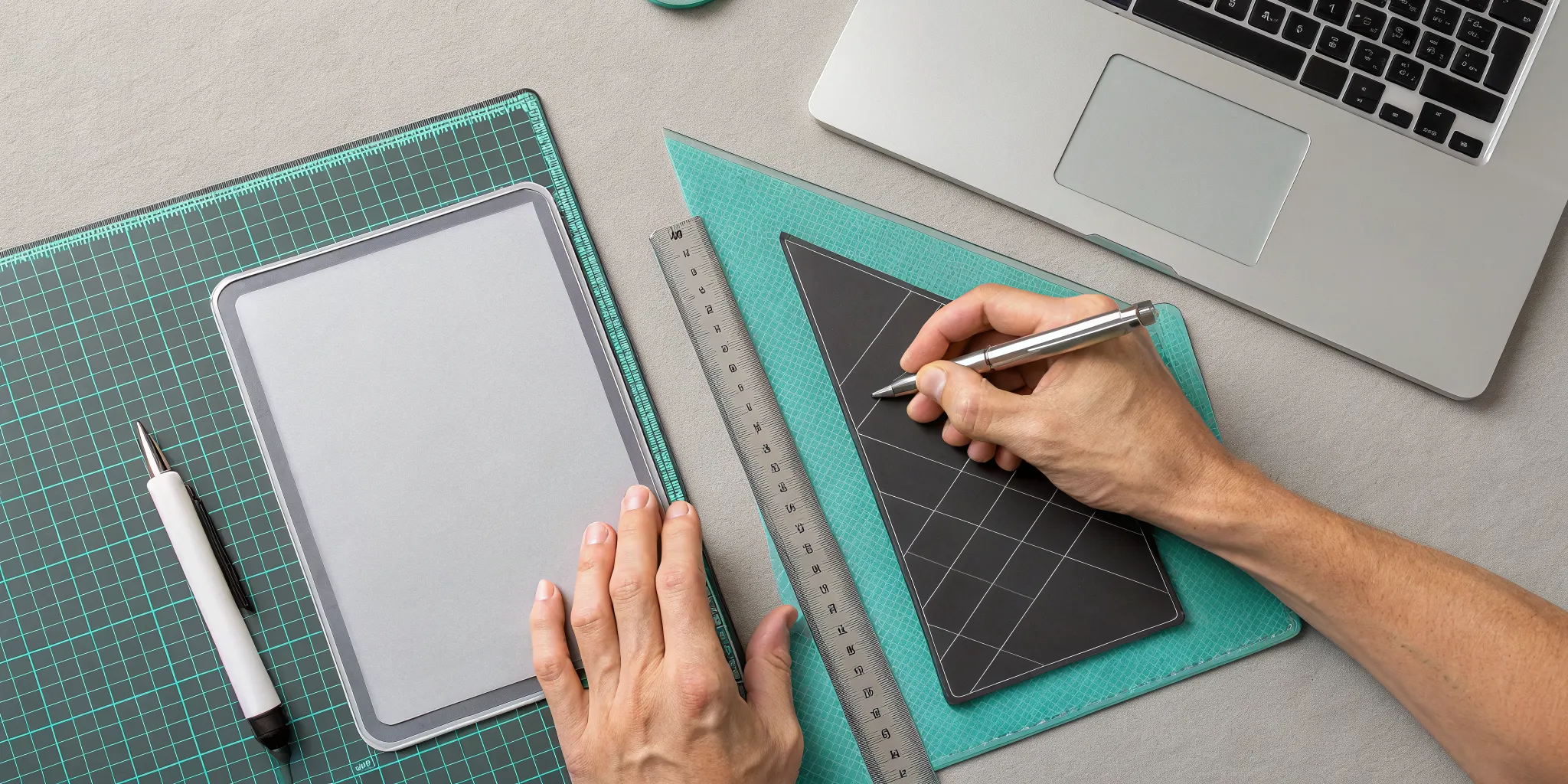
There’s nothing more disappointing than waiting weeks for a graded card to return, only to find it scored lower than you expected. You checked the corners, surface, and edges, so what went wrong? Often, the culprit is centering. It’s a tricky detail to judge with the naked eye, and professional graders are ruthless about it. This common frustration is why so many collectors now rely on a centering tool for cards to pre-screen their submissions. It takes the guesswork out of the equation, giving you a clear, objective measurement. This article will walk you through why centering is so important and how using a tool can save you from that grading day disappointment.
Key Takeaways
- Pre-screen cards to save money on grading: Use a centering tool to identify which cards have the best shot at a high grade. This simple step helps you avoid spending money submitting cards that are unlikely to score well due to poor centering.
- Choose a tool that gives you the full picture: The most effective tools let you measure both the front and back, make manual adjustments for precision, and compare your findings against the official standards of grading companies.
- Accurate measurements depend on good technique: For a reliable reading, always start with a clean card and work in a well-lit area to prevent shadows. Taking a moment to carefully align your tool ensures you get results you can trust.
What Is a Card Centering Tool?
A card centering tool is exactly what it sounds like: a handy gadget or app designed to measure how well-centered the artwork on your trading card is. Think of the borders around the main image on your favorite Pokémon or sports card. Ideally, they should be perfectly even on all four sides. When they are, the card has great centering, which is a huge factor in professional card grading and can seriously impact its value. A perfectly centered card is more visually appealing and is considered a better-quality print by grading companies like PSA and BGS.
These tools take the guesswork out of eyeballing your cards. Instead of just hoping for the best when you send a card off to be graded, a centering tool gives you a precise measurement. This helps you understand a card's potential grade before you even think about spending money on submissions. They come in a few different forms, from physical rulers you place over your card to slick digital apps on your phone. Each type has its own way of getting the job done, but the goal is always the same: to give you a clear, accurate picture of your card's centering so you can make smarter decisions about your collection.
Digital vs. Physical Tools
When it comes to checking your card's centering, you generally have two options: digital or physical tools. Digital tools are often websites or mobile apps where you upload a photo of your card. The software then analyzes the image and gives you a centering ratio. Some collectors have even created their own web-based tools to help the community get quick assessments. They’re fast, convenient, and perfect for checking a lot of cards quickly.
Physical tools, on the other hand, are more hands-on. These are typically transparent overlays or specialized rulers that you place directly on the card to measure the borders yourself. While they can be very accurate, they require a steady hand and a bit more time and effort to use correctly.
Automatic vs. Manual Measurement
Within the world of digital tools, you’ll find options for both automatic and manual measurement. Many apps offer an automatic feature that makes the process incredibly simple. You just snap a picture, upload it, and the tool’s algorithm calculates the centering for you, often displaying it as a ratio like 55/45 or 60/40. This is a fantastic starting point, especially if you’re new to grading.
For those who want a bit more control, some tools also provide manual adjustments. A great card centering app might let you drag guide lines or zoom in to pinpoint the exact edges of the artwork. This allows for a more precise measurement, giving you the confidence that your assessment is spot-on.
Why Centering Is Key for a Good Grade
You’ve pulled a card with sharp corners, a clean surface, and pristine edges. But there’s one more detail that can make or break its final grade: centering. Along with the other three criteria, centering is a critical factor that professional graders examine to determine a card's condition. A perfectly centered card is not only more visually appealing, but it's also much rarer than one that’s off-center. Learning how to spot good centering is a fundamental skill for any collector who wants to accurately assess the quality and potential value of their cards.
How Centering Affects Your Grade
Centering refers to how well the artwork on a card is framed by its borders. Think of it as the picture inside the frame. Is it shifted too far to one side, or too high or low? Even if a card looks perfect otherwise, poor centering can significantly lower its grade. Professional grading companies have specific centering standards they follow to maintain consistency. For a card to receive a top grade like a Gem Mint 10, the centering typically needs to be 60/40 or better on the front, meaning the border on one side can't be more than 60% of the total border space.
The Link Between Centering and Card Value
A higher grade almost always translates to a higher price tag, and centering plays a direct role in that equation. When a card is officially graded, it’s authenticated and sealed in a protective holder with a label that certifies its condition. This process gives buyers confidence and makes the card a more trusted asset in the market. Since centering is a major factor in determining the final grade, it directly influences what a card is worth. Many collectors find it difficult to accurately judge centering from online photos, which is why a card that’s professionally graded as well-centered can command a serious premium.
The Perks of Using a Card Centering Tool
If you're serious about collecting, a card centering tool is one of the smartest additions you can make to your toolkit. It’s more than just a gadget; it’s a strategic advantage that helps you make informed decisions about your collection. Using one can directly impact the grades your cards receive, save you money in the long run, and give you a much clearer picture of your collection's overall quality. Think of it as a small investment that pays off by helping you protect the value of your most prized cards.
Aim for Higher Grades
Centering is a huge factor in how a card gets graded and what it's ultimately worth. You could have a card with sharp corners, clean edges, and a flawless surface, but if the centering is off, its grade can drop significantly. Professional grading services like PSA have strict standards for centering, and even a slight imbalance can be the difference between a Gem Mint 10 and a lower grade. A centering tool gives you an objective measurement, removing the guesswork. It helps you see your cards through the eyes of a professional grader, so you can identify which ones have the best shot at scoring high.
Save Money on Submissions
Grading cards isn't cheap, and the submission fees can add up quickly. A centering tool acts as your first line of defense, helping you decide which cards are actually worth sending in. By measuring your cards beforehand, you can filter out the ones that are unlikely to receive a high grade due to poor centering. This simple step prevents you from spending money on grading cards that are destined for a disappointing result. It allows you to be more selective and strategic with your submissions, focusing your budget on the cards with the greatest potential for a high return.
Manage Your Collection Like a Pro
Beyond just preparing for grading, a centering tool helps you get a better handle on your entire collection. It provides a consistent and straightforward way to assess every card you own, not just the ones you plan to submit. Many digital tools let you upload a photo of your card and will instantly calculate a centering score for you. This data helps you catalog your collection more accurately, understand its potential market value, and make smarter trades or sales. It’s about building a deeper understanding of your assets and managing them with confidence.
Popular Card Centering Tools to Consider
Once you decide to get serious about checking your cards, you’ll find a variety of tools ready to help. Your choice will come down to personal preference and budget. Some collectors love the tactile feel of a physical ruler, while others prefer the speed and convenience of a mobile app. Let’s walk through some of the most popular options so you can find the right fit for your collection.
Digital Tools and Mobile Apps
If you’re looking for a quick and modern way to check centering, digital tools are your best bet. These apps use your phone’s camera to analyze your card and give you an instant reading. One great example is a free website and app that uses a top-down view to straighten the card’s image before calculating the ratios. Another popular choice is the Card Centering Calculator, which not only measures centering but also suggests potential grades from PSA, BGS, and SGC. These apps are perfect for getting a fast, reliable assessment on the go.
Physical Rulers and Overlays
For those who prefer a more hands-on approach, physical tools like specialty rulers and transparent overlays are excellent choices. These tools are designed with markings that help you quickly measure border widths and see any inconsistencies. The process is simple: you place the tool directly on the card and compare the borders. Many collectors find this method helps them develop a better eye for centering over time. You can even combine this with digital methods by scanning your card and using software like Photoshop to get precise measurements, giving you the best of both worlds.
Free vs. Paid Tools
You don’t have to spend a lot of money to start measuring your cards accurately. Many digital tools operate on a freemium model. For instance, the Card Centering Calculator is free to download and use, with an optional premium version available for a small one-time fee if you want more advanced features. There are also completely free web-based tools that let you upload a photo of your card for a quick analysis. These options are fantastic for beginners who want to try out a centering tool without any financial commitment.
Key Features to Look For in a Centering Tool
Not all centering tools are created equal. When you're ready to add one to your toolkit, you'll find a lot of options out there, from simple rulers to sophisticated apps. To make sure you're getting a tool that will actually help you score better grades, there are a few key features you should always look for. Think of these as the non-negotiables that separate a helpful gadget from a desk drawer decoration. Focusing on these specific capabilities will help you choose a tool that saves you time, money, and frustration in the long run.
Automatic vs. Manual Adjustments
The best digital tools offer the best of both worlds: speed and precision. Many apps use AI to automatically detect the card's borders and calculate the centering ratio in seconds. This is perfect for getting a quick assessment of a large batch of cards. However, for cards you believe are true contenders for a high grade, you'll want the ability to make manual adjustments. This lets you zoom in and fine-tune the measurement guides yourself, ensuring the most accurate reading possible. A tool with both automatic and manual options gives you the flexibility to be as quick or as meticulous as you need to be.
Front and Back Measurements
A perfect front doesn't guarantee a perfect back. Grading companies have different centering requirements for each side of a card. For example, a card might be allowed a 60/40 split on the front to still be considered Gem Mint, but the back might need to be closer to 75/25. If your tool only measures the front, you’re only getting half the story and could be in for a disappointing surprise when your grades come back. Always choose a tool that allows you to easily flip between and measure both the front and back. This gives you a complete picture of your card’s condition and helps you set realistic expectations before submitting it for grading.
Built-in Grading Standards
A centering tool should do more than just give you numbers; it should provide context. Look for a tool that has the official centering standards for major grading companies like PSA, BGS, and SGC built right in. This feature is a game-changer. Instead of just seeing a "55/45" ratio and having to look up what that means, the tool can instantly tell you if that measurement falls within the Gem Mint, Mint, or Near Mint category for a specific company. This saves you a ton of time and helps you quickly sort your cards based on their grading potential. It’s like having a cheat sheet right at your fingertips.
An Easy-to-Use Interface
The most powerful tool in the world is useless if you can't figure out how to use it. A clean, intuitive interface is essential. The process of uploading a photo, setting the guides, and getting a reading should be straightforward and frustration-free. Look for reviews that mention the tool is "simple" or "easy to use," as this indicates a good user experience. A well-designed app lets you focus on what matters: assessing your cards. You shouldn't have to fight with clunky controls or confusing menus. The goal is to make managing your collection easier, not to add another complicated task to your plate.
How Much Do Centering Tools Cost?
Figuring out how much to spend on a centering tool really depends on how deep you are in the collecting hobby. The good news is that you can find options at every price point, from completely free to a small one-time purchase. You don’t need a huge budget to start making smarter decisions about your collection. Let’s break down what you can expect to pay and whether shelling out a few bucks is actually worth it for you.
Comparing Free and Paid Options
You can start checking your cards without spending a single dollar. Several free digital tools are available that do a solid job for a quick assessment. For example, websites and apps like Centering Check offer a free platform to help you get a basic idea of your card’s centering. These are fantastic for beginners or anyone who just wants to casually check a few cards from their collection. Paid options, while not expensive, often provide more detailed analytics, better accuracy, and extra features like saving your measurements or comparing against specific grading company standards.
Subscription vs. One-Time Purchase
Most paid digital centering tools follow a "freemium" model. You can download the app for free to access basic features, and if you like it, you can pay a small fee for the full suite of tools. The Card Centering Calculator app is a great example of this. It’s free to use, but a one-time purchase of around $5 gets you the premium version with more advanced capabilities. This one-and-done payment is common in the app world and is often more appealing than a recurring subscription, which is less common for this type of tool.
Is It Worth the Price?
So, should you pay for a centering tool? For most serious collectors, the answer is a definite yes. Think of it this way: spending a few dollars on a reliable tool can save you hundreds in grading fees down the line. By pre-screening your cards, you can avoid submitting ones that are obviously off-center and have no chance of getting a high grade. Many users find that the accuracy and ease of use of a premium app make the small investment well worth it. It gives you the confidence to know which cards are true contenders for a gem mint grade.
Common Mistakes to Avoid When Measuring Centering
Getting a centering tool is a fantastic first step, but using it correctly is what really makes the difference. It’s surprisingly easy to make small mistakes that throw off your measurements, which can lead to disappointment when you get your grades back. Think of it like this: you can have the best tools in your kitchen, but if you measure an ingredient wrong, the final dish won't turn out right. To help you get the most accurate readings and avoid these common pitfalls, let's walk through a few things that can trip people up. Paying attention to these details will make your pre-grading process much smoother and more reliable.
Skipping Card Prep
This one seems simple, but you’d be surprised how often it’s overlooked. Before you even think about measuring, you need to clean your card. Dust, fingerprints, and tiny bits of debris can easily obscure the edges of the card's design, making it difficult to get a precise measurement. Even a small smudge can create the illusion of a thicker or thinner border. Many centering tools even come with a microfiber cloth for this exact reason. A gentle wipe-down removes any surface dust that could not only affect your measurement but also potentially lower the card's final grade. Taking just a few seconds to prep your card is a tiny investment for a much more accurate assessment.
Using Poor Lighting and Photos
Your measurement is only as good as what you can see. Trying to measure a card in a dimly lit room is a recipe for an inaccurate reading. Shadows can make borders look uneven, and glare from an overhead light can completely wash out the edges. Find a spot with bright, even lighting that doesn't cast strong shadows across the card. If you're using a digital tool or app that requires a photo, this is even more critical. Make sure you take the picture from directly above the card to avoid distortion. For the best possible image, some collectors even use a flatbed scanner to create a perfectly flat, evenly lit digital copy for analysis.
Measuring Incorrectly
Even with a clean card and perfect lighting, it's still possible to misread the tool. A common mistake with physical rulers or overlays is only measuring one spot on each border. A card's printed border might not be perfectly uniform, so it's a good practice to measure at two different points along the same edge, like at the top and bottom of the left border. This helps you confirm the border's consistency. If you're using a digital tool, be meticulous about aligning the guides with the absolute edge of the artwork. Rushing this step can easily lead to a miscalculation. Always take a moment to double-check your work before you decide to submit the card.
How to Keep Your Centering Tool Accurate
A centering tool is only as good as the measurements it gives you. If it’s off, you could end up sending a poorly centered card for grading, thinking it’s a perfect 10. Or worse, you might hold back a gem because you thought the centering was off. Keeping your tool in top shape is non-negotiable for getting consistent, trustworthy results. A little bit of maintenance goes a long way in protecting your investment and making sure your submissions have the best shot at high grades. It all comes down to two key habits: proper care and regular checks.
Proper Cleaning and Storage
This seems simple, but you’d be surprised how much a little dust can throw things off. Before you measure a card, give your physical centering tool a quick wipe with a microfiber cloth. Tiny specks of dust or debris can obscure the lines on your tool or sit on the card's surface, leading to an inaccurate reading. This is a key part of overall trading card care. When you’re done, store your tool in a safe place where it won’t get scratched, bent, or warped. Its original packaging or a flat drawer is perfect. This prevents damage that could permanently skew your measurements.
Calibration and General Upkeep
Just like any precision instrument, your centering tool needs an occasional check-up to ensure it’s still accurate. This is called calibration. An easy way to do this is to find a high-resolution image of a perfectly centered card online. You can either measure the card directly on your screen or print a high-quality copy and use your physical tool on that. If the measurements line up, you’re good to go. If not, it might be time to adjust your method or replace the tool. For digital apps, this is simpler: just make sure you’re always using the latest version, as developers often release updates to improve accuracy and align with grading standards.
How to Use Your First Centering Tool
Getting started with a centering tool is pretty straightforward, but a few key steps can make all the difference between a fuzzy estimate and a precise measurement. Whether you're using a physical overlay or a digital app, the goal is the same: to get a clear, accurate picture of your card's border ratios. Think of it as setting the stage for a perfect performance. A little prep work ensures your tool can do its job correctly, giving you the data you need to decide if a card is ready for grading.
The process isn't just about lining up a ruler; it's about creating the ideal conditions for measurement. This means paying attention to your background, your lighting, and the physical state of the card itself. Taking a moment to get these details right will save you time and help you get the most reliable reading possible.
Your First-Time Setup Guide
Your initial setup will depend on whether you have a digital or physical tool, but some rules apply to both. First, place your card on a clean, dark, and contrasting background. This helps the tool, or your own eyes, clearly distinguish the card's edges. If you're using a digital tool, you'll need to take a photo. Make sure you get a flat, bird's-eye view so the borders are as straight as possible. Most apps will try to automatically straighten the image, but many also allow for manual adjustment of the borders to fine-tune the alignment. Avoid using scanned images, as they often lack a distinct background, which can confuse the software.
Tips for Getting an Accurate Reading
To get a truly accurate reading, start by preparing your card. Give it a gentle wipe with a microfiber cloth to remove any dust or fingerprints, as small specks can sometimes interfere with digital measurements and can even affect the final grade. Next, ensure the card is completely flat before you measure it. A slight bend or warp can distort the borders and throw off your results. When you measure, it's a good practice to check the centering at both ends of each edge (top and bottom, left and right) rather than just the middle. This gives you a more complete picture of the card's alignment and helps you spot any subtle tilts.
Related Articles
Frequently Asked Questions
Can a card with perfect corners and edges still get a bad grade if the centering is off? Yes, absolutely. Professional grading is based on four key criteria: corners, edges, surface, and centering. A card can look flawless in the first three categories, but if the artwork is significantly off-center, it will almost certainly be kept from receiving a top grade like a Gem Mint 10. Think of centering as an equal partner to the other factors, not a minor detail.
Is a digital or physical centering tool better for a beginner? For most people just starting, a digital app is the easiest entry point. The process is quick, the automatic calculations provide instant feedback, and you don't need to develop a "feel" for using a physical ruler. An app is a great way to train your eye and understand the basics of centering ratios without the learning curve that can sometimes come with a physical tool.
Do I really need to pay for a centering tool, or are the free ones good enough? Free tools are great for getting a quick, general idea of a card's centering and are perfect for casual collectors. If you plan on regularly submitting cards for grading, the small one-time cost for a premium app is a smart investment. Paid versions typically offer more precise manual controls and have the specific standards for companies like PSA and BGS built-in, which saves you time and helps you make more informed decisions.
How accurate are these tools compared to what professional graders see? These tools are very accurate for pre-screening your cards and will give you a reliable estimate of the centering. They are fantastic for weeding out cards that have no chance at a high grade. However, professional graders use specialized equipment and years of expertise, so a tool's reading is not a guarantee of a final grade. It's best to think of it as a powerful guide, not a substitute for the official process.
Besides checking cards for grading, what's another good reason to use a centering tool? A centering tool is also incredibly helpful for managing your entire collection. It allows you to catalog your cards with a much greater level of detail, giving you a clearer picture of their overall quality and potential market value. This information is invaluable when you're looking to make smart trades or sales, as you can speak confidently about your cards' condition.
Recommended Reading
Cash for Graded Sports Cards: The Fastest Ways to Sell
Get cash for graded sports cards faster. Compare auction houses, marketplaces, and instant buyback options to pick the route that fits your timeline.
How to Compare Value in Sports Card Packs
Learn how to compare sports card packs using card quality, available pulls, pricing clarity, and Packz’s 100% buyback option.
How to Buy Pokemon Packs Online for Ripping
Ready to buy pokemon packs online for ripping? Get transparent pack value and clear pull odds so you never overpay for the thrill of the hunt. Start collecting safely.