
March 5, 2026
The Collector's Guide to Pokémon Shiny Cards
Get expert tips on collecting, valuing, and spotting real Pokémon shiny cards. Learn how to build and protect your collection with this practical guide.
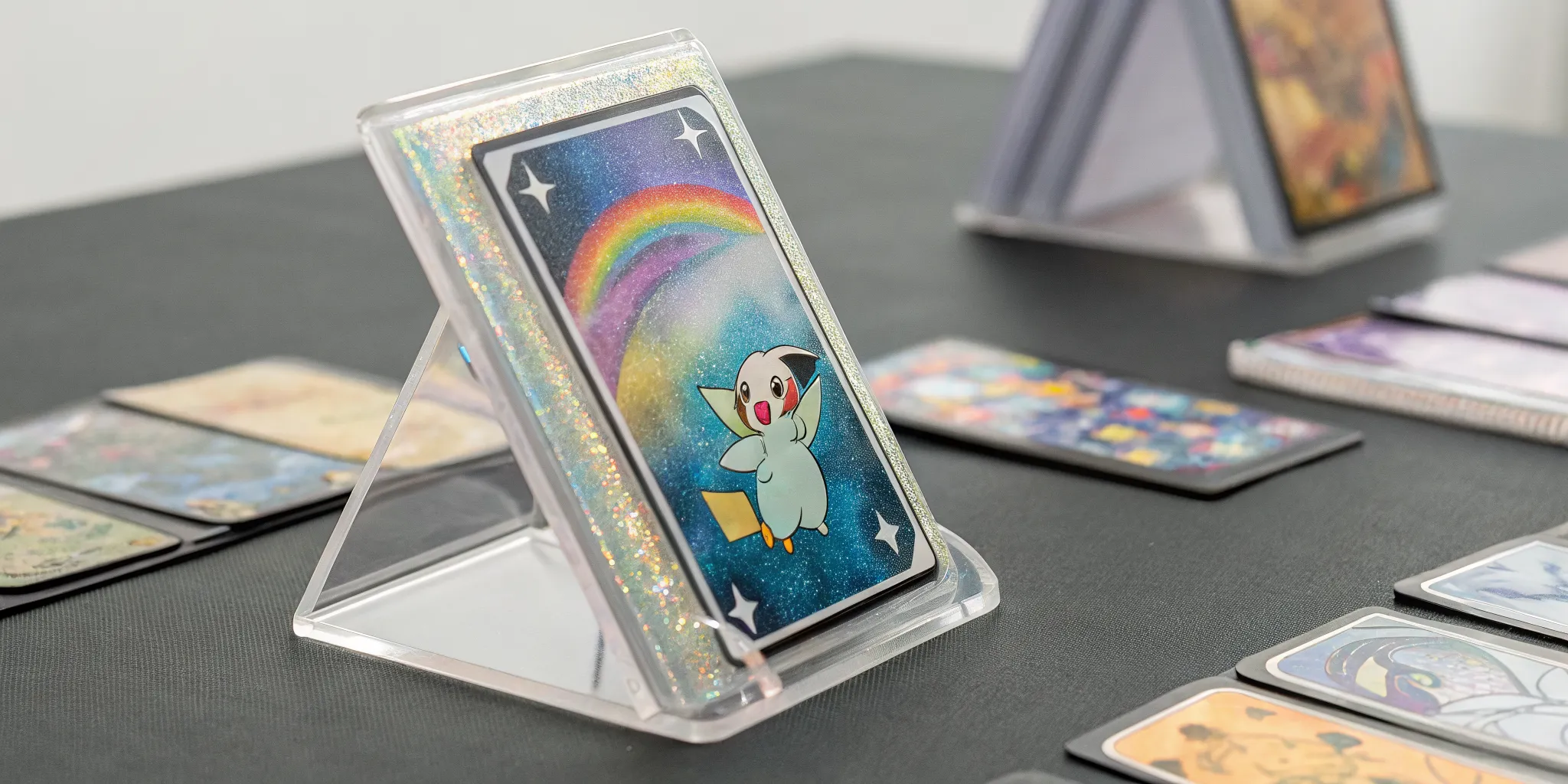
You just pulled a stunning card with a unique color and a brilliant holographic pattern. Congratulations, you’ve likely found a Shiny Pokémon. After the initial excitement, you’re probably wondering what to do next. How much is it actually worth? Should you consider getting it professionally graded? And with so many convincing fakes out there, how can you be sure it’s authentic? This guide is designed to answer all those questions. We’ll walk you through everything you need to know about pokemon shiny cards, from evaluating their condition and market value to spotting counterfeits and making smart decisions for your collection.
Key Takeaways
- A card's value is more than its shine: A Shiny card's price depends on the Pokémon's popularity, its rarity within a set, and its physical condition. Professional grading can certify a card's quality and often increases its market worth.
- Collect smarter, not harder: Instead of buying randomly, focus your efforts on specific sets known for shinies, like Hidden Fates, or try collecting all the shiny versions of your favorite Pokémon. This makes building your collection more manageable and meaningful.
- Protect your investment from the start: Learn how to spot fakes by checking for authentic textures, print quality, and holo patterns. Once you have a genuine card, keep it in mint condition using sleeves and rigid protectors to maintain its long-term value.
What Are Shiny Pokémon Cards?
If you’ve spent any time in the Pokémon TCG world, you’ve likely heard collectors buzzing about “Shiny” cards. So, what’s the big deal? Shiny Pokémon cards are special, alternate-color versions of Pokémon that are much harder to find than their standard counterparts. Think of a classic orange Charizard, then imagine pulling one that’s a stunning black and gray. That’s the magic of a Shiny.
These unique collectibles first appeared in the TCG back in 2001 and have been a collector's favorite ever since. Their rarity, combined with their striking designs, makes them some of the most sought-after cards in the hobby. Finding one in a pack is a thrilling moment, as they often feature unique textures and holographic foils that make them pop. Whether you’re a seasoned collector or just starting, Shiny cards represent a pinnacle of Pokémon TCG collecting, adding a layer of excitement to every pack you open.
Shiny vs. Regular Cards
At first glance, the most obvious difference between a Shiny card and a regular one is the color. Shiny Pokémon feature their rare, alternate color schemes from the video games, which immediately sets them apart. But the distinction goes deeper than just a new coat of paint. Many Shiny cards have special textures, like a raised or etched feel that you won't find on a standard card. They also often feature unique, full-card holographic patterns that catch the light in a completely different way. These premium details make them not just cards, but miniature pieces of art that stand out in any binder or display case.
Rarity Symbols and Special Markings
Trying to figure out if you’ve pulled something special is part of the fun. In modern Pokémon TCG sets, the creators have made it easier to identify these rare finds. For example, in the Scarlet & Violet—Paldean Fates expansion, you can look for specific rarity symbols at the bottom of the card. A single black star indicates a Shiny rare card, while two black stars mean you’re holding a Shiny ultra rare. These markings are a quick and reliable way to understand the scarcity of your pull, helping you instantly recognize when you’ve found a true treasure in your pack.
Holo Effects and Alternate Colors
The visual appeal of Shiny cards is what truly captivates collectors. The alternate color palettes offer a fresh perspective on iconic Pokémon, making them feel new and exciting all over again. Beyond the color swap, the holographic effects are often what steal the show. Instead of a simple holo box, you might find a card with a shimmering, textured foil that covers the entire surface. This combination of unique colors and dynamic holo patterns creates a visually stunning effect that makes these cards a prized collectible. It’s this extra level of detail that transforms a simple card into something truly special.
Why Are Shiny Pokémon Cards So Valuable?
Ever wonder why that one sparkly card in your collection is worth so much more than the others? It's not just about the glitter. The value of Shiny Pokémon cards comes down to a perfect storm of rarity, collector passion, and market dynamics. These cards are the treasures of the Pokémon TCG world for a few key reasons. Understanding what drives their price can help you appreciate the gems you pull from a pack and make smarter decisions as you build your collection.
Scarcity and Limited Print Runs
Just like finding a Shiny Pokémon in the video games is a rare event, pulling a Shiny card from a pack is incredibly difficult. The Pokémon Company intentionally produces these cards in much smaller quantities than their standard counterparts. This limited availability, often tied to special sets with short print runs, creates a natural scarcity. When there aren't enough cards to meet the demand from collectors, the value naturally goes up. It’s a classic case of supply and demand driving the market for these elusive collectibles.
Collector Demand and Unique Designs
Let's be honest, Shiny cards just look incredible. The alternate color schemes and holographic foil make them stand out in any binder. This visual appeal is a huge driver of demand. Collectors are passionate about completing sets or acquiring the Shiny versions of their favorite Pokémon. This isn't just about filling a slot in a collection; it's about owning a miniature piece of art that represents a special, rare encounter from the games. The emotional connection fans have with these unique designs keeps demand consistently high, making them prized possessions for any enthusiast.
Market Trends and Investment Potential
Beyond their looks, Shiny Pokémon cards have become a serious investment for many. The trading card market has seen significant growth, and these rare cards are often at the forefront. High-profile sales, like the Shiny Charizard from the Hidden Fates set fetching thousands of dollars, highlight their potential. Collectors and investors watch market trends closely, knowing that a well-maintained, graded Shiny card can appreciate in value over time. This combination of collectibility and financial potential makes them more than just game pieces; they're tangible assets in a thriving market.
Top Shiny Pokémon Sets to Collect
If you’re looking to add some sparkle to your collection, certain Pokémon TCG sets are famous for their high concentration of shiny cards. Focusing your search on these expansions can give you a better shot at pulling that alternate-color Pokémon you’ve been hunting for. From modern hits to vintage classics, these sets are fantastic starting points for any shiny collector. Each one offers a unique thrill and a chance to own a piece of TCG history.
Hidden Fates Shiny Vault
Released in 2019, Hidden Fates quickly became a fan favorite, largely thanks to its "Shiny Vault" subset. This special collection within the main set features dozens of shiny Pokémon, including many full-art GX cards that are absolutely stunning. The main prize that everyone is after is the Shiny Charizard-GX, a card that remains one of the most sought-after modern collectibles. The sheer number of shiny cards you can pull makes every pack opening an exciting event. If you love the thrill of the hunt, the Hidden Fates set is a must-have for your collection.
Shining Legends
Shining Legends is another special expansion that holds a legendary status among collectors. As one of the earlier shiny-focused sets, its smaller print run makes it rarer and highly desirable. The set is known for its "Shining" Pokémon, which feature textured foil and unique artwork that makes them stand out from standard holos. While the set list is more compact than others, it’s packed with iconic Pokémon like Shining Mew, Shining Rayquaza, and Shining Arceus. The rarity and classic appeal of these cards make Shining Legends a top-tier goal for serious collectors who appreciate a bit of TCG history.
Paldean Fates and Other Modern Sets
For those collecting newer cards, the Scarlet & Violet: Paldean Fates expansion is your go-to. This set is all about shinies, featuring everything from "baby shinies" (basic Pokémon in their shiny forms) to incredible Shiny Ultra Rares marked with a special sparkling star symbol. The chase cards here are huge, including a stunning Charizard ex and an alternate-art Mew ex that collectors are eager to find. Modern sets like Paldean Fates make shiny hunting more accessible while still offering high-value cards that can become the centerpiece of your collection.
Classic Neo Revelation Shinies
To see where it all began, you have to go back to the Neo Revelation set from 2001. This was the first set to introduce "Shining" Pokémon to the TCG, making it a landmark in the hobby's history. These original shiny cards, like the iconic Shining Charizard and Shining Gyarados, are considered holy grails by many vintage collectors. They feature a unique foil treatment that was different from anything else at the time. Owning one of these is like owning a piece of Pokémon history, and their rarity and nostalgic value keep them in high demand.
How Much Are Shiny Pokémon Cards Worth?
So, you’ve pulled a Shiny card. The big question on your mind is probably, "What is this thing actually worth?" The answer can range from a few dollars to a few thousand, and it all comes down to a combination of factors. The actual value of a card depends on its condition, rarity, and the current market demand. A common Shiny card from a recent set might not be a huge financial win, but a rare, sought-after one can be a serious collector's item.
Some Shiny cards, like the iconic Shiny Charizard from the Hidden Fates set, can sell for thousands of dollars in top condition. Understanding what drives these prices is the first step to evaluating your own collection. It’s not just about the sparkle; it’s about the story behind the card, its scarcity, and how many other collectors are trying to get their hands on it. Let's break down the key elements that determine a Shiny Pokémon card's price tag.
Key Factors in Card Value
Beyond the obvious shine, a card's value is determined by three main things: the Pokémon itself, the card's rarity, and the set it comes from. Popular Pokémon like Charizard, Pikachu, and Eeveelutions almost always command higher prices because of their massive fanbases. Rarity is also crucial. Look for the rarity symbol in the bottom corner of the card; a star indicates a rare card, which is a good starting point. However, some cards have an even greater scarcity due to being short-printed or part of a special, limited release like a "Shiny Vault" subset. This manufactured scarcity creates a chase for collectors and drives up the card's long-term value.
The Impact of Condition and Grading
A card's physical condition is one of the most critical components of its worth. A card fresh from a pack is considered "pack fresh" or "near mint," but even then, tiny imperfections can affect its value. Collectors look for sharp corners, clean edges without any "whitening," a flawless surface, and good centering of the artwork. To get an objective measure of a card's condition, many collectors turn to professional grading services. These companies authenticate the card and assign it a score, usually on a 10-point scale. A graded card with a high score (like a 9 or 10) is worth significantly more than a raw, ungraded version of the same card.
Tracking Market Price Trends
The Pokémon card market is dynamic, with prices that can change based on new set releases, tournament results, and collector trends. To get an accurate idea of what your card is worth, you need to check recent sales data. Websites like eBay (using the "sold items" filter), TCGplayer, and PriceCharting are excellent resources for seeing what people are actually paying for a specific card in various conditions. Staying informed about these trends is essential if you want to buy and sell valuable Pokémon cards safely and effectively. By tracking the market, you can make smarter decisions, whether you're looking to sell a big pull or invest in a card for your collection.
Where to Buy Shiny Pokémon Cards
Once you’ve decided to add some sparkle to your collection, the next step is the hunt. Finding shiny Pokémon cards is part of the fun, and there are several great places to look, each offering a unique experience. Whether you love the thrill of a surprise pull, the precision of buying a specific single, or the community feel of a local shop, there’s a method that fits your collecting style. The key is knowing where to look and what to look for. From the convenience of your couch to a weekend trip to a hobby store, let’s explore the best places to track down these elusive and beautiful cards.
Digital Mystery Packs
For collectors who love the excitement of opening a pack, digital mystery packs offer a modern twist on a classic experience. Platforms like Packz let you buy and open packs online, revealing your pulls instantly. It’s all the thrill of the rip without any of the clutter. If you pull a high-value shiny, you can choose to have the physical, graded card shipped directly to you. Or, if it’s not quite what you were looking for, you can often sell it back for site credit to open even more packs. This approach is perfect for anyone who wants immediate results and a fun, engaging way to chase down rare shiny cards from popular sets.
Trusted Online Marketplaces
If you have a specific shiny card in mind, online marketplaces are your best bet. Websites like TCGplayer and eBay have a massive selection of single cards from sellers all over the world. This is where you can hunt down that one specific shiny Charizard or Umbreon to complete your set. When buying from these platforms, it’s crucial to stick with highly-rated, trusted sellers to avoid fakes. Always check photos carefully, read the full description for details on the card’s condition, and don’t be afraid to ask the seller questions before you commit to a purchase.
Local Card and Hobby Shops
Don’t underestimate the value of your local card shops. These stores are fantastic resources for both new and veteran collectors. You can see the cards in person, which makes it much easier to inspect their condition and holo pattern before you buy. Plus, shop owners are often collectors themselves and can offer expert advice, share stories, and help you find what you’re looking for. Building a relationship with your local shop can also lead to hearing about new inventory first and connecting with a community of fellow Pokémon fans for trading and conversation.
How to Spot Fake Shiny Pokémon Cards
Nothing beats the excitement of adding a new shiny card to your collection, but that feeling can quickly sour if you discover it’s a fake. As counterfeit cards become more sophisticated, knowing how to authenticate your pulls is more important than ever. It’s a skill every serious collector should develop.
Fortunately, most fakes still have telltale signs that give them away. By carefully examining a few key details, you can learn to distinguish a genuine treasure from a convincing counterfeit. Let’s walk through the three most important areas to check.
Check the Texture and Print Quality
One of the first and easiest checks is a simple touch test. Authentic modern shiny cards, especially Full Arts and other ultra-rares, have a distinct texture. You can often feel a subtle, fingerprint-like pattern across the surface. In contrast, fakes are usually smooth and have an overly glossy finish that feels cheap. If the card feels slick and flat, it’s a major red flag.
Beyond texture, look closely at the print quality. A real Pokémon card will have sharp, crisp text and clean lines. Counterfeits often feature slightly blurry text, incorrect fonts, or colors that look washed out. A great way to spot fake Pokémon cards is to compare the suspect card side-by-side with a common card from the same set that you know is real.
Verify the Holo Pattern
The holographic foil is where many fakes fall short. Genuine shiny cards feature intricate and dynamic holo patterns that counterfeiters find difficult to replicate. As one expert notes, shiny cards show the Pokémon in their alternate color scheme, often with unique textures or holographic patterns that are specific to that card or set.
A fake card’s holo effect might look flat, like a simple rainbow sheen that doesn’t change much when you tilt it in the light. A real card’s holo will have depth and a distinct pattern that catches the light in a specific way. If you’re unsure, look up the card on a database like the Pokellector website to see high-quality images and compare the holo pattern.
Watch for Common Red Flags
Beyond texture and holo patterns, there are several other common giveaways. A popular method is the light test. Genuine Pokémon cards are made with a thin layer of black glue inside, so very little light should pass through them. If you shine your phone’s flashlight through a card and it lights up significantly, it’s almost certainly a fake.
Also, check the basics: Is the card border the right size? Does the card feel too flimsy? Are there any spelling errors or typos in the Pokémon’s name, attacks, or description? Even the energy symbols can be wrong. Since some online lists of Shiny Pokémon cards might not be complete, always cross-reference with multiple sources to confirm a card’s details.
Should You Get Your Shiny Cards Graded?
So, you’ve pulled a stunning shiny card. It’s the centerpiece of your collection, and you’re wondering what to do next. The big question on every collector’s mind is whether to get it professionally graded. Grading can preserve your card in a protective case and officially certify its condition, which can dramatically increase its value. However, it’s not a decision to take lightly.
The process costs money and takes time, so it’s not the right move for every card. Before you send your prized possession off, you need to think like an investor. You’ll want to carefully examine the card’s condition, understand its rarity and market demand, and weigh the potential financial return against the upfront costs. Getting a card graded is a strategic move that can pay off handsomely, but only if you choose the right candidate. Let’s break down what you need to know to make a smart decision.
Understanding Professional Grading
Professional grading services are third-party companies that specialize in authenticating and evaluating trading cards. When you submit a card, experts meticulously inspect it for flaws, looking at four key criteria: the centering of the artwork, the sharpness of the corners, the smoothness of the edges, and the quality of the surface. Based on this assessment, they assign a grade, typically on a scale from 1 to 10, with 10 being a flawless, gem mint card.
After grading, the card is sealed in a tamper-proof plastic holder, often called a "slab," with a label detailing its grade and other information. This process provides an unbiased, expert opinion on the card's quality. A higher grade can significantly increase a card's market value by giving buyers confidence in its authenticity and condition.
When to Grade a Card
Deciding which cards are worth the investment of grading can feel tricky, but a few key indicators can guide you. You should primarily consider grading cards that are rare, in mint condition, or already have significant market value. Think about your most sought-after pulls, like a chase Charizard or a limited-run shiny from a popular set. These are the types of cards that collectors are willing to pay a premium for, especially when they have a high grade.
Before sending anything in, inspect your card closely under a bright light. Look for any scratches on the holo, whitening on the edges, or off-center printing. Even tiny imperfections can lower the grade. If a card is already showing obvious wear, it’s probably not worth grading. The best candidates are pack-fresh cards that you’ve immediately protected in a sleeve and top loader.
Analyzing the Cost vs. Benefit
Grading isn’t free, so you need to do a little math to see if it makes sense for your card. Grading can be expensive, with fees that vary based on the service you choose and the card's declared value. On top of the grading fee, you’ll also have to pay for secure shipping and insurance both ways. These costs can add up quickly, especially for multiple cards.
To figure out if it’s worth it, research the card’s current market price. Look up what the card sells for in its "raw" or ungraded state. Then, search for what it sells for with different grades (like a PSA 8, 9, or 10). If the potential value increase between a raw card and a highly graded one is much larger than the total cost of grading, you have a good candidate.
Debunking Myths About Shiny Pokémon Cards
As you dive deeper into the world of Pokémon card collecting, you'll come across plenty of advice and "common knowledge." While much of it is helpful, some persistent myths can lead new collectors astray. Let's clear the air and tackle a few of the biggest misconceptions about shiny cards so you can build your collection with confidence. Understanding these truths will help you make smarter decisions, whether you're trading with friends or opening a fresh pack.
Myth: Every Shiny Card Is Valuable
It’s easy to assume that any card with a holographic finish is a major score, but that’s not always the case. While many shiny cards are highly sought after, the term "shiny" covers a wide range of rarities and designs. A card's true value depends on a combination of factors, including its condition, the specific Pokémon, its rarity in the set, and current collector demand. Some shiny cards from modern sets are printed in large quantities, making them quite common. Avoiding common collector mistakes, like assuming all shinies are valuable, is key to building a strong collection.
Myth: You're Guaranteed a Shiny Pull
This is one of the most common Pokémon TCG myths. Many collectors hope that every booster pack, box, or bundle guarantees a certain number of shiny cards, but the Pokémon Trading Card Game is built on chance. There are no guarantees. The thrill of opening a pack comes from its unpredictability; you never know what you might find inside. While some sets have better pull rates for rare cards than others, a shiny card is never a sure thing. The chase is part of what makes finally pulling that special card so exciting.
Myth: Older Always Means Rarer
Finding a vintage shiny card feels like uncovering a treasure, but its age doesn't automatically make it valuable. While many older cards, especially first editions, are rare, a card's worth is determined by more than its print date. Factors like its condition, how many were originally printed, and its popularity among collectors play a much larger role. A pristine, modern chase card can easily be worth more than an older, more common shiny card in poor condition. Always research a card's market value instead of just relying on its age.
How to Build Your Shiny Pokémon Collection
Building a shiny Pokémon collection is an exciting goal, but it can feel a little daunting when you're just starting out. The key is to have a plan. Instead of randomly buying every shiny card you see, a focused approach will make the process more enjoyable and your collection more meaningful. With a bit of strategy, you can build an impressive collection of these stunning cards without getting overwhelmed or emptying your wallet. These tips will help you get started on the right foot.
Start with Budget-Friendly Cards
It’s a common myth that every shiny card comes with a hefty price tag. Believing this can lead to overspending on cards that aren't actually that rare. The truth is, many beautiful shiny cards are quite affordable, especially those from more recent sets. Before you start buying, take some time to understand the market and see what different cards are selling for. Starting with budget-friendly options is a great way to grow your collection and learn the ropes without a huge financial commitment. You can always hunt for those high-value grail cards later on as you become a more experienced collector.
Focus on Specific Sets or Pokémon
The world of shiny Pokémon cards is vast, with cards spanning from the early Neo series to modern releases. Trying to collect them all is nearly impossible, so it’s smart to narrow your focus. You could concentrate on a specific Pokémon card set known for its shiny cards, like the fan-favorite Hidden Fates or Shining Legends. Another great approach is to pick your favorite Pokémon and try to collect all of its shiny card variations. This gives your collection a personal touch and makes the hunt more directed and rewarding. A focused collection is often more impressive than a random assortment of cards.
Protect and Store Your Cards Properly
Once you start acquiring shiny cards, protecting them is your top priority. Your collection deserves better than being tossed in a shoebox. Proper storage is essential for maintaining the condition and value of your cards over time. The best practice is to immediately place each card in a soft "penny" sleeve and then into a more rigid protector, like a top loader or a binder page. This simple two-step process shields them from dust, scratches, and bent corners. Keeping your cards in mint condition ensures they’ll look just as brilliant years from now as they did the day you found them.
Related Articles
- How to Collect Pokémon Cards: A Beginner's Guide | Packz Blog
- How to Spot Fake Cards: A Collector's Guide | Packz Blog
- 10 Best TCG Packs for Collecting and Investing | Packz Blog
- How to Sell Pokémon Cards for Cash (For Max Profit) | Packz Blog
Frequently Asked Questions
What's the difference between a "Shiny" card and a "Shining" card? That's a great question that trips up a lot of collectors. "Shining" cards are the original versions of these alternate-color Pokémon, first introduced way back in the Neo sets. They have a unique foil treatment on the Pokémon itself, not the background. "Shiny" is the more modern term, often used for cards from sets like Hidden Fates or Paldean Fates, which can feature full-card textures and different holographic styles. Think of "Shining" as the vintage original and "Shiny" as its modern successor.
I'm just starting out. Is it better to buy packs or individual shiny cards? This really comes down to what kind of collector you want to be. If you love the thrill of the hunt and the surprise of a great pull, opening packs is an incredibly fun experience. It’s a great way to build a broad collection. However, if you have your heart set on one specific shiny Pokémon, buying it as a single card is the most direct and often most cost-effective way to get it. Many collectors do a bit of both to keep things interesting.
How do I know if a shiny card is worth the cost of grading? A good rule of thumb is to grade cards that are both valuable and in excellent condition. Before you even think about sending a card off, research its market price as an ungraded, or "raw," card. Then, look up what that same card sells for with a high grade, like a 9 or 10. If the potential increase in value is significantly more than the total cost of grading and shipping, it's likely a solid candidate.
What's the first thing I should do right after I pull a valuable shiny card? The absolute first thing you should do is protect it. The moment it comes out of the pack, its condition is at its peak. Gently slide it into a soft plastic sleeve, often called a penny sleeve, to protect the surface from scratches. Then, for added security, place that sleeved card into a rigid holder like a top loader. This simple two-step process is the best way to preserve its condition and value from the very beginning.
Are the shiny pull rates public? How can I know my chances? The Pokémon Company doesn't officially publish the exact pull rates for specific cards, which keeps an element of mystery in every pack. While collectors have gathered tons of data to create estimated pull rates for certain sets, there are no guarantees. Some sets, like Paldean Fates, are designed to have a higher concentration of shiny cards, but pulling a specific one is always a matter of luck. This unpredictability is what makes finally finding that chase card so rewarding.
Recommended Reading
Cash for Graded Sports Cards: The Fastest Ways to Sell
Get cash for graded sports cards faster. Compare auction houses, marketplaces, and instant buyback options to pick the route that fits your timeline.
How to Compare Value in Sports Card Packs
Learn how to compare sports card packs using card quality, available pulls, pricing clarity, and Packz’s 100% buyback option.
How to Buy Pokemon Packs Online for Ripping
Ready to buy pokemon packs online for ripping? Get transparent pack value and clear pull odds so you never overpay for the thrill of the hunt. Start collecting safely.